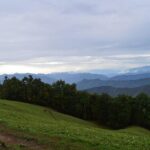
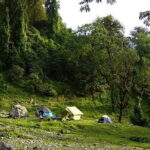
Snow or sunshine, Kedarkantha delivers. This Kedarkantha (3810m) trek runs through the Govind wildlife sanctuary with winter snow drama and summer meadow greens, plus a summit moment that feels big even when you’re not trying to be hardcore. I especially liked the way the trek balances effort and reward for an easy-moderate level, and how much is handled for you on camp life. One consideration: the trek depends on good weather, and cold/icy conditions at altitude can make your “easy” days feel tougher if you’re under-prepared.
If you’re coming from Rishikesh, the experience starts with a scenic hill drive to the trailhead at Sankri, passing towns like Mussoorie, Purola, Mori, and Natwar. With a 5-day format and a total trek distance of about 20 km, you get time in the mountains without living in the boot-forever zone. Just keep in mind this is still an altitude trek, and your comfort will come down to how you pack and pace yourself.
In This Review
- Key things to know before you go
- Why Kedarkantha is a smart pick for a 5-day Himalaya trip
- Rishikesh to Sankri: the road trip that sets the tone
- The 5-day trek feel: forests, meadows, and the summit moment
- Trek segment 1: forests and gradual mountain rhythm
- Trek segment 2: meadows, lakes, and the open-sky feeling
- Trek segment 3: reaching Kedarkantha at 3810m
- Trek segment 4: descent and returning to base
- Camps and included gear: what “comfort” means in the Himalaya
- Guides, support team, and the quality of your mountain day
- Price and value: is $156.02 actually fair?
- When to go for the best match of snow or greenery
- Who should book Kedarkantha, and who should think twice
- Should you book this trek with Yeti Outdoors?
- FAQ
- Where does the Kedarkantha trek start and end?
- How long is the trek and what is the total trekking distance?
- Is pickup available?
- What’s included in the trek price?
- What is not included in the price?
- When is the best time to go?
- What happens if weather is bad or I need to cancel?
Key things to know before you go
- Summit at 3810m: a clear altitude goal, with views framed by Himalayan giants
- Easy-moderate pacing: shorter trekking distances built for beginners who can hike consistently
- All camp gear included: tents and sleeping bags are part of the package
- Meals on trek are included: you’ll eat well without tracking every meal stop
- Guides and support team: guides, cooks, helpers, and porters/mules help run the show
- Season changes everything: thick winter snow in colder months and lush meadows later on
Why Kedarkantha is a smart pick for a 5-day Himalaya trip
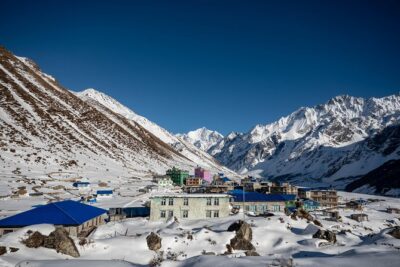
Kedarkantha sits in Uttarakhand’s Govind wildlife sanctuary and national park region, with trails that can look totally different depending on when you go. In winter, thick snow can cover the ground in a way that turns every turn into a photo moment. In warmer months, you trade snow drama for lush green meadows and a more open, breezy feeling.
What I like most is that the trek is built to fit into a tight time window. You’re not dealing with a weeks-long commitment, but you still reach a meaningful high point at 3810m. Even with an easy-moderate label, the mountain is the mountain, so you’ll still feel that sense of achievement when the summit is within reach.
Another underrated value point: you’re trekking inside a protected area, not just hiking along a random path. That means the scenery isn’t only about the big view; it also comes with forests, flora, and fauna experiences along the way. And yes, in winter, lakes can be frozen, which adds that quiet, otherworldly look to the route.
Possible drawback to plan around: conditions matter. The tour requires good weather, and the region’s terrain means cold and snow can slow you down. If you show up with thin layers or no flexibility in your expectations, you’ll feel it fast.
You can also read our reviews of more tours and experiences in Rishikesh.
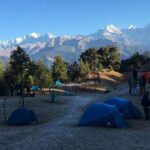
Rishikesh to Sankri: the road trip that sets the tone
Your journey begins in Rishikesh at Yeti Outdoors, with start time listed as 9:00 am. Pickup is offered, and in general, this matters because it reduces the stress of getting everyone to the starting point on time.
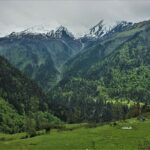
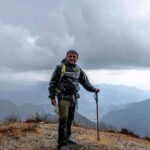
From there, the roadhead of Sankri is where the trek starts. And the drive isn’t just a transfer; it’s part of why people enjoy this route. You’ll pass through hill towns including Mussoorie, Purola, Mori, and Natwar, most along the banks of the Tons river. Even if you only get a few views from the vehicle, you’ll feel the transition from busy plains into the slower mountain rhythm.
One practical note: food and stay in Mussoorie or during transit are not included. That means you should budget a little for snacks, quick meals, or a stop if the schedule asks for it. If you’re the type who hates surprise spending, pack light essentials and keep a small cash reserve for transit.
The 5-day trek feel: forests, meadows, and the summit moment
You’re looking at about 20 km of trekking over roughly 5 days, and the tour calls it easy-moderate. That usually means you’re not doing extreme technical hiking, but you still need steady walking stamina, especially as altitude rises.
Trek segment 1: forests and gradual mountain rhythm
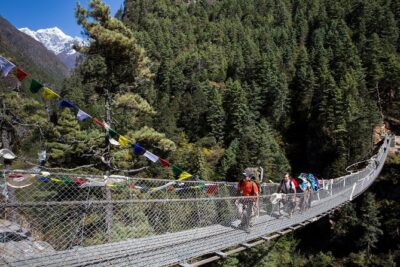
Early on, you can expect trekking trails that move through forests with a sense of gradual change in air and light. This is the part where you learn the pace you’ll keep for the rest of the trip. If you go too fast on day one, the altitude later will remind you.
You’ll also see how the route supports both beginners and repeat hikers: the distances are small enough to manage, but the environment keeps it interesting. Think fewer “endless hours” and more “keep moving, stop, look, keep moving.”
Trek segment 2: meadows, lakes, and the open-sky feeling
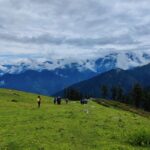
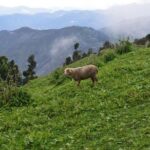
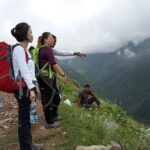
As the days progress, the trail opens up into vast meadows. In winter, lakes along the route can be frozen, creating a still, silent look that feels different from the snow on the ground. In warmer months, those same areas become green fields rather than white basins.
This is a great segment for anyone who wants variety without changing the whole plan. You’re not only staring at one type of scenery for days. You get a mix: thick forest stretches, open meadows, and big sky moments where the mountains feel close.
Trek segment 3: reaching Kedarkantha at 3810m
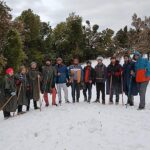
The highlight is the summit of Kedarkantha at 3810m (12500 feet). This is the day where your pacing habits matter most. Even if the climb isn’t technically difficult, you’ll feel the thinner air and cold temperatures depending on season.
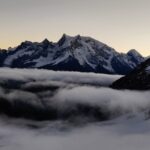
The payoff is the feeling of being surrounded by Himalayan giants. You’re in the Govind sanctuary zone, which adds a sense of space and protection around the route. On a clear day, the summit views can make the earlier walking feel totally worth it.
If weather turns, don’t panic. Since the experience requires good weather, your team will be aiming to keep conditions safe. Your best move is to stay flexible and treat the mountain as the boss.
Trek segment 4: descent and returning to base
After the high point, you’ll descend back toward camp areas and ultimately toward the trail’s end. Descents can feel surprisingly hard because your knees do more work than you expect, especially on uneven snow or loose ground.
This part is also where good organization shows. When you’ve got a support team handling tents, kitchen needs, and camp logistics, you can focus on walking safely and keeping warm.
Camps and included gear: what “comfort” means in the Himalaya
The package includes use of tents and sleeping bags, along with all technical, kitchen, and central equipment. That’s a big deal. Winter and high-altitude nights can get serious, and it’s not the place to find out you didn’t pack the right sleeping setup.
Having meals on trek included also changes how you experience the days. You’re not planning meals between trail segments, and that reduces mental load. It also helps keep you fueled for the harder altitude stretches.
In terms of camp atmosphere, one of the standout positives from past experiences is the staff vibe and the overall camping feel. People have talked about enjoying the camping days and the presence of cozy bonfires as part of the evening routine. That matters because a trek isn’t only about daytime effort; it’s also the downshift after.
A consideration: what’s included is mainly the equipment and camp essentials. Personal expenses and stay/food in Mussoorie or transit are not included, so plan money for those gaps. Also, you’ll want to bring your own personal layers and basics even if the sleeping bag is provided.
Guides, support team, and the quality of your mountain day
Yeti Outdoors runs the experience, and the tour includes services of guides, cooks, helpers, and porters/mules. In practice, this means your day isn’t just about your own route-finding and survival planning.
One guide name that shows up in feedback is Mr. Manish, specifically praised for sharing proper history and geography of the place. I love that kind of guiding because it turns a scenic trek into a meaningful one. When you understand what you’re walking through, you notice more than just the view.
The support team also matters for safety and smooth camp setup. When equipment handling is covered, you’re more likely to get a good night’s rest and a calmer start in the morning. On a mountain trip, small issues on the ground can become big problems. Good logistics prevent that.
Who tends to appreciate this most?
- Solo trekkers who want guidance and structure without losing personal freedom
- Beginners who are excited but don’t want to learn camping logistics on the fly
- Small groups who want a clean, organized experience
Price and value: is $156.02 actually fair?
The price listed is $156.02 per person for an approximately 5-day trek. That sounds modest for a high-altitude experience, but the real question is what’s inside the box.
Here’s what you’re paying for that’s usually where trekkers spend extra:
- Permits and entry fees
- All meals on trek
- Tents and sleeping bags plus kitchen/central equipment
- Guides and support staff including cooks, helpers, and porters/mules
- Fees and taxes
When you add those up, the value starts to make sense. You’re not just buying a hike. You’re buying an organized expedition with equipment, planning, and food logistics handled for you.
Not included items are where you should budget to avoid surprises:
- Insurance and claims due to natural calamity like landslide/road blockage
- Personal expenses
- Stay and food in Mussoorie and during transit
- Transportation is only arranged on request for an additional charge
If you already have trekking clothes and a comfortable base layer system, your main additional cost becomes transit snacks and insurance planning. If you don’t have gear, you’ll be glad the sleeping and camp setup is covered.
Group discounts are mentioned, and pickup is offered. For the right group size, that can bring the price down even further per person.
When to go for the best match of snow or greenery
The best time to go is listed as Nov–June and Sept–Nov. This lines up with the trekking theme: thick snow cover in winter months, and lush green meadows in summer months.
Touring in winter gives you the snow-heavy version of Kedarkantha: frozen lakes, a brighter world under snow, and a more dramatic mountain feel. In other months, the trek becomes greener and less white, with more of that open meadow atmosphere.
The tour also mentions it works all year round except monsoons. Monsoon timing can bring heavy rain and challenging trail conditions. If you want clearer footing and more predictable hiking, choose one of the listed best seasons.
Who should book Kedarkantha, and who should think twice
This trek is labeled easy-moderate, and the total distance is about 20 km across five days. That makes it a strong option for beginners who can walk for sustained periods and handle basic altitude discomfort.
It’s also a good fit if you like the mix of:
- Forest-to-meadow scenery
- A real summit at 3810m
- Camping with included gear and meals
- A structured guide and support team
Who should think twice?
- Anyone who hates cold conditions and isn’t willing to pack appropriately for winter temperatures
- People who want fully predictable weather on every day (the experience requires good weather)
- Anyone who assumes insurance is covered (it is not included)
If you’re going solo, you’ll still have a guide and a team. Previous solo experiences have highlighted the value of having a guide like Mr. Manish who explains history and geography while keeping the trek moving.
Should you book this trek with Yeti Outdoors?
I’d book it if you want a well-supported Himalayan trek that hits a true altitude goal without turning into a long, grueling grind. The big value is in the included camp gear, meals, permits, and the fact that cooks and porters/mules are part of the plan. That frees you to enjoy the trail instead of managing logistics.
I’d hesitate if your trip dates are flexible and weather concerns stress you out. Since the experience requires good weather, you should be ready for possible rescheduling if conditions are poor. Also, check that you’re comfortable with cold nights and the reality of trekking up to 3810m.
If you match the vibe—curious, patient, and ready to hike steadily—Kedarkantha is a memorable 5-day mountain escape.
FAQ
Where does the Kedarkantha trek start and end?
The trek starts at the meeting point in Rishikesh (Yeti Outdoors) and the experience ends back at the same meeting point. The trek roadhead is Sankri, which is where the hike begins.
How long is the trek and what is the total trekking distance?
The duration is approximately 5 days, and the total trek distance is about 20 km. The maximum altitude reached is 3810m (12500 feet).
Is pickup available?
Pickup is offered, and you’ll meet at Yeti Outdoors with a listed start time of 9:00 am.
What’s included in the trek price?
The package includes tent and sleeping bag use, permits and entry fees, all meals on trek, and the services of guides, cooks, helpers, and porters/mules. Fees and taxes are also included.
What is not included in the price?
Insurance is not included, and you’re responsible for personal expenses. Stay and food in Mussoorie and food during transit are also not included. Transportation can be arranged on request for an additional charge.
When is the best time to go?
The best time to go is listed as Nov–June and Sept–Nov. The trek is described as an around-the-year option except for monsoons.
What happens if weather is bad or I need to cancel?
You can cancel for a full refund if you cancel up to 24 hours in advance of the experience start time. If the experience is canceled due to poor weather, you’ll be offered a different date or a full refund.