REVIEW · SUNDARIJAL
Kathmandu: Chisapani Nagarkot 3-Days 2-Nights Trek
Book on GetYourGuide →Operated by Breakfree Adventures Pvt. Ltd. · Bookable on GetYourGuide
Big Himalayan views, minus the high-altitude drama. I love the way this sunrise and sunset timing sets the mood, and the way a private English-speaking guide keeps the trail understandable and the culture feel close-up. The big consideration is that the best mountain views are weather-dependent, especially in cloudy or monsoon conditions.
This is a rare Kathmandu-area trek where you get the whole thing organized for you: private vehicles at both ends, guided hiking, and permits for the protected areas you walk through. I also like the route choice here because it moves from reservoir-side climbs to forest paths, then lands you at Nagarkot for those classic ridge views.
The hiking itself is no walk-in-the-park. You’ll work for it with uphill sections, stairs, and a long Day 2, so plan for effort, not just scenery. If rain hits hard, you may need flexible thinking, and having a guide who can arrange a ride back can matter.
In This Review
- Key highlights worth caring about
- Why this trek feels safer than high-altitude Nepal hikes
- Day 1: Sundarijal to Chisapani through Shivapuri National Park
- Day 2: Chisapani to Nagarkot, forest climbs and village terraces
- Day 3: Nagarkot sunrise to Changu Narayan, plus Bhaktapur and Kathmandu views
- Lodges, bathrooms, and what to expect in Chisapani and Nagarkot
- Guide quality: what you gain with an English-speaking specialist
- Price and value: why $190 can be fair here
- Pack list that matches this route and the monsoon risk
- Weather strategy: how to plan when mountain views are uncertain
- Who should choose this trek, and who might want something easier
- Should you book this Kathmandu trek?
- FAQ
- How long is the Kathmandu Chisapani Nagarkot trek?
- Where does the trek start and where does it end?
- What are the hiking times for each day?
- Is this trek guided, and in what language?
- What’s included in the price?
- Are meals included during the trek?
- Is portering included?
- What should I bring for the hike?
- Is the sunrise and mountain view guaranteed?
Key highlights worth caring about
- Private guide time: English explanations, route help, and a more relaxed pace.
- Nagarkot sunrise and early light: the day starts for a reason, not just for exercise.
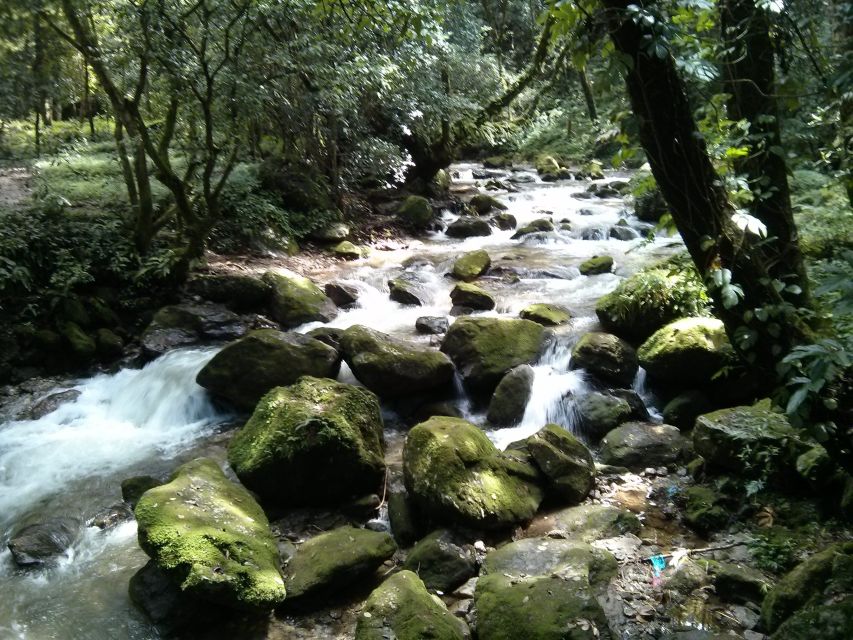
- Shivapuri National Park trail: you’re hiking inside a protected zone, not just farmland roads.
- Village-to-ridge variety: Tamang villages, terraced fields, and forest walking in 3 days.
- Changu Narayan’s 323 AD temple: history at the finish, plus big viewpoints on the way.
- Monsoon-ready realism: rain gear is essential, and weather can change plans.
Why this trek feels safer than high-altitude Nepal hikes
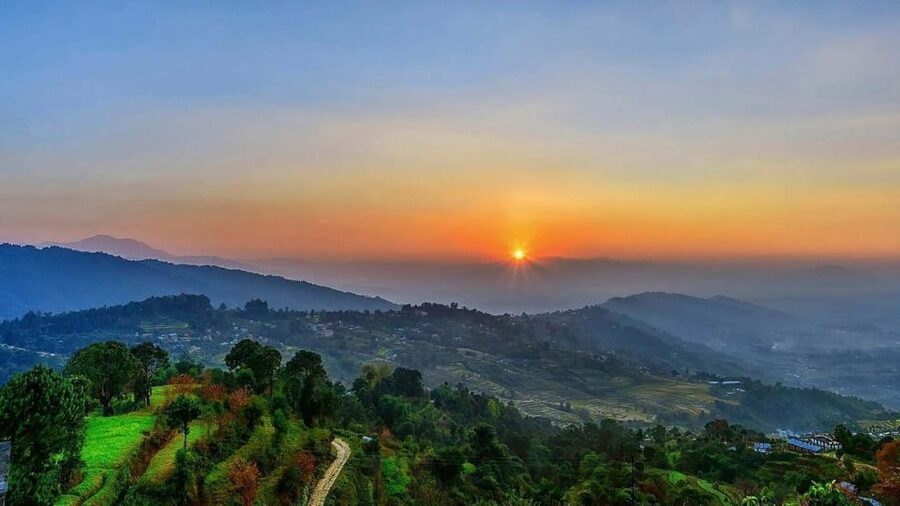
This is a Himalayan-adjacent trek, not a high-altitude slog. The plan stays in the Kathmandu Valley region, so you’re not dealing with the big acclimatization pressure you get on higher routes. That makes it a strong choice if you want dramatic mountain views but you’d rather spend your energy on hiking and culture, not medical math.
You still get that Himalaya feel in the way the trail lines up with ridges and valleys. If visibility is good, you can spot ranges including Langtang Himal. The flipside is simple: clouds can steal the show fast, so think of this trek as a “views if the sky cooperates” experience.
The structure also helps. Two full hiking days plus a shorter temple day keeps your schedule readable. And because you’re not pushed into thin-air altitude, you can focus on enjoying the path and the stops.
Day 1: Sundarijal to Chisapani through Shivapuri National Park
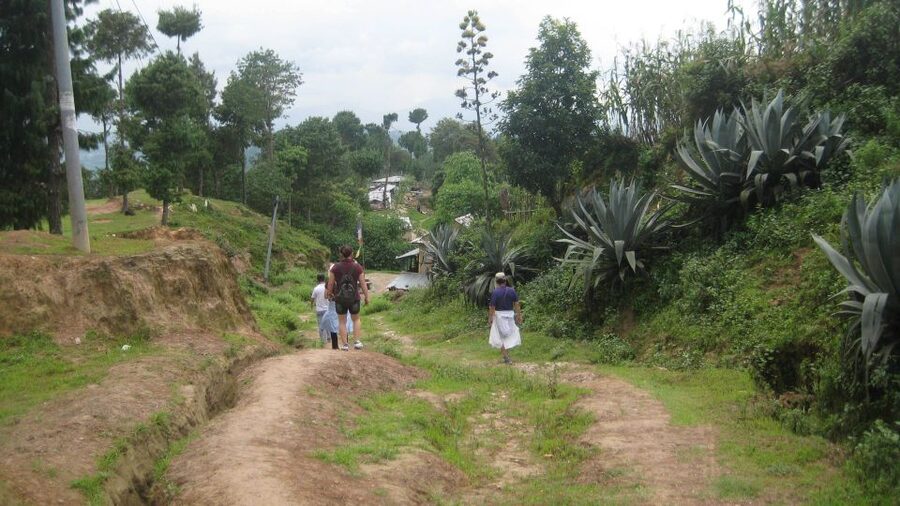
Day 1 starts with a private drive from Kathmandu to Sundarijal (1,460 m), then you hike onward about 5–6 hours to Chisapani (2,165 m). The first stretch follows a wide water pipe downhill-to-uphill style, then you enter Shivapuri National Park. That early rhythm matters because it sets expectations: you’re going to be moving uphill right away.
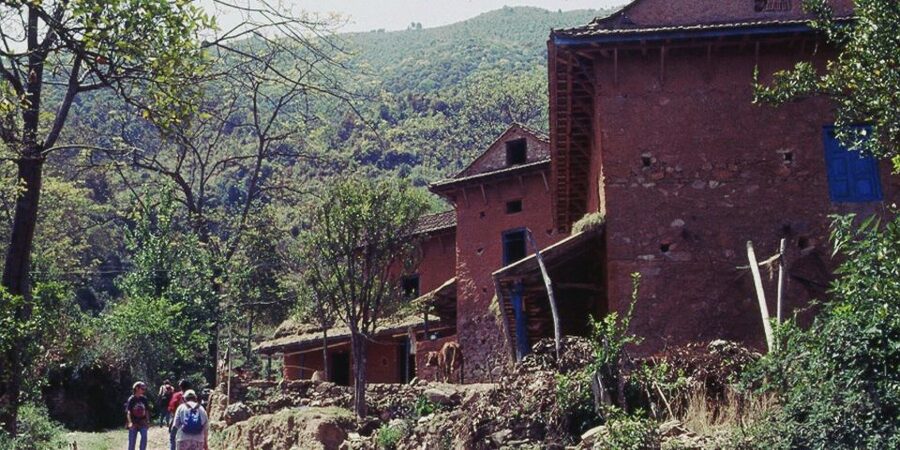
As you climb, the trail passes Mulkharka Village and then Tamang Village before reaching Chisapani. I like this mix because it makes the hike feel lived-in. You’re not just walking through trees; you’re also walking through how people shape this hillside world.
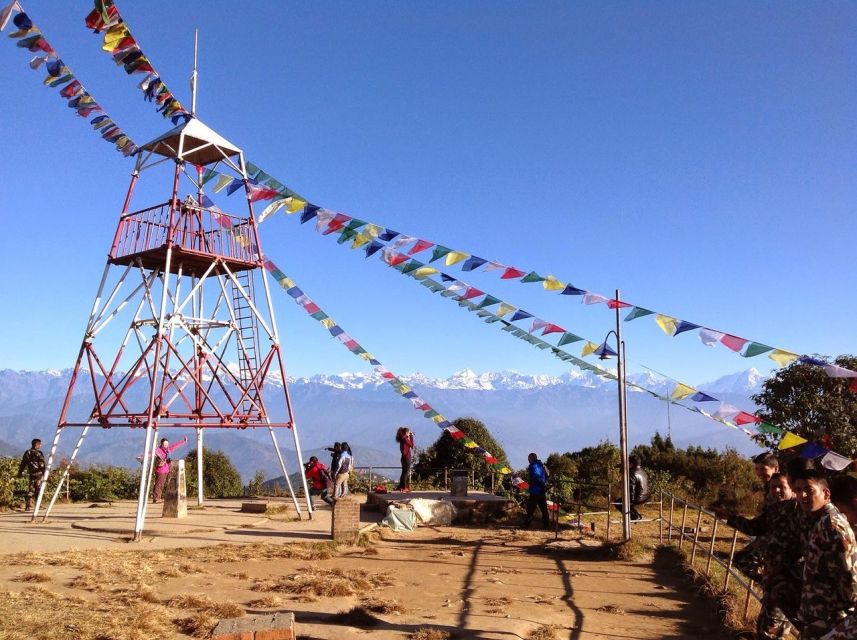
What you’re hunting on this day is the first serious glimpse of the mountains. In clear moments, Chisapani can give you views toward Langtang Himal and more. And when the afternoon shifts, the lodge area can turn into a sunset checkpoint over the hills.
One practical note from real-world experience: lodge facilities can vary. One guide-led trip experience mentioned a room that wasn’t fully ready and a lack of toilet paper, so I’d plan to bring a small backup item just in case. It’s a cheap insurance policy for a long day.
Day 2: Chisapani to Nagarkot, forest climbs and village terraces
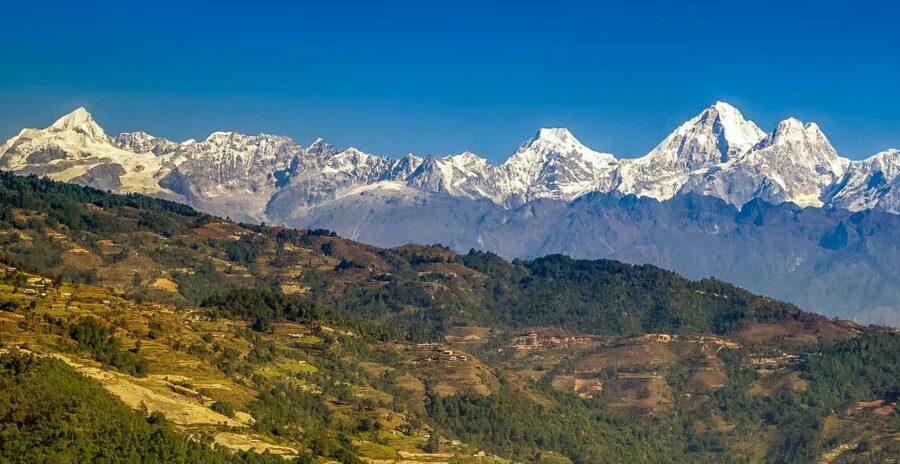
Day 2 is the long one: roughly 6–7 hours hiking from Chisapani (2,175 m) to Nagarkot (2,175+ m area, depending on route). After breakfast, the trail moves through lush forest and then starts alternating climbs and descents.
You’ll descend toward places like Jhule and Chauki Bhanjyang, cross villages and terraced fields, and reach Kattike Bhanjyang. This is where the trek feels most “local” to me. The landscape changes as you move from shaded woodland to open agricultural slopes, and you get lots of small scene changes instead of staring at the same view for hours.
The main work comes late. From Kattike Bhanjyang you’ll have to climb up to Nagarkot, and that last push is where the payoff can show up. If you get clear weather, Nagarkot can open views across multiple Himalayan ranges, again including Langtang on the right day.
Monsoon reality matters here. Several people have hiked this route at the end of June, sometimes with great weather and sometimes with heavy rain. Even if the sky is cloudy, you can still have a memorable hike because the trail itself is full of movement and village life. Rain gear helps you keep going without turning Day 2 into a misery contest.
Day 3: Nagarkot sunrise to Changu Narayan, plus Bhaktapur and Kathmandu views
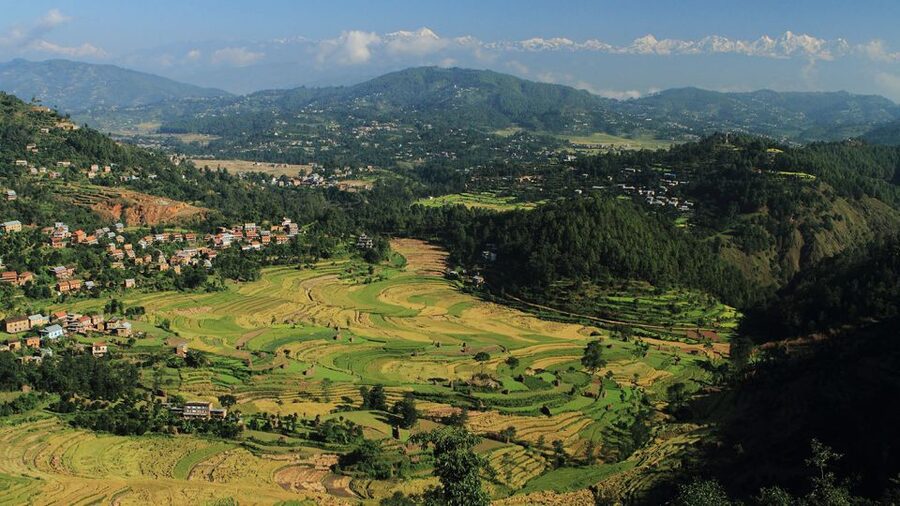
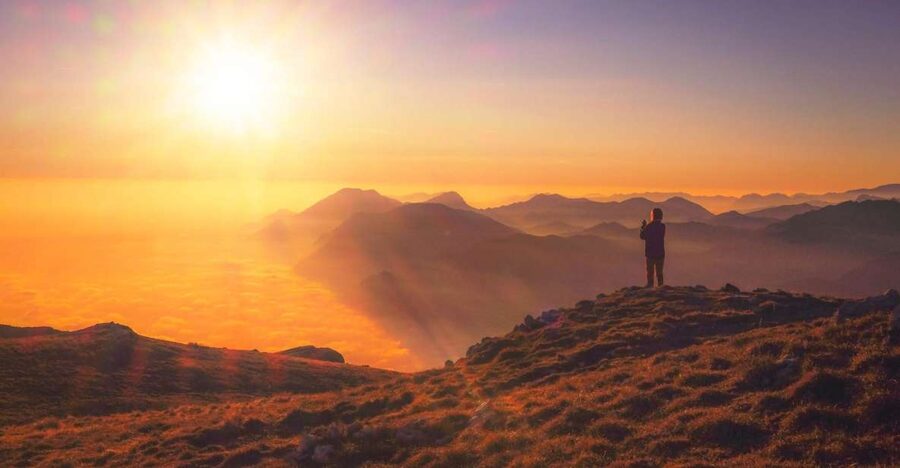
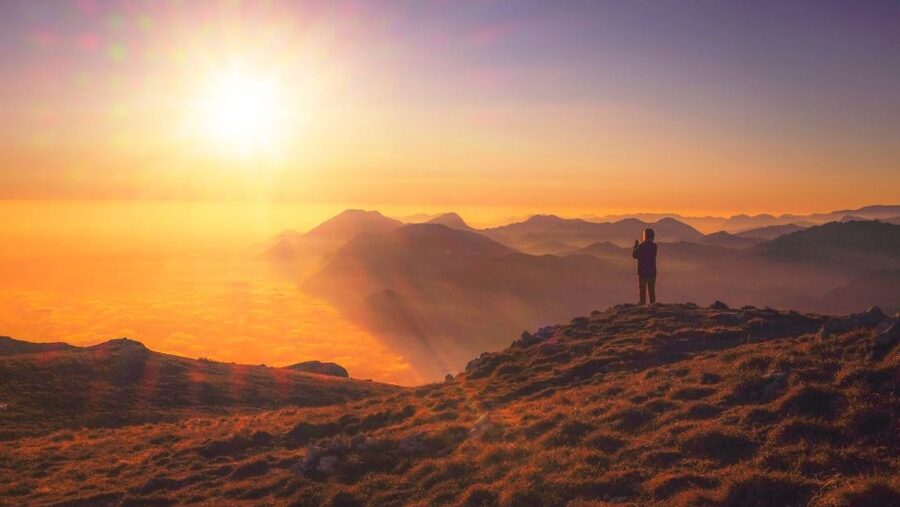
Day 3 starts with an early wake-up to watch for sunrise over the Himalayas. This is one of the most important parts of the itinerary, because sunrise is the moment Nagarkot’s ridge setting can pay you back. If it’s overcast, you may not get the full show, but you’ll at least get a different kind of mountain atmosphere.
After breakfast, you hike to Changu Narayan (1,541 m) for about 3–4 hours. The trail descends via Telkot, which helps break up the difficulty into something more manageable after two longer hiking days.
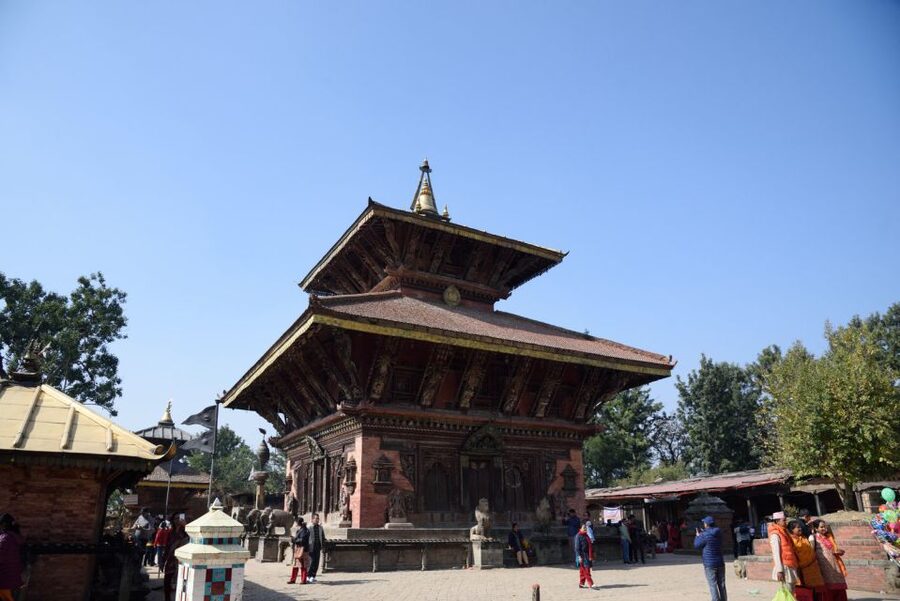
Along the way, you can get bird’s-eye views of Bhaktapur and Kathmandu. That’s a nice change from ridge-to-ridge views because it ties your hike back into the city basin. Then you finish at the 323 AD Changu Narayan Temple, an old stone landmark that makes the end of the trek feel meaningful, not just logistical.
Once you reach Changu Narayan, you meet your vehicle and drive back to Kathmandu, typically around 1 hour. The combination of temple history plus a city overlook is a good way to end: you get beauty, not only a final hike stamp.
Lodges, bathrooms, and what to expect in Chisapani and Nagarkot
Accommodation is part of the value here, but it’s not luxury trekking. You’re in the best available lodge/guest house options in Chisapani with breakfast included, and in Nagarkot you’re in accommodation with breakfast and an attached bathroom.
That attached bathroom detail is worth caring about. After long hiking days, having a private setup can make the night feel calmer and easier. It also helps you sleep better when you’re tired and might still be dealing with damp clothes from the trail.
At the same time, you should be mentally prepared for small differences in lodge readiness. One experience included a room that wasn’t fully cleaned and missing toilet paper. That doesn’t mean every stay is like that, but it does mean you should travel like a responsible adult: bring a small roll of toilet paper and a quick-clean wipe, just in case. Nepal mountain lodges can be friendly and basic at the same time.
Food is where you’ll have more control. Lunch and dinner are not included, so you’ll either buy meals along the way or eat at your lodge based on what’s available. If you’re picky about timing, it helps to eat early when options are easiest.
Guide quality: what you gain with an English-speaking specialist
A great guide changes everything on a short trek like this. Instead of hiking as a blur, you understand why the trail bends here, what the villages mean, and how the local culture connects to the mountains.
In the experiences connected to this trek, people mention guides who are friendly and genuinely engaged, including names like Dipak Karki, Govinda Pathak, and Ramesh. The common thread is that the guide makes time feel productive. They explain routes, share Nepal context, and keep things light with jokes when the climb starts to feel long.
That matters for a couple reasons:
- When weather clouds in, a guide helps you adjust expectations and pace without panic.
- When the trail has stairs or uneven footing, guidance reduces stress.
- When you finish at Changu Narayan, local framing turns a temple stop into a story you can actually hold.
If you’re solo, having that social and practical support can make the trek feel safer and easier. It won’t remove every worry, but it can remove a lot of the uncertainty.
Price and value: why $190 can be fair here
At $190 per person for 3 days and 2 nights, the value isn’t just “a guide and some hikes.” What you’re paying for is organization and included components that would cost time and money to recreate yourself.
This price includes:
- Hotel pick-up and drop-off in Kathmandu (inside the ring road)
- Private transport to Sundarijal and from Changu Narayan back to Kathmandu
- Breakfast included at lodges in Chisapani and Nagarkot
- Lodging in Chisapani (best available lodge/guest house) and Nagarkot (with attached bathroom)
- National park and hiking permits
- A highly experienced licensed guide
- All necessary taxes
If you tried to DIY this trek, you’d likely spend a lot on transport coordination, permits, and a guide who knows the route pacing. The included transfers also prevent a common headache: getting to trailheads around Kathmandu Valley on schedule.
One caution: for solo travelers, this kind of private setup can feel expensive compared to joining a group trek. If you’re traveling as one person and you’re watching budget hard, compare how “private transfers” and “private guide” match what you actually want.
Pack list that matches this route and the monsoon risk
Bring gear that handles changeable weather and constant movement. The essentials for this trek include:
- Windbreaker
- Rain gear
- Hiking shoes
- Warm clothing
I’d treat rain gear as non-negotiable, not optional. Even when the weather is good, the hills can shift quickly, and wet stone plus stairs can be slippery. Warm layers matter too because mornings can feel cold, especially on the sunrise-focused Day 3.
A couple small upgrades that can save your trip comfort:
- A small personal roll of toilet paper (in case a lodge doesn’t have it ready)
- A reusable water bottle (so you’re not stuck hunting for refills every hour)
- A light daypack with a dry bag or plastic liner to keep your backup layer dry
Also, plan for a trek that includes stair climbing and uphill sections. Comfort shoes beat new shoes. Your feet will tell you the truth fast.
Weather strategy: how to plan when mountain views are uncertain
Here’s the honest deal with Nagarkot-area treks: views depend on the day. People have had amazing weather with clear Himalaya visibility, and they’ve also faced heavy rain that limited what they could see.
So plan two things at once:
- Hope for clear skies and set your alarm for sunrise.
- Prepare for a “beauty of the hike” day even if you don’t get the full skyline.
If heavy rain shows up, your guide’s ability to manage the situation matters. In one experience, the last day was partially canceled because of heavy rain, and the guide organized a ride back to Kathmandu. That’s the kind of practical flexibility that turns a bad weather moment into a manageable one.
The best move is to stay mentally flexible. Keep moving at a safe pace, use rain gear, and treat weather as part of the trek, not a failure.
Who should choose this trek, and who might want something easier
This 3-day Nagarkot trek is a good fit if:
- You want Himalaya views without a high-altitude route
- You like village walking, forest sections, and ridge scenery
- You want private transport and a guide who speaks English
- You have limited time but still want three full days of nature and culture
You might reconsider if:
- You strongly dislike long hikes with stairs and uphill sections
- You’re not comfortable with hiking in rain or damp conditions
- You’re expecting guaranteed skyline views every morning
The sweet spot is travelers who want a guided, organized trek with enough structure to feel safe, and enough variety to feel more than just a viewpoint walk.
Should you book this Kathmandu trek?
I’d book it if you’re looking for a short Himalayan-style trek that balances effort with strong payoff moments like Nagarkot sunrise, sunset on Day 1, and the temple finish at Changu Narayan. The private guide and included permits plus transfers are the kind of value that saves time and lowers stress.
I’d hesitate only if you can’t handle weather uncertainty. Even with great planning, clouds and monsoon rain can limit views, and the hike can turn harder on wet stone.
If you want an efficient way to experience the Kathmandu Valley hills with real local flavor and expert support, this is a solid choice. Just pack for rain, expect stairs, and give the sky a chance to cooperate.
FAQ
How long is the Kathmandu Chisapani Nagarkot trek?
It runs for 3 days and 2 nights.
Where does the trek start and where does it end?
It starts at Sundarijal and finishes at Changu Narayan, with a drive back to Kathmandu after the hike.
What are the hiking times for each day?
Day 1 is about 5–6 hours. Day 2 is about 6–7 hours. Day 3 is about 3–4 hours hiking plus a drive back to Kathmandu.
Is this trek guided, and in what language?
Yes. You get a private licensed guide who speaks English.
What’s included in the price?
Hotel pick-up and drop-off in Kathmandu, private transport to Sundarijal and from Changu Narayan, lodge accommodations with breakfast, national park and hiking permits, and taxes are included.
Are meals included during the trek?
Lunch and dinner are not included, so you’ll need to pay for food and drinks during the days on the trail.
Is portering included?
A porter is not included if you need one.
What should I bring for the hike?
You should bring a windbreaker, rain gear, hiking shoes, and warm clothing.
Is the sunrise and mountain view guaranteed?
Views depend on weather, so they’re not guaranteed. The trek includes early-morning sunrise timing, but cloud and rain can affect visibility.