REVIEW · KATHMANDU
16 Day Private Manaslu Circuit Trek from Kathmandu
Book on Viator →Operated by Himalaya Guide Nepal · Bookable on Viator
Manaslu Circuit rewards slow planning. This private trek threads through villages and monasteries toward Larkya Pass and Birendra Lake, with Kathmandu included at the start. It’s the kind of route where the walking feels adventurous, but the logistics stay calmer than you might expect.
What I like most is that you’re not stuck chasing permits and paperwork. You get the legal documents handled on the ground, including the MCAP and ACAP-related permits plus the restricted-area permission for Manaslu, and that takes a real headache off your plate. I also like the practical support: a licensed guide team, lodge accommodation during the trek, and included gear like a down jacket and sleeping bag.
One consideration: Kathmandu lodging and personal extras are on you, and the transport back includes public bus and jeep segments. If you want full door-to-door private vehicles every single day, this setup may feel a bit more basic than you’d hoped.
In This Review
- Key highlights worth your attention
- Manaslu Circuit Basics: Larkya Pass and Birendra Lake are the main event
- Price and Logistics: what $1,135 buys (and what it doesn’t)
- Private pacing: how the 16 days actually feel on your legs
- Kathmandu warm-ups: airport pickup, Thamel, and a quick heritage taste
- From Kathmandu to Sotikhola and Gorkha: getting started without rushing
- Jagat, jungle walk country, and Namrung: the trek begins to open up
- Samagaun days: village basecamp energy and the Birendra Lake storyline
- Two shorter Manaslu walking days: why you should appreciate the off-days
- Larkya Pass day (Larkya Bhanjyang): plan for focus, not speed
- Tilche rhododendron walk and the Gurung village feel
- Besisahar and your return: one last travel day that keeps it realistic
- The guide and permit setup: the quiet stuff that makes the trek smoother
- What you’ll still need to plan for (so the trek stays fun)
- Should you book this private Manaslu Circuit trek?
- FAQ
- How long is the Manaslu Circuit trek?
- Where does the tour start and end?
- Is airport pickup and drop included?
- What permits are included for the trek?
- Are meals included during the trek?
- Is Kathmandu accommodation included?
- What trekking gear is provided?
- How do you travel between Kathmandu and the trekking areas?
- Is travel insurance included?
- Can I cancel for a full refund?
- Is this a private trek?
Key highlights worth your attention
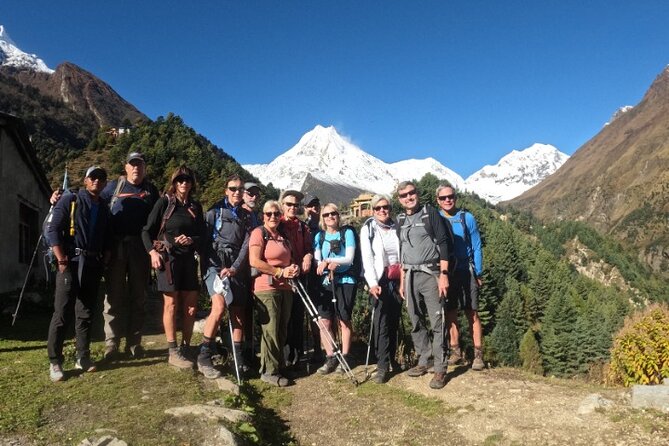
- Private group setup: You’ll trek with only your group, not a mixed crowd.
- Gear included for cold nights: Down jacket and sleeping bag are part of the package.
- Permits handled: MCAP permit, Manaslu restricted-area permit, and ACAP are included.
- Real medical backup: First aid kit includes an oximeter.
- Food covered on the trail: 14 breakfasts, 14 lunches, and 14 dinners included.
- Long pass day is planned: Larkya Pass day is a full 9-hour hiking focus.
Manaslu Circuit Basics: Larkya Pass and Birendra Lake are the main event
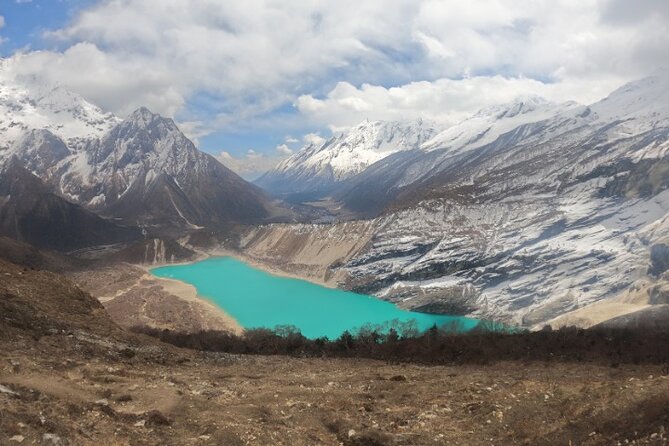
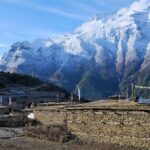
If you like trekking that feels remote without being totally chaotic, Manaslu Circuit hits a sweet spot. The trail climbs into higher country, then delivers big payoffs: long views, monastery visits, and the iconic Birendra Lake area. And because this is a restricted route, it often feels less packed than the famous Everest corridors.
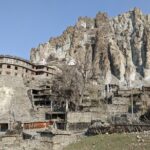
The emotional rhythm matters too. You get stretches where you’re simply walking through small places—schools, homes, stone walls, locals living their daily lives—then you switch into heavier altitude days that demand steady effort. That contrast is part of why people keep talking about Manaslu.
If you’re the type who wants a route that’s scenic but also human-scaled, you’ll probably enjoy how this trek balances villages with high mountain goals.
You can also read our reviews of more tours and experiences in Kathmandu.
Price and Logistics: what $1,135 buys (and what it doesn’t)
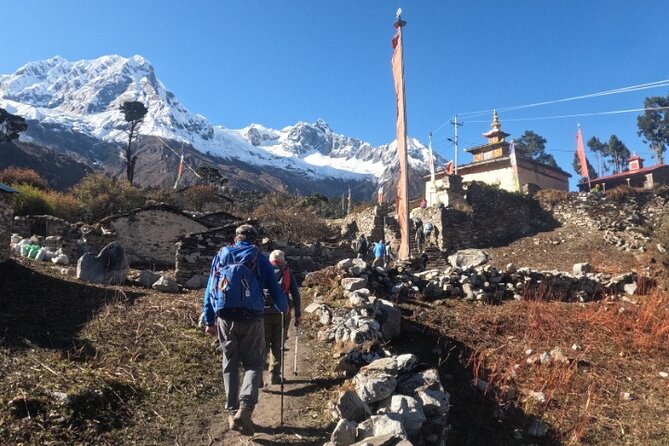
At $1,135 per person for a private 16-day trek, the value mostly comes from what’s included rather than what’s optional. You’re paying for a guided, permit-supported trek with meals and key gear already built in.
Here’s the useful part of the math:
- Airport pickup and drop from Tribhuvan International Airport to your Kathmandu hotel are included.
- You get the in-between public transport legs (Kathmandu to Sotikhola by public bus; Dharapani to Besisahar by public jeep; public bus back to Kathmandu).
- During the trek, lodge accommodation is included.
- Meals are covered every day of the trekking period: 14 breakfasts, 14 lunches, and 14 dinners.
- You get practical included gear: down jacket and sleeping bag.
- You also get a first aid medical box with an oximeter, plus a trekking and city map.
The parts that are not included are also important to budget:
- Accommodation in Kathmandu.
- Travel insurance during trekking.
- Hot/cold drinks and personal expenses (laundry, telephone, extra helper, battery charge shower, boiled water).
- Tips (expected).
So yes, it’s not the cheapest way to do Manaslu. But you’re buying a package that already covers the stuff that usually causes stress on treks: paperwork, meals, lodging on trail, and cold-weather readiness.
Private pacing: how the 16 days actually feel on your legs
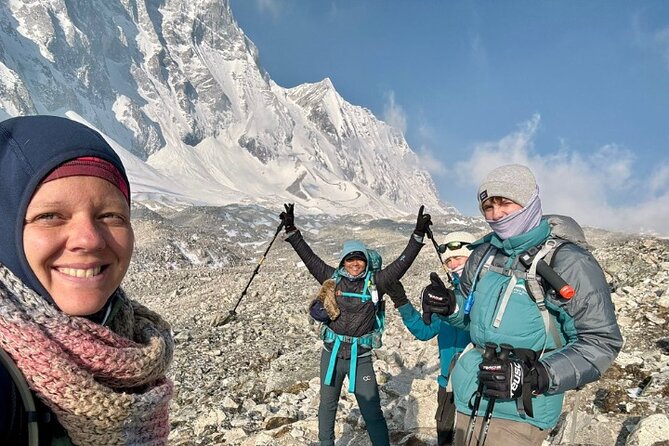
This is a moderate-fitness-friendly trek, with hiking days that vary from shorter 4-hour walks to a full 9-hour Larkya Pass focus day. That doesn’t mean it’s easy. Higher altitude still takes effort. But the structure helps you avoid going too hard every single day.
Expect a mix of:
- Long vehicle days: Kathmandu to Sotikhola is a full 6–7 hours drive, and there are other long travel segments on the edges of the trek.
- Short-to-medium hiking days: multiple days land around 4–7 hours of walking.
- One serious push: the pass day (Larkya Bhanjyang/Larkya Pass) is listed at about 9 hours.
Because this is private, your guide can shift the pace based on how your body feels that day. That matters on Manaslu, where weather and altitude can turn a normal plan into a day where you move slower than expected.
Kathmandu warm-ups: airport pickup, Thamel, and a quick heritage taste
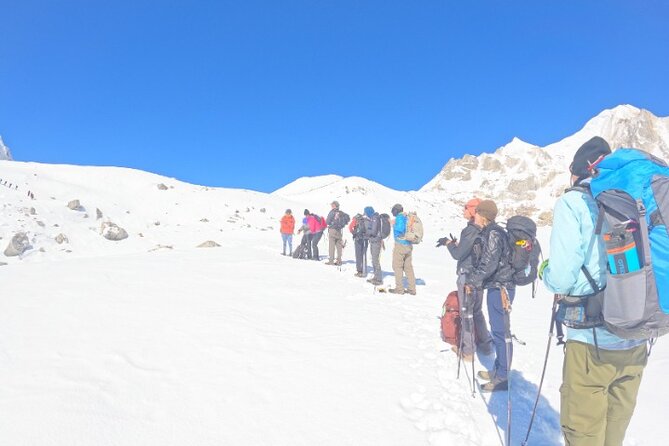
Day 1 starts in Kathmandu with city time and an airport pickup/drop included. You’ll get oriented fast, and you’ll have time to see world heritage sites plus a look at how varied Kathmandu feels. Even if you’re only there for a couple of nights, that first day helps you get your bearings before the mountain part begins.
Day 2 is about easing into the pre-trek vibe, with Thamel as the focus. Thamel is touristic, so it’s not the place for quiet walks, but it’s practical. It’s where you’ll feel the rhythm of Kathmandu travel life: trekking gear chatter, fuel stations, small shops, and lots of people planning their next hike.
One practical note: Kathmandu lodging isn’t included in this package. You’ll want to choose a hotel that’s comfortable after a long flight and close enough to where the guide picks you up.
From Kathmandu to Sotikhola and Gorkha: getting started without rushing
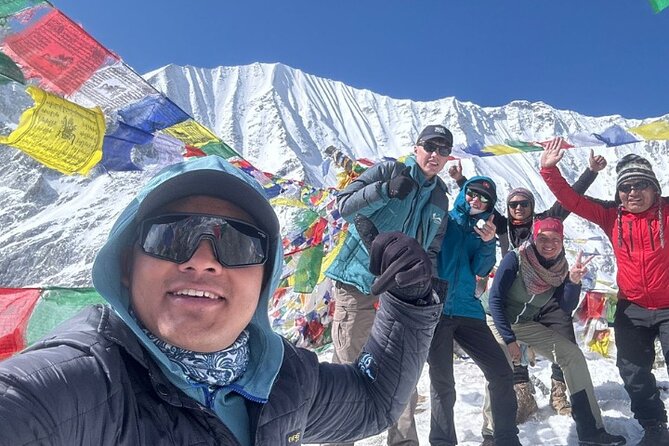
The trek proper begins after a 6–7 hour drive from Kathmandu toward Sotikhola (Day 3). That drive is long, but it’s also how the trek breathes. You’re not hiking right away; you’re being moved into the trail system with less strain on day one.
Day 4 is your first true walking day in the Manaslu area (about 6 hours). This is the point where you learn whether your pacing is right. If you treat the first day like a training hike and go out too fast, altitude doesn’t care. If you go steady, your body usually thanks you later.
By Day 5, you reach Jagat, which is your first checkpoint day. You’ll spend about 6 hours walking and you’ll have permit-related entry details managed as part of the legal process included in the trip.
Jagat, jungle walk country, and Namrung: the trek begins to open up
Day 6 is listed as a jungle walk to the Mount Manaslu region (about 7 hours). This is a common pattern in this trek: some days feel like you’re working through changing vegetation zones. That’s good news if you prefer variety over constant rock-stair climbing.
Day 7 brings Namrung, a village stop that’s often remembered for its human scale. You’re walking through homes, not just passing viewpoints. It’s also where the trek starts feeling more like a journey than just a sequence of elevations.
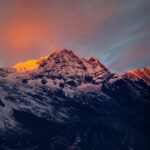
Day 8 is described as your first big view day for Mt. Manaslu. The timing matters because first major views can change your energy for the next stretch. It’s a psychological shift: you’re not just walking through the valley now—you’re walking toward a clearly visible goal.
Samagaun days: village basecamp energy and the Birendra Lake storyline
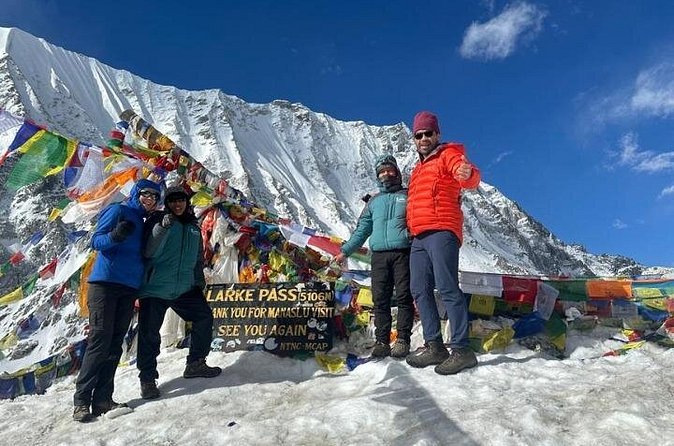
Samagaun is where the Manaslu Circuit starts to feel serious in a rewarding way. On Day 9, the trek time is shorter (about 4 hours) and the highlight is the area itself: Mt. Manaslu views from your hotel and Birendra Lake.
This is one of the most valuable parts of the itinerary because it gives you a breather without dropping your momentum. You’re still moving forward, but you’re not constantly exhausting yourself. For many people, that makes the later pass day feel more doable.
Day 10 adds a hiking day toward Mt. Manaslu Base Camp area, plus Phungen monastery and Birendra Lake. This day is shorter on paper (about 4 hours), but monastery visits and lake areas can add time through slower pacing and photo stops. The big win is that you get both a spiritual stop and a high mountain destination in the same day structure.
Two shorter Manaslu walking days: why you should appreciate the off-days
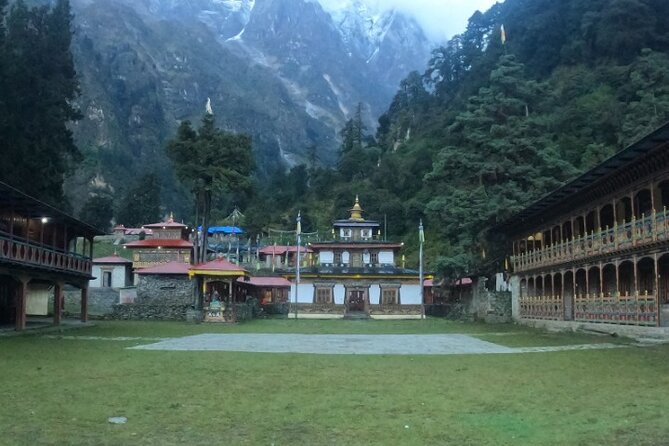
Days 11 and 12 are both shorter walking days (about 4 hours each), with admission tickets listed as included on those days. These “lighter” days aren’t random. They help you absorb the altitude and keep your legs working.
I like this approach because it changes how you experience the trek. Instead of always chasing distance, you get time to:
- recover between longer sessions,
- enjoy views without rushing,
- and keep blisters from turning into a full drama.
On a trek like Manaslu, that recovery time can be the difference between finishing strong and finishing exhausted.
Larkya Pass day (Larkya Bhanjyang): plan for focus, not speed
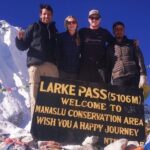
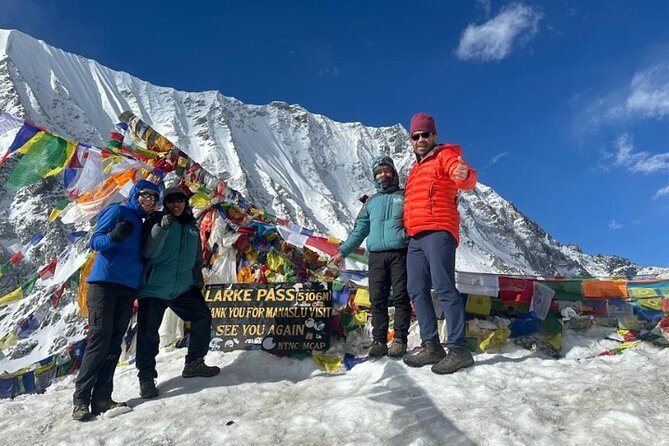
Day 13 is your pass day, listed at about 9 hours. This is the day you plan your breathing for, not your ego. Even if you feel good in the morning, you’ll want to hold back early so you don’t burn matches before the pass.
What makes this day stand out is the way it marks a turning point. You go from “getting close” to “crossing into the next segment.” After a long push like this, the rest of the trek often feels like a reward—less about proving yourself and more about enjoying the route you worked for.
Your guide’s job here is huge: keeping you paced, managing conditions, and making sure you keep moving safely. In feedback, guides like Bashu and Kumar get mentioned for steady support, encouragement, and even helping people find good lodging rooms along the way. When you’re tired, that kind of calm matters.
Tilche rhododendron walk and the Gurung village feel
Day 14 takes you to Tilche via a rhododendron jungle walk to Tilche Gurung Village (about 7 hours). This is your shift from the hardest crossing energy into village and forest walking. If you like moments where the trail softens after a major day, this helps.
Rhododendron jungle country can be beautiful, but the practical point is that it’s often a slower, more varied walking surface than open rocky stretches. That means it can feel easier even when the day is long. You’ll also get more of that community feel—villages are where the trek becomes a cultural exchange, not just a physical challenge.
Besisahar and your return: one last travel day that keeps it realistic
Day 15 is a mix of a short walk (about 1 hour) and then a drive to Besisahar (4–5 hours, listed as about 6 hours total). Day 16 wraps up with a drive back to Kathmandu by public bus (about 6–7 hours).
This isn’t the luxury version of mountain travel. But it can be a smart way to keep overall costs down while still getting you back in time to enjoy Kathmandu without needing to negotiate additional transport yourself.
When you land back in Kathmandu, the trek’s work is done. What remains is the fun part: eating normally again, showering, and realizing you probably lost a little time to altitude fatigue.
The guide and permit setup: the quiet stuff that makes the trek smoother
You’ll trek with a licensed guide holder, and the guide package includes their salary, equipment, insurance, lodging, and food. That sounds like office language, but the on-trail result is simple: you’re working with someone responsible for your route decisions, paperwork, and safety decisions.
Permits are handled as part of the trip, including:
- MCAP permit
- Manaslu restricted area permit
- ACAP (and related government VAT)
In addition, the package includes a first aid medical box with an oximeter. That’s a real safety feature for a high-altitude trek, and it’s especially helpful if you or your group have concerns about how your body is handling altitude.
And then there’s gear. You’re provided a down jacket and sleeping bag. That matters because you shouldn’t have to hunt for last-minute cold-weather rentals in Kathmandu while you’re already stressing about the first big altitude days.
Finally, you’re not left with only logistics. You get a welcome and support feel too: feedback consistently praises guide and porter attention, with names like Dinesh Prabin, Binod, Hom, and Salman showing up in positive notes for doing the little things that keep people comfortable.
What you’ll still need to plan for (so the trek stays fun)
Even with gear and many essentials included, you still need to budget for personal spending. Hot and cold drinks like Coke, mineral water, and beer aren’t included. Laundry, telephone use, extra helper needs, battery charging, hot showers, and boiled water are also listed as personal expenses.
Also, travel insurance during the trek is not included. For most people, that’s the single most important add-on you should handle before leaving home.
You’ll also want to bring:
- layers you can wear in changing weather,
- trekking socks that won’t quit after a few long days,
- and a simple system for keeping small electronics charged.
If you’re relying on the included down jacket and sleeping bag, pack in a way that keeps your day layers practical rather than bulky.
Should you book this private Manaslu Circuit trek?
I’d book it if you want a private Manaslu Circuit experience that already handles the hard-to-manage parts: permits, meals, lodge accommodation during the trek, cold-weather readiness, and a licensed guide team. The price looks fair when you compare it to the cost of adding permits, food coverage, and essential gear yourself.
I would think twice if you’re expecting Kathmandu lodging included, or if you strongly prefer all-private transportation. You’ll also want to be honest about fitness. This is described as suitable for moderate physical fitness, but you should still prepare for long hiking days and a major 9-hour pass focus day.
If you like reliable structure, steady guiding, and the chance to see Manaslu in a quieter-feeling way, this trek is a solid choice. Just plan your personal budget for drinks, extras, and insurance before you go. Then you can focus on the trail—and on the moment when Mt. Manaslu first really shows itself.
FAQ
How long is the Manaslu Circuit trek?
It runs for about 16 days.
Where does the tour start and end?
It starts at Tribhuvan International Airport (Ring Rd, Kathmandu) and ends back at the same meeting point.
Is airport pickup and drop included?
Yes. International airport pickup and drop service is included.
What permits are included for the trek?
The included legal documents are the MCAP permit, the Manaslu restricted area permit, and ACAP.
Are meals included during the trek?
Yes. Breakfast (14), lunch (14), and dinner (14) are included.
Is Kathmandu accommodation included?
No. Accommodation in Kathmandu is not included.
What trekking gear is provided?
The package includes a down jacket and a sleeping bag, plus a trekking duffle bag if you need it.
How do you travel between Kathmandu and the trekking areas?
Kathmandu to Sotikhola is by public bus, and Dharapani to Besisahar is by public jeep. You return to Kathmandu by public bus.
Is travel insurance included?
No. Travel insurance is not included for the trekking period.
Can I cancel for a full refund?
Yes. You can cancel up to 24 hours in advance for a full refund.
Is this a private trek?
Yes. It’s a private tour/activity, and only your group participates.
If you want, tell me your travel month and fitness level, and I’ll help you sanity-check whether the walking day mix fits your pace and what to pack around the cold nights.
You Might Also Enjoy
 Mount Etna Advanced Trekking: Private Full-Day Tour from Catania
 Chiang Mai Trekking Tour :Full day (no rafting)
 MONGOLIAN NOMADS: 2-Day Horse Trekking & Cow Milking TourUnforgettable Everest Base Camp Trek with Third Rock Adventures! 🌄
I recently completed an incredible journey to Everest Base Camp with Third Rock Adventures, and I can’t recommend them enough! From starRead more
MONGOLIAN NOMADS: 2-Day Horse Trekking & Cow Milking TourUnforgettable Everest Base Camp Trek with Third Rock Adventures! 🌄
I recently completed an incredible journey to Everest Base Camp with Third Rock Adventures, and I can’t recommend them enough! From starRead more