REVIEW · POKHARA
4 Days Poon Hill Trek from Pokhara
Book on Viator →Operated by Dream Noble Adventure (DNA) · Bookable on Viator
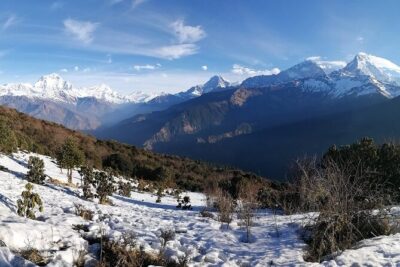
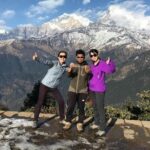
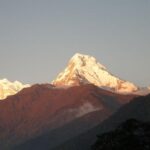
Sunrise over Annapurna is the whole point. In just four days, you get that famous early-morning view from Poon Hill (3210 m) plus classic village trekking through the Annapurna region, ending back in Pokhara. I also like the practical support built in: hotel pickup and drop-off and an English-speaking trekking guide.
One heads-up: this is still long hiking at altitude (up to about 8 hours on the trail each day), and meals are not included, so you’ll want to budget for breakfast and lunch stops.
In This Review
- Key points worth knowing before you go
- Poon Hill in four days: what you’re really buying
- Starting in Pokhara: the easy win before the climb
- Ulleri (1990 m) to Ghorepani (2880 m): villages and the slow altitude climb
- Poon Hill day: sunrise views from 3210 m and a village sequence
- Tadapani (2660 m) to Ghandruk and back to Pokhara: culture meets descent
- Guest house stays: simple comfort with a local feel
- What’s included vs. what you’ll pay on the ground
- Who this trek fits best (and who should rethink)
- Price and logistics: why $280 can work for you
- Should you book this 4 Days Poon Hill Trek from Pokhara?
- FAQ
- How long is the Poon Hill trek?
- What is the highest altitude on this trek?
- What’s included in the $280 per person price?
- Are meals included?
- Do I need to arrange trekking permit and TIMS on my own?
- Is this tour private?
- Are pickup and drop-off from Pokhara included?
- What’s the cancellation window for a full refund?
Key points worth knowing before you go
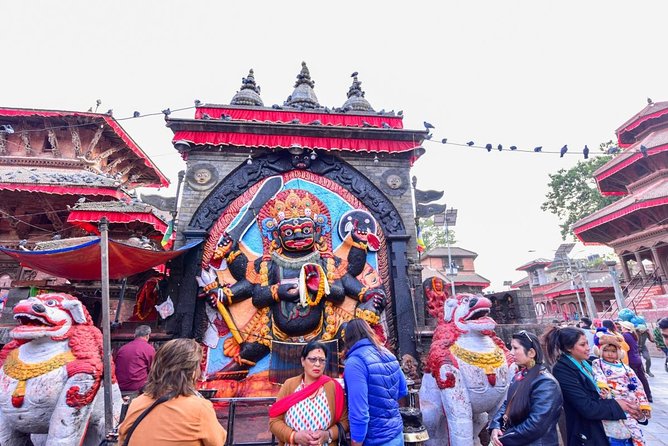
- Poon Hill sunrise at 3210 m is the main event, with Himalayan views you’ll remember for a long time
- Ghandruk, a Gurung village, adds real culture to the trek, not just scenery
- Guest house stays keep things simple and local, but expect basic comfort
- Permits and TIMS card are covered, which saves you time and hassle before you start hiking
- Pickup/drop-off included, so your Pokhara start feels easy
- Price includes a guide and logistics, but you still need to pay for meals along the way
Poon Hill in four days: what you’re really buying
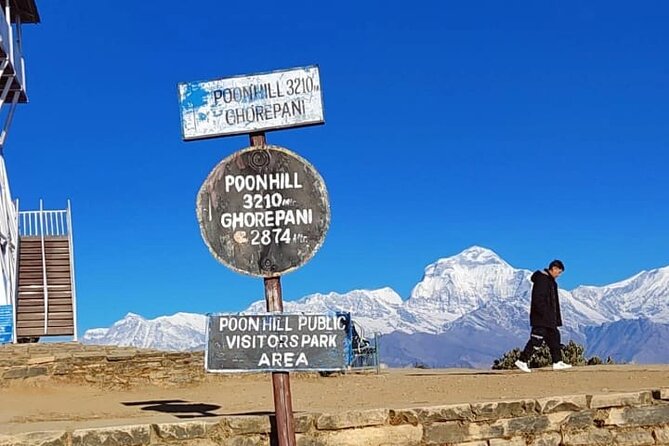
This trek is famous for a reason: it’s a fast way to get Himalayan big-views without committing to a multi-week expedition. You’re using Pokhara as your base, then hiking between mountain villages at steadily changing altitudes. The route is short enough to feel achievable, but you’re still climbing enough to feel like a real trekking trip.
For me, the best value is that the essentials are handled for you. Your package includes a guest house for sleeping, an English-speaking trekking guide, and the trekking paperwork (Trekking Permit and TIMS card). That means less admin, fewer surprises, and more time focused on the trail.
What you should expect in return is effort. The itinerary is paced around long hiking days (about 8 hours listed for each main day segment). If you’re someone who likes frequent breaks and easy strolling only, you might find this a bit demanding.
You can also read our reviews of more tours and experiences in Pokhara.
Starting in Pokhara: the easy win before the climb
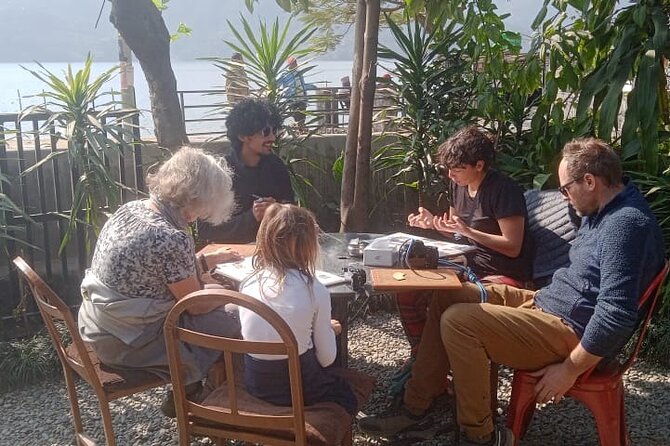
Your trip starts in Pokhara, the city often described as the gateway to the Annapurna region. The package includes hotel pickup and drop-off, so you’re not trying to figure out transportation while you’re already thinking about gear, shoes, and altitude.
From there, you drive toward the trailhead area and begin hiking. Ulleri is your first stop, sitting at about 1990 m, which is a smart way to start: you get moving without jumping straight into high altitude. It’s also where the trekking vibe kicks in, with simple village roads turning into footpaths and stair-like climbs.
Practical thought: use the first day to dial in your rhythm. If you go out too fast, you’ll pay for it later when the climb becomes more noticeable.
Ulleri (1990 m) to Ghorepani (2880 m): villages and the slow altitude climb
Day one ends up trekking onward to Ghorepani, at around 2880 m. Ghorepani is one of those popular base villages where you can feel how many people plan their Poon Hill sunrise. Even if you’re not chasing crowds, it’s a useful place to overnight because it’s positioned for the morning view.
I like this section because it’s not just about reaching a viewpoint. You’re walking through rural terrain where you see daily village life rather than only managed tourist stops. Expect smaller paths, changes in footing, and that gradual sense of altitude as the air gets cooler.
The trade-off is that this kind of hiking adds up. If you don’t train for long days on your feet, Ghorepani can feel like a bigger finish than you expected. Pace matters here: slow and steady beats strong and fast.
Poon Hill day: sunrise views from 3210 m and a village sequence
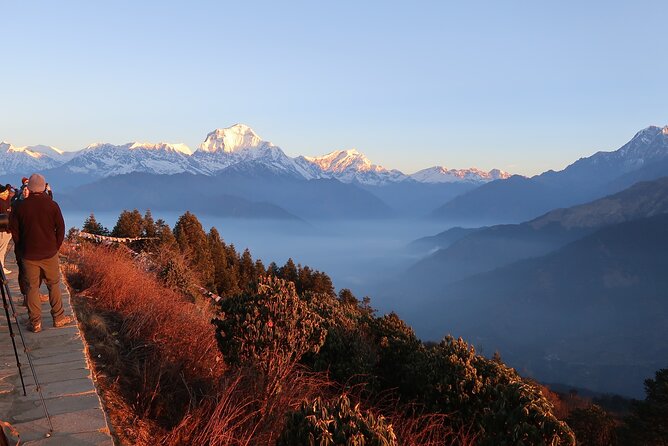
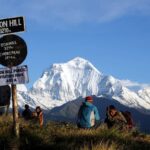
This is the day you plan around. You trek up toward Poon Hill (3210 m) for that sunrise timing, then continue onward, dropping and moving through the next villages—ending in Tadapani (2660 m) after connecting across the route.
Why this day feels special is simple: the sunrise view is the big payoff, but the rest of the day also gives you variety. You’re not stuck in one spot after sunrise. You move through different terrain and keep the hike active, which helps break up the mental intensity of early starts.
A practical note: sunrise mornings mean cold temperatures and early wake-ups. Bring a warm layer you can actually hike in, not something you only wear for photos. Also, aim for steady breathing and controlled effort on the climb; once you feel out of breath, slow down right away.
After the Poon Hill highlight, the rest of the day is about getting to Tadapani and resetting for the final travel day. It’s a good structure for a four-day trek because it keeps momentum without demanding another peak push.
Tadapani (2660 m) to Ghandruk and back to Pokhara: culture meets descent
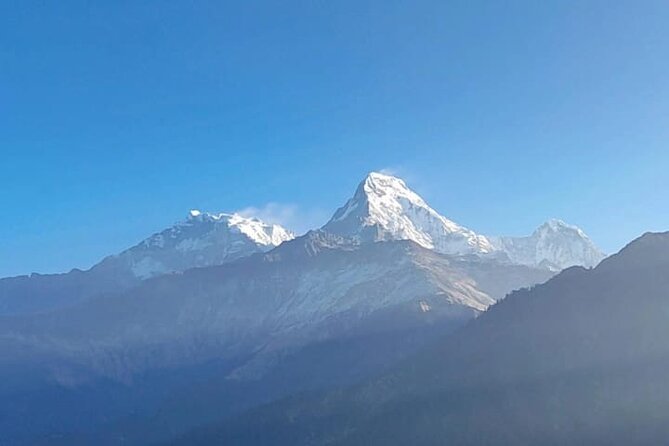
On the final trekking day, you move from Tadapani toward Ghandruk, including time on the approach to the rural Gurung village area, and then you transfer back down by drive to Pokhara. Ghandruk is one of the most memorable cultural stops in the Annapurna foothills, and it helps balance the trek so it doesn’t feel like only hiking hours and hotel beds.
This part of the journey usually feels different from the earlier days. Descending and connecting through village areas can feel easier on the legs, but it can also make you sloppy if you rush. Keep your steps controlled, especially on uneven ground.
Once you’re back to Pokhara, the trek’s rhythm shifts from climbing to recovery. You’ll have time to eat, shower, and recharge without needing to keep moving immediately.
Guest house stays: simple comfort with a local feel
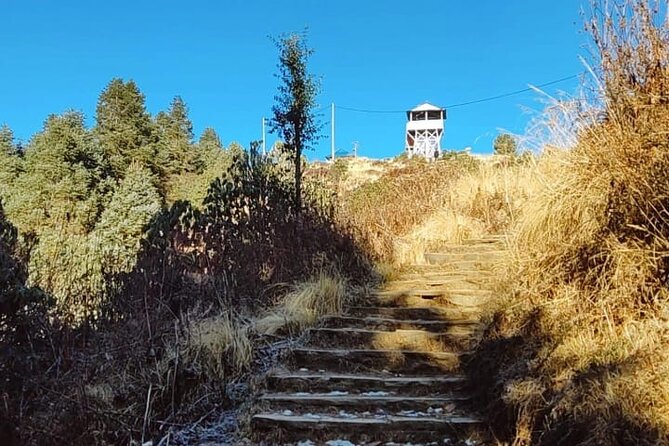
Your accommodation is in guest houses, which is the standard style on this kind of trek. That usually means basic rooms, shared common areas, and the ability to purchase or arrange meals on-site (though meals are not included in the price).
I like guest houses because they put you in the same system as the people running the trail. You’ll see other trekkers exchanging tips, and you’ll feel the daily pace of the villages rather than a hotel bubble.
Just set expectations: you’re there for the trekking. If you want luxury comforts, this is not that trip. If you want a real base in mountain villages with a guided plan, it fits.
What’s included vs. what you’ll pay on the ground
The package price is $280 per person and includes the big cost drivers that can get annoying to plan yourself: English-speaking guide, guest house accommodation, hotel pickup and drop-off, and the Trekking Permit and TIMS card.
What’s not included is equally important for budgeting:
- All meals
- Personal expenses
- Alcoholic beverages
- Optional gratitude
- Rescue cost in an emergency
That last point matters more than people think. Rescue coverage is not included, and high-altitude areas demand respect. You don’t need to panic, but you should plan on travel insurance if you’re serious about peace of mind.
Value check: for a four-day trek, having permits, guide time, and transport handled for you is a solid deal. You’re mostly paying for logistics and coordination, while you control your day-to-day spending on food and extras.
Who this trek fits best (and who should rethink)
This trek is described as suitable for most travelers, which usually means the route is built for typical trekking fitness rather than technical climbing. The big requirement is endurance for long hiking days (up to around 8 hours listed) and comfort with changes in altitude.
It’s a strong fit if you:
- Want a famous sunrise viewpoint without a long trek
- Like village trekking with a cultural stop in Ghandruk
- Prefer having an organized plan with permits and a guide
You may want to rethink if you:
- Struggle with long time on your feet
- Are very sensitive to cold and early mornings
- Have limited tolerance for basic guest house comfort
- Don’t plan for meals and small daily expenses (because they add up)
Also, your tour is a private experience for your group only, so you’ll generally get a less chaotic feel than multi-group mass tours.
Price and logistics: why $280 can work for you
Let’s be practical. Four days on the trail usually requires a guide, at least one overnight booking component, and the paperwork to make your trek legitimate. With this package, you’re also getting pickup and drop-off tied to Pokhara, which is often where independent plans turn into time-wasting logistics.
At $280, the biggest question is whether you’re also spending on meals and personal stuff. Since meals aren’t included, plan on daily food costs on top of the base price. If you prefer buying breakfasts and lunches in village stops, that’s manageable. If you want to carry most food yourself, you’ll want to organize snacks and backups before you start hiking.
One more factor: the operator offers group discounts and mobile tickets as part of the experience features. Even if you’re booking as a private group, it’s a sign they’re set up for easy coordination and confirmation.
Should you book this 4 Days Poon Hill Trek from Pokhara?
If your priority is classic Annapurna sunrise views plus a short timeline, this trek is a strong match. The combination of Poon Hill (3210 m), rural village trekking, and a cultural stop in Ghandruk gives you variety without dragging on for weeks. The included guide, permits/TIMS, guest house basics, and pickup/drop-off are also the kind of details that make a trek feel smooth instead of stressful.
Book it if you’re ready to hike 8-hour days at altitude and you’ll budget for meals. If you want more comfort, fewer hiking hours, or meals handled end-to-end, you’ll likely need to look for a different package style.
FAQ
How long is the Poon Hill trek?
The experience is listed as 4 days (approx.).
What is the highest altitude on this trek?
The trek reaches Poon Hill at 3210 meters.
What’s included in the $280 per person price?
Included items are a private trip, guest house accommodation, an English-speaking trekking guide, hotel pickup and drop-off, and the trekking permit and TIMS card.
Are meals included?
No. All meals are not included in the price.
Do I need to arrange trekking permit and TIMS on my own?
No. The Trekking Permit and TIMS card are included.
Is this tour private?
Yes. It’s a private tour/activity, meaning only your group will participate.
Are pickup and drop-off from Pokhara included?
Yes. Hotel pickup and drop-off are included.
What’s the cancellation window for a full refund?
You can cancel up to 24 hours in advance for a full refund. If you cancel less than 24 hours before the start time, the amount paid is not refunded.