REVIEW · DHARAMSALA
Kareri Lake Trek & Indrahar Pass Trek
Book on Viator →Operated by Tripills · Bookable on Viator
Three days, one alpine lake, zero hassle. This Kareri Lake trek from Dharamshala is a simple package that handles the big stuff: a private trek for your party and meals plus camp gear so you can spend your energy hiking and enjoying the views.
I also like that the plan includes a proper stop at a Lord Shiva temple once you reach Kareri Lake, so the day isn’t only about walking. One thing to consider: you’re hiking a long day rhythm—about 10 hours on both Day 1 and Day 2—so you’ll want moderate fitness and a calm attitude about slower stretches and changing mountain weather.
In This Review
- Key highlights worth your attention
- Why Kareri Lake feels like the right kind of Himalayan trip
- Entering Dharamshala morning mode: the 10:00 am start and transfers
- Day 1: From Kareri village to Rioti campsite (and why that first hike matters)
- Day 2: Climb to Kareri Lake, then the Shiva temple sightseeing moment
- Day 3: The return trek to Kareri village and back to Dharamshala
- Camps, sleeping bags, and the washroom tent: what you’re really paying for
- The guide and organizer factor: Vijay, Akash, and on-the-ground reassurance
- Meals on trek days: predictable fuel and better value
- Price of $76.79: budget-friendly, but know what’s not included
- Who should do this Kareri Lake trek (and who should reconsider)
- Should you book the Kareri Lake Trek & Indrahar Pass Trek?
- FAQ
- What is the duration of the Kareri Lake trek?
- Where does the trek start and end?
- What time does the tour start?
- Is this trek private or shared with other people?
- What trekking gear and camp items are included?
- Are meals included during the trek?
- Do I need to bring my own trekking shoes or extra equipment?
- What if the trek is canceled due to weather or not enough travelers?
Key highlights worth your attention
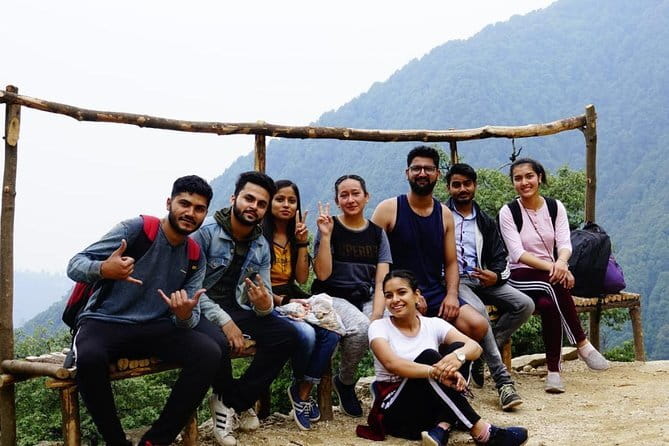
- Private trek for just your party for more flexibility and personal pacing.
- All meals included (breakfast, lunch, dinner, plus evening snacks) so you’re not guessing food costs.
- Camping kit included: tents, sleeping bags, mattresses, and a washroom tent.
- A guided route to Kareri Lake with time for sightseeing and a temple visit at the lake.
- Real service support from named organizers and guides like Akash (organizer) and Vijay (guide).
- Small comfort touches can happen, like cake delivered on the last day in at least one trip.
Why Kareri Lake feels like the right kind of Himalayan trip
Kareri Lake in the Dharamshala area is the kind of trek that doesn’t try to impress you with tricks. It impresses you with the basics done well: a guided climb, clean camp setup, regular meals, and enough time at the destination for actual looking.
This specific package is listed as Kareri Lake Trek & Indrahar Pass Trek. In the 3-day route you’ll follow, the focus is strongly on the Kareri Lake approach (Rioti campsite on the way in, Kareri Lake and its Shiva temple on Day 2). If Indrahar Pass is a must-do for you, I’d ask the operator how it fits into this 3-day structure—so your expectations match the route you’ll get.
The best part, for me, is how this style of trekking keeps you out of logistics mode. You’re not coordinating where to sleep, what to eat, or what gear to carry. You just hike.
You can also read our reviews of more tours and experiences in Dharamsala.
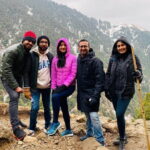
Entering Dharamshala morning mode: the 10:00 am start and transfers
You start at Dharamshala, Himachal Pradesh, with a 10:00 am meeting start time. The tour ends back at the meeting point later, after the return trek and transfer.
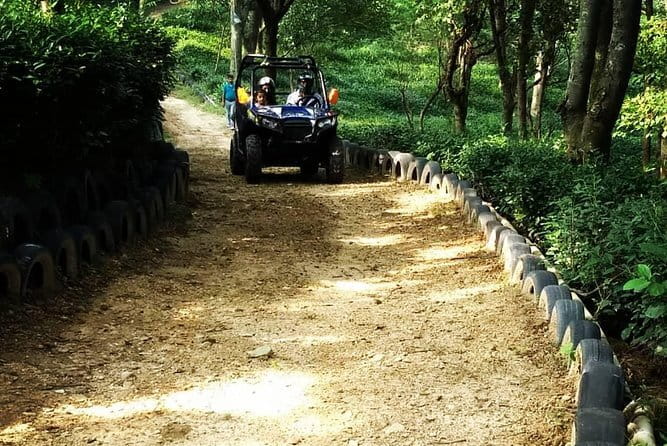
From there, you get a private transfer to Kareri village from the Dharamshala bus stand—about 25 km. That short stretch matters more than people think. It cuts down the stress of trying to line up local transport when your next task is hiking, not bargaining.
Also, the tour notes say it’s near public transportation. That’s useful if you need a buffer for getting to the meeting point, or if you’re planning your Dharamshala stay around the trek date.
Day 1: From Kareri village to Rioti campsite (and why that first hike matters)
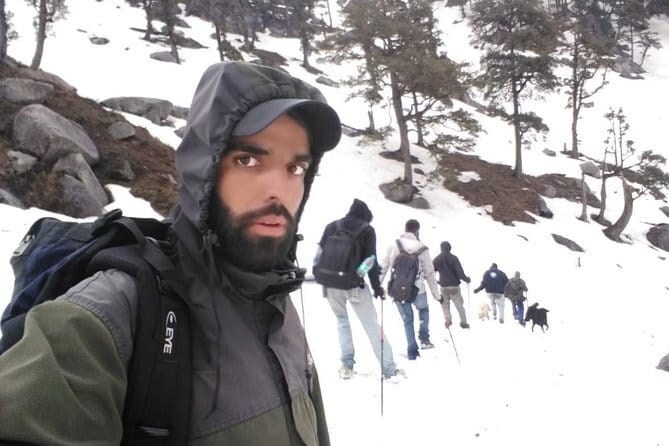
Day 1 starts with a transfer to Kareri village, then lunch depending on your timing. After that, you begin trekking toward Rioti campsite.
You’ll reach Rioti village by evening, then you get evening snacks, dinner, and overnight camp there. This first day is about getting into rhythm. You’re not starting from your hotel with a full backpack circus; you’re stepping into a prepared trekking day with the right cadence.
A practical note: since the trek day length is listed at around 10 hours, you should plan to move steadily rather than sprint between breaks. In the mountains, consistency beats intensity. And if you’re new to trekking, this is the day where you’ll learn how often you need to pause to keep your energy steady.
Day 2: Climb to Kareri Lake, then the Shiva temple sightseeing moment
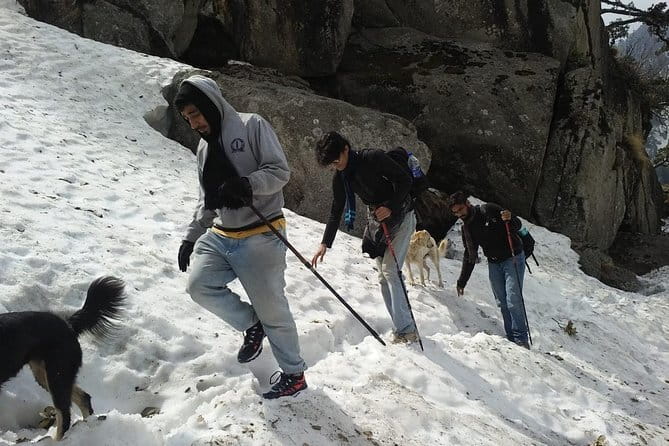
Day 2 begins with breakfast, then you trek toward Kareri Lake. When you arrive, you get sightseeing time at the Lord Shiva temple near the lake area, followed by a packed lunch at the Kareri Lake site.
After lunch, the plan includes a full view and sightseeing time at the lake. Then you’ll have evening snacks and dinner, with an overnight camp at Kareri Lake.
Why this day structure works: it gives you a destination block, not just a quick stop photo. Lake treks can rush you through the best moment if you’re doing it independently. Here, you’re meant to take in the setting before heading back to camp.
Also, the guide is with you throughout the journey. That matters on Day 2, because you’re climbing to a highlight and you don’t want your group spread out and stuck guessing the route.
One more thing to keep in mind: the itinerary is efficient. Day 2 is also listed at around 10 hours. You’ll enjoy the day more if you keep your pace controlled and don’t treat every uphill section like a race.
Day 3: The return trek to Kareri village and back to Dharamshala
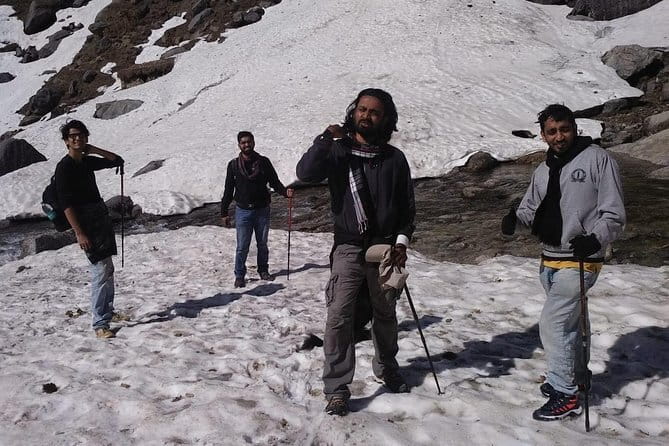
On Day 3, you start with breakfast, then trek back toward Kareri village. After that, you get the transfer back to the Dharamshala bus stand and return by evening.
This end day can feel deceptively easy. You’re going downhill and you’ll likely feel less “new energy” strain compared to Day 1. Still, you should watch your footing and treat it like a real trekking day. Descents can tire your legs fast even when the route feels straightforward.
By the time you reach Kareri village, your active time is done and the transfer handles the last leg back to the bus stand. Then you’re finished at the meeting point.
Camps, sleeping bags, and the washroom tent: what you’re really paying for
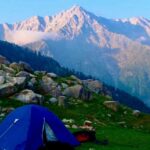
One big selling point here is that camp comforts are included, not optional extras. The package lists tents, sleeping bags, mattresses, and a washroom tent.
For a lot of budget trekking packages, you get the “basic camp” promise and then you’re stuck carrying the rest. Here, the big gear items are already covered. That makes the trek more doable for people traveling light or without trekking experience.
It also changes the feel of the trip. Instead of spending your day thinking about what you’ll do after trekking, you can focus on the hike and enjoy sleep as part of the plan.
The reviews match what you’d hope: good tents and sleeping bags, meals served on time, and a camp setup that feels organized. One person even noted a comfort boost like cake delivered on the last day, which is the kind of small finishing touch that makes a simple trek feel cared for.
The guide and organizer factor: Vijay, Akash, and on-the-ground reassurance
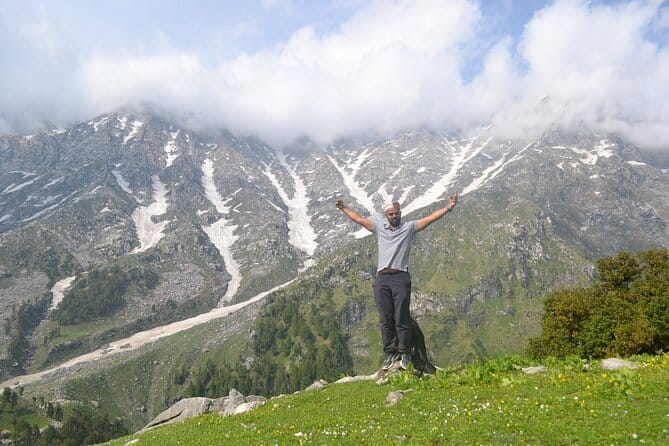
A trek lives or dies by how it’s managed minute to minute. This operator structure leans heavily on human support: a local guide is with you throughout, and the organizer is responsive when questions come up.
In the feedback, Vijay is specifically praised as kind and helpful, with pacing that lets you move at your own speed and ensures food and camping gear are ready. That’s exactly what you want in a guide—someone who doesn’t rush your group and who keeps the logistics from becoming your job.
The organizer Akash shows up repeatedly in reviews as quick to respond to questions and very hands-on even when trips are arranged last minute. More than the friendliness, what matters is the availability. If you have a concern—timing, what to pack, or how the day will run—having someone reachable reduces anxiety.
Even if you’re an experienced hiker, trekking is still a coordination game. Having someone manage the coordination is the hidden value.
Meals on trek days: predictable fuel and better value
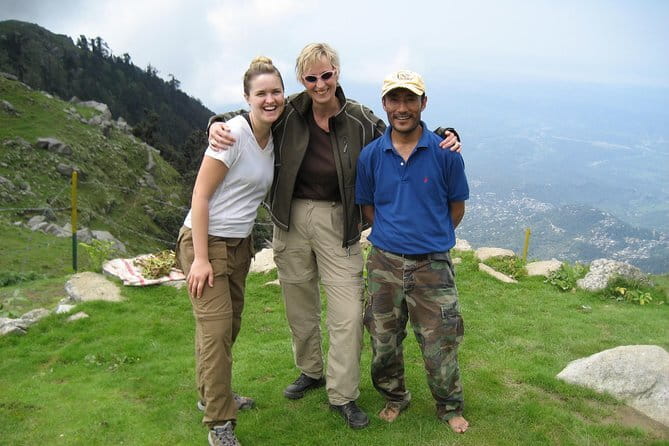
Meals are included throughout: lunch (2), breakfast (2), dinner (2), plus evening snacks each day. You’ll also have packed lunch on Day 2 at the lake site.
That matters for two reasons. First, your energy is steadier because you’re eating on schedule. Second, your budget stays predictable. At this price point, adding even a few meals yourself can erase the savings.
The reviews also highlight meal timing and quality, including descriptions like good food and well presented meals. I can’t guarantee every menu detail stays the same, but the consistency of meal service is the pattern you should expect from a well-run trek.
Price of $76.79: budget-friendly, but know what’s not included
At about $76.79 per person for a 3-day trek, this is positioned as a budget-friendly way to do Kareri Lake with camping included. What makes that price feel reasonable is that you’re getting a lot bundled: private transportation, guide support, tents and sleeping bags, mattresses, and meals.
But it’s not a free-for-all. GST is not included, and additional porter service to carry extra luggage isn’t included. Also, any personal trekking equipment like shoes isn’t included.
So here’s the practical value check: if you already have hiking shoes and basic trekking gear, this package looks like a strong deal. If you don’t, you’ll need to factor in buying or renting the basics yourself.
One more “budget trap” to avoid: personal extras like energy drinks or special refreshment aren’t included. You can still bring your own, but plan for that cost if you rely on snacks or drinks during a long day.
Who should do this Kareri Lake trek (and who should reconsider)
This is best for you if you want a private trek with a guide, camping gear provided, and meals sorted. It’s also a good fit if you’re traveling in a group that wants flexibility without dealing with shared trekking logistics.
The tour notes call for moderate physical fitness. If you’re capable of long walks and you’re comfortable with changing weather, you’ll likely enjoy this. If you want a very gentle hike with short days, this specific schedule may feel demanding.
It also suits people who like a balanced day: hike hard enough to feel accomplished, then reach a viewpoint and actually have time for sightseeing—temple included.
If you’re chasing a specific technical pass experience (since Indrahar Pass is in the trek title), I’d confirm how it’s handled in your 3-day version of the route. That’s not a deal-breaker, but it’s smart for expectation management.
Should you book the Kareri Lake Trek & Indrahar Pass Trek?
Yes—if your top priority is a well-managed, budget-friendly trek with meals and camping gear included and you don’t want to micromanage the logistics. The consistent praise for guide support (Vijay) and fast organization (Akash) is a strong sign that the trip runs smoothly, not just on paper.
You might skip or ask extra questions if you’re looking for a fully self-directed trek, because this one is clearly guided and packaged. Also, if the Indrahar Pass element is the main reason you booked the trek name, confirm exactly how it appears in your 3-day plan.
FAQ
What is the duration of the Kareri Lake trek?
The tour is listed as 3 days (about 2 nights).
Where does the trek start and end?
It starts in Dharamshala, Himachal Pradesh, India and ends back at the same meeting point.
What time does the tour start?
The start time is listed as 10:00 am.
Is this trek private or shared with other people?
This is a private tour/activity, meaning only your group participates.
What trekking gear and camp items are included?
The package includes tents, sleeping bags, mattresses, and a washroom tent.
Are meals included during the trek?
Yes. Breakfast (2), lunch (2), dinner (2), and evening snacks are included.
Do I need to bring my own trekking shoes or extra equipment?
Yes. The tour notes say extra trekking equipment like shoes is not included.
What if the trek is canceled due to weather or not enough travelers?
The experience requires good weather. If it’s canceled due to poor weather, you’ll be offered a different date or a full refund. It also requires a minimum number of travelers, and if that minimum isn’t met, you’ll get a different date/experience or a full refund.
If you want, tell me your hiking experience level and when you’re traveling. I can help you sanity-check whether the 3-day rhythm fits you and what to pack.