REVIEW · DHARAMSALA
Indrahar Pass Trek
Book on Viator →Operated by ImmVentures · Bookable on Viator
There’s something about sleeping high in the Dhauladhar hills. This trek strings together Triund (around 2,850 m) and Snowline for big mountain views, then gets you back down to McLeod Ganj over about 3 days.
What I like most is the mix of comfort and wildness: you’re not just hiking—you’re camping with tents and sleeping gear provided, plus breakfast and dinner set up for you. I also like that the route is built for real beginners-to-intermediate hikers, since the Triund-to-Snowline stretch is 4 km and doable in about 4 hours if you pace yourself.
One thing to consider: even on an easy-moderate trek, the pass-style route can get steep, and you do need good stamina. If you’re coming off a long break from exercise, build up your legs first.
In This Review
- Key highlights I’d plan around
- Entering McLeod Ganj: the start point that sets the tone
- Triund Hill day: camping at altitude without overcomplicating it
- Triund to Snowline: the 4 km that earns you bigger views
- Indrahar Pass energy: when the trail turns steep
- Gear, meals, and the included comfort level
- How the day-by-day flow actually feels
- Who this trek suits best (and who should be careful)
- Quick checklist: make the trek smoother
- Should you book this Indrahar Pass Trek with ImmVentures?
- FAQ
- Where does the Indrahar Pass trek start and end?
- What time does the trek start?
- How long is the trek?
- How far is it from Triund to Snowline?
- How difficult is the trek?
- What’s included in the camping and overnight setup?
- What meals are included?
- How many people are in a group?
Key highlights I’d plan around
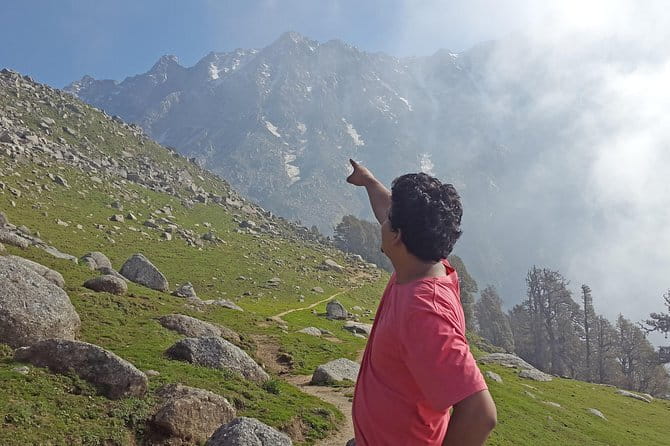
- Triund to Snowline in about 4 hours (4 km), so you get a real high-mountain payoff without an all-day slog
- Camping gear included (tents, sleeping bag, mattress, plus a washroom tent), which keeps the logistics simple
- Beginner-friendly grade, but not lazy—you still need stamina, especially on steeper sections toward Indrahar Pass
- Small-group feel with a maximum of 50 travelers, plus an experienced trek leader
- Guides who actually help on the uphill (names you may hear include Anil Sir, Ravi Bhaii, and Bhayia)
Entering McLeod Ganj: the start point that sets the tone
McLeod Ganj is where this whole trip clicks into place. You’ll meet at McLeod Ganj, Dharamshala, Himachal Pradesh, with a start time of 8:00 am, so you’re not wasting daylight on getting organized.
You can expect a basic meet-and-greet with the tour leader before you move. That matters more than it sounds—on mountain treks, having someone set expectations early helps you save energy and avoid that first-day panic.
Also, the meeting point is described as near public transportation, which is handy if you’re arriving from elsewhere in Himachal. If you’re using local transport, give yourself buffer time so you can still be at the 8:00 am start without stress.
You can also read our reviews of more tours and experiences in Dharamsala.
Triund Hill day: camping at altitude without overcomplicating it
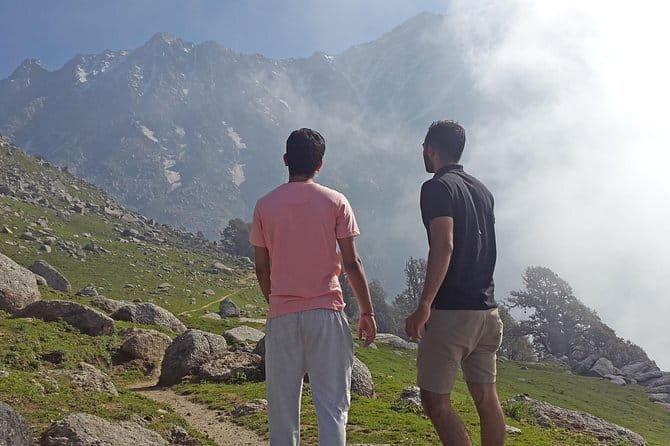
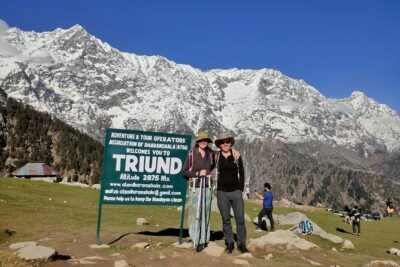
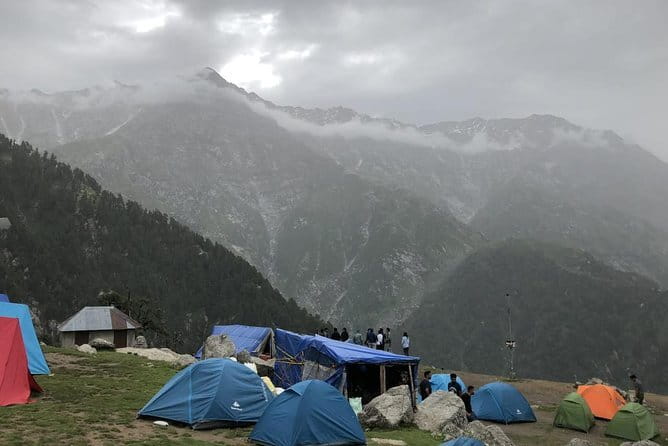
Day 1 is your entry into trek mode: you’ll arrive in the morning, meet the leader, then start hiking toward Triund Hill. The day includes a lunch halt on the way, then you’ll finish with evening snacks, dinner, and an overnight in tents at the Triund campsite.
The itinerary lists this as a long day (it shows 10 hours on Day 1), so treat Day 1 like your main conditioning session. If your body likes gradual effort, you can make it easier by keeping your pace steady from the start rather than sprinting the first stretch.
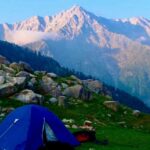
Here’s the practical win: camping equipment is included. You’ll have tents, sleeping bag, mattress, and a washroom tent, so you don’t need to haul a whole camping kit. If you’ve only done day hikes before, this is a smart way to try the camping side without turning it into a gear-buying project.
One more thing: Triund sits at roughly 2,850 m, which is high enough that you should take slow breaths early and drink water consistently. You’ll feel better if you move like you’re warming up, not like you’re racing.
Triund to Snowline: the 4 km that earns you bigger views
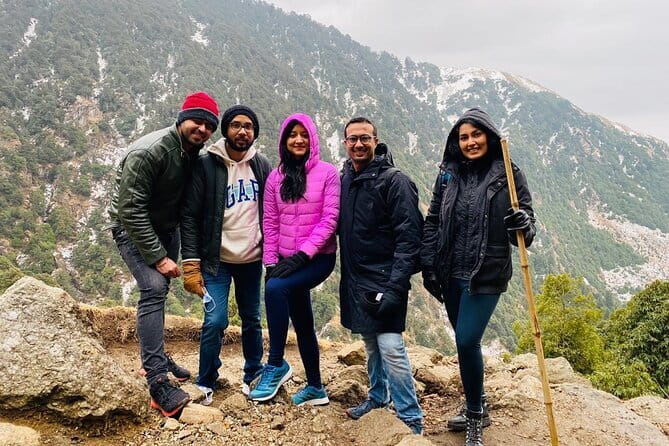
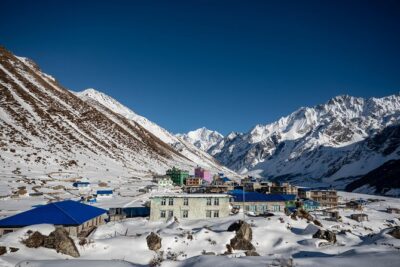
Day 2 is the money day for views. You’ll start after morning breakfast and hike from Triund to Snowline with a lunch halt along the way, then settle into another tented overnight at the Snowline campsite with evening snacks and dinner.
The route is described as manageable: Triund to Snowline is about 4 km, and it’s listed as taking around 4 hours. That time estimate is important for planning your effort. If you pace yourself, you can keep the trek feeling like progress instead of punishment.
This section is described as easy to moderate, which makes it a good fit for beginners who are physically ready and don’t expect it to be flat. The mountain air and uneven trail still do work on your legs, so you’ll want stamina more than speed.
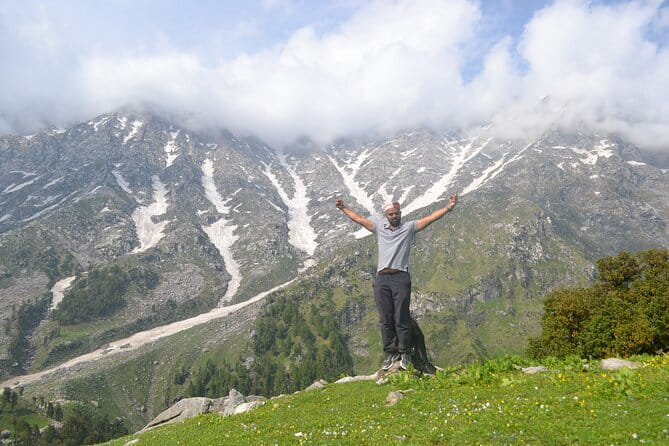
Snowline also buys you a wider perspective. It’s specifically noted that you get a broader view of the high mountain peaks once you reach Snowline. And based on guide-style feedback from past trekkers, the motivation and instructions from the trek leader can make a difference on the climb—names like Ravi Bhaii and Bhayia show up in the stories people share.
Then you get the best kind of mountain souvenir: night in the cold air with the sky doing its thing. One review highlights the night spent at Snowline as memorable, and it fits the vibe here—this is the part where the trek turns into a lived memory.
Indrahar Pass energy: when the trail turns steep
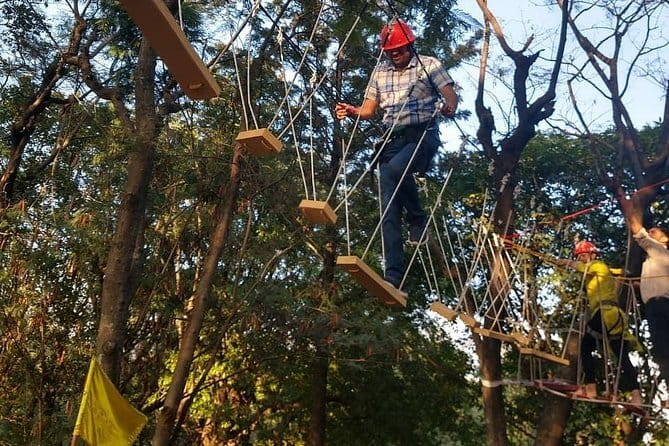
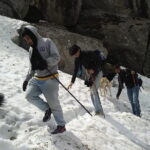
Even though the itinerary you’ll follow is built around Triund and Snowline, the trek name is Indrahar Pass, and steepness is part of the deal. One clear tip from real trekkers: the route can be steep from Laka till Indrahar pass.
So here’s how I’d plan your expectations. If you’re thinking this is just a casual hike, you may be surprised once the grade rises. On the other hand, if you treat the steep section like a workout—shorter steps, slower pace, consistent breathing—you can make it feel controlled instead of scary.
Also, group treks often make the pass-style parts easier psychologically. When you’re walking with others and your leader is watching pace and posture, you waste less energy. If your guide (people have credited Anil Sir, Ravi Bhaii, and Bhayia) gives you uphill instructions, follow them early. That’s when it helps most: before your legs get fully angry.
Gear, meals, and the included comfort level
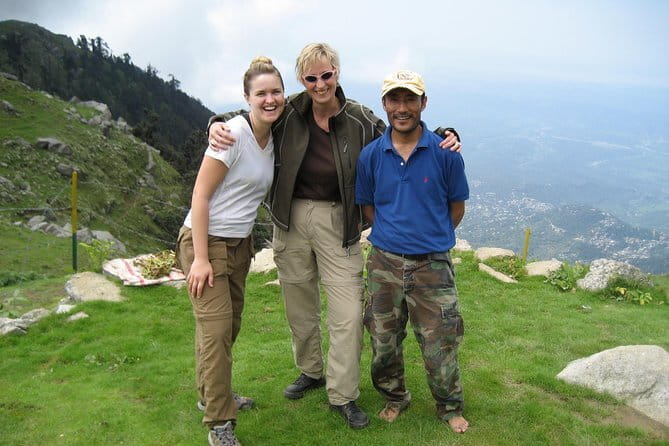
Let’s talk about value, because the price isn’t just for walking. At $108.45 per person for about 3 days, you’re paying for a guided trek with camping support.
Included items are practical and specific:
- Camping equipment: tents, sleeping bag, mattress, and a washroom tent
- An experienced trek leader
- Meals: breakfast (2) and dinner (2)
- The itinerary also lists evening snacks on Day 1 and Day 2
What’s not included matters for day-to-day comfort:
- Packed water bottles aren’t included
- You’ll need your own trekking equipment like shoes or poles
- An additional porter for extra luggage isn’t included (so if you’re traveling with lots of stuff, plan for it)
That mix is common for Himalayan treks: the “big stuff” is handled, but your hiking basics stay your responsibility. If you show up without shoes that can handle uneven ground, you’ll pay for it in blisters and fatigue fast.
Also, the group size cap is 50 travelers. That’s not tiny, but it usually means you’re not stuck in a massive cattle-car line. And group discounts are mentioned, so if you’re booking with friends, it can make the value even better.
How the day-by-day flow actually feels
Here’s what the schedule adds up to in real-life terms.
Day 1 (McLeod Ganj to Triund): A morning start at 8:00 am, then a long hike that ends with dinner and a tent night. This is the day where you’ll get used to altitude and trail rhythm.
Day 2 (Triund to Snowline): A breakfast start, then a hike of about 4 km to Snowline (around 4 hours if you pace well). The payoff is the expanded peak views and a second night at altitude.
Day 3 (Snowline down to McLeod Ganj): Breakfast first, then trek back so you reach McLeod Ganj by evening. This is your decompression day—great for stretching and soaking in the fact you’re done.
Total trekking distance is listed as 12 km. That’s a useful number because it helps you judge effort. You’re not walking 30 km over three days. You’re hiking a shorter distance with changing grades and altitude, plus camp time.
Who this trek suits best (and who should be careful)
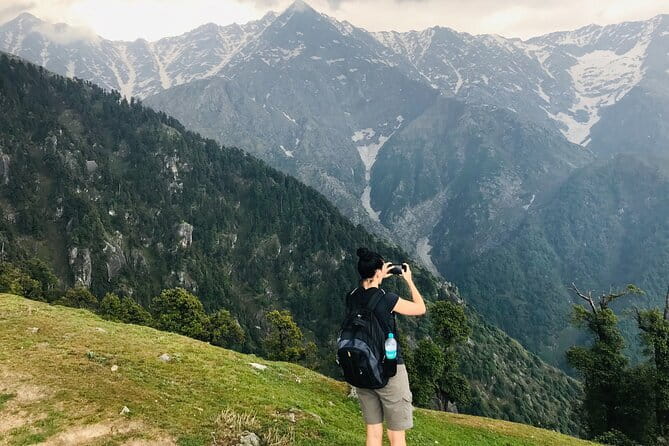
This trek is presented as easy to moderate and ideal for beginners, with the note that you should be healthy and have good stamina. That’s the honest sweet spot.
If you’re:
- new to multi-day trekking,
- comfortable walking for a few hours at a time,
- and willing to pace your uphill effort,
…you’ll likely find this trip approachable. The overnight camping also makes it feel like more than a day hike, so you’ll come away with that true trek sense of achievement.
If you’re:
- dealing with low stamina,
- recovering from injury,
- or expecting flat ground the whole way,
…you might struggle, especially with the steep pass-style climbing referenced for Indrahar Pass. In that case, consider either training first or asking the operator if there’s a gentler approach available for your fitness level.
Quick checklist: make the trek smoother
I’ll keep this practical, not fancy.
- Bring your own trekking shoes. Plan for muddy or rocky trail surfaces.
- Consider trekking poles if you use them; they’re not provided.
- Bring water bottles since bottled water is not included.
- Pack for altitude effects. Triund is around 2,850 m, so temperatures can swing.
And on the trail, your biggest tool is pacing. If you go out too fast on Day 1 or during the uphill push, you’ll feel it later. Save your energy for the steeper sections.
Should you book this Indrahar Pass Trek with ImmVentures?
If you want a guided trek where the logistics are handled and the camping side feels achievable, I think this is a strong booking. The included tents and sleeping setup, plus meals and an experienced trek leader, remove a lot of the hassle that scares people off from overnight treks.
Book it if:
- you like the idea of Triund + Snowline views,
- you’re ready for an easy-to-moderate grade with some steep moments,
- and you want a real trek experience without needing to own a full camping kit.
Consider waiting or asking questions first if:
- you’re very new to hiking and stamina is still a work in progress,
- or you’re the type who needs a fully gentle route.
One more reality check: this experience requires good weather. If weather turns, the plan can shift, and you may be offered a different date or a refund.
FAQ
Where does the Indrahar Pass trek start and end?
The trek starts in McLeod Ganj, Dharamshala, Himachal Pradesh, India, and it ends back at the same meeting point.
What time does the trek start?
The start time is 8:00 am.
How long is the trek?
It runs for 3 days (approx.).
How far is it from Triund to Snowline?
Triund to Snowline is about 4 kilometres, and it can be covered in about 4 hours.
How difficult is the trek?
The difficulty is listed as easy to moderate, and it’s described as suitable for beginners. You should be healthy and have good stamina.
What’s included in the camping and overnight setup?
Camping equipment is included: tents, sleeping bag, mattress, and a washroom tent.
What meals are included?
The trek includes breakfast (2) and dinner (2). The itinerary also lists evening snacks on the campsite days.
How many people are in a group?
There’s a maximum of 50 travelers.
If you cancel late, or weather is bad, the experience can be affected. The policy says you can cancel up to 3 days in advance for a full refund, and if poor weather cancels the experience you’ll be offered a different date or a full refund.