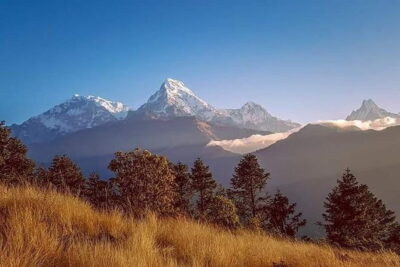
Kareri Lake gives calm back to your legs. I love how this trek is planned for first-timers with a professional guide, and I also love that you’re not stuck organizing food and camping basics. One consideration: the path can feel rocky and the trek includes water crossings, so you’ll want moderate stamina, not just enthusiasm.
This is a very practical Dharamshala mountain getaway. You start from the Dharamshala bus stand, move to the Rioti camping area on day one, reach Kareri Lake with a sightseeing stop at the Lord Shiva temple on day two, then trek back down to Kareri village for your transfer home. If you’re craving an offbeat feel, the itinerary keeps you in the mountains without constant bouncing between places.
If timing matters to you, there’s a bonus. In the later winter window, some trips have the chance to see snow and even a frozen Kareri Lake, which turns the usual sightseeing into something more magical. Just remember this experience depends on good weather, so your dates should be flexible if conditions change.
In This Review
- Key things to know before you go
- Why the Kareri Lake trek feels special near Dharamshala
- Price and logistics: what $31 really buys you
- Your 3-day plan: Dharamshala to Rioti to Kareri Lake to Kareri village
- Day 1: Dharamshala bus stand to Rioti campsite
- What Rioti night means in real life (tents, comfort, and routine)
- Day 2: Trek up to Kareri Lake and the Lord Shiva temple stop
- River crossings and rocky sections: the beginner challenge you should expect
- Frozen-lake potential: when Kareri Lake looks different
- Day 3: Trek back to Kareri village and your Dharamshala transfer
- Meals and snacks: why included food makes this trek easier than it sounds
- How hard is it, really? Moderate fitness and the right expectations
- What to pack for a no-stress Kareri Lake trek
- Who this trek is best for (and who should skip it)
- Should you book the Kareri Lake trek?
- FAQ
- What time does the Kareri Lake trek start?
- How long is the Kareri Lake trek?
- Do I get a guide?
- Is transportation included?
- What kind of camping setup is included?
- Are meals included?
- Is there a sightseeing stop at the lake?
- Is the trek suitable for beginners?
- What extra gear is not included?
- When can I possibly see snow or a frozen Kareri Lake?
Key things to know before you go
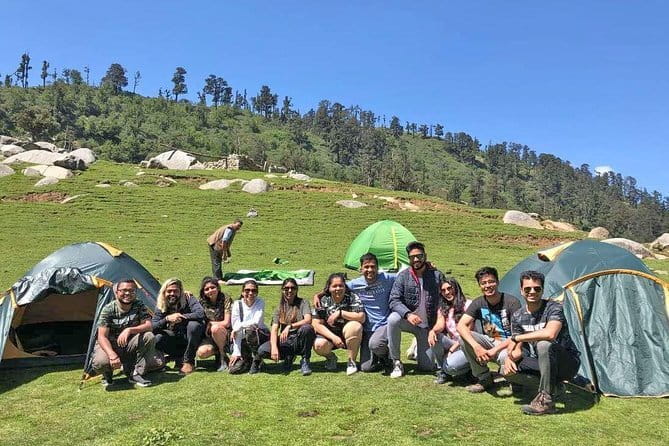
- Professional guide on a 3-day route that keeps the pace sensible for newcomers
- Tents, sleeping bags, and mattresses included, plus a washroom tent
- All meals covered (breakfast, lunch, dinner) with snacks built into the day schedule
- Kareri Lake sightseeing includes the Lord Shiva temple stop
- Water crossings and rocky walking are part of the charm, and part of the challenge
- March can bring frozen-lake views, if conditions line up
Why the Kareri Lake trek feels special near Dharamshala
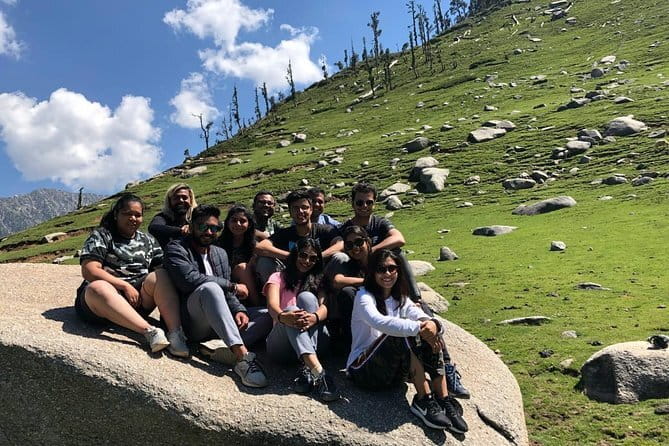
Kareri Lake is one of those Himalayan destinations that doesn’t feel like a checklist stop. The route puts you in motion first, and then lets the reward arrive on day two, when you reach the lake area for sightseeing.
What makes it especially appealing is that it balances “effort” and “support.” You’re not doing a self-booked survival trek. You’ve got transport, camping gear, meals, and an experienced guide keeping things on track.
And there’s a spiritual note, too. The lake visit includes time at the Lord Shiva temple, so it’s not just photos at the water’s edge. It’s a chance to slow down and actually look around.
You can also read our reviews of more tours and experiences in Dharamsala.
Price and logistics: what $31 really buys you
At around $31 for about 3 days, the value comes from what’s bundled. This price point matters because you’re usually paying separately for things like a guide, tents, and most meals on multi-day treks.
Here, the main inclusions are clear and useful:
- Private transportation between the Dharamshala bus stand and Kareri village
- Camping equipment: tents, sleeping bags, mattresses, and a washroom tent
- An experienced trek guide
- Meals included: breakfast (2), lunch (2), dinner (2)
The fine print you should keep in mind is also straightforward. Tips, a porter, and extra trekking equipment (including shoes) are not included. Also, personal refreshment and energy drinks aren’t covered.
So if you travel light, you’ll save money. If you’re missing basics like proper footwear, you might spend a bit extra to make the trek comfortable.
Your 3-day plan: Dharamshala to Rioti to Kareri Lake to Kareri village
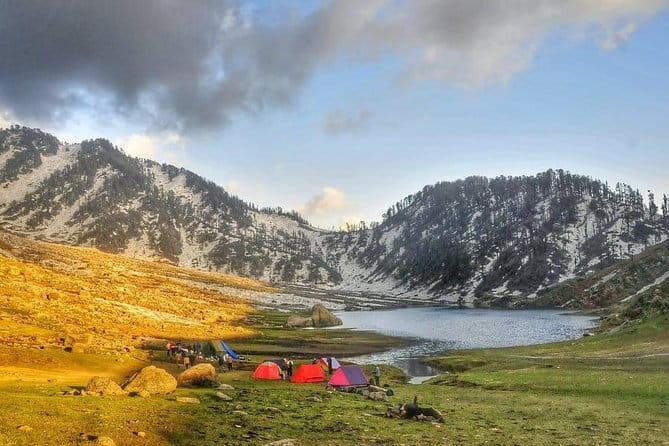
This trek has a simple arc. Day one is travel and an evening arrival. Day two is the main walking push to the lake. Day three is the descent back to the village and your return transfer.
That structure is helpful if you’re new to trekking. You don’t get asked to do everything on day one. You also get daylight for the lake stop and time to recover before heading back down.
The group size is capped at 20 travelers, which usually means you’ll spend less time waiting around and more time moving at a human pace.
Day 1: Dharamshala bus stand to Rioti campsite
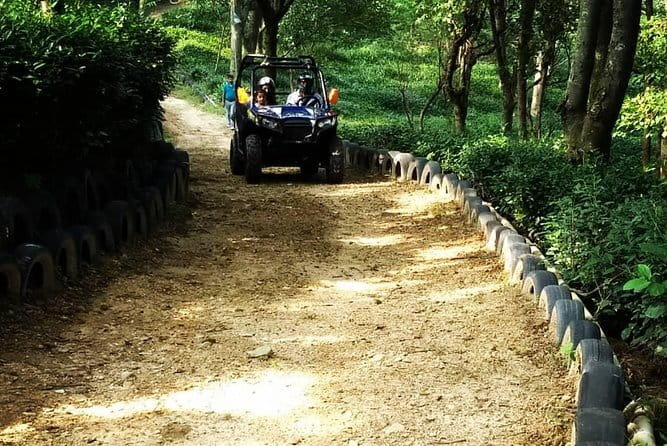
You start at 10:00 am and begin with the transfer from the Dharamshala bus stand to Kareri village (about 25 km). Timing can affect when you get lunch, since lunch is served depending on your arrival schedule.
Once you’re positioned, the trek starts toward the Rioti campsite. The goal for day one is not a grind. It’s a steady climb and an early introduction to the terrain so your body learns the rhythm.
You should plan on reaching Rioti by evening. Then you get settled in the tented accommodations and the day includes evening snacks as part of the schedule.
What Rioti night means in real life (tents, comfort, and routine)
This part of the trek is more important than people think. If you’re new, you’ll probably care about sleep and basic comfort as much as the views.
The camping setup is practical:
- Tents are provided
- Sleeping bags and mattresses are provided
- A washroom tent is part of the camping plan
This helps you avoid the most common “budget trek” problem: showing up under-prepared and spending money last minute. You still want to bring your own personal layers and any small comfort items you rely on, but the big ticket camping gear is already handled.
The best mindset for day one is simple: eat, hydrate, and protect your energy for day two. The lake day is the one you’ll feel in your legs afterward.
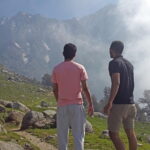
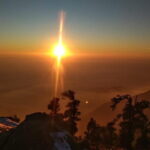
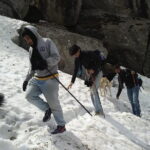
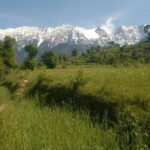
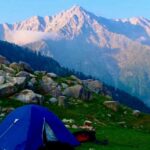
Day 2: Trek up to Kareri Lake and the Lord Shiva temple stop
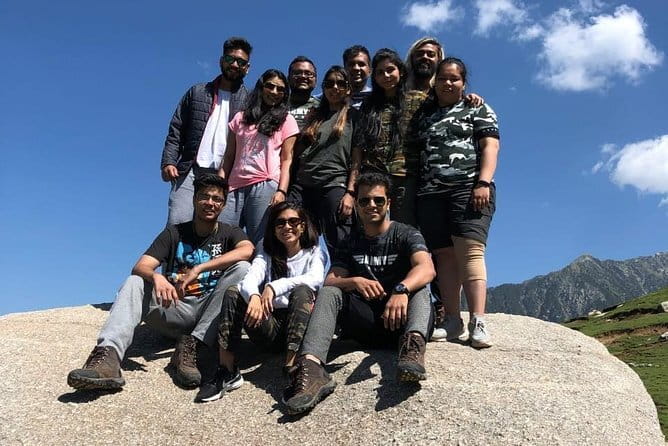
Day two starts with breakfast, then you head out toward Kareri Lake. This is the trek day where the effort becomes more noticeable.
When you arrive, you get sightseeing at the Lord Shiva temple at the lake site. It’s not just a stop for a quick look. The plan gives you time to take in the setting and connect the lake with the local spiritual context.
A packed lunch is served at the Kareri Lake site. That detail matters because it keeps you from spending your limited day searching for food options. Then you get a full sightseeing view at Kareri lake, plus evening snacks later.
From a runner’s perspective, day two is the “peak moment.” Even if you don’t push speed, you’ll probably feel the hike more on this day than on day one.
River crossings and rocky sections: the beginner challenge you should expect
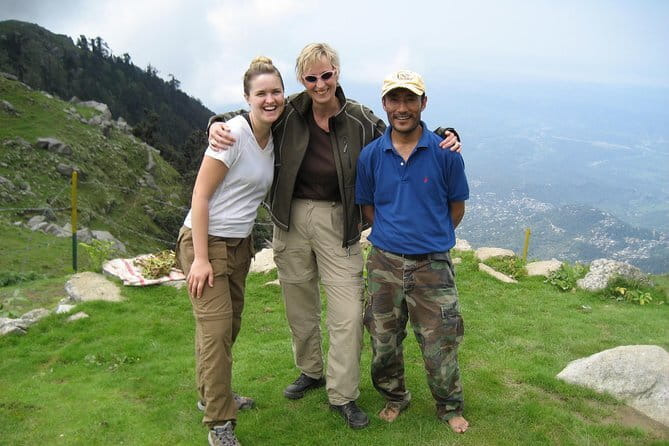
This trek is often described as beginner-friendly, but it’s still a mountain trek. Expect a path that can be rocky and include sections with some climbing.
You may also encounter waterstreams and river crossings, which can sound dramatic, but usually just means you’ll cross and step carefully. These moments slow you down and make traction important.
The good news is that the guide helps you read the route and keep moving safely. The not-so-fun news is that “easy” doesn’t mean “effortless.”
If you’re the kind of traveler who walks for hours at home without issues, you’ll likely be fine. If you haven’t built any walking stamina lately, plan for sore legs and take breaks early.
Frozen-lake potential: when Kareri Lake looks different
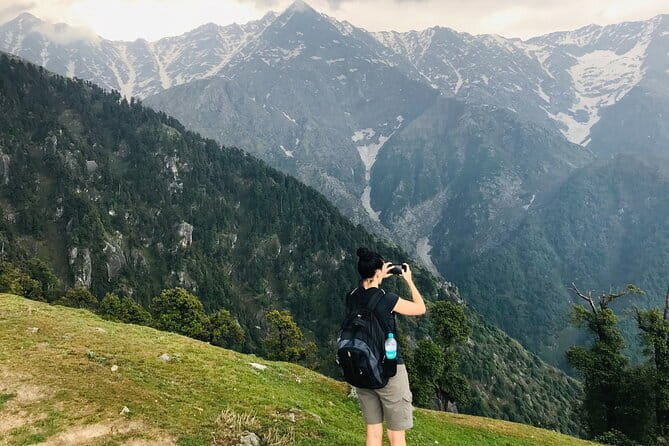
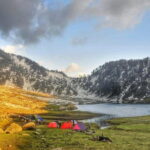
If you’re visiting around the 3rd week of March, there’s a specific kind of payoff you may get: snow and a frozen Kareri Lake.
That changes the whole vibe. Instead of a typical mountain reflection, the lake area can feel more stark and wintry, like a different version of the same place.
Weather still rules this show. If conditions aren’t right, you may not get that exact frozen look. But the lake itself is the main attraction regardless of the season.
Day 3: Trek back to Kareri village and your Dharamshala transfer
Day three begins with breakfast, then it’s back toward Kareri village. This is when your body is tempted to move faster, because the end is near.
That said, the return trek is still trekking. Your legs will already be tired, so use good pacing. Short breaks beat pushing through and paying for it later.
After you reach Kareri village, you get the transfer back to the Dharamshala bus stand, reaching by evening. The structure keeps the last day from turning into an all-day endurance event.
Meals and snacks: why included food makes this trek easier than it sounds
Food coverage is one of the biggest reasons this trek works for many first-timers. The itinerary includes:
- Breakfast (2)
- Lunch (2)
- Dinner (2)
It also builds in evening snacks, so you’re not stuck waiting until the next full meal.
This setup helps you manage a common mistake on treks: spending your mental energy figuring out what to eat instead of focusing on walking and resting. It also reduces what you need to carry.
Just note what isn’t included. Energy drinks and personal refreshment are on you. If that’s part of your routine, plan for it.
How hard is it, really? Moderate fitness and the right expectations
The trek is meant for people with moderate physical fitness. “Moderate” here is practical. You’re not required to be athletic, but you should be comfortable walking for long stretches and handling uneven terrain.
Based on the trek’s structure, you’ll likely feel:
- Day one: a ramp-up day with a steady climb
- Day two: the main effort toward the lake
- Day three: a recovery day that still demands attention on the descent
If you’re worried, the best move is to choose a slower pace early. Build your endurance through breaks. Don’t wait until your legs are already unhappy.
And one more mindset tip: water crossings and rocky parts aren’t there to punish you. They’re part of the route’s real character. Move carefully, follow your guide, and you’ll enjoy them as part of the story.
What to pack for a no-stress Kareri Lake trek
The big gear is covered, but your personal items still matter. Since extra trekking equipment like shoes isn’t included, you’ll want to bring proper footwear.
Think in terms of:
- Comfortable trekking shoes or sturdy footwear
- A rain-ready layer, since weather can be unpredictable
- Warm layers you can adjust while walking and while sitting around
- A small personal bag for water and snacks you might want between provided meals
Also, bring what helps you sleep and stay comfortable in tents. Because when you get tired on day two, the only thing that fixes it is decent rest.
Who this trek is best for (and who should skip it)
This is a great fit if you want a guided beginner trek near Dharamshala and you like offbeat mountain calm. The route works for travelers who don’t want to manage logistics and still want real trekking moments.
You’ll especially enjoy it if you’re happy with:
- a moderate walking effort
- rocky sections and cautious steps
- river/water crossings
- spiritual sightseeing at the Shiva temple
You might want to look elsewhere if you’re dealing with mobility limitations, or if you hate unpredictable footing. A lake trek is still a lake trek, not a stroll.
Should you book the Kareri Lake trek?
I’d book it if you want maximum mountain time with minimal planning. The combination of guide + transport + tents + meals is the real win, especially at this budget level.
I’d hesitate if you’re expecting a walk that never gets rough. The trek includes climbs and rocky stretches, and you should treat water crossings with respect. Also, plan around weather since the experience requires good conditions.
If your goal is a genuine offbeat trek near Dharamshala—sleeping in provided tents, eating well on schedule, and reaching Kareri Lake for a real sightseeing stop—this is a smart choice.
FAQ
What time does the Kareri Lake trek start?
The experience starts at 10:00 am from Dharamshala, Himachal Pradesh, India.
How long is the Kareri Lake trek?
It’s approximately 3 days.
Do I get a guide?
Yes. An experienced trek guide is included.
Is transportation included?
Yes. Round-trip transportation between the Dharamshala bus stand and Kareri village is provided.
What kind of camping setup is included?
You’ll have tents, sleeping bags, and mattresses. A washroom tent is also provided.
Are meals included?
Yes. Breakfast is included for 2 days, lunch for 2 days, and dinner for 2 days.
Is there a sightseeing stop at the lake?
Yes. You’ll reach Kareri Lake and have sightseeing at the Lord Shiva temple, plus time to enjoy the lake views.
Is the trek suitable for beginners?
The trek is designed for travelers with moderate physical fitness and is described as beginner-friendly by past participants, but it still includes rocky walking and water crossings.
What extra gear is not included?
Extra trekking equipment like shoes is not included. Porter service is also not included.
When can I possibly see snow or a frozen Kareri Lake?
Some past trips in the 3rd week of March reported snow and a frozen Kareri Lake, depending on conditions.