REVIEW · KATHMANDU
Private Lobuche East Peak Climb and Mt Everest Base Camp Trekking
Book on Viator →Operated by Three Jewels Adventures · Bookable on Viator
A high-altitude combo that makes you grin. This private trip pairs Lobuche East Peak at 6,119m with the classic Everest Base Camp trekking route via Gokyo Valley and Chola Pass. I like that it’s built as a short, fairly approachable climb for the Himalayas, and I like the way the operator focuses on safety and getting you to success rather than rushing you through. The main consideration: weather and altitude matter, so you need solid fitness and you should expect the plan to be weather-dependent.
I also like the practical side of the setup: pickup is offered, meals are included for most of the trek (Day 03 to Day 15), and you get camping and climbing equipment. In past bookings, the team’s manager Amber has been described as responsive and professional, and that matters when your schedule hinges on mountain conditions.
One more thing to think about: the trip covers a lot, but you’re still responsible for personal trekking gear and emergency insurance. If you don’t already have the right cold-weather and altitude kit, factor in time to source it before you go.
In This Review
- Key things that make this climb-and-trek a smart choice
- Lobuche East + Everest Base Camp: the value of doing both
- The route you’ll follow: Gokyo Valley, Chola Pass, then the 6,119m summit
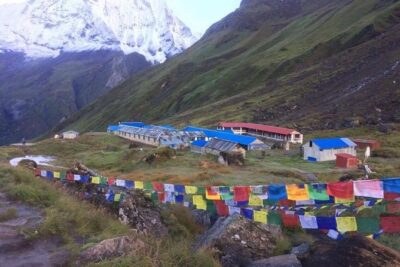
- Trekking toward Everest Base Camp via Gokyo Valley
- Chola Pass: when the trip gets serious
- Lobuche East Peak at 6,119m
- Kathmandu logistics that matter more than you think
- What’s included (and what that really saves you)
- Included
- Not included
- How the guides and team support safety and summit success
- Price and value: what $2,470 per person buys you
- Fitness level: how to judge if you’re ready
- Weather dependence: the one variable you can’t out-argue
- Who this tour suits best (and who may want another option)
- Should you book Lobuche East and Everest Base Camp with Three Jewels Adventures?
- FAQ
- How long is the private Lobuche East Peak climb and Everest Base Camp trekking trip?
- Where does this trip start?
- What are the main highlights of the itinerary?
- What is included in the price?
- What do I need to bring myself?
- Is this tour private or shared?
- Does weather affect the trip?
- When is the meeting/operation time window?
Key things that make this climb-and-trek a smart choice
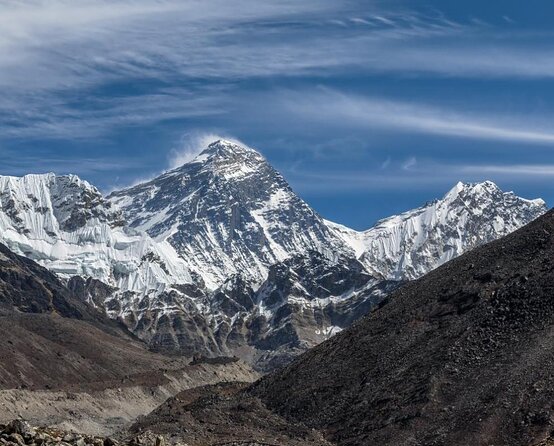
- Lobuche East at 6,119m: A climb that fits well into a trekking trip length instead of turning into a month-long expedition.
- Everest Base Camp via Gokyo Valley: You’re not just doing the headline trek—you’re taking a route that adds variety.
- Chola Pass crossing: The itinerary builds in one of the more dramatic segments of the trek.
- Meals from Day 03 to Day 15: You get less decision fatigue day to day, and fewer food surprises.
- Climbing permit included: Fewer admin hassles once you’re in Nepal.
- A consistently praised guide-and-operations team: Safety and success show up again and again in the feedback.
Lobuche East + Everest Base Camp: the value of doing both
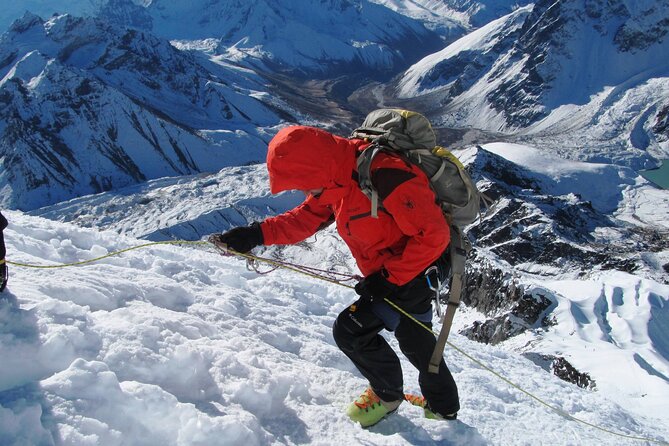
You’re signing up for two different kinds of mountain experiences that feed off each other. The Everest Base Camp trekking portion gives you the long-view feel—big scenery, steady effort, and that growing sense of nearing something special. Then Lobuche East adds the sharper edge: ropes, crampons (if required by conditions), and that clear “goal” feeling that comes with a summit push.
What I like about this pairing is that it keeps the “short and fairly easy” climb promise while still delivering big mountain payoff. The listing frames Lobuche East as one of the best short climbing trips in the Himalayas, and the math works for many travelers: you get a summit experience without spending weeks in expedition mode.
You’ll also move through a route that’s more than a straight line. The itinerary connects Gokyo Valley and Chola Pass to the Everest Base Camp area, so you’re not just repeating one type of trail. It feels like a journey, not a checklist.
You can also read our reviews of more tours and experiences in Kathmandu.
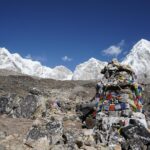
The route you’ll follow: Gokyo Valley, Chola Pass, then the 6,119m summit
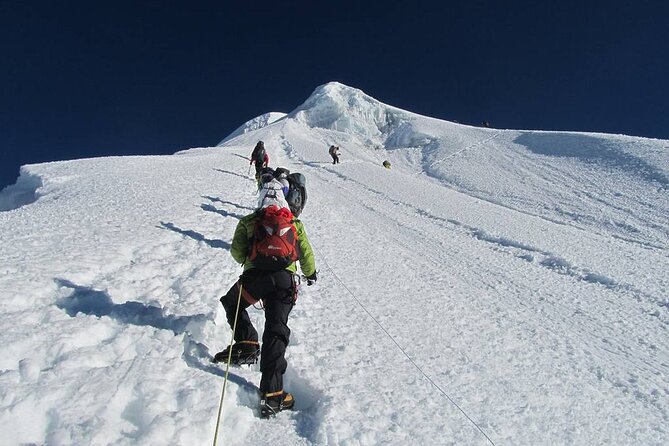
This trip follows a clear arc: trek toward Everest Base Camp using the Gokyo Valley route, cross Chola Pass, then switch gears into the climb for Lobuche East Peak (6,119m), and finally return to Kathmandu.
Here’s what that means for you in real terms.
Trekking toward Everest Base Camp via Gokyo Valley
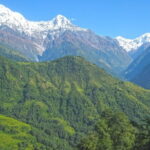
Expect days where your body is doing the work and your eyes are collecting memories. This segment is built around sustained trekking, which is a good match if you want Everest without committing to a long expedition schedule. You should also be prepared for the rhythm of high-altitude walking: slower steps, frequent breaks, and paying attention to how you’re breathing.
Chola Pass: when the trip gets serious
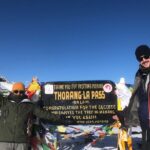
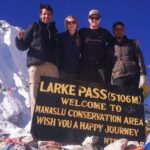
Chola Pass is a major threshold in the itinerary. Even if your fitness is solid, pass crossings are where people feel altitude most. You’ll want to move steadily, keep warm, and avoid pushing for speed. The upside is that a pass day often brings big payoff views—especially on clear mornings.
Lobuche East Peak at 6,119m
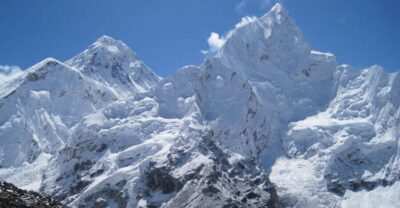
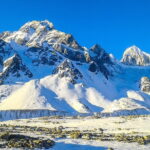
This is the headline challenge. Lobuche East sits at 6,119 meters, which means you’ll be dealing with thin air, cold, and changing terrain. The fact that the climb is framed as short and fairly easy is reassuring, but you still need to respect the mountain. Your summit success will depend on weather windows and how your body handles altitude in the days leading up to the climb.
Because the operator includes climbing permits and camping/climbing equipment, the gear side is largely handled. What you still control is your attitude: follow guide instructions, keep your pace conservative, and don’t treat a summit like a sprint.
Kathmandu logistics that matter more than you think
You start in Kathmandu, Nepal, and you’ll find the operation is built for real-world travelers. There’s pickup offered, and the meeting area is described as near public transportation—handy if your hotel isn’t close to the main tourist hubs or if you’re arriving on your own schedule.
Also, the trip provides a mobile ticket and includes details like entrance fees and “all fees and taxes.” That’s not just paperwork comfort. It helps reduce the number of times you’ll need to dig for cash or chase confirmations while you’re trying to focus on packing and acclimatization.
And this is private, meaning only your group participates. That’s a big deal on trek-and-climb trips because pacing, rest breaks, and route adjustments can be handled without negotiating with strangers in the moment.
What’s included (and what that really saves you)
Let’s translate the included list into practical savings and reduced hassle.
Included
- All meals from Day 03 to Day 15
This is a huge relief on a 17-day itinerary. You spend less time thinking about where to eat and what to budget for, and you can focus on hydration and recovery.
- Coffee and/or tea
Small comfort at altitude goes a long way.
- Camping and climbing equipment
Instead of building a full gear setup yourself, you’re covered for the trip’s shared needs and the climb requirements.
- Entrance fees and all fees and taxes
Again: fewer admin surprises.
- Climbing permit
Permits are part of the real cost of doing this properly, and it’s good that it’s included.
Not included
- Alcoholic beverages
- Personal trekking gears
- Emergency, insurance
That last point is important. Emergency support and travel medical coverage aren’t included, and altitude mistakes can get expensive fast. Even if you’re fit and cautious, protect yourself.
How the guides and team support safety and summit success
What stands out in the feedback is not just friendliness—it’s follow-through. Multiple past bookings highlight guides doing everything possible to ensure both safety and success when climbing Lobuche East (and also on other peak climbs). People also describe the company as responsive, courteous, honest, and good value.
One specific name shows up: Amber. The trip manager is mentioned as professional and quick to communicate, which matters because mountain travel punishes slow answers. If weather shifts or timing needs adjusting, you’ll want clarity fast.
In practice, a good guiding team helps you in three ways:
- You get consistent pacing and technique on tougher segments like the pass and the climb.
- You’re less likely to take unnecessary risks when conditions change.
- You feel like someone is steering the ship, so you can stay calm and do the work.
And on a route that includes both trekking and a summit bid, that “system” mindset is worth more than a glossy brochure.
Price and value: what $2,470 per person buys you
At $2,470 per person for about 17 days, the price won’t feel cheap in your pocket. But it can be fair—or even good value—depending on what’s included and how private the experience is.
Here’s why the number makes more sense than it first appears:
- Meals are covered for most of the trip (Day 03 to Day 15). That reduces your day-to-day spending.
- Camping and climbing equipment are included. For many travelers, this is one of the biggest hidden costs when you travel independently.
- Entrance fees, all taxes, and a climbing permit are included.
- You’re getting a private experience, not a shared tour where coordination is harder.
Where you should be careful is in the “not included” gaps: personal gear, emergency/insurance, and alcohol. If you show up underprepared with winter clothing or trekking footwear, the savings can vanish fast once you start shopping in Kathmandu.
My practical advice: treat this as a package that handles the mountain logistics. Then budget separately for your personal gear, medical coverage, and the extras.
Fitness level: how to judge if you’re ready
The trip asks for moderate physical fitness. That’s useful as a starting point, but for a trek plus a peak at 6,119m, “moderate” should be read as: you can walk for long hours, you can handle steep sections, and you can recover between tough days.
You don’t need to be an athlete, but you do need to be consistent. If you’re the kind of traveler who gets winded on small hills, this trip will be rough. If you already walk regularly and can handle cold-weather discomfort, you’re much more likely to enjoy the experience instead of simply surviving it.
Also, remember that altitude changes everything. Even strong legs can feel weak at high elevations. That’s not a character test. It’s just math.
Weather dependence: the one variable you can’t out-argue
This experience requires good weather. If it’s canceled due to poor weather, you’ll be offered a different date or a full refund. That’s the right approach, because in the Himalayas, weather isn’t a nuisance—it can become a safety issue.
So what should you do?
- Go in with flexible expectations.
- Stay ready for schedule shifts.
- Don’t treat the trip like a fixed-ticket concert where you must get the summit no matter what.
On clear mornings, high points can deliver that unforgettable “wow” moment people dream about. But the mountain controls the exact timing.
Who this tour suits best (and who may want another option)
This is a great fit if you want:
- A combo: trekking to Everest Base Camp plus a real summit attempt.
- A route that includes Gokyo Valley and Chola Pass, not just a standard trek.
- A private group experience where guides can manage pacing without compromises.
- An operation that’s praised for safety and responsiveness, with Amber noted for professional communication.
It may not be the best fit if:
- You’re not comfortable with high-altitude trekking and cold conditions.
- You don’t have personal gear and are relying on luck to borrow or replace it last-minute.
- You want an all-inclusive “easy mode” trip. This has a climb goal and pass-day intensity.
Should you book Lobuche East and Everest Base Camp with Three Jewels Adventures?
If you’re looking for a well-structured Nepal adventure that blends a classic Everest-area trek with a short summit climb, I think this is worth strong consideration. The combination of Lobuche East (6,119m), Gokyo Valley, and Chola Pass gives you variety, not just repetition. Add in meals from Day 03 to Day 15, equipment included, and a permit handled, and the value starts to look more reasonable.
I’d book if you:
- can get yourself to a steady trekking fitness level,
- will bring proper personal gear,
- and are okay with the reality that weather decides some outcomes.
If you want the Everest feeling plus a summit accomplishment—without turning it into a months-long expedition—this is a strong match.
FAQ
How long is the private Lobuche East Peak climb and Everest Base Camp trekking trip?
The duration is approximately 17 days.
Where does this trip start?
The trip is based in Kathmandu, Nepal.
What are the main highlights of the itinerary?
You’ll trek to Everest Base Camp via Gokyo Valley, cross Chola Pass, and climb Lobuche East Peak at an altitude of 6,119 meters, then return to Kathmandu.
What is included in the price?
Included items cover coffee and/or tea, all meals from Day 03 to Day 15, camping and climbing equipment, entrance fees, all fees and taxes, and the climbing permit.
What do I need to bring myself?
You’ll need to bring personal trekking gear. Alcoholic beverages are also not included.
Is this tour private or shared?
This is a private tour/activity, and only your group will participate.
Does weather affect the trip?
Yes. The experience requires good weather. If it’s canceled due to poor weather, you’ll be offered a different date or a full refund.
When is the meeting/operation time window?
The listed opening hours are 7:15 AM to 7:15 PM, Monday through Sunday (within the stated date range).