REVIEW · KATHMANDU
13 Days Annapurna Base Camp Trek
Book on Viator →Operated by Trekking Guide Team Adventure · Bookable on Viator
Snowy peaks and organized trekking make a great combo. Annapurna Base Camp sits in a world-class trekking zone, and this 13-day version keeps things approachable with guided pacing, village tea-houses, and big-mountain payoff. It also builds in time on the ground in Kathmandu and Pokhara, so you are not jumping straight into altitude stress.
What I really like is the setup for comfort and sanity: you get English-speaking guide support plus a porter (for each two tourists), and you have daily breakfast, lunch, and dinner during the trek. I also like that the trip includes the core trekking paperwork and tracking tools—TIMS and the Annapurna Conservation Permit—without you needing to guess what you must carry.
The main drawback to consider is that your on-trail lodging is basic by design. Normal lodge/tea-house stays are common up high, and hot showers during the trek are not included, so you’ll want to plan for cold mornings and simple facilities.
In This Review
- Key Things That Make This ABC Trek Work Well
- Why 13 Days on Annapurna Base Camp Feels Moderately Tough
- Kathmandu Thamel and Pokhara Hotel Nights Before You Hit the Trail
- The Road to Nayapul, Then Into Real Trekking Time
- Tea Houses for 8 Trekking Days: Comfort, Food, and Family-Run Stays
- Altitude, Pace, and the Peak-View Payoff at Base Camp
- Permits, TIMS, and Paperwork You’ll Handle Like a Pro
- Gear List Reality Check: What You Need to Bring (and Why)
- Price and Value: What $999 Covers and Where the Savings Come From
- Who This Tour Suits Best (and Who Should Rethink)
- Should You Book This 13-Day Annapurna Base Camp Trek?
- FAQ
- What time does the trek start?
- Is pickup offered?
- What does the price include?
- How many nights do I stay in Kathmandu and Pokhara?
- What kind of lodging is included during the trek?
- Do I need to bring my own trekking gear?
- Are hot showers included while trekking?
- What is the cancellation policy?
Key Things That Make This ABC Trek Work Well
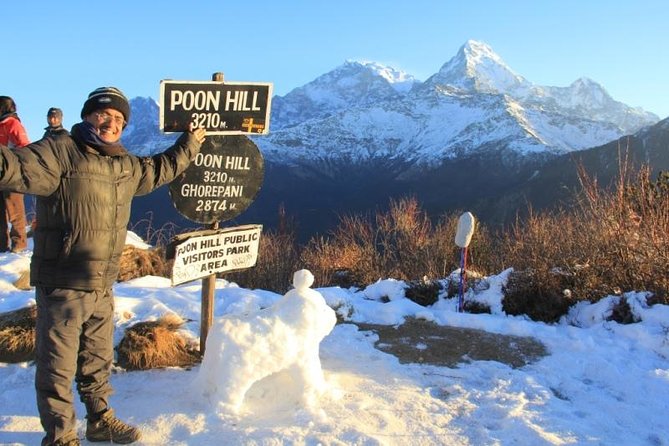
- Guide + porter pairing: one porter for each two tourists helps your legs and your mind.
- Meals are covered on the trek: breakfast, lunch, and dinner (main course) remove daily decision fatigue.
- Two-night buffers in Kathmandu and Pokhara: you get time to settle before and after the mountains.
- Tea-house lodging for 8 trekking days: you sleep with Nepali family-run accommodations along the way.
- You’re geared for cold: they recommend a sleeping bag rated to -15 Celsius and warm layering.
- The peak list is the prize: you’re trekking in the orbit of Annapurna I, II, III, South, Hiunchuli, Fang, Gangapurna, and Machhapuchhre.
Why 13 Days on Annapurna Base Camp Feels Moderately Tough
Annapurna Base Camp is famous for a reason: you trade long, empty stretches for scenery that keeps upgrading as you go. This trek is positioned as moderate and best suited for people with medium fitness. That label matters, because you should feel challenged, not crushed.
The best part of a guided, medium-paced ABC trek is that your days are structured around altitude reality. You gain elevation gradually, spend nights in tea-houses, and keep the rhythm consistent. You are not doing a “race to the top.” Instead, you’re doing the kind of steady walking that helps most people acclimatize better and enjoy the views instead of bargaining with every breath.
Still, ABC does not mean easy. Early mornings can be cold even when the days are fine, and you’ll feel it most before you get warmed up. The gear list they suggest (especially a warm sleeping bag rated to -15°C) is a hint: your comfort depends on planning, not luck.
You can also read our reviews of more tours and experiences in Kathmandu.
Kathmandu Thamel and Pokhara Hotel Nights Before You Hit the Trail
This trip includes 2 nights in Kathmandu at Hotel Thamel (3-star, bed & breakfast) and 2 nights in Pokhara at Splendid View (3-star, bed & breakfast). Those hotel blocks are not filler. They’re there so you can:
- sort out any last-minute gear needs,
- handle paperwork at an easy pace,
- sleep indoors before the simplest living conditions up the trail.
Hotel location details matter less than the fact that meals start becoming more predictable once you’re trekking. In Kathmandu and Pokhara, breakfast is covered, but lunches and dinners there are not. That keeps the trek price focused where it counts: on-trail logistics, guide/porter support, and the trekking permits.
One practical bonus: there are airport–hotel–airport transfers included. That means you are not figuring out transport after a long flight while also trying to read a mountain-oriented itinerary in your sleep.
The Road to Nayapul, Then Into Real Trekking Time
The trek starts from the Pokhara to Nayapul direction, and the end comes from Phedi back to Pokhara by private transport. On paper, those transfer points look minor. In real life, they’re huge. Nayapul is the gateway from road life into village-and-trail life, and Phedi is the way back out when your legs finally want a chair more than scenery.
The trip also includes land transportation from Kathmandu back to Kathmandu by tourist bus, plus the private segments mentioned above. Translation: you should expect a mix of bus travel and direct vehicles tied to the trekking endpoints. It’s not luxury, but it keeps the schedule moving.
If you like a clean start, you’ll also appreciate the start time of 7:15 am. Earlier starts reduce the “we’re still waking up” chaos, and they help you get past the coldest part of the morning before you’re deep into your walking day.
Tea Houses for 8 Trekking Days: Comfort, Food, and Family-Run Stays
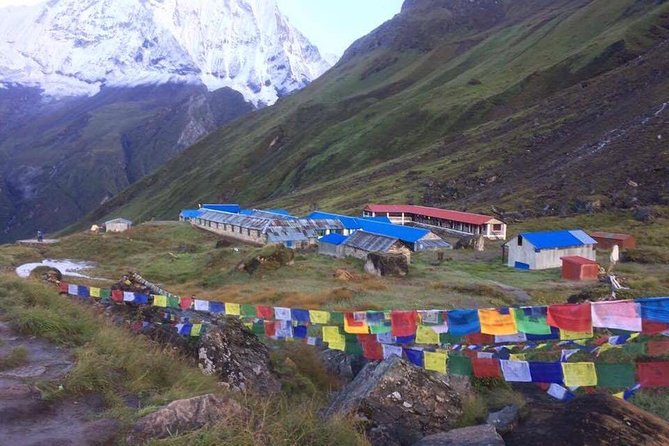
During the trek, you get accommodation for 8 days in normal lodge/tea houses, run by Nepali families. This is one of the most authentic parts of ABC. You are not staying in a sealed hotel world. Instead, you’re in small communities where the rhythm of the day revolves around guest meals, warmth from shared spaces, and practical hospitality.
Your trek meals are included as daily breakfast, lunch, and dinner (main course). That is a big value point. On high trails, deciding what to eat each day can become exhausting. Here, you have a built-in routine so you can focus on walking, hydration, and altitude.
What you should still expect:
- food that is filling rather than fancy,
- rooms that may be tight and basic,
- warmer social space than “spa” comfort.
And yes, there’s a key comfort note: hot shower during the trekking is not included. That affects how you plan your daily routine. If you’re the type who feels human only after a shower, you’ll want to rely on wipes, spare warm layers, and the cold-stubborn method of staying fresh enough for the next morning.
One more practical note from the gear list: they emphasize a personal towel and torch light. That’s because high-lodge life often means you’ll navigate dim rooms and shared areas. A small headlamp-style approach can save you from dropping things at night.
Altitude, Pace, and the Peak-View Payoff at Base Camp
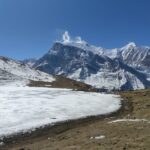
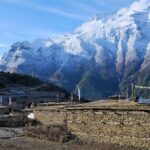
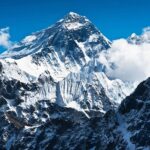
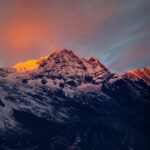
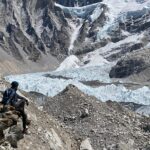
This is the main reason people do Annapurna Base Camp: the mountain views and the feeling of being close to the high Himalaya world. The trek is described as rewarding with peaks you can spot in the region, including Annapurna I, Annapurna II, Annapurna III, Annapurna South, Hiunchuli, Fang, Gangapurna, and Machhapuchhre.
What I’d focus on as you plan:
- Your best moments usually come when the air is clear and the light hits the slopes.
- At Base Camp, you’re not just seeing one peak. You’re seeing a cluster, and the scale can hit you all at once.
This is also a trek where weather can test your optimism. Even in seasons people consider good, conditions can change. One family trip outcome in the provided feedback talks about heavy snow and rain and still finishing successfully. That’s the real takeaway: ABC is about flexibility. You might walk in sharp visibility one morning and slower, quieter conditions the next.
That’s why guides matter. A good English-speaking guide can help you manage expectations, adjust pacing, and keep morale steady when the mountains decide to do their own thing.
Permits, TIMS, and Paperwork You’ll Handle Like a Pro
This trek includes:
- Annapurna Conservation Permit
- TIMS
It also specifies 3 passport-size photos to issue the permit and a hard copy of the itinerary at arrival. This is important because it’s part of how the process runs on the ground. If you show up without those items, you can lose time while paperwork gets sorted.
There’s another underappreciated value here: insurance for guide & porters is included. That does not replace your own coverage, but it shows they’re handling the responsibilities of operating in a remote environment.
You still need to be realistic about your own risk management. The information provided clearly says your personal insurance must cover medical, accidental, natural disasters, emergency evacuation, and trip cancellation expenses, plus baggage and gear loss/theft/damage. If you don’t have that coverage, you are taking on risk you can avoid.
Gear List Reality Check: What You Need to Bring (and Why)
They do not include your personal trekking equipment. Instead, they provide a gear recommendation list, including:
- sleeping bag rated to -15 Celsius
- down jacket, gloves
- trekking shoes
- warm clothes and layers
- sunglasses and sunscreen
- torch light (useful in lodges and early mornings)
- socks, trekking stick
- personal towel
There’s also a basic medical kit suggestion: headache/fever medicine, bandage/handiplast, pain killer, stomach ache items, and diarrhea support.
Here’s my practical advice: pack for the cold you will feel in the morning, not the warm you might see mid-day. Also, bring fewer “maybe” items. Up there, every extra thing has weight consequences when you’re walking day after day.
And since hot showers are not included, think about how you’ll handle hygiene. A plan beats hope.
Price and Value: What $999 Covers and Where the Savings Come From
At $999 per person (for this 13-day setup), you are paying for more than the trail itself. The value is mostly in the heavy-lift items:
- Kathmandu and Pokhara hotels (2 nights each) with breakfast
- an English-speaking guide and a porter (one porter for each two tourists)
- daily meals during the trek (breakfast, lunch, dinner main course)
- lodges for 8 trekking days
- the main trekking permits (Annapurna Conservation Permit + TIMS)
- transfers: airport–hotel–airport and trek endpoint logistics
- a farewell dinner with cultural dance program
What you pay for yourself (not included) is also clearly listed: visa fee, personal equipment, tipping, personal insurance, and meals in Kathmandu/Pokhara beyond breakfast. Alcohol and non-alcohol drinks are extra too, as are sweet things and hot shower availability.
So is it worth it? For me, the answer is yes if you want a guided, organized ABC trek without constantly negotiating logistics. If you enjoy planning your own transport, meals, and permits from scratch, you could build something cheaper. But if you want the mountain experience with fewer moving parts, this price starts to look fair.
One important watch-out: the trip is non-refundable and cannot be changed for any reason if you cancel. That makes travel insurance and commitment planning even more important.
Who This Tour Suits Best (and Who Should Rethink)
This trek fits best if you:
- have medium fitness and want a moderate challenge,
- like the idea of lodge-based trekking rather than camping,
- prefer having an English-speaking guide and porter organization taken care of,
- want a solid pre-trek base in Kathmandu and Pokhara.
It may not be the right fit if you:
- expect luxury comforts,
- need hot showers on the trail,
- dislike the idea of basic tea-house conditions,
- do not have the right insurance coverage.
It’s also a private tour/activity, meaning only your group participates. That’s great if you prefer your own space and don’t want to feel like you’re fitting into someone else’s travel rhythm.
Should You Book This 13-Day Annapurna Base Camp Trek?
I’d book it if you want an ABC trek that feels planned enough to keep you relaxed, but still real enough to feel like Nepal: tea houses, village life, and mountain views that do not need marketing.
Before you commit, check three things:
- Your fitness matches a moderate trek, not a stroll.
- Your personal insurance meets the coverage requirements listed (especially medical and emergency evacuation).
- Your packing matches the cold you will likely face, since hot showers are not part of the trek.
If those boxes are checked, this looks like a strong, practical way to do Annapurna Base Camp with a guide team that’s been consistently praised for being patient, organized, and good company, including names like Kabiraj, Ram, Bassu, Shambu, Krishna, and others shown in the feedback.
FAQ
What time does the trek start?
The start time listed is 7:15 am, with the trip beginning at the meeting point you are provided for your group.
Is pickup offered?
Yes. The tour summary indicates that pickup is offered, and airport-to-hotel-to-airport transfers are also included.
What does the price include?
The included items cover Kathmandu and Pokhara hotel stays with breakfast, an English speaking trekking guide, a porter for each two tourists, land transportation segments, daily breakfast/lunch/dinner during the trek (main course), Annapurna Conservation Permit, TIMS, guide and porter insurance, trekking lodge accommodation for 8 days, airport transfers, and a farewell dinner with cultural dance program.
How many nights do I stay in Kathmandu and Pokhara?
You get 2 nights in Kathmandu (Hotel Thamel) and 2 nights in Pokhara (Splendid View).
What kind of lodging is included during the trek?
You’ll stay for 8 days in normal lodge/tea houses, run by Nepali families.
Do I need to bring my own trekking gear?
Yes. Personal equipment for trekking is not included. The provided gear list includes items like a sleeping bag (-15 Celsius), down jacket, trekking shoes, gloves, warm clothes, and a trekking stick.
Are hot showers included while trekking?
No. Hot shower during the trekking is listed as not included.
What is the cancellation policy?
The experience is non-refundable and cannot be changed for any reason. If you cancel or request an amendment, the amount you paid will not be refunded.