REVIEW · KATHMANDU
Luxury Everest Base Camp Trek – 11 Days
Book on Viator →Operated by Himalayan Trekking · Bookable on Viator
Hitting Everest’s trail with 5-star comfort is rare. This Luxury Everest Base Camp Trek pairs real high-altitude effort with helicopter shortcuts, luxury lodge stays, and guided logistics that keep the focus on the views. I especially like the way the schedule builds in acclimatization days in Namche and the Imja Valley, and I like that you’re not stuck managing meals and porters on your own. One consideration: it’s still a mountain trek—if you have asthma or you want zero exertion, you’ll need to think carefully.
What makes this trip work is the mix of organization and altitude pacing. From landing in Lukla and trekking through pine forests toward Namche, to the spiritual stops around Tengboche and the glacier country near Lobuche and Gorak Shep, you get a clear sense of where you are and why you’re moving. I also like the human touch shown in the local team: guides like Surya (organizer), Prakash, Keshab, Babu, and Ram are cited across trips, with porter support from people named Govinda, Kumar, and Partap. The drawback is straightforward: when weather disrupts flights, the itinerary may be adjusted and you should be ready for a bit of flexibility.
If you want the Everest region without the usual rough edges, this is built for you. You’ll still earn the big moments—Everest Base Camp and Kala Patthar—but you’ll do it with a crew handling the daily grind.
In This Review
- Key highlights worth caring about
- The big idea: luxury support on a real Everest route
- Price and value: what you’re really paying for at $4,070
- Day-by-day: what each stage feels like (and what to watch)
- Day 1 in Kathmandu: Thamel hotel, guide meets you
- Day 2: helicopter to Lukla, then the Phakding trek
- Day 3: Monjo and the climb into Namche Bazaar
- Day 4: Everest View Point day
- Day 5: full Namche acclimatization and a slower pace
- Day 6: Tengboche to Dingboche (around 4,410 m)
- Day 7: Chukhung for acclimatization
- Day 8: onward toward Lobuche and the Khumbu Glacier moraine
- Day 9: Everest Base Camp
- Day 10 to Day 11: Gorak Shep, Kala Patthar, and the helicopter window
- The crew you’ll be living with: guide and porter support
- Meals and comfort: where luxury actually helps
- Weather reality: how to think about delays without panicking
- Who this trek fits best (and who should reconsider)
- Should you book Luxury Everest Base Camp for 11 days?
- FAQ
- What city does the trek start from?
- How long is the Luxury Everest Base Camp trek?
- Are helicopters included in the package?
- What is included for meals?
- Who will guide and support me on the trek?
- How big is the group?
- What type of physical fitness level is expected?
- Is travel insurance included?
- What happens if weather is poor?
Key highlights worth caring about
- Helicopter logistics that reduce your stress: Kathmandu to Lukla, plus helicopter down later from Gorak Shep back to Kathmandu.
- Acclimatization built into the itinerary: Namche time plus Imja Valley pacing helps your body handle altitude.
- Luxury accommodation during the trek: comfort at the places you’re actually sleeping after long walking days.
- A small group size (max 15): you get the benefits of group travel without feeling like you’re in a crowd.
- Strong guide/porter support: daily porter wages and insurance are included, and the team is repeatedly praised by name.
- Food is largely covered on the trail: breakfasts, lunches, and dinners are included during the trek (Kathmandu has limits).
The big idea: luxury support on a real Everest route
Everest Base Camp is not a walk in the park. Even with helicopters on key sections, you’re still dealing with thin air, long days, and the cold that shows up whether your schedule is ready or not. The “luxury” part matters because it removes distractions: fewer logistics headaches, more comfort when you’re tired, and more consistent support from the crew.
This tour is also structured around the Everest region in a sensible order. You start in Kathmandu (Thamel), shift to the classic Khumbu approach from Lukla, and then climb gradually through Namche, Tengboche, Dingboche, and onward to Everest Base Camp. That path is familiar for a reason: it puts you on the right ridgelines for views and gives you enough breathing time to keep altitude from becoming the only story.
The day-to-day experience leans more “organized adventure” than “camping expedition.” That means you’ll spend your energy on walking and noticing the mountains, not on negotiating where to eat, what to carry, or how to make connections.
You can also read our reviews of more tours and experiences in Kathmandu.
Price and value: what you’re really paying for at $4,070
At $4,070 per person, this isn’t a budget trek. The value comes from what’s included—especially the parts that usually cost real money.
You’re getting:
- Kathmandu to Lukla by helicopter
- Gorak Shep to Kathmandu by helicopter
- Luxury accommodation during the trek
- Guide and porters with daily wage, insurance, and meals
- A large share of trail meals (breakfast, lunch, dinner counts are provided)
On most Everest itineraries, helicopters and high-comfort lodging can change the price dramatically. Here, those two items are baked into the package, so the cost isn’t just “marketing luxury.” It’s directly tied to your time and energy.
The trade-off is that some major costs are not included. You’re still responsible for your international flights, travel insurance, and personal spending like laundry, internet, phone use, cold drinks, and drinking water. If you’re the type who will buy extras anyway, it’s worth budgeting so your trek doesn’t turn into a surprise expense later.
Day-by-day: what each stage feels like (and what to watch)
Day 1 in Kathmandu: Thamel hotel, guide meets you
You land in Kathmandu and get picked up by the crew. Your guide meets you at the airport, then takes you to your hotel in Thamel. This is a practical start: you get your bearings fast, and you’re not trying to sort transport while jet-lagged.
Thamel is convenient for pre-trek logistics and meals, but the itinerary doesn’t promise a “vacation week” here—think of Day 1 as your reset day.
Day 2: helicopter to Lukla, then the Phakding trek
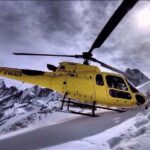
Today is the big transition day. You transfer to Kathmandu Airport, take a helicopter to Lukla, meet your trekking crew, and then start walking to Phakding (about 4 hours).
This segment matters because it sets the tone. You’ll feel the change from city air to mountain air, and you’ll get your legs moving before the bigger climbs. Also, helicopter to Lukla is not just about comfort—it’s about reducing the logistical risk of getting stuck on the long route.
Day 3: Monjo and the climb into Namche Bazaar
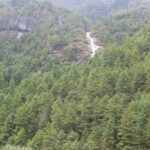
You trek toward Namche Bazaar with a challenging but rewarding ascent. The route is described as gentle at first, then moving through pine forests with plenty of natural rhythm to your steps.
Namche is the altitude “hub.” It’s not just scenic—it’s where you can breathe, reset, and start seeing the Sherpa town life that makes the Khumbu feel like a community rather than a theme park.
Day 4: Everest View Point day
From your stop in the Namche area, you go to Everest View Point. This is a day designed for big perspective without forcing you to grind altitude all day.
For many people, this is where Everest stops being a concept and becomes a physical presence. You’ll likely feel the cold more here, so plan layers like you mean it.
Day 5: full Namche acclimatization and a slower pace
Day 5 is your “let your body catch up” day. The plan calls for no steep climbs—just time in Namche Bazaar, where you can wander and explore the Sherpa town atmosphere.
I like these rest days because they make the later days feel more manageable. They also help you avoid the common mistake on Everest routes: climbing hard, too fast, just because you can.
Day 6: Tengboche to Dingboche (around 4,410 m)
After morning light and a start toward Tengboche, your route continues to Dingboche. Tengboche is described through dense rhododendron forest scenery, and Dingboche sits at about 4,410 meters with an estimated 5–6 hours trek.
This day is meaningful because it shifts you from the more settled feeling of Namche to the broader, wilder Imja Valley vibe. Dingboche is a key acclimatization base, and once you arrive, you’ll likely feel the air thinning more clearly than before.
Day 7: Chukhung for acclimatization
You move into the Chukhung area with an explicit emphasis on acclimatization. Dingboche is said to be ideal for this phase, and the plan keeps the day purposeful rather than rushed.
Chukhung is often where the views feel closer and the air feels sharper. If you’re prone to overdoing it early in the trek, this is the day to follow the pace set by your guide.
Day 8: onward toward Lobuche and the Khumbu Glacier moraine
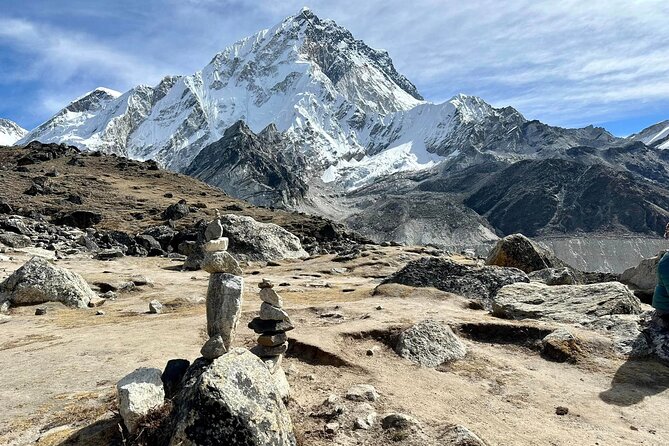
This stage takes you toward Lobuche, and you pass through terrain linked to the terminal moraine of the Khumbu Glacier. The description calls out crisp, fresh air as you ascend.
Moraine country can feel stark and haunting in a good way—less “forest postcard,” more “this is raw mountain.” It’s also a cue that you’re entering the most serious portion of the trek, where cold and altitude start demanding respect.
Day 9: Everest Base Camp
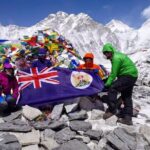
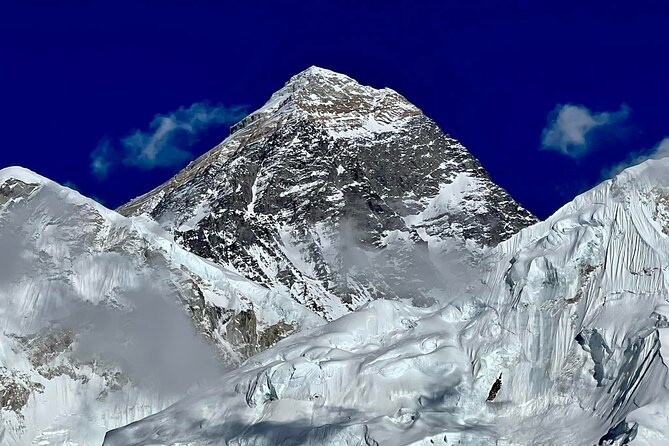
Day 9 takes you to Everest Base Camp. This is the day people talk about because it’s the signature destination—standing in the shadow of the world’s highest peaks and feeling how close the drama really is.
You’ll get more than a photo moment here. Base Camp is where your effort connects to the bigger story of expeditions, climbing seasons, and Khumbu life.
Day 10 to Day 11: Gorak Shep, Kala Patthar, and the helicopter window
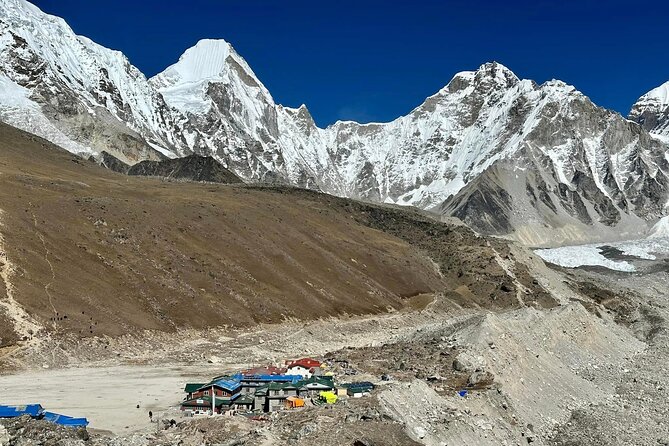
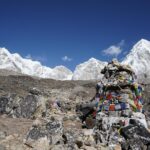
The schedule includes Gorak Shep as a critical high-altitude stop, described as the last stop on the trek and placed at about 5,164 meters. Then there’s a helicopter landing at Kalapathar, and an early morning hike toward Kala Patthar at dawn.
Kala Patthar is the viewpoint payoff. The idea of an early start matters because the light changes quickly and the views are most dramatic around sunrise. It’s cold, it’s windy, and it’s worth it.
Finally, you’re transferred back toward the airport and you fly back home. The package also specifies a Gorak Shep to Kathmandu helicopter connection, so the goal is to reduce the long “down day” fatigue after you’ve already pushed high.
The crew you’ll be living with: guide and porter support
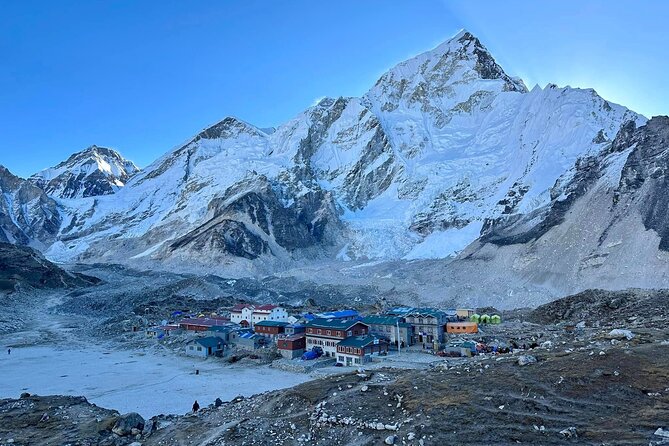
The backbone of this trek is the team handling daily details. You travel with a guide and porters whose daily wage, insurance, and meals are included. That’s not a small thing. It means you’re not building your own system at altitude.
The reviews tied to this company consistently mention strong organizing and guiding names. You’ll see Surya credited for organization and Prakash for guiding, with other trips highlighting Keshab, Babu, and Ram. Porter names like Govinda, Kumar, and Partap show up too, and that’s a good sign that you’re not getting replaced by random help day to day.
If you value calm coordination—especially when weather changes—this kind of crew is exactly what you want.
Meals and comfort: where luxury actually helps
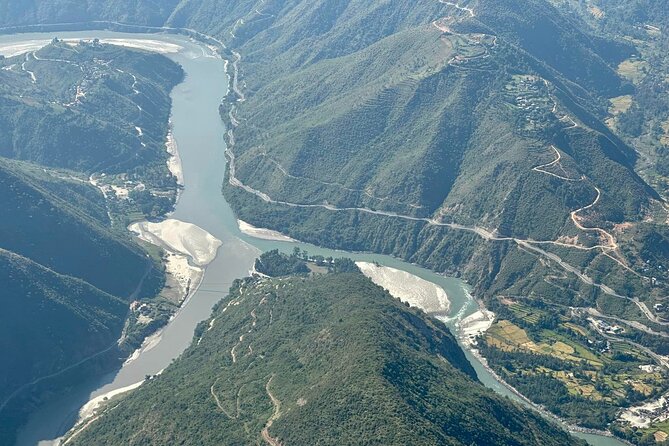
On the trail, the package includes 9 breakfasts, 8 lunches, and 8 dinners. In Kathmandu, you’re covered for breakfast and a farewell dinner, but other Kathmandu meals aren’t included.
That matters because eating at altitude is part of your recovery. When meals are handled, you’re more likely to eat enough protein and carbs, and you’re less likely to waste time hunting food after a long day.
“Luxury accommodation” is also meaningful here. On Everest routes, it’s easy to focus on the summit views and ignore the cost of sleeping poorly. Comfortable lodging won’t prevent altitude effects, but it can help you show up fresher for the next walk.
Just know what’s not covered: laundry, internet, phone calls, shopping, cold drinks, and drinking water are listed as personal expenses. If you want to stay connected or you drink a lot of beverages during the trek, budget for it.
Weather reality: how to think about delays without panicking
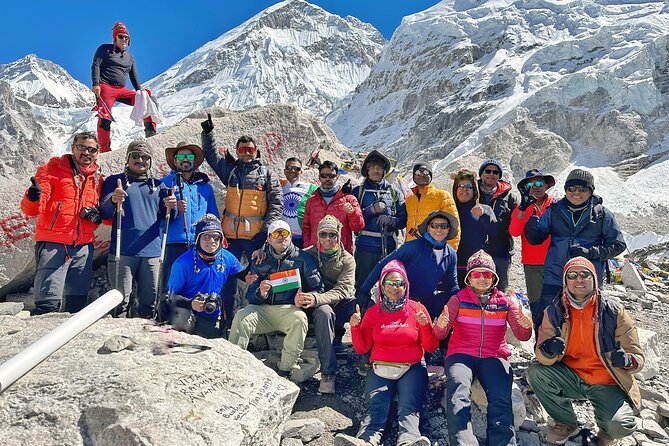
Everest region trekking depends on weather. This tour explicitly notes that it requires good weather and may be canceled if conditions are poor.
In practical terms, that means you should treat your schedule like a plan that can bend. Helicopters help, but they don’t eliminate weather risk. The more you stay flexible (and prepared with warm layers), the easier this becomes emotionally.
Who this trek fits best (and who should reconsider)
This trip fits you best if:
- You want Everest Base Camp plus Kala Patthar without dealing with all the logistics
- You appreciate acclimatization days and a guided pace
- You’re okay paying for helicopter transfers and comfortable lodging
- You can handle mountain trekking with a moderate physical fitness level
It may be a tougher match if:
- You have asthma or another condition altitude can aggravate
- You’re looking for an easy, non-challenging holiday
- You want full independence (because this is built around a crew)
Group size is capped at 15 travelers, which usually keeps things friendly rather than chaotic.
Should you book Luxury Everest Base Camp for 11 days?
I’d recommend booking if you want a smart version of Everest: real trekking, but with helicopter help, included meals, and luxury comfort where it counts. The itinerary is built around pacing—Namche time, Imja Valley staging, and high-altitude viewpoints—so you’re less likely to burn out early.
I’d hesitate if you’re very sensitive to cold, you have asthma, or you’re not comfortable with weather-linked changes. Also, double-check your personal budget because Kathmandu and personal expenses aren’t fully covered.
If you want the Everest story with fewer headaches and more comfort, this is the kind of trek that makes sense.
FAQ
What city does the trek start from?
The experience is based in Kathmandu, Nepal, and you’re taken to a hotel in Thamel on Day 1. Your guide also meets you at the airport.
How long is the Luxury Everest Base Camp trek?
It runs for 11 days (approx.).
Are helicopters included in the package?
Yes. The itinerary includes Kathmandu to Lukla by helicopter and Gorakshep to Kathmandu by helicopter. There is also helicopter landing at Kalapathar.
What is included for meals?
On the trek, breakfast (9), lunch (8), and dinner (8) are included. In Kathmandu, meals are included only for breakfast and a farewell dinner.
Who will guide and support me on the trek?
You get a guide and porters, with their daily wage, insurance, and meals included.
How big is the group?
The tour has a maximum of 15 travelers.
What type of physical fitness level is expected?
You should have a moderate physical fitness level.
Is travel insurance included?
No. Travel insurance is listed as not included.
What happens if weather is poor?
The experience requires good weather. If it’s canceled due to poor weather, you’ll be offered a different date or a full refund.