REVIEW · KATHMANDU
Everest Base Camp Trek with Kathmandu Valley Sightseeing Tour
Book on Viator →Operated by Mountain Kick Private Limited · Bookable on Viator
A trek to Everest Base Camp has a way of rewiring your priorities. This 15-day plan mixes Lukla starts, Sherpa villages, and time at Everest’s doorstep, with a Kathmandu Valley sightseeing add-on. I like that you get real logistics support (porters, permits, park entry, and a clear start setup), and I also like that the pace is described as short mountain sessions with plenty of rest and sightseeing. One thing to consider: the Lukla flight is weather-sensitive, so you should protect your schedule with extra buffer days.
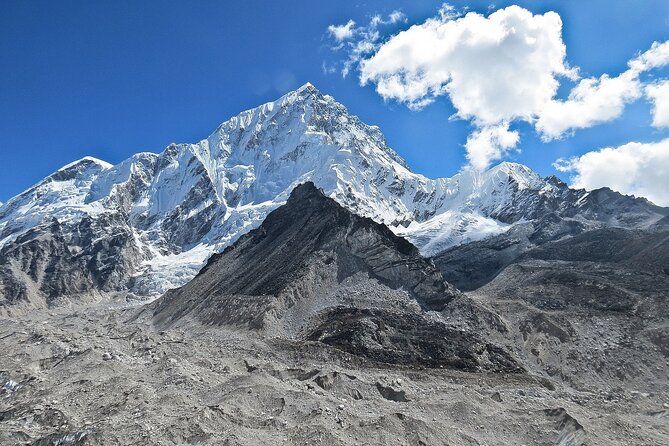
You’ll move through gorges, valleys, rivers, forests, and villages before reaching Base Camp. Then the trip turns cold and arid, with snow and trails carved along mountain sides and over deep gorges—very scenic, very serious. The altitude arc is big too: about 4,600 feet in Kathmandu up to 18,519 feet at Kala Patthar, so this is not a stroll even if your daily segments are planned to be manageable.
In This Review
- The Biggest Selling Points (and why they matter)
- Kathmandu Valley Setup: hotel comfort, an early start, and the sightseeing window
- Lukla Flight Reality: why you should build in buffer days
- Trek Phase One: Sherpa villages, valleys, rivers, forests, and slow altitude work
- Trek Phase Two: the cold, arid Everest region and the trails over gorges
- Everest Base Camp Moment: standing on the doorstep of the highest peak
- Kala Patthar: the high viewpoint where the altitude peaks
- Sleep and food logistics: hotel in Kathmandu, guesthouses on the trail
- Permits and TIMS: the paperwork piece that saves real time
- Mountain Kick support: porters, staff, and the role of guide Kumar
- Price and value: what $1,500 includes, and what you must still plan
- Who this trek fits best (and who should think twice)
- Final call: should you book this Everest Base Camp + Kathmandu plan?
- FAQ
- How long is the Everest Base Camp trek with Kathmandu Valley sightseeing?
- Where does the tour start, and what time?
- Is pickup included?
- What lodging and meals are included?
- Are permits included for the trek?
- Do I need travel insurance, and can I get it in Nepal?
- Is trekking equipment included?
- What altitude does the trek reach, and what fitness level is required?
- Is this a private tour, and are service animals allowed?
- What is the cancellation policy?
The Biggest Selling Points (and why they matter)
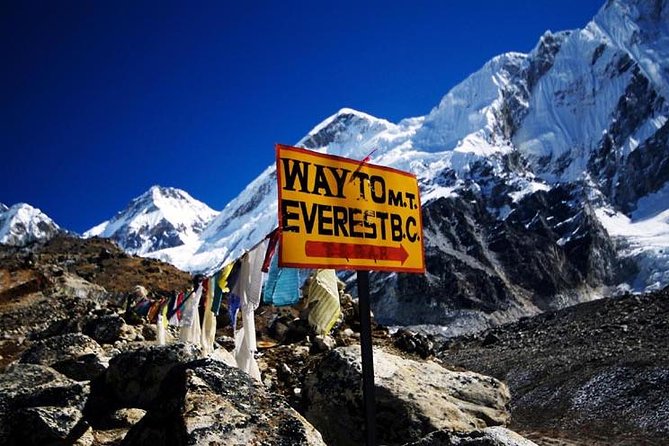
- Lukla to Everest Base Camp with Sherpa village trekking: It’s not just the destination; you get the on-the-ground Himalaya rhythm first.
- Time at Everest’s doorstep, plus Kala Patthar altitude: You’ll reach an iconic high viewpoint at 18,519 feet.
- Permits handled for Sagarmatha National Park and TIMS: Less paperwork stress, more time focused on the trek.
- Porters and local support: One porter per pair helps reduce the load and keeps the day more doable.
- Kathmandu hotel comfort before and after trekking: A three-star setup in Kathmandu on twin-share, with breakfast included.
- Guide-led experience often associated with Kumar: Reviews point to professional leadership and Sherpa teamwork.
Kathmandu Valley Setup: hotel comfort, an early start, and the sightseeing window
The tour is built around starting at Tribhuvan Airport in Kathmandu at 5:45 am. That early timing matters because it shapes the whole trip: you’re not spending your first day dithering around the city. Instead, you’re moving toward Lukla as step one of the trek.
In Kathmandu, you’ll also have time for the Kathmandu Valley sightseeing tour (the exact sights aren’t spelled out in the info you provided, so keep an eye on the day’s plan from your operator). Think of Kathmandu as your reset: you check into a three-star hotel, stay on a twin-sharing basis, and get breakfast included. It’s a practical way to start a demanding trek—clean, warm-ish sleeping, and a real meal routine before you switch to guesthouse life.
Also, the tour notes that pickup is offered. If you’re arriving late, coming from another city, or just don’t want to juggle taxis at dawn, that’s a real quality-of-life win.
You can also read our reviews of more tours and experiences in Kathmandu.
Lukla Flight Reality: why you should build in buffer days
Everest Base Camp trek planning lives and dies by weather, and this tour calls that out clearly. The flight to Lukla—the first step—can be vulnerable to weather shocks, and delays or cancellations are common with unfavorable conditions.
So I’d treat this as your main scheduling rule: free up a few extra days before and after your trip schedule. Not because you want extra days hanging around, but because the trek depends on that launch point. If anything shifts due to natural hazards, accidents, or flight delays, your itinerary may be altered.
This is the part that separates a smooth trip from a stressful one. When your schedule is tight, you end up spending energy on logistics. When your schedule is flexible, you’re more likely to keep the experience focused on the hiking and the views.
Trek Phase One: Sherpa villages, valleys, rivers, forests, and slow altitude work
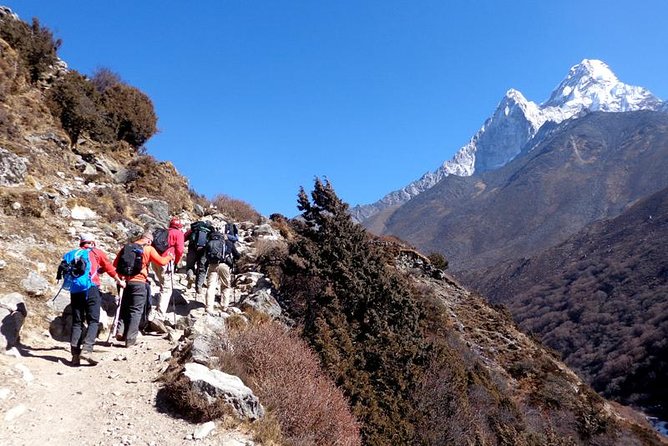
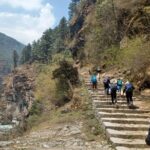
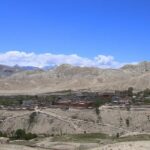
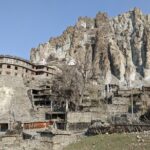
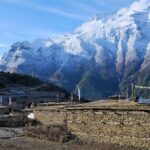
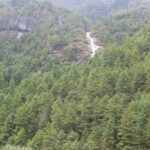
The trek begins from Lukla and then follows a route that walks through Sherpa villages on the way to Everest Base Camp and back. The key detail here is that the journey builds before it builds high. You’ll trek through gorges, valleys, rivers, forests, and villages before you ever reach the Base Camp area.
I like this structure because it gives you time to find your rhythm. Instead of jumping straight into steep altitude challenges, you’re dealing with constant movement, trail variety, and an on-route cultural fabric. The mountains are already there, but you’re easing into the bigger, colder, higher world gradually.
This is also where good support shows. The tour includes porters (one per pair of travelers) and local support staff. On a route like this, that matters because the work isn’t just physical. It’s planning your day, keeping essentials manageable, and staying on track when the trail or conditions feel tougher than expected.
Trek Phase Two: the cold, arid Everest region and the trails over gorges
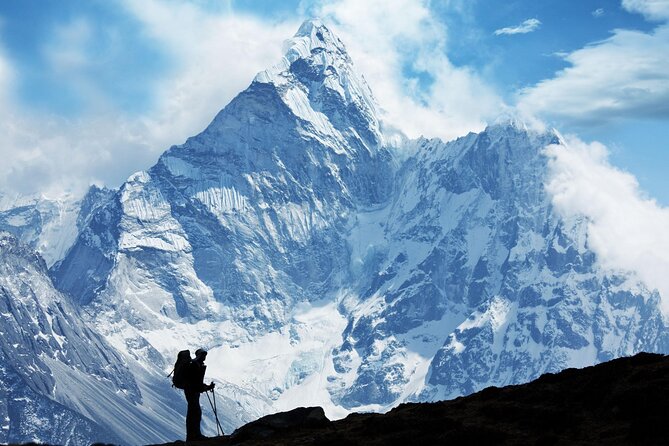
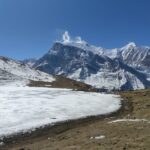
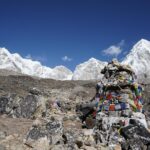
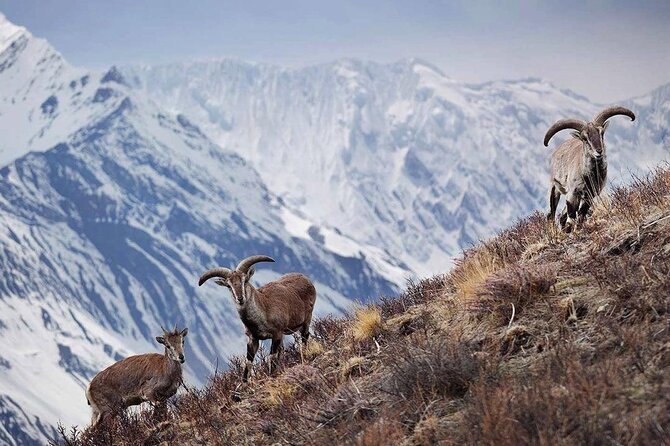
Once you get into the Everest region, the trip turns colder and more arid. The info you provided is honest about how it feels: snow can be involved, and there are trails carved into mountain sides with deep gorge crossings.
That combination is why the trip is described as requiring mountain climbing for most of the journey—but in short sessions with plenty of rest and sightseeing in between. In plain terms: you’re not doing long grind marathons every day, but you are still climbing and still dealing with altitude exposure.
This is also where you’ll understand the real meaning of the phrase set foot on it. You won’t be “scaling Everest.” Instead, you’re getting to the Base Camp area where mountaineers historically start their summit push, and you can stand at Everest with the scale of the thing right in front of you.
It’s not a theme-park view. It’s a cold, high, remote feeling—one that makes normal life back home seem far away.
Everest Base Camp Moment: standing on the doorstep of the highest peak
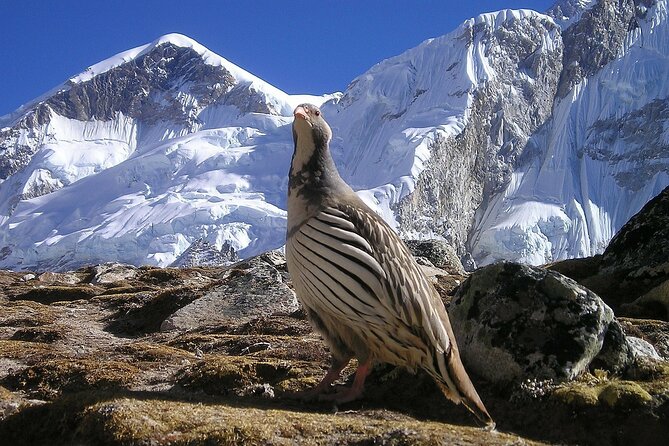
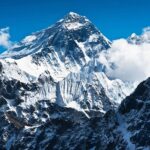
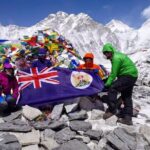
The tour’s big headline is reaching Everest Base Camp and standing there to gaze at Mount Everest. The experience is framed around what Base Camp represents: it’s where summit attempts begin, and it’s also where the mountain becomes real in a different way.
To make that moment land, the trek itself matters. You’re walking gorges and valleys to get there, which changes how you experience the destination. Base Camp doesn’t feel like a photo stop. It feels like the payoff to a long, patient climb through villages and rugged terrain.
Your guide and Sherpa support are also part of making this day work smoothly. In the feedback you provided, guide leadership came up again and again, with Kumar being highlighted as a key part of keeping things organized and stress-free. That kind of guidance matters when you’re tired and the day is long.
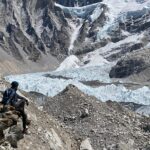
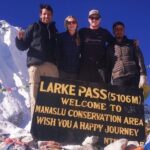
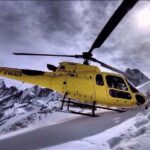
Kala Patthar: the high viewpoint where the altitude peaks
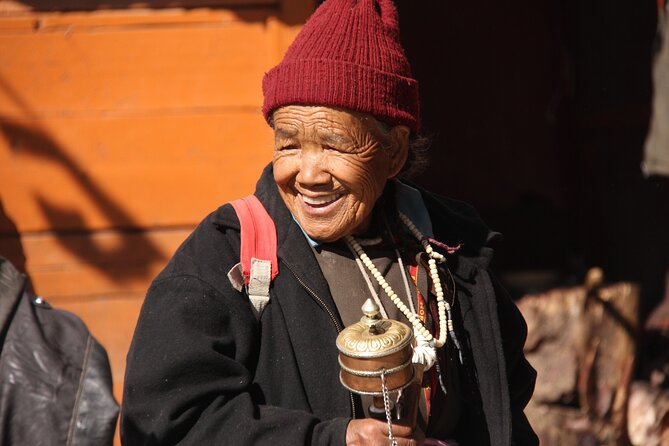
The altitude range given for the trip goes up to 18,519 feet at Kala Patthar. Even if your body doesn’t feel it in one huge leap, the importance of that number is obvious: this is high-altitude trekking country.
Kala Patthar is where the trek’s “finish line” viewpoint energy often hits. You get one more big leg that makes the whole trip feel intentional: you’ve reached a high vantage and not just the base area.
The tour also emphasizes that sessions are short and built with rest and sightseeing. That’s useful on summit-style viewpoint days because they can otherwise feel like pure endurance tests.
I’d treat Kala Patthar as both the prize and the reality check: it’s beautiful, but it’s also the part that makes altitude management and pacing non-negotiable.
Sleep and food logistics: hotel in Kathmandu, guesthouses on the trail
You get two lodging styles on this trip.
In Kathmandu, you’ll stay at a three-star hotel on a twin-sharing basis, with breakfast included. That’s a meaningful comfort baseline before trekking starts. Breakfast is handled, which helps because trekking days run early and decisions are constant.
During the trek, you’ll stay at guesthouses on a twin-sharing basis. Guesthouses are part of how the Everest region works, but you’ll want to expect a more basic routine than a hotel. Even so, the inclusion of lodging plus local support staff means you’re not piecing everything together on your own while you’re dealing with the physical grind.
A porter plus guesthouse rhythm also affects pack strategy. Since trekking equipment isn’t included, you’ll likely be bringing the bulk of your gear, and having porters help with what they can carry can make the daily walking feel less punishing.
Permits and TIMS: the paperwork piece that saves real time
The trip includes fees for Sagarmatha National Park entering permit and the Trekkers’ Information Management System (TIMS) card.
Even if you don’t love paperwork, this is one of those “quiet value” inclusions. When permits are handled, your trip stays focused. When they’re not, you burn time and energy hunting down documents in Kathmandu at the last minute.
This also reduces uncertainty, especially on a trip where weather and timing already add pressure. On an Everest Base Camp trek, the difference between smooth planning and last-minute scramble can show up in your mood every single day.
Mountain Kick support: porters, staff, and the role of guide Kumar
This is a private tour/activity, meaning your group is your group. You’re not mixing into random strangers mid-trek. The price is per person, and the support structure is built around that: porters (one each for a pair of travelers) plus local support staff.
One name that shows up strongly in the feedback you shared is Kumar, described as a top guide. The impression is consistent: professional leadership, smooth organization, and Sherpas that help make the experience feel safe and doable. Another detail from the feedback: one group had about nine people under Kumar. That suggests real-world group sizes can vary, even within a private structure.
Here’s what I’d take from that: the guide is doing more than pointing the way. They’re coordinating the day, handling the human side of pace, and keeping logistics from turning into stress.
Price and value: what $1,500 includes, and what you must still plan
The price is $1,500 per person for about 15 days. That number looks big until you map what’s included.
What’s included:
- Kathmandu three-star hotel (twin-sharing) plus breakfast
- Guesthouse stays during the trek (twin-sharing)
- Porters and local support staff
- Sagarmatha National Park permit and TIMS
- Pickup is offered
- Mobile ticket is provided
What’s not included:
- Travel insurance (not optional)
- International airfare to/from Kathmandu
- Nepal visa fees
- Trekking equipment
When I look at value, I focus on two things: managed costs and managed effort. This package handles several “effort costs” that can eat your time—lodging, permits, and trek-day logistics via support staff. The big costs you still own are insurance, flight into Nepal, visa fees, and gear.
Also, the insurance note is important: it’s compulsory and you can’t take it in Nepal. You’ll need to arrange it at home so your plan covers emergency rescue and evacuation. If you’re the kind of person who likes checking boxes, get that done early.
Trekking equipment not being included is also a major budget item. Even if you already have some gear, plan for gaps and confirm your checklist with the operator.
Who this trek fits best (and who should think twice)
This tour calls for moderate physical fitness. It also says you’ll climb mountains for most of the trip, though in short sessions with rest and sightseeing.
So I see it as a fit for hikers who:
- Are comfortable walking for long days on rugged trails
- Understand that “short sessions” still add up on a high-altitude trek
- Want support with porters and local staff so they can focus on pacing
If you hate exposure to cold and altitude, or you’re dealing with medical conditions that affect your ability to trek, you’ll want to be extra careful. The tour specifically asks you to inform the guides if you have any medical condition that might affect the trip, and it suggests consulting your doctor beforehand. Also carry medicines if you need them.
One more practical note: service animals are allowed. That matters if you need that support for your travel.
Final call: should you book this Everest Base Camp + Kathmandu plan?
If you want the Everest Base Camp trek experience with support handled—hotel and guesthouse rhythm, permits, porters, and guide leadership—this plan makes sense. I’d book it if you can handle cold, high trekking and if you’ll build buffer days for Lukla weather surprises.
I would hesitate if your schedule is tight, because the Lukla flight is vulnerable and delays are common. I’d also double-check your gear situation early since trekking equipment isn’t included, and make sure your travel insurance is in place before you leave home.
In other words: this is a serious Himalaya trek package with real structure behind it. If you respect the planning side, it should deliver the kind of Everest moment that sticks.
FAQ
How long is the Everest Base Camp trek with Kathmandu Valley sightseeing?
It’s listed as 15 days approximately, starting from Kathmandu and including trekking and sightseeing time.
Where does the tour start, and what time?
The start point is Tribhuvan Airport in Kathmandu, Nepal, with a start time of 5:45 am.
Is pickup included?
Yes, pickup is offered.
What lodging and meals are included?
You get a three-star hotel in Kathmandu on a twin-sharing basis with breakfast included. During the trek, you stay in guesthouses on a twin-sharing basis.
Are permits included for the trek?
Yes. The package includes fees for the Sagarmatha National Park entry permit and the Trekkers’ Information Management System (TIMS) card.
Do I need travel insurance, and can I get it in Nepal?
Travel insurance is compulsory and covers emergency rescue and evacuation. You cannot take it in Nepal, so you need to arrange it before arriving.
Is trekking equipment included?
No. Trekking equipment is not included.
What altitude does the trek reach, and what fitness level is required?
The trip starts at about 4,600 feet in Kathmandu and goes up to 18,519 feet at Kala Patthar. You should have moderate physical fitness, and the trek requires mountain climbing for most of the trip, with short sessions and rest.
Is this a private tour, and are service animals allowed?
Yes, it’s a private tour/activity, and service animals are allowed.
What is the cancellation policy?
There is free cancellation. You can cancel up to 24 hours in advance for a full refund, and cancellations made less than 24 hours before the start time are not refunded.