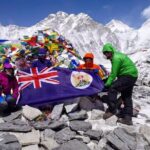
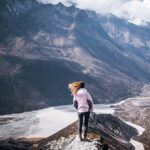
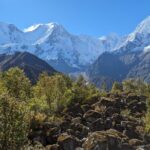
Mustang feels like another planet. This 17-day route strings together UNESCO sights in Kathmandu Valley and then pivots into Upper Mustang, often called the Last Forbidden Kingdom, with Tibetan-influenced villages and big mountain views along the Kali Gandaki river. I also like how your walking days mix desert-like terrain with real stops tied to religion and daily life, including monastery and cave visits around Lo Manthang.
One thing to weigh is cost and stamina. The trek involves major access rules, including the Restricted Area Permit, and the permit fees can feel steep. On top of that, it’s listed for people with moderate physical fitness, so plan for long days and the altitude reality that comes with a Himalayan borderland.
In This Review
- Key things I’d focus on before you go
- Mustang Trek 101: why this trip feels different from standard Nepal
- Kathmandu Valley sightseeing: a softer landing before the high country
- Kathmandu to Pokhara by tourist bus: simple, not fancy, and that is okay
- Flying into Jomsom: why this trek starts with an altitude jump
- The Kali Gandaki corridor: the views you plan around
- Kagbeni: first contact with the Mustang style of life
- Chhuksang and Chele: canyon days with a cultural baseline
- Lo Manthang: monasteries and caves in the Last Forbidden Kingdom
- Muktinath: where Hindu and Buddhist pilgrimage meet
- Accommodation and meals: what is included on the trek
- Permits and paperwork: the cost you’re paying for access
- Price and logistics: where $1,476.93 makes sense
- Guides and teamwork: what good support looks like in Mustang
- Should you book Upper Mustang?
- FAQ
- Where does the Upper Mustang trek start?
- How long is the trip?
- Is pickup offered?
- Do I fly during the trip?
- What permits are included?
- What kind of guide will I have?
- What is included for trekking meals and accommodation?
- What is not included in Kathmandu and Pokhara?
- Is the tour private?
- What happens if weather is bad?
- What’s the cancellation window?
Key things I’d focus on before you go
- Licensed Sherpa guidance with a government license, plus support for food, accommodation, and logistics on the trek
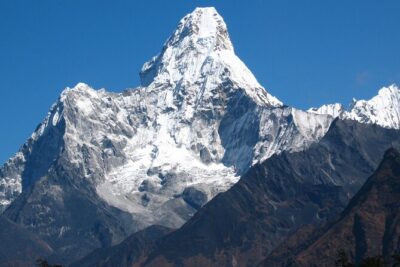
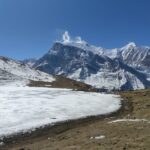
- Kali Gandaki viewing corridor with striking sights toward Mt. Dhaulagiri, Mt. Nilgiri, and Mt. Annapurna
- Upper Mustang access with ACAP, TIMS, and the Restricted Area Permit built into the package
- Real cultural stops in Tibetan-influenced villages like Kagbeni and Lo Manthang, plus monasteries and caves
- A smooth start with transport: private-style tour feel, Kathmandu hotel, bus to Pokhara, then a flight to Jomsom
Mustang Trek 101: why this trip feels different from standard Nepal
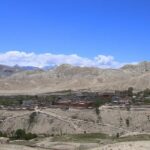
Upper Mustang is the part of Nepal that feels like it was put on pause. The region sits in a rain-shadow area behind the Dhaulagiri and Annapurna ranges, so it turns dry and barren—often described as a mountain desert. That physical setting matters, because you can feel it in how the villages sit, how people live, and how the terrain forces your route to follow river corridors and canyon walls.
This trek also has a strong cultural reason for existing. Upper Mustang was once tied to Tibet, and salt caravans historically crossed these high routes. Today, you see that past in the Tibetan influence on lifestyle and spiritual sites, which you’ll experience through stops like monasteries and cave complexes, plus a pilgrimage day at Muktinath where Hindu and Buddhist traditions overlap.
You can also read our reviews of more tours and experiences in Kathmandu.
Kathmandu Valley sightseeing: a softer landing before the high country
You start in Kathmandu with a 3-star hotel base and a half-day sightseeing tour of UNESCO World Heritage Sites in the Kathmandu Valley. That first block of time is more than a checkbox. It gives you context for the rest of the trip: Kathmandu’s spiritual architecture and heritage helps you understand why the Mustang religious sites hit harder when you reach Lo Manthang and Muktinath.
It also helps you travel smarter. After a long journey into Nepal, having hotel accommodation in Kathmandu plus a guided half-day means you’re not trying to “figure it out” on day one.
Practical note: lunch and dinner in Kathmandu aren’t included, so you’ll want to budget for meals outside the package during that initial city time.
Kathmandu to Pokhara by tourist bus: simple, not fancy, and that is okay
Then you move from Kathmandu to Pokhara by tourist bus. This part is straightforward, and that’s the point. It’s a low-stress bridge between the city and the mountains, and it keeps your itinerary from feeling overly rushed before you’re even trekking.
You should still plan for the typical realities of bus travel: you’re moving during daylight hours and you’ll want to keep essentials handy. The good news is you’re not doing this leg on your own—your transport is included.
Flying into Jomsom: why this trek starts with an altitude jump
The itinerary includes a scenic flight from Pokhara to Jomsom. This is one of the practical conveniences that makes Upper Mustang accessible for more people. It also reduces the amount of time you spend on long overland stretches before you hit the trek itself.
From a planning point of view, think of Jomsom as your trek gateway. The region around the Kali Gandaki river is where the views really start to sharpen—especially toward Mt. Dhaulagiri and Mt. Annapurna—and that’s why flying in saves you from losing prime trekking days to extra travel time.
The Kali Gandaki corridor: the views you plan around
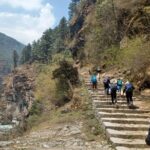
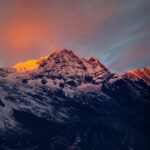
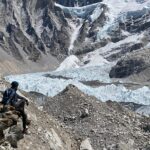
One of the most exciting parts of the trek is the time walking alongside the Kali Gandaki river. This canyon system creates a visual corridor where the peaks feel closer and more dramatic than you’d expect from a walking route.
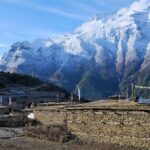
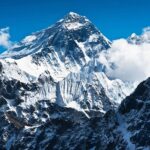
As you move through the route’s main villages—Kagbeni, Jomsom (as a key point in the travel sequence), Chhuksang, Chele, and onward toward Lo Manthang—you’ll get striking views of Mt. Dhaulagiri, Mt. Nilgiri, and Mt. Annapurna. In a trek like this, the landscape changes fast, but the mountain line is your constant, and it helps you pace yourself.
If you’re the kind of traveler who wants photos, this is where timing matters: clear mornings can be a big difference. The trek is weather-dependent, and the operator notes the experience requires good weather for it to run as planned.
Kagbeni: first contact with the Mustang style of life
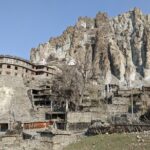
Kagbeni is one of the ancient villages on the route and a classic early stop for understanding what makes Mustang feel Tibetan-influenced. You’re not just walking through a scenic valley; you’re moving through communities shaped by arid conditions and a long history of trade routes.
What I like about Kagbeni in this kind of trek is that it sets your expectations. You’ll see how the buildings, travel rhythm, and daily routines fit into a desert-like mountain setting—an adjustment from the greener parts of Nepal.
This also helps you appreciate why Lo Manthang later feels so separate. By the time you reach the walled-world feel around the main Mustang cultural sites, Kagbeni already prepared your brain to read the region.
Chhuksang and Chele: canyon days with a cultural baseline
Your itinerary includes time passing through Chhuksang and Chele. These are the stops where the trek starts to feel like a rhythm: walk, see canyon walls and eroded cliffs, pause, eat, and repeat—then suddenly a religious or cultural moment will remind you this is not just a geology tour.
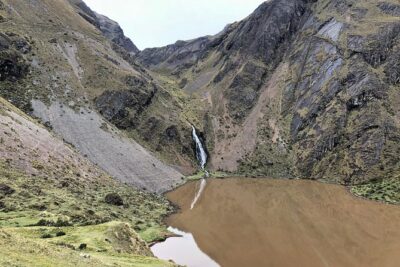
The route description points to deep canyons, eroded cliffs, and even waterfalls in the mix. That variety matters because Upper Mustang’s reputation can make it sound like one endless dry view. In reality, you get changes in texture and shape: river cuts, open stretches, and valleys that feel carved out rather than simply mountainous.
If you’re building your own expectations, think of Chhuksang and Chele as the “working days” of the trek: fewer headline moments than Lo Manthang, but where the journey becomes real.
Lo Manthang: monasteries and caves in the Last Forbidden Kingdom
Lo Manthang is the heart of this experience. The trek description calls Upper Mustang the Last Forbidden Kingdom for a reason, and Lo Manthang delivers that sense of separation. This is where Tibetan influence is strongest in daily life and in religious space.
You’ll visit monasteries and caves, which is an important detail. In many trekking areas, monastery visits are mostly photo stops. Here, the emphasis on monasteries and caves suggests you’re getting a more layered experience of how spiritual practice can live inside the physical terrain.
Also, Lo Manthang is part of why this trek feels more meaningful than a “peak-viewing hike.” The trip is structured around cultural access: the villages aren’t just scenery; they’re living context for Tibetan-influenced heritage in a high-altitude dry land.
One of the best signs in the reviews is how guides make these cultural moments move smoothly. Names like Ganesh and Sudan show up in feedback about guidance and support, and that matters because in places like Lo Manthang, good pacing and respectful navigation are everything.
Muktinath: where Hindu and Buddhist pilgrimage meet
The trek also includes a stop at Muktinath Temple, described as important pilgrimage sites for both Hindu and Buddhist traditions. This crossover is a big reason Upper Mustang is fascinating: the region’s Tibetan influence doesn’t erase local religious traditions. It overlaps with them.
When you’re in this part of Nepal, pilgrimage sites can feel like time machines. They bring a different pace into the trip—less about your schedule, more about the flow of people and practice.
From a trip-value angle, I like that Muktinath is included because it’s not just a cultural setting. It’s a spiritual destination with a clear role in both traditions, which makes it easier to understand why locals and pilgrims care so much.
Accommodation and meals: what is included on the trek
Your package includes all accommodation during the trek, listed as tea house/camping. That’s a useful detail because it signals you’re not paying extra night-by-night in many common trek areas.
Meals are also included during the trek: breakfast, lunch, and dinner. For me, this is one of the biggest value anchors in trekking packages—food adds up fast if you’re buying everything separately, and planning meals at altitude can be a headache.
Just be aware the Kathmandu and Pokhara meals are not included. That’s normal, but it’s also where people get surprised if they assume the package covers city-time dining.
Drinks aren’t included either—soft and hard drinks are listed as not included—so plan on paying out of pocket for beverages. This is also common in trek settings where tea, water systems, and basic drinks can differ day to day.
Permits and paperwork: the cost you’re paying for access
This tour includes key permits and cards: ACAP (Annapurna Conservation Area Permit), TIMS, and a Restricted Area Permit. Those aren’t optional niceties. They’re the system that makes Upper Mustang travel possible and controlled.
In the feedback you can see the frustration that comes with permit costs. One review notes that the permit fee over $500 felt too high. I can understand that reaction. Permits are not a “fun” expense; they’re access costs. But in places like Mustang, they’re also part of how the region is protected and regulated.
My practical take: if you’re already paying for a guide-led, supported trek, make sure your total value math includes these permits. Here, they’re included in the package, which reduces your admin stress and avoids last-minute fees surprises.
Price and logistics: where $1,476.93 makes sense
The price is listed at $1,476.93 per person. That’s a lot of money on paper. But trekking packages can look expensive because the real costs are spread across permits, guides, accommodation, food, and transport.
Here’s what your money is buying (based on what’s included):
- Kathmandu: 3-star hotel plus half-day UNESCO sightseeing
- Transport: Kathmandu to Pokhara by tourist bus, plus flight Pokhara to Jomsom
- Trek operations: professional licensed Sherpa guide, trekking accommodations, and full trek meals
- Access: ACAP, TIMS, and Restricted Area Permit
- Support: insurance for guide and porter, plus rescue assistance linked to your travel insurance
- Taxes: all government tax
What isn’t included is also clear: drinks, monument fees, lunch/dinner in Kathmandu and Pokhara, and tips/personal expenses.
The most helpful way to judge value is to ask whether you want to manage permits and daily logistics yourself. If you want someone to handle the moving parts—especially the paperwork and the trek day flow—this package structure looks like it earns its keep.
Guides and teamwork: what good support looks like in Mustang
In a remote region, your guide is not just someone who knows the trail. They handle route timing, coordination, and how smoothly you transition between cultural sites and trekking days.
The strongest praise in the feedback centers on professionalism and kindness from the team. Names like Mani (the organizer), Ganesh (guide), and Sudan plus porter support show up in reviews as people who solved problems and made the trip feel organized and human, not mechanical. One message also highlights that communication can be easier for Chinese-speaking visitors because the Nepalese boss speaks fluent Chinese.
That sounds like “soft stuff,” but in Mustang it’s practical. When you’re dealing with permits, schedule constraints, and high-altitude logistics, a steady, responsive team prevents small issues from turning into big stress.
Should you book Upper Mustang?
Book it if you want:
- A guided route that’s set up around Upper Mustang’s culture, not just peak photos
- The convenience of included permits like ACAP, TIMS, and the Restricted Area Permit
- Trek meals and accommodations handled for you, with a professional licensed guide
- A route that includes both major city context (Kathmandu UNESCO time) and Mustang highlights like Lo Manthang and Muktinath
Think twice if:
- You’re sensitive to upfront access costs. Even with everything included, permit fees can feel heavy
- You don’t like moderate physical effort. This tour asks for moderate physical fitness
- You need a lot of city meals or drinks covered. Drinks and some city-time meals are not included
If you like structured travel with real cultural stops, this is a strong fit. You’re paying for less uncertainty, more continuity, and better access to the places that make Upper Mustang special.
FAQ
Where does the Upper Mustang trek start?
It starts in Kathmandu, Nepal, with the experience beginning at 9:15 am.
How long is the trip?
The duration is listed as 17 days approximately.
Is pickup offered?
Yes, pickup is offered.
Do I fly during the trip?
Yes. A flight ticket from Pokhara to Jomsom is included, and the route notes a scenic flight between those two points.
What permits are included?
The package includes ACAP (Annapurna Conservation Area Permit), TIMS, and a Restricted Area Permit.
What kind of guide will I have?
You get a professional Sherpa guide with a government license.
What is included for trekking meals and accommodation?
During the trek, breakfast, lunch, and dinner are included, along with accommodation (tea house/camping).
What is not included in Kathmandu and Pokhara?
Lunch and dinner in Kathmandu and Pokhara are not included, and drinks are not included anywhere.
Is the tour private?
Yes. It’s listed as a private tour/activity, and only your group will participate.
What happens if weather is bad?
The experience requires good weather. If it’s canceled due to poor weather, you’ll be offered a different date or a full refund.
What’s the cancellation window?
You can cancel for free up to 24 hours in advance for a full refund. Canceling less than 24 hours before the start time won’t be refunded.