REVIEW · SA PA
From Sapa: Full-Day Fansipan Peak Trekking Tour
Book on GetYourGuide →Operated by Lantern Travel · Bookable on GetYourGuide
Fansipan feels steep from the first step. This full-day trek from Sapa turns the climb to Vietnam’s Roof of Indochina into a structured day, with the payoff being the 3,143-meter summit and 360-degree views that often sit above the clouds.
I also love the start: you hike through primary forest with towering, centuries-old pines and bamboo groves. The catch is simple—this is a moderate-to-high fitness hike, and the ascent is steep enough that you really need to be ready before you go.
In This Review
- Key Things I’d Focus On Before Your Fansipan Trek
- From Sapa To Fansipan Peak: What the Whole 12 Hours Is Like
- Pickup in Sa Pa and the Short Transfer You’ll Feel
- Trek Through Primary Forest: The Part That Makes the Day Worth It
- Breakfast Stop, Bamboo Groves, and How the Ascent Really Unfolds
- Reaching 3,143m: Summit Time and the Cloud-Above Feeling
- Lunch After the Summit and the Descend That Tests Your Legs
- Transport Back to Sapa: Getting Your Body to Stand Down
- Price and Value: What $123 Buys You on Fansipan
- Who This Fansipan Trek Is Best For (And Who Should Skip It)
- What to Pack So You Don’t Hate the Day
- Should You Book the Sapa Fansipan Full-Day Trek?
- FAQ
- How long is the Fansipan trekking tour?
- What’s the trekking distance and time on the mountain?
- Is lunch and water included?
- Do I need a cable car ticket?
- Is the guide available in English?
- Where does pickup happen?
Key Things I’d Focus On Before Your Fansipan Trek
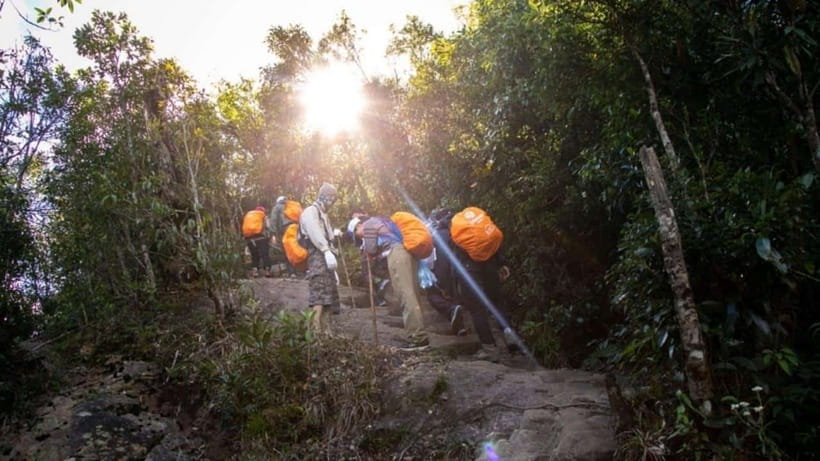
- Primary forest route with giant pine trees and bamboo groves, not just a road walk to a viewpoint
- Long hiking window (about 6–7 hours) and a serious total distance (around 25km)
- Summit payoff at 3,143m with wide, 360-degree views that can be cloud-level
- Local guide support that helps you pace the climb and handle the terrain
- Food expectations: lunch is included, but don’t expect a fancy spread
- Stars at base camp are worth timing your return for, if the schedule allows
From Sapa To Fansipan Peak: What the Whole 12 Hours Is Like
This tour is designed as a full-day commitment. Expect roughly 12 hours from pickup to return to Sa Pa, with the real work happening during a guided walk on Fansipan for about 6 hours (the trek is described as 25km over 6–7 hours). You’re not bouncing between quick stops. You’re doing one mission: get up the mountain, enjoy the summit, then come down safely.
The best part is that the tour isn’t only about reaching the tallest point on Vietnam’s map. It also gives you a way to experience the mountain’s texture along the way—forest shade, bamboo pockets, and the gradual change in air as you climb. If you want your Sapa trip to feel like a real trek (not a sightseeing bus ride), this delivers.
The tone of the day is also very practical. You get lunch, snack, and 1.5 liters of water per person, plus a local guide and transport both ways. That means less time worrying and more time walking, breathing, and taking photos when the views finally open up.
You can also read our reviews of more tours and experiences in Sa Pa.
Pickup in Sa Pa and the Short Transfer You’ll Feel
You’ll start with pickup at Sa Pa. Then there’s a transfer time of about 30 minutes before you’re in trekking mode. That transfer matters because it effectively sets your pace. If you’re the type who likes to warm up slowly, this timing helps you avoid arriving and going straight into a steep grind.
You’ll also be on a car that covers around 30km total driving as part of the tour. For many hikers, that’s a sweet spot: enough driving to get you to the right starting area, without the day turning into a long transit slog.
One more detail that’s easy to miss: the tour includes insurance tickets tied to the tourist area visit. It’s not something you’ll feel day-of like a mountain breeze, but it’s part of the operator’s effort to keep the day covered.
Trek Through Primary Forest: The Part That Makes the Day Worth It
The hiking route starts in dense, lush forest. You’ll pass towering pines and bamboo groves, and you’re walking through a primary forest area with giant, centuries-old trees. This is one of the most praised elements of the experience for a reason: the trek feels alive and older than the tourist layer.
This matters because Fansipan can tempt people into thinking only about the summit. But the best memories often happen before you reach the top: the shade, the rhythm of foot placement on uneven ground, and the feeling that you’re moving through something that existed long before your trip.
Your local guide plays a big role here. The information you get along the way can turn a tiring hike into an understandable route—what you’re looking at, how the terrain changes, and how to pace yourself so you don’t burn out too early. The tour is offered in English, so you can actually follow the story instead of walking in silence.
And yes, it’s still work. This is described as a moderate-to-high fitness trekking day. Your best strategy is to treat the forest section as your warm-up and pacing block, not as the moment to go fast.
Breakfast Stop, Bamboo Groves, and How the Ascent Really Unfolds
Along the way, you’ll stop for breakfast. The exact contents aren’t spelled out in the tour details you provided, but the point is clear: you’re getting a morning pause before the push gets steeper. For a trek like this, that kind of scheduled break is valuable. It helps you steady your energy instead of relying on willpower alone.
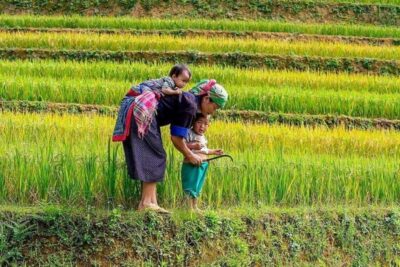
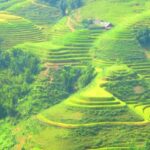
As you ascend, you’re meant to get expanding views over the Sapa region—rice terraces and remote villages below. In plain terms: the hike slowly shifts from forest floor focus to horizon focus. If you’re someone who likes to photograph, you’ll likely start noticing the “composing” of scenes as you gain elevation.
The tour highlight is reaching Vietnam’s tallest peak for stunning 360-degree views at the summit. But those views don’t appear instantly. They build. If you wait until the last hour to start looking outward, you’ll miss some of the best mid-ascent moments when the terrain opens up in layers.
Practical note: bring warm clothing. The tour info explicitly says to pack warm layers and a hat, even though Sapa can feel mild depending on season. Temperatures can shift quickly as elevation increases, and you’re doing a long day where you’re warm while moving but exposed while paused.
Reaching 3,143m: Summit Time and the Cloud-Above Feeling
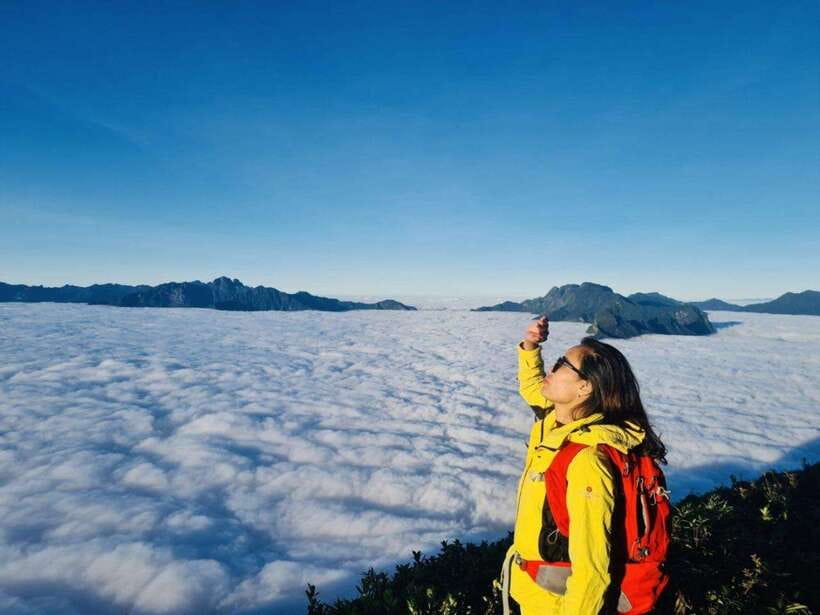
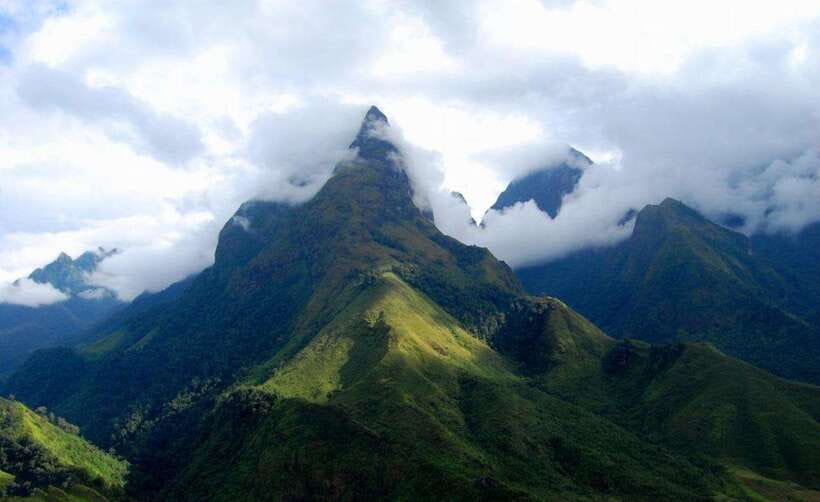
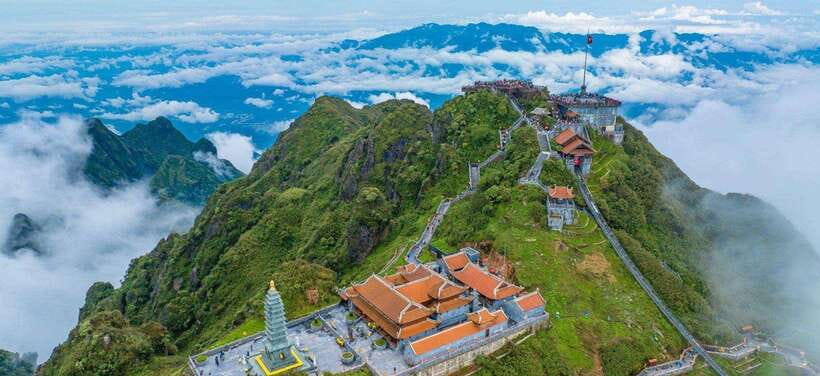
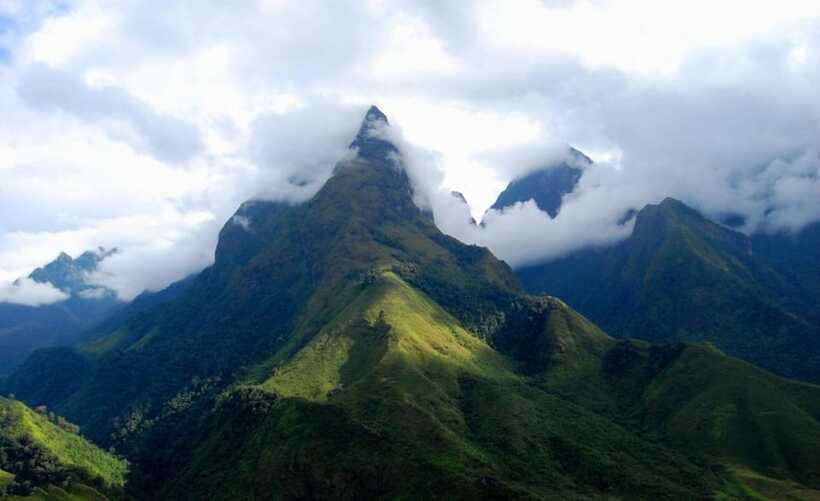
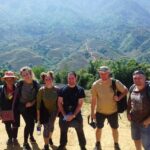
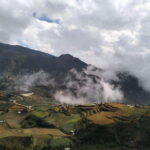
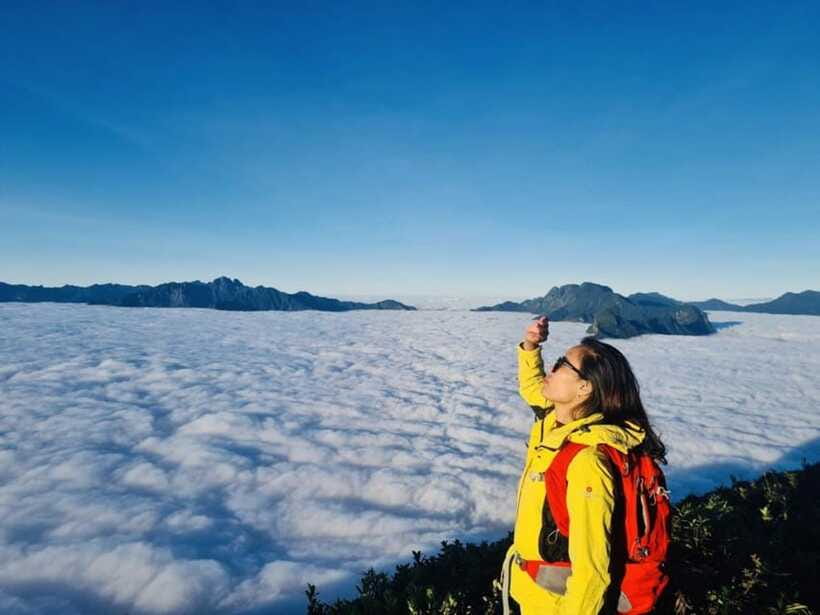
The summit is at 3,143 meters, and that’s where the day’s emotion usually lands. You’re rewarded with 360-degree views, and the description notes that you’ll often be above the clouds. That’s a big deal in Vietnam’s northern mountain areas—cloud cover can hide the very scenery you came for, but if you catch a clear window, the view can feel unreal.
At the top, you’ll have time to capture photos and celebrate the win of reaching Vietnam’s Roof of Indochina. This is the moment many people picture when they book Fansipan, and the tour is built around making it happen after the long climb—so you’re not rushed through like a quick viewpoint stop.
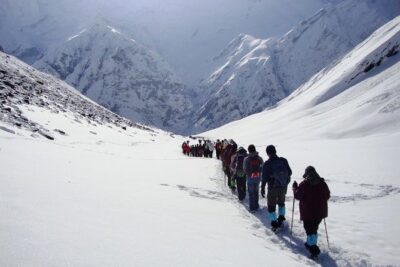
Also, keep your expectations realistic. The trek is steep and you need good physical condition to reach the top. The review feedback reflects that: the arrival is worth it, but the climb is tiring, and you should train or at least prepare before attempting this.
If you’re thinking about timing and atmosphere, there’s a small tip worth noting from a past participant’s experience: look out for the stars at the base camp. That doesn’t mean you should plan your entire day around star gazing, since timing depends on conditions and the day’s pace. Still, it’s a fun reminder that Fansipan can be more than a daytime photo mission.
Lunch After the Summit and the Descend That Tests Your Legs
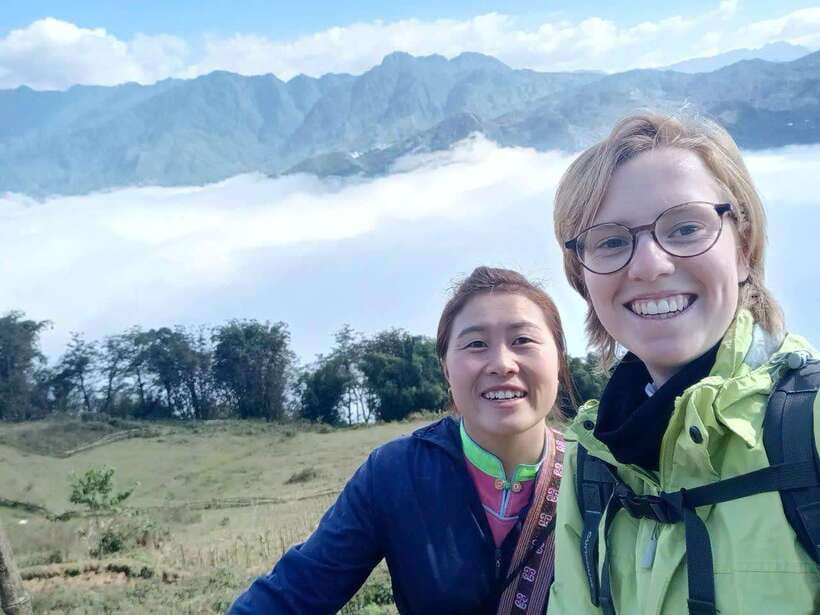
After you’ve enjoyed the view and had a summit break, you’ll go back down. Before the descent fully takes over, lunch is served with about 40 minutes allocated for it.
This is another area where I’d set expectations clearly. The reviews you shared include feedback that lunch can be very basic—described as dehydrated noodles with a banana. That doesn’t make the tour bad; it just means you should come prepared for simple mountain food. If you’re picky about meals or sensitive to bland flavors during long hikes, pack a small extra snack you control.
Also, think about what matters most for recovery. Lunch is helpful, and you’ll want to refuel, but the next phase is the tricky one: descending. Even if climbing is the emotional challenge, descending is the physical challenge for your knees, thighs, and ankles.
Your descent route retraces your steps through the scenic landscape. That makes it easier in terms of navigation (you know where you came from), but it still means uneven ground. Wear good trekking shoes, and keep your pace controlled so you don’t slip or rush.
Transport Back to Sapa: Getting Your Body to Stand Down
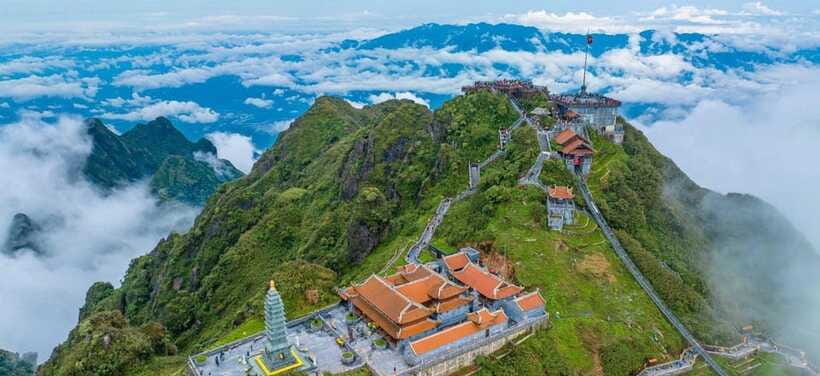
Once you finish the walking portion, the tour includes a car transfer back to Sa Pa. You’ll arrive back at Sa Pa at the end of the full day.
This part is important for two reasons. First, it prevents the day from dragging into an awkward extended travel stretch after you’re already tired. Second, the tour provides the structure that keeps you from doing the “walk yourself back” scramble if you’re worried about timing.
You’ll probably feel a mix of relief and soreness here. That’s normal. If you can, plan for an easy evening afterward—no big plans, no long scooter rides, and no last-minute laundry quests. Save your energy for resting and hydrating.
Price and Value: What $123 Buys You on Fansipan
At $123 per person, this tour isn’t a budget-only option. It’s also not in the “private guide on a luxury schedule” category. For many hikers, that’s exactly the right middle ground.
Here’s what you’re actually getting for your money:
- A full-day experience totaling about 12 hours
- A guided trek with a local guide (English)
- Lunch and a snack
- 1.5 liters of water per person
- Coverage via insurance tickets for the tourist area
- Car pickup and return, plus about 30km of driving
- Trekking distance around 25km, with guided time on Fansipan
So the value comes down to two questions: do you want a guided, structured hike to the 3,143m summit, and are you comfortable paying for that guidance and convenience? If yes, $123 looks fair. If you’re the type who only wants a quick viewpoint or you already have strong trekking skills and local navigation, you might find cheaper DIY alternatives—but you’d be giving up the schedule, support, and pacing help.
The big extra cost to remember: a cable car ticket is not included. The tour is presented as a trekking experience, so you may not need it. Still, if you’re planning to add or adjust based on weather or fatigue, know that you’d pay separately for cable car access if you choose to use it.
Also, there’s a holiday surcharge listed (100,000 VND per person). That can matter if you’re traveling around major Vietnamese holidays.
Who This Fansipan Trek Is Best For (And Who Should Skip It)
This tour is best for hikers who want a real day in the mountains and don’t mind being physically challenged. The hike requires moderate to high fitness because you’re trekking about 25km over roughly 6–7 hours, and the climb is described as steep.
It’s also a good match if you care about the route through the forest—not only the destination. The primary forest with centuries-old pine trees is a major part of why this day feels special.
It’s not suitable for people with mobility impairments or for people with heart problems, based on the tour’s own guidance. If you have any medical concerns, don’t treat this as a casual walking tour.
And in case you’re curious: the tour is in English, and the provider states it’s not suitable for people prone to seasickness. That last line matters if you’re sensitive to motion during transfers, even though you’re mostly on land.
What to Pack So You Don’t Hate the Day
The tour lists the essentials, and I agree with them:
- Comfortable shoes (this is non-negotiable for a steep trek)
- Warm clothing (elevation changes matter)
- Hat (sun and temperature shifts)
- Sunscreen (you’ll be exposed during view points)
- Insect repellent (forest trekking is still trekking)
You’ll also want to drink regularly. The tour provides 1.5 liters of water per person, which is helpful, but you’ll still feel the effects of elevation and effort if you start the day under-hydrated.
And follow the rules: no smoking, no littering. Simple stuff, but it keeps the mountain cleaner and your group happier.
Should You Book the Sapa Fansipan Full-Day Trek?
Book this tour if you want a guided, full-day hike that gets you to the summit of Fansipan (3,143m) with real trekking time in primary forest. I think it’s a strong choice when you care about both sides of the mountain day: the long walk through pine and bamboo and the wide summit payoff above the clouds.
Skip it if you’re not ready for steep climbing over 25km, or if you know you won’t manage your pace on a 6–7 hour trek. The reviews point to the same truth: the top is worth it, but only if your body can handle the climb.
If you decide to go, I’d plan like a serious trekper: train a bit beforehand, pack warm layers, and accept that lunch may be basic. Do that, and you’ll show up ready to enjoy the best part—walking through old forest and then standing on Vietnam’s Roof of Indochina, looking out at a horizon you can’t see from sea level.
FAQ
How long is the Fansipan trekking tour?
The full day runs about 12 hours, including guided trekking on Fansipan for around 6 hours and additional time for transport and meals.
What’s the trekking distance and time on the mountain?
You’ll do about 25km of trekking, with the trek described as taking roughly 6–7 hours due to the steep climb.
Is lunch and water included?
Yes. Lunch is included, plus a snack and 1.5 liters of water per person.
Do I need a cable car ticket?
No cable car ticket is included. If you want cable car access, you’d need to buy it separately.
Is the guide available in English?
Yes. The live tour guide speaks English.
Where does pickup happen?
Pickup is from Sa Pa, and the tour includes two-way car transfer back to Sa Pa at the end of the day.