REVIEW · HANOI
Hanoi: 2-Day Sa Pa Guided Village & Homestay Trekking Tour
Book on GetYourGuide →Operated by VIETNAM GOLF PACKAGE · Bookable on GetYourGuide
Early mornings, big mountain views.
This 2-day Sapa tour from Hanoi is built around rice terraces, rural villages, and a night with an ethnic family. I love the way the schedule mixes walking with real moments of village life, not just photo stops, and it keeps you pointed at the best viewpoints. If you’re expecting a smooth, hotel-style weekend, plan for a few bumps.
The biggest wins are the guided trek and the homestay experience. With guides like Si and Lala, the group gets frequent explanations about ethnic traditions and daily life, with extra stops along the way when the timing works. One practical drawback: the longest day includes a 9 km trek, so you’ll want good footwear and steady knees.
In This Review
- Key Things You’ll Remember
- From Hanoi Old Quarter to Sapa Town: the long day 1 start
- Y Linh Ho, Lao Chai, Ta Van: the rice terraces trek that does the most
- A well-timed guide makes the difference (Si, Lala, and the “stop a lot” style)
- Lao Chai to Ta Van timing: when photo spots meet real rural life
- Homestay with a Zay family: peace, basics, and family time
- Day 2 trek to Giang Ta Chai: bamboo forest pace and bridge views
- Lunches and dinner: included meals, but plan for local style
- Weather, fog, and altitude reality: when the mountains change plans
- Price and value: what $84 buys you (and what costs extra)
- Who this tour suits best (and who should skip it)
- Packing checklist that actually matters for Sapa trekking
- The 2-day rhythm: why this timing works
- Should you book this Sapa homestay trekking tour?
- FAQ
- What time do I get picked up in Hanoi?
- How long is the trekking on Day 1?
- How long is the trekking on Day 2?
- What meals are included?
- Where do I stay overnight?
- Is there an English-speaking guide?
- Are solo travelers charged extra?
- What should I bring for the trek?
- Is the tour suitable for children or people with mobility issues?
- Can I get a refund if I cancel?
Key Things You’ll Remember
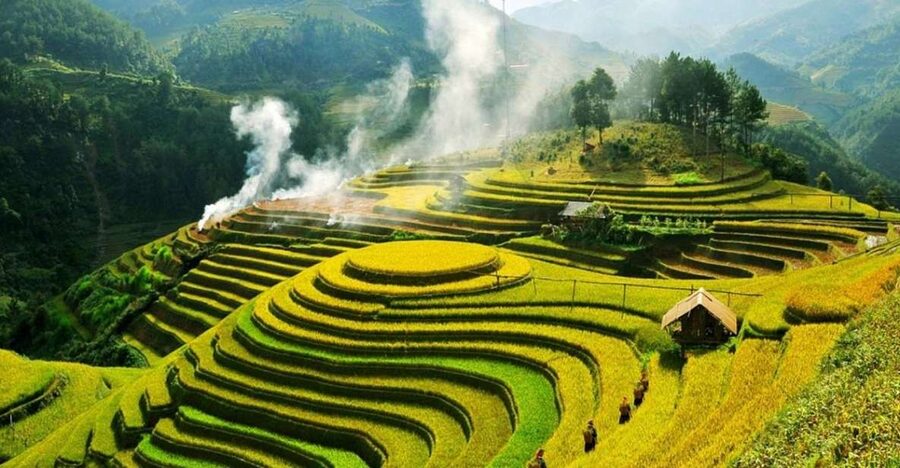
- Photo-first rice terrace views around Y Linh Ho and along the Muong Hoa Stream
- Village explanations from English-speaking guides, including Si and Lala
- Homestay with a Zay family and chances to cook and watch daily routines
- Shorter day-2 hike through bamboo forest to Giang Ta Chai and the Red Dzao area
- Extra pauses for photos and culture, including occasional detours like a waterfall stop when guides time it well
From Hanoi Old Quarter to Sapa Town: the long day 1 start
The day begins early, with pickup in Hanoi’s Old Quarter between 6:00 and 6:30 AM (if you book the transfer). The ride to Sapa is long enough that the day feels like a mini expedition: the driver makes a short break for about 20–30 minutes before continuing on.
You reach Sapa Town around 1:00 PM, after a journey that already filters out people who aren’t serious about mountain time. Once you arrive, you get a welcome drink and a quick briefing, then lunch with local Vietnamese dishes sets you up for afternoon trekking.
This is one of those tours where “arrival day” is not passive. Even with a midday start, you’re syncing your energy to a mountain rhythm.
You can also read our reviews of more tours and experiences in Hanoi.
Y Linh Ho, Lao Chai, Ta Van: the rice terraces trek that does the most
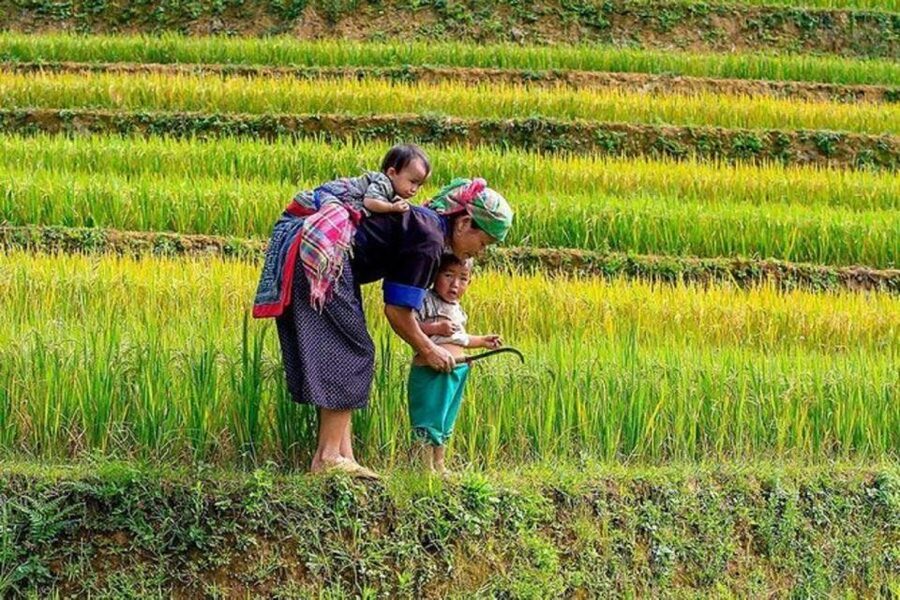
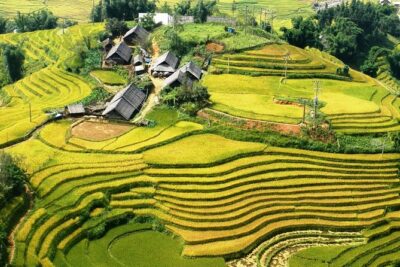
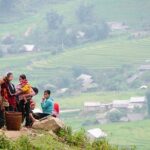
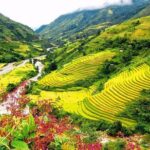
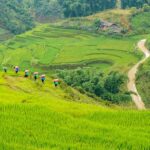
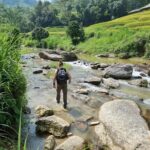
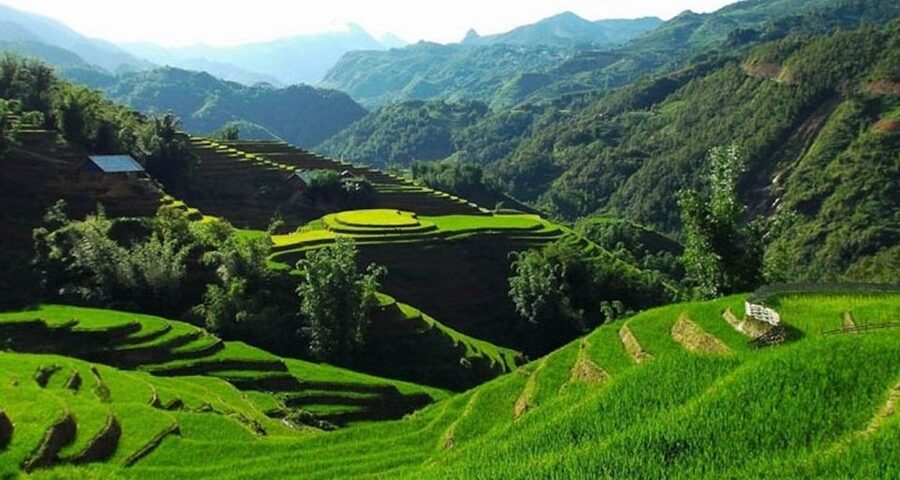
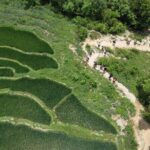
Day 1 is the heart of the walking. After arriving in Sapa, you transfer to Y Linh Ho and start trekking through the rice terraces and along the Muong Hoa Stream.
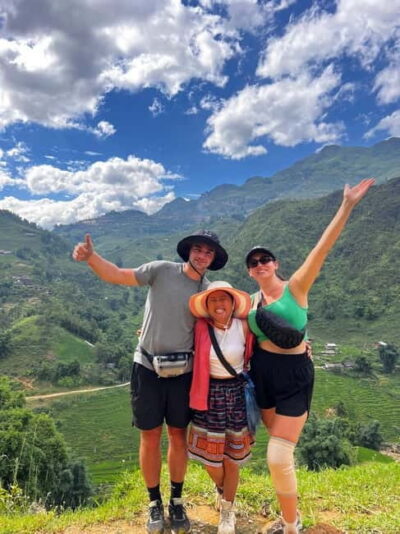
Your route is aimed at scenery and storytelling at the same time. You’ll pass through and learn about ethnic communities along the way, with Lao Chai (Black Hmong) as a key point to see the mountain setting in full. Then you continue toward Ta Van, where the Zay community lives.
The trekking distance is about 9 km and typically takes around 3.5 hours. That’s not extreme for a fit walker, but it is long enough that you shouldn’t treat it casually, especially if rain hits or the ground gets slippery.
A well-timed guide makes the difference (Si, Lala, and the “stop a lot” style)
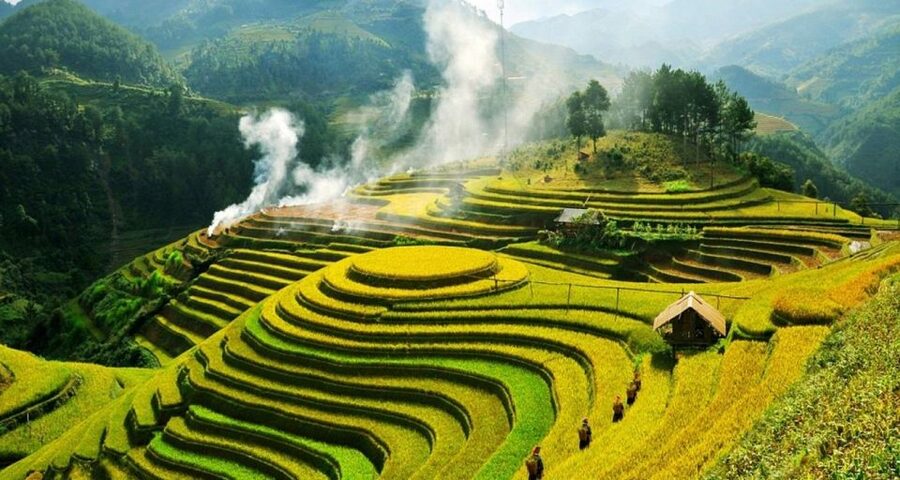
The most consistently praised part of this tour is how the guides manage the walk. Guides like Si and Lala tend to stop frequently, which matters more than people think when you’re hiking in a place where every turn looks similar from far away.
I like this approach because it turns the trek into a moving museum. You’re not just walking from viewpoint to viewpoint; you’re getting context on what you’re seeing, including ethnic culture and village life.
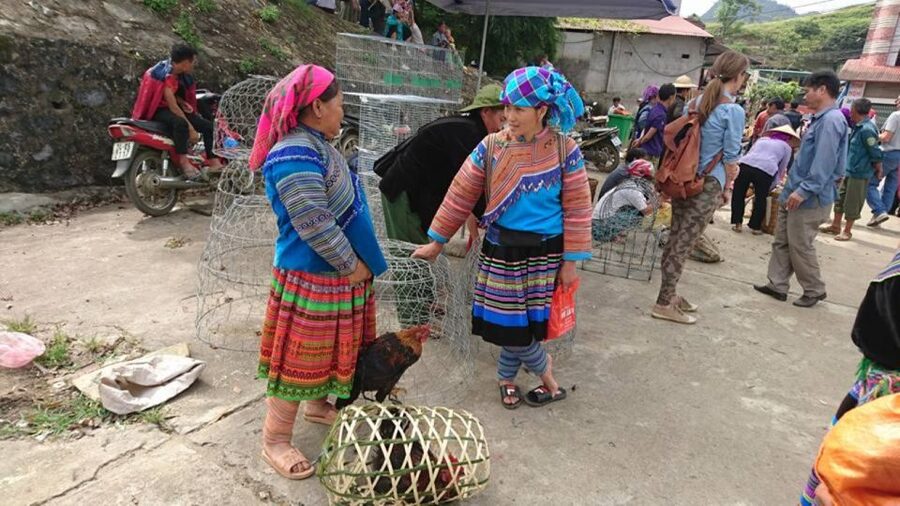
One detail that comes through strongly: guides focus on practical, human-scale items—like how clothing is made by hand and what families do day to day. In one highlight from past groups, Si also explained things like kids’ lives and local plants, including marijuana leaves as part of how people understand and use plants in their environment.
You’ll feel more connected to the area when someone is helping you read it instead of just pointing at it.
Lao Chai to Ta Van timing: when photo spots meet real rural life
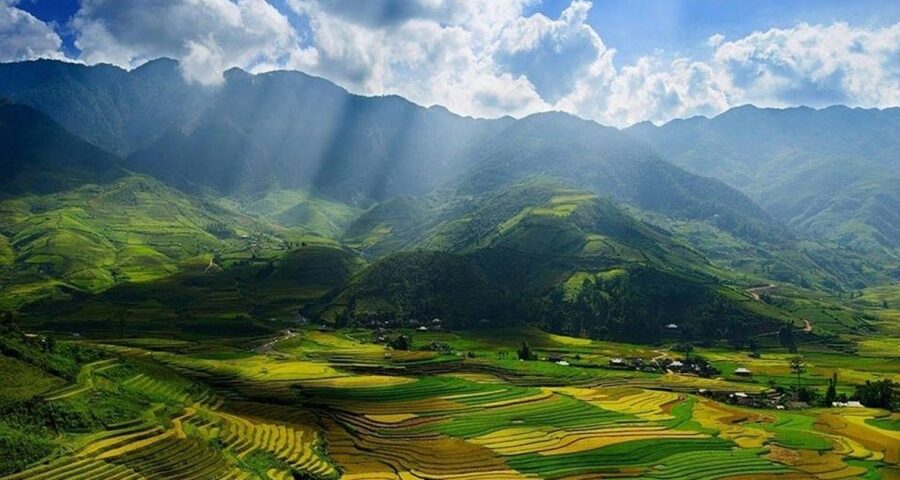
In late afternoon, you reach Ta Van and then shift into homestay mode. The tour gives you a real transition moment: check-in happens around 5:45 PM, so you’re not rushing straight from the trail into dinner.
This timing is useful. It gives your legs a breather, and it keeps the cultural component from feeling like an afterthought. You can actually slow down and watch the village rhythm settle.
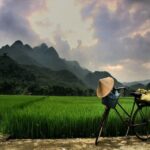
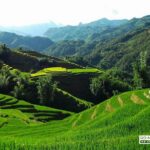
If your main goal is photography, Day 1 is built for it. Y Linh Ho and the terrace areas around Lao Chai are where the best photo angles tend to appear, and the guide-style pacing helps you get the shot without sprinting.
Homestay with a Zay family: peace, basics, and family time
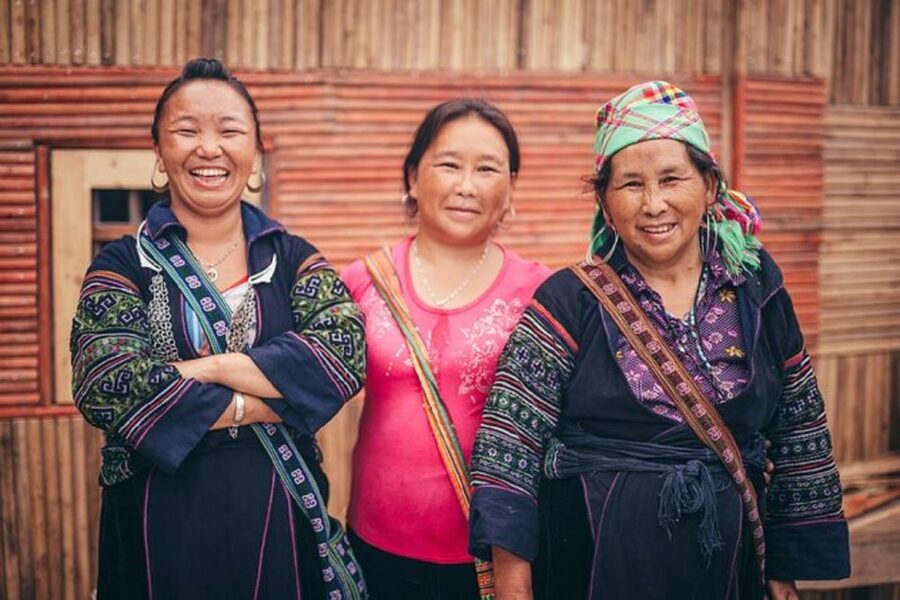
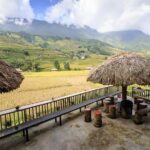
The homestay is part of the value, and it’s also where expectations need to match reality. Homestays in this region are described as basic and simple facilities, unlike a hotel setup with consistent comforts.
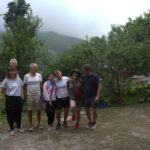
Check-in is around 5:45 PM, and your evening is about getting to know the family and enjoying the mountain air as daylight fades. You’ll have time for sunset, and there may also be opportunities to join cooking local dishes with the family, then eat dinner in a calm setting.
Some groups also have a relaxed night out nearby with music at a local bar, where you can socialize with others. That’s optional, but it’s a nice way to round off the day if you want company after a quiet evening at home.
The key takeaway: you’re paying for access to rural life. If you want polished comfort, you’ll be happier in a hotel. If you want a human-scale experience, this is the part that most people remember.


Day 2 trek to Giang Ta Chai: bamboo forest pace and bridge views
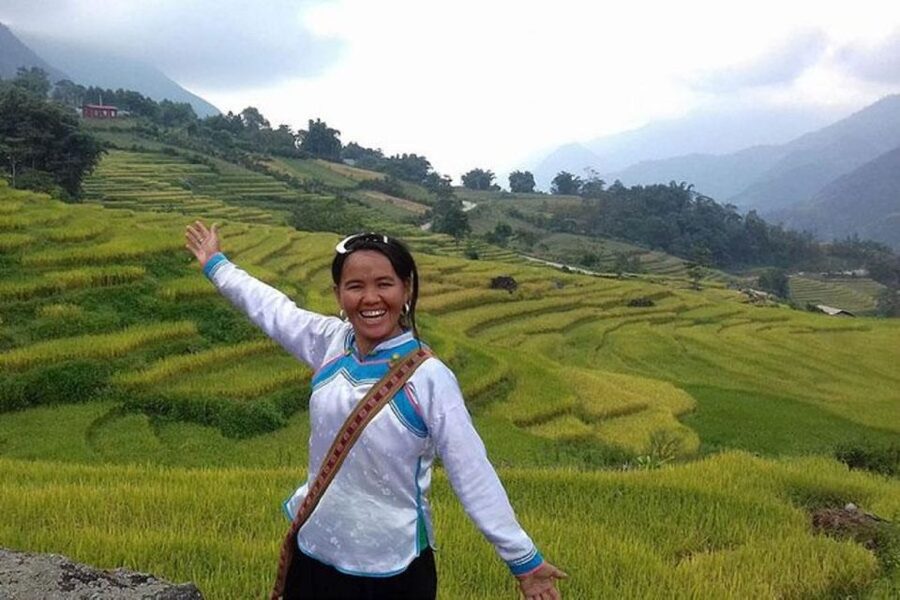
Day 2 starts with breakfast prepared by the family. Then you’re back on foot at around 8:00 AM, walking toward rice paddies with a dedicated photo session of the surrounding views.
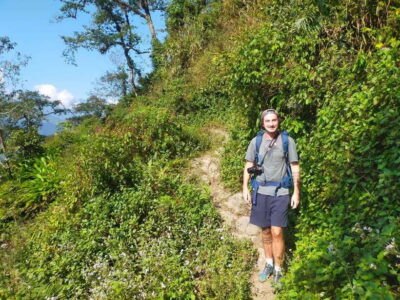
This day is shorter than Day 1. The trek is about 4 km and takes roughly 2 hours, including time for stops. You’ll pass through bamboo forest and then get a panorama view of Giang Ta Chai village, home to the Red Dzao people.
There’s also a specific “checkpoint” feel here: you reach the Giang Ta Chai Bridge area and then transition back toward the main road. Once you’re at the road, the bus picks you up back to Sapa Town around 11:00 AM.
After the morning hike, you get the reset time most trekking tours skip. You can shower at your hotel (or rest at the lodge situation arranged for the night before) and then have lunch between 12:00 and 1:00 PM, followed by leisure on your own.
Lunches and dinner: included meals, but plan for local style
Meals are included, and they’re a meaningful part of the tour price. You’ll have:
- 1 breakfast (homestay morning)
- 2 lunches (one after arrival in Sapa, one after returning on Day 2)
- 1 dinner at a local restaurant
The tour also includes mineral water and admission fees. Drinks beyond that are not included, so budget for water or soft drinks if you want more than what’s provided.
The food is described simply as local Vietnamese meals, which usually means filling, practical portions—good fuel for a two-day hike. Expect less “fine dining” and more “eat well and keep moving.”
Weather, fog, and altitude reality: when the mountains change plans
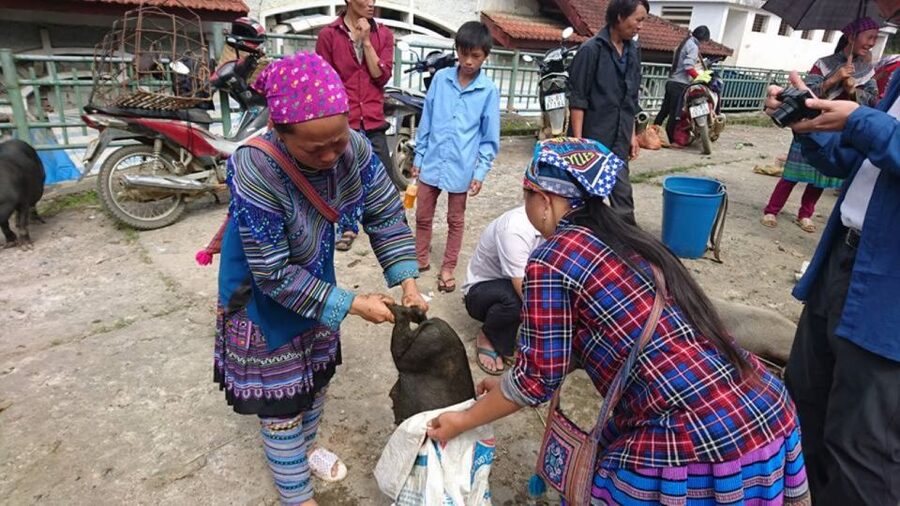
Sapa weather can swing fast. The tour’s own guidance says timings can change due to bad weather and operating conditions, so build in flexibility.
Warm clothes matter even in months that feel mild elsewhere. You’re advised to bring warm layers, scarf, and a hat, because Sapa can be cold in many parts of the year. The fog note is important too: in months like December through March, you may get fog due to altitude.
If fog rolls in, your best strategy is mental. It can reduce long-distance views but still gives you atmosphere and close-up terrace texture. Bring the right layers and you won’t feel stuck.
Price and value: what $84 buys you (and what costs extra)
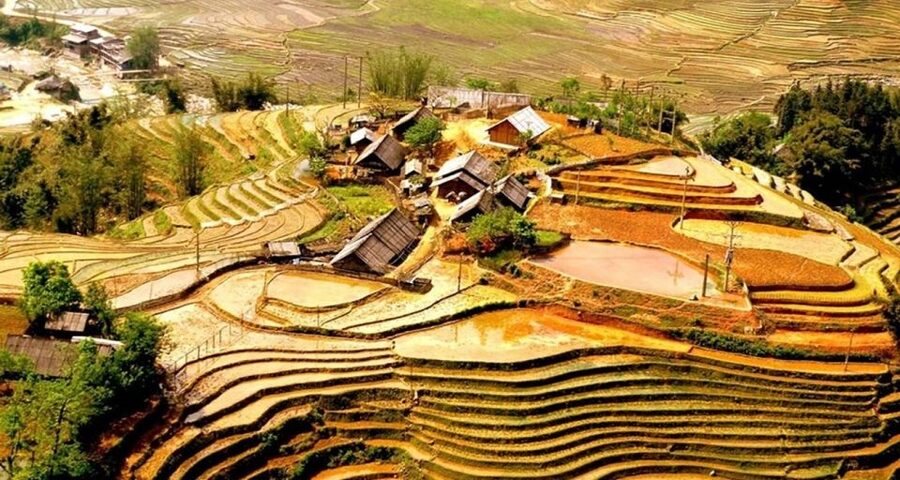
At $84 per person for two days, this tour is priced for real participation: transport from Hanoi into the mountains, a guide, meals, admissions, and an overnight homestay (or hotel in some arrangements) included.
Value usually comes from how much of the experience is “access.” Here, that access is the combination of:
- guided walking through rural areas
- cultural time with ethnic communities
- an overnight in a home setting rather than only a roadside stop
Extra costs to watch:
- Not included: hotel pickup and drop-off from Hanoi (so you’ll need to be at the pickup point or arrange it yourself)
- Solo travelers: a $30 single supplement may apply
- drinks and any extra meals beyond what’s listed
If you have the shoes and stamina for the trek, it’s a strong deal. If you don’t, the cost can feel less worth it because the homestay is basic and the longer day is demanding.
Who this tour suits best (and who should skip it)
This is a good fit if you want a guided, rural Sapa experience with real village contact, not a quick bus stop. It’s especially ideal for people who like structure: you’ll always know what comes next and you won’t have to figure out the route.
It’s not a great fit if any of the following applies:
- Old people shouldn’t take the long trek (9 km), due to challenge and safety in rain conditions
- Handicapped people and wheelchair users are not suitable
- Children under 6 should not attend
- pets are not allowed
If you’re worried about fitness, the route is still doable for many active adults—but you should take the 9 km seriously. Bring hiking shoes, not just sneakers, and take it slow on descents.
Packing checklist that actually matters for Sapa trekking
This tour’s “what to bring” list is practical. Don’t skip it. You’ll want:
- Hiking shoes (seriously—use proper grip)
- Sunscreen and sunglasses
- Insect repellent
- Cash (banking can be unreliable in Sapa)
- Passport or ID card
- Weather-appropriate clothing: layers for cold and possible fog
Cold and wet weather are the two things that can ruin a hiking day. If you pack for warmth and traction, you’ll enjoy the views and the village stops more.
Also bring basic medicine. The tour suggests carrying what you need, even though pharmacies exist.
The 2-day rhythm: why this timing works
The pacing is smart for two reasons. First, it gives you one long, scenic trek on Day 1 and then a lighter, more relaxed walk on Day 2. Second, it adds cultural time in the evening when the mountains cool down and the village life feels more personal.
You also leave with a full day back toward Hanoi. You return to the city in the afternoon and arrive back around 8:30 to 9:00 PM, with two comfort breaks on the bus.
In short: you get both walking time and enough downtime to digest it all.
Should you book this Sapa homestay trekking tour?
Book it if you want rural Sapa with a guide who explains what you’re seeing, and if you’re comfortable with a basic homestay. This is especially appealing if you like guided cultural context, since the approach with Si and Lala-style stops tends to turn a hike into a story you can actually follow.
Skip it if you expect hotel-level comfort, or if the 9 km day feels like too much for your current fitness. The tour has real limitations for older hikers, mobility needs, and young children—so trust those boundaries.
If you’re excited by rice terraces, village culture, and a mountain night with a family, this is the kind of trip that’s worth planning for.
FAQ
What time do I get picked up in Hanoi?
Pickup is scheduled between 6:00 AM and 6:30 AM from the Hanoi Old Quarter if you book the transfer.
How long is the trekking on Day 1?
Day 1 trekking is about 9 km and takes around 3.5 hours.
How long is the trekking on Day 2?
Day 2 trekking is about 4 km and takes around 2 hours.
What meals are included?
The tour includes 1 breakfast, 2 lunches, and 1 dinner at a local restaurant.
Where do I stay overnight?
You stay for one night in a homestay (described as basic and simple facilities) or possibly a hotel option, depending on what is arranged.
Is there an English-speaking guide?
Yes. The live tour guide is listed as English-speaking.
Are solo travelers charged extra?
A single supplement surcharge for solo travelers is listed as $30.
What should I bring for the trek?
You should bring hiking shoes, sunglasses, sunscreen, insect repellent, cash, and warm weather clothing since Sapa can be cold and foggy at certain times of year.
Is the tour suitable for children or people with mobility issues?
Children under 6 years old should not attend, and people with mobility impairments or wheelchair users are not suitable. Older people are also not recommended for the long 9 km trek.
Can I get a refund if I cancel?
You can cancel up to 24 hours in advance for a full refund.