REVIEW · KATHMANDU
Langtang, Gosaikunda and Helambu Trek
Book on Viator →Operated by Mount Mania Treks Expedition P. Ltd. · Bookable on Viator
Three valleys in ten days.
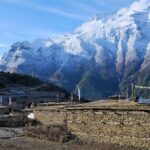
This trek stitches together Langtang Valley, Gosaikunda, and Helambu into one packed route with rhododendron and bamboo forests, wildlife sightings, waterfalls, and those jaw-dropping white-mountain views of Langtang Lirung. I love the mix of forest walking and sacred-water stops, and I also like how the itinerary bounces you up and down in a way that helps you handle big altitude days. One drawback to plan for: you climb fast to high points like 4,460m at Gosaikunda, so you’ll want moderate fitness and a slow, sensible pace from the start.
The big reason this works as a “real trek package” is the human support. You travel with an experienced, English-speaking, government-licensed trek leader plus an assistant guide, and you’re not left to guess logistics—airport transfers, Kathmandu hotel, teahouse lodging, and meals during the trek are handled. Based on what people have said about the team, guides like Binod, Ngima Tamang, and Ganesh stand out for clear support and good time management—so if you have a choice, it’s worth asking who you’ll be with.
In This Review
- Langtang–Gosaikunda–Helambu: Why This Route Hits Three Sweet Spots
- Altitude Reality Check: How the Itinerary Uses Up-and-Down Days
- Day-by-Day Trail Guide: Dhunche, Shin Gompa, Gosaikunda, Tharepati, Chisopani
- Day 1: Arrive Kathmandu (1,320m)
- Day 2: Kathmandu to Dhunche (2,050m), 7–8 hours by road
- Day 3: Dhunche to Shin Gompa, 4–5 hours
- Day 4: Shin Gompa to Gosaikunda (4,460m), 5–6 hours
- Day 5: Gosaikunda to Phedi (3,600m), 6–7 hours
- Day 6: Phedi to Tharepati (3,900m), 5–6 hours
- Day 7: Tharepati to Kutungsung (2,450m), 5–6 hours
- Day 8: Kutungsung to Chisopani (2,250m), 6–7 hours
- Day 9: Chisopani to Sundarijal (1,510m) and drive to Kathmandu
- Day 10: Departure
- Teahouses, Meals, and the Comfort Math That Matters
- Who You Travel With: Licensed Leadership, Porter Support, and Real Control
- Kathmandu to the Trail and Back: Private Transfers, One Group, No Chaos
- Price and Logistics: When the $850 Group Cost Looks Like Good Value
- Weather and Fit: What You Can Expect From an All-Weather Operation
- Should You Book This Langtang–Gosaikunda–Helambu Trek?
- FAQ
- How many days is the Langtang, Gosaikunda and Helambu Trek?
- What’s the highest altitude on this trek?
- What’s included in the price?
- What is not included?
- Do I need travel or rescue insurance?
- What are the group size requirements?
- Can I cancel for a full refund?
Langtang–Gosaikunda–Helambu: Why This Route Hits Three Sweet Spots
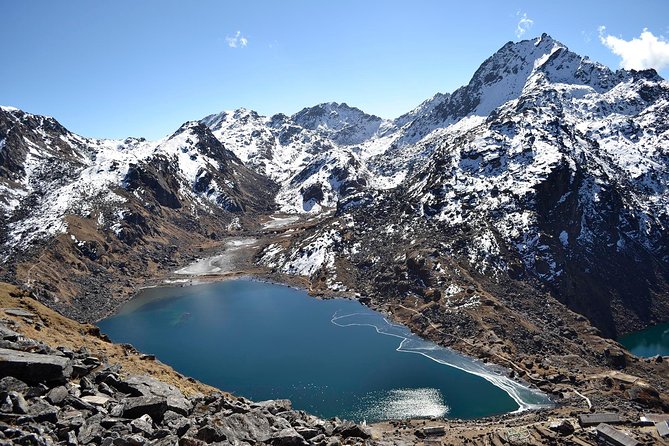
If you like trekking that changes its scenery often, this one is built for you. You start in the Kathmandu area, move into the Langtang region, and then pivot toward sacred lake country around Gosaikunda, before dropping into the greener, calmer-feeling Helambu valleys.
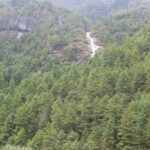
What makes this route special is how it layers different “reasons to walk.” You’re not only chasing height for views. You’re also walking through rhododendron and bamboo forests, where wildlife can pop out if you keep your eyes open and move quietly. You also pass through waterfall country, which adds sound and atmosphere on long stretches. Then you hit the holy lakes—especially the main stop at Gosaikunda—which makes the hiking feel more meaningful than a standard ridge walk.
Altitude Reality Check: How the Itinerary Uses Up-and-Down Days
This trek is absolutely doable for people with moderate fitness, but you should respect the altitude rhythm. The route reaches a high point at 4,460m (Gosaikunda), and the days around it are the ones to treat carefully.
Here’s the key pattern: you gain altitude, then you drop again soon after. You drive from Kathmandu up to Dhunche (2,050m), then trek higher toward Shin Gompa, and finally push to Gosaikunda at 4,460m. The next day doesn’t keep climbing—it brings you down to Phedi (3,600m). Later, you rise again to Tharepati (3,900m), and then the trail finally starts a longer downward run to Kutungsung (2,450m), Chisopani (2,250m), and Sundarijal (1,510m).
That up-then-down approach matters because it gives your body time to adjust. Still, don’t turn this into a speed contest. Tell your guide early if you feel headachy or unusually tired, and keep your breathing steady.
You can also read our reviews of more tours and experiences in Kathmandu.
Day-by-Day Trail Guide: Dhunche, Shin Gompa, Gosaikunda, Tharepati, Chisopani
This is the spine of the trip, with each day doing a job—moving you to the next highlight without turning the trek into one nonstop grind.
Day 1: Arrive Kathmandu (1,320m)
You land in Kathmandu and settle in for the night. Since the itinerary includes a 3-star hotel in Kathmandu with breakfast, you’re not scrambling for a place to eat or sleep after travel.
Day 2: Kathmandu to Dhunche (2,050m), 7–8 hours by road
Today is mostly a long drive. Dhunche is your higher-altitude staging point, so this day helps you start the trek already closer to the mountain air. Expect the day to feel long because road time in Nepal can move slower than you’d guess.
Day 3: Dhunche to Shin Gompa, 4–5 hours
This is a strong “warm-up trek day.” You’re moving deeper into the Langtang area while your legs learn the trail rhythm. It’s not just about distance—it’s about settling into the walking pace before the big push toward the lakes.
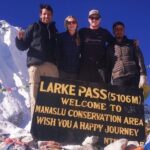
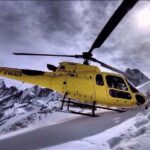
Day 4: Shin Gompa to Gosaikunda (4,460m), 5–6 hours
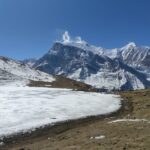
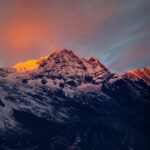
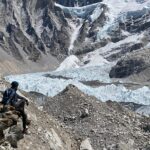
This is your headline elevation day. Reaching Gosaikunda at 4,460m is the moment the whole route makes sense: the sacred-lake atmosphere, the alpine views, and the feeling of being in high country. The walk isn’t only a climb; it’s also the payoff day where Langtang Lirung-area drama tends to show up.
Day 5: Gosaikunda to Phedi (3,600m), 6–7 hours
You move away from the lake zone and down toward Phedi. This is still a full day on your feet, but it’s the “reset” that helps your body recover after the high point. If you’re feeling any altitude effects, this is where you’ll start to feel more like yourself again.
Day 6: Phedi to Tharepati (3,900m), 5–6 hours
Another lift in altitude. Tharepati (3,900m) is where the route gives you a higher-altitude viewpoint feel again—without climbing to the absolute top. It’s a good day to slow down, soak up views, and keep energy for the next long downward transition.
Day 7: Tharepati to Kutungsung (2,450m), 5–6 hours
This is where Helambu begins to feel more “valley trek” than high-lake trek. The drop from 3,900m to 2,450m helps your body and usually makes footwork easier—though downhill always means your knees get a workout.
Day 8: Kutungsung to Chisopani (2,250m), 6–7 hours
Today keeps sliding you into lower country. Chisopani (2,250m) gives you another night in the trekking zone with teahouse-style accommodation. It’s a day for steady walking rather than rushing—especially if you want to save your legs for the finale.
Day 9: Chisopani to Sundarijal (1,510m) and drive to Kathmandu
You finish with a mix of trek and a downhill run to Sundarijal (1,510m), then a return drive to Kathmandu. After ten days, this is the “life becomes real again” moment—shower, a proper meal in town, and the kind of rest that doesn’t involve a sleeping bag.
Day 10: Departure
Your trip ends after breakfast and last transfers. The experience is built so you return to Kathmandu before your departure day rather than forcing an extra overnight in transit.
Teahouses, Meals, and the Comfort Math That Matters
This trip includes teahouse accommodation during the trek and all meals (breakfast, lunch, and dinner) during the trek, plus farewell dinners. That’s a real value point because it reduces decision fatigue. You’re not hunting for food options on every leg, and you’re less likely to come up short when weather slows you down.
In Kathmandu, your included lodging is 3-star with breakfast, and the itinerary notes lunch and dinner in Kathmandu are not included. So if you want to try Nepali food on your own terms before or after the trek, you’ll have that flexibility—but plan to pay for it.
Packing-wise, teahouses can vary, but they’re generally basic and designed for trekkers. Your best move is to travel light and rely on the included setup—because the trek is already demanding enough.
Who You Travel With: Licensed Leadership, Porter Support, and Real Control
This experience uses a structured team: an experienced government-licensed, English-speaking trek leader plus an assistant trek leader, and a porter service with a ratio listed as 2 trekkers to 1 porter. That matters for two reasons.
First, it protects your energy. When the trek includes long days like 6–7 hours, carrying less weight can make the difference between finishing strong and feeling spent. Second, it improves pacing. A good leader won’t only watch your safety; they’ll help keep your day moving on time so you don’t turn every stop into a stress spiral.
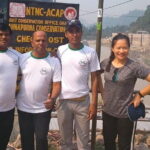
People who’ve trekked with Mount Mania Treks and Expedition describe the team as welcoming, organized, and sensitive to what you need as conditions change. Names like Binod come up for being easy to work with and for English that makes instructions clear even when you’re tired. Ngima Tamang and Ganesh are also mentioned for being supportive and for managing time well.
There’s also a medical kit carried by your trek leader, which is the kind of unglamorous detail you’re grateful for later—especially at higher elevations.
Kathmandu to the Trail and Back: Private Transfers, One Group, No Chaos
You get airport pickups and drops in a private vehicle, and you’re based in Kathmandu overnight with a included hotel. Once the trek begins, ground transportation is handled on comfortable private vehicles as per the itinerary, plus a tourist bus (Kathmandu–Syabrubesi–Kathmandu) is included in the package.
This setup matters if you’d rather avoid Nepal logistics on your own. Road transfers from Kathmandu are long days, and a wrong bus or missed pickup can steal a whole afternoon. Here, the goal is that you show up, get set, and start walking without turning your first day into a puzzle.
Also, your ticket is listed as mobile, which helps with basic admin before you go.
Price and Logistics: When the $850 Group Cost Looks Like Good Value
The price is listed as $850 per group (up to 15). That pricing format can mean you’ll split the total cost if you’re traveling with others, which can make the overall per-person cost reasonable—especially because meals, lodging, transfers, and leadership are included.
What’s covered in the main package is broad:
- Hotel in Kathmandu (3-star) with breakfast
- Teahouse lodging during the trek
- All meals during the trek
- Airport transfers and ground transportation as scheduled
- Trek leader + assistant and porter service
- Medical kit carried by the leader
- All government and local taxes
- Farewell dinners
- Tourist bus on the Kathmandu–Syabrubesi–Kathmandu segment
What’s not included is also clear:
- Nepalese visa fee
- International airfare
- Lunch and dinner in Kathmandu
- Travel and rescue insurance
- Personal expenses like phone calls, laundry, charging, bottled/boiled water, and shower costs
- Any extra nights in Kathmandu if your flights shift
So the value equation is mostly about risk and convenience. Paying for a guided, meal-supported trek reduces the cost of mistakes: missed transport, complicated food plans, or underestimating logistics. If you want a clear structure and fewer moving parts, the package makes sense.
One note to double-check before you commit: confirm whether the $850 is the total package for your group or how it’s applied per person in your specific booking. The listing says per group, but you’ll want the exact math in writing.
Weather and Fit: What You Can Expect From an All-Weather Operation
The trek operates in all weather conditions, and you’re told to dress appropriately. That doesn’t mean every day will be comfortable—it means you shouldn’t plan on cancellations as your safety net. If you hate cold rain or snow, you’ll want the right outer layers and realistic expectations.
On fitness, the trip is described as needing moderate physical fitness, and it’s not recommended for children aged 10 and under. It’s also described as a good match for people who are comfortable walking steadily for hours at a time with altitude in the mix.
If you want an itinerary that feels structured but not overly technical, this is likely a good fit.
Should You Book This Langtang–Gosaikunda–Helambu Trek?
I’d book this if you want a trek that hits multiple “reasons to walk” in one sweep: forests with wildlife potential, big mountain views around Langtang Lirung, and the spiritual weight of the Gosaikunda lake area—without having to manage daily meals, lodging, and transport.
I’d think twice if you’re very altitude-sensitive or you’re looking for a mostly flat, low-effort hike. The climb to 4,460m is the point where you need to stay calm, walk smart, and trust the pace your leader sets.
FAQ
How many days is the Langtang, Gosaikunda and Helambu Trek?
It’s listed as 10 days (approximately), from arrival in Kathmandu to departure.
What’s the highest altitude on this trek?
The itinerary lists Gosaikunda at 4,460m as the highest point.
What’s included in the price?
Included items cover airport pickup and drop-off, Kathmandu hotel (3-star) with breakfast, teahouse accommodation, all trek meals, farewell dinners, ground transportation, tourist bus (Kathmandu–Syabrubesi–Kathmandu), and a government-licensed English-speaking trek leader with an assistant, plus porter service, a medical kit, and local taxes.
What is not included?
Not included are the Nepalese visa fee, international airfare, lunch and dinner in Kathmandu, travel and rescue insurance, extra Kathmandu nights if needed, and personal expenses like phone calls, laundry, charging, and bottled/boiled water.
Do I need travel or rescue insurance?
No—travel and rescue insurance is not included, so you’ll need to arrange it yourself.
What are the group size requirements?
A minimum of 2 people per booking is required. It’s also a private activity where only your group participates.
Can I cancel for a full refund?
Yes. Free cancellation is available up to 24 hours in advance for a full refund. Canceling less than 24 hours before the start time is not refunded.