REVIEW · KATHMANDU
10 Days Annapurna Base Camp Trek from Kathmandu
Book on Viator →Operated by Couch Adventure Nepal (CAN) · Bookable on Viator
Footsteps into the Annapurnas start with a bus ride. This 10-day trek strings together Kathmandu pickup and a full mountain journey into the Annapurna Sanctuary, where the payoff is the sunrise from Annapurna Base Camp and big views like Machhapuchhare (Fishtail). You’ll also get a clear, structured route through classic Gurung villages such as Ghandruk and Chhomrong, with overnight stops in guesthouses instead of high-end lodges.
The main consideration is pace: the hikes are typically about 5–6 hours most days, plus some longer uphill effort in the Sanctuary and toward Base Camp. If your fitness is only “okay,” you’ll want to walk steadily, take breaks early, and not treat every day like a race.
In This Review
- Key highlights I’d circle before you book
- Annapurna Base Camp Trek: what this trip really delivers
- Kathmandu mornings: 6:30am pickup and the tourist-bus rhythm
- Pokhara Lakeside: your buffer day before the trail
- Day-by-day trail feel: villages first, then the big mountain bowl
- Ghandruk (Day 2): stone paths and Gurung village life
- Chhomrong and the climb toward Chere Hill (Day 3)
- Chomrung → Sinwa → Bamboo → Doban (Day 4)
- Deurali (Day 5): a focused mountain-stage day
- The Sanctuary days: Machhapuchhare Base Camp and Annapurna Base Camp
- Machhapuchre Base Camp and the final push to Annapurna Base Camp (Day 6)
- Sunrise at Base Camp and the descent to Bamboo (Day 7)
- Hot spring detour and the return toward Pokhara (Days 8–10)
- Jhinu Danda (Day 8): Chomrung down to a hot-spring option
- Nayapul to Pokhara by private car (Day 9)
- Back to Kathmandu (Day 10)
- Guides, pacing, and comfort: what matters most on an ABC trek
- What’s included, and what you’ll pay separately
- Price and logistics: why $586.67 can be fair value
- Who this Annapurna Base Camp trek suits best
- Should you book this 10-day Annapurna Base Camp trek?
- FAQ
- What time is the Kathmandu pickup?
- How long is the bus ride from Kathmandu to Pokhara?
- Where do you stay in Pokhara?
- Are meals included during the trek?
- What trekking permits are included?
- Is there transport from Pokhara to Nayapul during the trek?
- What is the cancellation window for a full refund?
Key highlights I’d circle before you book
- Pickup at 6:30am in Kathmandu, then a straightforward tourist-bus transfer to Pokhara
- Pokhara Lakeside hotel stay (walkable to Fewa Lake) before the trail work begins
- Permits handled for you with trekking permit and TIMS included
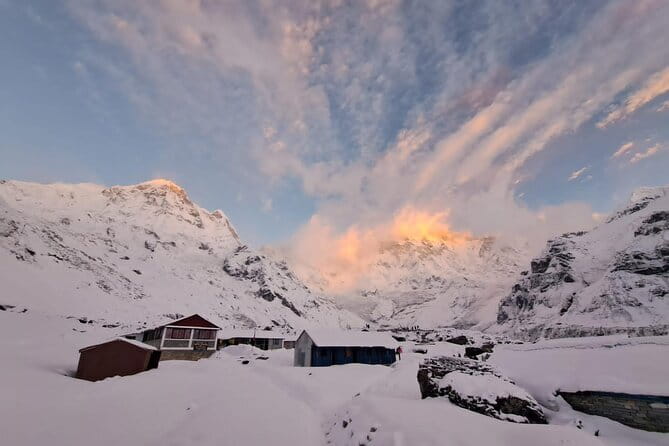
- Sunrise at Annapurna Base Camp, with a wide mountain panorama in changing colors
- Guides with strong people skills, including praised guides like Prakash and Bisham
Annapurna Base Camp Trek: what this trip really delivers
The Annapurna Base Camp trek is one of Nepal’s most popular high-mountain journeys for a reason. You don’t just “see mountains”; you work your way through the Annapurna region’s villages, forests, river valleys, and finally into the broad bowl of the Annapurna Sanctuary—where the peaks feel close enough to touch.
This particular 10-day plan is built to be organized without turning the experience into a conveyor belt. You start with transport that’s planned for you, you get an English-speaking trekking guide, and you sleep in a mix of a proper hotel in Pokhara and basic guesthouses on the trail. That combo matters because it keeps you moving while still giving you recovery time before the harder walking days.
The money question is also worth asking honestly. At $586.67 per person, you’re not paying for luxury, but you are paying for the parts that are often hard to assemble yourself: permits, guidance, and the Kathmandu–Pokhara–Nayapul logistics. If you prefer not to chase details, this format can feel like a fair deal.
You can also read our reviews of more tours and experiences in Kathmandu.

Kathmandu mornings: 6:30am pickup and the tourist-bus rhythm
Your day starts early, with pickup from your Kathmandu hotel at 6:30am. From there, you head to the bus station for the tourist bus to Pokhara (about 7 hours). The early departure is normal here, but it’s also practical: it helps you reach Pokhara with time to settle in rather than losing a whole day to travel.
One smart tip: if you care about comfort on that drive, ask in advance about seat options. In the past, people have requested a sofa-seat setup and had it accepted, which is exactly the kind of small upgrade that makes a long bus ride feel less punishing.
Also, remember you’re transitioning from city life into trekking life. Bring layers and water for the bus portion, and don’t plan to do heavy exploring right after arrival. The goal that day is to get to Lakeside, check in, and let your body reset.
Pokhara Lakeside: your buffer day before the trail
When you arrive in Pokhara, you transfer to a Lakeside-area hotel where Fewa Lake is within walking distance. That matters more than it sounds. Pokhara Lakeside is where you’ll find easy meals, a relaxed atmosphere, and simple ways to get your bearings before the mountains start demanding effort.
This trek gives you time to land softly: after a long bus day, you don’t jump directly onto the trail. Instead, you start trekking on Day 2, which is a more realistic approach for most people. If you’ve ever tried to cram too much into your first day in Nepal, you already know why this buffer is valuable.
Day-by-day trail feel: villages first, then the big mountain bowl
Below is what each main walking day is like, and what you’ll likely enjoy most.
Ghandruk (Day 2): stone paths and Gurung village life
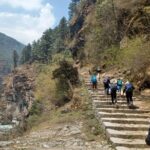
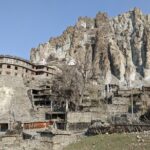
On Day 2, you trek to Ghandruk (Ghandrung) Village, walking through a stone-paved tramping track. The big draw here is culture and atmosphere. Ghandruk is known for its Gurung heritage, and the village setting gives you a sense of scale—these aren’t just “stopping points,” they’re real communities living in the shadow of the Annapurnas.
At around 6 hours, it’s a strong first trekking day: enough effort to feel like you’re earning the mountain views, but not usually so brutal that you feel wrecked before you even reach the main Sanctuary section.
Chhomrong and the climb toward Chere Hill (Day 3)
Day 3 is a classic trekking pattern: a move downhill through forest, then the work starts uphill again. You’ll descend to Kimrung Khola, then push uphill toward Chere Hill, with the route touching village settlements around the river bend.
It’s described as roughly 6 hours, and the forest-trail feel is usually one of the best parts of this trek. You get shade, birdsong, and that “I’m actually walking through the region” feeling instead of only viewing mountains from a distance.
Chomrung → Sinwa → Bamboo → Doban (Day 4)
Day 4 layers variety. You start with a descent from the Chomrung river area using stone staircases and a suspension bridge, then you climb again toward Sinwa Village. After that, the path becomes a mix of mild forest trekking and continued movement to Bamboo and onward to Doban.
The total time given is about 6 hours. This is a good day to practice your trekking style: steady pace, short breaks, and hydration. Suspension bridges can look dramatic in photos, but on the trail they’re really just part of the rhythm—cross, breathe, keep going.
Deurali (Day 5): a focused mountain-stage day
Day 5 treks to Deurali via mountain trail with mountain views. The time is about 5 hours, which can feel like a breather day compared with earlier segments.
This is also the day when many people start paying closer attention to the weather and light. Clear visibility can bring sharper views of the peaks around you, and in the Annapurna region, conditions can change faster than you expect as you gain altitude.
The Sanctuary days: Machhapuchhare Base Camp and Annapurna Base Camp
This is the heart of the trek.
Machhapuchre Base Camp and the final push to Annapurna Base Camp (Day 6)
Day 6 starts with a trek to Machhapuchre Base Camp, and it’s a rewarding moment because the area lets you see a lineup of royal peaks: Mt. Hiunchuli, Annapurna South, Annapurna I, Annapurna III, Gandharvachuli, and Gangapurna. Then comes the final effort—an uphill push to Annapurna Base Camp that takes about 2 hours from the base camp climbing segment.
The day is listed around 5 hours overall in the plan, but the “base-to-base” section is the one that tends to feel most intense. Here’s where pacing really pays off. If you’ve planned your energy and taken steady breaths, you’ll arrive feeling like you earned the place instead of barely surviving it.
Sunrise at Base Camp and the descent to Bamboo (Day 7)
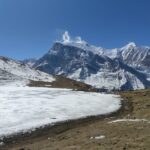
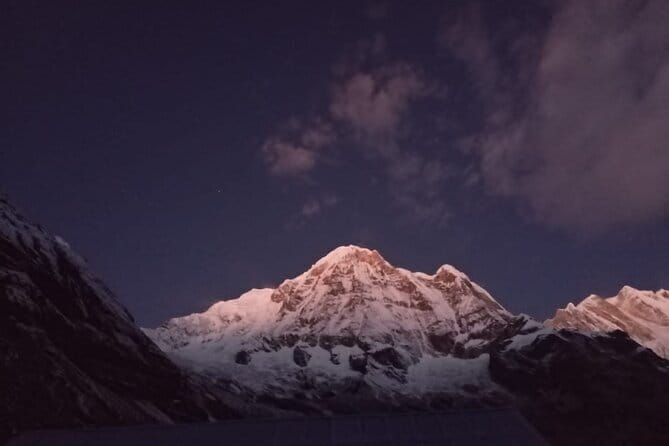
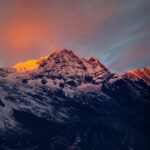
Day 7 starts with sunrise from Base Camp. The description is simple but powerful: the royal peaks shift color from white to orange, and from Base Camp you can take in a 360-degree view including Annapurna South, Hiunchuli, Annapurna I, Gangapurna, and Machhapuchhare (Fishtail).
After that sunrise and photos, you begin the return down to Bamboo. The trek time is about 6 hours.
Practical reality: sunrise is cold. Dress for early-morning chills and expect your hands to feel it first. The payoff is worth it because you’re watching the mountains change under your own effort—not just waiting for a tour bus window view.
Hot spring detour and the return toward Pokhara (Days 8–10)
Jhinu Danda (Day 8): Chomrung down to a hot-spring option
Day 8 continues the descent, trekking to Chomrung and further down to Jhinu Danda. There’s a hot spring close to the village—about 15 minutes away—and the plan notes you can visit it if you’re attentive.
This is one of those days where you’ll feel the benefit of having survived the tougher walking days. The hot spring option isn’t a guarantee, but if weather and energy align, it’s an easy way to turn the day’s effort into a memorable reset.
Nayapul to Pokhara by private car (Day 9)
On Day 9 you trek down to Nayapul (about 6 hours). Then you transfer to Pokhara in a private car (1 hour 10 minutes), and check in to your Lakeside-area hotel again (about 10 minutes transfer time).
This private-car jump is a nice endgame touch. After days on foot, you don’t want another long day of buses. It also gives you time to eat well and rest properly before heading back to Kathmandu.
Back to Kathmandu (Day 10)
Your final day is travel-focused: from Pokhara you take the tourist bus back to Kathmandu, about 7 hours, with transfer to the bus station and tour ending after arrival.
If you’re the type who likes a clean finish, plan a slow evening after you return. You’ll likely be tired in that good way—feet sore, mind satisfied, and ready for a proper shower and a regular bed.
Guides, pacing, and comfort: what matters most on an ABC trek
This trip includes an English-speaking trekking guide, and the human side has been a strong point. People have singled out guides like Prakash for friendly, top-tier service, and Bisham for being supportive and professional. Beyond friendliness, the practical value is decision-making: where to stop, when to push, and how to keep the group moving without unnecessary stress.
Accommodation is also clearly defined:
- In Pokhara: 2-star hotel level
- During the trek: basic guest house accommodation
That combination is usually the sweet spot for people who want comfort where it counts (Pokhara) and functional simplicity where the trek is the main event (the mountain nights). Just go in with the right expectations: guesthouse rooms are basic, and hot water or comfort can vary by place and season. Packing a few comfort items helps—things like a light sleep layer and anything you need for a good night’s sleep.
What’s included, and what you’ll pay separately
Here’s the clean breakdown of value.
Included:
- Hotel pickup and drop off
- Tourist bus transfer Kathmandu ↔ Pokhara
- 2-star accommodation in Pokhara
- Basic guesthouse accommodation on trek
- Pokhara ↔ Nayapul ↔ Pokhara by private car
- Trekking permit and TIMS
- English-speaking trekking guide
- Private trip (only your group)
Not included:
- All meals and drinks
- Rescue costs in an emergency
- Gratitude (optional)
That “meals not included” detail is important for budgeting. It’s not unusual on treks, but it changes your total trip spend. Still, it can be a good setup because you’re not locked into one meal plan, and you can usually choose what suits you day by day at guesthouses and teahouses.
Also take rescue costs seriously. The trek includes the permits and guidance, but emergency logistics cost money, so travel insurance is a smart idea.
Price and logistics: why $586.67 can be fair value
At $586.67 per person, you’re paying for a package that covers the parts that often take the most time to organize yourself: transportation, trekking permits, a guide, and lodging basics. You’re not paying for meals, and you’re not paying for luxury accommodations, so the price is really buying coordination plus mountain guidance.
The “private trip” format also changes the equation. A private group often means your pacing and needs can be handled with less compromise than a big joiner group. And since the route includes both bus and private car segments, the operator is managing the handoffs so you don’t have to figure out every connection after a full day of travel.
Finally, the trek is rated highly with a 5/5 score across 9 reviews, and recurring praise centers on organization and guide support. That kind of consistency is exactly what you want for a trek where one day’s mistakes can snowball.
Who this Annapurna Base Camp trek suits best
This is a strong fit if:
- You want a structured plan with permits, guide, and key transfers handled
- You like village trekking as much as mountain views
- You’re comfortable hiking about 5–6 hours on most days
- You want a sunrise experience at Base Camp instead of a rushed photo stop
It may not be the best fit if:
- You’re hoping for minimal walking and lots of downtime
- You expect meals to be included (they aren’t)
- Your fitness is low enough that “moderate” feels optimistic
As long as you plan realistically and walk with patience, the route is designed to get you to the right places on the right days—without requiring extreme trail skills.
Should you book this 10-day Annapurna Base Camp trek?
I’d recommend booking this style of ABC trek if you want the Annapurnas without the admin headache. The combination of Kathmandu pickup, tourist-bus routing, a Pokhara Lakeside hotel base, included TIMS and trekking permits, and a guide who’s been praised for service makes this feel dependable.
If you’re deciding between doing it on your own versus a guided package, this plan wins on time and stress. Just go in knowing the trade-off: you’ll pay for meals and drinks separately, you should expect basic guesthouse comfort, and you’ll work for those sunrise views with several days of hiking.
If that sounds like your kind of trip—organized enough to trust, still wild enough to feel real—this is a solid choice for Annapurna Base Camp.
FAQ
What time is the Kathmandu pickup?
Pickup starts at 6:30am in Kathmandu.
How long is the bus ride from Kathmandu to Pokhara?
The tourist bus ride from Kathmandu to Pokhara takes approximately 7 hours.
Where do you stay in Pokhara?
You stay in a Lakeside-area hotel in Pokhara, with Fewa Lake close by on a walkable distance. The accommodation level is described as 2-star.
Are meals included during the trek?
No. All meals and drinks are not included and are available for purchase.
What trekking permits are included?
The trip includes a trekking permit and TIMS.
Is there transport from Pokhara to Nayapul during the trek?
Yes. There is a transfer from Pokhara to Nayapul and back by private car.
What is the cancellation window for a full refund?
You can cancel up to 3 days in advance of the experience for a full refund. If you cancel less than 3 full days before the start time, the amount paid is not refunded.