REVIEW · NOSY BE
Full-day jungle trek on Nosy Komba (Lemur island) with the Black Lemur Sanctuary
Book on Viator →Operated by Fossa Travel · Bookable on Viator
Jungle days on Nosy Komba feel like film magic. A volcanic island trek (roughly 6 hours in the jungle) with fruit tastings and close-up wildlife, plus a finish at the Black Lemur Sanctuary, makes this one of the most vivid nature tours near Nosy Be. The drawback: this is not a stroll on a paved trail—expect a hard climb early on, and after rain it can get slippery, so you’ll want solid preparation and hydration.
This is a private tour/activity, starting at 9:00am, with pickup offered and a mobile ticket. You’ll also get a guide who paces the hike to the group and keeps you supplied with fresh drinking water—important on a hot, humid island hike up to a 622-meter summit.
In This Review
- Key highlights you’ll actually care about
- Nosy Komba: Why this jungle trek feels different from a walk in the woods
- Getting there: 9:00am start, pickup, and how the day is paced
- Stop 1 on Nosy Komba: An early jungle crush of plants, fruit, and spices
- The climb: where comfort matters
- The middle of the trek: Tiny jungle villages and why the terrain is the point
- Stop 2 on the north-east side: The Black Lemur Sanctuary finish
- Village walk + local art
- What to expect from the guides (and why “private” matters here)
- Price and value: Is $232.29 per person a fair deal?
- Practical tips so the hike stays fun, not frustrating
- Who should book this Nosy Komba trek—and who should skip it
- Should you book this tour?
- FAQ
- FAQ
- How long is the Nosy Komba jungle trek, overall?
- Where does the tour start on Nosy Komba?
- How much of the day is spent at the Black Lemur Sanctuary?
- Is pickup included?
- What time does the tour begin?
- Is this a private tour?
- Is admission included?
- What’s the fitness level required?
- Are the lemurs dangerous?
- What animals might you see besides lemurs?
- Does the tour depend on weather?
Key highlights you’ll actually care about
- A real jungle trek (about 6 hours) on a volcanic island, not a marked boardwalk walk
- Fruit and spice tastings along the way, including cocoa flesh and raw sugar cane
- Lemurs in the second half that can be very friendly in winter, including gentle banana feeding
- Black Lemur Sanctuary stop at the edge of Ampangorina village, with a mix of wildlife and local art
- You’ll meet living Madagascar, from jungle plants to village scenes, while walking the terrain
Nosy Komba: Why this jungle trek feels different from a walk in the woods
Nosy Komba (Lemur island) is only about a 20-minute boat ride from Nosy Be, but once you step off the boat, the vibe changes fast. You’re on a volcanic island covered with dense jungle, and the trek is designed around that reality. You’re not just seeing nature from a distance—you’re moving through it, with plants, smells, and textures around you.
Two things I really like about this setup. First, the route stays purposefully off the easy-path track. You’ll be in sultry jungle conditions where the terrain matters. Second, the tour builds in a sensory layer: as you hike, you’re also learning and tasting what grows there—cocoa, pepper, vanilla, and fruit you usually only spot in markets or textbooks.
The trade-off is physical. The tour description calls for moderate physical fitness, and one review summed up the reality: it can be a tough climb at the start. If you’re the type who wants flat footing and minimal sweating, you might feel challenged. But if you want something that feels like a real adventure and not a nature brochure, this delivers.
Getting there: 9:00am start, pickup, and how the day is paced
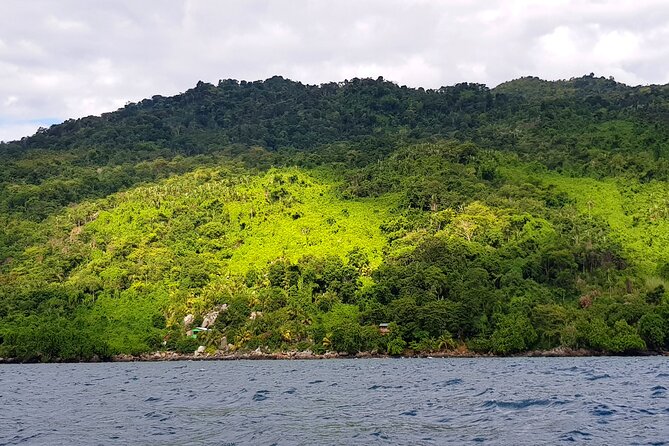
The day starts at 9:00am. Pickup is offered, which helps because you’re on a schedule that fits the boat ride and the full walking block. The overall tour length is listed as 8 to 10 hours, which makes sense once you account for the transfer time plus the hike plus the sanctuary visit.
You’ll also be on a private experience, meaning only your group participates. That matters more than it sounds. In a jungle setting—slippery bits, narrow paths, wildlife moments—you don’t want a big crowd forcing the pace. With fewer people, you’ll generally get more breathing room for photos, for plant explanations, and for the wildlife moments near the end.
At the booking stage, you’ll receive confirmation, and you’ll use a mobile ticket. One practical tip: since this kind of outing depends on conditions, it’s smart to keep your day flexible in case the provider shifts the date due to weather.
Stop 1 on Nosy Komba: An early jungle crush of plants, fruit, and spices
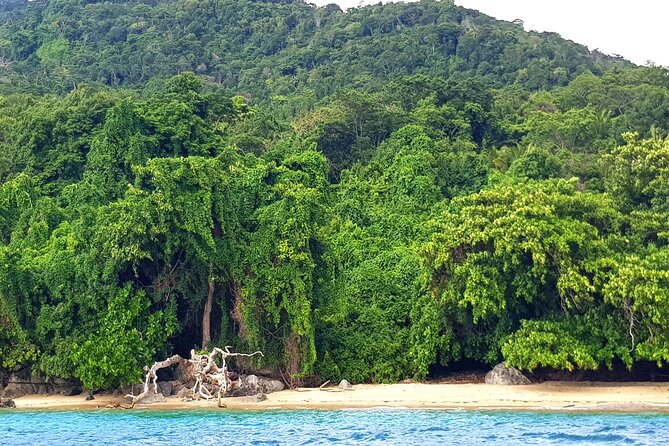
You land on the island’s south-west side, at Anjiabe village, then you start walking facing the jungle. The first stretch is where the tour earns its keep. Within the first 30 minutes, you’re hit with a dense mix of plants and the chance to taste them.
This isn’t a museum-style walk where someone points from a single spot. The guide ties the plants to what they look like and what they’re used for—plus you get to taste. The list you might experience includes:
- mangoes (including 8 kinds in season)
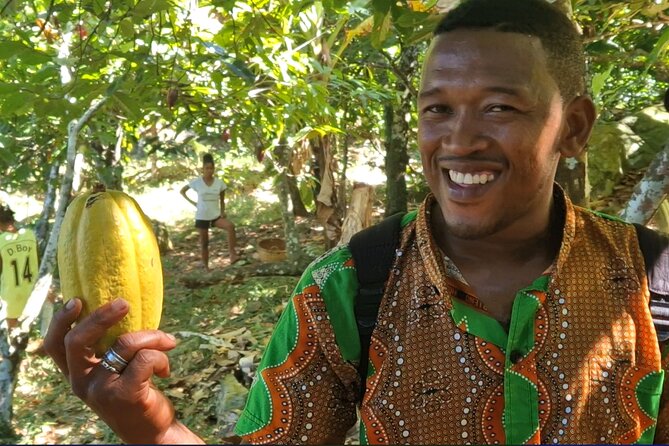
- cocoa (including the flesh of the cocoa fruit)
- soursop
- jackfruit and breadfruit-type trees
- pepper bushes and wild chillies
- bananas and cola nuts
- pineapples
- vanilla
- coffee bushes
- lychee (mentioned as part of the fruit experience)
- and raw sugar cane sweetness
For you, the value here is more than snacks. Fruit tastings turn the hike from “pretty greenery” into “I understand what I’m seeing.” You also get a sense of Madagascar agriculture in motion. You’re walking past what people actually grow, not just viewing it from a safe distance.
The climb: where comfort matters
Your destination is the summit of Komba at 622 meters. That means you’re not wandering flat paths. You’re climbing through dense jungle where footing and humidity count. One caution from a reviewer is practical: if it has rained recently, it can be slippery, and hydration matters.
So here’s how I’d prep:
- wear shoes with grip (not thin sandals)
- bring water and expect to sweat
- if you know you’ll be nervous on slopes, slow your pace early so your legs stay steady
If you arrive expecting an easy nature trail, you’ll be disappointed. If you arrive ready for a serious walk, the payoff feels huge.
The middle of the trek: Tiny jungle villages and why the terrain is the point
As you push deeper—especially after the early climb—the tour shifts from plant spotting to lived-in scenery. You’ll pass tiny jungle villages along the route. This is one of the reasons the trek feels authentic. You’re not just moving through a protected nature zone; you’re moving through a landscape where people and livelihoods exist alongside wildlife and crops.
The terrain also does its job. This isn’t a paved path with predictable steps. You’re navigating in a place where the jungle itself controls your rhythm—sometimes forcing you to slow down, sometimes forcing you to pay attention.
And that attention becomes the difference between “I saw trees” and “I understood the ecosystem.”
If you like nature documentaries, this is the closest thing to that feeling without a studio set. The guide’s explanations keep it grounded: what you’re seeing, what it’s used for, and why it matters.
Stop 2 on the north-east side: The Black Lemur Sanctuary finish
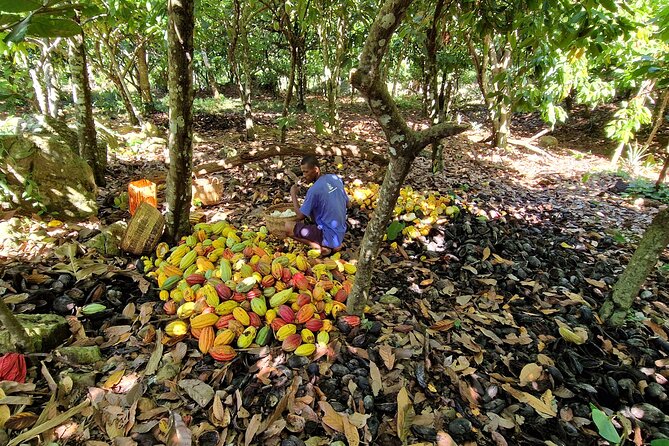
After the mountain hike, the trek ends at the Black Lemur Sanctuary, on the edge of Ampangorina village. This portion runs about 2 hours, and it’s more about wildlife encounters and calmer walking than the steep climb.
As you approach the sanctuary, wildlife activity increases. The second half is where you’re likely to notice more lemurs—amusing, curious, and usually gentle in behavior. You’re also in the company of other animals you might spot along the way, including:
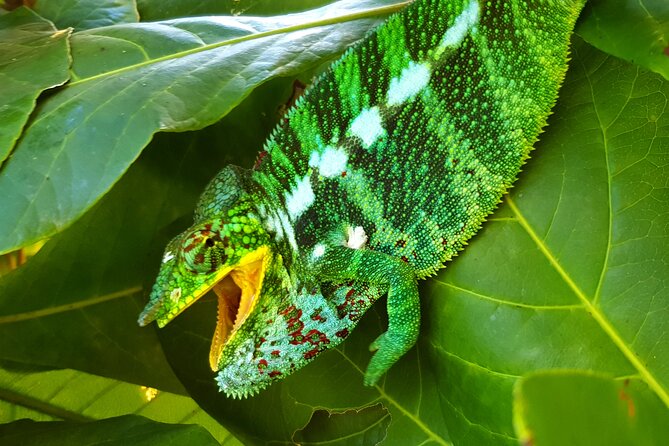
- chameleons
- geckos
- giant tortoises
- snakes
The lemur story is the heart of the sanctuary visit. In winter time, lemurs are described as extremely friendly. They may jump gently on you, and they may accept bananas from your hands. Importantly, the tour notes that they never steal or bite and are not aggressive.
That’s a big deal for your comfort. You still need to stay calm and follow the guide’s pace and cues, but you don’t have to fear the experience becoming scary.
Village walk + local art
Once you’ve walked through the park area and admired the wildlife, you’ll take a jungle walkway to the village. This is where local culture enters the day beyond “look at nature.” You can see and buy artwork by local artists (items made from materials like ebony, rosewood, and mangrove wood are mentioned).
This is not a high-pressure market stop in the way some tours work. It’s more like: you’ve spent the day understanding the land; now you get to see how local artists turn that world into objects you can take home.
What to expect from the guides (and why “private” matters here)
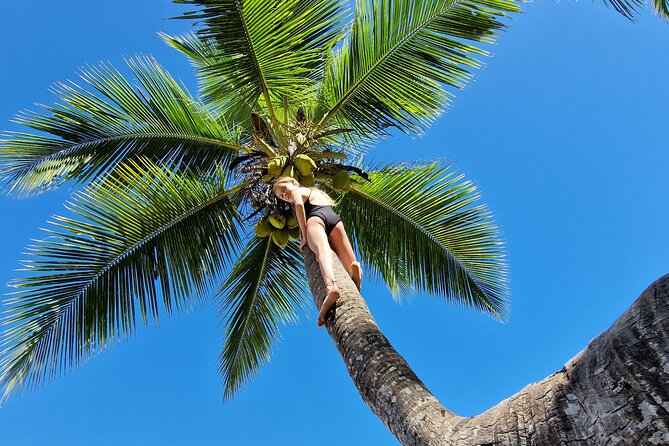
The tour runs with guides, and one review specifically mentioned a guide named Max who could explain plants and fruit clearly. That’s what you want: not just a walk, but a guide who knows how to connect what you’re eating and seeing to the island’s life.
In a setting like this, private pacing matters. The jungle can move you slowly—mud, shade, and steep sections. A smaller group lets you:
- stop longer for explanations
- move at a safer speed on slippery parts
- spend more time watching wildlife without people rushing past
- avoid the feeling of being herded
Also, guides are described as being prepared with enough fresh drinking water. That detail matters because a hike like this can wear you down fast if you run low.
Price and value: Is $232.29 per person a fair deal?
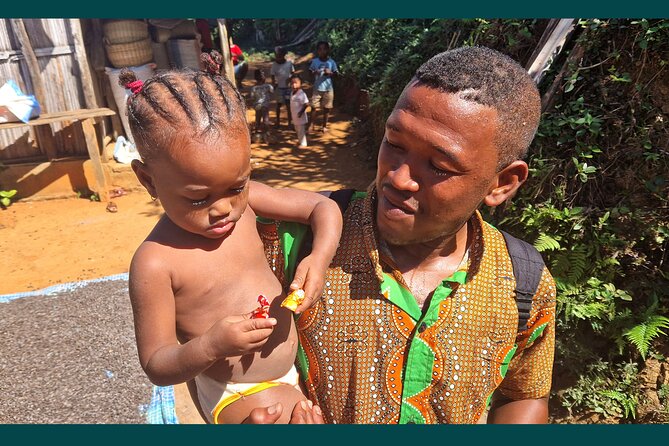
The price is listed as $232.29 per person, with an average booking window of about 39 days in advance. On paper, it can sound pricey until you break down what’s included and what the day actually involves.
What you’re getting for the money:
- a full-day outing (about 8–10 hours)
- a private group experience
- pickup offered and transport by car plus a boat ride to the island
- a long trek (real jungle time, not a short walk)
- admission handled across stops (Stop 1 and Stop 2 admissions are covered as noted)
- fruit and plant tastings as part of the experience
- a wildlife-focused finish at the Black Lemur Sanctuary
- the chance to interact gently with lemurs in winter (banana feeding)
The fruit tastings and guide explanations are the value booster. Without those, you’d just be sweating up a hill with occasional wildlife sightings. With them, you leave understanding how the jungle supports food and daily life.
Is it worth it? If you’re the type who enjoys active nature travel—walking, learning, and paying attention—yes. If you want a low-effort, low-risk day, you’ll get less out of it because the terrain is part of the experience.
Practical tips so the hike stays fun, not frustrating
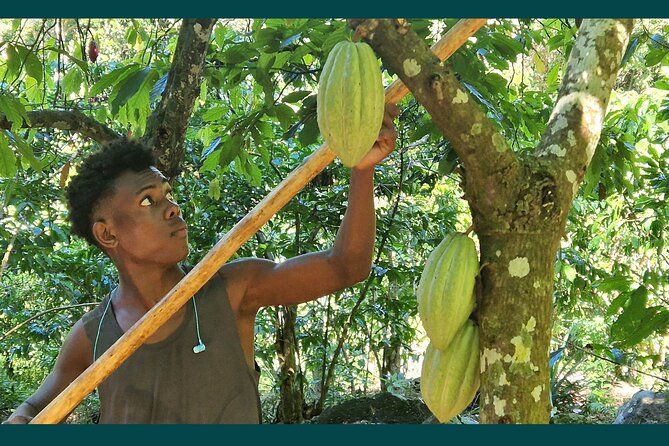
This is where you can protect your day.
- Hydrate early. The climb starts harder than people expect, and humidity is real. Bring what you’re comfortable carrying, and rely on the guide’s provided water too.
- Wear grippy shoes. After rain, the start can be slippery.
- Pack for heat and sweat. Even on a “moderate fitness” trek, you’ll be moving for hours in jungle conditions.
- Expect wildlife near the end. The lemurs and reptiles tend to show up more as you get closer to the sanctuary.
- Follow guide rules about lemurs. In winter, they can jump gently and take bananas, but the whole experience stays smooth when you listen and move carefully.
One more note: this is a good day to keep your schedule simple. You’re out for most of the day.
Who should book this Nosy Komba trek—and who should skip it
I’d recommend this tour if you:
- want a real jungle hike rather than a paved trail
- like learning from a guide about plants, fruits, and how the landscape works
- enjoy wildlife encounters, especially lemurs in a sanctuary setting
- can handle a tough start and feel comfortable on uneven ground
I’d hesitate if you:
- want an easy, flat walk
- get nervous on slippery slopes or steep steps
- expect a hands-off wildlife experience with no close encounters
Also, it’s a strong option for people who love nature documentaries but prefer a more active role. You’re not watching from a screen—you’re walking through the scenes.
Should you book this tour?
If your idea of a great day is active, guided, and hands-on—fruit tastings, jungle villages, and a sanctuary finish—then this is an excellent choice. The price becomes easier to justify once you remember it’s not just the trek. It’s the full package: private guiding, a long jungle route up to 622 meters, wildlife at the end, and a village stop where local artists are part of the story.
If you’re not comfortable with a hard climb and uneven footing, choose a gentler nature option instead. This one rewards preparation.
FAQ
FAQ
How long is the Nosy Komba jungle trek, overall?
The tour runs about 8 to 10 hours, and the jungle trek itself is described as a real 6 hours.
Where does the tour start on Nosy Komba?
You land on the south-west side of Nosy Komba, in Anjiabe village, then start the trek from there.
How much of the day is spent at the Black Lemur Sanctuary?
The sanctuary portion is about 2 hours, as the trek ends at the sanctuary on the north-eastern side of the island.
Is pickup included?
Pickup is offered.
What time does the tour begin?
The start time is 9:00am.
Is this a private tour?
Yes. Only your group participates.
Is admission included?
Admission is described as free for Stop 1 and included for Stop 2.
What’s the fitness level required?
A moderate physical fitness level is recommended, and the route includes a difficult climb at the start and potentially slippery conditions after rain.
Are the lemurs dangerous?
In winter time, lemurs are described as extremely friendly and never aggressive. They may jump gently and accept bananas, but they are stated to never steal or bite.
What animals might you see besides lemurs?
Along with lemurs, you might see chameleons, geckos, giant tortoises, and snakes.
Does the tour depend on weather?
Yes. It requires good weather, and if it’s canceled due to poor weather, you’ll be offered a different date or a full refund.