REVIEW · LUANG NAMTHA
Hunter Trails, 3 days difficult trekking with Camping & Homestay
Book on Viator →Operated by The Hiker · Bookable on Viator
Jungle trails beat the usual sightseeing. This 3-day Hunter Trails trek in northern Laos leads you along old paths through primary forest, with jungle camp nights and views from higher ground. I love the way the hike mixes rice fields and village life on the way in, then shifts into real jungle where you’re not just looking at nature—you’re walking through it.
I also love the food. You’ll eat lunches and dinners prepared during the trek, including meals based on wild, foraged ingredients, plus campfire cooking. The one consideration: this is a difficult, steep trek, and you should be ready for early starts and hard hiking days, especially if you’re in wetter conditions.
In This Review
- Key highlights worth planning for
- How the Hunter Trails Trek Works: Small group, jungle camp, and real walking
- Day 1: Ban Prang Village, rice fields, and the first steep climb
- Day 2: early coffee or wild tea, primary forest hiking, and wildlife chances
- Day 3: village mornings, bamboo weaving, and how the homestay changes the tone
- Food you actually remember: lunches, dinners, foraged ingredients, and campfire cooking
- Difficulty level: what makes it truly difficult (and who it suits)
- Homestay and cultural contact: Khmu context, practical morning work, and the value of respectful learning
- Price and value for $175: what you get, what you bring, and why it can still be fair
- Practical packing checklist: because rucksack and hiking boots aren’t included
- Weather reality: why good conditions matter more than you think
- Should you book the 3-day Hunter Trails trek?
- FAQ
- FAQ
- Where does the Hunter Trails trek start?
- How long is the trek?
- How many people are in the group?
- Is it difficult trekking?
- What does the trek include for meals?
- What should I bring since some items are not included?
- Where is the trek route based at the start of Day 1?
- What kind of overnight setup should I expect?
- What happens if the weather is bad?
- When does the activity end?
Key highlights worth planning for
- Primary forest, hunter-trail routing: You’re following old paths deep into the jungle area rather than doing an easy walk.
- Jungle camp nights: Basic but adequate huts in the middle of the forest, not a hotel-based experience.
- Foraged food and open-fire cooking: Meals include foraged ingredients you’d never get at a normal restaurant.
- Small group size (max 8): Less crowding, more time with your guide and the trail.
- Village homestay rhythm on Day 3: Early village routine, farm work, and bamboo weaving are part of the morning.
- Guides who explain what you see: From plant and animal knowledge to local culture and tribal context.
How the Hunter Trails Trek Works: Small group, jungle camp, and real walking
This trip is built for people who want the outdoors to be the main event. You start at the Hiker Travel Agency in Luang Namtha (8:30 am), and then you hike out from Ban Prang village, heading south about 35 km away from town. The day-to-day feel is simple and hands-on: steady walking, breaks, meals, and nights in a jungle camp setting.
The small group size matters. With a maximum of 8 travelers, it’s easier to keep a steady pace and actually hear what your guide points out—plants, fruits, and signs of animals along the trail. You’ll also get more flexibility if the group needs extra time on a steep section.
What you should expect is basic comfort, not luxury. You’re sleeping in a jungle camp (with huts described as basic but adequate), and you’ll be outdoors most of the day. If that sounds like your kind of trip, this one can feel genuinely different from the standard “tours-with-a-view” format.
You can also read our reviews of more tours and experiences in Luang Namtha.


Day 1: Ban Prang Village, rice fields, and the first steep climb
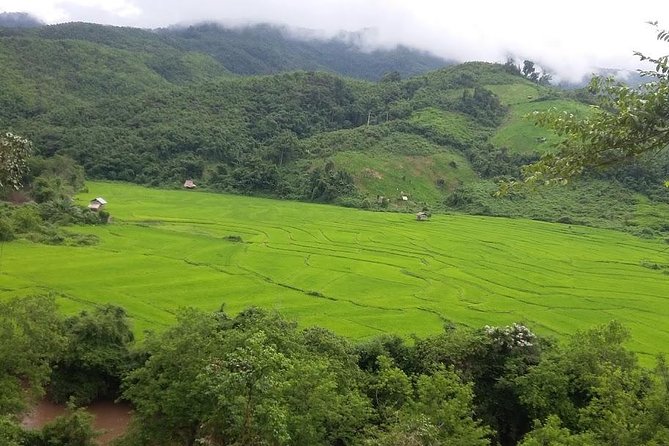
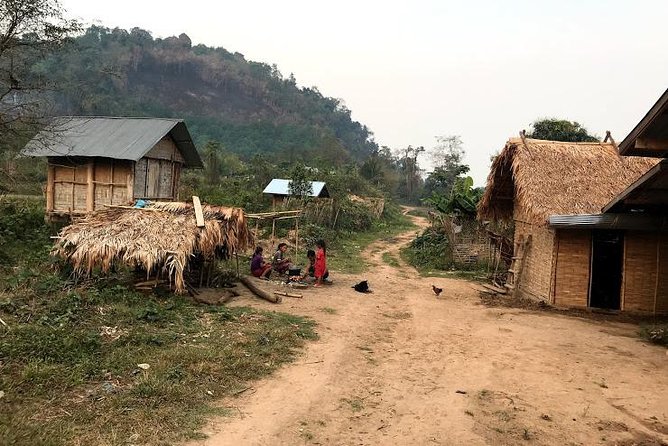
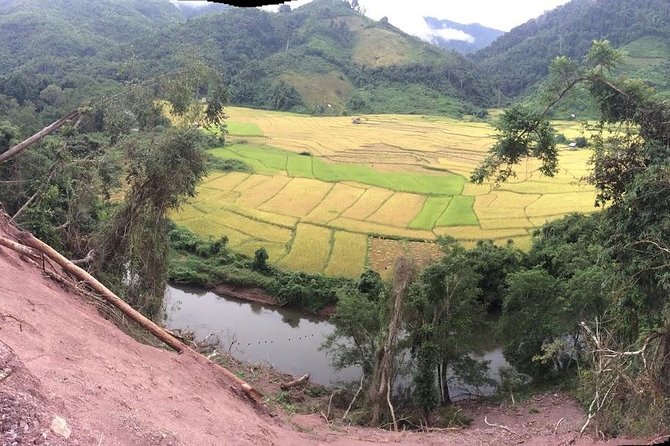
Day 1 begins by hiking from Ban Prang village toward the forest. The first part is all about effort: you walk up steep hills while you pass rice fields and see villagers working in the area. That mix is a big part of the appeal. It gives you an easy-to-understand sense of what “local life” looks like right before you move deeper into the primary forest.
As the day goes on, you head farther into the jungle trail system. This is not the sort of path where you forget you’re hiking. Even among experienced hikers, the early climbs can push your legs and lungs a bit, so treat Day 1 as your warm-up and your reality check.
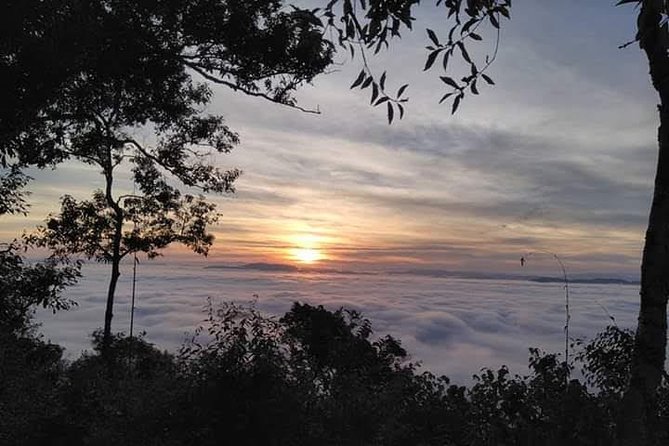
By the end of the day, you reach the jungle camp area and settle in for the night. This is where the vibe shifts. Instead of the open views of fields, you’re surrounded by older trees and the soundscape of the forest. If you’re lucky, you’ll also have wildlife-spotting chances, which many guides naturally time with quieter moments along the hike.
Day 2: early coffee or wild tea, primary forest hiking, and wildlife chances
Day 2 starts with an early rhythm. You wake up early, wash, and then have a warm cup of coffee or wild tea while your guide is preparing breakfast. That small detail matters more than it sounds. A warm drink and a calm start help when you know the next stretch will demand energy.
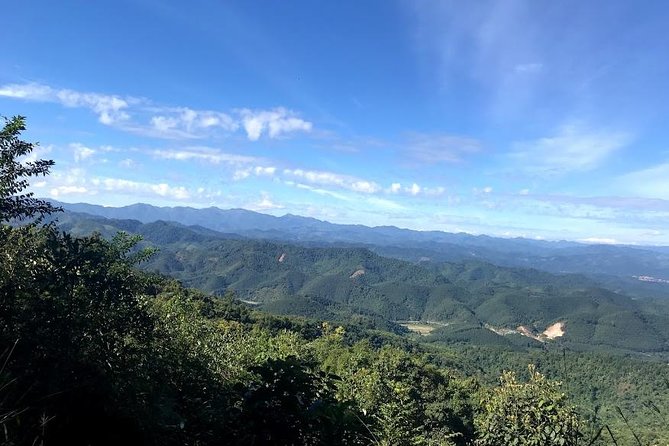
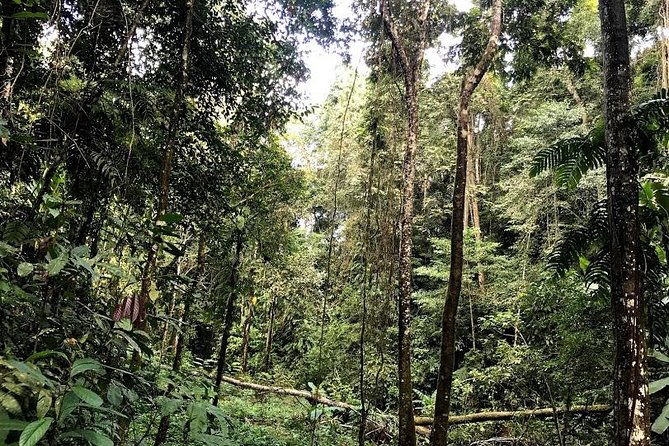
After breakfast, you continue hiking through abundant forest. This is where you’ll notice the “hunter trails” concept. Instead of a groomed route, you’re moving along older paths through dense natural areas, which is part of why this feels authentic.
This is also the day for nature education in real time. Guides often explain what you’re seeing—plants and fruits, and the ways locals understand the forest. Reviews specifically mention explanations about plants and animals, plus tribal and cultural context. You’ll likely get time to pause and look, not just walk through scenery at speed.
If the trail conditions are good, Day 2 can feel like the peak of the trip: more time in forest, more chances for wildlife sightings, and more of that “quiet jungle” feeling.
Day 3: village mornings, bamboo weaving, and how the homestay changes the tone
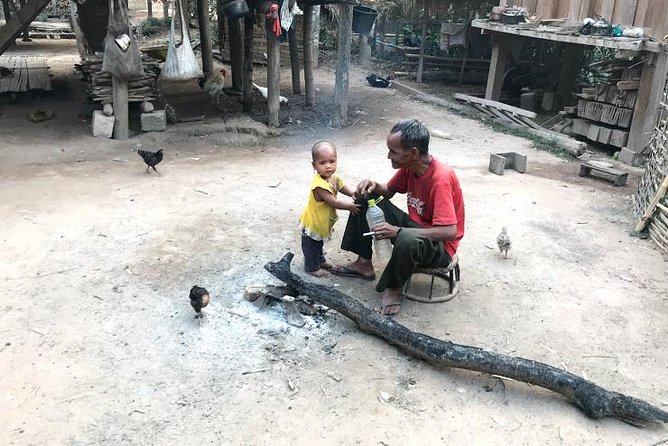
Day 3 shifts gears from jungle trail to village life. Villagers wake up early, so you should be ready for an early start again. After breakfast, you’ll take a walk around the village area to understand how people prepare for the day—watch farm work and see bamboo weaving.
That village morning is valuable because it’s not staged. It’s practical, repetitive labor that helps you see local skills in context. Bamboo weaving, in particular, gives you a concrete way to connect what you saw in the jungle with what people do on the ground—materials, craft, work rhythms, all tied to the region.
Then you move through the final portion of the experience back toward the meeting point. The overall tone on Day 3 is calmer than the steep climbing days, but it can still require energy because you’re transitioning from camp hiking into village walking before finishing the day.
Food you actually remember: lunches, dinners, foraged ingredients, and campfire cooking
Let’s talk about why this trip gets such strong marks: the food experience isn’t an afterthought. Included meals cover 3 lunches, 2 breakfasts, and 2 dinners. That’s a big value point on a trekking itinerary where paying out of pocket for meals gets expensive quickly.
More than quantity, it’s the style. Reviews highlight food as a standout, especially foraged ingredients gathered in the area and cooked well. You’re not just eating, you’re eating with the forest in mind—organic, fresh, and prepared during the trek. One review praised cooking on open fires, which fits the camping setup and makes dinner feel like an event, not a stop on the schedule.
Here’s how to get the most out of it: slow down during meals. When food is tied to trail foraging and local knowledge, rushing through it makes you miss the point. Also, keep your expectations realistic: this is trekking food, not restaurant plating. If you enjoy simple, hearty meals that taste like where you are, you’ll likely love this part.
Difficulty level: what makes it truly difficult (and who it suits)
This trek is for people with strong physical fitness. That’s not marketing language—it matches what hikers report: steep climbing and descending on jungle paths. One review notes 6–7 hours of hiking per day (including breaks). That’s a serious time commitment even when the pace feels controlled.
Season matters too. Dry season is described as moderate by at least one hiker, while rain season is said to be much harder. If you’re planning this during wetter months, assume slippery footing and higher fatigue.
So who should go?
- If you like challenging hikes and you’re comfortable with steep trail sections, you’ll probably find this satisfying.
- If you want a casual walk with little elevation change, this likely won’t fit.
The good news: the small group and experienced guide setup helps. Reviews also mention guides adjusting speed. That means the pace can be managed, as long as you bring the baseline fitness needed for the terrain.
Homestay and cultural contact: Khmu context, practical morning work, and the value of respectful learning
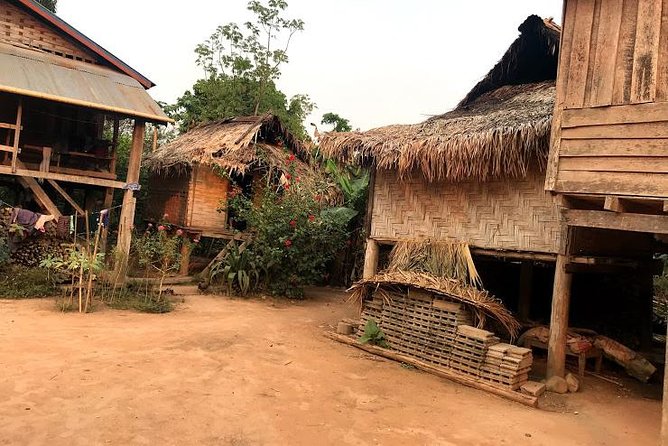
This isn’t only a forest trek. There’s also a village homestay component that gives the experience a human anchor. Day 3 is where you feel it most: early morning village routines, farm work, and bamboo weaving.
Some reviews go further into cultural context, including Khmu people and tribal knowledge explained by guides. One hiker praised detailed explanations about ancestry and botany, with a guide and his Khmu companion cooking and teaching. Another mentioned guide explanations about culture and tribes in Laos.
The key value here is approach. You’re not being dragged through a script. You’re seeing daily life practices, then learning what those practices mean through your guide’s explanations. If you care about respectful contact—asking questions, listening, and keeping your expectations grounded—this cultural side can turn a good trek into a memorable one.
Price and value for $175: what you get, what you bring, and why it can still be fair
At $175 per person, this trip sits in the “pay for quality experience” category. Here’s why that price can make sense: you get a full 3-day structure with included meals (3 lunches, 2 dinners, 2 breakfasts) and all fees and taxes. You also get guided support and access to the hunter trails and jungle camp nights.
The other value point is group size. With a max of 8 travelers, you’re not paying for a huge bus-style group experience. Reviews frequently praise guides by name—Kham, Mun, Thit, Xai, Noy—suggesting you’re not just paying for movement, but for interpretation and care on the trail.
What can affect your personal value is when you go and how many people join. One review notes the price can feel higher for smaller groups. If you’re traveling solo or with one partner, you might feel that impact more than a group does.
So my take: if you want the combination of jungle camping + foraged-food meals + serious hiking, the pricing looks fair. If you mainly want a casual nature stroll, you’d likely get better value from a lighter trek.
Practical packing checklist: because rucksack and hiking boots aren’t included
The tour doesn’t include a rucksack or hiking boots, and it also doesn’t include a hat, sun cream, mosquito spray, or a torch. That matters because on a jungle trail, small items become big comfort issues fast.
Plan to bring your own:
- Hiking boots suited to steep, uneven ground
- A hat and sun cream for exposed sections
- Mosquito spray for camp and village areas
- A torch for early mornings and nighttime movement
- A change of clothes (listed as not included)
Also consider your backpack strategy. Since a rucksack isn’t provided, you need a pack you can hike in all day. Keep it practical: easy to access, not too bulky, and comfortable on steep climbs.
If you’re short on gear, you might find local rentals, but that’s not something this data confirms. Best move: check your own setup before you arrive, so you don’t lose time or comfort once you’re already on the trail.
Weather reality: why good conditions matter more than you think
This experience requires good weather. That’s a big deal on steep jungle trails where footing and path visibility can change quickly. If poor weather forces a change, you’ll be offered a different date or a full refund, so you’re not taking total risk.
Still, don’t treat that as a sign to ignore rain planning. At least one hiker said rain season makes the trek hard, while dry season is more moderate. Even with an experienced guide, you’ll feel the difference in mud, slick surfaces, and overall fatigue.
My advice: if you’re flexible, choose the season you can best handle physically. If you’re in a wetter period and you’re not sure you’ll be comfortable hiking in harder conditions, you might be happier choosing a time when trails tend to be more stable.
Should you book the 3-day Hunter Trails trek?
Book it if you want a real trekking experience in northern Laos: primary forest walking on hunter trails, jungle camp nights, and food that’s built around foraging and campfire cooking. You’ll likely enjoy it most if you’re the type who likes learning from your guide while you walk—about plants, animals, and local tribal context—and you’re comfortable with a basic camp setup.
Skip it if you want an easy hike, guaranteed comfort, or a fully gear-provided trip. This one expects you to bring your own hiking boots, personal protection items, and basic trekking readiness. It’s also best matched to strong physical fitness and hikers who accept early mornings as part of the deal.
If you match those points, the trek feels like a high-value mix of forest effort and village learning—exactly the kind of outing that changes your trip pace.
FAQ
FAQ
Where does the Hunter Trails trek start?
It starts at The Hiker Travel Agency Laos, 17A Main Street Phonexay Village, Luang Namtha 03000, Laos, with a 8:30 am start time.
How long is the trek?
The trek runs for 3 days, approx.
How many people are in the group?
The maximum group size is 8 travelers.
Is it difficult trekking?
Yes. Travelers should have a strong physical fitness level, and the route includes steep hiking.
What does the trek include for meals?
It includes 3 lunches, 2 dinners, and 2 breakfasts.
What should I bring since some items are not included?
The tour does not include a rucksack, hiking boots, hat, sun-cream, mosquito spray, torch, and a change of clothes.
Where is the trek route based at the start of Day 1?
The hunter trails trek begins from Ban Prang village, about 35 km from the town to the south.
What kind of overnight setup should I expect?
You camp in the jungle during the trek, using a jungle camp with basic but adequate huts.
What happens if the weather is bad?
The experience requires good weather. If it’s canceled due to poor weather, you’ll be offered a different date or a full refund.
When does the activity end?
It ends back at the meeting point (The Hiker Travel Agency Laos in Luang Namtha).