REVIEW · POKHARA
10 Days Private Guided Annapurna Basecamp Trek via Poon Hill
Book on Viator →Operated by MTA Trekking · Bookable on Viator
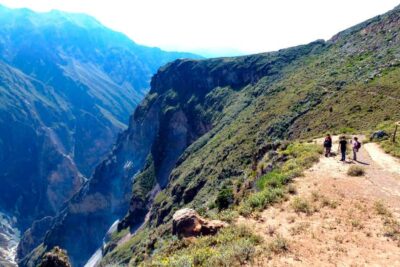
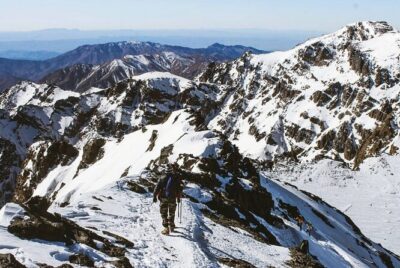
Poon Hill sunrise is worth the early start. This private 10-day Annapurna Base Camp trek via Poon Hill strings together rhododendron forests, Gurung and Magar villages, and big Himalayan views—starting from Pokhara and running right up to Annapurna Base Camp at 4,130 meters.
I especially like the Poon Hill timing for sunrise (between 5:15 and 6:15 am) and the simple bonus of tea or coffee waiting there. I also like the personal, guided feel—your group is kept small and your guide helps you keep a realistic pace, even if you move a bit slower than average.
The main thing to consider: a porter is not included, and several days include steep stone steps. If you carry your own bag, pack light and plan for sore legs.
In This Review
- Key highlights worth knowing
- Pokhara pickup and the start at Nayapul
- Ulleri steps to Ghorepani pace: where your legs learn the route
- Poon Hill sunrise: the early climb and the payoff
- Chhomrong and the forest section: suspension bridge day
- Deurali and Hinku Cave: when views aren’t guaranteed
- Reaching Annapurna Base Camp: the high point with meaning
- The return to Jhinu Danda hot spring and Pokhara
- Price and what you really get for $800
- Who this trek suits best (and who should reconsider)
- Should you book this private Annapurna Base Camp via Poon Hill trek?
- FAQ
- How many days is the Annapurna Base Camp trek via Poon Hill?
- Where does the trek start from, and how do you get there?
- What are the altitude highlights on this route?
- Will I be able to do the Poon Hill sunrise?
- Is pickup included from Pokhara?
- What meals and gear are included?
- Is a porter included?
- Are hot showers, Wi‑Fi, or battery charging included?
- What is the cancellation policy for a full refund?
Key highlights worth knowing
- Poon Hill sunrise window: you’ll head up early, with sunrise expected between 5:15 and 6:15 am
- Private guide, private group: only your group participates, with pickup offered from Pokhara
- Real trekking structure: Ulleri and Ghorepani are step-heavy, then the route relaxes in stretches
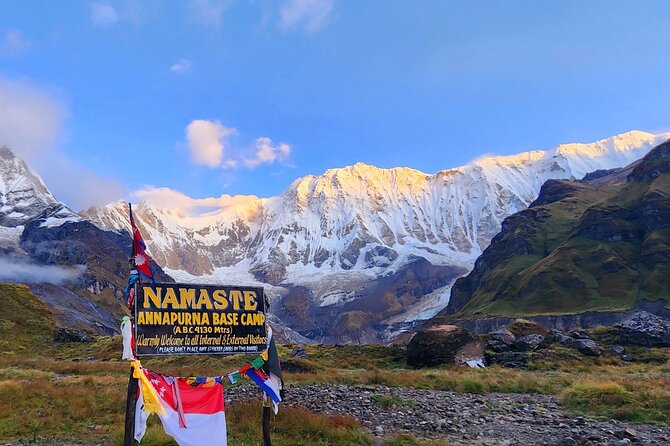
- Annapurna Base Camp views: you’ll plan around sunsets over Fishtail and sunrises toward Annapurna I
- Jhinu Danda hot spring reset: 1 hour in the natural hot spring after the long return downhill
- Comforts are included, extras are not: trekking poles plus most meals come with the package, but no hot shower/Wi‑Fi/power charging
Pokhara pickup and the start at Nayapul
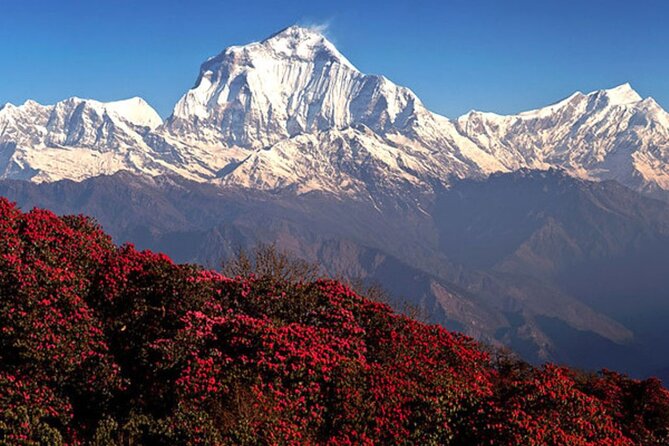
This trek begins in the Pokhara area, with pickup offered. From there, you’ll drive to Nayapul (about a 2-hour ride is part of the plan) and start walking from the trailhead. That’s a nice setup for jet-lagged legs: you’re not dealing with confusing connections on day one, and you can focus on starting the trek in a calm way.
One practical note for how this style of trek works: you’re on a private guided route, so your itinerary is structured, but your guide’s job is to manage your pace and comfort. In real life, that means you’re less likely to get pushed too hard on the early days when altitude and stairs are still new to your body.
Also, the trek uses teahouses along the way (including places like Deurali, which is mainly known for teahouses). That’s your day-to-day reality on this route: warm rooms when you can get them, simple food, and the kind of rest that comes from being tired in a good way.
You can also read our reviews of more tours and experiences in Pokhara.
Ulleri steps to Ghorepani pace: where your legs learn the route
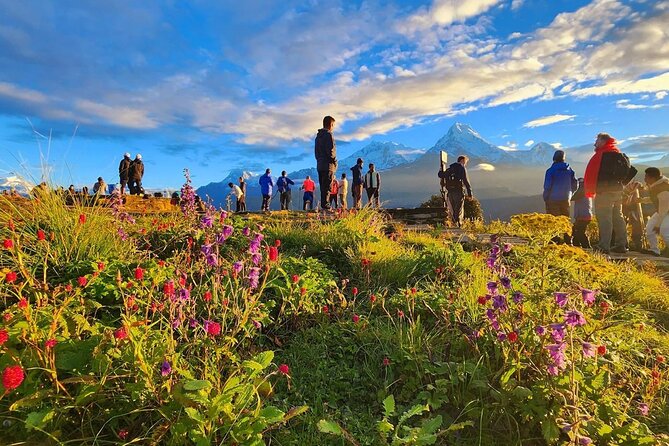
Days 1 and 2 are built around getting you into the rhythm of the trail. On day one, you’ll drive to Nayapul and trek to Ulleri, including a tough ascent of over 3,000 stone steps. That’s not subtle. It’s the kind of climb that makes you stop and breathe more than you expect—so the trick is to keep moving slowly and steadily rather than “rushing” and paying for it later.
Then day two runs you from Ulleri toward Ghorepani for about 6–7 hours. You’ll still find plenty of stone steps, but the plan notes that once you reach Ulleri, the path becomes more relaxed. This is smart trekking design because it helps your body adjust: you get challenged early, then you’re not stuck in wall-to-wall stairs forever.
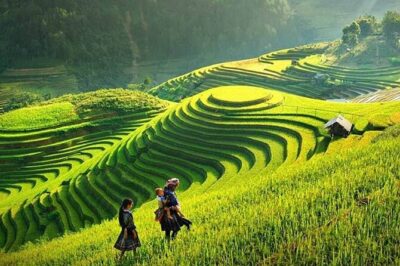
You’ll also be passing through village life along the way—this route goes through Gurung and Magar villages as part of the experience. That matters more than it sounds. It means you’re not only walking through scenery; you’re also walking through the places where people live, work, and run the small businesses that support the trail.
Drawback to watch: these first two days can feel relentless if you’re used to flatter hiking. If you tend to start fast and slow down later, try the opposite for this trek: start easier than you think you need, then let your legs “catch up.”
Poon Hill sunrise: the early climb and the payoff
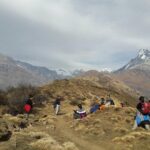
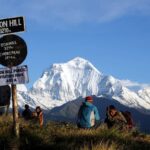
Day three is the big “view day” without being the longest trek. You’ll rise early and hike up about 1.5 hours to Poon Hill to catch sunrise, which is expected between 5:15 and 6:15 am.
This is one of those travel moments that’s hard to fake. Poon Hill is known for changing the colors of the Annapurna range at sunrise. The tour plan also mentions tea or coffee available at the hill, which is a small detail but a real quality-of-life upgrade when you’re cold and half-awake.
Here’s how I’d think about it in practical terms: sunrise hiking asks you to manage your sleep and timing. The good news is you’re on a private guided trek, so the guide can help keep the schedule realistic—especially if you’re not the type who wakes instantly when the alarm screams.
What you’ll feel after: once the sun hits, it reframes the whole trek. You see the mountains as something you’re approaching, not just something you’re looking at from a distance.
Chhomrong and the forest section: suspension bridge day
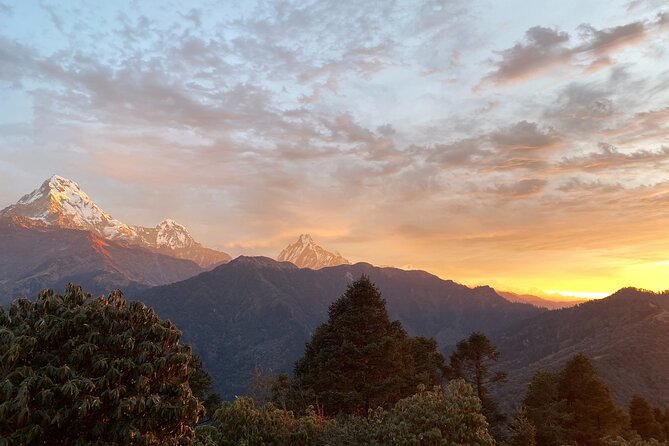
Days four and five shift the focus. You’ll trek toward Chhomrong, with day four described as an easier day: a light climb, a descent to Kimrong Khola, and then another gentle ascent. This is valuable because it’s your chance to “breathe” after the stair-heavy approach.
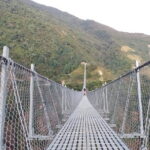
Day five continues in that vein, with a descent down to Chomrong Khola and a crossing of a suspension bridge. If you like small thrills, this is a good one. Suspension bridges slow you down in the best way: you look at what’s under you, then you continue.
The route also passes through bamboo, rhododendron, and oak forests. In springtime, rhododendron forests are part of the charm of this region, and this trek is designed to give you that mix of greenery while you’re still building altitude.
Possible consideration: forest days can mean more clouds or less visibility. That’s not a dealbreaker, but your view expectations should be flexible. If your only goal is perfect photos of sharp peaks, keep in mind the trek is also about motion through habitats, villages, and weather.
Deurali and Hinku Cave: when views aren’t guaranteed
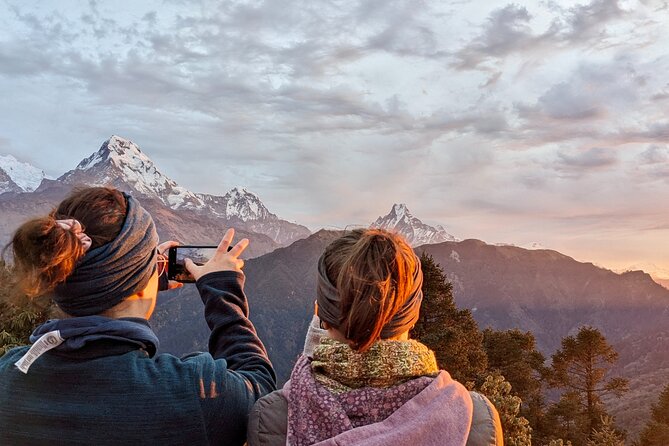
Day six is a more “trekking-focused” day than a “peak-shopping” day. The plan specifically notes that you may miss mountain views as you trek through a bamboo forest and then climb a steep hill to Hinku Cave. After that, you’ll head down to Deurali, a teahouse-heavy base for trekkers.
This is actually a healthy part of the overall route. You’re building stamina without needing every minute to be a postcard. And bamboo and cave stops can be easier mentally when your legs are tired from earlier climbs.
If you’re the type who gets impatient without a view, treat day six as practice for the real Annapurna experience: weather changes fast. Sometimes you walk through cloud; sometimes you walk through sunshine. Either way, you keep moving.
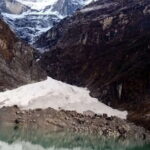
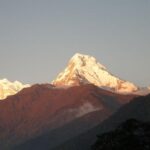
Day seven then starts the “big push” toward Annapurna Base Camp. The plan includes strong timing cues: you’ll head up through the Modi Khola Valley and enjoy sunsets over Fishtail and sunrises over Annapurna I, with a glacier in view as you approach Annapurna Base Camp (4,130 meters / 13,550 feet).
That combination—valley walking plus peak light plus glacier sighting—is the emotional peak of the whole trek.
Reaching Annapurna Base Camp: the high point with meaning
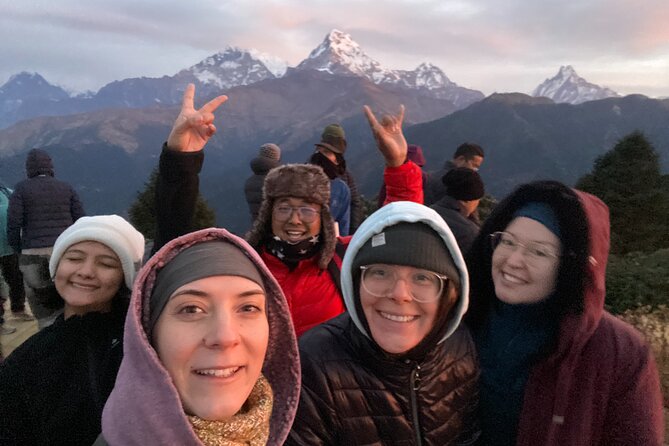
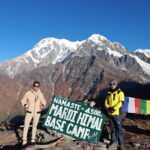
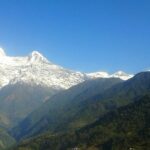
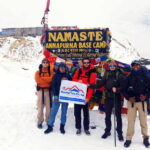
On day seven, the route leads you to Annapurna Base Camp, and the payoff is described as a panorama of eight snow-capped peaks. This is the moment where the trek stops being a hike and turns into a mountain experience.
What I like about how this itinerary handles the emotional arc is the timing: you’re not just “arriving”; you’re arriving at the point where light and scenery do their best work. The plan’s callouts about sunsets over Fishtail and sunrise toward Annapurna I are a big deal for hikers who care about those shifting colors.
Then day eight gives you a buffer. You’ll spend time at or near base camp before departing, take in the views, and then do a longer trek mostly downhill. That downhill isn’t always “easy,” but it’s smart after your altitude peak day.
One practical takeaway: after a high, your body often wants easier movement. Day eight respects that. You’ll likely be tired, but you also start moving with more control.
The return to Jhinu Danda hot spring and Pokhara
Day nine is a classic return day: uphill first, then long downhill. The plan says you start with an uphill trek to Kuldighar, then descend to Chomrong River and climb back toward Chomrong before heading down to Jhinu Danda.
This day includes stone steps again, including climbing stone steps back to Chomrong village. That can surprise people who thought the return was mainly an easy glide. Still, you’re getting to your reward.
Jhinu Danda Hot Spring is included for about 1 hour, which is exactly the kind of muscle reset trekkers look for. So yes, you’ll still be tired. But you’ll also be able to stand up afterward and feel human again.
Day ten finishes with trekking back to Nayapul, then a drive to Pokhara and drop-off at your preferred location. That ending matters because it gives you a clean “close the loop” moment instead of feeling stranded at the trailhead.
Price and what you really get for $800
At $800 per person for a 10-day private guided trek, you’re paying for more than walking. You’re paying for a built itinerary, a guide, and a system that includes food and basic trekking support.
Here’s the value breakdown based on the package details:
- Trekking poles included (useful if you arrive without them)
- Meals included: breakfast on 9 days, plus lunch and dinner on 10 days (the schedule is set, so you’re not hunting for meals)
- Jhinu Danda hot spring included (1 hour)
- Pickup offered from Pokhara
- Mobile ticket and a focus on smooth handling of the trip
What’s not included is also important:
- Porter not included, so you carry your own load
- Trekking insurance not included
- No mention of hot water, hot shower, Wi‑Fi, or battery charging during the trek
- Tips not included
So the question becomes: can you handle the physical side without a porter, and are you okay with simple comforts? If yes, this price can feel fair. If you want a porter to carry a lot, you’ll need to budget extra or plan a very light pack.
Also, for groups, there can be group discounts, even though the experience is private to your group.
Who this trek suits best (and who should reconsider)
This Annapurna Base Camp via Poon Hill route is a strong fit if you want:
- A guided, private experience rather than a crowded group trek
- A planned sunrise moment at Poon Hill
- Teahouse trekking and a clear day-by-day structure
- A realistic fitness challenge, described as moderate physical fitness
It might be less ideal if:
- You expect a porter automatically (it’s not included)
- You need reliable hot showers, Wi‑Fi, or power charging along the way
- You’re not comfortable with steep stone step days early in the trek
One small but meaningful theme from the service style on this route: guides are described as kind, caring, and experienced, including examples like Lalit and Kajidai. The practical value of that matters on a trek like this, because the mountain doesn’t care about your schedule—but a good guide can help you manage it.
Should you book this private Annapurna Base Camp via Poon Hill trek?
I’d say yes if you want a well-structured Annapurna trek with a real sunrise highlight and you’re comfortable carrying your own bag. The combination of Poon Hill sunrise, a route through Gurung and Magar villages, and the main payoff at Annapurna Base Camp makes it feel like a complete story, not just a random set of hikes.
Hold off if you’re hoping for porter support, hot shower comforts, or lots of connectivity—those aren’t part of the package details. Also, if you know your biggest weakness is stairs, you’ll need a smart packing and pacing plan for days like the Ulleri ascent.
FAQ
How many days is the Annapurna Base Camp trek via Poon Hill?
The itinerary runs for 10 days (approx.).
Where does the trek start from, and how do you get there?
You start after a drive from your Pokhara hotel area to Nayapul (about 2 hours), then begin trekking from Nayapul.
What are the altitude highlights on this route?
The tour includes Annapurna Base Camp at 4,130 meters (13,550 feet) and Poon Hill at 3,210 meters (10,530 feet).
Will I be able to do the Poon Hill sunrise?
Yes. Day three is planned for an early trek to Poon Hill, with sunrise expected between 5:15 am and 6:15 am.
Is pickup included from Pokhara?
Yes, pickup is offered, and on the last day you’ll be driven back to Pokhara after reaching Nayapul.
What meals and gear are included?
Trekking poles are included. Meals include breakfast for 9 days, plus lunch and dinner (10) each, as listed in the package.
Is a porter included?
No. The package lists porter as not included.
Are hot showers, Wi‑Fi, or battery charging included?
No. Hot water, hot shower, Wi‑Fi, and battery charge during the trekking are listed as not included.
What is the cancellation policy for a full refund?
You can cancel up to 3 days in advance for a full refund, and you must cancel at least 3 full days before the experience’s start time.
If you want, tell me your fitness level and what month you’re going, and I’ll help you sanity-check whether you’ll likely feel comfortable on the step-heavy days.