REVIEW · KATHMANDU
Everest Base Camp Trek
Book on Viator →Operated by Unique Adventure International Pvt. Ltd. · Bookable on Viator
Everest starts with an easy flight, then reality. This 15-day Everest Base Camp trek takes you from Kathmandu to Lukla and deep into the Khumbu region with a guide who handles the logistics and stays focused on your safety at high altitude. You’ll get real Sherpa culture in everyday teahouse life, plus those famous views that show up right when you’re working hardest.
Two things I really like: the trek includes a professional, licensed English-speaking mountain guide, and the cost also covers the trekking permits you need for Sagarmatha National Park and the Khumbu Pashang Lhamu area. One consideration: you’re going high and walking on rugged paths, and the route relies on weather—especially for Lukla flights—so plan for some schedule uncertainty.
I also appreciate how the itinerary builds in acclimatization days instead of treating altitude like a guessing game. You’ll spend time in Namche Bazaar and again around Dingboche/Chhukung so your body has a chance to adjust before you push toward Lobuche and Everest Base Camp. And cold-weather gear isn’t left to guesswork: you can borrow a down jacket and sleeping bag for the trek (porters are optional for extra cost, if you’d rather not carry your own stuff).
In This Review
- Key highlights to know before you go
- From Kathmandu to Lukla: where your trek really begins
- Namche Bazaar climbing: permits, views, and why the uphill feels personal
- Tengboche and Tyangboche: monastery time with big-mountain air
- Dingboche and Chhukung: when the valley turns quieter and sharper
- Lobuche and Gorakhshep: rocky footing, glacier walking, and Everest Base Camp’s twist
- Kala Patthar: the best view comes with the hardest steps
- Suspension bridge to Lukla and the flight back to Kathmandu
- What you get for the price: value that’s hard to match
- The trekking pace, fitness expectations, and altitude reality checks
- Gear and daily comfort: what’s handled, what’s on you
- Who should book this Everest Base Camp trek?
- Should you book this Everest Base Camp trek?
- FAQ
- What’s included for pickup and drop-off in Nepal?
- How do the domestic flights work for Lukla?
- Are trekking permits included?
- Is full board food included during the trek?
- What about accommodation during the trek?
- Can I borrow cold-weather gear?
- Is a vegetarian meal option available?
- Do I have to hire a porter?
- Is there medical or altitude monitoring included?
- What if weather affects the trek?
Key highlights to know before you go
- A licensed guide who manages logistics and support so you’re not mapping trails at altitude
- Permits and full board included, which keeps your budget and daily life simpler
- Built-in acclimatization stops in Namche and the Dingboche/Chhukung area
- Borrowed down jacket and sleeping bag for the cold nights and early mornings
- Lukla flights included with taxes and transfers, typically via Ramechhap
From Kathmandu to Lukla: where your trek really begins
Day 1 is mostly about getting set up the right way. You land at Kathmandu International Airport and meet a representative for pickup, then transfer to your hotel. It matters more than it sounds: you’ll be dealing with jet lag, a new country rhythm, and the excitement of Everest, so having that handoff makes the next morning feel calm.
Day 2 is the big switch from city life to trekking life. You transfer to the airport for a short flight to Lukla (about 30 minutes). Then the walk starts gently alongside the river, with paved footpaths and teahouses popping up along the way. You reach Phakding at around 2,610m after about a 3-hour walk. This is a good first day because it helps you find your pace before altitude starts charging extra.
If you’re wondering about the day’s feel: Lukla-to-Phakding is mostly about rhythm. You’re not trying to “win” the trek. You’re learning how your body handles steady walking while you’re still absorbing the fact that Everest is suddenly real on the horizon.
You can also read our reviews of more tours and experiences in Kathmandu.
Namche Bazaar climbing: permits, views, and why the uphill feels personal
Day 3 is your first serious uphill push. After breakfast, you walk to Monjo, where you officially enter Sagarmatha National Park and show the required documents (the SNP entry permit and the TIMS card are checked at the office in Monjo). It’s one of those moments that feels procedural—until you realize this is the gateway to the Khumbu route.
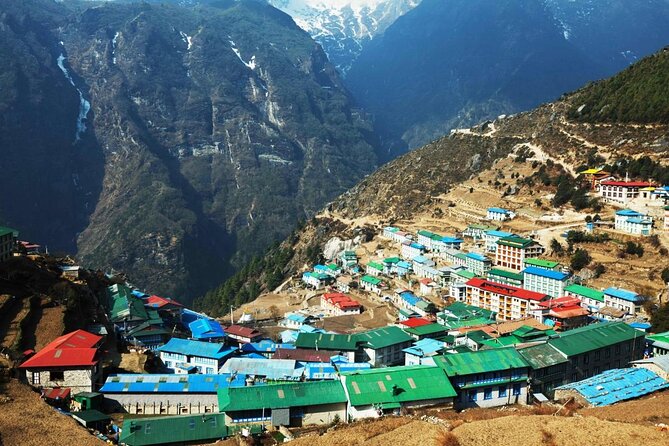
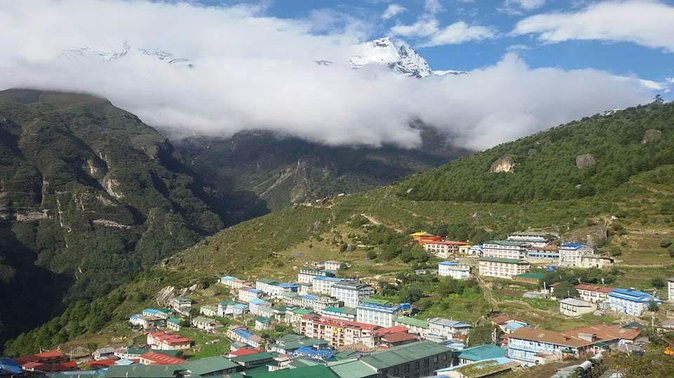
Then comes the climb to Namche Bazaar: about 590m of uphill over roughly 5 hours. It can feel steep even when the distance doesn’t sound huge on paper. The reward lands halfway up the hill, when you’re able to see Everest and Lhotse for the first time.
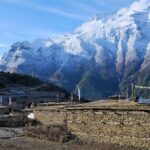
As you approach Namche, the mountain walls close in. You’ll also see Khumbila (5,707m) and other surrounding peaks like Thamserku and Kwangde. Namche Bazaar is more than a rest stop here—it’s a staging point for acclimatization, planning, and buying the small trekking supplies you might realize you forgot (tissues, socks, blister bandage—stuff that always seems to vanish right before it matters).
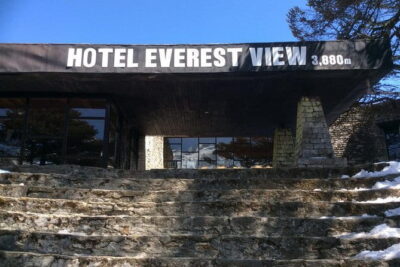
Day 4 keeps you at altitude longer for a reason. You’re meant to walk to higher ground while staying based in Namche for two days. You’ll have choices: you can head toward Khumjung (with a local school and hospital visit), go to Thame village (Sherpa history tied to the region’s Everest expeditions), or trek up toward the airstrip at Shyangboche (around 3,720m). There’s also an Everest View Hotel near 4,000m-ish, but you should treat that as optional—because altitude is the real boss here, and many people get altitude issues when they go too high too fast.
For you, the key takeaway is this: Day 3 is effort; Day 4 is smart timing. You’ll thank yourself when later climbs feel less brutal.
Tengboche and Tyangboche: monastery time with big-mountain air
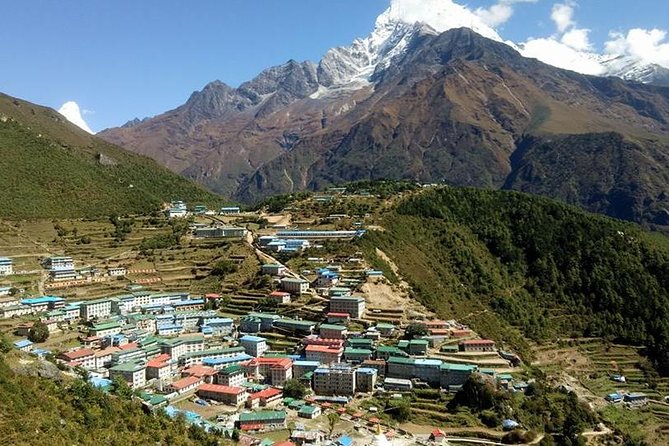
Day 5 takes you toward Tengboche Monastery and the Tyangboche area at about 3,870m. The walk starts with a short climb and then dips back down to the Dudh Koshi at around 3,550m before you ascend again.
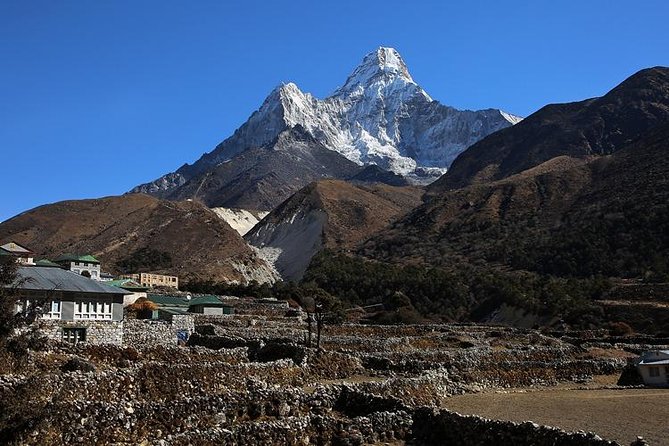
This is one of those days where the view quality changes quickly. At Tyangboche you get framed views of Everest, Thamserku, Amadablam, and the valley below. The monastery itself is a centerpiece: it’s a Tibetan monastery setting where you can go inside and listen to monks chanting mantras. Even if you don’t understand every word, the rhythm helps you shift from “climbing mode” to “breathing mode.”
Expect this day to feel like a break with purpose. You’re still walking, still climbing, but you’re also pausing at a cultural place that belongs in the Everest story—not just on the side of it.
Dingboche and Chhukung: when the valley turns quieter and sharper
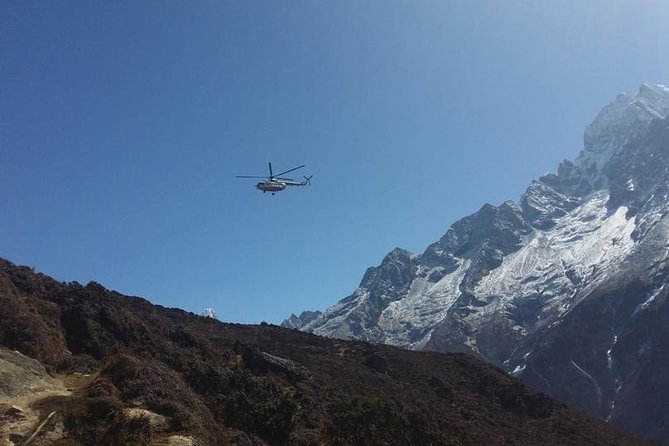
Day 6 moves through wooded sections and along the Imja Khola valley. As you contour gradually, the high Himalayan terrain begins to surround you more fully. You’ll pass through Pangboche, including a gompa site above the main village—described as the oldest monastery in the region and tied to early Buddhism in Khumbu.
Then you continue up to Dingboche at around 4,360m. The views are highlighted here too, including Amadablam and Island Peak. This day is about shifting to thinner-air living. Your pace may slow, and you’ll feel the need to be more intentional with breathing and water.
Day 7 is acclimatization again. You’ll go either toward Chhukung, which offers strong views of Makalu, Island Peak, and Peak 38, or you can make another hike option like Nangkartshang Peak. This is a “don’t rush it” day. The goal is to get higher gently, not to prove anything to the mountain.
If you like having a plan, this is where the guiding really helps. You’re not left guessing what’s wise. You’re using the terrain to help your body adjust.
Lobuche and Gorakhshep: rocky footing, glacier walking, and Everest Base Camp’s twist
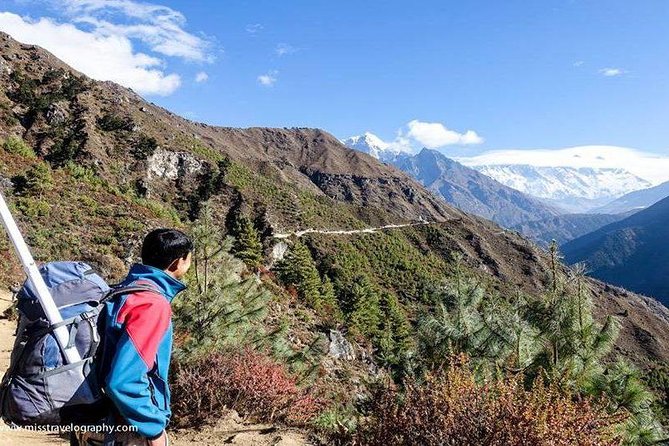
Day 8 heads to Lobuche. The environment changes: the valley gets barren as you approach. This is also where you’ll notice your attention tightening. You’ll be watching your step on rocky stretches. The trail links up below Thugla, and you’ll get views across the valley at peaks like Cholatse.
After a steep ascent, the mountains look close enough to touch—especially Tawache and Nuptse, towering almost 2 kilometers overhead. It’s dramatic in a way that feels almost unfair because you’re tired, yet the views keep getting better.
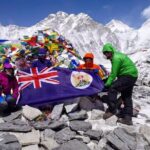
Day 9 is the day that most people dream about: Everest Base Camp. The route goes along the Khumbu Glacier. You reach Gorakhshep first, where lunch is served. Then you continue up to Everest Base Camp at around 5,400m.
Here’s the twist I’d share with you: at Base Camp, you don’t really get a clean view of Everest as a single, perfect postcard peak. Instead, you see a packed collection of surrounding giants—Khumatse, Pumori, Changtse, and the Khumbu icefall. It’s still unforgettable. It just feels more like standing inside a living machine of ice than staring at a lone summit.
Also, that day is long. The way you walk—steady, careful, not rushing—matters as much as the final destination.
Kala Patthar: the best view comes with the hardest steps
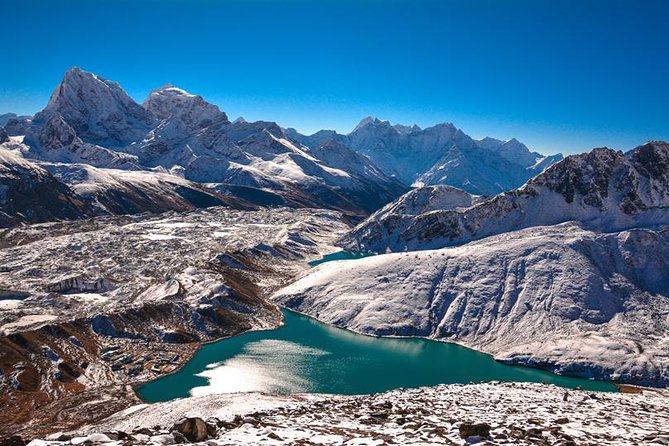
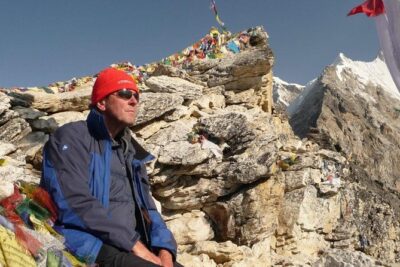
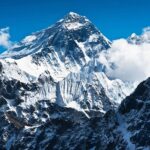
Day 10 is Kala Patthar, often called Black Rock. This is your summit-style push for views of Everest. The ascent is tough, but the payout is massive: at the top you can see a 360-degree view of some of the highest peaks in the world, including Pumori, Everest itself, and Lhotse. You’ll also spot Changtse and Nuptse plus many other peaks.
Then you descend and return toward Pheriche, retracing your steps back toward Lukla. This is a good reminder: going up is only half the challenge. The return portion tests your legs when you’re already high on adrenaline and low on energy.
Day 11 is the long trek back through the Khumbu region. You’ll follow your route down via Pangboche toward Tengboche, passing monasteries and rhododendron forests. You cross Imja Khola again, then keep descending toward Phungi Tenga and across the Dudh Koshi river. The pine forest walking shows up here too as you move toward Sansa and Kyanhjuma, then end at Namche Bazaar.
This is where the “Everest trek” feels real: you’re not only walking to arrive. You’re walking to return.
Suspension bridge to Lukla and the flight back to Kathmandu
Day 12 is your final descent day in the itinerary. You cross the Tenzing and Hillary suspension bridge, then keep going down until you reach Lukla for an overnight stay. This bridge moment is one of those things that makes you smile even when your knees are tired, because it connects the story of Everest to the actual physical act of getting back.
Day 13 is the flight day. You take an early morning flight from Lukla to Kathmandu, and you fly over the clouds with views of the Khumbu region. After landing, you check into your Kathmandu hotel and spend the rest of the day relaxing or exploring.
Day 14 is flexible on purpose. You can organize time around UNESCO heritage sites like Pashupatinath, Swoyambhunath, and Bouddhanath, or visit Baktapur Durbar Square. Or you can simply wander Thamel for souvenirs and casual meals. This day is valuable because it lets you land back in normal life without rushing.
Day 15 ends with a final goodbye. Representatives drop you off at the airport for your departure from Nepal.
What you get for the price: value that’s hard to match
At $1,690 per person, you’re not just paying for a route on a map. You’re paying for a system: guide support, permits, meals, lodging, and domestic flights with transfers and taxes included.
What stands out in the value math:
- Guide, logistics, and safety tools are included. You get a licensed mountain guide plus a first aid medical kit and an oxymeter to check pulse and oxygen saturation at higher altitude.
- Full board during the trek. Breakfast, lunch, and dinner during the walking days removes a lot of daily decision fatigue.
- Accommodation is handled. You have a Kathmandu hotel plus guesthouse stays during the trek.
- Domestic flights are included with taxes and transfers. That includes Kathmandu/Ramechhap to Lukla and back. For many people, the flights are the biggest moving piece—and here, they’re built into the plan.
What’s not included (and you should account for it):
- Nepal visa (if you need it)
- international flights to and from Nepal
- travel insurance, especially for helicopter evacuation if needed while trekking
- porter services (optional extra cost)
- personal expenses, tips, and drinks
One more note for your budget planning: the itinerary includes borrowed trekking cold-weather gear (down jacket and sleeping bag). That can save you from the pricey gear-buy decision—unless you already own your own kit and know it works for you.
The trekking pace, fitness expectations, and altitude reality checks
This trek is best suited to travelers with moderate physical fitness. That phrase can be vague, so I’ll translate it: you should be comfortable with long walking days, steep climbs, and rocky footing. The itinerary includes tougher uphill segments like the climb into Namche and the Kala Patthar push, plus long return walks that wear on your legs.
Altitude is the other reality check. You’ll go up to Everest Base Camp at around 5,400m and do Kala Patthar, and you’ll spend time acclimatizing in Namche and the Dingboche/Chhukung area. The included oxymeter is there to help you track oxygen saturation and pulse, not to make altitude harmless. You still need to follow the pace and rest advice your guide gives you.
Also, the trek is described as requiring good weather. That isn’t a small footnote. Weather is what keeps Lukla flights moving and what shapes daily hiking conditions. If the plan shifts because of weather, you’ll want a mindset that accepts flexibility.
Gear and daily comfort: what’s handled, what’s on you
You’ll borrow a down jacket and sleeping bag during the trek. That’s a big deal because nights at these altitudes can get seriously cold. Your accommodation is guesthouse style, so expect basic comfort rather than luxury.
Porters are available for extra cost, but the default setup is that you’re carrying your own luggage unless you add help. This is where you should be honest about your tolerance for weight and your interest in walking light.
Vegetarian meals are available if you ask ahead. That’s useful because food options at altitude can be limited, and you want to avoid last-minute scrambling.
On top of that, your guide brings equipment and support, and there’s a first aid kit plus the oxymeter for altitude checks.
Who should book this Everest Base Camp trek?
Book it if:
- you want someone to handle permits, pacing, and logistics
- you like a classic Everest Base Camp route with acclimatization built in
- you’d rather focus on walking and views instead of organizing transport and paperwork
- you want Sherpa culture through daily teahouse life and monastery stops
Consider a different style of trek if:
- you’re looking for a short, easy “walk to a view” vacation
- you hate rugged footing and long days
- you have a very strict schedule where flight-weather changes would be stressful
Should you book this Everest Base Camp trek?
If your main goal is to reach Everest Base Camp with a guide who manages the moving parts, I think this is a strong choice. The biggest reasons are practical: permits, full board, guesthouse stays, borrowed cold-weather gear, and safety monitoring tools are all included. That reduces the most common stress points that trip up first-time Everest trekkers.
Just go in with the right mindset. This is serious high-altitude walking. Your reward is huge, but the mountain demands respect.
If you’re ready to work for those views—and you want a plan that’s already built—you’ll likely feel glad you booked this one.
FAQ
What’s included for pickup and drop-off in Nepal?
You get airport pickup and drop-off in Kathmandu for both arrival and departure, covering international and domestic transfers. It also includes domestic flight transfers tied to the Lukla route.
How do the domestic flights work for Lukla?
Domestic flights are included for Kathmandu/Ramechhap to Lukla and back, with all taxes and transfers included.
Are trekking permits included?
Yes. The tour includes necessary permits for Sagarmatha National Park and Khumbu Pashang Lhamu Rural Municipality fees.
Is full board food included during the trek?
Yes. Food during the trek is full board, with breakfast, lunch, and dinner included.
What about accommodation during the trek?
You’ll stay in a hotel in Kathmandu and guesthouses during the trek.
Can I borrow cold-weather gear?
Yes. A down jacket and sleeping bag are provided/borrowable for the trek.
Is a vegetarian meal option available?
Yes. Vegetarian options are available if you advise the provider at booking.
Do I have to hire a porter?
No, porters are optional and can be booked at extra cost. If you don’t add one, you should expect to carry your own luggage.
Is there medical or altitude monitoring included?
Yes. The included first aid medical kit includes an oxymeter to check pulse and oxygen saturation at higher altitude.
What if weather affects the trek?
This experience requires good weather. If it’s canceled due to poor weather, you’ll be offered a different date or a full refund.