REVIEW · KATHMANDU
Everest Base Camp Trek 15 Days
Book on Viator →Operated by Sherpa Expedition & Trekking · Bookable on Viator
Everest Base Camp is a huge goal, and it rewards the prep. What I like most is how the trek connects the altitude dream to Sherpa villages and Buddhist monasteries, so you’re not just hiking for a photo. The second thing I love is the rhythm of warm, clean lodge nights while you work up toward high, dramatic views day after day. The main consideration: you need moderate physical fitness and patience for altitude, because it’s still a real trek.
You’ll start from Sherpa Expedition & Trekking on Chaksibari Marg in Kathmandu, with a 6:15am start time and pickup offered. This is a private tour/activity, so it’s just your group. It also ends back at the same meeting point, which makes the whole trip feel tight and organized.
Logistics-wise, the core of your travel is covered: dinners, breakfasts, lunches, plus a sleeping bag and duffel bag are included. If you’d rather self-manage parts of the budget (alcohol, snacks, and soda/pop), plan for those extra costs, because they’re not part of the package.
In This Review
- Key highlights worth your attention
- Everest Base Camp is the headline, but the trek is the product
- How Sherpa villages and monasteries change the whole trip
- The 15-day rhythm: hike, recover, repeat (in clean scenic lodges)
- Starting in Kathmandu: early launch and a private-group feel
- The practical value of meals, sleeping bag, and duffel
- Guides and porters: why the named team keeps showing up
- What the climb feels like: from rhododendrons to icefall glacier views
- The Everest Base Camp payoff: what you’re actually hiking for
- Price and logistics: where $2,400 makes sense (and where it doesn’t)
- Packing and fitness: the moderate requirement in plain language
- Who this trek suits best
- Should you book Everest Base Camp with this team?
- FAQ
- What time does the Everest Base Camp trek start?
- Where does the trek start, and do you return to the same place?
- Is pickup offered?
- Is this tour private?
- What’s included in the price?
- What isn’t included?
- How does cancellation work if weather affects the trek?
Key highlights worth your attention
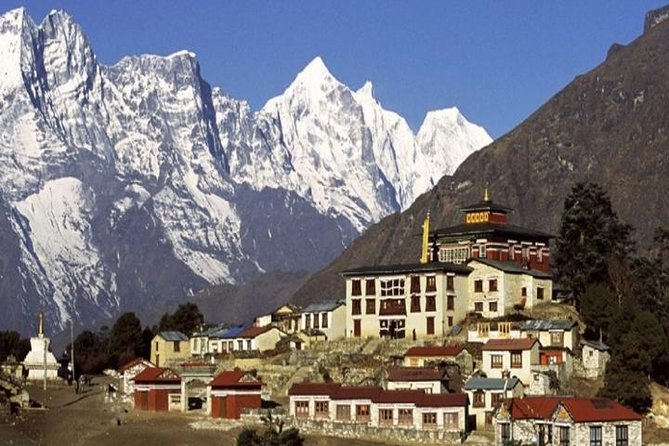
- Sherpa culture on the trail: Sherpa traditional villages with Buddhist culture and customs, plus monasteries along the way
- Comfort at night: clean, scenic lodges that help you recover instead of just surviving
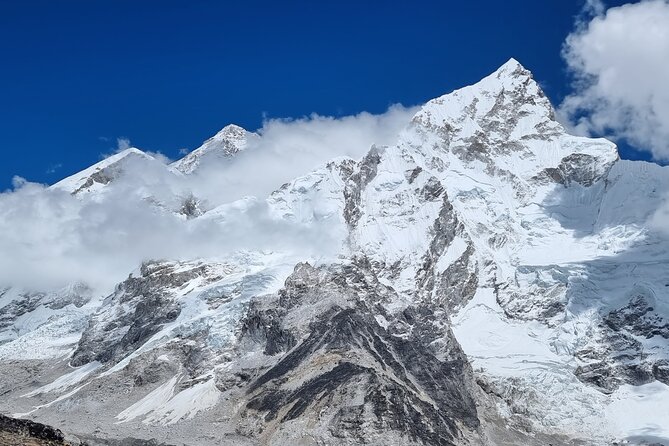
- Real mountain progression: panoramic views of high peaks, including the barren Khumbu icefall glacier area
- Experienced guiding: named guides like Pasang, Lakpa, Buddha Tamang, Ram, Gumbo, and Tendi show up in the story
- Porter teamwork matters: porters including Neema, Paseng, and Kumar are repeatedly credited with making the hike manageable
- Private group pace: you’re not mixing with random strangers in a big crowd
Everest Base Camp is the headline, but the trek is the product
Let’s be honest: Everest Base Camp sits at the top of a lot of bucket lists. But the trip you’re buying is not just a single destination at 5,364m. It’s the slow build—day after day—toward that final viewpoint, with Sherpa culture and mountain scenery woven into the pacing.
What makes this experience feel focused is how it blends three worlds: human culture, high-altitude travel, and practical comfort. You spend your time moving between Sherpa communities, old heritages, and monasteries, while also watching the environment change—from rhododendron and pine forest to the harsher look of the Khumbu icefall glacier area. Then you finish with the classic “we made it” feeling of seeing Everest up close from base camp.
And yes, the goal is big. But the tour is designed to help you get there without turning the whole trip into chaos. That’s where the guiding and lodge system matter.
You can also read our reviews of more tours and experiences in Kathmandu.
How Sherpa villages and monasteries change the whole trip
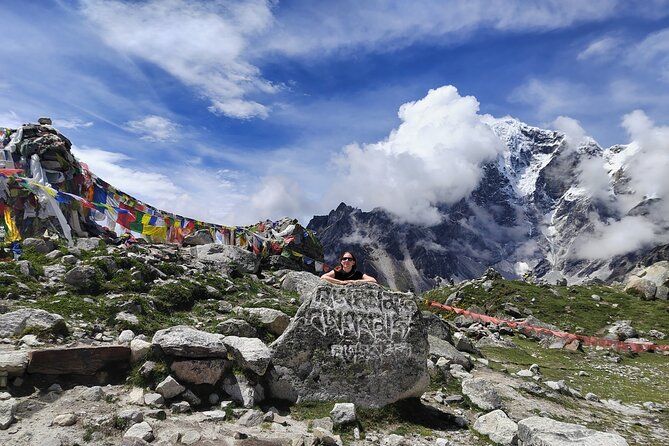
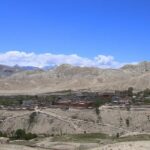
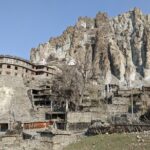
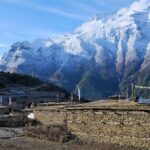
If you’re picturing Everest as only rock, snow, and breathlessness, this trek forces a better balance. The included plan explicitly calls out Sherpa traditional villages and Buddhist culture and customs, plus stops to see old heritages and interesting monasteries.
In practice, this usually means two things for your experience:
First, you get context. You’re climbing into a region with its own routines, beliefs, and traditions. Monasteries aren’t just scenery you pass; they’re part of the rhythm of the communities you’re walking through.
Second, you get breaks that feel meaningful. When you stop at monasteries or heritage spots, it’s not just “stop because the trail says so.” It’s a chance to slow down, see how locals live in the mountains, and remember that this trek is crossing an inhabited cultural landscape—not walking through an empty wilderness.
One of the best signs here is that guides are credited not only for navigation, but also for making the journey feel personal and safe. Named guides in the mix—like Pasang and Lakpa—are described as treating trekkers with real care, and that matters when culture and altitude are both on the menu.
The 15-day rhythm: hike, recover, repeat (in clean scenic lodges)
A 15-day Everest Base Camp trek is long enough to matter. That’s good news if you want time to adapt and breathe. It’s also a reality check: you’ll be hiking on consecutive days, dealing with fatigue, and relying on your lodge recovery time.
The tour’s promise includes nights in clean, scenic lodges and warm comfort after each hiking day. That’s not just a luxury detail. On an altitude trek, a decent night’s sleep changes how you move the next morning. Even small comforts—clean bedding, a warm room, and regular meals—can make the difference between feeling “fine” and feeling cooked.
You can also expect a steady progression of environments. The overview calls out:
- panoramic views of high mountains
- alpine rhododendrons and pine forests
- then the transition to more barren terrain
- and eventually the Khumbu icefall glaciers as part of the mountain backdrop
So the trek doesn’t stay the same. It keeps shifting as you climb, which helps you stay mentally engaged. Just don’t mistake scenery changes for an easier hike. Your body still has to work.
Starting in Kathmandu: early launch and a private-group feel
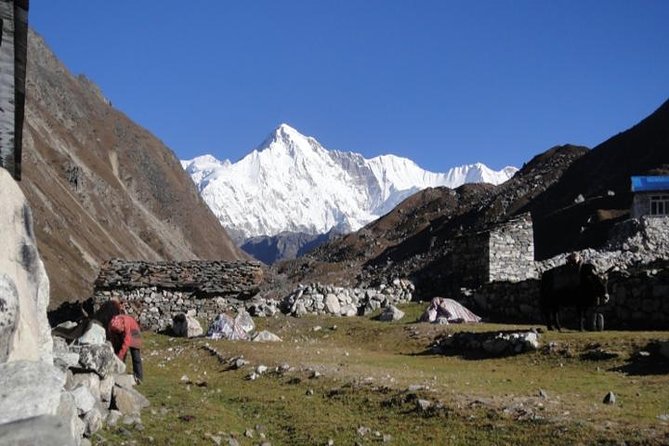
Your trip kicks off at Sherpa Expedition & Trekking in Kathmandu, located on Chaksibari Marg. The start time listed is 6:15am, and pickup is offered.
That early start matters more than it sounds. Mountain treks run on schedules set by weather, trail conditions, and lodging capacity. When a company is ready to move early, it usually means fewer awkward delays and less last-minute scrambling.
Because this is a private tour/activity, your group is not shuffled into someone else’s pace. That’s an advantage if you want steadier logistics, and if you’d prefer your guide to focus on your questions instead of splitting attention across a bigger group.
Also, the meeting point is described as near public transportation. That’s useful if you’re arriving in Kathmandu on your own and need an easy way to get to your briefing point before the early start.
The practical value of meals, sleeping bag, and duffel
Let’s talk about value, because the total cost can look high at first glance: $2,400 per person for an approximately 15-day trek.
Here’s what’s included in the package:
- Breakfast, lunch, and dinner (so you’re not hunting for meals daily)
- Sleeping bag and a duffel bag (big weight-saver and cost-saver)
- all fees and taxes
What’s not included:
- Nepal visa
- insurance
- tips for guide/porter
- alcohol
- soda/pop
- snacks
That inclusion list is meaningful. Many Everest trips fail the “value” test because you pay for a base price, then realize you still have to organize meals, sleeping gear, and basic logistics yourself. Here, the package covers the big daily needs and the gear that matters most for comfort.
The items not included are also normal, but you should plan them in. Visa and insurance are the big two. Tips, snacks, and drinks add up too, especially if you’re trying to keep hands warm with extra purchases along the trail.
Guides and porters: why the named team keeps showing up
In Everest trekking, the guide isn’t just a map with a voice. The guide can change your day from hard to manageable—mainly through pacing, communication, and support when altitude fatigue hits.
The strongest pattern in the information provided is how often specific guide and porter names are credited for making the trek work. Guides like Pasang, Lakpa, Buddha Tamang, Ram, Gumbo, and Tendi are tied to experiences of care, safety, and good organization. Porters like Neema, Paseng, and Kumar are repeatedly mentioned for going above and beyond.
That “team effect” shows up in a few practical ways:
- If your day gets slower because your body is adjusting, a good guide helps you keep moving without rushing.
- If you’re struggling with day packs, support can mean less strain and better morale. (One story notes that porters helped carry day bags when people were exhausted.)
- If weather or flights complicate Kathmandu timing, you benefit from flexible communication. One account highlights that the organizer and guide worked around a flight delay and met later at the hotel to get people ready.
For you, the takeaway is simple: choose a company where the human team feels like it matters. This one clearly leans on that.
What the climb feels like: from rhododendrons to icefall glacier views
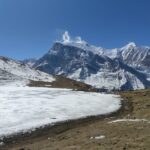
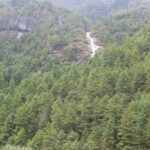
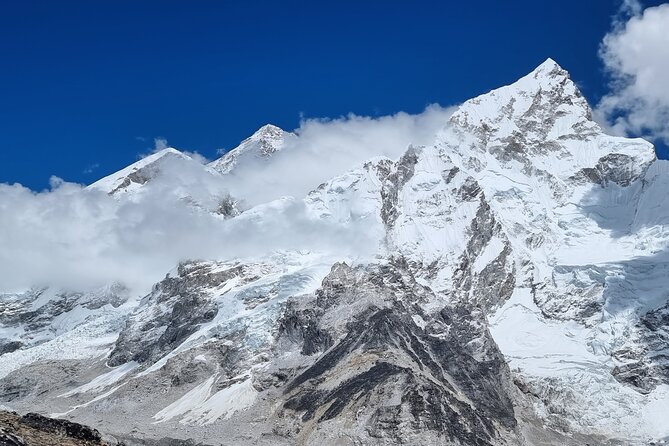
The overview paints a clear environmental arc. Early on, you’re walking through areas associated with alpine rhododendrons and pine forests. Later, you encounter the barren Khumbu icefall glaciers.
That progression matters because it shifts your visual expectations and your physical demands. Forest and rhododendron sections can offer shade and variety. As the terrain turns harsher, the trail can feel more exposed and the air can hit harder.
Even without an exact day-by-day stop list here, the mountain “story” is enough to set expectations for what’s coming:
- You’ll keep gaining panoramic views of high peaks
- You’ll see cultural stops—villages, old heritage sites, and monasteries
- Then you’ll reach the parts of the Khumbu that feel stark and glacial, including icefall glacier scenery
If you’re the type who gets anxious when the hike suddenly changes, you’ll appreciate that this trek is designed around gradual progression and recovery in lodges. If you’re the type who thrives on big changes, you’ll like how the trek keeps visually escalating rather than staying repetitive.
The Everest Base Camp payoff: what you’re actually hiking for
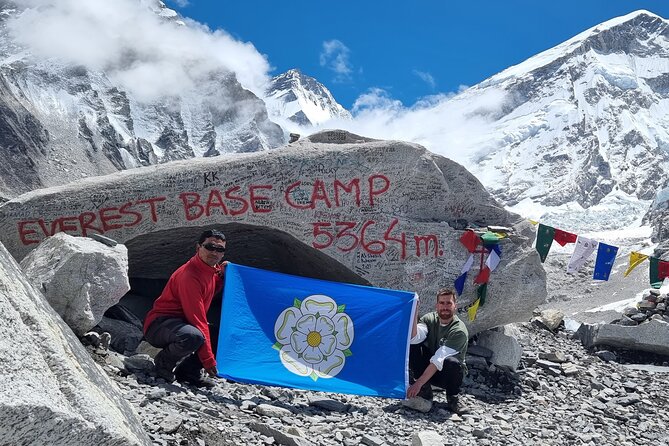
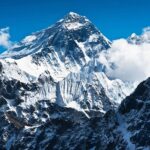
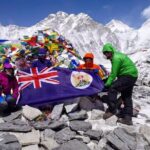
At the end, you reach Everest Base Camp at 5,364m. The point isn’t just to say you were there. It’s to have a high-altitude goal that makes the weeks of effort feel worth it.
When you arrive, you’re likely to experience a mix of emotions: relief, awe, and a strange calm. That’s the classic reaction on big altitude treks—because your brain finally catches up to the work your body did.
What helps you get there is what the trip includes:
- consistent meals (so you’re not under-fueled)
- overnight lodge comfort (so you can reset)
- guiding focused on safety and attention to altitude adaptation (seen in notes about people feeling safe and well looked after)
So the payoff is not only the altitude viewpoint. It’s the sense that someone guided the whole process in a way that respected your limits.
Price and logistics: where $2,400 makes sense (and where it doesn’t)
Let’s do a straight value check.
$2,400 per person for about 15 days includes:
- all main meals
- sleeping bag + duffel
- fees and taxes
That’s a solid baseline for an organized Everest trek, especially because gear and daily food can easily balloon when you organize yourself.
But the price won’t include:
- your Nepal visa
- travel/medical insurance
- tips for guide/porter
- snacks and non-included drinks
So the real question is: are you the type who would buy gear and sort logistics anyway? If yes, you may feel the cost less painful. If you’re trying to travel light and avoid extra planning, the inclusions here make the trip more efficient.
Also, because this is a private trek, you’re paying for exclusivity in group size and attention. That can be worth it if you want a calmer pace and more direct communication with your guide.
Packing and fitness: the moderate requirement in plain language
The tour description says you should have moderate physical fitness. That’s not a free pass. It means you can handle hiking days at altitude without needing to stop every 10 minutes. It also means you should be prepared for uneven terrain and long days on your feet.
Practical tip: train for hiking with a pack before you go. Even if you’re physically active, altitude changes everything. And on a trek this length, the goal is not one big push—it’s staying steady and letting your body adapt.
The other key piece is your comfort at night. Because the trip includes a sleeping bag and lodge stays, you can focus on movement and recovery rather than improvising sleep gear at altitude.
Who this trek suits best
This Everest Base Camp trek fits best if you want:
- a guided trip with private-group attention
- a culture-and-monastery element, not just an altitude stamp
- warm lodge nights and full meal support
- a team approach with guides and porters working together
It may not be ideal if:
- you’re looking for a relaxed walk with minimal hiking
- you don’t want to plan for visa/insurance/tips
- you have very limited stamina and need a highly medical-style pace
If you’re the kind of traveler who likes clear structure, steady support, and a meaningful cultural lens alongside the Everest goal, you’re in the right place.
Should you book Everest Base Camp with this team?
I’d book if your priorities are good guiding, cultural stops, and a trip that’s organized enough to keep you focused on the mountains instead of logistics. The repeated emphasis on named guides and porters—along with notes about safety, flexible communication in Kathmandu, and support on the trail—suggests the human side is strong here.
I’d think twice if you hate early mornings, struggle with altitude hiking, or you’re not ready to cover visa/insurance/tips and personal extras like snacks and drinks.
If you’re aiming for Everest Base Camp and you want the trek to feel like a real journey—Sherpa villages, monasteries, lodge comfort, and gradual high-mountain escalation—this is a practical choice.
FAQ
What time does the Everest Base Camp trek start?
The start time is listed as 6:15am from the meeting point in Kathmandu.
Where does the trek start, and do you return to the same place?
It starts at Sherpa Expedition & Trekking on Chaksibari Marg in Kathmandu, and the activity ends back at the meeting point.
Is pickup offered?
Yes, pickup is offered.
Is this tour private?
Yes. It’s described as a private tour/activity, meaning only your group participates.
What’s included in the price?
The package includes breakfast, lunch, and dinner, plus a sleeping bag and duffel bag, and it covers all fees and taxes.
What isn’t included?
Not included are the Nepal visa, insurance, tips for the guide/porter, alcoholic beverages, soda/pop, and snacks.
How does cancellation work if weather affects the trek?
You can cancel for a full refund up to 24 hours in advance. The experience requires good weather, so if it’s canceled due to poor weather, you’ll be offered a different date or a full refund.