REVIEW · KATHMANDU
Everest Base Camp Trek 14 Days
Book on Viator →Operated by Nepal Nirvana Trails · Bookable on Viator
Altitude starts with a single hop. In this Everest Base Camp trek, you fly into Lukla and gain altitude step-by-step through Namche Bazaar plus dedicated acclimatization days, which I really like because it helps your body adjust while still keeping the trip moving. I also like the end-to-end organization, from the Thamel airport pickup and equipment check to your return to Kathmandu. One drawback to think about: the $999 price covers flights, permits, and guide support, but it does not include your own accommodation and meals on the trek, Nepal visa, or insurance for emergency rescue.
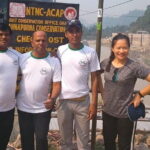
You’ll also appreciate the private-tour feel. It’s only your group, so you can keep a steady pace and ask questions freely. In the team’s client feedback, names like KP Dhital, plus guides including Raju, Roshan, Abinash, Ram, Man Bahadur, Navraj, Bhairas, and Bala show up often, and that matters on a route where timing and altitude can make things stressful.
In This Review
- Key points before you go
- From Thamel to Lukla: the trek’s pace starts on Day 2
- Namche Bazaar: where you adjust and earn the Everest View Point rewards
- Tengboche to Dingboche: forests, a monastery stop, and high-mountain panoramas
- Day 7 acclimatization choice: Nangkartshang Peak or Chhukung Ri
- Lobuche: uneven rocky walking on the way to Gorakshep
- Everest Base Camp and Kalapatthar: the two-view sequence that makes the trip click
- Return days: back to Namche, then Lukla, then a Thamel free day
- $999 for Everest Base Camp: what’s included and what you still own
- Guide care that people remember: the human side of a hard route
- What to budget outside the package (and why it matters)
- Who should pick this Everest Base Camp plan
- Should you book Everest Base Camp with Nepal Nirvana Trails?
- FAQ
- Where does the Everest Base Camp trek start and when?
- How do airport transfers work?
- Is this trek private or shared with other groups?
- Are flights to Lukla included?
- Do I need park permits, and are they included?
- What about tickets—are they paper or digital?
- What is not included in the $999 price?
- What kind of fitness level do I need?
- Is there free time in Kathmandu at the end?
- What is the cancellation policy?
Key points before you go
- 5:45 am start in Kathmandu with pickup support from your hotel area or Tribhuvan Airport
- Lukla flights are included, which is the difference-maker on getting to the Khumbu fast
- Namche Bazaar acclimatization plus a hike to Everest View Point gives you early “wow” without rushing
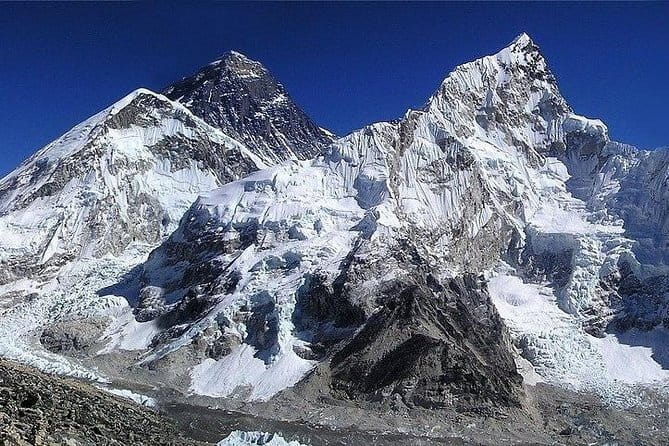
- Two signature viewpoint days: Everest Base Camp (with Khumbu Icefall views) and Kalapatthar
- TIMS and Sagarmatha National Park permits included, plus guide food, equipment, and insurance
From Thamel to Lukla: the trek’s pace starts on Day 2
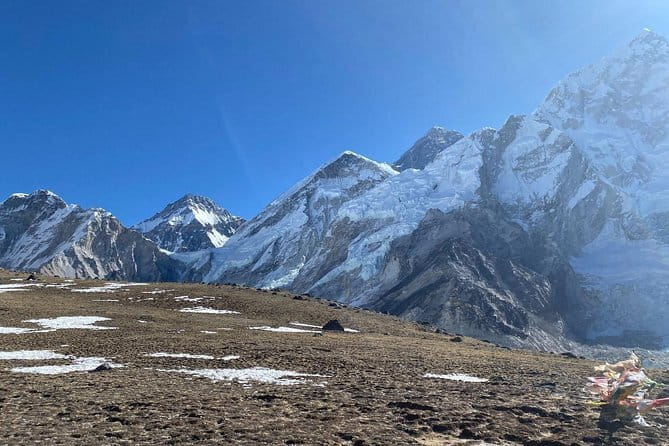
Your trip begins in Kathmandu, in the Thamel area or close by. Expect an airport representative to meet you and escort you to your hotel/hostel, then you’ll be introduced to your guide in the evening. That first meeting is more than polite introductions. It’s when you can get your equipment checked and get a reality check on what you’ll carry versus what you can lighten.
The big moving part is the next morning. The plan is a flight to Tenzing Hillary Airport in Lukla (a short, high-impact step that quickly shifts you into trekking mode). After that, you walk up to Phakding for the night. This is a smart opening day because it lets you settle into the rhythm of the trail after the flight, instead of jumping into a long climb right away.
Two practical tips for your first day, based on how this route is structured:
- Keep your morning routine simple. A fast start time means you want your essentials ready the night before.
- Don’t treat Day 2 like a casual stroll. You’ve just flown into a high place, and even when the walk looks manageable on paper, your breathing is already paying attention.
You can also read our reviews of more tours and experiences in Kathmandu.
Namche Bazaar: where you adjust and earn the Everest View Point rewards
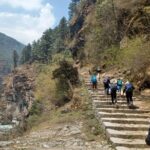
Day 3 takes you through Sagarmatha National Park, with the hike starting by crossing the Dudh Koshi River and passing through Monjo village. Then you reach Namche Bazaar. I like this approach because it gives you a clear “route storyline”: river crossings, forest walking, and then a town that feels like the hub of the Khumbu.
Day 4 is where the itinerary earns its keep. You stay at Namche Bazaar to adjust to the altitude, then hike up to the Everest Hotel area for big views. From there, you can see Mount Everest along with peaks like Ama Dablam, Thamserku, and Lhotse. This is exactly the kind of acclimatization day that doesn’t waste your time. You’re not stuck doing nothing—you’re moving in a controlled way, then resting.
What I think you should do on days like this:
- Use the view hike to check your gear comfort (shoes, socks, water plan). Fixing a blister early is way easier than managing one at higher altitude.
- Let your body set the pace. Even if you feel good at Namche, you’re still preparing for the higher stretches ahead.
Tengboche to Dingboche: forests, a monastery stop, and high-mountain panoramas
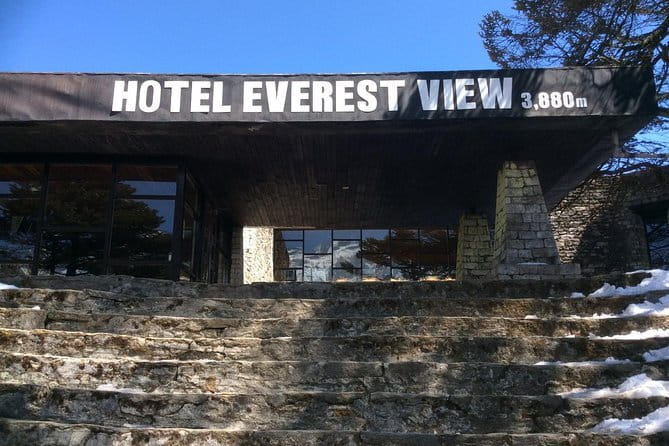
On Day 5, you leave Namche behind and continue toward Tengboche. The trek passes through juniper and rhododendron forests, and the mountains show up more clearly as you move. The highlight is Tengboche, where you visit the gompa (monastery). I like this stop because it slows things down in the right way. The Everest Base Camp trek isn’t just about peaks—it’s also about how people live here, pray here, and see the mountains up close.
Day 6 brings you to Dingboche. You cross the Imja Khola and then walk on trails framed by panoramic views, including Island Peak and Ama Dablam. Dingboche is a key staging point: you’re higher now, and the route starts feeling more Himalayan and less “village trek.”
The practical consideration here is pacing. The walk still feels like walking, but altitude turns everything from “effort” into “breath management.” If you push hard, you’ll pay later. The itinerary’s rhythm is designed to keep you moving, but you still control how hard you go.
Day 7 acclimatization choice: Nangkartshang Peak or Chhukung Ri
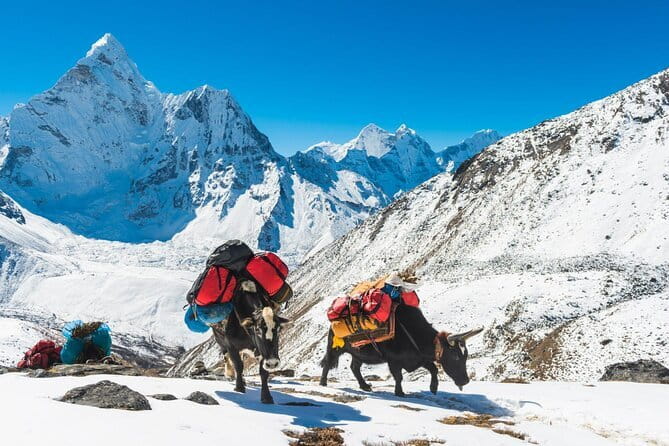
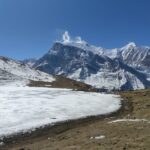
Day 7 is your second acclimatization day at Dingboche. This is one of the reasons this trek feels like it respects altitude. You have an option to hike either to Nangkartshang Peak (5083 m) or Chhukung Ri (5546 m). Both are high, both are strenuous, and both can deliver serious scenery—Everest, Ama Dablam, Island Peak, Pumori, and more.
Here’s how I’d think about choosing between them:
- Pick the one that matches your energy that morning. This isn’t a race day.
- If you’re feeling any early signs of altitude trouble (even mild ones), choose the lower option and keep your breathing steady.
This is also a day where your guide’s experience matters. Guides on this trek are often praised for personal care and adjusting pace for individuals—names that came up in the team’s client feedback include Raju, Roshan, and Abinash, and people credited their guides for support, humor, and making the experience feel tailored rather than scripted.
Lobuche: uneven rocky walking on the way to Gorakshep
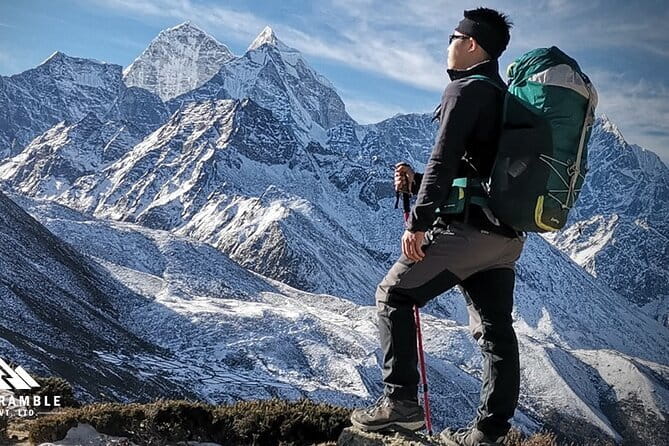
Day 8 moves you to Lobuche, and the walk includes uneven, rocky terrain. The views are a big payoff: Pumori, Nuptse, Lobuche Peak, and other high points line the route.
This is a useful day psychologically. By Day 8, Everest Base Camp feels close, but the path still asks for effort. That combo—familiarity with the rhythm, plus the reality check of a rougher trail—is where good preparation shows. If you’ve been carrying your body carefully so far, you’ll usually feel more in control here.
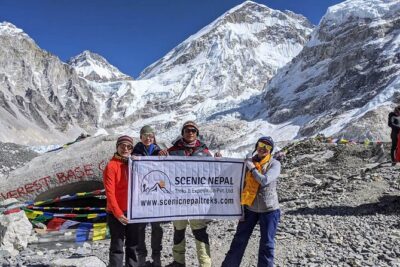
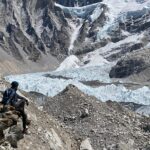
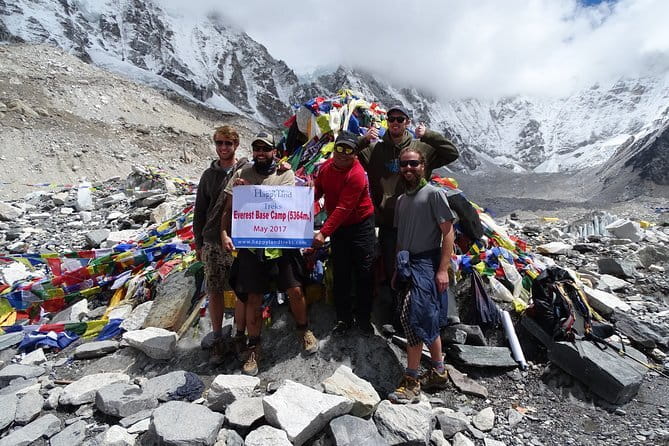
Day 9 is the long day: you trek through the Khumbu Glacier area to Everest Base Camp, then return to Gorakshep. The big draw is the view of the Khumbu icefall from Everest Base Camp. Also, you’ll spend a night at Gorakshep, which sets you up for the next day’s signature viewpoint.
If you want one direct piece of advice for Day 9: manage expectations on time and energy. It’s long, it’s high, and it’s not the day to chase a fast pace. Your goal is to get to Base Camp feeling steady enough to enjoy it.
Everest Base Camp and Kalapatthar: the two-view sequence that makes the trip click
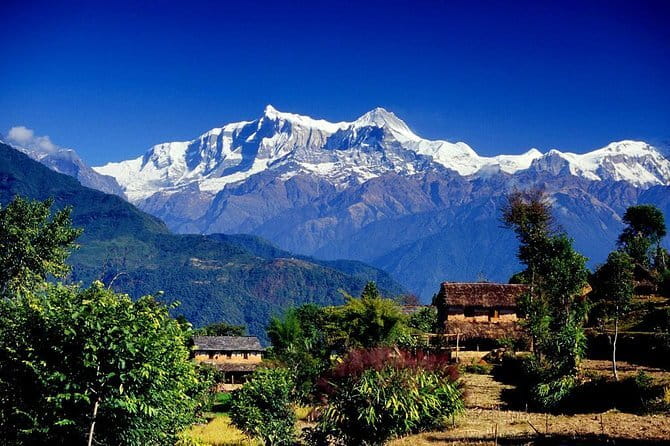
Day 10 is built around a classic Everest sequence. You hike up to Kalapatthar for magnificent views of Mount Everest, then continue down to Pheriche.
I like this ordering. Base Camp gives you the emotional center of the trek. Kalapatthar gives you the big picture angle—often the view people carry home when they try to explain Everest to friends back in Kathmandu. Together they make the “story” of the trek feel complete: human-scale trails leading to a global icon, then a final climb that shows you how immense the region really is.
One practical note: after a high viewpoint day, your legs need kindness. The itinerary includes a descent to Pheriche, which helps your recovery. Treat the downhill like training for tomorrow, not a free pass to move too fast.
Also, take time to look around when you’re stopped. On Everest routes, it’s easy to focus only on the peak ahead, but the details in the air and the sheer scale of the glacier systems are part of what makes the experience memorable.
Return days: back to Namche, then Lukla, then a Thamel free day
Day 11 brings you from the high country back toward Namche Bazaar, crossing suspension bridges and passing through villages along the way. The idea here is simple: you still trek, but you’re gradually lowering altitude.
Day 12 continues down to Lukla via Jorsale and Monjo, with more bridges and walking along the Dudh Koshi River before reaching Lukla.
Day 13 is your early flight back to Kathmandu (about 35 minutes). Then the rest of the day is free. You can stroll around Thamel and shop for souvenirs.
I like that the plan gives you a clean recovery buffer after the trekking peak days. That free time isn’t fluff. You’ll likely want it to decompress, wash trekking dust off everything, and buy the small things you forgot you needed (or bring home the things you actually wanted).
$999 for Everest Base Camp: what’s included and what you still own
At $999 per person, the value here comes from the structure. You’re paying for a turnkey backbone:
- airport transfer services (arrival/departure) and local flight schedule
- your guide’s salary, plus food and equipment, and guide insurance included
- TIMS and local permits
- Kathmandu/Manthali ↔ Lukla flights and the return
- government tax/VAT and official expenses
So what are you not paying for? The itinerary excludes: international flights, Nepal entry visa, and travel/health insurance that covers emergency rescue and evacuation. It also does not include accommodation and food for you during the entire trip. Tips for the trekking guide are also expected.
This is the part you should check carefully before you commit. The $999 number can look like a full package, but it’s really a trip framework with major items handled and your daily trek costs still on you.
If you’re budgeting, plan for: your own lodging in the trekking villages (often tea-house style) and your own meals throughout the trek, plus the insurance you’ll need for rescue/evacuation coverage. If you ignore that, it’s easy to end up surprised at the end.
Guide care that people remember: the human side of a hard route
The route is famous. But what makes it smoother is usually human support. In the team’s client feedback and replies, KP Dhital and the crew show up as consistently involved. People thanked specific team members like Man Bahadur and Navraj for handling the full run of details, and other guides were praised by name—Bhairas and Bala for their support, Raju for being warm and attentive, Roshan for care and humor, and Abinash for tailoring the experience to personal needs.
That matters because Everest Base Camp trekkers don’t all react the same way to altitude and fatigue. Having a guide who watches your pace, encourages the right amount, and keeps the group organized can mean the difference between a trip that feels controlled and one that feels chaotic.
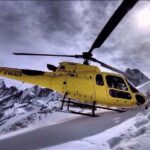
Even more telling: one solo trekker described logistics complexity involving a helicopter return, and credited KP with helping them get on a flight back. That’s not something you plan for, but it’s exactly why choosing a company that stays engaged can be worth extra cost.
What to budget outside the package (and why it matters)
Because accommodation and meals for guests aren’t included, your day-to-day spending will depend on how you eat and how comfortable you want your rooms to be. The itinerary keeps you in villages along the way, so you’ll be paying locally rather than using a hotel-based system every night.
Also, insurance is not optional in practice. The trip specifically excludes travel and health insurance that covers emergency rescues and evacuations. This matters on Everest routes because high-altitude issues can escalate quickly, and evacuation is expensive.
Finally, tips are expected for the trek guide. If you hate tipping, adjust your mindset now. On this kind of trek, it’s part of how local workers are rewarded for carrying your experience safely.
Who should pick this Everest Base Camp plan
This itinerary is a good fit if you want:
- a structured route with built-in acclimatization days (Namche Bazaar plus two days around Dingboche)
- a private setup for your group
- major logistics handled for you, especially the flights to and from Lukla
- a classic Everest Base Camp sequence with Kalapatthar
It also fits solo trekkers and families who prefer an organized plan. In the team’s feedback, there are examples of solo journeys and a father-daughter trek that went smoothly with the team arranging the right pace and accommodations.
The main condition is fitness: the experience lists moderate physical fitness as a requirement. That doesn’t mean you need to be an athlete. It means you should be comfortable hiking daily and dealing with altitude, uneven ground, and long days like the Base Camp push.
Should you book Everest Base Camp with Nepal Nirvana Trails?
I’d book if you want a dependable, organized Everest Base Camp trek with Lukla flights, permits included, and a guide team that stays involved from Thamel pickup to your return flight. The itinerary’s acclimatization design is also a strong signal: you’re not being rushed through the altitude ramps.
I wouldn’t book if you’re hoping the $999 is truly all-in. You still own your Nepal entry visa, your insurance for rescue/evacuation coverage, and your accommodation plus meals during the trek. If that’s fine with your budget and you’re ready for the kind of daily walking this route requires, then this plan is a solid way to do Everest Base Camp without guessing at the big logistics.
FAQ
Where does the Everest Base Camp trek start and when?
The trek starts in Kathmandu (Nepal Nirvana Trails at Saat Ghumbti Marg, Kathmandu 44600). The start time is 5:45 am.
How do airport transfers work?
Airport transfer services are included for arrival and departure. You’ll also get pickup support from your hotel where you stay or from Tribhuwan Airport.
Is this trek private or shared with other groups?
It’s listed as a private tour/activity, so only your group participates.
Are flights to Lukla included?
Yes. Flight tickets from Kathmandu or Manthali to Lukla, and the return from Lukla to Kathmandu or Manthali, are included.
Do I need park permits, and are they included?
Yes, you need permits for the trek. The tour includes all applicable National park TIMS and local permits.
What about tickets—are they paper or digital?
The trip features a mobile ticket.
What is not included in the $999 price?
Not included are international flight tickets, Nepal entry visa, travel and health insurance (including emergency rescues and evacuations), and accommodation and food for guests during the entire trip. Tips for the trekking guide are also not included.
What kind of fitness level do I need?
The experience states travelers should have a moderate physical fitness level.
Is there free time in Kathmandu at the end?
Yes. After the early morning flight back to Kathmandu on Day 13 (about 35 minutes), the rest of the day is free. You can also extend your tour to Nepal.
What is the cancellation policy?
Free cancellation is available. You can cancel up to 24 hours in advance for a full refund; within 24 hours, there’s no refund.