REVIEW · MU CANG CHAI
Half Day Private Trekking Mu Cang Chai_Morning or Afternoon
Book on Viator →Operated by Indigenous Adventure · Bookable on Viator
Mu Cang Chai hits different in just hours. This private half-day trekking outing gets you into rice-terrace valleys and Hmong villages with an English-speaking Hmong guide, plus a choice of route and included homestay lunch. Group size stays capped at six, so your questions don’t get lost in the crowd.
I especially love the pace: 4 to 5 hours is long enough to feel like you went somewhere real, without burning your whole day. I also love that lunch happens at an indigenous homestay, not a quick stop that feels like a pit stop.
One thing to consider: it’s weather-dependent. If conditions aren’t good, the tour can be moved or refunded, and you’ll want to be ready for rain because the terrain is still the terrain.
In This Review
- Key things to know before you go
- A half-day Mu Cang Chai trek: what your 4–5 hours feel like
- Đồi Mâm Xôi vs La Pan Tẩn viewpoint: choosing your trek
- Walking with an English-speaking Hmong guide (and why it changes everything)
- Homestay lunch included: what to expect and how to make it smooth
- Price and logistics that affect your actual day (not just the number)
- What to bring and how to handle rain (4–5 hours still counts)
- Should you book this Mu Cang Chai half-day private trek?
- FAQ
- How long is the Mu Cang Chai private trekking tour?
- Is lunch included?
- Do I get transfers from my accommodation?
- What route options are available?
- Is there an English-speaking guide?
- What’s included in the price, and what isn’t?
- What happens if the weather is bad?
Key things to know before you go
- Capped at six: small-group feel with room for questions and photos
- English-speaking Hmong guide: cultural context as you walk, not just at the viewpoint
- Two route options: Đồi Mâm Xôi (Raspberry Hill) or a popular La Pan Tẩn rice-field route
- Homestay lunch included: a real stop that ties the trek to daily life
- Transfers from La Pa Tán area: hassle-free round-trip from your local accommodation area
- Short trek, focused route: plan for a moderate walk, not a full-day hike
A half-day Mu Cang Chai trek: what your 4–5 hours feel like
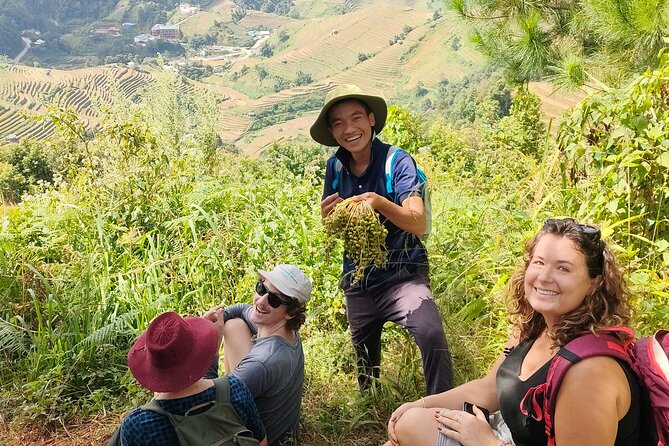
This is the kind of Mu Cang Chai outing that fits a realistic travel schedule. Expect about 4 to 5 hours total, including the time spent walking terrace valleys, stopping at a viewpoint, and moving through Hmong villages. Because it’s private for your group (and capped at six), the guide can slow down for questions when something catches your eye.
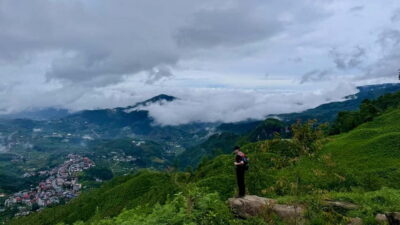
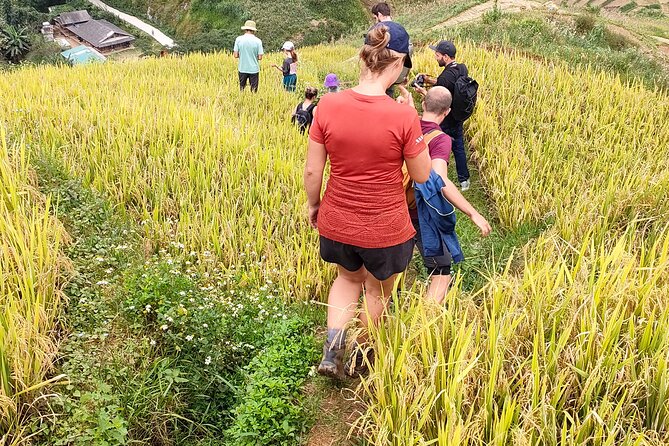
You start from the Mu Cang Chai area meeting point and build your trek around major terrace viewpoints, with time to notice how people live with the mountains. You’ll see rice field work, household activities, and the way daily routines adapt to remote terrain. The route is designed so you get the famous scenery without needing a full marathon day.
The main tradeoff is simple: half a day means you’ll cover highlights, not everything. If your dream is multi-day hiking and deep village stays, you’ll want a longer format. But if your goal is to experience the terraces and culture with less time pressure, this works.
You can also read our reviews of more tours and experiences in Mu Cang Chai.
Đồi Mâm Xôi vs La Pan Tẩn viewpoint: choosing your trek
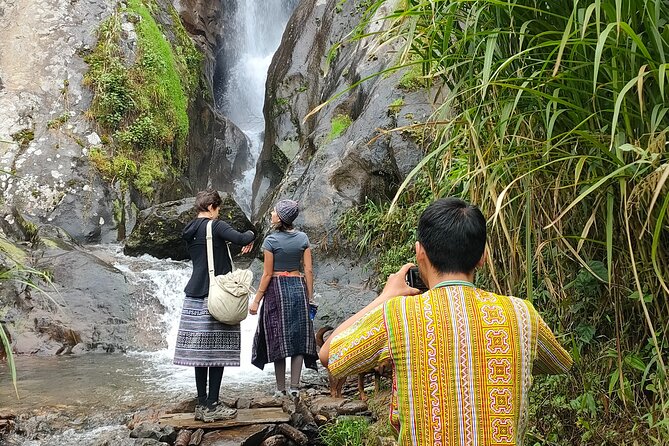
You get a route choice, and it matters because you’ll see different angles of the terracing.
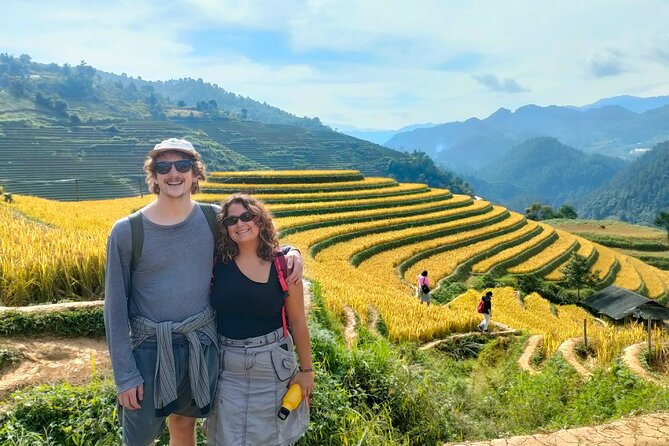
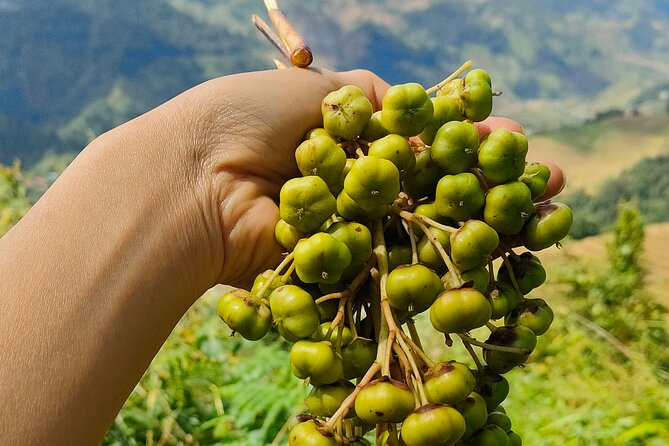
One option runs toward Đồi Mâm Xôi, also known as Raspberry Hill. This viewpoint is the one most people recognize from Mu Cang Chai photos, and it’s often where the day’s big “wow” moment lands. If you want the most iconic terrace view in the shortest time, this is the safe bet.
The second option goes via a La Pan Tẩn viewpoint and a popular rice-field route. It’s a strong choice if you like a more village-and-rice-walk rhythm, with chances to observe how people work the fields and manage home life along the trail.
Either way, you’ll end up with lunch at a homestay. So you’re not choosing between “scenery” and “comfort.” You’re choosing which part of the Mu Cang Chai story you want to emphasize: the Raspberry Hill view or the La Pan Tẩn route’s day-to-day village atmosphere.
Walking with an English-speaking Hmong guide (and why it changes everything)
What makes this trek feel more authentic isn’t just the terraces. It’s the person leading the walk.
Your guide is Hmong and speaks English, which means you’re not stuck guessing. You’ll get explanations of customs and everyday life as you move from rice terraces to traditional villages. The guide can also point out practical details you’d likely miss on your own—like how people earn a living in mountain conditions and how household skills connect to village life.
One standout detail from past guests: they often mention guides like Yien, who grew up in La Pan Tẩn and knows these paths from the inside. When your guide has local roots, the stops feel less like a script and more like a conversation you can step into.
You’ll also see real activity, such as people working in the rice fields or sewing clothes, plus rural routines like tending buffalo. Those moments are brief, but they add texture. They make the scenery feel lived-in, not staged.
A small-group setup (capped at six) also helps here. If you want to ask about farming, daily customs, or how life works around the terraces, you actually get time to do it.
Homestay lunch included: what to expect and how to make it smooth
Lunch is included, and it’s served at an indigenous homestay after your trek. That’s a big value point because you’re not paying extra for a “tourist lunch” somewhere detached from the village. Bottled water is included too, which helps when you’ve been walking.
What you might not get is luxury. Homestays are about community and everyday routine, not polished dining rooms. For the best experience, treat it like a cultural pause: be ready to eat what’s offered, keep a respectful attitude, and understand this is part of how families share their lives with visitors.
The guide plays a key role here. In a homestay setting, translation and context matter. You’re more likely to understand what you’re seeing—why certain foods are common, how daily schedules work, and how the family connects the meal to the day’s rhythm.
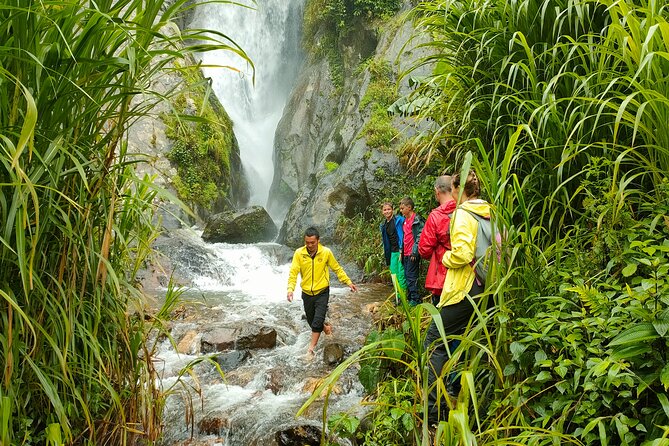
If you’re sensitive to timing, plan around the fact that rain can change pacing. Past guests have had heavy rain but still reported the experience staying focused on terraces and village life, not getting reduced to a rushed, indoors-only day.
Price and logistics that affect your actual day (not just the number)
The price is $60 per person for a half-day private trekking experience. On paper, that’s not the cheapest option in Vietnam. But it includes several things that matter when you’re in a rural area: lunch, bottled water, entry tickets, and guided trekking with an English-speaking Hmong guide.
You’re also getting transfers—specifically 2-way transfers from the La Pa Tán area homestays and hotels. That sounds minor until you’re dealing with mountain roads, timing, and figuring out where your driver drops you. Here, the tour is built around meeting you where you’re already staying in that area.
There’s also a cap of six, and that’s part of why $60 can feel fair. A capped small group plus a private feel usually means better attention from the guide, and you’ll spend less time waiting while someone catches up.
One quick reality check: because it’s private for your group, the per-person cost is best when you’re not going solo. If you’re traveling with a friend or two, you’ll likely feel better about the value.
What to bring and how to handle rain (4–5 hours still counts)
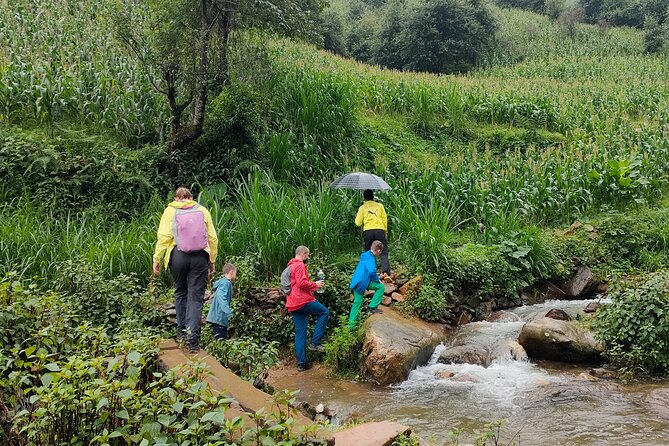
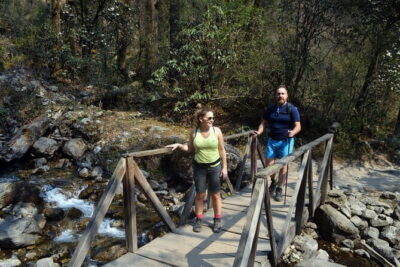
Plan for a moderate walk. This isn’t described as extreme, but you are trekking in rice-terrace terrain, so footing matters.
Bring:
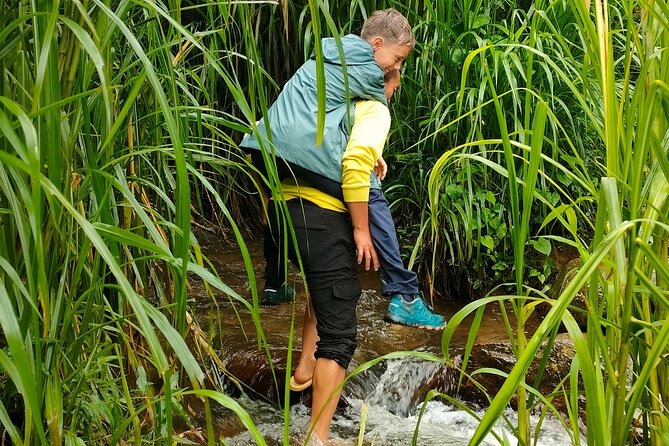
- Comfortable shoes with grip for muddy or slippery sections
- A rain layer you trust (because weather can change fast here)
- Sunscreen and water beyond what’s provided, if you know you drink more
The tour requires good weather. If poor weather cancels the trek, you’ll be offered a different date or a full refund, so you won’t get stuck with nothing. Still, in mountain trekking, good weather often means “weather that lets you walk,” not “perfect sunshine.”
Also think about your lunch expectations. You’re eating after the trek at a homestay, so don’t plan a strenuous activity right before. This is meant to be a focused block that resets your day rather than exhausts it.
Should you book this Mu Cang Chai half-day private trek?
Book it if you want a meaningful Mu Cang Chai experience without spending your whole day trekking. You’ll get the big terrace viewpoints (including options like Đồi Mâm Xôi/Raspberry Hill), village life with a Hmong guide, and an included homestay lunch. The small group cap is a real quality lever, and the guide’s language skill helps you understand what you’re seeing.
Skip it or choose a different style if you’re chasing a longer, deeper hike with lots of time in villages beyond a short walking loop. Also reconsider if rain is a deal-breaker for you—this tour can be moved if weather is poor, but the trek itself is on outdoor terrain.
If your ideal day is: terraces, culture, good guiding, and enough rest afterward, this is one of the more practical ways to do Mu Cang Chai.
FAQ
How long is the Mu Cang Chai private trekking tour?
It runs about 4 to 5 hours (approx.).
Is lunch included?
Yes. Lunch is included.
Do I get transfers from my accommodation?
The tour offers hassle-free 2-way transfers from La Pa Tán area homestays and hotels.
What route options are available?
You can choose a route via Đồi Mâm Xôi (Raspberry Hill) or a route via the La Pan Tẩn viewpoint and rice-field area.
Is there an English-speaking guide?
Yes. Your local Hmong guide speaks English.
What’s included in the price, and what isn’t?
Included: lunch, bottled water, and entry tickets. Not included: beverages.
What happens if the weather is bad?
The experience requires good weather. If it’s canceled due to poor weather, you’ll be offered a different date or a full refund. You can also cancel for a full refund up to 24 hours before the experience starts.