REVIEW · MARRAKECH
2 DAY BERBER VILLAGES TREK FROM MARRAKECH ( azzaden valley )
Book on Viator →Operated by Toubkal Experience · Bookable on Viator
Tizi passes and terraced valleys in two days can feel like a magic trick. This trek takes you from Marrakech into the Western High Atlas, past small hamlets and Berber villages like Imlil, Arghen, and M’zzik, then up and over the Tizi M’zzik crossing toward big views and the famous Tamsoulte waterfalls. I especially like the way the route mixes altitude drama (passes around 2450–2684m) with real village life in places like Tizi Oussem, and I like that you get proper mountain time at a human pace—about 6 hours walking on day 1 and 5 hours on day 2. The main consideration is simple: this is mountain trekking, so you’ll want good footwear and to be comfortable with steady climbs and descents.
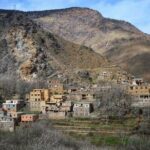
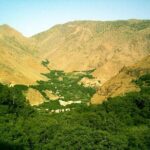
What makes this feel worth the money is the full package feel: pickup from Marrakech, a local guiding team (people you might meet include Ibrahim, Hassan, Hussein, Aziz, and Lhoussain), muleteer support, and overnight in a village guest house/gite with meals included. You’ll also get a genuine sense of the valleys—Assif Aït Mizane and Assif Azzaden—where irrigated terraced fields and fruit trees appear not as a postcard, but as how people live.
In This Review
- Key things I’d circle on your planning list
- From Marrakech to Imlil: the slow build into the High Atlas
- Up to Tizi M’zzik (and why the climb is the point)
- Tamsoulte waterfalls: a stop that breaks up the day
- Juniper valley descent to Tizi Oussem: the overnight that makes it real
- Day 2 through Berber villages: Id Issa, Tizi Oudid, and the walnut-grove lunch
- Assif Azzaden and the ride back: how the day ends without feeling cut short
- Guides and muleteers: what the best teams actually change
- Price and value: $139.59 for two days in the mountains
- Who this trek fits best (and who should think twice)
- Should you book this 2-day Berber villages trek?
- FAQ
- How long is the trek?
- Where does the trek start and where do you end?
- What are the main stops on the route?
- Are pickup and transport included?
- What kind of overnight is included?
- Are meals included?
- Is this a private tour?
- What if the weather is bad?
- How flexible is cancellation?
Key things I’d circle on your planning list
Tizi M’zzik crossing plus big viewpoint payoff with wide sightlines over Imlil and toward Toubkal’s area
Tamsoulte waterfalls stop at about 2300m, timed as part of the day’s descent
Overnight in a village guest house in Tizi Oussem (about 1850m) instead of a hotel in town
Day 2 includes Tizi Oudid pass and river-time lunch under walnut groves near flowing water
Juniper forests bookend the trek with stretches through juniper, including thurifer-type areas
From Marrakech to Imlil: the slow build into the High Atlas
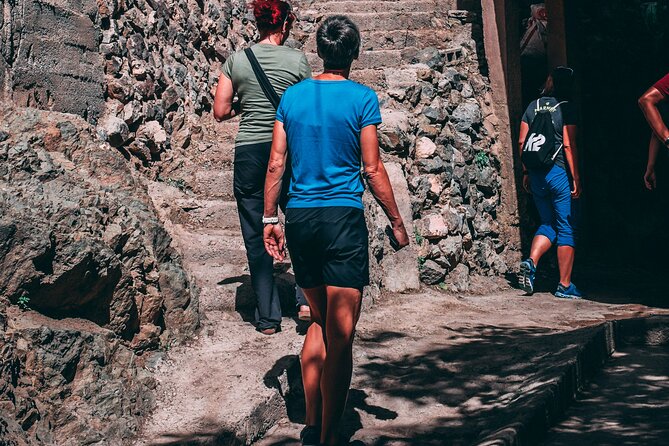
The adventure starts after breakfast in Marrakech, with pickup and a drive through mountain foothill towns and villages. You’ll pass areas like Tahnnaout, Oued Ghighaya, and Asni, and the drive itself is part of the experience because you get that gradual shift from city edges into valley towns.
Then it’s onward to Imlil, about 65 km from Marrakech, where you meet your guide and the muleteer. That meeting matters more than it sounds. In a trek like this, your guide sets the pace, explains how the day will flow, and helps you figure out what matters most—where to pause for views, where the trail tightens, and when to take breaks before you start feeling the altitude.
It also helps that the group format is private, meaning only your group participates. For many people, that translates into less crowd pressure on narrow paths and more flexibility if your group is traveling at a slightly different speed.
You can also read our reviews of more tours and experiences in Marrakech.

Up to Tizi M’zzik (and why the climb is the point)
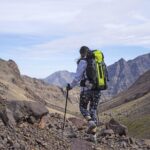
Day 1 turns serious right away with the climb toward Tizi M’zzik. Depending on how it’s listed, you’ll see figures around 2450m to 2684m—either way, you’re heading high enough for the air to feel different and the views to open fast.
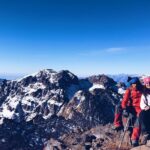
As you climb, you’ll go from valley detail into wide geometry: ridgelines, layered villages, and the kind of mountain scale that makes Morocco’s Atlas feel suddenly huge. The trek description specifically calls out spectacular views over the Imlil valley and toward the Toubkal summit area. Even if the summit itself isn’t perfectly visible every day (weather is a factor), you’ll still get that “mountain panorama” feeling that only high passes deliver.
A practical note for your body: don’t try to power up. On treks like this, steady breathing and small pauses usually feel better than pushing hard, especially before you reach the next big stop.
Tamsoulte waterfalls: a stop that breaks up the day
After the pass, the route continues toward Tamsoulte waterfalls at about 2300m. This is one of those stops that makes the trek feel like more than just moving uphill and downhill. Waterfalls add sound, mist, and a different texture to the walk—juniper and stone give way to that wet-air atmosphere.
Tamsoulte is described as the highest waterfalls in the Atlas Mountains in this route’s framing, which tells you how central the stop is. You’re not just passing by. You get a chance to see them as part of your descent rhythm, not as a distant landmark.
If you’re traveling in cooler months, waterfalls can be extra dramatic because you’ll often get clearer air. If it’s very warm, they can still be impressive, but you may feel the sun more. Either way, plan for uneven ground around viewpoint areas—mountain trails don’t care about your schedule.
Juniper valley descent to Tizi Oussem: the overnight that makes it real
From the waterfalls, the trek shifts into descent along the Azzaden valley, moving through juniper forest and toward Tizi Oussem for the night (around 1850m). This part is where the trek starts feeling intimate.
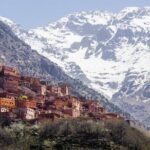
Juniper isn’t just scenery. It changes the feel of the path—shade, softer light, and a slower visual pace. You go from broad outlooks back to human-scale movement. Village life becomes more visible: stone edges, fruit-tree plots, and terraces that show how water is managed over time.
At the end of day 1, you reach Tizi Oussem for an overnight in a guest house. The reviews also point out comfortable lodging and delicious food. That matters because the quality of the evening often decides how you remember the trek’s toughest parts. After a long walking day, you want warmth, a real meal, and a night that lets you recover.
Day 1 is listed as about 6 hours walking, so you’re not doing an all-day grind. You’ll have time for stops and for the simple luxury of not rushing every ten minutes.
Day 2 through Berber villages: Id Issa, Tizi Oudid, and the walnut-grove lunch
Breakfast in Tizi Oussem is your second launch point. Day 2 has a different mood than day 1. Instead of pushing toward one dramatic pass after another, you’re traveling through a colorful valley full of typical Berber villages.
The route heads down toward Id Issa (about 1800m) and then climbs toward Tizi Oudid pass (around 2000m). This pass is lower than day 1’s big crossing, but it still does the job: it gets you to a point where the valley spreads out and gives you those second-day “now I get it” views.
After that, you cross through Mattat, described as passing after a wild thurifer juniper forest. Thurifer-type juniper (a specific kind mentioned in the route description) is a reminder that the vegetation here is part of the story of altitude and dryness, not just decorative greenery.
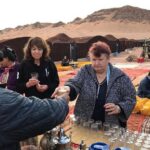
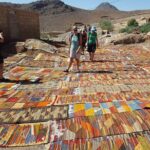
Then comes lunch under walnut groves, with time to relax near the river. This is one of the best moments on the schedule because it turns the trek into something closer to a day out in the mountains rather than a nonstop hiking exercise. You get a proper meal, you cool down or warm up depending on the day, and you let the valley visuals sink in.
The review details about food being delicious show up again here—this isn’t a situation where lunch is just a snack before you march on.

Assif Azzaden and the ride back: how the day ends without feeling cut short
After lunch and your midday river time, you continue toward Agersioual (spelled Aguersiouâl in one place). The day is structured so you still get walking time for the Azzaden valley experience, but it doesn’t stretch into a full marathon.
In the afternoon, you transfer back to Marrakech, arriving around 17:00. One of the itinerary details also mentions an additional hour up the Imlil valley before you return to the village of Imlil and finish the drive back. That extra movement helps the route feel complete: you don’t just drop out of the mountains and call it a day.
Why that ending matters: after two days in villages and high passes, you want time to absorb the shift from mountain trail to vehicle ride. It feels smoother when you get that final valley section instead of a sudden straight shot back to the city.
Guides and muleteers: what the best teams actually change
This trek’s quality isn’t only about the trail. The guiding team is a big part of why these trips earn strong praise.
The names that come up include Ibrahim, Hassan, Hussein, Aziz, and Lhoussain. Some reviews highlight guides as professional and friendly, and another mentions English support, which can be a real advantage when you want to understand village life rather than just follow footsteps.
Then there’s the muleteer team, mentioned as professional and helpful. In practical terms, that support can reduce the burden of gear hauling so you can focus on walking, taking photos, and enjoying the stops. If you’re traveling with kids or anyone who wants a less punishing load, having that system in place can be the difference between a stressful day and a fun one.
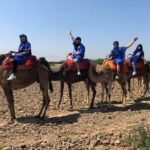
Also: one review suggests a mule ride as a possible option. The trek itself may already include mule support, but if you specifically want to ride more than you walk, ask in advance so you can match your day to your comfort level.
Price and value: $139.59 for two days in the mountains
At $139.59 per person for a two-day itinerary, this can look like a bargain or like a fair price depending on what you compare it to.
Here’s the value logic that makes it add up:
- You’re getting pickup and transport from Marrakech and back.
- You’re getting a local guide team plus a muleteer support structure.
- You’re getting meals and an overnight in a village guest house/gite.
- You’re paying for something harder to DIY: trail planning through valleys like Azzaden and the timing to reach waterfalls, passes, and lunch spots with minimal stress.
There’s also mention of group discounts, which helps if you’re traveling with friends and can keep the private feel.
If you were to hire a guide, arrange transport, and organize a village stay separately, costs can rise fast. So for many people, this price works because it packages the “boring logistics” into one decision.
Who this trek fits best (and who should think twice)
This experience fits best if you want a real Atlas foothills-to-high-pass trek without turning it into an extreme endurance project. The walk times—6 hours day 1 and 5 hours day 2—are demanding enough to feel like you earned your views, but not so long that it becomes a hardcore training event.
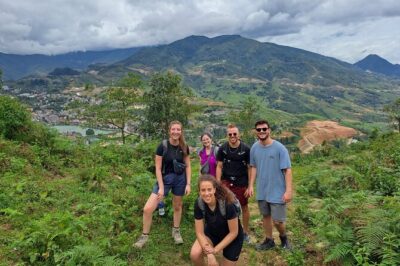
You’ll also like it if you care about village context: Berber hamlets, terraced agricultural land, juniper forests, waterfalls, and a river lunch that feels like part of local mountain rhythms.
Think twice if:
- you’re prone to altitude issues and you can’t handle pass-day elevations,
- you hate uneven trail surfaces,
- or you’re hoping for a fully flat walk with minimal climbs.
One more reality check: the experience notes that it requires good weather. If storms or poor conditions hit, your schedule could change, because safety comes first in mountain trekking.
Should you book this 2-day Berber villages trek?
I’d book it if your goal is a short, meaningful Atlas trek with villages, passes, and a memorable overnight in Tizi Oussem. The route feels designed to hit the highlights without swallowing your entire week, and the combination of waterfalls, juniper forest trekking, and a calm river lunch is the kind of mix that stays vivid long after you’re back in Marrakech.
I’d hesitate only if you want zero challenge or if your trip timing makes mountain weather unpredictable. In that case, it might be better to keep flexibility.
If you do book, do one thing that makes all the difference: prepare for mountain walking. Good shoes, layers for cooler higher air, and a calm pace will help you enjoy the real point of this trek—seeing how people live along these valleys, one pass and one village at a time.
FAQ
How long is the trek?
It’s a 2-day trek, with walking time listed as about 6 hours on day 1 and about 5 hours on day 2.
Where does the trek start and where do you end?
You start in Marrakech and travel to the High Atlas area to begin the trek. On day 2 you return to Marrakech, arriving around 17:00.
What are the main stops on the route?
Key highlights include Imlil and nearby areas, the climb over Tizi M’zzik, a visit to Tamsoulte waterfalls, an overnight in Tizi Oussem, then Id Issa, Tizi Oudid pass, and lunch near the river before reaching Agersioual and returning to Marrakech.
Are pickup and transport included?
Yes. Pickup is offered, and you’re also transferred back to Marrakech at the end of day 2.
What kind of overnight is included?
You overnight in a village guest house in Tizi Oussem.
Are meals included?
Yes. The experience description and feedback you provided indicate meals are included, including lunch by the river.
Is this a private tour?
Yes. It’s described as a private tour/activity, meaning only your group participates.
What if the weather is bad?
This experience requires good weather. If it’s canceled due to poor weather, you’ll be offered a different date or a full refund.
How flexible is cancellation?
Free cancellation is available up to 24 hours in advance for a full refund. Changes made less than 24 hours before the experience start time aren’t accepted.