REVIEW · MARRAKECH
3 Days Desert Tour From Marrakech To Merzouga Dunes & Camel Trek
Book on Viator →Operated by Morocco Global Adventures · Bookable on Viator
Atlas passes and desert nights in three days. This 3-day run through southern Morocco is built around big scenery and big moments: Tizi n’Tichka views, the UNESCO site of Ait Ben Haddou, then a real night under Berber tents in the Erg Chebbi dunes. You also move through places like Tinghir and the Todra Gorge where the road starts feeling less like highway and more like Morocco-you-can-touch.
I like that it mixes classic sights with hands-on desert time: camel ride at sunset and sunrise plus sandboarding, not just a quick photo stop. A possible drawback is the long, shared minibus drive. Some days feel packed, and while the trip includes dinner and breakfast, lunch and drinks are on you, plus some travelers found the first hotel or camp basics more rugged than expected.
In This Review
- Key highlights to know before you go
- Marrakech departure at 7:30: your day starts before Morocco gets busy
- Day 1: Tizi n’Tichka to Ait Ben Haddou, then Tinghir hotel time
- Ait Ben Haddou: UNESCO, but still human-scale
- What to expect (and what to watch)
- Day 2: to Merzouga and Erg Chebbi, plus the best kind of waiting
- Camel trek: sunset and sunrise are the whole point
- Small-batch reality check: comfort varies at the camp
- Day 3: sunrise dunes, camel back, shower, then return via familiar roads
- Day 3 feels like a long unwind
- Price and value: what $115.86 really buys you here
- Guides, group size, and the human side of the trip
- The stops that matter most: Ait Ben Haddou and Todra Gorge
- Practical things to pack (so the desert night stays fun)
- One caution: animal welfare concerns and shopping stops
- Should you book this Marrakech to Merzouga desert tour?
- FAQ
- How long is the 3 days desert tour from Marrakech to Merzouga?
- What is the tour price per person?
- What time does the tour start and where is pickup?
- What is included in the price?
- Are lunches included?
- What happens with luggage during the desert night?
- What time does the tour usually end?
- Is free cancellation available?
Key highlights to know before you go
- High Atlas views over Tizi n’Tichka, with traditional villages along the way
- UNESCO Kasbah Ait Ben Haddou as a real stop, not a roadside drive-by
- Todra Gorge and Tinghir oasis for dramatic canyon scenery
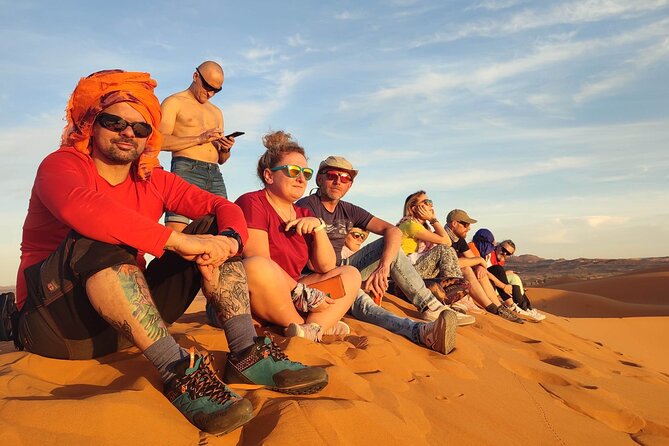
- Erg Chebbi camel trek timed for changing light at sunset and sunrise
- Sandboarding at the dunes plus a night in a Berber-style camp
- Lots of route stops through rose valley, Ouarzazate, and oasis towns like Tinghir/Tafilalet
Marrakech departure at 7:30: your day starts before Morocco gets busy
The day begins early, around 7:30 am at Hôtel Restaurant Café de France near Jemaa el-Fna. If you’ve already had a late night in Marrakech (classic), plan to go to bed earlier than usual. This tour moves fast in the morning because the High Atlas pass is the kind of place you want daylight for.
The ride is in an air-conditioned minibus, shared with other people. That part is practical: the Atlas crossing can be long, and comfort matters. It also means you’re not stuck driving yourself or hiring separate transport for each segment. The route is long, but the purpose is clear: you’re not just “going to the desert,” you’re collecting Morocco as you travel.
You can also read our reviews of more tours and experiences in Marrakech.
Day 1: Tizi n’Tichka to Ait Ben Haddou, then Tinghir hotel time
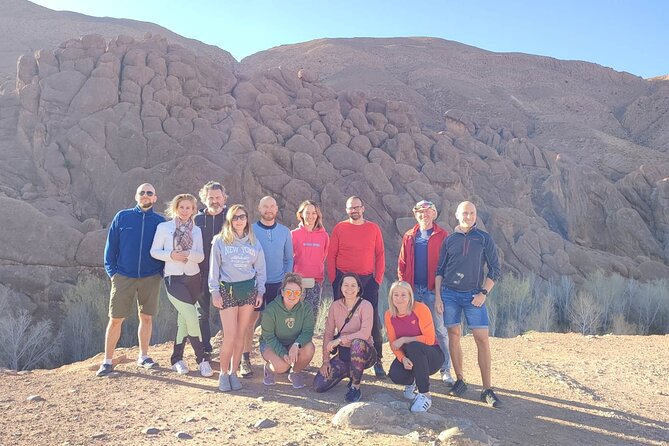
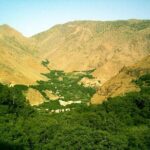
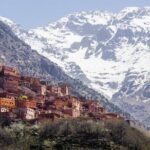
Day 1 is the “vertical Morocco” day. You’re picked up, then you head from Marrakech toward the High Atlas Mountains using Tizi n’Tichka. This is where the views start doing the work: far-reaching mountain scenes, villages clinging to slopes, and those moments where the road feels like it climbs into another country.
You’ll pass through traditional High Atlas Berber villages, and if you like to understand a place by how people live on the ground floor (not just on postcards), this is a strong start. Then comes the big cultural stop: Kasbah Ait Ben Haddou.
Ait Ben Haddou: UNESCO, but still human-scale
Ait Ben Haddou is famous for a reason. It’s a UNESCO World Heritage site, and it works best if you slow down and look at how the kasbah is built, not just at the fact that films were shot here. You’ll have lunch at Ait Ben Haddou, then you continue onward.
One practical tip: the tour doesn’t include a local guide inside the kasbah. That can still be fine if you’re happy to wander, but if you crave context (who lived here, what changed over time, how the kasbah system worked), you may want to consider hiring someone locally once you’re there or asking your driver for pointers.
After the kasbah, there’s a stop in Ouarzazate for a super market, then you go on through Rose Valley toward Tinghir. You end the day at a hotel in Tinghir with dinner and breakfast included.
What to expect (and what to watch)
This is a long day of driving and sightseeing. If you hate schedules, you might find it a bit tight. If you enjoy stacking highlights efficiently, it’s one of the best ways to handle Morocco’s distances without stress. The most common “bring your patience” issue is simply the time on the road.
Day 2: to Merzouga and Erg Chebbi, plus the best kind of waiting
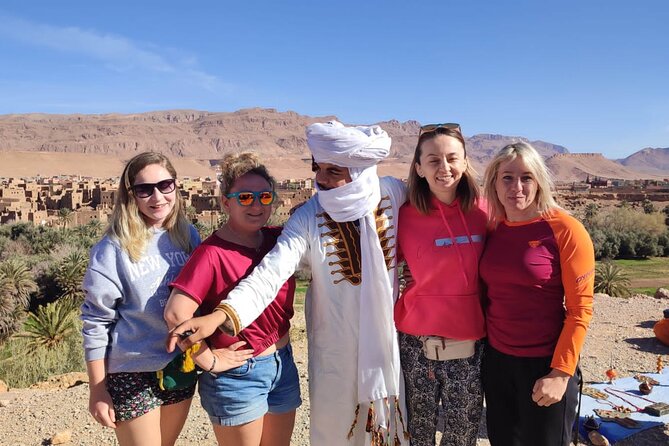
After breakfast, Day 2 is when you start feeling the shift from Atlas mountains to pre-Sahara scenery. You head toward Erg Chebbi in Merzouga, passing through Berber villages along the way. Route stops are part of the experience here, including areas like Todra Gorges, oasis towns (you go through Tinghir/Tinjdad and more along the way), and places such as Jorf and Erfoud—the kinds of names you’ll remember later because they’re tied to the terrain you’re driving through.
Eventually you reach Merzouga and go to a hotel first. Here’s a key logistic detail: you’ll take only a small bag for your desert night and leave the rest at the hotel. That makes sense, because once you’re in the dunes area, you want your load light.
Camel trek: sunset and sunrise are the whole point
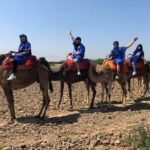
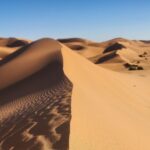
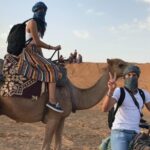
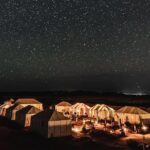
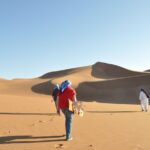
Then comes the main event: camel ride in Erg Chebbi at sunset, and again for sunrise the next morning. You’ll reach the camp area, leave the camels, and hike/walk to the higher dunes for the sand-light show.
This is the part many people mention as their favorite. The reason is simple: desert light changes fast, and the dunes give you a real horizon. You’re also positioned for sandboarding after you settle in at camp, which turns the evening from watching into doing.
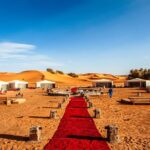
At the camp, you sleep in Berber nomad-style tents. Some camps include drums music, which helps the night feel like a shared event rather than just a bed with sand outside.
Small-batch reality check: comfort varies at the camp
Based on what people say, the desert camp experience is often magical, but it’s not always “hotel comfortable.” Some travelers reported issues like limited or no hot water in the camp area. That’s not a deal-breaker for most people, but it is a reminder to pack for practical conditions: a light layer for night air, and don’t assume big-city shower standards.
Also, if you’re a light sleeper, bring earplugs or expect some night noise. This is a communal campsite vibe.
Day 3: sunrise dunes, camel back, shower, then return via familiar roads
The morning starts early again so you can catch the sunrise in the dunes. That early wake-up is worth it if you like quiet moments and not-too-perfect photos. You ride the camels back to Merzouga after sunrise, then there’s breakfast and a shower in the camp before you pack up.
After that, you head back toward Marrakech through different areas and Berber villages. Ouarzazate is part of the return route again, and then you’re back in Marrakech late in the day.
The trip typically ends around 7:30 pm, with drop-off at your hotel or the nearest accessible point for your riad.
Day 3 feels like a long unwind
You’ll see more scenery on the way back, but the emotional tone is different from Day 2. Day 2 builds the desert moment; Day 3 is about returning with good memories instead of collecting new stops. If you’re prone to motion sickness, plan for it here too—this trip has plenty of road time in both directions.
Price and value: what $115.86 really buys you here
At $115.86 per person for roughly 3 days, this tour is priced like an efficient route package. The value comes from what’s bundled, not from comfort promises.
What you do get included:
- Transport by air-conditioned minibus (fuel included)
- Hotel accommodation in Tinghir for one night
- Desert camp accommodation in Merzouga for one night
- Camel ride for sunset and sunrise (one camel each)
- Sandboarding
- Breakfast (2) and Dinner (2)
What you pay separately:
- Lunches and drinks
- Local guide in Ait Ben Haddou Kasbah (not included)
- Tips and gratuities
If you’re comparing options, ask yourself one question: does the package save you from coordinating drivers and separate nights? If yes, you’re probably looking at good value.
One tip that shows up in practical advice: carry cash for tips and small extras. A common suggestion is having around 500 dirham ready, especially if you end up using local guides or want to keep things moving smoothly with camel handlers and local stops.
Guides, group size, and the human side of the trip
This is a shared experience with a maximum group size listed at 100 travelers. That number matters because it changes the feel. Big enough for variety, small enough that you’re not totally alone on the road.
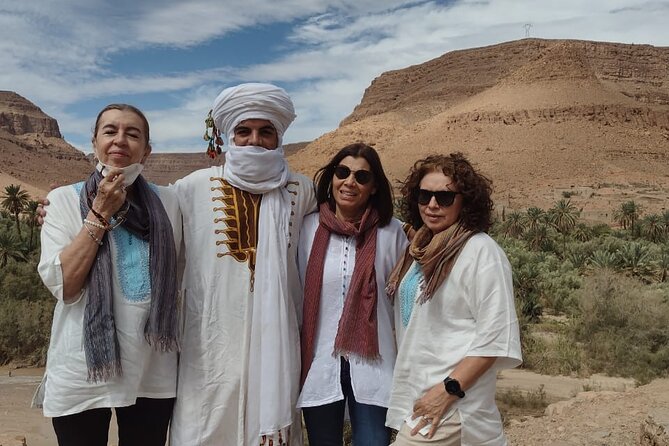
Guides can make or break the tone. In feedback tied to this route, people often praise drivers and guides such as Hammid, Abdul, Mohamed Ait Ouaghlad, Yassine, Khalid, Iddir, Ali, and Rashid Couscous. I take that as a sign that good communication and steady handling of timing are where operators try to shine.
A small note: one traveler described feeling pressured to leave a review during the tour. If that happens, remember you control how you respond. It’s fine to politely say you’ll write it later.
The stops that matter most: Ait Ben Haddou and Todra Gorge
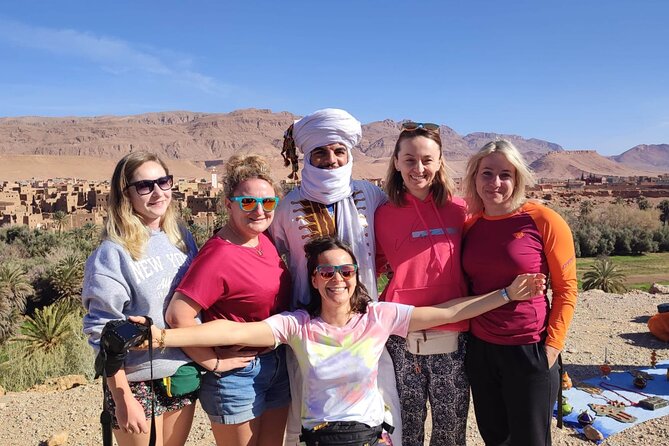
A lot of trips throw in scenic pauses. This one builds around three major “why are we here” moments:
1) Ait Ben Haddou for heritage and architecture
2) Todra Gorge and Tinghir oasis for canyon drama and lush contrast
3) Erg Chebbi dunes for the sunrise/sunset camel experience
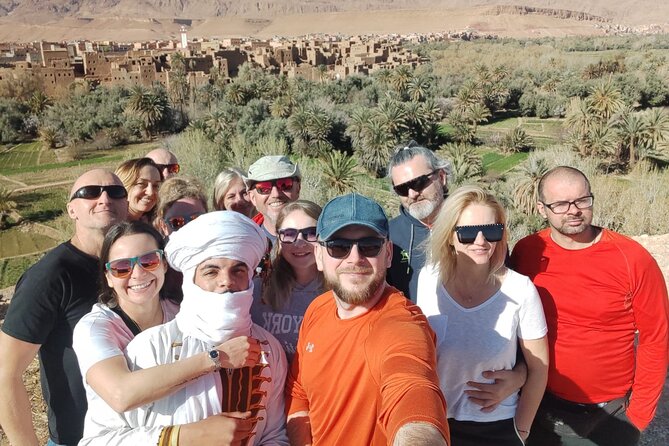
Todra Gorge is the kind of place you can’t fake with photos. Even if you only have a short window, the canyon walls and narrow feel make it real. Tinghir’s oasis aspect also helps your brain understand why people settled in these pockets.
And then Ait Ben Haddou ties it all together. Kasbahs aren’t just monuments. They’re part of how people historically managed water, defense, and community life in a harsh landscape.
Practical things to pack (so the desert night stays fun)
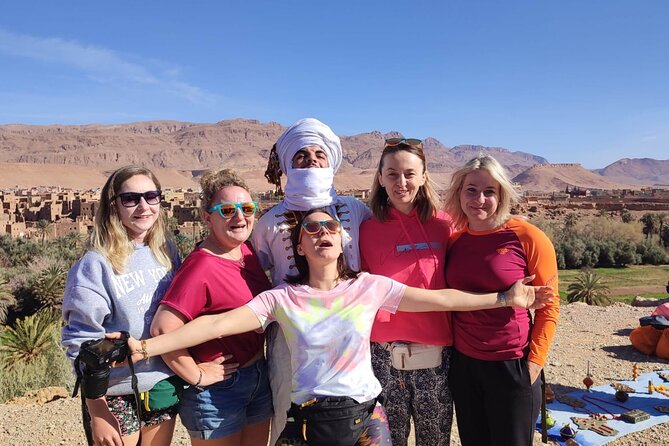
This trip is outdoors and time-based, so pack for small discomforts instead of hoping they vanish.
Bring:
- Water and sunscreen for the drive and dune time (especially Day 2)
- Light layers for the desert camp evening
- A small bag you can carry easily during the camel trek and camp night
- Comfortable shoes for kasbah walking and gorge stops
Food is mostly Moroccan staples during included meals (often tajine and couscous). If you’re vegan, there’s at least one confirmed success story where vegan food was provided, but locals may mistake you for vegetarian unless you clarify clearly. That’s not a reason to skip the tour—it’s a reason to be direct about what you need.
One caution: animal welfare concerns and shopping stops
A tiny fraction of feedback flagged concerns under the banner camel trek abuse. That’s not the majority signal, but if animal treatment is a deal-breaker for you personally, it’s reasonable to ask how long camels are used and how the trek is managed before you commit.
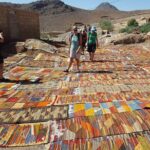
Also watch the mid-route stops that can feel like shopping stops. One negative account described high-pressure selling at cooperative-style rug and market experiences, plus roadside restaurants where people felt overcharged. I’d approach these stops like this: enjoy the scenery, but don’t feel obligated to buy anything. If you want value, keep your cash for tips, water, and only the purchases you genuinely want.
Should you book this Marrakech to Merzouga desert tour?
You should book if you want:
- A classic Morocco circuit without wrestling logistics
- The key desert combo: camel sunrise/sunset + sandboarding + Berber camp night
- UNESCO Ait Ben Haddou plus Todra Gorge in one efficient push
- A high-likelihood of good guiding—names like Hammid and Abdul show up often in positive feedback
Skip or rethink if:
- You’re very sensitive to long road time and tight schedules
- You expect hotel-level comfort in the desert camp every night
- You know you’re uneasy about riding animals and want to choose an alternative experience
If you go, go prepared: sunscreen, water, and cash for lunch/tips. Then settle in for three days where the highlight isn’t just where you sleep—it’s the light on the dunes and how the road teaches you Morocco in motion.
FAQ
How long is the 3 days desert tour from Marrakech to Merzouga?
It runs for about 3 days.
What is the tour price per person?
The price is listed as $115.86 per person.
What time does the tour start and where is pickup?
Pickup is at 7:30 am at Hôtel Restaurant Café de France near Jemaa el-Fna in Marrakech.
What is included in the price?
Included are transport by air-conditioned minibus, hotel accommodation in Tinghir, desert camp accommodation in Merzouga, camel ride for sunset and sunrise, sandboarding, and breakfast (2) and dinner (2).
Are lunches included?
No. Lunches and drinks are not included.
What happens with luggage during the desert night?
You take a small bag with what you need for the night in the desert and leave the rest of your luggage at the hotel.
What time does the tour usually end?
The shared tour typically ends late in the afternoon, around 7:30 pm, with drop-off back at your hotel or a nearest accessible point.
Is free cancellation available?
Yes. You can cancel for a full refund up to 24 hours in advance of the experience’s start time.