REVIEW · MARRAKECH
From Marrakech: Private Tour to Oasis and Trekking in the Desert of Erg Chigaga
Book on Viator →Operated by Sahara Feeling · Bookable on Viator
A 4-day route can feel rushed, but this one doesn’t. You get door-to-door private transport plus two nights in Erg Chigaga dunes, with a proper desert pace (sunrise trek, camel ride, and time to just watch the stars). The itinerary also stacks in real Morocco stops, like UNESCO Ait Benhaddou and the Tizi-n-Tichka mountain pass, so the trip feels like a full journey, not only time in sand. One consideration: Day 1 is a long travel day (around 10 hours), so you’ll want to be comfortable with some serious road time before the dunes.
What I like most is the balance of big-ticket sights and slower desert moments. You’re not just driven to a viewpoint and sent along—you’ll have a trekking morning at Erg Chigaga sunrise and a nomad-style lunch cooked on site by the guides, then you return to camp for a calm sunset. I also appreciate the human touch behind the scenes: people in the operating team show up in the details, from Helene’s fast communication to guides like Ali and drivers such as Mustafa or Brahim who handle the drive with care.
The main drawback is the price. At $614.14 per person for a private, multi-night route, it costs more than “sleep somewhere random and get bused” deals—but you’re paying for privacy, meals, and the logistics of getting deep into Erg Chigaga. If you’re trying to do the cheapest version of the Sahara, this isn’t it.
In This Review
- Why This Erg Chigaga Tour Feels Worth the Money
- Marrakech to Ait Benhaddou: UNESCO First, Movie-Set Morocco Second
- The practical side
- Agdz and the Draa Valley Riad: Date Palms, Oasis Walking, and Tea Time
- A note on Day 1 timing
- M’Hamid to Erg Chigaga: The Off-Road Shift Into Real Desert Country
- What you’ll want to bring for this day
- Erg Chigaga Sunrise Trek and Camel Safari: The Day You’ll Remember
- A small detail that actually matters
- Camp Evenings and Food: Berber Dinner With Music, Then Star Time
- The Return Track: Dried Salt Lake Iriki, Paris-Dakar Route, and Foum Zguid
- Why this route helps
- Tazenakht Rugs and Tizi-n-Tichka: Rug Shopping and Mountain Road Magic
- A practical tip for the mountain day
- Value for Money: What $614.14 Actually Buys You
- Who This Tour Suits Best (and Who Should Skip It)
- Should You Book This Marrakech to Erg Chigaga Desert Adventure?
- FAQ
- FAQ
- What time does the tour start?
- Is pickup included?
- How long is the tour?
- What meals are included?
- Where do you sleep during the trip?
- Do you get to do trekking and camel riding?
- Which UNESCO site is part of the route?
- Can I cancel for a full refund?
Why This Erg Chigaga Tour Feels Worth the Money
- Two desert nights inside the dunes: not a quick stop—actual time in the Sahara rhythm
- Sunrise trek plus camel safari: you get both the early light and the classic dromedary ride
- Nomad-style lunch at tamarind trees: a hands-on, practical pause during the trekking day
- Draa Valley riad night: a real contrast to the desert, with courtyard-style comfort and tea
- UNESCO Ait Benhaddou and film locations: memorable stops that aren’t just roadside photos
- Private guiding with real names behind it: Helene for coordination, and Ali/Mustafa/Brahim in the field
Marrakech to Ait Benhaddou: UNESCO First, Movie-Set Morocco Second
Your trip starts with pickup from Menara Airport at 8:30 am, which is a big deal if you hate waking up, rushing to a meeting point, and trying to guess where everyone is standing. From there, the day builds toward the most famous “wow” stop on the route: Kasbah Ait Benhaddou.
This UNESCO World Heritage village is the kind of place where you immediately understand why filmmakers liked it. It’s been used for major productions, and the experience here isn’t just looking at old stones—it’s noticing the scale and the way the kasbah structure holds the light. You’ll also stop for lunch in the area, with admission listed as free, so you’re not nickel-and-dimed just to wander.
You’ll also get a quick taste of cinema-style Morocco at Ouarzazate, including a stop at a kasbah site (Kasbah Taorit) and optional film studio viewing. Even if you’re not a movie-history person, Ouarzazate works as a transition: it’s where Morocco starts to feel more like a set built for wide shots, with big skies and long roads.
You can also read our reviews of more tours and experiences in Marrakech.
The practical side
This is not a day for doing a “quick glance.” You’ll likely want comfortable shoes and layers. The morning can be cool, then the sun settles in, and the stones warm up fast.
Agdz and the Draa Valley Riad: Date Palms, Oasis Walking, and Tea Time
After the kasbah stops, the route continues toward the Draa Valley, with a long travel stretch that culminates in a night at a Moroccan riad bed and breakfast in the Agdz area (with tea service and a full dinner).
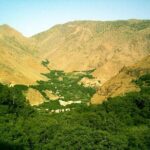
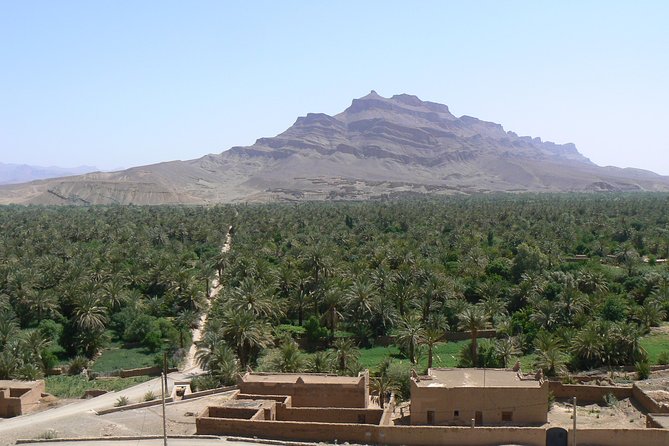
Along the way, Agdz is a date-palm zone. The timing mentioned is harvesting season between September and December, but even outside that window, the palm landscape is part of the point. You’ll see the roadside shops offering dates, and you’ll get an easy walk in the oasis area. This is a nice breather before the desert, because you’re moving from fortified villages into something greener and more human-scale.
When you arrive for the night, you’re getting a courtyard-style stop—exactly the kind of contrast that makes the Sahara meaningful. The riad approach matters: meals aren’t just “food delivered,” and you’re not sleeping in a converted vehicle. You’ll have a full evening meal and tea service, which sets you up for the next day’s off-road push.
A note on Day 1 timing
This is the one day with the most “hold on to your seat” energy. The overall stop structure includes a long day (listed as about 10 hours), so pack patience and keep expectations flexible. Once you’re in the riad, though, the trip’s pace becomes calmer.
M’Hamid to Erg Chigaga: The Off-Road Shift Into Real Desert Country
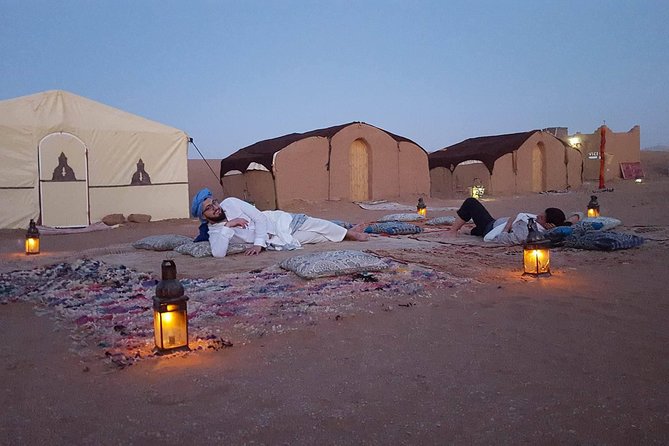
The next morning has you working your way to M’Hamid, the desert outpost. From there, the trip changes character. Instead of paved roads, you head off-road into the desert, aiming for the big dunes of Erg Chigaga.
You’ll continue toward the dunes by jeep, covering about 50 km of track before reaching the oasis of Iriki for tea. That tea stop is one of those small moments that makes the larger experience feel designed rather than random. You’re not just passing through; you’re getting a pause where the landscape is calmer, and your body has time to adjust before the dunes fully take over.
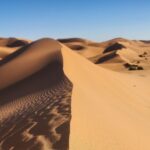
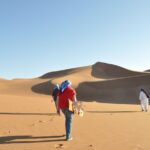
Then the route pushes onward to the campsite zone. If you’ve only seen desert images where everything looks still and empty, Erg Chigaga will probably surprise you. It’s open, yes, but it has texture: dune shapes shift with every angle, wind direction matters, and even the silence feels different when you’re standing in it.
What you’ll want to bring for this day
You might not get detailed gear instructions here, but bring the basics you’ll thank yourself for later: a scarf or buff for dust, water discipline (drink regularly), and sun protection. Off-road means dust can happen.
Erg Chigaga Sunrise Trek and Camel Safari: The Day You’ll Remember
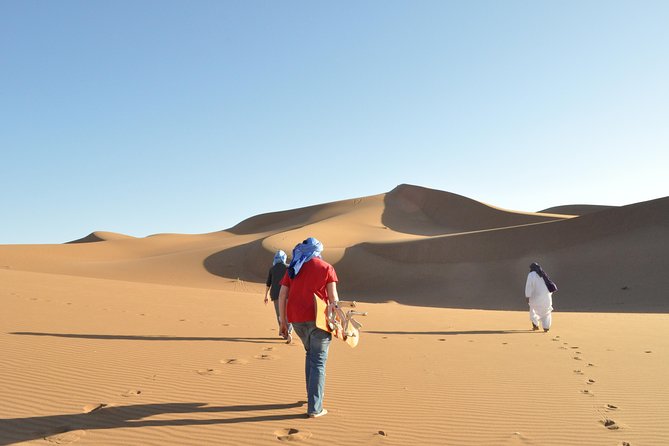
This is the centerpiece day. You’ll start with the Erg Chigaga sunrise, which the trip is clearly built around. The idea isn’t just to see light change on sand. It’s to watch how the dunes turn golden, then fades into softer tones as the sun climbs—an experience that’s hard to explain, easy to feel.
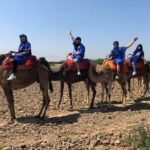
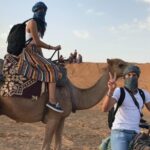
After breakfast, you’ll begin the day’s animal encounter: a camel ride on dromedaries. The experience is described as “dromedaries begin” with hours through the dunes, so plan for a true slow movement. Camel time isn’t fast. That’s why it works: you’re not bouncing through the scenery like it’s a theme park ride. You’re traveling across the dunes like the land is the guide.
After a few hours of trekking, you arrive at a stand of tamarind trees, where the guides cook a traditional nomadic lunch—described as kebabs and fresh bread. This is a smart stop. It breaks the day visually and mentally. You’re not only walking; you’re eating in context, with shade and a reason to sit down.
Then you work back through the dunes toward camp. You’ll finish the day with a peaceful sunset and a calm evening: dinner and tea.
A small detail that actually matters
One of the most praised parts of this trip is the camp’s comfort in the middle of the dunes. People point out the camp location inside the dunes and the “familiar” feel of the evening setup. That means the day doesn’t end with you exhausted and cold. You get to rest in the right kind of comfort.
Camp Evenings and Food: Berber Dinner With Music, Then Star Time
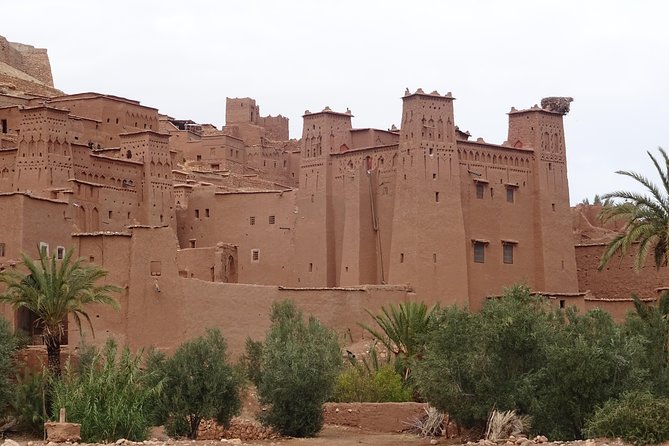
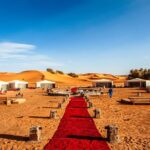
A big reason desert trips can disappoint is that the night becomes a blur: arrive late, eat something quick, sleep, repeat. Here, the structure is better. You’ll have two nights in a Berber tent camp among the dunes, and meals are built into the schedule.
You can expect three dinners total across the four days, plus three breakfasts and one lunch. The point isn’t just the number—it’s that you’re not scrambling to find food after a long drive or after trekking. Dinner is described as Berber dinner with music, which helps the night feel like part of the experience, not just a place to sit down.
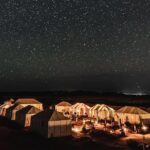
A lot of people also mention the sky at night full of stars. Even if you’re not a professional stargazer, you’ll likely remember that kind of darkness. In desert camps, the stars look sharp because there’s less light pollution.
The Return Track: Dried Salt Lake Iriki, Paris-Dakar Route, and Foum Zguid
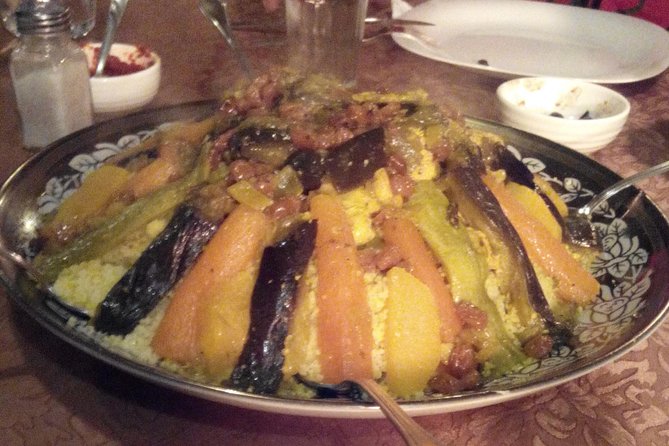
After the desert days, the trip heads back toward civilization—but it doesn’t do it in a straight line that feels boring. You start after breakfast and drive by jeep along an old track connected to the Paris-Dakar rally.
One stop along the way is a dried up salt lake of Iriki, plus passing below a fossil mountain. Then you reach Foum Zguid, where there’s a break with fresh orange juice. That kind of stop is easy to overlook in a “big sights” itinerary, but it helps keep the day comfortable. It turns the ride into a sequence of moments rather than nonstop driving.
Why this route helps
The desert portion can be emotionally intense. This “in-between” day gives you a slower landing from that intensity, with enough sights to stay awake and enough breaks to keep the drive from feeling brutal.
Tazenakht Rugs and Tizi-n-Tichka: Rug Shopping and Mountain Road Magic
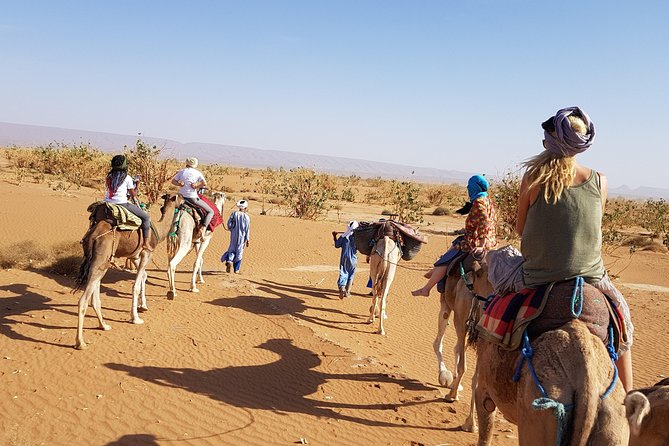
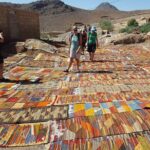
Once you’re back on paved roads, you head toward Tazenakht. This stop is for lunch and rug shopping time. The region is described as famous for weaving, and it’s noted as an opportunity to collect rugs Morocco is known for. You don’t need to buy anything to enjoy the moment; it’s still a look at how people work and make a living with textiles.
After lunch, you transition into the mountains via Tizi-n-Tichka pass—listed at 2,260 meters. This is a classic Moroccan drive: ancient oak woods, walnut groves, Berber villages, and valley pastures where goats and sheep roam free range. Even if you’ve seen mountain roads before, the elevation shift and the views make the return leg feel like part of the adventure, not a forced transfer back to Marrakech.
The route ends with arrival in Marrakech in the early evening.
A practical tip for the mountain day
Mountain weather can change quickly. If you only pack desert heat, you might feel underdressed once the road climbs.
Value for Money: What $614.14 Actually Buys You
Let’s talk value in a way that helps you decide. $614.14 per person is not cheap, especially compared to group tours or shorter desert options. But the price is tied to several things the route clearly includes:
- Private, door-to-door transfers from Marrakech area pickup (and return)
- Two desert nights in a Berber camp setting among the dunes
- One night in a Draa Valley riad (courtyard comfort and dinner)
- Meals included: three breakfasts, three dinners, and one lunch
- A real itinerary with big stops: Ait Benhaddou (UNESCO), desert off-road track, trekking, camel safari, and the mountain pass back
So the question becomes: are you paying extra to avoid hassle, and are you actually getting that hassle-free benefit? Based on the structure and the strong 5-star rating (5 with 115 reviews and 100% recommended), it looks like most people feel the logistics land well.
Still, consider your style. If you don’t care about comfort at night, meals, or private guiding, you can likely find cheaper. If you do care about doing the desert portion right, the added cost makes more sense.
Who This Tour Suits Best (and Who Should Skip It)
This is a great fit if you want a real desert experience without worrying about transportation, meal planning, or keeping track of time across multiple regions. It’s also ideal for people who prefer privacy and guidance over group logistics.
You’ll likely enjoy it if:
- You want the sunrise trek plus camel ride, not just one or the other
- You want a proper contrast night in the Draa Valley riad
- You like having named people involved in the process (Helene for communication; guides such as Ali; drivers like Mustafa or Brahim)
You might want to think twice if:
- You strongly dislike long driving days (Day 1 is heavy by schedule)
- You’re on a tight budget and need the lowest-cost Sahara option
Should You Book This Marrakech to Erg Chigaga Desert Adventure?
If you’re aiming for an Erg Chigaga trip that feels designed—comfortable camp nights, planned meals, real trekking time, and meaningful Morocco stops like UNESCO Ait Benhaddou—then yes, I’d book it. The route covers the big hits without turning your day into a rushed checklist, and the desert day structure (sunrise, tamarind-tree lunch, camel time, sunset dinner) is the kind of balance that tends to stick in your memory.
If your only goal is the cheapest possible Sahara snapshot, you’ll probably feel that this is priced for people who want quality logistics and a fuller experience.
FAQ
FAQ
What time does the tour start?
It starts at 8:30 am. The meeting point is Menara Airport, Marrakech Morocco.
Is pickup included?
Yes. The experience offers pickup and is described as door-to-door round-trip private transfers.
How long is the tour?
The duration is listed as 4 days (approximately).
What meals are included?
The package includes three breakfasts, three dinners, and one lunch.
Where do you sleep during the trip?
You spend two nights in a Berber tent among the Erg Chigaga dunes, and one night in a Draa Valley courtyard home/riad.
Do you get to do trekking and camel riding?
Yes. There is a trekking day at Erg Chigaga and a camel safari (dromedaries).
Which UNESCO site is part of the route?
You visit Kasbah Ait Benhaddou, listed as a UNESCO protected site.
Can I cancel for a full refund?
Yes. Free cancellation is available, with a full refund if you cancel at least 24 hours in advance.