REVIEW · PHERICHE
From Kathmandu Budget: 15 Day Everest Base Camp Trek
Book on GetYourGuide →Operated by Nlook Nepal · Bookable on GetYourGuide
Everest feels closer than you expect. This trek packs Everest views from Base Camp and Kala Patthar into one route, finishing with high-altitude panoramas that make the whole climb feel worth it.
I really like the built-in rhythm of the Khumbu route: rhododendron forests at lower elevations, Sherpa villages, monasteries, and those memorable suspension-bridge crossings. The second big win for me is the human side: guides like Krisna and Milan are known for paying attention to the group and adjusting to your health and pace, which matters a lot when you’re working above 3,000 meters.
The main consideration is altitude and effort. This plan climbs to 5,364–5,545 meters, and it’s not suitable for everyone, including pregnant travelers or wheelchair users.
In This Review
- Key things that make this Everest trek worth it
- Everest Base Camp with Kala Patthar: what you’re actually buying
- From Kathmandu to Salleri: the long start that helps you feel ready
- Salleri to Surkhe: first trekking day and the “getting your rhythm” phase
- Phakding and Namche Bazaar: suspension bridges and Sherpa life
- Tengboche monastery day: spiritual stops with real mountain payoff
- Dingboche acclimatization: the day that saves your summit effort
- Lobuche to Everest Base Camp: the long day that changes your perspective
- Kala Patthar: the 5,545-meter view that turns the trek into a memory
- The return route: Panboche, Namche, and Lukla without losing the magic
- Price and logistics: why the $796 package can be a strong deal
- Guides matter more than you think: Krisna and Milan’s approach
- Who should book this trek (and who should skip it)
- What to pack and how to stay comfortable at altitude
- Should you book this Everest Base Camp trek with Kala Patthar?
- FAQ
- How long is the trek and what’s the route style?
- What is included in the $796 price?
- What’s not included?
- Do I need travel insurance?
- What altitude will I reach?
- What’s the best time to go?
- Is this trek private?
- Who is this trek not suitable for?
Key things that make this Everest trek worth it
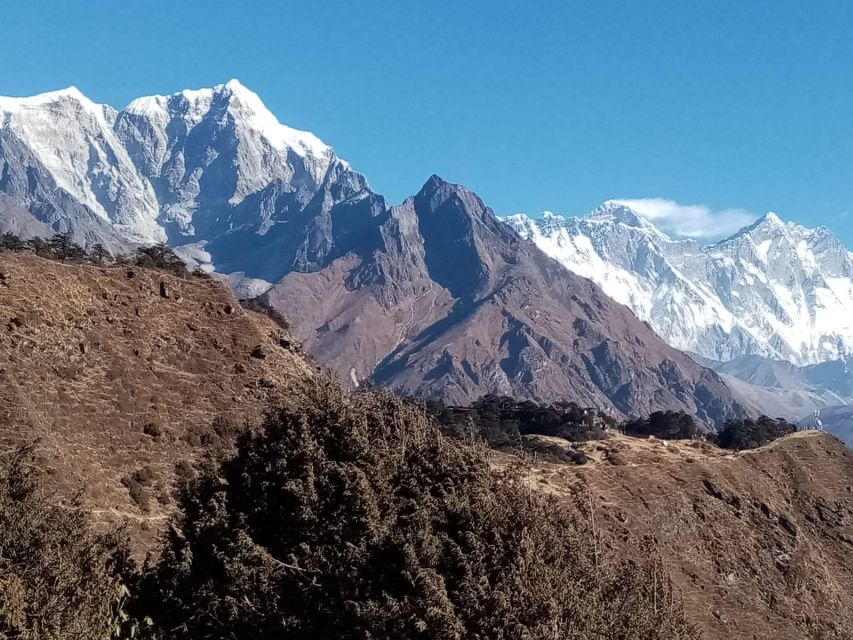
- Base Camp + Kala Patthar: two signature viewpoints on the same 15-day itinerary.
- Sherpa culture in real villages: monasteries, prayer flags, and local hospitality along the route.
- Rugged trekking days with bridges: suspension bridges and uneven mountain terrain keep it interesting.
- A true acclimatization pause: time in Dingboche helps your body adjust before the higher push.
- Guides who adapt: I’d trust a guide style like Milan’s check-ins and flexibility when conditions change.
- Good value for what’s included: permits, guesthouses, a trekking pole, and transfers are part of the $796 price.
Everest Base Camp with Kala Patthar: what you’re actually buying
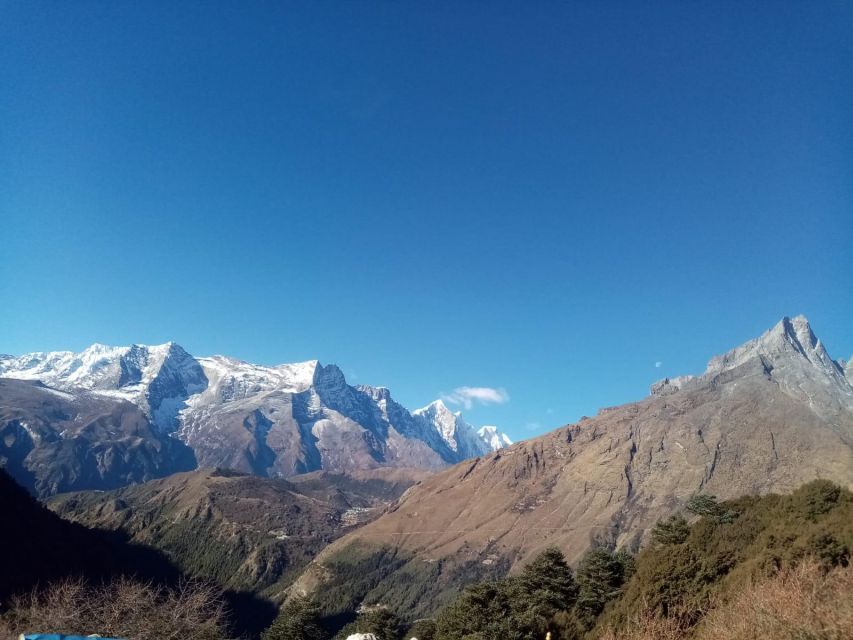
This is the classic Everest Base Camp trek—then it adds the one extra hike that turns a great trek into a jaw-dropping achievement: Kala Patthar. You’ll reach Everest Base Camp at about 5,364 meters, then go higher to a rocky outcrop at 5,545 meters for wide-angle views of Everest, Lhotse, and Nuptse. That “two-stage Everest” approach is the big reason I think this trip deserves its reputation.
Also, this is a private group trek. That sounds fancy, but what it really means is you’re not stuck waiting for a crowd pace. It gives you more room for sensible breaks, slower days when altitude is working on you, and small adjustments when weather or trail conditions shift.
Cost-wise, $796 per person is the kind of price where you should check what’s included, because you’re not just paying for a guide’s time. Your package covers official permits, guesthouse accommodation during the trek, trekking support with an English-speaking guide (English, Nepali, Hindi), and round-trip transfers from Kathmandu by sharing bus or jeep. Food and drinks are not included, and your travel insurance is not included, but the core logistics are handled.
You can also read our reviews of more tours and experiences in Pheriche.
From Kathmandu to Salleri: the long start that helps you feel ready
Your trek begins with a pickup in Kathmandu and a drive to Salleri. Expect about 10 hours of jeep travel (listed as ~266.9 km), arriving around 2,600 meters.
Why this matters: that drive turns the trek into more than a couple of short hikes. Even before you start walking, you’re already moving into the hills and setting up your body for the days ahead. It’s a realistic way to transition from the city to the Himalayas instead of jumping straight into high altitude.
Practical tip: treat the first day like part of the trek. Hydrate well, keep clothing warm for the ride, and don’t plan to celebrate late at night—tomorrow is where you’ll earn your legs.
Salleri to Surkhe: first trekking day and the “getting your rhythm” phase
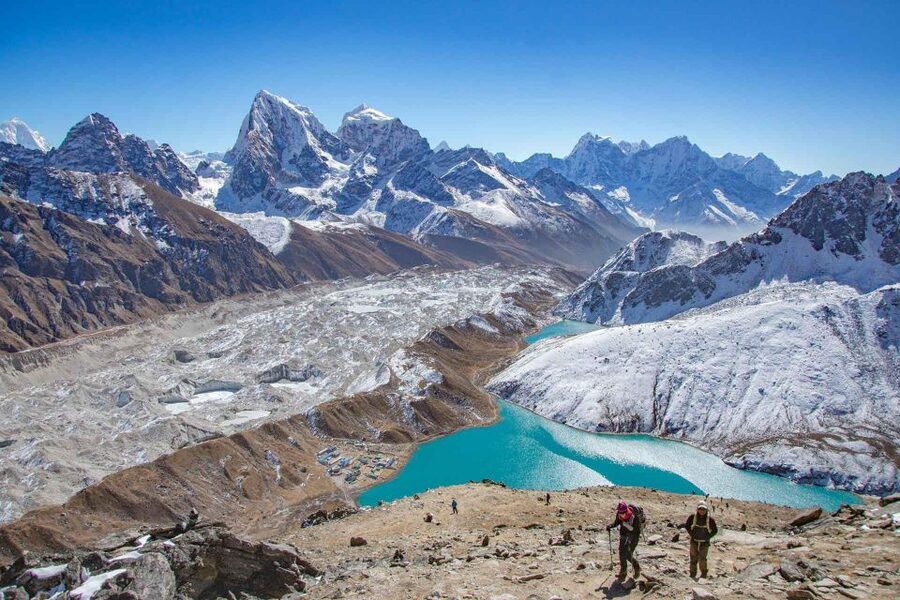
After the initial drive segment (including a jeep transfer to Tham Danda), you start hiking toward Surkhe. This is listed as about 7–9 hours.
What you’re looking for here isn’t Everest. It’s rhythm:
- finding a pace you can hold without breathlessness
- testing your footwear and socks
- learning how your pack feels on uneven ground
You’ll also start moving through the kinds of scenes this region is known for—mountain villages and gradual elevation changes that build confidence.
If you’re prone to going too fast early, this is where I’d slow down. Your schedule later includes serious altitude work.
Phakding and Namche Bazaar: suspension bridges and Sherpa life
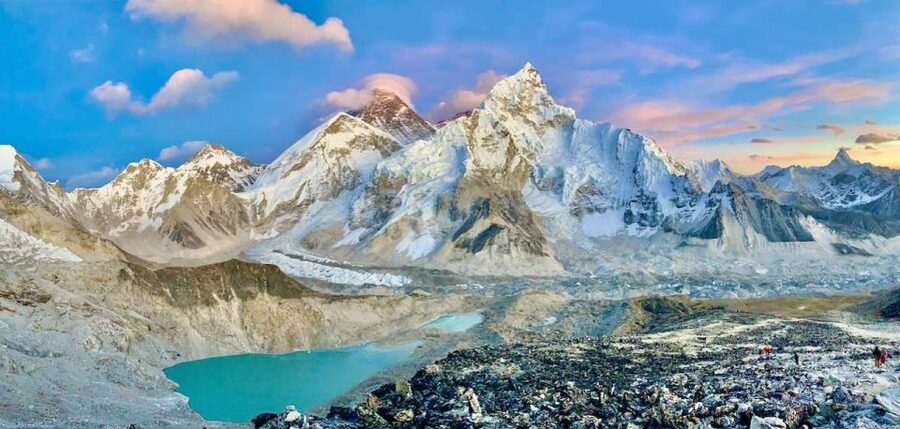
From Surkhe you continue trekking to Phakding, then onward to Namche Bazaar (listed around 3,440 meters with a 6–7 hour day).
Namche is the Khumbu hub, the place where you’ll see the Sherpa world up close: prayer flags, monastery presence, and daily life shaped by the mountains. Even if you don’t plan to do any extra sightseeing, Namche is where you feel the trek’s purpose shift from “walking in Nepal” to “walking toward Everest.”
On the way, you’ll cross suspension bridges over deep gorges. Bridges are more than scenery. They force you to concentrate, steady your footing, and stay present—plus, they’re a consistent feature of the route that makes the days feel connected.
Practical pacing note: when you reach Namche, that’s not the moment to feel heroic. It’s the moment to rest, eat simply, and take in the views without exhausting yourself.
Tengboche monastery day: spiritual stops with real mountain payoff
Next comes a trek to Tengboche Monastery (around 3,860 meters, about 5 hours).
Tengboche matters because it mixes two things you want on this route:
1) cultural immersion—Buddhist monastery atmosphere and the rituals that exist because people live here
2) mountain visibility—this area is often where the mountains start to look big in a way that feels close and personal
For me, this is one of the best “checkpoint” days. You’re still walking, but you’re also getting that emotional proof: Everest isn’t theoretical anymore.
If the air is crisp and visibility is good, you’ll feel why people plan their trek around weather windows.
Dingboche acclimatization: the day that saves your summit effort
You then trek to Dingboche (around 4,350 meters, about 5–6 hours), followed by an acclimatization day.
This is a major part of why the itinerary is doable. The plan recognizes that your body needs adjustment time before the higher terrain. Skipping this kind of buffer can turn a tough trek into a risky one, so I’m glad this trip builds it in.
On an acclimatization day, you’re usually not trying to “win distance.” You’re helping your lungs and circulation catch up. If you feel off, you listen to your guide and you rest. If you feel okay, you still keep it gentle—this is about adjusting, not racing.
Lobuche to Everest Base Camp: the long day that changes your perspective
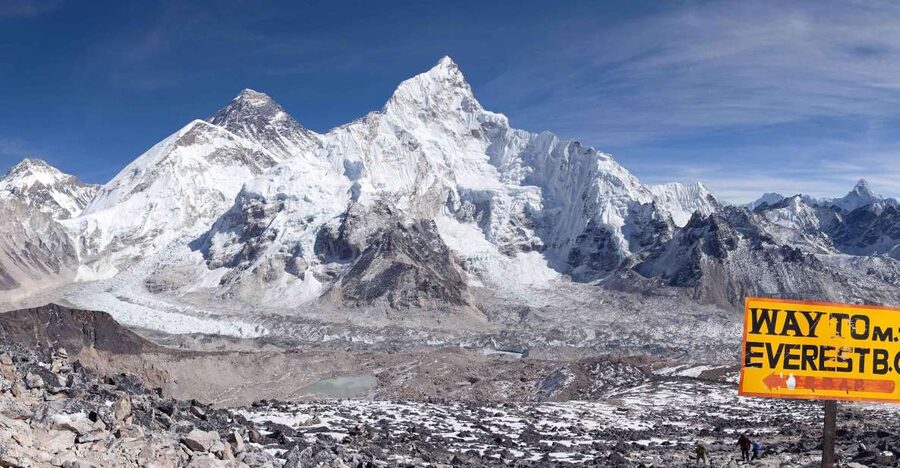
From Dingboche you head to Lobuche (around 4,910 meters, about 5 hours). Then the big push: to Everest Base Camp (listed about 8 hours, reaching roughly 5,365 meters), then back to Gorak Shep (around 5,180 meters).
This is one of the most intense days in any Everest trek because you’re combining:
- late-stage altitude
- longer walking time
- the emotional rush of finally arriving
What makes it special is what you’re walking into: Everest Base Camp is the iconic starting point for Everest expeditions. It also feels surreal because the scale of the mountains turns your sense of distance upside down.
Practical advice: when you arrive, don’t burn energy trying to do everything at once. Eat, hydrate, and give your body the chance to recover for Kala Patthar the next day.
Kala Patthar: the 5,545-meter view that turns the trek into a memory
Next morning is the hike to Kala Patthar (about 7 hours, reaching 5,545 meters), then trekking down to Pheriche (around 4,120 meters).
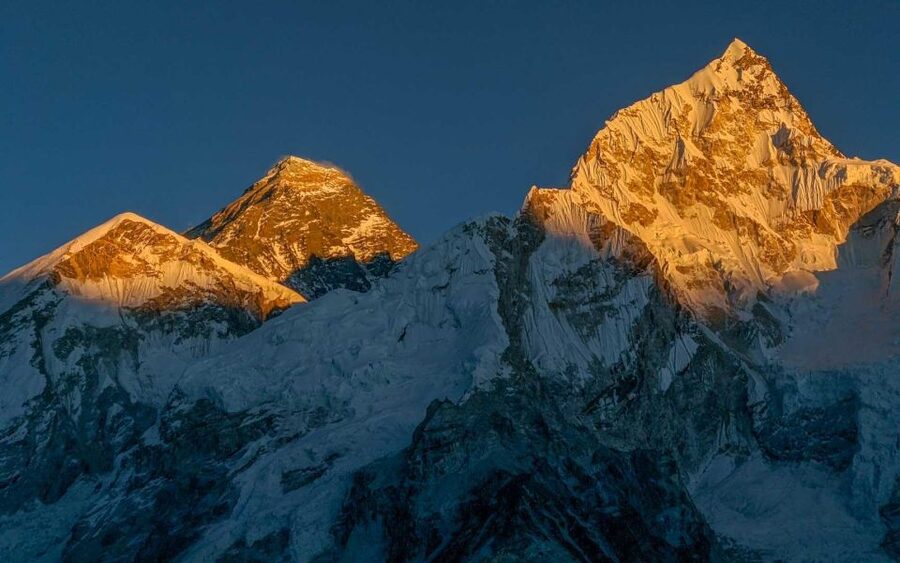
Kala Patthar is where many people finally understand why this trek is famous. From that rocky outcrop you get panoramic views of Everest, Lhotse, Nuptse, and the surrounding high peaks. The route information also notes the view is especially striking at sunrise or sunset—so if conditions are clear, it’s worth treating the timing seriously.
Here’s what I think you should expect emotionally:
- the climb feels harder than the numbers suggest
- the final stretch forces focus
- then, when you crest the viewpoint, the world snaps into scale
It’s not a gentle hike. But it’s also not a random detour; it’s the payoff leg of the whole experience.
The return route: Panboche, Namche, and Lukla without losing the magic
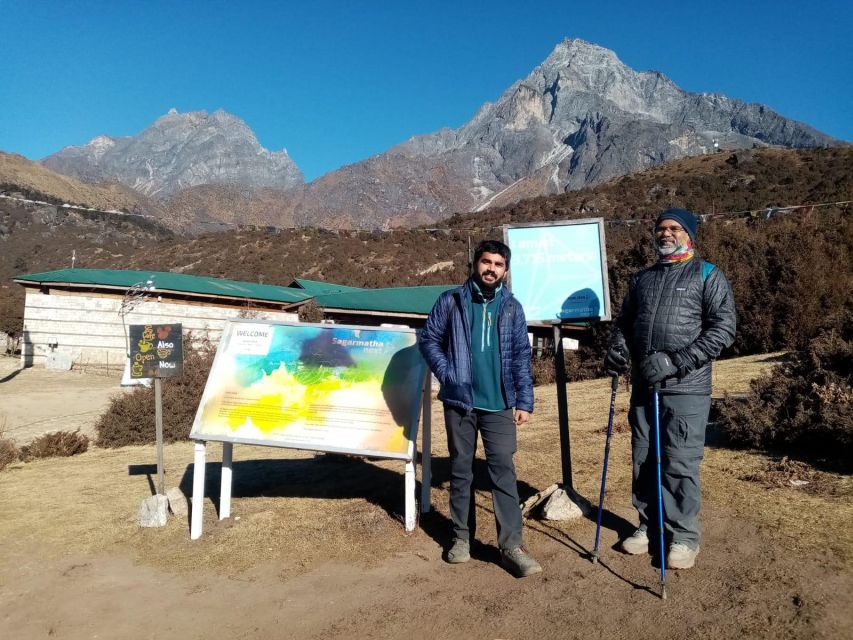
After descending from Pheriche, the trek continues to Panboche (around 3,985 meters, 5–6 hours), then back to Namche (about 7 hours). After that, you trek to Lukla (about 5–6 hours, listed around 2,860 meters), then drive back toward Salleri before the final transfer to Kathmandu.
A lot of people assume the return will feel like repetition. It doesn’t have to. On the way down you’re often seeing different angles, different weather light, and a different mood in the villages. Also, you’ll likely feel relief when your altitude drops—so the route feels both scenic and practical.
One thing to keep in mind: even on the return days, your legs can feel tired. The plan still includes full trekking days, so don’t assume the hard work ends after Kala Patthar.
Price and logistics: why the $796 package can be a strong deal
Let’s talk value without pretending it’s cheap.
At $796 per person, you’re getting:
- Kathmandu hotel pickup and drop-off
- round-trip transfers by sharing bus or jeep
- a friendly English-speaking trekking guide (English, Nepali, Hindi)
- permits and official documents
- guesthouse accommodation during the trek
- private trek setup
- a trekking pole
- an emergency first aid kit with the guide
Not included:
- food and drinks
- travel insurance
- emergency rescue coverage (you’re expected to have it via your travel insurance)
For me, that package structure is what makes the price feel fair. The expensive part of Everest isn’t just a guide—it’s the whole operational chain: transfers, permits, lodging, and managing the trek day after day. If you have to handle all that yourself, it usually adds complexity fast.
Still, I’d plan your budget for meals you’ll buy along the way, plus your personal travel insurance costs. And if you’re comparing prices, always match “what’s included” line by line.
Guides matter more than you think: Krisna and Milan’s approach
From what’s described about guides who lead this route, the best part isn’t just that they can navigate the trail. It’s their people skills under pressure.
Both Krisna and Milan are noted for being serious about their work, listening to the group, and adapting when health and pace need adjustment. Milan is also described as checking in on each person and making the itinerary flexible, including the option for rest days or slower tempos.
That’s exactly what you want on an altitude trek. You’re not only chasing views—you’re trying to make it safely to the viewpoints that matter.
When you book, I’d ask your guide how they handle altitude concerns. You want someone who treats the body like a priority, not an obstacle.
Who should book this trek (and who should skip it)
This Everest Base Camp plus Kala Patthar trek is a good fit if you:
- want the classic Everest route with an added high payoff day
- can handle long trekking days and significant climbs
- like having a structured plan but still want flexibility from a guide
- enjoy Sherpa villages, monasteries, and local culture alongside the mountain views
It’s not suitable for:
- pregnant women
- wheelchair users
- anyone who knows they won’t manage high-altitude exertion safely
If you’re new to trekking, you can still consider it, but plan to be conservative with your pace and listen to your guide. If you’re already experienced, you’ll still appreciate the acclimatization day because it’s designed to keep you moving forward.
What to pack and how to stay comfortable at altitude
The essentials listed are basic but important:
- warm clothing
- hiking shoes
- hiking pants
- passport (a copy is accepted)
- passport-sized photo
- travel insurance
- trekking-ready layers, because mountain weather can change quickly
A few practical reminders I’d follow:
- Keep your system simple: warm layers you can remove and re-add.
- Don’t bring fragile shoes. You’ll walk on rough paths.
- Expect cold at higher elevations, especially when you’re moving near sunrise for big viewpoint time.
Should you book this Everest Base Camp trek with Kala Patthar?
I’d book it if you want an iconic Everest experience with the key pieces handled—permits, transfers, guide support, and guesthouse lodging—and you’re ready for a demanding trek that rewards you twice.
I wouldn’t book it if you’re looking for a light walk. The route is serious, climbs high, and needs effort. Also, if you have medical constraints, don’t guess. Confirm fitness and suitability before you commit.
If you’re on the fence, decide based on this: can you handle long hiking days at altitude while staying flexible? If yes, the combination of Base Camp + Kala Patthar and the guide support described here makes it a strong, well-rounded choice.
FAQ
How long is the trek and what’s the route style?
The trip runs for 15 days, with trekking between villages and two major viewpoint days at Everest Base Camp and Kala Patthar, plus a drive segment to and from Kathmandu.
What is included in the $796 price?
Included are Kathmandu pickup and drop-off, round-trip transfers by sharing bus or jeep, a trekking guide (English, Nepali, Hindi), guide food and accommodation, guesthouse accommodation during the trek, permits and official documents, personal expenses for the guide, a first aid kit for emergencies, and a trekking pole.
What’s not included?
Food and drinks aren’t included (you can buy them), travel insurance isn’t included, and emergency rescue is covered by your travel insurance.
Do I need travel insurance?
Yes. Travel insurance is listed as not included, and emergency rescue coverage is stated to be covered by your travel insurance.
What altitude will I reach?
Everest Base Camp is listed at about 5,364 meters, and Kala Patthar is listed at about 5,545 meters.
What’s the best time to go?
The best trekking seasons are spring (March to May) and autumn (September to November), when you’re more likely to get stable weather and clearer mountain views.
Is this trek private?
Yes, it’s listed as a private group.
Who is this trek not suitable for?
It’s not suitable for pregnant women and wheelchair users. Pets are also not allowed.