REVIEW · KATHMANDU
Annapurna Circuit Trek
Book on Viator →Operated by Hit The Himalaya · Bookable on Viator
One hard pass, one unforgettable Nepal circuit. This Annapurna Circuit Trek earns its hype with Tilicho Lake country-side scenery, plus a real focus on altitude pacing that starts early around Manang. I also like that your team can show up when things get tough, including reports of a guide named Bhupal and porters who handled altitude sickness situations with extra effort. One drawback to plan for: the trip mixes long, rough road days with serious high-altitude walking, including a cold summit-style push over Thorong La.
If you want a trek that’s big on big views and classic Annapurna culture without you doing all the logistics yourself, this setup is built for that. It’s a private tour/activity, with pickup offered in Kathmandu and a mobile ticket, plus flights at the back end to save you some time and backtracking. Just know you’ll be moving most days, and the schedule includes early starts in the higher elevations.
In This Review
- Key highlights at a glance
- Kathmandu Temples, Thamel Meals, and a smooth start
- Getting out of Kathmandu: long roads toward the trek
- Pisang to Manang: choosing a drier line and building your legs
- Manang acclimatization day: side quests that aren’t just sightseeing
- Sri Kharka, loose stones, and the Tilicho Lake push
- Back through the middle: Yak Kharka and the Tare Gumba pause
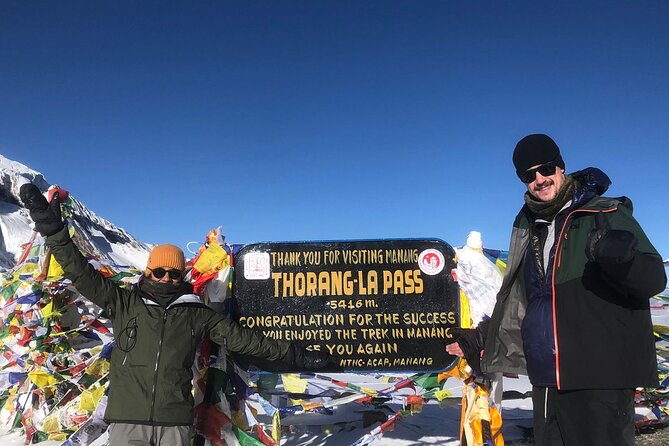
- Thorong La: 5416m, early starts, and cold ridgeline weather
- Muktinath day: blessings, Lubra views, and Kagbeni’s mustang edge
- Pokhara return: flights through the Kali Gandaki Gorge and lakeside decompression
- Back to Kathmandu: a traditional farewell and time to breathe
- Price and what you’re really paying for
- Who should book this Annapurna Circuit Trek (and who should rethink it)
- Should you book Annapurna Circuit Trek with Hit The Himalaya?
- FAQ
- How long is the Annapurna Circuit Trek?
- What’s the starting point for the tour in Kathmandu?
- Is pickup offered, and is there a mobile ticket?
- What’s included in the price?
- Which flights are included during the trek?
- What’s the highest major pass on this route?
- Can I cancel and get a full refund?
Key highlights at a glance
- Kathmandu Temple Day with UNESCO-listed sights so you start with culture before your first trek step
- Manang acclimatization logic built into the pacing, including optional side trips like Ice Lake
- Tilicho Lake detour with a reserved base-camp rest stop and early-morning walking for better conditions
- Thorong La (5416m) as the crown moment, followed by a Muktinath pilgrimage visit
- Flights included to cut travel time—Jomsom to Pokhara, then Pokhara back to Kathmandu
Kathmandu Temples, Thamel Meals, and a smooth start
Your journey begins in Kathmandu, with the basic rhythm you want on day one: land, clear customs, meet your representative, then get to a hotel. After you settle in, you can wander Thamel, the area that’s set up for travelers—easy meals, easy supplies, and plenty of choices for both local and Western food.
Day two keeps things cultural and practical. You’ll visit major sacred sites in Kathmandu, including Pashupatinath Temple, Buddha Stupa, and Kathmandu Durbar Square. These stops matter because they give you context for what you’ll see on the trail: prayer flags, sacred spaces, and the everyday role of faith in the Annapurna region’s wider Himalayan world.
A small note on mindset: Kathmandu is lively. Expect crowded streets and narrow roads on the drive in, and plan to take the first day slow so your body isn’t already exhausted when the trek starts.
You can also read our reviews of more tours and experiences in Kathmandu.
Getting out of Kathmandu: long roads toward the trek
On day three, you leave Kathmandu for Besisahar, with a long drive that uses the river valleys to connect you to the trail system. You’ll pass sweeping views of the Annapurna and Manaslu ranges and get your first real sense of scale—mountains that feel close, but still take time to reach.
Road days in Nepal are part of the experience, but they’re not subtle. The route described here includes winding, bumpy, narrow sections and stretches of rough road until you reach the higher-hills connection. That’s why this trek’s schedule feels stacked: it needs those travel hours to set you up for actual hiking start points.
By day four, the transport continues up the route toward the Annapurna trailhead areas, and you’ll land at Pisang (Upper Pisang). This is a key day because it transitions you from road travel into trekking country, and you’ll gain about 3000m of altitude by the end of the day.
Pisang to Manang: choosing a drier line and building your legs
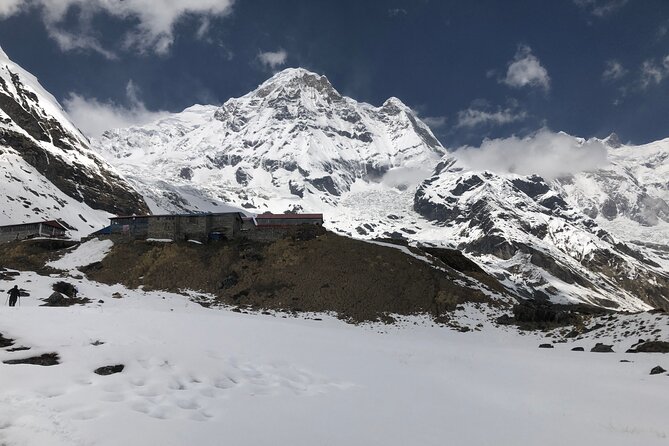
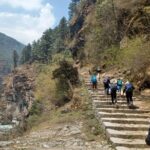
The first real walking day—Pisang to Manang—sets the tone. You’ll get a moderate ascent with a tougher component, and the big payoff is the constant scenery of the Annapurna range as you walk. There are even route choices: a higher altitude path and a lower, more moderate shorter one.
This is one of those moments where you should listen to your own body. If you’re feeling the early signs of altitude issues, the plan itself suggests shifting to the lower option. If you’re okay, the higher path is described as a drier line, which can make a big difference for comfort and footing.
You’ll also pass through places that feel distinctly “Annapurna,” including Ghyaru, a Buddhist town you walk alongside. When you reach Manang, you’re not just gaining elevation—you’re stepping into a base for side trips and acclimatization.
Manang acclimatization day: side quests that aren’t just sightseeing
Manang isn’t a stop you rush through. It’s where the trek teaches you how to handle altitude the smart way. The itinerary includes an extra night back in Manang after reaching it, explicitly to help your body adjust and reduce altitude-sickness risk.
This day is also practical: you’re given time for optional side trips such as:
- The hike toward Ice Lake (~3900m)
- Chongkor view for glacial-lake views
- Visits to nearby Gumbas and local monasteries
- A stop at the Himalayan Rescue Association clinic, where altitude sickness information is provided
I really like this approach because it’s not just theory. A clinic visit turns “altitude advice” into something you can actually hear in person, and it gives you a place to ask questions before you push toward higher camps.
If you do take side trips, keep them in the “useful but not reckless” category. Your goal is to arrive at Thorong La day with legs and lungs that feel ready, not beaten up.
Sri Kharka, loose stones, and the Tilicho Lake push
After Manang, the trek moves toward Sri Kharka, with a descent that drops you to a river crossing and then returns you through forest terrain to Khangsar and onward. It’s described as dusty and rugged in places, so this is a day where steady rhythm matters more than speed.
Then comes the heart of the detour: Tilicho Lake.
Day eight shifts you to Tilicho Base Camp. The trek is described as easier on paper—less steep—but tougher in practice because you’ll be walking on loose stones and the route is prone to landslides. That’s the kind of detail that changes how you should feel about the day. You’ll want to focus on balance and careful steps, not just stamina.
It’s also described as a point where you won’t find hotels/teahouses along the route onward. When you arrive at base camp, you rest in a teahouse setup where your room is reserved. This matters because it removes a big uncertainty for many trekkers: you don’t need to negotiate lodging on the fly.
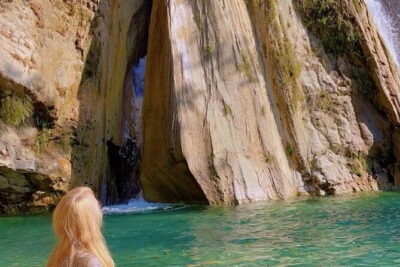
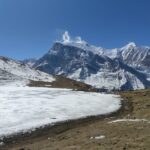
Day nine is the early-morning climb to Tilicho Lake, described as pristine and emerald, with glittering glaciers around it. The itinerary notes that mornings have less wind, which is exactly what you want when the air gets thinner and colder. After exploring the lake, you retrace your way back to Sri Kharka.
Tilicho feels like a different flavor of the Annapurna Circuit—less “main route village life,” more high-altitude stillness and hard scenery.
Back through the middle: Yak Kharka and the Tare Gumba pause
Day ten turns your attention back toward altitude-building. You trek from Sri Kharka toward Yak Kharka, with stops that include:
- A descent to Khangsar village
- An ascent into a barren landscape where you can see Yak Kharka from distance
- A chance to visit Tare Gumba, described as sacred for people living in the area
This is a good day to remember the rhythm of the circuit: you’re constantly shifting between “easy walking” and “working hard,” often with no dramatic break. The payoff is that your body adapts with real time on the trail, not just a single jump in elevation.
If you’re lucky, you might spot wildlife (including blue sheep, as noted for this route). Even when you don’t, the open high-country views and the changing terrain keep you mentally awake.
Thorong La: 5416m, early starts, and cold ridgeline weather
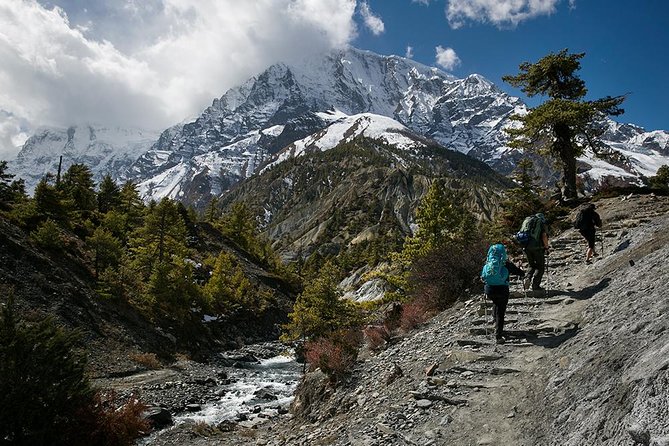
Day eleven is the final stretch before the pass. You’ll move to Thorong Phedi, progressively acclimating as you walk at elevations above 4500m. The route is described as lonely and cold, sitting in a glacier valley with mountains on three sides.
That cold detail matters. When a place is described as cold, you should trust it. You’ll likely feel it more than you expect, especially if you’re arriving tired from the day’s hiking.
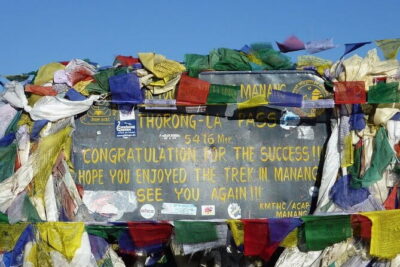
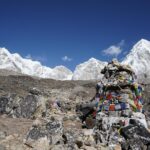
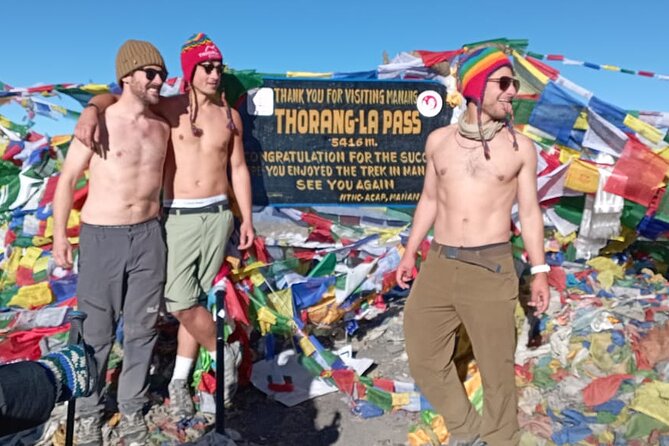
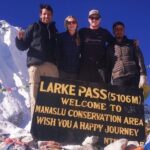
You’ll sleep early because day twelve is the big one: crossing Thorong La Pass (5416m / 17769ft) and reaching Muktinath afterward.
Day twelve is set up as an early departure day, before the sun rises, because the itinerary notes there’s no wind in the morning. The trail begins steep, reaches High Camp after about an hour, and then the final stretch to the pass summit is described as difficult, taking several hours. At the top, the vista is described as breathtaking, with Dhaulagiri (8167m) visible and Upper Mustang seen in the distance.
This is the moment that turns “hard trek” into “story you keep telling.” And if you’re the type who likes structure, you’ll appreciate that the trek doesn’t pretend this is easy. The schedule builds toward it with acclimatization and practice walking at altitude first.
Muktinath day: blessings, Lubra views, and Kagbeni’s mustang edge
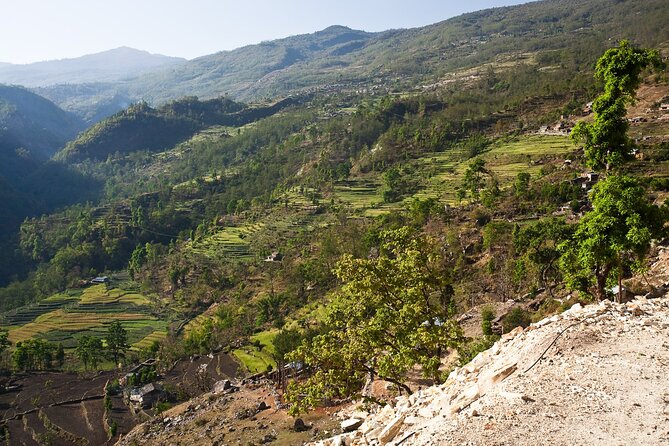
After crossing to Muktinath, day thirteen gives you a pilgrimage morning. You’ll visit Muktinath Temple, a famous site for both Hindus and Buddhists. This moment feels different from the pass summit. Instead of sky-only views, you’re in a religious landscape with steady human presence.
Then the itinerary gives you two options after the temple visit: you can board transport or trek via Lubra, which the plan calls out as a place where you get the best view from the top rather than from the bus/jeep. After Lubra, you descend toward Kagbeni, described as the junction between Upper and Lower Mustang, with Upper Mustang above it.
The driving notes say the road from Muktinath to Jomsom is well paved, though under construction in places. Practically, that means a smoother ride is possible, but don’t expect it to feel like modern highways.
Pokhara return: flights through the Kali Gandaki Gorge and lakeside decompression
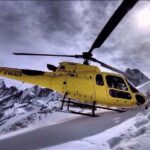
On day fourteen, you go to Pokhara Lakeside. The itinerary includes a flight booking from the Jomsom area to Pokhara, with a flight time of about 25 minutes. It’s described as flying through the Kaligandaki Gorge, which is a fun detail because you’re not stuck with hours of road while you’re mentally still in the mountains.
There is one real catch: flights can be delayed if winds are strong or visibility is weak. So if you’re timing onward plans, keep a little flexibility.
Once you land, you get an evening built for recovery: wander the lakeside, eat something comforting, and let your body cool down from trekking rhythm.
Back to Kathmandu: a traditional farewell and time to breathe
The final day brings you back to Kathmandu by tourist bus. The drive is described as several hours, with the trip time ranging up to 6–8 hours depending on conditions. Then you check into your hotel and get a true end-of-trek reset.
The itinerary’s favorite touch is the farewell supper at a traditional restaurant nearby, with a chance to join Nepal cultural events while you eat. It’s a nice way to close out the circuit: you’re not just ending with a transfer. You’re ending with a meal and a sense of completion.
Price and what you’re really paying for
This trek costs $1,560 per person. For many trekkers, that number feels like a lot until you look at what’s wrapped into the package.
Here’s what you get that usually costs real money if you have to arrange it yourself:
- Permits for the trek, plus UNESCO heritage site permits for Kathmandu sightseeing
- Accommodation throughout the trip
- A professional certified guide and porters
- Flights included: Jomsom to Pokhara, and Pokhara to Kathmandu
- Meals included: breakfast on day 14, plus 13 lunches and 13 dinners across the trek
Add it up and the price starts to look more like “pay for stress-free mountain logistics.” You’re buying time, fewer decisions, and a team that can manage the day-to-day flow.
What isn’t included is also straightforward: personal expenses and tips/gratuities. That’s common for Nepal trekking, but it’s still worth budgeting for so the final total doesn’t surprise you.
Who should book this Annapurna Circuit Trek (and who should rethink it)
This is a great choice if you:
- Want a classic Annapurna Circuit experience with Tilicho Lake as a named highlight
- Appreciate acclimatization days and a plan that respects altitude
- Prefer a guided setup where permits, lodging, and flights are handled for you
- Are comfortable with a mix of trekking and longer road days
This might not fit if you hate cold starts and high-altitude walking. The pass day is demanding by design, and the itinerary’s cold ridgeline description at Thorong Phedi is a clue. Also, your route includes sections with loose stones and possible landslide-prone terrain, so you’ll want balance and patience.
Should you book Annapurna Circuit Trek with Hit The Himalaya?
If you want a trek that hits the major icons—Manang culture and acclimatization, Tilicho Lake’s emerald payoff, Thorong La, and the pilgrimage to Muktinath—then this is a strong “yes,” especially because flights are included to help you avoid extra backtracking. The included structure also makes it easier to focus on hiking and enjoying villages rather than chasing logistics.
I’d say book if you’re ready for a serious mountain itinerary and you can handle early mornings at higher elevations. If you’re unsure, consider that the trip already builds in safety-minded altitude pacing (like the extra Manang night and the clinic visit), which is exactly the kind of detail that makes a difference on a circuit trek.
FAQ
How long is the Annapurna Circuit Trek?
The tour runs for about 15 days.
What’s the starting point for the tour in Kathmandu?
The tour starts at Tribhuvan Airport in Kathmandu, Nepal.
Is pickup offered, and is there a mobile ticket?
Yes. Pickup is offered, and you’ll receive a mobile ticket.
What’s included in the price?
The package includes all required trek permits, accommodation throughout the trip, a professional guide and porters, meals (13 lunches, 13 dinners, and breakfast on day 14), and flights (Jomsom to Pokhara and Pokhara to Kathmandu), plus UNESCO heritage permits for Kathmandu sightseeing.
Which flights are included during the trek?
You fly from Jomsom to Pokhara, and then from Pokhara to Kathmandu.
What’s the highest major pass on this route?
The itinerary includes a crossing of Thorong La Pass at 5416m (17769ft).
Can I cancel and get a full refund?
Yes. You can cancel up to 24 hours in advance for a full refund. If you cancel within 24 hours, the amount paid is not refunded.