REVIEW · HANOI
From Hanoi: 2D1N Mu Cang Chai Private Trekking & Homestay
Book on Viator →Operated by Indigenous Adventure · Bookable on Viator
Mu Cang Chai hits different. This private 2D1N trek pairs a comfortable Hanoi-to-mountains transfer with a flexible route guided by local H’mong experts through rice terraces and village life. You get the views, yes, but you also get the people.
What I really liked: the homestay experience felt genuine and warm, with homemade meals and a family that made the stay feel easy. I also loved having Dinh as a guide on the forest side of things, especially when it came to H’mong knowledge of the area and how they live with the land.
One consideration: you’ll need moderate fitness for a full day of trekking. If you prefer long stretches on flat ground, this may feel like work rather than a stroll.
In This Review
- Key highlights you should know
- From Hanoi to Mu Cang Chai: a private start that keeps the day sane
- Day 1 isn’t a rest day—it’s your homestay preview
- The homestay night: what you’ll really remember
- Day 2 trek: La Pan Tan valleys and Mu Cang Chai rice terraces
- Viewpoints and villages: the good kind of slowing down
- Forest trekking with Dinh: H’mong forest knowledge you can’t fake
- Private travel value: why this $230 price can work (or not)
- Getting the most out of your two days (practical tips)
- Who this Mu Cang Chai private trek + homestay is best for
- Should you book this Hanoi to Mu Cang Chai 2D1N trek?
- FAQ
- Is this a private tour?
- How long is the trek and overall trip?
- What’s included in the price?
- What food should I plan for?
- What kind of fitness level do I need?
- Can I cancel for a full refund?
Key highlights you should know
- Private car transfer from Hanoi for a less stressful start (and less waiting around)
- H’mong guide + customizable route so the day’s pace actually fits you
- Homestay in a family-run setting with a private room and attached bathroom
- Rice terrace viewpoints in Mu Cang Chai plus valley trekking through La Pan Tan
- Forest trekking with strong local storytelling (including H’mong forest survival knowledge)
- You can end in Hanoi, Mu Cang Chai, Sapa, or Ha Giang depending on what you want next
From Hanoi to Mu Cang Chai: a private start that keeps the day sane
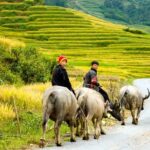
The biggest advantage here is simple: you leave Hanoi by private car and go straight toward Mu Cang Chai without the usual scramble. The drive takes you through mountain scenery, and after a few hours you’ll feel the air change—cooler, calmer, and less city-like than the capital. For many people, that first transfer is where day trips fall apart. Here, it stays comfortable and organized.
The tour also starts in Hanoi’s Old Quarter area, which is convenient if you’re already staying in central districts. You’re not piecing together taxis, figuring out bus times, or trying to coordinate a last-minute pick-up with a driver who may not speak much English. Instead, you get a clean handoff to your local team and can spend the ride thinking about what you want from the trek—slow and photo-focused, or more active.
One thing to keep in mind: your full Day 1 is built around getting to Mu Cang Chai and settling in. So if you’re the type who hates “travel days,” you won’t get a long, packed sightseeing afternoon in Hanoi-city style. But honestly, that’s the trade-off for doing this on your own schedule and not rushing.
You can also read our reviews of more tours and experiences in Hanoi.
Day 1 isn’t a rest day—it’s your homestay preview
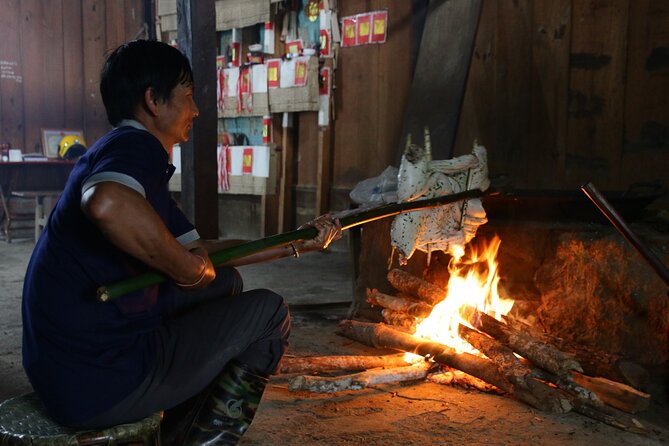
Day 1 begins with the private transfer and ends with your first night in a family-run homestay. Think of it as the warm-up. You arrive, get oriented, and then your evening shifts from travel mode into village life mode.
The homestay setup is practical: you get a private room with a private attached bathroom. That matters more than you’d think. Homestays can be wonderful, but comfort makes it easier to enjoy the cultural part rather than constantly worrying about logistics. Even one night with a clean, private setup lets you wake up ready to trek the next morning.
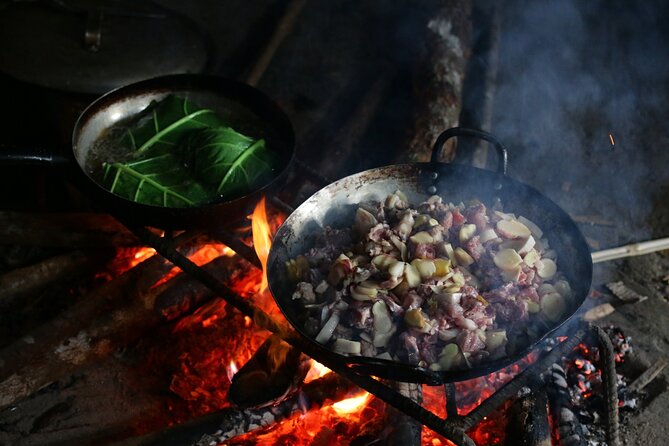
Your day’s schedule also includes dinner and breakfast the next day, so you aren’t scrambling for meals after a long drive. The meals are described as homemade and delicious in feedback from past guests, and this is where value often shows up on Vietnam tours. When food is handled, you don’t waste energy negotiating menus or guessing what will be safe and filling.
The most praised part of Day 1 is the welcome. Guests highlight how warm and friendly the family is, and how the experience feels humble in the best way—less staged than some “cultural” stops. You’re not being put on a performance timetable. You’re being treated like a visitor in their home.
The homestay night: what you’ll really remember
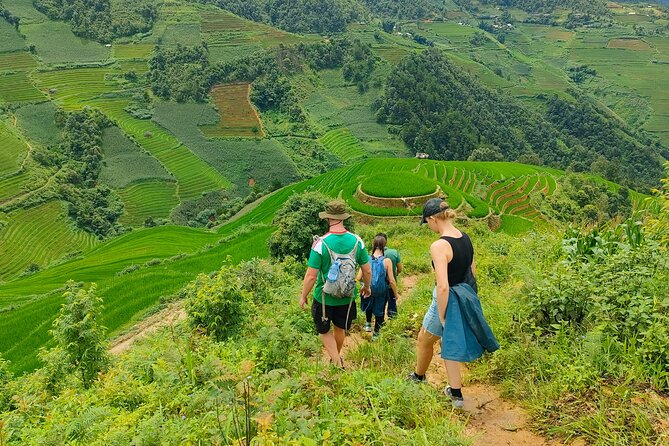
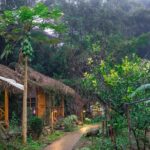
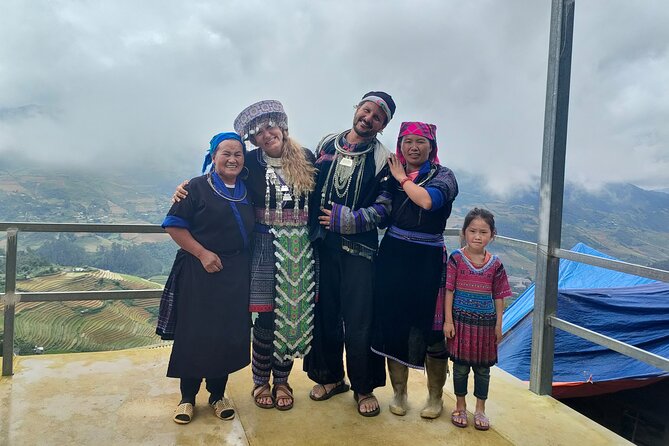
If you care about authenticity, this is the heart of the trip. The homestay is family-run, and the experience is centered on daily life—sharing meals, getting simple conversations going, and learning how the area works through the eyes of local hosts.
Several key details show up again and again in feedback:
- A warm welcome that makes the house feel welcoming instead of intimidating
- A host who can explain H’mong culture clearly in English (the owner is noted as speaking very good English)
- A sense of real culture rather than a quick photo-op stop
- Simple, clean rooms that keep the comfort level reasonable for an overnight trek
The cultural learning here tends to be less “lecture” and more “questions and answers as you go.” That’s usually the best way to understand a place like Mu Cang Chai, because you’re not just watching—you’re participating in the rhythms of a home.
One small consideration: if your expectation is a luxury lodge with a lot of staff and amenities, the homestay won’t match that vibe. This is basic and family-focused. The upside is that you’ll likely feel more connected to the people and less like you’re just consuming scenery.
Day 2 trek: La Pan Tan valleys and Mu Cang Chai rice terraces
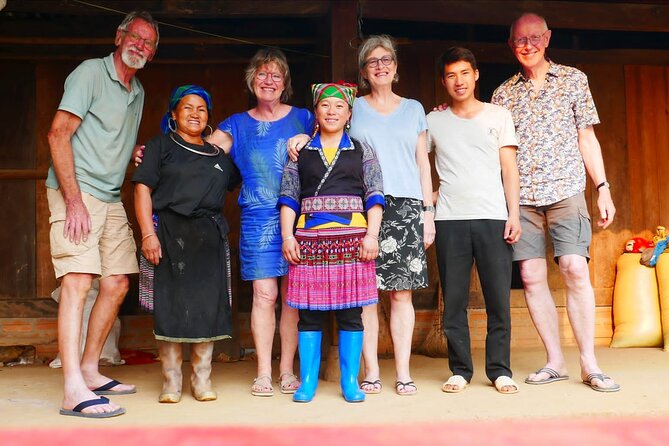
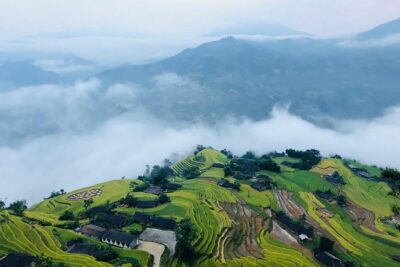
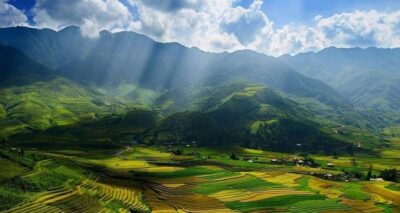
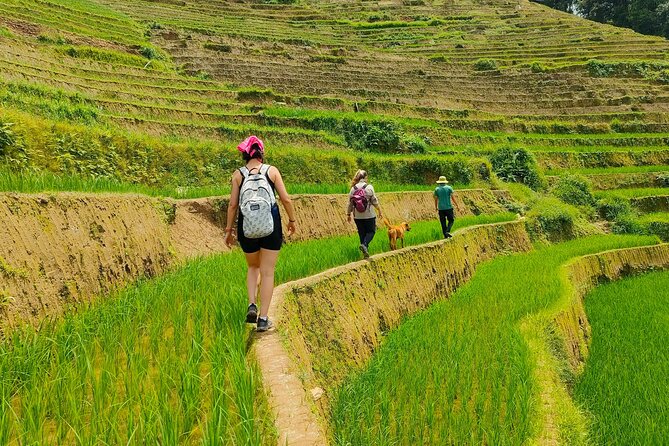
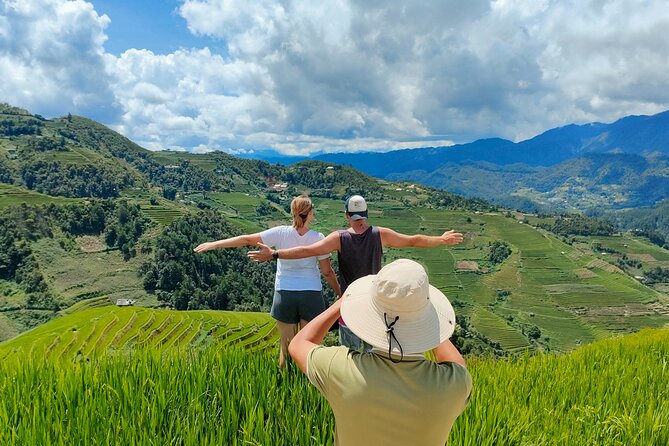
After breakfast, you set off on a private trek with your local H’mong guide. Day 2 is the real trekking day: you’ll move through valleys that include La Pan Tan and Mu Cang Chai, with time at notable viewpoints where the rice terraces are the headline.
This is where the “private + guided by a local expert” setup pays off. With a dedicated guide, your route can match your pace and preferences. The tour is described as customizable, and that’s important because Mu Cang Chai experiences vary depending on weather, trail conditions, and the exact timing of the landscape.
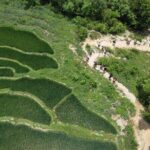
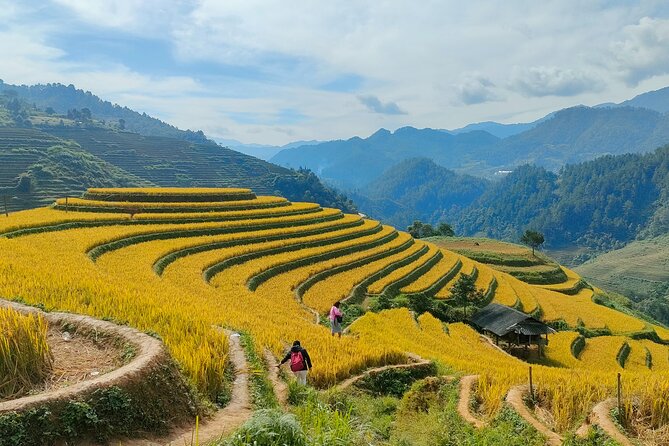
Even if it isn’t peak rice growth season, the rice-field scenery still has strong visual impact. Past guests noted that the period wasn’t when rice was at its tallest, yet the rice regions still looked striking. That means your trip shouldn’t depend on perfect timing to be worthwhile. You’re seeing terrace engineering, valley depth, and small village patterns—those elements remain.
You’ll also want to think about what trekking feels like in this region. It’s not described as extreme, but you are expected to have moderate physical fitness. Plan to dress for changing conditions (mountain air can shift), and take breaks when offered—this is not about speed. It’s about seeing the area while your legs and lungs stay happy.
Viewpoints and villages: the good kind of slowing down
The itinerary includes stop(s) at famous viewpoints. These are usually where the terraces become instantly “wow” and where photos make sense. But with a guide, you’re also more likely to understand what you’re looking at: how people manage water, why terraces look the way they do, and what daily life looks like in small settlements.
Feedback specifically mentioned villages that felt authentic and less tourist-heavy. That’s a real advantage of traveling privately and being guided by people who know where to spend time. You’re not just stopping where the biggest crowds go.


Forest trekking with Dinh: H’mong forest knowledge you can’t fake
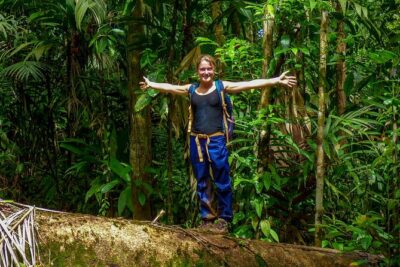
One of the most memorable pieces of feedback isn’t only about terraces—it’s about forest trekking and learning local survival knowledge. A guide named Dinh is called out for making the forest experience feel unforgettable. Guests mention that Dinh explained H’mong people’s knowledge of the forest and how that knowledge connects to everyday life.
This matters because many treks sell scenery first and culture second. Here, culture shows up in the walk itself. You’re learning in context—what plants and forest patterns mean, and why local people think the way they do about the land.
If you like nature and also like human stories, this is a great match. You’ll likely come away with more than photos; you’ll come away with a different way of seeing why people live where they live.
And yes, if you’re the type who likes to keep moving, the forest section adds variety so the day isn’t only terrace-focused.
Private travel value: why this $230 price can work (or not)
At $230 per person for a 2-day, 1-night private trek from Hanoi, the key question is value: what are you getting beyond “a guide and a driver”?
Here’s what the price covers based on the tour details:
- Private car transfer from Hanoi
- Entrance fees
- Homestay for 1 night with a private room and attached bathroom
- Meals: breakfast and two dinners plus lunch
- Bottled water, one big bottle per person per day
- A local H’mong guide for the trek
- Pickup from the Old Quarter area and a private tour setup (only your group)
What that means in real life: you’re paying to remove friction. You’re not managing transportation yourself, not organizing where to eat, and not worrying about whether your guide speaks enough to make the day meaningful. Past guests also appreciated that the hosts and guides spoke good English, which makes the cultural part easier and more satisfying.
So when does it feel like a bad deal? If you’re traveling solo on a tight budget, a private trek can feel pricier than joining a group. But if you want customization, less crowd exposure, and stronger interaction with local people, the private format usually makes sense.
I’d also consider timing. This tour is often booked about 38 days in advance on average, which suggests it’s a popular comfort-meets-authenticity pick. If you’re flexible and can travel off peak, you might have an easier time. If you’re traveling in a hot season, booking sooner is wise.
Getting the most out of your two days (practical tips)
This is a short trip, so small decisions matter.
- Decide your pace early. The trek is guided and customizable. Tell your guide if you prefer frequent stops for photos or if you want more continuous walking.
- Dress for mountain weather swings. Even in a short window, you can feel cooler air in the morning and warmer light later.
- Plan for trekking comfort. Moderate fitness is the call. Wear proper footwear and don’t treat the day like a city walk.
- Ask about what you see. Because the guide includes H’mong culture and forest knowledge, questions can turn a view into a story.
- Use the homestay as part of the experience. Slow down at dinner. It’s where the welcome and cultural conversations tend to happen.
One more practical point: the tour ends in a different location rather than back in Hanoi. The experience mentions flexibility to end in Hanoi, Mu Cang Chai, Sapa, or Ha Giang. So plan your next transport ahead of time and align your end-point with your bigger Vietnam route.
Who this Mu Cang Chai private trek + homestay is best for
This trip fits travelers who want:
- A private, no-crowd-feeling experience
- Real interaction with local people through a family homestay
- A guide who can explain the area, not just lead along a trail
- A mix of scenery (rice terraces and viewpoints) and nature stories (forest trekking)
It’s also a good fit if you want flexibility. Group tours can feel rigid. Here, you’re set up to move at your pace and even adjust where you end your journey.
If you’re traveling with friends or family who want shared time without strangers around you, the private format is a strong advantage.
And if you’re worried about language barriers: while details aren’t everywhere listed, feedback does highlight that the main owner speaks very good English, and guides like Dinh provide explanations clearly.
Should you book this Hanoi to Mu Cang Chai 2D1N trek?
I’d recommend booking if you want your Mu Cang Chai trip to feel human, not just scenic. The combo of private transport, a homestay with a welcoming family, and guided trekking with H’mong expertise is the strongest reason to choose this tour.
Skip it (or at least rethink it) if you want a super relaxed “easy day” with minimal walking. The trekking day is real, and it’s best for people comfortable with moderate activity.
If you’re choosing between doing this alone vs. with a guide, the guide part is the difference-maker. Rice terraces are beautiful on their own, but the forest knowledge and culture side give the trip extra meaning—especially with Dinh and the English-speaking host family leading the way.
FAQ
Is this a private tour?
Yes. It’s listed as a private tour/activity, so only your group participates.
How long is the trek and overall trip?
It runs for about 2 days total (2D1N).
What’s included in the price?
Included are breakfast, lunch, bottled water (one big bottle per person per day), entrance fees, 1 night homestay in a private room with a private attached bathroom, dinner (2 times), and the private car transfer.
What food should I plan for?
You’ll have breakfast and lunch plus two dinners included. The tour also notes you can request dietary restrictions such as vegetarian, vegan, or gluten-free when booking.
What kind of fitness level do I need?
The tour notes that travelers should have a moderate physical fitness level.
Can I cancel for a full refund?
Yes, you can cancel up to 24 hours in advance for a full refund, based on the experience’s local time. If you cancel less than 24 hours before the start time, the amount paid isn’t refunded.