REVIEW · POKHARA
Pokhara: 5-Day Ghorepani and Poon Hill Private Trek
Book on GetYourGuide →Operated by Linkage Tour & Travel · Bookable on GetYourGuide
Sunrise at Poon Hill hits different. I love the Poon Hill sunrise and the culture-filled walk through Ghandruk. The one real drawback: this route comes with a serious dose of stairs.
If you want Annapurna views without a weeks-long commitment, this is one of Nepal’s best short treks. You’ll start in lakeside Pokhara, take a scenic drive to Nayapul, then hike through farmland, forests, and classic villages until you’re staring at big names like Dhaulagiri and Annapurna South.
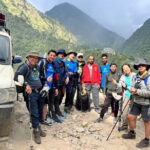
This is also a private trek, so the day feels more like a guided hike with support than a cattle-line group march. Based on what people shared about the guides—Paras and Bidur in particular—you can expect help with pacing, tea stops, and the practical stuff like ordering meals.
In This Review
- Key highlights worth planning around
- Entering Pokhara: the easy start that matters
- The day-by-day plan with altitudes (Pokhara, Ghorepani, Poon Hill, Ghandruk)
- Day 1: Pokhara (820 m) to Nayapul (1,070 m), then to Tikhedhunga (1,570 m)
- Day 2: Tikhedhunga (1,570 m) to Ghorepani (2,850 m)
- Day 3: Ghorepani (2,850 m) to Poon Hill (3,210 m) for sunrise, then to Tadapani (2,610 m)
- Day 4: Tadapani (2,610 m) to Ghandruk (1,940 m)
- Day 5: Ghandruk (1,940 m) to Nayapul (1,070 m), then drive back to Pokhara (820 m)
- What the trail is really like: stairs, forest walks, and village rhythm
- Poon Hill sunrise: getting the best view without losing your mind
- Ghandruk: cultural heritage with a view
- Guide support that makes the trek smoother (Paras, Bidur, and practical help)
- Rhododendron forests and Himalayan views: why the middle days count
- Price and value: is $187 per person fair for what you get?
- Who should choose this 5-day private Poon Hill trek
- Should you book this Pokhara to Poon Hill private trek?
- FAQ
- What is the highest altitude on this trek?
- Where does the trek start and end?
- How many days is the trek?
- Is this a private trek?
- What language will the guide speak?
- Are permits included?
- Are meals included in the price?
- Is pickup included in Pokhara?
Key highlights worth planning around
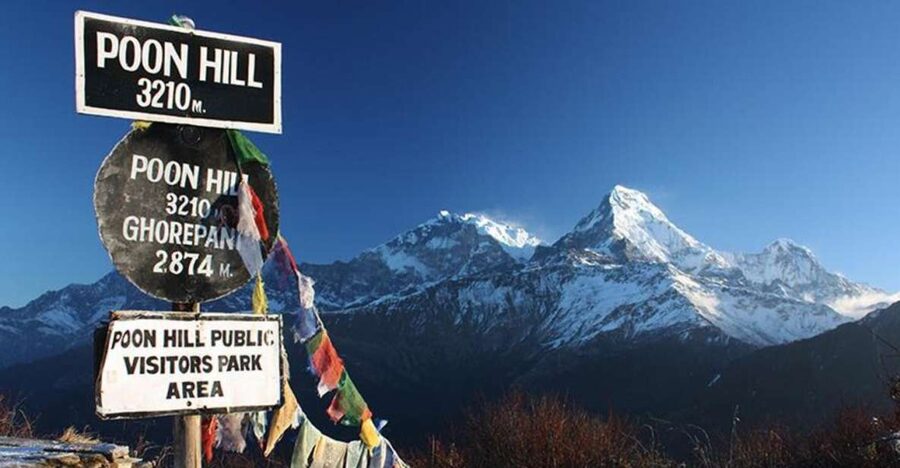
- Poon Hill sunrise, plus multiple Himalayan viewpoints without needing a long high-altitude trek
- Ghandruk village time for traditional Gurung culture and mountain views from a real settlement
- Rhododendron forest hiking that stays scenic even when the views dip into clouds
- A guide who helps with logistics like meal ordering and keeping things moving at your speed
- Pre-arranged guest houses so you’re not scrambling for rooms at the end of the day
Entering Pokhara: the easy start that matters
Pokhara is the launch pad for a reason. Before your first real uphill, you get a comfortable night in a city that’s used to trekking traffic—shops, cafes, gear rentals, and friendly transport options. The trek itself is only five days, so starting relaxed in Pokhara helps a lot.
Your plan begins with pickup in Pokhara (from your hotel or even the airport) and a drive out to Nayapul. That “getting there” part is not just convenience. It positions you at the right trailhead so Day 1 can focus on a solid warm-up hike instead of a long day of transit.
You can also read our reviews of more tours and experiences in Pokhara.
The day-by-day plan with altitudes (Pokhara, Ghorepani, Poon Hill, Ghandruk)
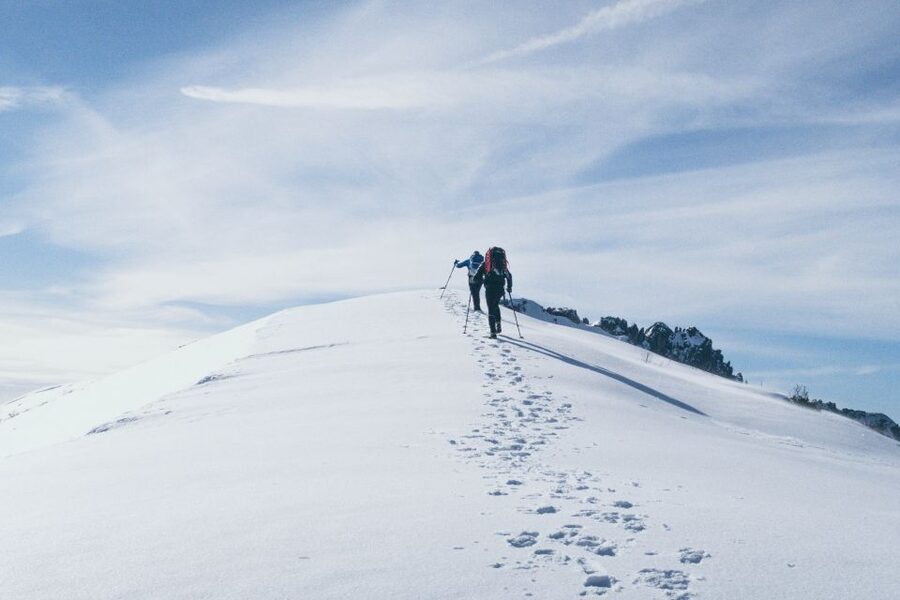
Here’s the route you’ll follow, with the altitude targets you should expect each day. These numbers help you judge pacing and plan your energy (and your layers).
Day 1: Pokhara (820 m) to Nayapul (1,070 m), then to Tikhedhunga (1,570 m)
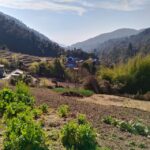
You’ll take a scenic drive from Pokhara to Nayapul, which puts you on the main trail toward the villages below Ghorepani. From there, the path winds through terraced farmland and settlement life.
Tikhedhunga is your first trekking-night stop at about 1,570 m. It’s a good day to aim for steady effort rather than speed—your legs are about to learn stairs, so you might as well introduce them gently.
Day 2: Tikhedhunga (1,570 m) to Ghorepani (2,850 m)
Day 2 is the “you’re really in trek mode” day. You climb up toward Ghorepani at 2,850 m, where you’ll stay in guest house comfort and settle in for the highpoint approach.
Ghorepani is known for teahouses and traditional houses, so you can eat, hydrate, and get a feel for the area. It’s also a practical acclimatization day in the sense that you’ll rest after a big gain, not just keep pushing upward all afternoon.
Day 3: Ghorepani (2,850 m) to Poon Hill (3,210 m) for sunrise, then to Tadapani (2,610 m)
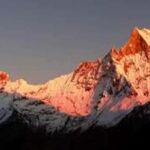
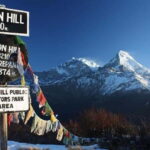
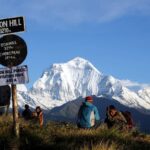
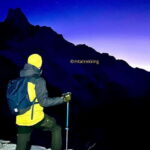
This is your early morning highlight. You’ll wake up and hike to Poon Hill (3,210 m) for sunrise, then return to Ghorepani for breakfast before continuing onward to Tadapani (2,610 m).
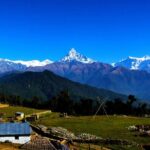
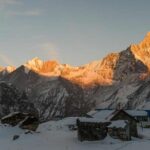
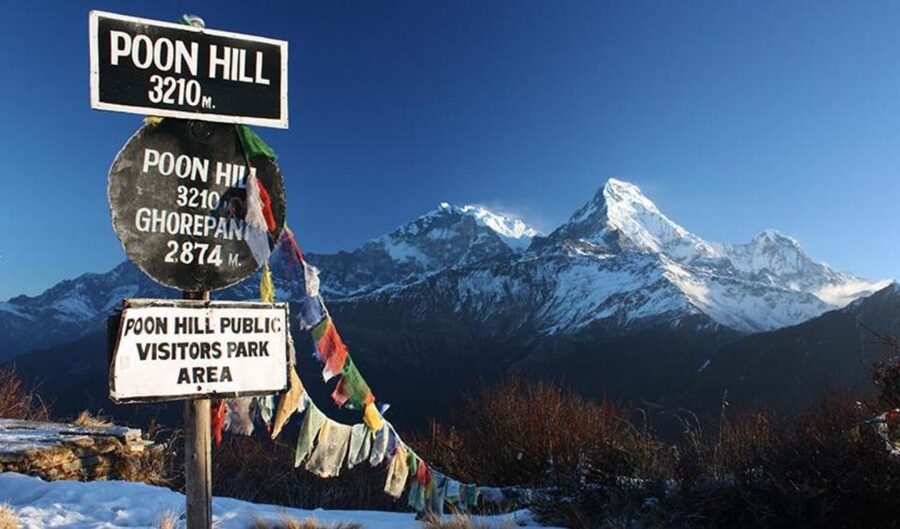
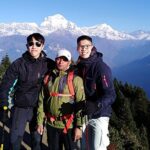
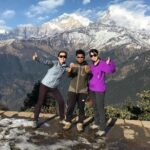
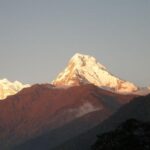
From Poon Hill, the view range is a big selling point: you may see Mt. Dhaulagiri, Annapurna South, Hiunchuli, and Machhapuchhre. After sunrise, you’ll trade the viewpoint drama for forest hiking as you head toward Tadapani. The trail here is famous for rhododendron sections, and it’s often where the walk stays pretty even if clouds soften the far views.
Day 4: Tadapani (2,610 m) to Ghandruk (1,940 m)
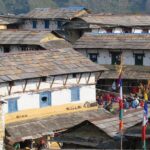
Day 4 is a descent in altitude, but it doesn’t feel like an easy “rest day.” You’ll move toward Ghandruk at about 1,940 m, a Gurung village with strong cultural identity and classic mountain-facing views.
Ghandruk is one of those places where you’re not just walking past rooftops. It’s a real community. The mix of architecture, village lanes, and Himalayan sightlines gives this trek its most memorable village-day vibe.
Day 5: Ghandruk (1,940 m) to Nayapul (1,070 m), then drive back to Pokhara (820 m)
Your final day is the payoff: you head downhill to Nayapul (1,070 m) and then drive back to Pokhara. This is the day for sore calves to finally stop burning and for you to return to lake level life.
It’s a good end after five days of altitude change—especially because the drive back closes the loop cleanly instead of leaving you to negotiate transport.
What the trail is really like: stairs, forest walks, and village rhythm
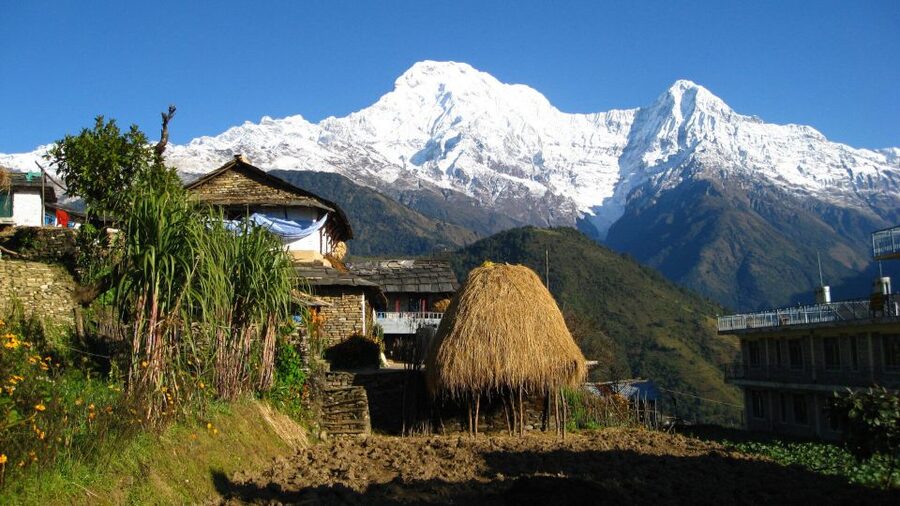
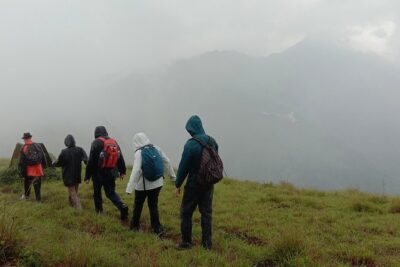
The biggest physical truth about this trek is also the most common: the stairs. People are right to warn you. Even on a trek described as relatively easy, you’ll feel a lot of step climbing, then step descending.
That’s why pacing matters. A strong guide doesn’t just lead; they help you keep your effort smooth. Several trekkers described guides like Paras tailoring the trip to individual needs, and Bidur letting them set a pace that matched their comfort level. That matters on this route because stairs can wreck your rhythm if you charge too hard early.
On the positive side, this trek isn’t only stairs and altitude. You’ll walk through:
- terraced fields and local farmland sections
- teahouse-and-village rhythms where breaks feel normal
- rhododendron forests, especially on the way through the higher middle stretch
So even when you’re working, the path keeps changing. That helps mentally, and it makes the day feel shorter.
Poon Hill sunrise: getting the best view without losing your mind
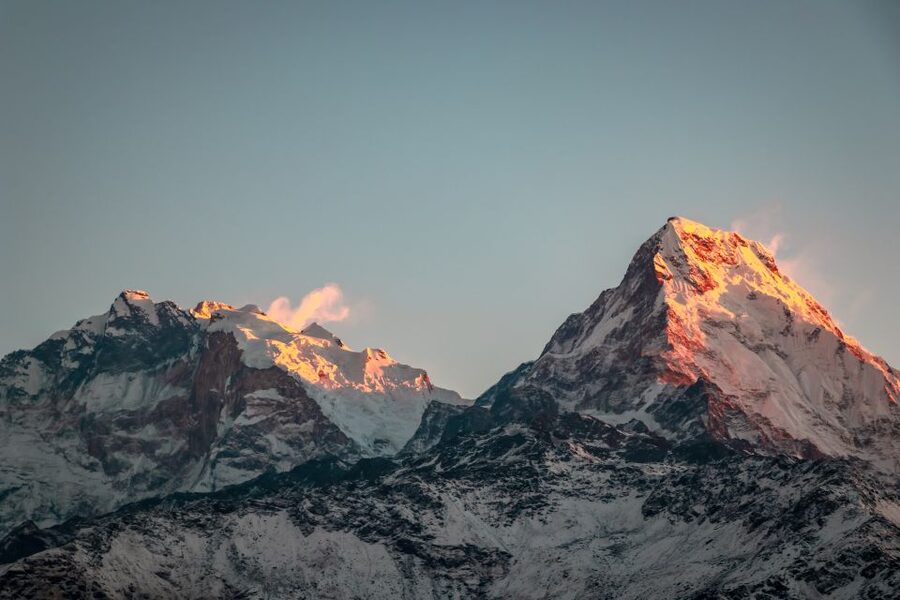
Let’s be practical: sunrise hikes require early effort. You’ll wake up before the morning is fully awake and hike up to Poon Hill. From the top, sunrise is the headline moment.
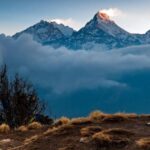
What you should know is that your experience depends on weather. The promise here is big-name visibility when skies cooperate, including Dhaulagiri and multiple Annapurna-area peaks. When clouds are around, you may still get a beautiful show, but don’t expect a guaranteed crystal-clear panorama every single time.
How to set yourself up for a calmer sunrise:
- Keep layers simple and warm. Morning wind at elevation can bite.
- Move at a steady pace early so you arrive without panic-level breathing.
- Treat the breakfast stop afterward as part of the plan, not a bonus. You’ll want it.
And yes, sunrise at Poon Hill is repeatedly singled out as the highlight of Nepal for many people on this specific route. The good news: it’s built into the itinerary, not an optional detour.
Ghandruk: cultural heritage with a view
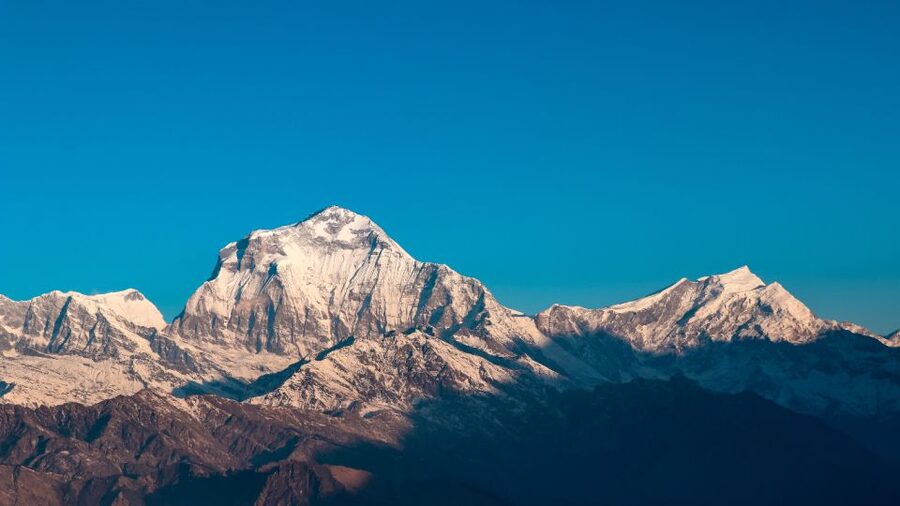
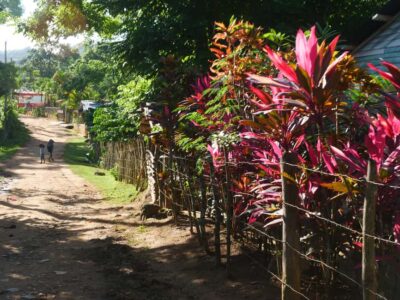
Ghandruk is where the trek becomes more than hiking. It’s a Gurung village known for traditional architecture and a strong sense of community. You’re hiking at altitude during the early days, then you arrive into a settlement that feels human-scaled and alive.
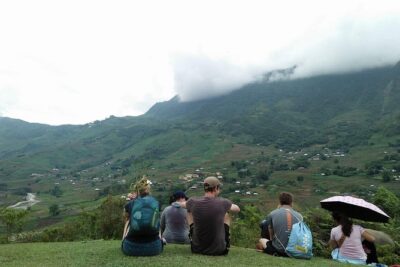
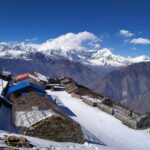
The view here matters too. You’re positioned for classic mountain sightlines, including Annapurna and Machhapuchhre. That combination—village life plus the peaks—gives you a day that feels less like transportation between viewpoints and more like a place you’re visiting properly.
If you care about culture, don’t rush this stop. Spend time walking village lanes slowly, notice how homes are arranged, and take a moment to understand that you’re not just passing through scenery.
Guide support that makes the trek smoother (Paras, Bidur, and practical help)
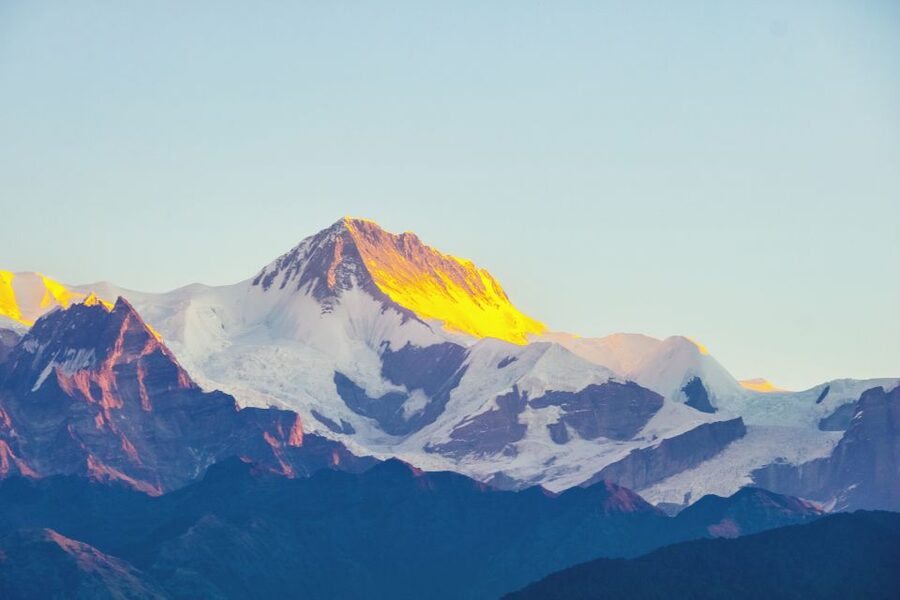
On a private trek, the guide’s job isn’t only route-finding. It’s reducing friction. That includes small things that can make a big difference when you’re tired.
Here’s what people highlighted about the guides:
- Paras helped customize the trip to individual needs, which is a smart approach on a route with stairs and variable weather.
- Bidur explained mountains and local names, and he helped with practical tasks like ordering meals and keeping the schedule comfortable.
- Support also included help with hotels and arrangements in advance, so you can walk at your own pace without playing booking roulette.
- In at least one case, people also mentioned getting help with Wi‑Fi at stops, which might sound minor until you’ve been disconnected for days.
Even with a private trek, you’ll still do the work—this isn’t a porter-only stroll. But having a guide who can handle logistics and keep you comfortable is what turns a scenic trek into a satisfying one.
Rhododendron forests and Himalayan views: why the middle days count
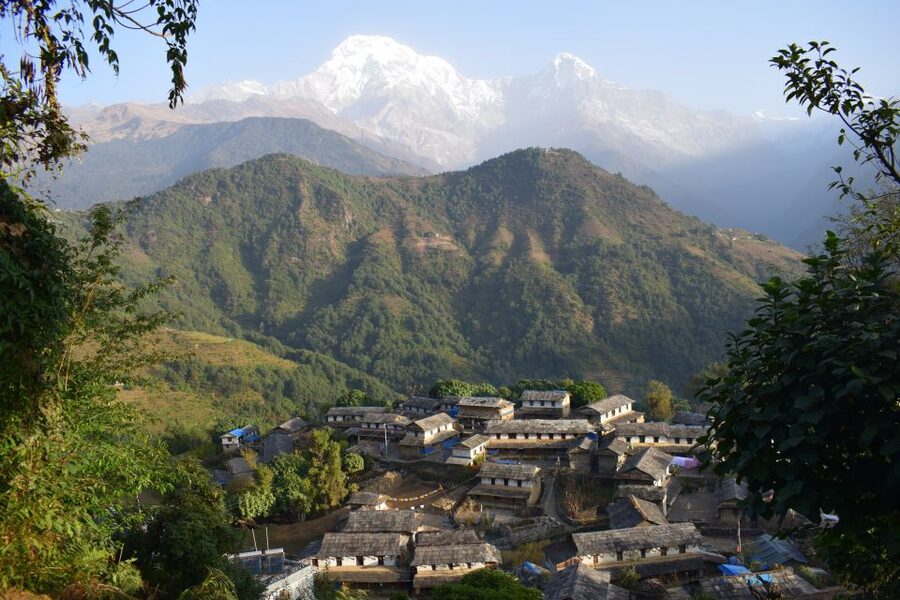
The trek’s rhythm is built around changes. After the first climb, you push up to Ghorepani, then you spend Day 3 earning the sunrise payoff before heading into forest terrain.
The rhododendron forest sections are worth mentioning for a reason: they give you beauty and shade even when your view is limited. On this route, clouds and mist can happen. When the peaks are hidden, forests and village sections become your “today is still worth it” layer.
And when the views do land, you get that classic Annapurna region feel—big mountains in sight while your feet keep finding the next step.
Price and value: is $187 per person fair for what you get?
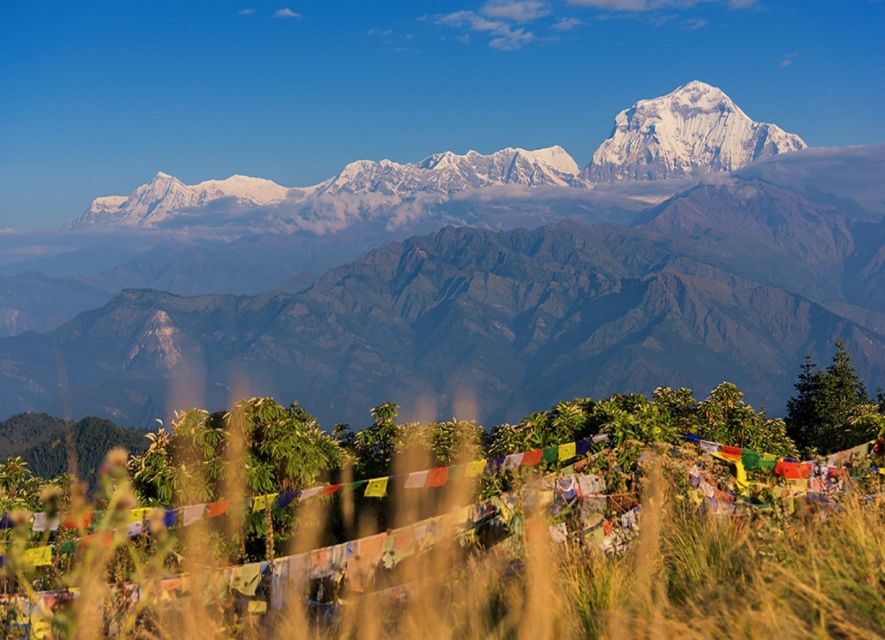
At $187 per person for a 5-day private trek, the value mostly comes from what’s included, not from what’s missing. In this case, you’re getting:
- permits and entrance fees (including TIMS and permits)
- an English-speaking experienced trekking guide
- 4 nights’ accommodation in guest houses
- round-trip transportation and pickup from your hotel or the airport in Pokhara
- all taxes and service charges
What’s not included is also important: meals are extra, and rescue costs aren’t covered.
So is it fair? For most people, yes—because you’re paying for coordination, permits, and a guide who handles the everyday headaches. If you try to recreate the same plan independently, you’ll spend time managing permits, transport, lodging, and route decisions. Paying this $187 can be less about buying comfort and more about buying a clean, stress-light workflow.
If you’re a strict budget traveler who wants full control, you may prefer DIY. But if you want a straightforward trek with a guide and pre-arranged rooms, this price structure is easy to justify.
Who should choose this 5-day private Poon Hill trek
This trek fits best if you:
- have limited time but want the Annapurna region experience
- like a short itinerary with clear daily goals
- want the Poon Hill sunrise without a heavy, high-altitude commitment
- prefer a private group so you can set your own pace
It also works well for first-time hikers in Nepal, as long as you’re mentally prepared for stairs. The physical effort is not extreme every day, but the repeated steps are real.
Should you book this Pokhara to Poon Hill private trek?
I’d book it if your priority list looks like this: sunrise views, classic villages (especially Ghandruk), and a guided trek that removes planning stress. The included guide, permits, guest house nights, and transport make it simple to run your trip without extra admin headaches.
I would think twice if stairs are a dealbreaker for you, or if you don’t want to pay extra for meals. Also, if you’re chasing only one thing—guaranteed crystal-clear sunrise views—keep weather expectations flexible.
If you want a short trek that’s scenic, organized, and genuinely memorable from the first hike to the last drive back to Pokhara, this route is a strong pick.
FAQ
What is the highest altitude on this trek?
The highest point is Poon Hill at about 3,210 meters.
Where does the trek start and end?
You’ll start in Pokhara, drive to Nayapul, and finish back in Pokhara after hiking down to Nayapul again and taking the drive back.
How many days is the trek?
The trek duration is 5 days.
Is this a private trek?
Yes. It’s listed as a private group.
What language will the guide speak?
The live guide is listed as English and Hindi.
Are permits included?
Yes. TIMS and permits are included as part of the entrance fees.
Are meals included in the price?
No. All meals are not included and you’ll buy them along the way.
Is pickup included in Pokhara?
Yes. Pickup is included from any hotel or the airport in Pokhara.