REVIEW · POKHARA
Langtang Valley Trek from Pokhara Nepal
Book on Viator →Operated by Nepal Mountain Club Pvt Ltd · Bookable on Viator
A Himalayan valley in just eight days. This Langtang Valley trek is built for real scenery without a weeks-long time commitment, and it strings together Pokhara, Kathmandu, and the full valley route to Dhunche. I like that it’s a private setup with a trekking guide who helps keep the paperwork smooth, including TIMS and national park entry fees.
What also makes it stand out is the mix of altitude walking and culture stops—Langtang Village, a Buddhist monastery, and even a yak-cheese factory stop near Kyanjing Bumpa. The main drawback to keep in mind is the altitude push: you’re heading up to Kyanjing Ri at 4600m, so you’ll want a steady pace and realistic expectations if you’re not used to higher elevations.
In This Review
- Key highlights at a glance
- Why this Langtang Valley trek fits when your schedule is tight
- Price and Logistics: what you’re really paying for at $920
- Day 1: Pokhara to Kathmandu by scenic bus, then Thamel base
- Day 2: Kathmandu to Syabrubesi (1550m) and your first guest house night
- Day 3: Syabrubesi area to Lama Hotel (2450m), with river-and-green-hill vibes
- Day 4: To Langtang Village (3430m), the day you feel the valley’s scale
- Day 5: Kyanjing Bumpa (3730m) plus yak-cheese and a monastery visit
- Day 6: Kyanjing Ri sunrise at 4600m, then back down to Lama Hotel
- Day 7: Thulo Syabru (2000m) and Tamang culture on the way out
- Day 8: Dhunche (1800m) and the drive back to Kathmandu
- The guide factor: why good support changes everything
- What kind of traveler should book this?
- Should you book the Langtang Valley trek from Pokhara?
- FAQ
- How long is the Langtang Valley trek from Pokhara?
- Where does the tour start, and when?
- Does this start in Pokhara and end in Kathmandu?
- Is it a private tour?
- What permits and fees are included?
- What kinds of accommodations are included during the trek?
- Is food included?
- What passport details do I need to provide?
- Is the hike physically demanding, especially around 4600m?
Key highlights at a glance

- TIMS and national park fees included so you don’t have to juggle paperwork
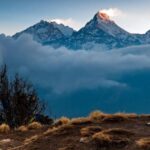
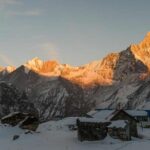
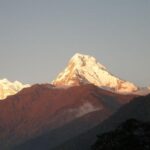
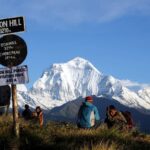
- Early 4am Kyanjing Ri hike for sunrise views over snow-capped mountains
- Culture moments built in, including a monastery visit and Tamang local life around Thulo Syabru
- A practical route for limited time, from Syabrubesi through Lama Hotel, Langtang Village, Kyanjing area, to Dhunche
- Tea house and guest house stays that match the trek days instead of forcing big hotel hops
- Guide support you can count on, with staff praised by past trekkers (including guides named Milan and Krishna)
Why this Langtang Valley trek fits when your schedule is tight
Langtang Valley gets talked about for good reason: it feels rugged, scenic, and very “Nepal” in a way that’s easy to picture once you start hiking. This version is designed around the reality that most people can’t spare 12–15 days. You still get the signature arc of the valley—Syabrubesi, Lama Hotel, Langtang Village, the Kyanjing area, then down toward Dhunche—without turning the trip into a full-on endurance project.
I also appreciate how the route is paced across multiple nights in village-tea house type lodging. That matters because it reduces the feeling of “just keep moving” and gives you a couple of real breaks to recover, eat, and reset. You’ll still hike, but it won’t feel like you’re sleeping in transit every single night.
One more practical plus: the tour includes a professional guide and the permits (TIMS and national park fees). For many people, that’s the most stressful part of organizing a trek. When the guide handles the admin side, you can focus on the trail and the views.
You can also read our reviews of more tours and experiences in Pokhara.
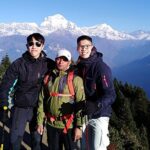
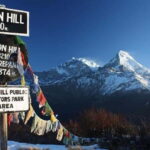
Price and Logistics: what you’re really paying for at $920
$920 per person sounds like a lot until you break it into what’s actually included. Here’s what you’re paying for that tends to be expensive or annoying to DIY:
- Guided private trekking with professional support
- Accommodation: a hotel in Kathmandu plus tea houses/guest houses during the trek, as scheduled
- Permits and fees: TIMS and national park entry fees are covered
- Transport: tourist bus from Pokhara to Kathmandu, plus a round-trip private transfer
- Pickup/drop-off included
- All taxes and handling charges included
And you’re not paying for meals, which are listed as available for purchase. That’s common on treks, but it does mean your final trip cost depends on how many sit-down meals you choose and what you order.
The other cost to plan for: rescue costs in an emergency are not included. I’d treat that as a signal to get travel/medical insurance that covers trekking and evacuation. It won’t be fun to think about, but it’s smart.
Overall, the value here is strongest if you like structure and don’t want to spend your energy on permits and logistics. If you already know your way around Nepal trekking admin and enjoy total DIY freedom, you might compare alternatives. But for most people—especially when time is short—this setup is a clean, organized way to do Langtang.
Day 1: Pokhara to Kathmandu by scenic bus, then Thamel base
The trip starts with a 7:00 am pickup in Pokhara. Then you’ll take a scenic tourist bus ride to Kathmandu, about 7 hours. After you arrive, you transfer to a hotel in the Thamel area for the night.
This day is mostly about getting your legs ready and getting oriented in Kathmandu. Thamel is practical because it’s where you can easily find gear checks, snacks, and casual dinner plans before the trekking portion begins. Even if you’re not planning to do much sightseeing, it helps to have a familiar base city first rather than jumping straight into the trail.
A small thing I like: you’re not forced into a late-night start. The early pickup is efficient, but it still gives you a full evening in Kathmandu to settle in.
Day 2: Kathmandu to Syabrubesi (1550m) and your first guest house night
On day two, the guide picks you up at 8:00 am and you’ll drive about 8 hours to Syabrubesi (1550m). You sleep in a guest house there.
Syabrubesi is a key starting point for the Langtang region. It’s not the highest altitude on the route, so it gives your body a reasonable on-ramp before you start climbing for real. You’ll likely spend the rest of the day doing the usual trek checklist: water, layers, foot care, and an early night.
If you’re the type who gets anxious when schedules feel rushed, this day’s long drive can actually feel like a breather. You’re moving, but you’re not trekking yet.
Day 3: Syabrubesi area to Lama Hotel (2450m), with river-and-green-hill vibes
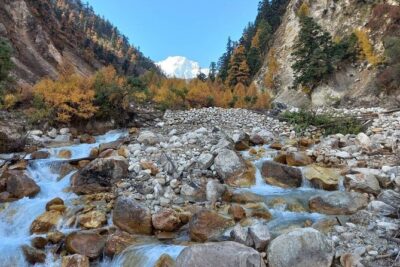
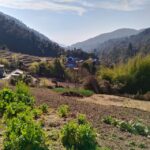
Your trek on day three is about 7 hours, and you’ll pass through the Lama Hotel valley. The route follows the Langtang river area and the valley’s green hills.
You end the day at Lama Hotel (2450m) for an overnight in a guest house.
Why this day matters: it’s where you transition from vehicle time to trail time. Expect steady walking, changing views, and the first time you really notice the altitude creeping up. The good news is Lama Hotel sits at a moderate elevation compared with what’s coming later, so it’s a more manageable first full trek day.
Also, it sets expectations for the kind of trekking you’ll do: not just one long grind, but a series of climbs and gentle valleys that keep your attention on scenery and rhythm.
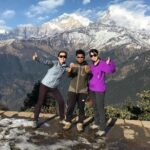
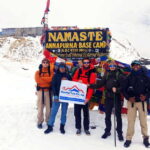
Day 4: To Langtang Village (3430m), the day you feel the valley’s scale
Day four is another ~7-hour trek, climbing up to Langtang Village (3430m). The day is described around green hills and river scenery, and you’ll sleep at a guest house.
This is a turning point day. You’re gaining altitude fast enough that you’ll feel it in your breathing pace, even if the trail isn’t always brutally steep. Langtang Village is also one of the places that makes the trek feel real, because it’s not only about views—you’re walking into a community setting.
My advice: don’t judge your energy on the first hour. Spend that time settling into your rhythm. If you keep your effort smooth, Langtang Village feels rewarding instead of exhausting.
Day 5: Kyanjing Bumpa (3730m) plus yak-cheese and a monastery visit
On day five you trek about 5 hours to Kyanjing Bumpa (3730m) and sleep in a tea house.
This is also a fun day because it includes more than walking. You’ll enjoy mountain views and have time to explore a Cheese (from YAK) factory and a Buddhist monastery.
That combination is what I love about this trek route: it gives you a break from only “up/down, up/down.” You get small cultural waypoints that help you understand what life looks like at different elevations. Even if you only spend a short time at each stop, it changes the day from purely physical into something more human and memorable.
One consideration: at 3730m, even a shorter trek day can still feel heavy. You’ll probably be glad for the shorter walking time after the earlier days.
Day 6: Kyanjing Ri sunrise at 4600m, then back down to Lama Hotel
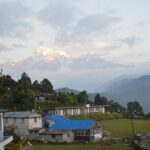
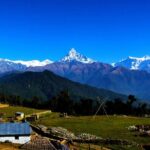
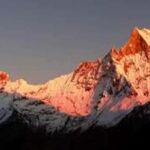
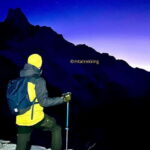
This is the big one. Day six starts early—around 4:00 am—with a small hike to reach Kyanjing Ri (4600m) for the sunrise viewpoint. After the sunrise, you trek downhill to Lama Hotel, about 7 hours, and sleep in a tea house.
If you want sunrise views over snow-capped mountains, this is the day you’re paying attention for. The early start is demanding, but it also means you’re doing something special before most of the day’s clouds and heat show up.
Practical tip: sunrise hikes are often colder than you expect, even if the valley is sunny. Wear layers you can adjust quickly, and bring a simple routine for warmth and hydration.
After the summit-view moment, the descent can feel longer than you think. Your legs do the work, not your lungs, so pace matters. The reward is that you end the day back at Lama Hotel, giving you a sense of completion before the final cultural descent.
Day 7: Thulo Syabru (2000m) and Tamang culture on the way out
Day seven trek time is about 5 hours to Thulo Syabru (2000m). You’ll sleep in a guest house.
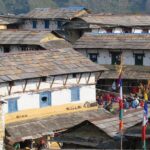
This day drops in altitude compared with the earlier days, which often feels like a relief. But it’s not only a recovery day. You’ll explore Tamang culture, heritage, and local lifestyle.
This is the kind of stop that makes the trek feel less like a checklist. When you spend time around local life—how people live, what they value, and what daily routines look like at lower elevations—you get a more grounded sense of the region.
I’d treat this day as your “slow down and notice” segment. The trail is still moving, but it’s a good time to look around instead of only focusing on the next step.
Day 8: Dhunche (1800m) and the drive back to Kathmandu
On day eight you trek about 2 hours to Dhunche (1800m). Then the driver takes you back to Kathmandu, about 7 hours, and drops you at your hotel. The trip ends in Kathmandu.
Two hours of walking is short, so mentally you can shift into arrival mode. Dhunche is also a practical staging place—once you’re there, your trek portion is basically wrapped and you can focus on the comfort side: shower if possible, a proper meal, and an easy evening back in the city.
If your Kathmandu schedule is tight, plan it with a little buffer. The drive is long, and you’ll be tired after several days of hiking.
The guide factor: why good support changes everything
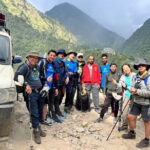
A trek is only partly about the trail. The rest is about how smoothly the trip runs—permits, timing, tea house planning, and on-the-spot decisions. Past trekkers praised guides for being friendly and highly competent, specifically calling out an easy process with TIMS and national park entry fees.
Two guide names came up in feedback I found especially relevant: Mr Milan and Krishna. That matters because it suggests the human side of the trek is strong, not just the route on paper. When things go right here, you feel it immediately: no hassles, no confusion at key points, and a calmer day-to-day pace.
I recommend picking a trek style that matches you. If you like having someone handle the moving parts while you focus on the walk, this kind of guided trek is a great fit.
What kind of traveler should book this?
This trip is a strong match if you:
- Have limited time but still want the core Langtang Valley experience
- Prefer private tour support rather than navigating logistics yourself
- Want sunrise views at Kyanjing Ri
- Are okay with a moderate fitness level requirement and the real altitude factor up to 4600m
It’s less ideal if you:
- Want a fully lightweight, low-altitude hike with minimal early mornings
- Are uncomfortable with the idea of early starts (like the 4:00 am hike day)
- Don’t want to manage the fact that meals aren’t included, so your food budget depends on choices
Should you book the Langtang Valley trek from Pokhara?
I’d book this trek if you want a well-structured Langtang Valley route that fits an 8-day window and you value permit coverage, guide support, and day-by-day lodging planning. The permit and logistics piece alone is worth considering—especially if you don’t want the stress of handling TIMS and national park entry fees on your own.
If you do book, go in with two expectations: you’ll earn the views, and you’ll feel altitude as you climb toward Kyanjing Ri. With a steady pace and layers ready for early mornings, this itinerary turns a busy schedule into a legit Himalayan trek you’ll remember.
FAQ
How long is the Langtang Valley trek from Pokhara?
The trek is about 8 days (approx.), starting with travel from Pokhara and ending in Kathmandu after the final drive from Dhunche.
Where does the tour start, and when?
The start is in Pokhara, with pickup at 7:00 am.
Does this start in Pokhara and end in Kathmandu?
Yes. The trip begins in Pokhara, and it ends in Kathmandu after the final trekking segment and return drive.
Is it a private tour?
Yes. It’s listed as a private tour/activity, and only your group participates.
What permits and fees are included?
National park fees (including TIMS and permit) are included, along with all taxes, fees, and handling charges.
What kinds of accommodations are included during the trek?
You’ll have a hotel in Kathmandu, plus tea house accommodation and guest house accommodation during the trekking days as per the schedule.
Is food included?
Food and drinks are not included, but they are available for purchase.
What passport details do I need to provide?
You’ll need your passport name, number, expiry, and country at booking, plus a scanned copy of a valid passport and a digital passport-size photo prior to the trip.
Is the hike physically demanding, especially around 4600m?
The tour recommends a moderate physical fitness level. The route includes a very early hike to Kyanjing Ri at 4600 meters for a sunrise viewpoint.