REVIEW · LANGTANG VALLEY
Kathmandu: 7 Day Langtang Valley Trek
Book on GetYourGuide →Operated by Worldwide Tourism Inc · Bookable on GetYourGuide
Snow peaks feel close on this trek.
This 7-day Langtang Valley route from Kathmandu puts you in front of snow-capped views day after day, with plenty of cultural stops along the way. I especially like the private, English-speaking guide who helps you stay on track, and the Kyanjin Gompa acclimatization day that gives your body (and your photos) a chance to catch up.
One key consideration: this is not a casual walk. Expect long, steep climbs, plus you’ll be dealing with hundreds of steps as you gain altitude and move between villages.
In This Review
- Key highlights to look for
- Langtang Valley: why this 7-day route feels unforgettable
- The 7-day itinerary, stop by stop (what each day is really like)
- Day 1: Kathmandu to Syabrubesi (1,550m)
- Day 2: Syabrubesi to Lama Hotel (2,380m)
- Day 3: Lama Hotel to Langtang Village (3,430m)
- Day 4: Langtang Village to Kyanjin Gompa (3,870m)
- Day 5: Kyanjin Gompa acclimatization day
- Day 6: Kyanjin Gompa to Lama Hotel
- Day 7: Lama Hotel to Syabrubesi, then back to Kathmandu
- Kyanjin Gompa: the altitude checkpoint that can make or break your trip
- Teahouse lodging, meals, and the practical stuff that keeps you comfortable
- Permits, guide, and what you’re paying for in the $450 price
- Fitness reality check: steep climbs, steps, and how hard is hard
- Logistics and where problems can show up (so you can avoid them)
- Who this trek is best for (and who should skip it)
- Should you book the Kathmandu: 7 Day Langtang Valley Trek?
- FAQ
- What trek permits are included?
- Is a guide included, and what language do they speak?
- Do I stay in hotels during the trek?
- Are meals included in the price?
- How does acclimatization work on this trip?
- What are the key altitudes on the itinerary?
- Can I hire a porter?
- What documents do I need?
- Is there anything I’m not allowed to bring?
- Is this trek refundable if plans change?
Key highlights to look for
- Private guide support that keeps the pace realistic for your group
- Langtang National Park + TIMS permits included, so you’re not scrambling for paperwork
- Acclimatization at Kyanjin Gompa with short hikes and panoramic viewpoint options
- Teahouse lodging each night, with straightforward, practical comforts
- Tamang and Sherpa community connections, from villages to monastery visits
Langtang Valley: why this 7-day route feels unforgettable
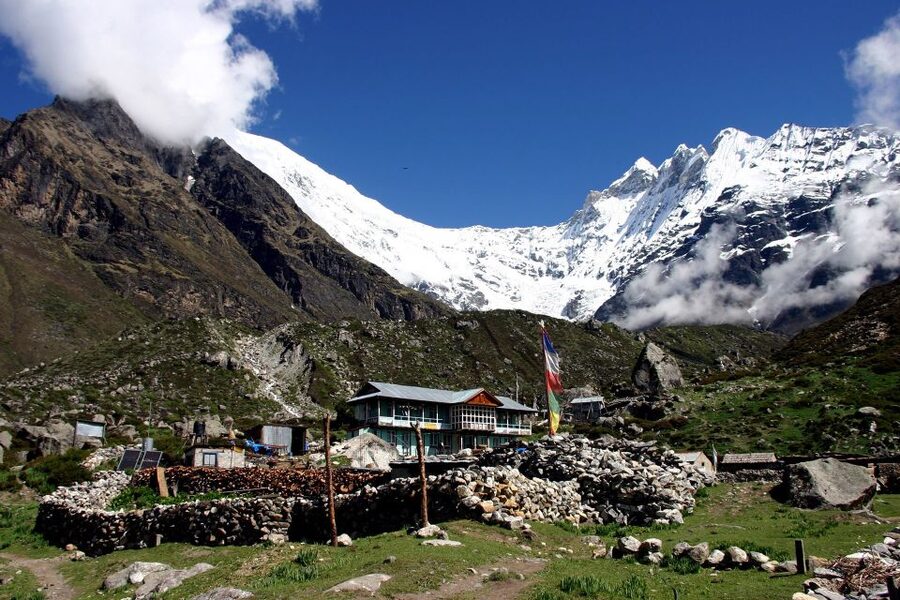
Langtang is the kind of trekking region where the mountains don’t just sit in the distance. The trail puts you in repeated sightlines of snow-capped peaks, and the scenery changes often enough that you rarely feel stuck in the same view for too long.
What makes this trek especially appealing is how it mixes physical movement with altitude strategy. You get a built-in adjustment day at Kyanjin Gompa, which matters because you’re traveling up to around 3,870m and you’ll feel it in your breathing if you move too fast.
I also like that the route is designed around the valley’s rhythm: forests early on, then pastoral and glacial scenery closer to the core trekking area. And along the way, you’ll pass through places tied to local Tamang culture and community life.
The 7-day itinerary, stop by stop (what each day is really like)
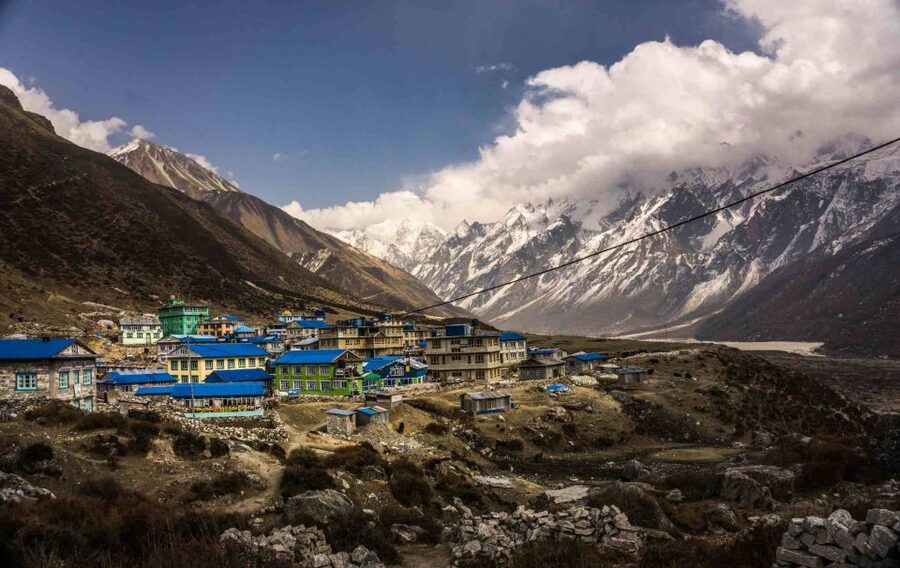
This trek runs Kathmandu to Syabrubesi by road, then you hike up the valley and back again. It’s a “there and back” style itinerary, which is great when you want predictable logistics and a clear plan for how your body will handle the climb.
Day 1: Kathmandu to Syabrubesi (1,550m)
You start with a scenic drive from Kathmandu to Syabrubesi. Once you arrive, you rest in the village and set up for your first real hiking day.
This day is useful because it helps you shift from city life to mountain time without forcing a long hike immediately after travel. It also gives you a chance to organize your gear before the trail gets serious.
Day 2: Syabrubesi to Lama Hotel (2,380m)
The trek begins through lush forest areas and includes suspension-bridge crossings. You’ll also be following the Langtang River for stretches, which often makes the walk feel more grounded and less like you’re floating uphill with nothing around you.
You reach Lama Hotel as your first big step-up day. Teahouse nights start here, so it’s smart to settle in early and treat the evening as part of the trek, not just downtime.
Day 3: Lama Hotel to Langtang Village (3,430m)
Today is a steady climb, moving through rhododendron and oak forests. Expect a gradual ascent with mountain views that start showing up more often as the day goes on.
You’ll arrive at Langtang Village, where culture becomes more visible than it was on the lower trail. This is the kind of stop where you can slow down, take in how people live at this altitude, and refuel for the bigger day ahead.
Day 4: Langtang Village to Kyanjin Gompa (3,870m)
This is the day when the valley starts feeling more “high-alpine.” The trail passes yak pastures and glacial streams as you make your way toward Kyanjin Gompa.
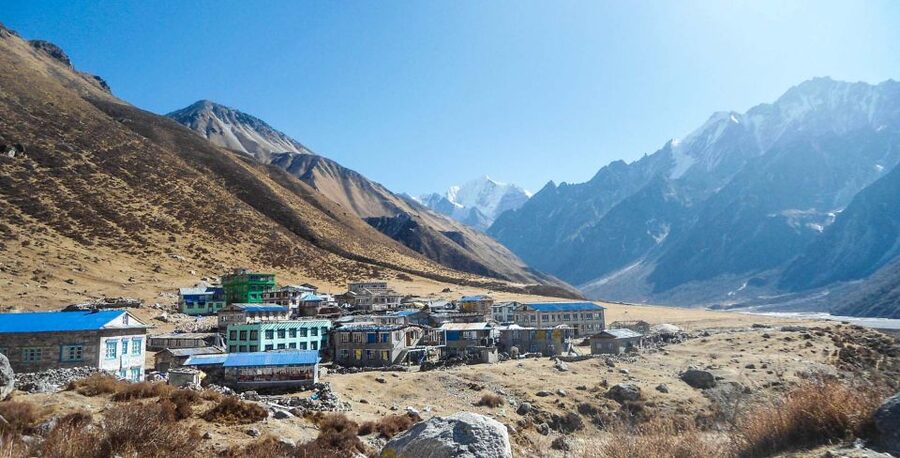
You’ll also have a key cultural payoff once you arrive: you can explore the ancient Buddhist monastery and take in sweeping panoramas of Langtang Lirung and surrounding peaks. It’s one of those places where even a tired body tends to perk up, because the view and the setting hit at the same time.
Day 5: Kyanjin Gompa acclimatization day
This is a real strength of the itinerary: you don’t just rush higher and hope for the best. You use the day to adapt to the altitude around Kyanjin Gompa.
The plan includes short hikes to Kyanjin Ri or Tserko Ri for big viewpoints, plus time to explore local options like a cheese factory. I like that this day gives you choices: push for a viewpoint, or keep it lighter and learn a bit about how everyday life works up here.
Day 6: Kyanjin Gompa to Lama Hotel
Now you descend back toward Lama Hotel, retracing much of what you climbed. Descent days can still feel tough on your legs, but they usually help your breathing and energy return compared with a continued ascent.
You finish with a calm evening and a well-deserved rest at Lama Hotel. This is the day to take care of your feet—hydration, socks, and checking blisters if you’re prone.
Day 7: Lama Hotel to Syabrubesi, then back to Kathmandu
On the final day you hike from Lama Hotel down to Syabrubesi, then board a vehicle back to Kathmandu. You end the trek with a clear “done” feeling instead of an extended post-trek uncertainty.
Kyanjin Gompa: the altitude checkpoint that can make or break your trip
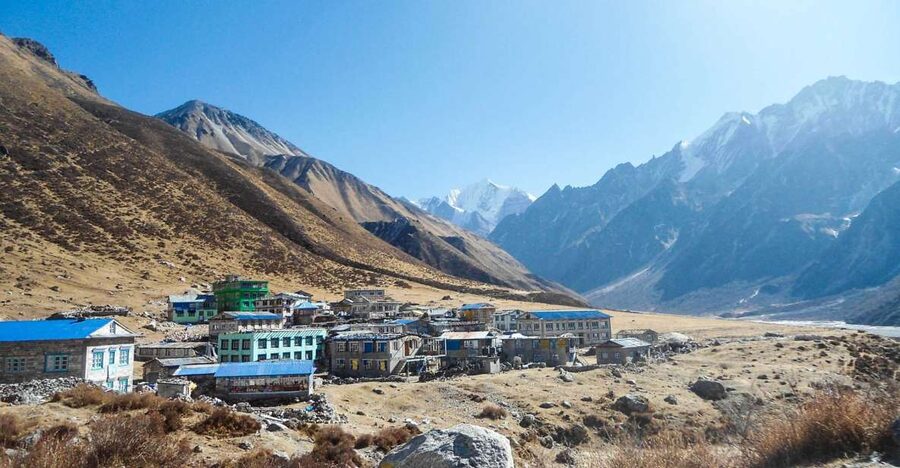
Kyanjin Gompa is the heart of the experience here, and not just because it’s the highest main stop. The whole itinerary gives that day real weight, which is exactly what you want at this elevation.
On acclimatization day, the route offers options: short hikes to Kyanjin Ri or Tserko Ri, or a lighter way to spend time around the area like exploring a cheese factory. That flexibility matters because people react to altitude differently. Some feel fine and want the viewpoint; others do better with a slower pace and more time at their lodge.
The monastery visit adds a quiet, grounding moment. Even if you’re not chasing religious sites, it’s a reminder that you’re hiking through a living region, not a staged attraction.
Teahouse lodging, meals, and the practical stuff that keeps you comfortable
You stay in teahouse lodges during the trek. That usually means simple rooms, shared dining spaces, and a warm reminder that mountains run on routines: you eat, you rest, you walk again.
Meals are not included in the tour price, but you can buy them on the trail. The cost is listed as approximately Npr 2500 per person per day, so you should plan your budget around that rather than assuming everything is covered.
This is also where a porter option can matter. The tour offers porter service for carrying your main backpack. If you’re carrying camera gear, extra layers, and daily essentials, shifting the heaviest load off your shoulders can make the hike feel far more manageable—especially on long uphill segments.
Permits, guide, and what you’re paying for in the $450 price
The price listed is $450 per person for 7 days, and it comes with real trekking essentials. You get hotel pickup and drop-off, transportation to and from the trek start point, trekking permits (Langtang National Park permits and the TIMS card), and teahouse accommodations during the trek.
You also get an experienced licensed guide who knows the route and can assist you throughout. In a private group setup, that guide is not trying to solve for five different fitness levels at once. One trek experience described how the guide felt less like a stranger and more like a supportive teammate who handled the details while the person focused on the trail.
There’s also a small first aid kit included. It’s basic, but having something on hand is better than nothing when you’re far from cities.
If you’re comparing value, the biggest hidden cost to watch is meals. Between trekking days and your overall comfort, food adds up, and it’s not optional if you want energy for long climbs.
Fitness reality check: steep climbs, steps, and how hard is hard
This trek is strenuous. The itinerary’s altitude gains and day-by-day hiking time make it a serious commitment, even if the steps and switchbacks are broken up by rests and teahouse stops.
One detailed account of the effort described roughly 1,200m of climbing per day over about 15km, with around 8 hours of uphill hiking. That matches the feel you should expect from a 7-day plan that reaches Kyanjin Gompa and returns by the same corridor.
The tour also makes it explicit that you will climb hundreds of steps. That’s not just a “maybe.” It’s built into the hiking style and the terrain, so plan for calf burn and careful foot placement.
Not suitable for pregnant women, people with mobility impairments, wheelchair users, or anyone with back problems. If any of those apply, you’ll be happier picking a different route designed for easier grades.
Logistics and where problems can show up (so you can avoid them)
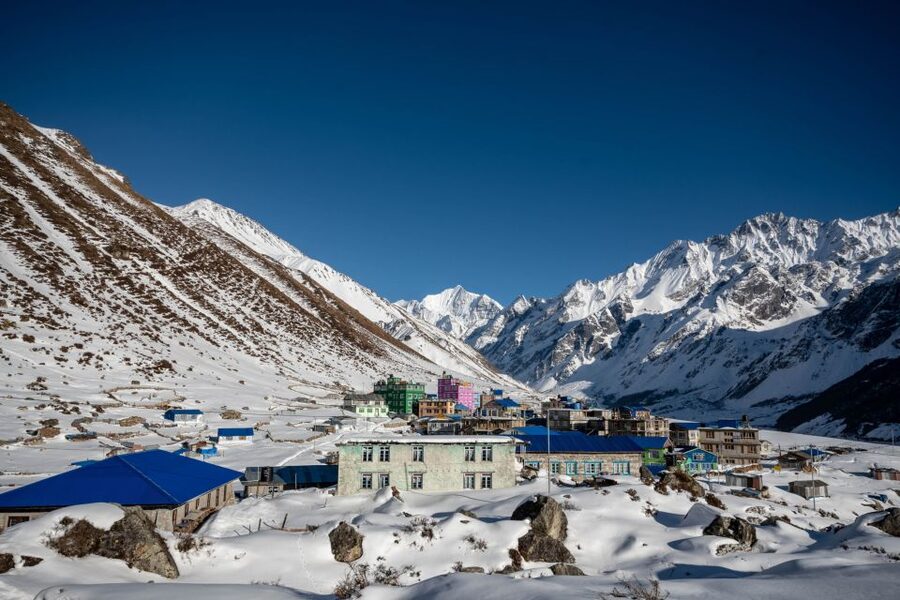
Most of the trek’s structure is clear, but I think you should still pay attention to two common risk points.
First, lodging quality can vary on the trail. One negative experience described being placed in accommodations that felt unclean or run-down compared with expectations. You can’t fully control teahouse conditions in remote areas, but you can reduce surprises by asking your operator ahead of time what teahouse standards you should anticipate.
Second, timing issues matter. A bad experience described the trek being shortened by a day due to flight timing, and that impacted their plan and costs. If your Kathmandu flights or domestic connections are tight, confirm your end time and your return transport clearly before you lock anything in.
Who this trek is best for (and who should skip it)
This is a great fit if you want a classic Himalayan valley trek with strong mountain views, cultural stops, and a built-in acclimatization day. You’ll enjoy it most if you like steady effort, can handle long hiking days, and don’t need a lot of luxury.
It’s also a good choice for solo travelers who want a private experience rather than trying to match a shared pace with strangers. The private guide setup can feel calmer and more tailored, and that can be a big deal on a challenging route.
You should skip it if you need step-free walking, have back issues, or fall into the categories listed as not suitable. You’ll also want a serious fitness plan if you’re coming in from sea level and haven’t done hikes with real elevation gain.
Should you book the Kathmandu: 7 Day Langtang Valley Trek?
I’d book this trek if you’re excited by the idea of reaching Kyanjin Gompa and you take the effort seriously. The permits, guide, teahouse lodging, and the acclimatization day are strong pieces, and the itinerary gives you a clear rhythm instead of random jumps in altitude.
I’d hesitate only if your schedule is rigid or you’re relying on exact flight timing without buffer. Also, if you’re very sensitive to lodging cleanliness, ask how teahouses are selected and what the backup plan is when conditions change.
If you go in prepared—good boots, layers, and a realistic attitude toward long days—this can be one of those treks where the accomplishment follows you well after you’re back in Kathmandu.
FAQ
What trek permits are included?
The tour includes trekking permits for Langtang National Park and the TIMS card.
Is a guide included, and what language do they speak?
Yes. You get an experienced licensed trekking guide, and the tour guide works in English.
Do I stay in hotels during the trek?
During the trek, you stay in teahouse lodges. In Kathmandu, the package usually includes one or two nights in a hotel before and after the trek.
Are meals included in the price?
No. Meals are available for purchase during the trek, at about Npr 2500 per person per day.
How does acclimatization work on this trip?
You have an acclimatization day at Kyanjin Gompa. That day can include short hikes to Kyanjin Ri or Tserko Ri, plus time to explore options like a local cheese factory.
What are the key altitudes on the itinerary?
You start trekking from Syabrubesi at 1,550m, reach Lama Hotel at 2,380m, Langtang Village at 3,430m, and Kyanjin Gompa at 3,870m.
Can I hire a porter?
The tour offers porter service as an option to carry your main backpack.
What documents do I need?
You should bring a passport or ID card, and a copy is accepted. A passport-sized photo is also required.
Is there anything I’m not allowed to bring?
Oversize luggage is not allowed, and drones are not allowed.
Is this trek refundable if plans change?
Yes. There is free cancellation up to 24 hours in advance for a full refund.