REVIEW · KATHMANDU
12 Days Everest Base Camp Trekking
Book on Viator →Operated by Blissful Himalayas · Bookable on Viator
Everest Base Camp starts with a plane ride you remember. This 12-day trek out of Kathmandu is built around classic Khumbu route steps, with licensed guide support and park permits handled for you from the start. It’s also run by a long-running Nepal agency (Blissful Himalayas has been doing treks since 2011), which matters when your whole schedule depends on weather and altitude.
I especially like the way this itinerary protects you from altitude mistakes by planning acclimatization days in Namche Bazaar and Dingboche. The second big plus is the practical coverage of the trip: domestic flights to Lukla (or Ramechhap in peak season), all meals on the trail, and twin-sharing teahouses.
One thing to consider before you book: this trek hinges on mountain conditions. The early Lukla flight and the high-altitude profile mean you need a solid baseline of fitness and a flexible mindset if weather forces changes.
In This Review
- Key highlights worth caring about
- Why Blissful Himalayas works for Everest Base Camp trekking
- Price and value: what you’re really paying for
- Kathmandu warm-up: hotel, pickups, and getting ready
- Day-by-day: how the trek actually builds altitude safely
- Days 1–2: Lukla to Fakding, then Namche Bazaar
- Day 3: Namche acclimatization day and optional viewpoint work
- Day 4: Sagarmatha National Park views and rhododendron forest walking
- Days 5–6: Dingboche altitude time, plus optional hikes
- Day 7: Khumbu Glacier region, early start, and rocky glacial terrain
- Days 8–9: To Everest Base Camp, then Kala Patthar at sunrise
- Days 10–12: Sagarmatha Park descent, finish trek, and fly home
- Teahouses, twin-sharing, and what comfort really means here
- Guides, first aid, and the altitude reality check
- Group size and the feel of the trek
- Who should book this Everest Base Camp plan?
- Should you book Blissful Himalayas for the 12-day Everest Base Camp trek?
- FAQ
- What permits are included for this Everest Base Camp trek?
- How do you travel from Kathmandu to Lukla?
- What happens during peak season regarding flights?
- Is a hotel included in Kathmandu?
- Are meals included while trekking?
- Do I need travel and medical insurance?
- Are porters included?
- Will I share a room during the trek?
- What fitness level should I have?
- Can I cancel for free?
Key highlights worth caring about
- Lukla-to-base-camp planning: flights, transfers, and the trek rhythm are bundled so you’re not stitching the trip together yourself.
- Acclimatization built in: you get intentional downtime in Namche and Dingboche, not just nonstop climbing.
- Kala Patthar sunrise focus: an early morning push for the classic Everest viewpoints.
- Permits included: Sagarmatha National Park permit plus TIMS card are covered in the package.
- Altitude monitoring support: a first-aid kit includes a pulse oximeter.
- Small-group feel possible: one review described trekking as only two people with the guide (so you may get a calmer pace).
Why Blissful Himalayas works for Everest Base Camp trekking
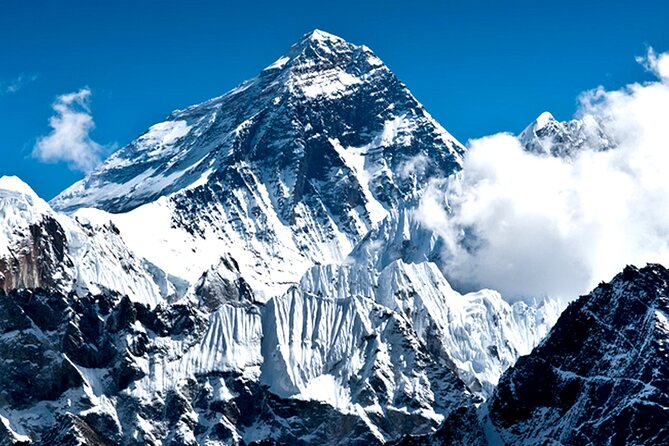
Everest Base Camp trips live and die by details. Your day can go fine for hours, then turn complicated with altitude, timing, or paperwork. That’s where a trusted local operator helps: Blissful Himalayas has been offering trekking and tours since 2011, and they focus on routes like Everest Base Camp rather than trying to sell everything to everyone.
What I like is that this plan is not vague. You know the backbone: get to Lukla by domestic flight, follow the usual Khumbu approach toward Namche, then spend time acclimatizing, and finally go for the higher viewpoints around Kala Patthar before returning to Kathmandu. When you’re paying attention to oxygen levels and trail logistics, a clear route beats guesswork.
It also sounds like the company takes real care with the human side. In a first-timer review, the guide named Ramchandra is praised for thoughtful support and for customizing the experience to match needs. Another review highlighted an “100% success rate” with only two trekkers plus the guide, which suggests they can scale smoothly from couple-sized groups to small parties.
You can also read our reviews of more tours and experiences in Kathmandu.



Price and value: what you’re really paying for
At $1,399 per person for about 12 days, this is not a budget-only deal. But look at what’s included, because that’s the point of value.
Here’s what your money covers:
- Domestic round-trip airfare between Kathmandu and Lukla (or Ramechhap during peak season)
- One night in a Kathmandu deluxe hotel with breakfast
- All meals during the trek (breakfast, lunch, dinner) plus tea/coffee with breakfast
- Twin-sharing teahouse accommodation
- A licensed English-speaking trekking guide (with salary, meals, accommodation, equipment, and insurance)
- Permits: Sagarmatha National Park permit and TIMS card
- A basic first aid kit, including a pulse oximeter for altitude-related monitoring
- Ground transportation, including airport pick-up and drop-off
- Taxes and official service charges
The practical effect: the cost is concentrated in the expensive, annoying parts—flights, permits, and guide time. You still have personal spending (snacks, drinks, laundry, Wi‑Fi, hot showers) and you’ll want travel and medical insurance, but the core of the trek is handled.
What you should mentally price on your own if you didn’t book a package: Lukla flights are a big swing factor, and permits take time. Add daily guide logistics plus meals and lodging, and it’s easier to see where the total comes from.
Kathmandu warm-up: hotel, pickups, and getting ready
Your trip starts with Kathmandu logistics that don’t waste energy. You get airport pick-up and drop-off, plus one night in a deluxe hotel with breakfast. That’s not a luxury flex so much as a recovery tool. You arrive from wherever you’re coming, sleep on decent beds, eat a proper breakfast, and then focus on being ready for an early flight.
This matters because Day 1 includes an early takeoff from Kathmandu to Lukla. You’ll want your sleep and food timing to be boring and reliable. Also, having ground transfers covered reduces the chance you lose time—or make last-minute transport calls—when you’re already under pressure to be on schedule.
If you land with jet lag, this kind of “control the first day” setup helps.
Day-by-day: how the trek actually builds altitude safely
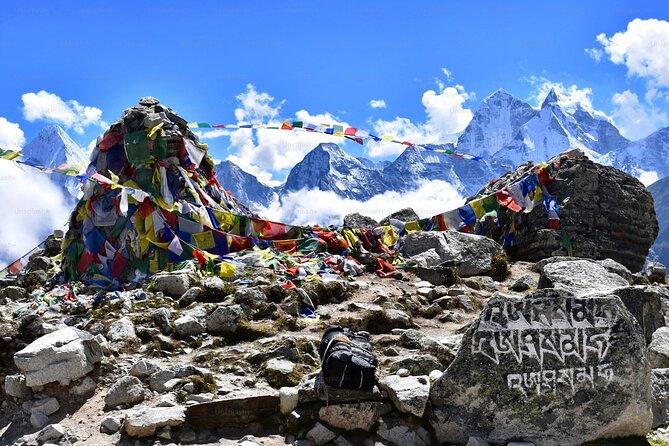
Days 1–2: Lukla to Fakding, then Namche Bazaar
Day 1 (Lukla to Fakding, about 8 hours):
You’ll fly early from Kathmandu to Lukla (2,800m/9,184ft), then begin trekking toward Fakding. The plan is straightforward: start with walking, settle into the rhythm, and get your legs moving at lower altitude before you climb toward the main Khumbu hub.
Why you’ll feel it: your pace should stay gentle. Even before the biggest climbs, your body is still adapting. If you go out too fast on Day 1, it can bite you later.
Day 2 (Phakding to Namche Bazaar, about 7 hours):
Today you target Namche Bazaar, the main trading center of the Khumbu region. You’ll cross suspension bridges and ascend gradually along the trail. This “gradual climb” is not accidental—it’s pacing you toward acclimatization rather than forcing altitude too fast.
What to expect: the bridges and steady walking help break up the day. You’ll also start seeing more of the region’s higher-altitude character as you approach Namche.




Day 3: Namche acclimatization day and optional viewpoint work
Day 3 (Namche Bazaar, about 8 hours):
This is your acclimatization day. The itinerary gives you time to explore Namche and adjust to high elevation. There’s also an optional hike up to Everest View Hotel for panoramic views of Everest and the surrounding peaks.
Why this stop is valuable: acclimatization days reduce the odds of you arriving cranky, heavy-headed, or sidelined. You don’t have to turn every day into a personal best. You do need to give your body time to adapt.
Optional viewpoint note: if you do the Everest View Hotel hike, treat it as a warm-up, not a challenge. You want movement with control.
Day 4: Sagarmatha National Park views and rhododendron forest walking
Day 4 (about 8 hours):
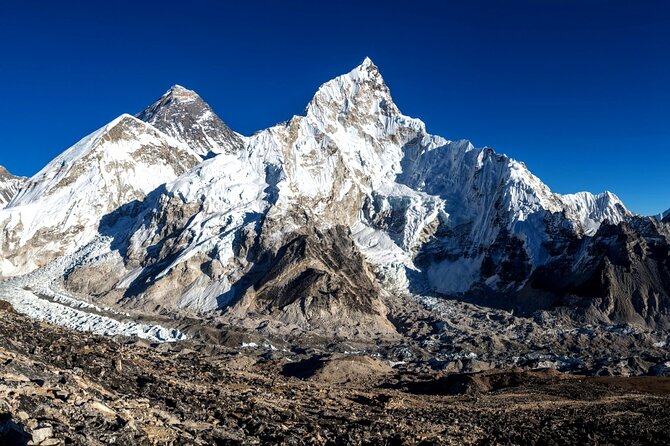
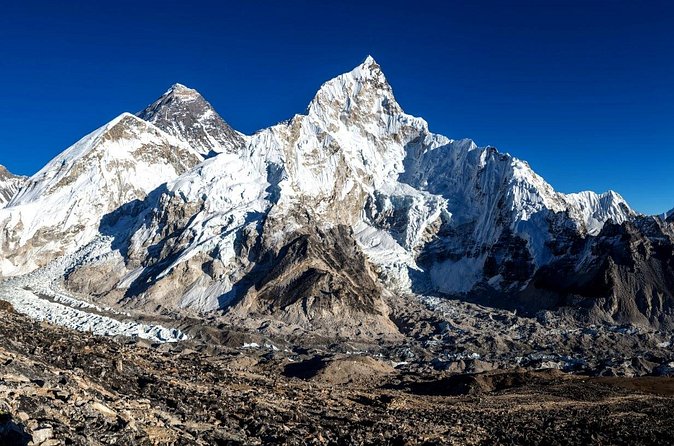
You’ll pass through Sagarmatha National Park territory and get panoramic views of Everest, Nuptse, and Ama Dablam en route. After a descent of about two hours through rhododendron forest, you’ll climb again toward the next stop.
This is the day where trail legs matter. Forest walking can feel easier, but the day includes both descending and ascending. If you’ve ever come down steeply and felt it in your knees, this is the kind of day where careful footing pays off.
Days 5–6: Dingboche altitude time, plus optional hikes
Day 5 (to Dingboche, about 8 hours):
You trek to Dingboche, where you can enjoy views of Island Peak and other Himalayas. The route includes an alpine forest segment and then shifts into barren land. That shift can feel dramatic—one moment you’re in thicker vegetation, and the next you’re in a more exposed, open zone.
Day 6 (acclimatize in Dingboche, about 8 hours):
Another intentional acclimatization day. The plan explicitly points out the need for body acclimatization to reduce altitude sickness risk. There are optional hikes to Nagarjun Hill and to Chukhun (as listed in the plan) for extra views.
How to use this day well:
- If you feel good: take one optional hike, keep it steady, and stop before you’re exhausted.
- If you feel off: skip the extra hiking and focus on rest and hydration.
This is one of the highest-value days in the entire trip because it’s where you can prevent problems later.
Day 7: Khumbu Glacier region, early start, and rocky glacial terrain
Day 7 (about 8 hours):
You start early, cross the Khumbu River, then ascend gradually through rocky terrain and glacial moraines. You’re here for views of the Khumbu Glacier and the surrounding peaks.
The practical thing to know: glacial moraine terrain can be uneven and slow-moving. This is not a day to rush. Your goal is smooth, careful steps and steady breathing.
Days 8–9: To Everest Base Camp, then Kala Patthar at sunrise
Day 8 (Lobuche to Gorak Shep to Everest Base Camp, about 9 hours):
You trek from Lobuche to Gorak Shep, the final settlement before Everest Base Camp. You’ll reach there for lunch and time to settle your bags, then continue trekking to Everest Base Camp to explore the area.
Why Gorak Shep matters: it’s the “last base” feel before the real high zone. You’re giving yourself a moment to regroup before pushing toward the base camp area.
Day 9 (Kala Patthar sunrise area, about 8 hours):
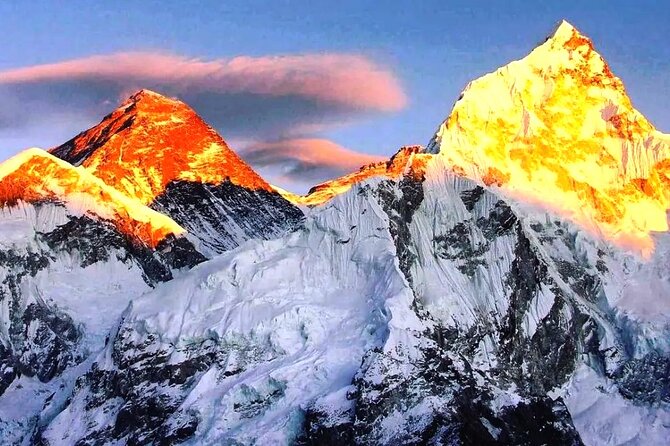
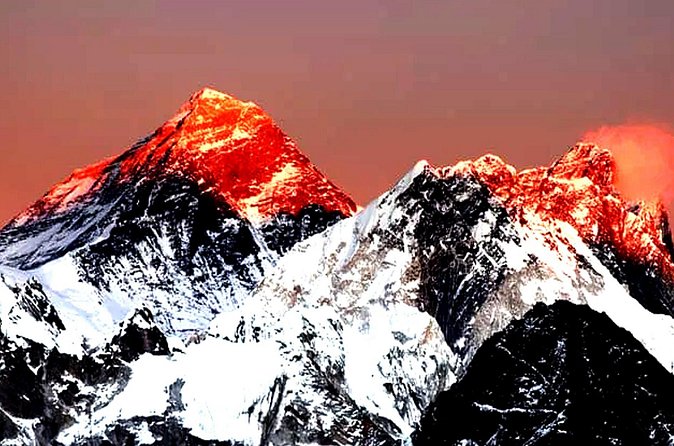
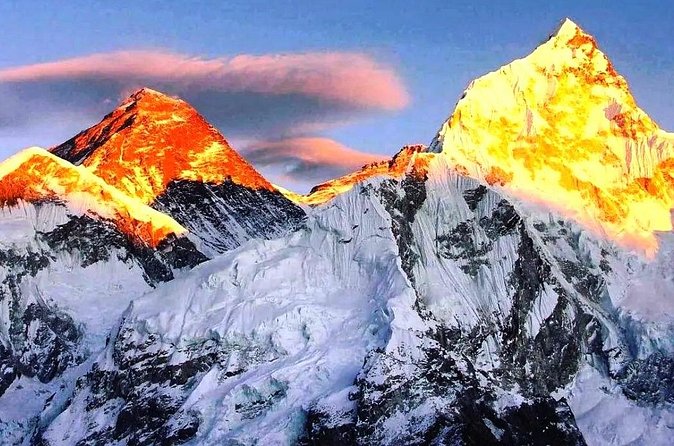
The plan focuses on Kala Patthar as a top viewpoint for Everest views. You’ll hike early for sunrise over Everest, Lhotse, and other peaks, then return to Gorak Shep for meals and the next part of the descent.
This is the emotional payoff day. The effort is real, but sunrise viewpoints are the reason people keep choosing Everest Base Camp. Pace yourself on the hike; the early start and cold can make small missteps feel huge.
Days 10–12: Sagarmatha Park descent, finish trek, and fly home
Day 10 (Sagarmatha National Park, about 8 hours):
Descending is easier than ascending, but the itinerary calls out a real issue: you still need balance, and knees may hurt. You’ll move through Sagarmatha National Park territory and enjoy the views along the way.
This is a knee-care day. Take shorter steps when possible, avoid bounding down, and give your legs time to recover.
Day 11 (final trekking day, about 6 hours):
You finish the route with a shorter trek. There’s time in the evening to celebrate the success with your trekking companion, guide, porters, and fellow trekkers.
Why the last night matters: it’s where you turn the hard work into closure. Also, it’s a good time to ask your guide for practical advice on what to do next time—especially around altitude pacing.
Day 12 (fly back to Kathmandu and decompress, about 3 hours):
You take an early morning flight to Kathmandu, transfer to your hotel, and get a leisure day. There’s also a farewell dinner organized as part of the wrap-up.
This end day is more than waiting around. After days of walking and careful living, a planned decompression slot helps your body actually come down from the trek.
Teahouses, twin-sharing, and what comfort really means here
This trek uses twin-sharing accommodation in local teahouses. That’s typical for the route, but it’s still important to go in with the right expectations.
Local teahouses are functional. You’re buying warmth, a roof, and enough comfort to recover for the next day. You’re not paying for fancy rooms. The value is that meals and lodging are built into the day, so you don’t lose time searching for food or shelter.
Because all meals are included during the trek, you also avoid a common travel mistake: spending energy negotiating your way into decent nutrition at altitude. Instead, you can focus on water, rest, and slow movement.
Guides, first aid, and the altitude reality check
A licensed, English-speaking guide is included, and you’re also getting basic first aid equipment, including a pulse oximeter for altitude-related oxygen monitoring. That’s a concrete detail, not just marketing.
In real terms, this can help your group watch for early warning signs and react appropriately. It doesn’t remove risk—altitude still rules the mountain—but it supports better decisions.
The human part also seems strong. Ramchandra is specifically mentioned in a first-timer review as a supportive guide who made the experience feel organized and tailored. Another review notes the guide and support team helped trekkers feel comfortable.
If you’re going on your first Everest Base Camp trek, you’ll likely appreciate this. A good guide doesn’t just know the trail—they help you keep your pace realistic.
Group size and the feel of the trek
This is a private tour/activity, meaning only your group participates. That can be a big deal for Everest Base Camp, because you can sometimes get a pace that fits your needs rather than being forced into a larger group’s schedule.
Also, one review described just two trekkers plus the guide, with a 100% success rate. That doesn’t guarantee your group will be that small, but it shows the operator can run this trek with minimal people without losing the structure you need.
Who should book this Everest Base Camp plan?
This trip is a good fit if:
- You’re aiming for the classic Everest Base Camp route with intentional acclimatization
- You want a package that handles permits, meals, and guide support
- You prefer a structured plan over stitching logistics together
- You have moderate physical fitness and want a day-by-day pace designed for high altitude
It might be less ideal if:
- You’re trying to do Everest Base Camp with minimal walking tolerance
- You hate early starts (Day 1 flight, Day 9 Kala Patthar sunrise)
- You need maximum luxury on the trail (teahouses are simple)
Should you book Blissful Himalayas for the 12-day Everest Base Camp trek?
If you want the standard Everest Base Camp journey done with support and less stress, I’d lean toward booking. The value case is solid: the price includes domestic Lukla airfare (or Ramechhap in peak season), all meals, permits, guide leadership, and even altitude monitoring gear like the pulse oximeter. Add in acclimatization days and a sunrise-focused Kala Patthar push, and you’re not just buying views—you’re buying a workable plan.
My main caution is the mountain itself: flight schedules and altitude don’t care about your calendar. If you can stay flexible and you’re honest about your fitness, this is the kind of trip that can turn into a genuinely memorable Everest chapter, with less of the usual chaos.
FAQ
What permits are included for this Everest Base Camp trek?
You get all necessary trekking permits, including the Sagarmatha National Park Permit and the TIMS card.
How do you travel from Kathmandu to Lukla?
The itinerary includes round-trip domestic airfare from Kathmandu to Lukla, with an early flight from Kathmandu to Lukla on the trekking start day.
What happens during peak season regarding flights?
During peak season, the route may use Ramechhap instead of Kathmandu for the domestic airfare.
Is a hotel included in Kathmandu?
Yes. You get 1-night deluxe hotel accommodation in Kathmandu with breakfast.
Are meals included while trekking?
Yes. The trek includes all meals (breakfast, lunch, and dinner), plus tea/coffee with breakfast.
Do I need travel and medical insurance?
Travel and medical insurance are not included, but they are highly recommended.
Are porters included?
Porter service is not included, but it is available upon request.
Will I share a room during the trek?
Yes. Accommodation in local teahouses is twin-sharing.
What fitness level should I have?
The trip is described as suitable for travelers with moderate physical fitness level.
Can I cancel for free?
Yes. Free cancellation is available, and you can cancel up to 24 hours in advance for a full refund. If it’s canceled due to poor weather, you’ll be offered a different date or a full refund.