REVIEW · KATHMANDU
From Kathmandu: 3-Day Chisapani-Nagarkot Trek & Bhaktapur
Book on GetYourGuide →Operated by Cordial Trek Pvt. Ltd. · Bookable on GetYourGuide
Three days, two UNESCO stops, and big sky views. This is the Chisapani-Nagarkot trek plus Bhaktapur history, set inside Shivapuri-Nagarjun National Park. You’ll work for high viewpoints, then finish with temple-hopping in one of Nepal’s most atmospheric medieval cities.
I love the way this route lines up mountain moments: sunset in Chisapani, then an early Nagarkot sunrise day that can include Everest on a clear morning. I also like the cultural punch at the end, with Changu Narayan Temple and Bhaktapur Durbar Square-type sights like the Golden Gate and Natapola. One thing to consider: mountain views depend heavily on haze and season, so you’ll want realistic expectations (and a backup plan for blurry skies).
In This Review
- Key highlights at a glance
- Why the Chisapani–Nagarkot Route Feels Worth It
- Price and What You Actually Get for Around $176
- Day 1: Sundarijal to Chisapani Trail (Forest Climb + First Big Views)
- Day 1 lodging and meals: what you should plan for
- Day 2: Chisapani to Nagarkot (Forest Up, Village Crossings, Viewpoint Payoff)
- Day 2 lodging: a viewpoint hotel night
- Day 3: Nagarkot Sunrise, Changu Narayan Temple, and Bhaktapur’s Historic Core
- Bhaktapur adds meaning to the trek (not just another stop)
- The guide and group setup: what you should expect
- Weather and mountain visibility: manage your expectations on purpose
- Packing tips that actually help on this specific trek
- Who this trek suits best
- Price and logistics value check: what to watch before you book
- Should you book the 3-Day Chisapani–Nagarkot Trek and Bhaktapur?
- FAQ
- How long is the Chisapani–Nagarkot trek?
- Where does the trek start?
- How long is the Day 1 hike?
- What is included in the price?
- Are lunch and dinner included?
- Are monument fees included for Changu Narayan and Bhaktapur?
- Is a porter available?
- What’s the accommodation like during the trek?
- What time is sunrise viewing in Nagarkot?
- Is this trek suitable for people with mobility impairments?
Key highlights at a glance

- Shivapuri-Nagarjun National Park hiking through forest and local villages
- Mountain views from Chisapani and Nagarkot, often including major Himalaya peaks on clear days
- Early-morning sunrise timing in Nagarkot to maximize your odds
- Changu Narayan Temple visit (a standout UNESCO site)
- Bhaktapur cultural stops tied to Newari heritage and major historic monuments
- Licensed, English-speaking guide plus permits and ground transfers included
Why the Chisapani–Nagarkot Route Feels Worth It

If you only have a few days in Kathmandu, this trek is a smart way to get out of the city without committing to a week-long trek. You get hiking in the Shivapuri-Nagarjun National Park area, then a full cultural day in Bhaktapur. In other words: fresh air and views on your feet, then stone-and-story time off your feet.
The itinerary also makes practical sense. Day 1 climbs to a viewpoint lodge area (Chisapani), Day 2 moves you higher again into the Nagarkot viewpoint zone, and Day 3 is timed for sunrise before you head downhill toward Changu Narayan and Bhaktapur. That pacing helps if you’re not used to trekking days where you’re carrying your energy all afternoon.
Still, I think the biggest make-or-break factor is the air. In spring, especially in drier stretches, haze can trap heat and smog between ridges. If your whole reason for booking is seeing crisp peaks, you should treat the views as a bonus that you’ll chase early and often, not a guaranteed postcard.
You can also read our reviews of more tours and experiences in Kathmandu.

Price and What You Actually Get for Around $176

At about $176 per person for 3 days, you’re paying for more than walking. This price typically covers:
- Kathmandu hotel pickup and drop-off by private vehicle
- AC car transfers for the drive segments
- Lodge accommodation with breakfast in Chisapani (with a private bath room)
- Three-star hotel accommodation with breakfast in Nagarkot
- Permits for hiking and the Shivapuri-Nagarjun National Park area
- A licensed, English-speaking guide
- A solo traveler surcharge (if you’re traveling alone)
What’s not included matters. Lunch and dinner are on you, and monument fees aren’t covered. If you add those costs, plan on spending extra cash during the Bhaktapur day.
The porter option is also listed separately (about US$50). If you’re carrying a heavy daypack, a porter can help you keep your legs for the scenic parts—especially on Day 2 when you’re working from forest up into viewpoint terrain.
Bottom line: it’s good value if you want the structure—guides, permits, and lodging—without spending time organizing transport yourself. If you’re the DIY type who already loves public buses and trekking permits, the price may feel less attractive. But for a short trek with smooth logistics, it’s a fair deal.
Day 1: Sundarijal to Chisapani Trail (Forest Climb + First Big Views)

Day 1 starts with a drive from Kathmandu to Sundarijal (1,460m), then a trek of about 4–5 hours up to Chisapani (around 2,165m). This is one of those days where your legs work, but you’re not walking in a straight line forever. The route follows a large water pipe coming down from the reservoir area—an oddly specific start that helps you stay oriented early.
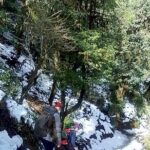
Once you’re in the Shivapuri National Park, the trail becomes more about rhythm: uphill grades, changing tree cover, and periods where you can catch a widening view. You’ll pass through Mulkharka Village, then continue via Tamang Village areas before reaching Chisapani.
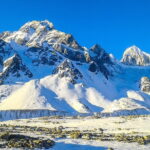
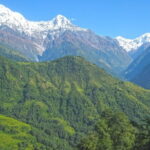
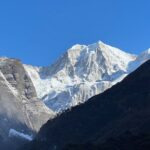
What makes Chisapani special is the viewpoint energy at the end of the day. From there, you can look out toward major Himalayan names when visibility cooperates, including Langtang Lirung, Annapurna, Ganesh Himal, Manaslu, and Everest. Even when you can’t see all the peaks sharply, the layering of hills and haze can still create a dramatic “you’re in the mountains now” feeling.
Practical caution: this day ends at a lodge setup, so you’ll want to arrive with dry socks and a warm layer. The listing suggests breakfast only is included, so bring a plan for lunch on the trail (either covered on your own or bought along the way, depending on the guide’s advice).
Day 1 lodging and meals: what you should plan for

You sleep in a guest house in Chisapani with a private bath room, and you’ll have breakfast included. That’s a comfort win compared to basic trekking lodges where you share facilities.
You still need to budget for lunch and dinner, and you’ll want to eat early enough that you’re not rushing. Trekking days run on timing: if you eat too late, you’ll miss the best part of the evening views and wind-down.
If you’re sensitive to altitude changes (even mild ones), take Day 1 easy. The move from Kathmandu to higher elevations happens in stages here, but you’ll still feel the thinner air once you start climbing.
Day 2: Chisapani to Nagarkot (Forest Up, Village Crossings, Viewpoint Payoff)

Day 2 is the middle of the trek—and usually the day that decides whether you feel like you’re on a mountain hike or just on a walk through the hills.
After breakfast in Chisapani, the route continues by ascending through a lush forest, then descending toward Jhule and Chauki Bhanjyang. From there, you cross villages and terraced fields, reaching Kattike Bhanjyang and then climbing again up to Nagarkot (2,175m).
This mix is the point. You’re not only walking along ridges; you also get local-life scenery: terraces, footpaths connecting homes, and the kind of daily landscape that tourists often miss because they only focus on peaks. If you like trekking that feels human-sized, this day delivers.
That said, there’s a legitimate drawback to be aware of. The trail environment can change with the day’s weather and the season. In drier periods, exposed sections can feel hot and dusty, and some stretches may offer less shade than you’d expect from a “lush forest” description. If you’re the type who needs constant cool air and big views on every bend, Day 2 might feel less satisfying.
What keeps it worthwhile is the payoff. Nagarkot is built for viewpoints. Even if you don’t get perfect clarity, the elevated horizon and sunset mood usually make the effort feel justified.
Day 2 lodging: a viewpoint hotel night

You’ll stay in a three-star hotel in Nagarkot, with breakfast included. For sunrise trekking plans, this is a big deal. Waking up early is easier when you’re not scrambling for breakfast or hunting down tea in the dark.
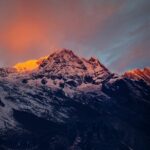
Also, Nagarkot is famous for sunrise timing, so the evening matters. Get yourself settled so you can step out quickly when the light shifts. If you like photos, this is where you’ll likely spend more time outside with your camera phone and layers.
Day 3: Nagarkot Sunrise, Changu Narayan Temple, and Bhaktapur’s Historic Core
Day 3 starts early. You wake up for sunrise views over the Himalayas from your hotel, eat breakfast, then hike from Nagarkot down to Changu Narayan (1,541m).
The hike is described as descending via Telkot. En route, you’ll get bird’s-eye views of Bhaktapur and Kathmandu, which is a nice bridge between trekking and city sightseeing. Instead of treating the last day as a boring transfer day, the route uses elevation to give you that “look down on it” perspective.
Once you reach Changu Narayan Temple, you visit what’s described as the oldest temple in the area—an important cultural stop that shifts the energy from hiking to heritage.
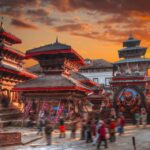
Then comes the Bhaktapur day, focused on Newari culture and major monuments:
- Fifty Five Window Palace
- Golden Gate
- Natapola Temple (described as the tallest temple there)
- Pottery Square
After that, you drive back to Kathmandu and get dropped at your hotel.
This sequencing is smart. You do sunrise while your body is fresh, you hike downhill while the scenery is still opening up, and you save the densest sightseeing time for daylight in Bhaktapur.
Bhaktapur adds meaning to the trek (not just another stop)

A lot of treks end with a bus ride and a shrug. Here, the last day puts your effort into context. Bhaktapur’s architecture and craft traditions give you a reason to care about the region beyond the views.
If you like walking through places that feel lived-in, Bhaktapur tends to deliver. It’s also a nice change from the forest and trail scenery of the first two days—stone streets, craft shops, and temple silhouettes help you cool down mentally after the physical work.
The guide and group setup: what you should expect

This experience is run with a licensed guide and a working plan designed for short-trip hikers. The guide is listed as English-speaking, and you’ll also have private or small-group options.
You might encounter different guide personalities depending on dates and scheduling. In past experiences linked to this trek route, guides named Prakash and Raj show up, and both types of guides are described as engaging and helpful in different ways—Prakash particularly on the guiding side, Raj described as knowledgeable and easy company. Either way, the takeaway for you is simple: the guide matters most when conditions affect visibility. When mountain views are weak, a good guide can still help you enjoy the walk through villages and forest rather than chasing peaks that aren’t showing.
Weather and mountain visibility: manage your expectations on purpose
This is the part I’d plan around like a grown-up, not like an optimist.
Your itinerary repeatedly sets you up for mountain moments: Chisapani views, Nagarkot sunset and sunrise, then wide perspectives on the final hike day. Those moments depend on haze levels. In April, for example, dry-season conditions can mean less rain to clear the air, so peaks may appear washed out or missing entirely.
So what do you do?
- Treat sunrise and sunset as high-value chances, but keep your mind flexible.
- Pack layers even if the day feels warm. Morning air and nights can be noticeably cooler.
- Bring sunscreen and a hat. Even when you have forest sections, you may still face exposed sun.
- If you arrive and visibility is genuinely poor, don’t pretend you’re okay with wasting time. Ask your guide about options early rather than waiting until you’re exhausted.
You can’t control the sky, but you can control how you react.
Packing tips that actually help on this specific trek
The listing keeps it simple: bring passport, wear comfortable shoes, and pack comfortable clothes. Oversize luggage is not allowed, which matters if you’re coming from a longer trip before Nepal.
Here’s what tends to matter most for this route:
- Good grip hiking shoes for trail turns and uneven ground
- A light rain layer or packable shell even in dry months (weather can shift)
- Layers for sunrise in Nagarkot
- Sunglasses and sunscreen for exposed stretches
- A small daypack that fits without getting cumbersome in village sections
And if you hate carrying weight, consider the porter option. Paying a porter can be cheaper than losing a day to leg fatigue and slower pace.
Who this trek suits best
This works best for you if:
- You want a short trek that still feels like a real mountain journey
- You enjoy a mix of hiking and cultural sightseeing
- You’re okay with the idea that mountain visibility depends on the day
- You like guided logistics so you can spend your energy on the trail and the temples
It’s not suitable for people with mobility impairments, and the route is built for walking with elevation changes.
Price and logistics value check: what to watch before you book
Before you book, ask yourself two questions:
- Are you mainly booking for the mountain views? If yes, plan for haze and go into it expecting the best chances at sunrise and sunset, not perfection.
- Do you want the smooth plan? If yes, the included permits, transfers, guide, and lodging are what make this worth it.
If you’re coming from Kathmandu and you’re short on time, this is also a strong value because it blends trekking and heritage without adding extra days for separate tours.
Should you book the 3-Day Chisapani–Nagarkot Trek and Bhaktapur?
Yes, I’d book it if you want a compact Nepal experience: forest hiking in Shivapuri-Nagarjun, viewpoint nights around Nagarkot, then a meaningful heritage day in Changu Narayan and Bhaktapur.
I’d think twice if you’re traveling specifically in a season where haze is a common problem for your dates and you know you’ll be unhappy without peak views. In that case, ask sharper questions beforehand, pack for discomfort if needed, and remember: even when peaks fade, villages, terraces, temple carvings, and the Kathmandu valley viewpoints can still make the trip feel worthwhile.
FAQ
How long is the Chisapani–Nagarkot trek?
The experience runs for 3 days.
Where does the trek start?
You start with a drive from Kathmandu to Sundarijal (about 1,460 meters), then begin trekking from there.
How long is the Day 1 hike?
Day 1 is about 4–5 hours, trekking from Sundarijal to Chisapani (around 2,165 meters).
What is included in the price?
Included items cover Kathmandu hotel pickup and drop-off, private AC ground transfers, lodge or hotel accommodation with breakfast (Chisapani and Nagarkot), a licensed English-speaking guide, hiking and Shivapuri-Nagarjun National Park permits, and solo traveler surcharge (if applicable).
Are lunch and dinner included?
No. Lunch and dinner are not included.
Are monument fees included for Changu Narayan and Bhaktapur?
No. Monument fees are not included.
Is a porter available?
A porter is not included, but it can be arranged for about US$50.
What’s the accommodation like during the trek?
You stay in a guest house in Chisapani with an attached/private bath room, then in a three-star hotel in Nagarkot. Breakfast is included at both.
What time is sunrise viewing in Nagarkot?
You do an early wake-up on Day 3 to observe sunrise from your Nagarkot hotel.
Is this trek suitable for people with mobility impairments?
No, it is not suitable for people with mobility impairments.