REVIEW · SICILY
Guided Trekking on Etna and Visit of the Snow Cave
Book on Viator →Operated by Sicily in Travel · Bookable on Viator
Etna turns a walk into a science lesson. This guided trek from Zafferana Etnea mixes Sartorius craters and a visit to the Snow Cave, so you get close to how the volcano shapes Sicily. I like that the route stays easy at up to 6 km, and I also like the clear explanations you’ll get from the guide. The only real drawback: the tour needs good weather, so poor visibility can change things fast.
What I think makes this one worth your time is the mix of open-air views and inside-the-volcano moments. You’ll start at 9:30 am and end back at the meeting point, which makes it feel like a full, self-contained plan rather than a complicated day of hopping around. Plus, groups are capped at 15 people, so the guide can actually keep track of everyone on the trail.
One more practical note: lunch and private transportation aren’t included. If you’re the type who hates figuring things out on the fly, plan a simple lunch stop and arrange your ride to Zafferana Etnea ahead of time.
In This Review
- Key Highlights You’ll Care About
- Getting to Zafferana Etnea and Starting at 9:30
- Sartorius Craters: Seeing Past and Present Volcanic Activity
- The Easy Up-to-6 km Trek: What That Pace Really Means
- Lava Flow Cave Tunnels and the Helmet-Protected Walk
- Grotta della Neve (Snow Cave): A Cooler Contrast on Etna
- Guide Quality, Names You Can Watch For, and Why It Matters
- Price and Value: What $151.26 Covers (and What It Doesn’t)
- What to Bring for a 6-Hour Etna Day
- Who This Tour Is Best For
- Should You Book the Etna Trekking and Snow Cave Tour?
- FAQ
- How long is the Etna trekking tour?
- How far will I walk?
- What time does the tour start?
- Where does the tour meet?
- What is included in the price?
- Is lunch included?
- How big is the group?
- What happens if the weather is poor?
Key Highlights You’ll Care About

- Sartorius craters up close: see past and present volcanic activity from a walkable route
- Up to 6 km and easy pace: an active trek without being a hardcore hike
- Helmet included: part of the safety setup for the cave and terrain
- Lava-flow tunnel cave visit: explore tunnels formed as lava solidified over time
- Grotta della Neve stop: a colder, cave-world contrast to the open crater views
Getting to Zafferana Etnea and Starting at 9:30

This tour is built around one simple base: it starts in Zafferana Etnea (95019) and returns you there at the end. Starting at 9:30 am is helpful because you’re not stuck waiting all morning, and you get more daylight for crater views and the cave visit.
The meeting area is near public transportation, which matters if you’re staying in Catania or nearby and don’t want to depend on a private car. Still, since private transportation isn’t included, you’ll want to have your plan ready for getting to the start point and coming back.
A six-hour outing can sound short or long depending on your pace, so I treat this like a “real morning commitment.” You’ll be walking, and you’ll be switching between hot outdoor sections and cooler cave air. That’s exactly why it helps to start early and pack smart.
You can also read our reviews of more tours and experiences in Sicily.
Sartorius Craters: Seeing Past and Present Volcanic Activity
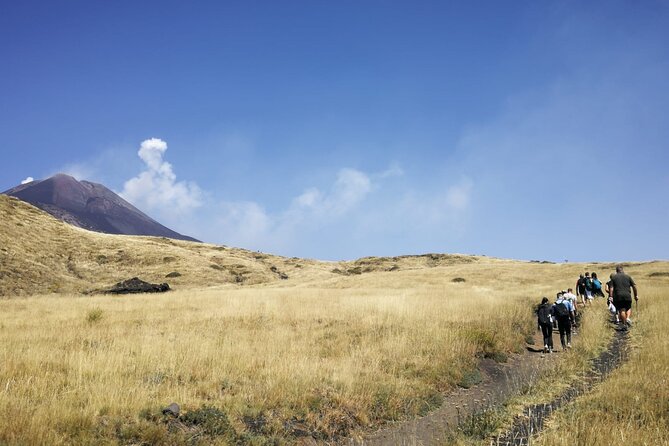
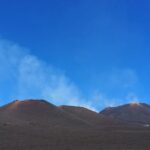
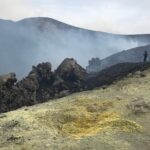
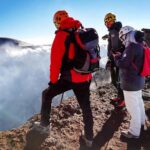
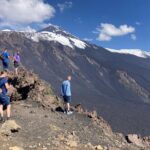
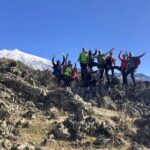
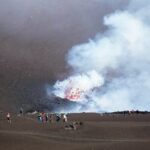
You begin by exploring the Sartorius craters, which is where the Etna story becomes physical. Instead of just looking at a distant volcano, you’re walking through an area where you can admire past and present volcanic activity up close.
What I like about starting here is the way it sets your context. Etna is active, and those changes over time are what turn the terrain into something you can actually read. Even if you don’t have a science background, a good guide can connect what you see on the ground to how eruptions leave behind different forms and textures.
If you care about photos, this is also one of your best bets. Crater areas tend to give wide sightlines plus close details, so you get both the dramatic view and the “how does this work?” moments.
The Easy Up-to-6 km Trek: What That Pace Really Means
This is described as an easy trek along a route of up to 6 km. That’s a great fit for many people because it’s long enough to feel like an adventure, but not so long that you have to train for weeks.
Still, “easy” doesn’t mean “flat and effortless.” You’re on volcanic terrain, and that usually means uneven ground and dust underfoot. My rule: wear real hiking shoes or at least sturdy sneakers with grip. If you show up in shoes with slick soles, you’ll spend more time thinking about your footing than about Etna.
Group size also affects how manageable the trek feels. With a maximum of 15 travelers, the pace is more controlled, and you’re less likely to get separated or left behind. For me, that’s one of the quiet benefits of choosing a smaller group tour.
Lava Flow Cave Tunnels and the Helmet-Protected Walk

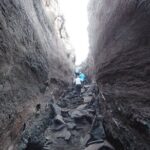
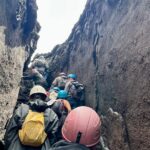
After the crater section, you head toward a lava flow cave—the kind where lava once moved through the system and later solidified, leaving tunnels and formations you can explore. This is one of the most “hands-on” parts of the experience because you go from watching the volcano to being inside what it built.
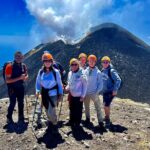
Helmets are included, which is a big deal. You’ll appreciate having proper head protection without having to rent or buy anything on the spot. It also tells you the operator is thinking about safety, not just sightseeing.
What to expect inside caves is usually less about walking distance and more about conditions. Caves often mean cooler air, darker footing, and a slower pace as you watch where you’re stepping. Bring the same mindset you would for any cave visit: move carefully, listen to the guide, and don’t rush.
And yes, it’s worth it even if you think you’ve seen “caves before.” Volcanic lava tunnels have a different feel than limestone or sea caves. The shapes you see come from fluid rock behavior, not water carving, and that’s exactly what makes the stop interesting.
Grotta della Neve (Snow Cave): A Cooler Contrast on Etna

The tour’s title says Visit of the Snow Cave, and the experience includes the Grotta della Neve (often called the snow cave). Even if you’re not traveling for winter scenery, this stop adds a mood shift that’s hard to get any other way.
The main reason I like this part of the day is the contrast. You start outdoors near craters in brighter light, then you move into a cave environment where the temperature and atmosphere change. That shift helps you feel like you’re traveling through different parts of Etna’s world, not just ticking off one sight.
From a planning point of view, this also helps your day pacing. The open-air crater walk gives energy and views; the cave portion gives a slower, focused experience where you can actually listen and absorb details.
Guide Quality, Names You Can Watch For, and Why It Matters

You’ll get more out of Etna when your guide can explain what you’re seeing in plain terms. The most praised aspect here is that you’re not left wandering with vague facts.
In particular, guides like Mariagrazia have a reputation for being attentive and well-prepared, with explanations that cover territory details and even historical-cultural angles. That matters because Etna isn’t only geology. It’s also a living part of Sicilian identity, from how people describe the mountain to how the landscape has shaped local life.
It also helps that the operator provides support during planning. Iolanda from Sicily in Travel has been singled out for being helpful and flexible when matching tours to your needs and helping plan the details. That’s not a small thing if you’re juggling a tight schedule in Sicily and want a smooth start.
With a max group size of 15, you’re also more likely to get personal guidance when someone has questions or needs a quick check on where to stand, how to walk, or what to look at next.
Price and Value: What $151.26 Covers (and What It Doesn’t)

At $151.26 per person, this is not a budget grab, but it also isn’t overpriced for a guided Etna outing. Here’s what helps justify the cost based on what’s included:
Included:
- All fees and taxes
- Insurance
- Helmets
Those items reduce friction. Insurance coverage and safety gear are real value, and they can save you money and hassle compared with building the trip yourself.
What isn’t included:
- Lunch
- Private transportation
So the “real” cost of the day depends on your meal plan and how you’re getting to Zafferana Etnea. If you already have transport arranged and you’re okay packing or buying lunch near the meeting area, this feels like a straightforward deal. If you need private transport and full meals provided, the overall spend will be higher than the tour price alone.
Also remember: it’s about 6 hours of guided time. That’s enough time to experience crater views, crater-to-cave transition, and the cave visit without the tour feeling rushed.
What to Bring for a 6-Hour Etna Day

Since lunch isn’t included, you should plan to eat before or after the tour. If you’re the type who gets cranky when hungry, I’d rather you handle it in advance than “wing it” during a volcano day.
Beyond food, pack for temperature swings. You’ll be outside near craters and then inside caves. Comfortable layers help. Closed-toe shoes matter. If you’re sensitive to cold in caves, consider bringing a light layer you can wear for the cave sections.
And don’t overpack on the “just in case” items. The tour already includes helmets, and the group size is small, so you’ll have an easy enough time managing a normal day bag. Keep it simple: water, snacks if you want them, sun protection, and a layer.
Who This Tour Is Best For
This experience says most travelers can participate, and the trek is described as easy at up to 6 km. That usually makes it a good match if you:
- want Etna without a brutal endurance hike
- enjoy guided explanations more than self-guided wandering
- like a mix of outdoor views and inside-cave moments
- prefer a smaller group (max 15) so you can ask questions
It’s also listed as suitable with service animals allowed, so if that applies to you, you’re not going in blind.
If you’re someone who hates uneven ground or you want a totally flat walking experience, you might find volcanic terrain challenging even at an easy distance. In that case, consider what “easy” means to you personally and whether cave walking will feel comfortable.
Should You Book the Etna Trekking and Snow Cave Tour?
Yes, if you want the most efficient way to experience Etna with real guidance. I think this tour earns its reputation because it’s structured: you start with the craters for context, you walk a manageable distance, and you finish with the cave world, including the Grotta della Neve.
Book it if:
- you care about explanations and want a guide who can connect the dots
- you want safety handled (helmets and insurance are included)
- you’re comfortable with a half-day commitment and up to 6 km of walking
Skip or swap plans if:
- you know your schedule can’t handle weather changes, since the experience requires good weather
- you don’t want to plan lunch and transport, since neither is included
If you’re in Sicily and you’re choosing one Etna activity, this is the kind of tour that feels like it respects your time. It’s active, it’s guided, and it gives you both the crater views and the cave contrast in one smooth run.
FAQ
How long is the Etna trekking tour?
The tour is approximately 6 hours.
How far will I walk?
The trek route is described as up to 6 km.
What time does the tour start?
The start time is 9:30 am.
Where does the tour meet?
The meeting point is at 95019 Zafferana Etnea, Metropolitan city of Catania, Italy.
What is included in the price?
The price includes all fees and taxes, insurance, and helmets.
Is lunch included?
No, lunch is not included.
How big is the group?
The tour has a maximum of 15 travelers.
What happens if the weather is poor?
The experience requires good weather. If it’s canceled due to poor weather, you’ll be offered a different date or a full refund.