REVIEW · MARRAKECH
Toubkal Ascent Trek 4167m 2 days & 1 night
Book on Viator →Operated by Morocco Mountain Guides · Bookable on Viator
One walk up to Toubkal changes your whole sense of scale. This 2 days & 1 night expedition takes you from Marrakech’s foothills into the Atlas, with Berber-guided hiking, mule support, and a summit at 4167m. I love that it feels both practical and cultural, with village and shrine stops, not just a mountain stamp. I also like the straightforward focus on non-technical trekking, where the payoff is the summit panorama rather than technical climbing. The main drawback is that snow season (Nov to April) brings colder, rougher travel, and you’ll need to be comfortable with altitude and scree.
Two days is tight for a serious mountain, but that pace keeps things real. You’re moving from the Mizane Valley toward the Toukbal Refuge (3206m) on day 1, then pushing for the top on day 2 and retracing your steps back down. It’s a solid choice if you want a clear goal, good logistics, and a small group capped at 12 travelers, but you should weigh whether your fitness and comfort match steep sections and icy conditions.
In This Review
- Key things I’d zero in on before you go
- Why Toubkal feels special even when it’s “just trekking”
- Price and what $210.62 really buys in 2 days
- Your day 1 plan: Mizane Valley, Aremd, a shrine, then up to 3206m
- Shrine stop that adds meaning (Sidi Chamarouch)
- Overnight at the Toukbal Refuge (3206m)
- Your day 2 summit push: south circus, scree, then 4167m
- The views during the climb
- Going back down (the retrace matters)
- Berber-guided trekking: culture you can actually see, not just hear about
- Village and shrine stops are part of the route, not a detour
- The weather reality: when snow season turns the trek colder
- Gear and fitness: what to prepare for a “non-technical” climb
- A note on pacing and comfort
- Group size and the human factor: small team, flexible feel
- Who this trek is best for (and who should think twice)
- Should you book the Toubkal Ascent Trek 4167m?
Key things I’d zero in on before you go
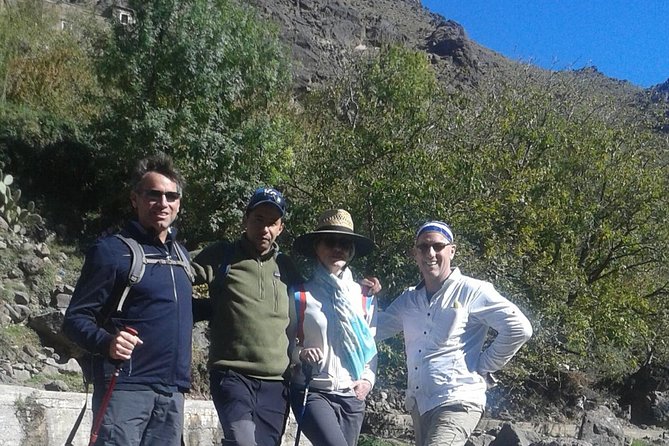
- Highest peak in North Africa (4167m) with wide open views in every direction
- Small-group feel with a maximum of 12 travelers, so you’re not swallowed by crowds
- Berber-guided trekking that mixes mountain time with cultural stops and village life
- Refuge-style overnight at 3206m that sets you up for the summit push
- Snow-season gear approach (crampons and ice ax for security in Nov to April)
Why Toubkal feels special even when it’s “just trekking”
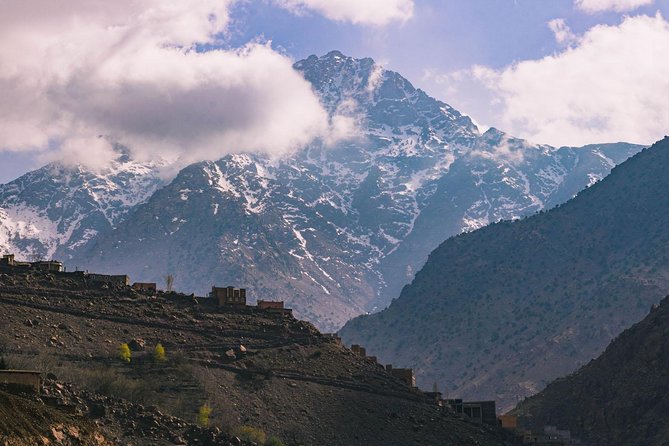
Mount Toubkal sits at 4167m, the highest peak in North Africa, and the climb has a way of resetting your expectations. You’re not “style posing” on a cable-car peak. You work for every meter, and the air thins in a way that makes you take the hike seriously.
What I like is that this is built as trekking, not climbing. The overview is clear: no climbing route, but you should expect some easy scrambling and snow slopes when conditions call for them. That balance matters because it keeps the day achievable for capable walkers, while still delivering a real mountaineering-style atmosphere.
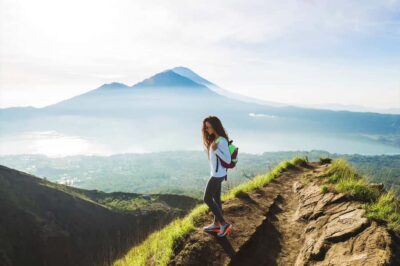
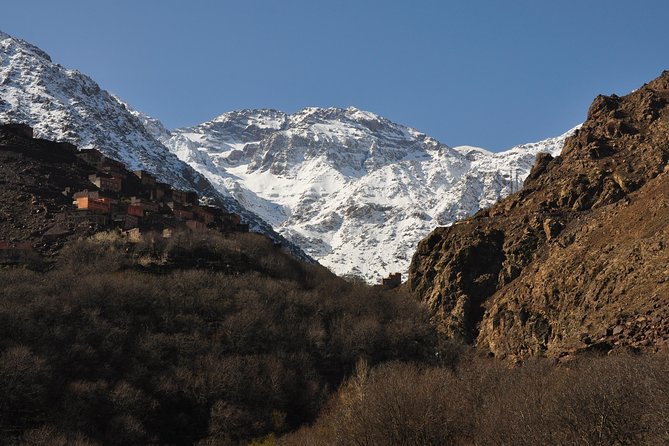
The summit view range is another big reason this stands out. From the top, you can see from the Marrakesh Plain to the High Atlas, and on clear days as far south as the Anti-Atlas and even toward the Sahara. That kind of geography makes the effort feel worth it fast.
You can also read our reviews of more tours and experiences in Marrakech.
Price and what $210.62 really buys in 2 days
At $210.62 per person for roughly 2 days, the value comes from what’s bundled rather than the headline number. You’re getting pickup from Marrakech, air-conditioned vehicle transport, and a trek structure that handles food and on-mountain support.
Here’s what’s included:
- Breakfast and dinner, plus lunch (2)
- Mule / cook support
- Pickup offered (and you return to the meeting point area)
You’ll still want to plan around what’s not included:
- Travel insurance
- Mineral bottle water during the trek
- Medical or accident insurance
- Personal gear like sleeping bags and shoes
- Tips and personal expenses
For many people, the best value isn’t the meals. It’s the fact that you’re not trying to organize the whole thing alone: the transport, the overnight arrangement near the refuge zone, and the mountain team support. If you’ve ever tried to piece together a short high-altitude trek on your own in Morocco, you know it’s the coordination that costs time and energy.
Your day 1 plan: Mizane Valley, Aremd, a shrine, then up to 3206m
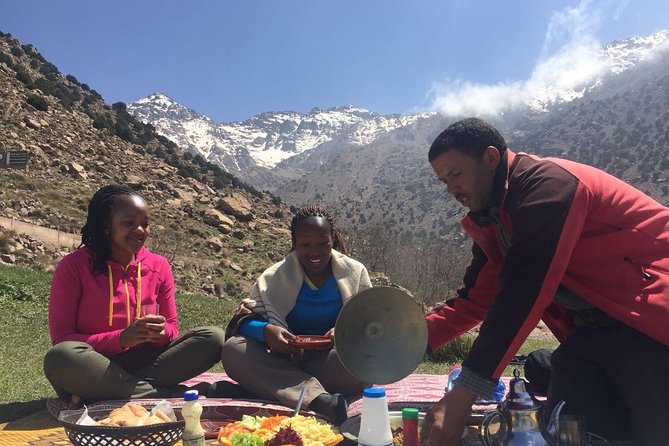
Day 1 starts with an early move from Marrakech. The plan lists start time at 7:30am, and it also notes hotel pickup around 9:00am, so expect an early morning departure window and build in buffer time.
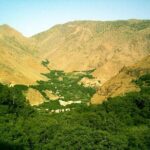
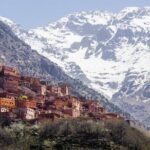
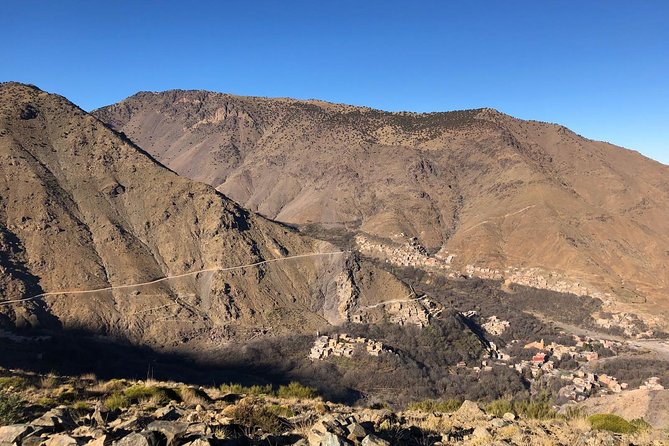
You head into the Mizane Valley, passing the village of Aremd. This is where the trek starts feeling more like Atlas travel than a theme-hike. You see how the mountains shape daily life, and you get that slow shift from city edge to high valley terrain.
Shrine stop that adds meaning (Sidi Chamarouch)
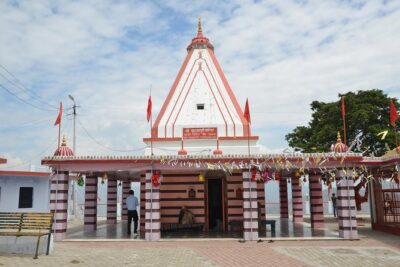
A key moment comes around the shrine of Sidi Chamarouch. You cross floodplains and then move toward a pastoral shrine area that attracts both tourists and pilgrims. Even if you’re not there for religious practice, it adds texture to the route. You’re moving through a lived-in landscape, not just marching across it.
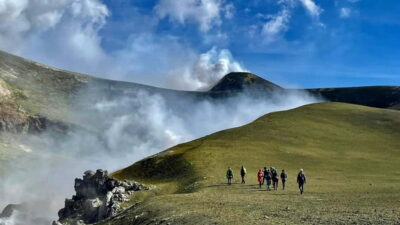
The walking begins relatively steady and gradual. Then the trail starts climbing in a snaking zigzag pattern toward the snowline. That switch is important for your day. It’s your early warning that you’re approaching a different layer of conditions where cold and uneven ground can show up fast.
Overnight at the Toukbal Refuge (3206m)
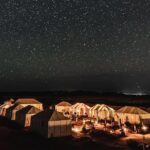
You finish day 1 at the Toukbal Refuge (3206m). This isn’t a “vacation lodge.” It’s a high-altitude base that exists to support trekkers going for the summit. Staying here is valuable because it reduces the shock of altitude on summit day and gives your body a chance to adjust to being higher.
If you’re sensitive to cold at night, plan mentally for temperature drop. Nights at altitude can feel surprisingly sharp, especially once you’re above the main warm air layers.
Your day 2 summit push: south circus, scree, then 4167m
Day 2 is where your short trip becomes serious. You start with road travel that takes you into the mountain approach zone, then begin walking again. The route mentions a move toward the south circus, and crossing a stream above the refuge before the main climb.
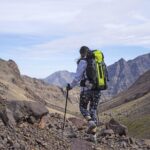
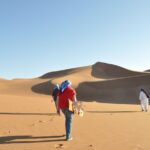
Walking is described as relatively straightforward, but don’t let the word “straightforward” trick you. Two things make this day hard in a non-glamorous way: scree and altitude. Scree can wear you down because your feet keep adjusting, and altitude makes every breath feel more intentional.
The views during the climb
The climb is the reward and the workout. The plan calls out that the views along the way make the journey more than worthwhile. In practice, you’ll likely feel this as “check your footing, then look up and remind yourself why you’re suffering.”
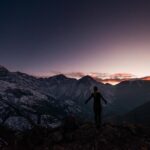
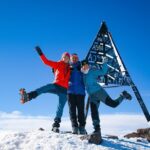
Once you reach the summit, the description is simple: breathtaking surroundings and unrestricted views. That 360-degree feel is the whole point of this trek. You’re not just looking at one peak. You’re seeing how the Atlas range opens up across regions.
Going back down (the retrace matters)
After the summit, you retrace your steps back down and transfer back toward Marrakech, with the route referencing Imlil on the way. This matters because the descent is still work. Retracing keeps navigation straightforward, but it doesn’t mean it’s easy on your knees or energy.
Berber-guided trekking: culture you can actually see, not just hear about
One of the strengths of this trip is that it’s built around Berber guidance and the human team that makes mountain travel work. The overview mentions meeting Berber guides and muleteers, and that’s more than a nice detail.
Muleteers and cooks exist because the mountains dictate logistics. If you’ve only backpacked where you can rely on roads, you’ll appreciate the shift here. Supplies still need carrying. Cooking still needs time and heat. The trek becomes a small, moving household.
Village and shrine stops are part of the route, not a detour
The stop at the village of Aremd and the Sidi Chamarouch shrine aren’t random “photo breaks.” They’re timed along the natural progression from valley travel into higher climbs. That means you experience mountain culture in real context: people living and gathering where terrain allows it.
If you like travel that’s grounded in daily rhythms, you’ll likely feel good about this style. You’re walking through places with meaning, even if your main focus is the summit.
The weather reality: when snow season turns the trek colder
This trek runs all year, but the conditions change the difficulty in noticeable ways. The overview notes that in Nov to April, you’ll trek in crampons and use an ice ax for security. That’s a key point. It’s not presented as optional fun. It’s part of operating safely on snow and icy slopes.
If you’re going outside that window, your conditions might be different, but the altitude doesn’t change. Either way, you should expect cold air, and you should plan for uneven ground as part of the deal.
Also, this experience requires good weather. If poor weather cancels the trek, you’ll be offered a different date or a full refund. That gives you more stability than tours that run no matter what, but it also means you should keep your schedule flexible if you can.
Gear and fitness: what to prepare for a “non-technical” climb
Even though this is called trekking (no climbing), it’s still a high mountain experience. The overview is honest about it being designed for keen walkers and people with strong physical fitness.
Here’s what you should take seriously:
- Some easy scrambling sections
- Snow slopes in the colder months
- Scree on the summit day approach
- Cold nights at about 3206m
- Altitude on a summit at 4167m
You’ll want proper footwear and a sleep setup, because sleeping bags and shoes are listed as personal gear not included. That’s a practical reminder: the comfort and safety pieces are on you.
What about water? Water during the trek is listed as not included. That’s easy to miss when you’re excited about summit photos. On cold mountain days you still dehydrate, and you don’t want to run low because you assumed everything would be topped up.
A note on pacing and comfort
Short summit trips often feel “rushed” if you’re not used to climbing at altitude. In this trip, the plan keeps things structured, with a clear refuge overnight and a direct summit day plan. That structure is a good match if you want a guided path. It’s a less ideal match if you need a lot of time to rest often or if you’re hoping for a slow, sightseeing rhythm.
Group size and the human factor: small team, flexible feel
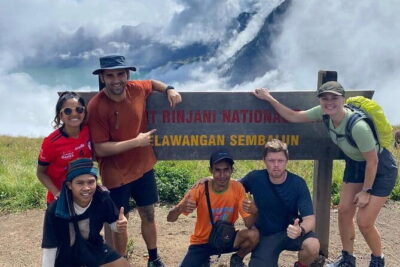
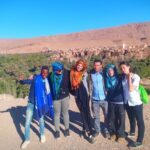
This trek caps at 12 travelers, which changes the vibe. You’re more likely to move as one connected group rather than getting separated into tiny clusters that never regroup.
One detail that matters: the trip notes flexibility to help you connect with another group if you want to link up with people who feel comfortable to you. That can be a big deal on a high peak, because mental comfort affects how you handle steep or icy sections. When you’re tired, having the right group chemistry can make a noticeable difference.
I also like that your trip isn’t only about the summit push. You share food, timing, and mountain focus across two days, and that naturally leads to conversations and shared momentum. It’s one of the reasons people come home with more than photos.
Who this trek is best for (and who should think twice)
This trek is a great fit if:
- You’re a strong walker and handle steep hiking well
- You’re comfortable with altitude effort and slow breathing
- You want the real highest-peak-in-North-Africa experience in a short window
- You care about Berber-guided travel and want cultural stops along the way
It may not be the right choice if:
- You’re aiming for a relaxed “walk in the park” pace
- You’re unsure about handling scree or scrambling
- You don’t want winter snow conditions if you’re traveling Nov to April
- You’re not ready to bring or arrange key personal gear like shoes and a sleeping bag
Think of it like this: the trip is described as non-technical, but it’s still serious mountain travel. You’re not doing rock climbing, but you are working.
Should you book the Toubkal Ascent Trek 4167m?
If you want one of the most rewarding quick trips out of Marrakech, this is a strong contender. You get a clear goal at 4167m, an overnight at 3206m, and a route that includes valley life and Berber shrine culture along the way. You also get a structured logistics package: pickup, transport, meals, and mule support.
Before you book, do two honest checks:
1) Can you handle a tough day of altitude and scree, plus cold if snow hits?
2) Are you ready to cover personal gear and water needs on your own?
If you can say yes to both, you’ll likely love how direct this trek is. It doesn’t overcomplicate the experience. It just takes you to the top, then brings you back with the kind of mountain memory you carry for years.