Your first morning in the Himalaya hits different. This 5-day Kedarkantha trek takes you from Dehradun up into pine-and-oak forests, then to the steep Kedarkantha Peak viewpoint over the Har ki Dun valley.
What I like most is how practical it feels. You’re not just given a route and told good luck: you get camping setup like tents and sleeping bags, plus a team to handle the pacing and logistics.
One thing to think about before you book: the travel day is long. You’ll do a 220 km road transfer (Dehradun to Sankri) and the hike involves real altitude and a steep summit push.
In This Review
- Key highlights you’ll actually feel on the trail
- Kedarkantha Trek in plain terms: what this trip is really about
- Price and value: why $235 can make sense here
- Getting there: Dehradun pickup to Sankri is a real commitment
- Day 1: Dehradun to Sankri by road
- Day 2: Sankri to Juda (the altitude starter)
- Day 3: Juda to Kedarkantha Base Camp through visible, steady trails
- Day 4: From 11,250 feet to 12,500 feet for Kedarkantha Peak
- Day 5: Descend back toward Sankri (cold legs, clear path)
- Camping and comfort: what’s included beyond the marketing
- Wildlife, stars, and the “in-between” moments you’ll remember
- Who should book Kedarkantha, and who should reconsider
- What to pack (so the trek feels comfortable, not just possible)
- Outdoor Monks and the “supported” part you’re paying for
- Should you book Kedarkantha Trek?
- FAQ
- Where does the Kedarkantha Trek start?
- How long is the Kedarkantha Trek?
- Do you get pickup from Dehradun?
- How do you travel from Dehradun to Sankri?
- Where does the actual trekking begin?
- What camping gear is included?
- What meals are included in the price?
- Are forest fees included?
- What kind of fitness level do you need?
- Is this tour private?
- Can service animals join?
Key highlights you’ll actually feel on the trail
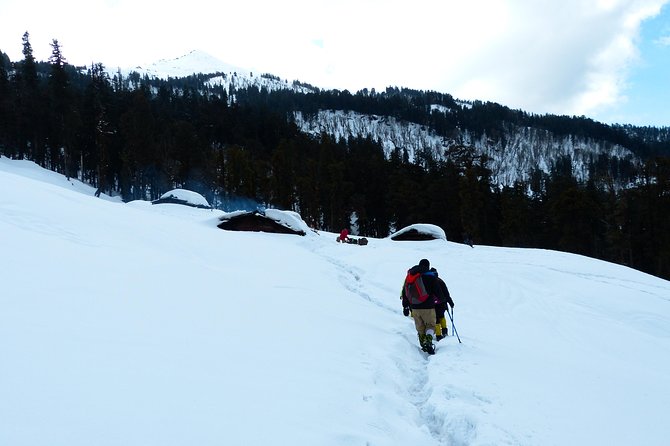
- Camping gear included: tents, sleeping bags, mattress, and toilet tents, so you can travel lighter.
- A true summit goal: hike up to Kedarkantha and earn wide views over Har ki Dun.
- Forest walking with variety: dense pine and oak trails, plus villages and stream crossings.
- Wildlife chances: boars, martens, and hares are part of the natural scene (not a guarantee).
- Clear-sky evenings: the plan includes relaxing with tea while you watch the stars.
Kedarkantha Trek in plain terms: what this trip is really about
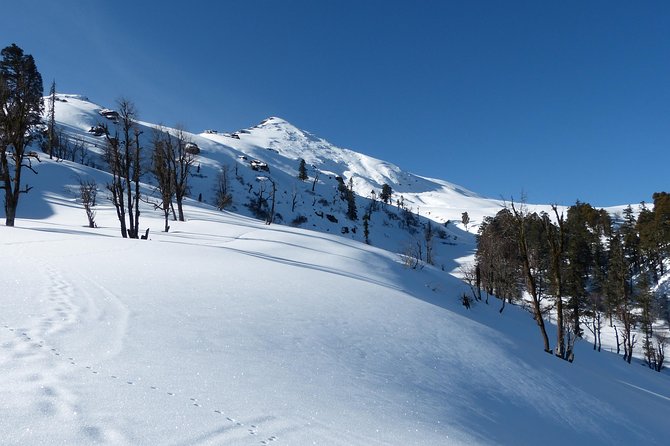
This trek is all about earning big payoffs the honest way. You start in the foothills, spend days moving through wooded Himalayan terrain, then aim for the summit—the kind that makes you stop, breathe, and look longer than you planned.
If you’re choosing this trek because you want snow-season vibes, you’re not alone. Many people pick Kedarkantha in winter for the chance of snowfall, cold air, and even blizzard-style weather during the climb. That also means you should respect conditions. When the weather turns, slow and steady beats heroic every time.
The best part is that you get a mix of “work” and “wow.” The walking isn’t just one long slog. You get forest scenery, quiet village atmosphere, water sounds, and a night-sky break that feels bigger than the photos.
Price and value: why $235 can make sense here
At about $235 for roughly five days, the price isn’t trying to be cheap. It’s closer to “you pay for the team and setup.” And in this case, that matters.
Here’s where the value shows up:
- You get private transportation (plus parking fees), so you’re not stitching together public transport.
- You get camping equipment for comfort and convenience, meaning you don’t have to rent or pack the basics.
- You get guided support plus a first aid kit, and the forest fee is included.
- Meals are mostly covered: breakfast (4), lunch (3), dinner (4).
What pushes the effective cost up for some people is what’s not included: GST, insurance, and your travel to and from Dehradun. Also, Day 1 breakfast and lunch are not included, so you’ll want some quick options ready for that first stretch.
Getting there: Dehradun pickup to Sankri is a real commitment
Day 1 starts in Dehradun with a morning pickup. Trekkers are received warmly at 6:30 am, then you head out by road toward Sankri.
Sankri is about 220 km away on National Highway 123, and the road time is listed at around 14 hours. That’s not a minor “get settled” transfer. It’s a full travel day.
My practical advice: treat it like part of the trek. Bring water, keep snacks handy for the sections where meals aren’t provided, and plan to sleep when you can, not when you want to.
Also note: you’re responsible for getting to Dehradun in the first place. The trek covers pickup and onward travel, but it doesn’t include the cost of reaching Dehradun.
Day 1: Dehradun to Sankri by road
This is your setup day. You’re moving from city life into mountain rhythm, and that long drive is what makes the later hikes feel “earned.”
Because breakfast and lunch on Day 1 aren’t included, don’t assume you’ll eat right away. Plan for a quick breakfast before the pickup if you can, and have a simple backup plan (snacks or something local) for later.
Once you reach Sankri, you’re not starting big hikes immediately. The point of Day 1 is getting you positioned and ready for a proper trekking rhythm starting the next morning.
Day 2: Sankri to Juda (the altitude starter)
The trek proper begins from Sankri after a healthy breakfast. Your first walking day heads to Juda, which sits at about 9,100 feet.
The distance is 4 km, and the route is described as a straightforward start. Even if the distance looks short, altitude changes the effort. You’ll feel it in your breathing and your pace.
If you want to do well on Kedarkantha, this is where you build good habits:
- Walk slower than you think you need.
- Take short breaks before you feel tired.
- Save your energy for the summit day.
Day 3: Juda to Kedarkantha Base Camp through visible, steady trails
Day 3 moves you to Kedarkantha Base Camp. From Juda, it’s another 4 km leg, and the plan says it takes about 2.5 hours at a moderate speed.
This day is described as fairly straightforward and quite visible. That’s a good sign for nervous first-timers or anyone who wants a “get in the groove” day.
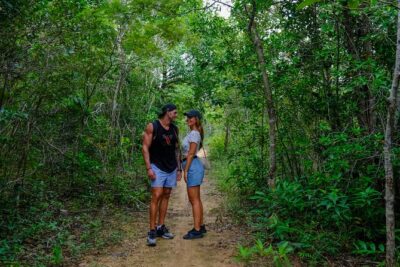
What you’re walking through matters here. The trek is set around dense pine and oak forests, and the experience aims to keep you moving past streams, along natural paths, and through a Himalayan sense of quiet. In snow season, these forests feel like a different world—cold, still, and loud only in the sounds of your own steps.
At base camp, you’re setting up for the hard day ahead. Take care of small things: eat what’s offered, drink water when you can, and bundle up early.
Day 4: From 11,250 feet to 12,500 feet for Kedarkantha Peak
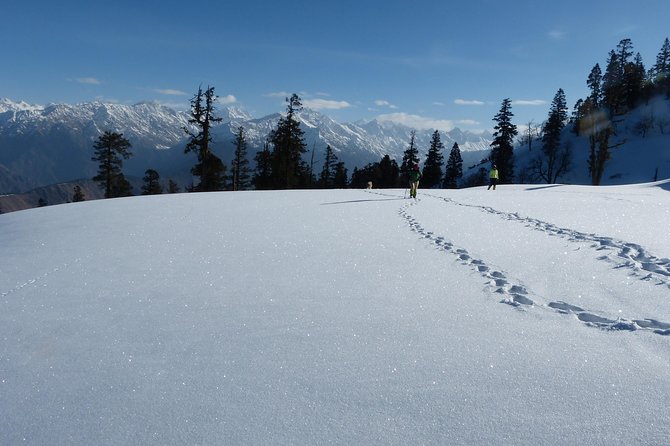
This is the centerpiece day. You climb from about 11,250 feet up to 12,500 feet, then hike to the Kedarkantha peak viewpoint and descend back down to Hargaon camp.
The plan highlights a steep summit push. In plain terms: this is where your legs get a final negotiation with gravity.
If you go in winter, conditions can get intense fast. Some trekkers talk about snowfall and even blizzard conditions. Even if your date isn’t that dramatic, expect wind chill and changing visibility. Your job is to keep moving safely and steadily, not to chase speed.
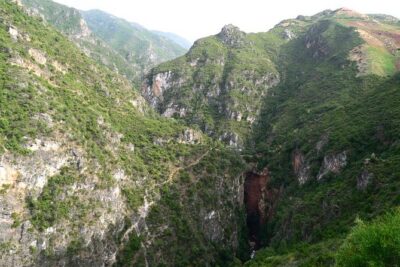
The reward is the big view: the trek is known for panoramic scenery over the Har ki Dun valley. On a clear day, it’s the kind of view that makes you forget the “how much longer” voice in your head.
And yes, you’ll likely want tea breaks when you can find them. The experience is built around warm intervals, which matters when the air is cold and your body wants quick comfort.
Day 5: Descend back toward Sankri (cold legs, clear path)
Your final day focuses on getting down. After breakfast, you descend to Sankri, with the walking time listed at about 4 hours or more at a moderate pace.
The description notes a more clearly marked pathway with small stones. That can be easy to follow, but rocky descents still work your knees. Move carefully, keep your footing short, and don’t rush at the end.
You’ll also have your last moments of “mountain living.” The plan is simple: pack up, walk down, and let your body recover back in Sankri.
Camping and comfort: what’s included beyond the marketing
Camping equipment is supplied for comfort and convenience. That’s not just a nice idea. It changes how you travel.
Included camping setup:
- tents
- sleeping bags
- toilet tents
- mattress
Having those items included means you can show up without hauling gear from your home country or spending extra money on rentals you might not even use again.
Meals are also planned:
- Breakfast: 4
- Lunch: 3
- Dinner: 4
Day 1 is the exception: breakfast and lunch on Day 1 are not included. After that, you’re mostly covered.
There’s also a first aid kit included, and forest fee is included. Those are the kind of boring details that prevent stressful surprises.
Wildlife, stars, and the “in-between” moments you’ll remember
This trek isn’t only about the peak photo. It’s also about the in-between details.
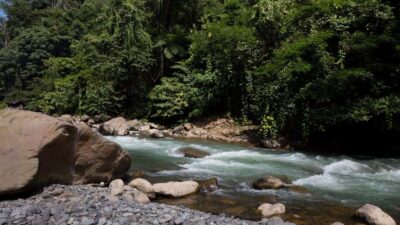
The route is described through villages, alongside streams, and over green hills, with dense pine and oak forests along the way. That variety keeps your senses busy. You’re not just staring up at the next step.
Wildlife chances are part of the plan: boars, martens, and hares. Don’t count on seeing all three, but it’s a reminder to slow down sometimes and pay attention to movement at the edge of the trail.
One detail I love in this kind of mountain trip is the focus on the sky. Overnight time is set up so you can admire the stars in a clear sky and relax with tea. If you’ve never watched stars at altitude, it’s a full-body experience, not a “nice photo” moment.
Who should book Kedarkantha, and who should reconsider
This trek says it’s for people with moderate physical fitness. That fits many first-time hikers, as long as you respect the altitude and the summit effort.
You’ll likely enjoy this trek if:
- you want a structured, supported hike rather than self-planning
- you like snowy-season Himalayan walking (especially if you love the idea of snowfall and cold air)
- you’re comfortable with a steep section and day-by-day climbing/descending
You may want to reconsider if:
- long travel days exhaust you (the 220 km road transfer is long)
- you have concerns about altitude or steep climbs
- you want a totally easy day with no summit push
Also, it’s a private tour/activity, meaning only your group participates. That can make the vibe feel more personal and calmer than big shared tours.
What to pack (so the trek feels comfortable, not just possible)
The trek includes your camping gear, but you still control your comfort. Pack for cold first, then for walking.
Focus on:
- layers you can add or remove while climbing and descending
- warm clothing for evenings (star time and tea time happen at altitude)
- good footwear for rocky, stone-covered descents
- basic toiletries and any personal meds
Because winter trips can bring snow and harsh weather, treat this as a cold-weather hike even if the forecast looks mild.
And quick reality check: you’ll still want travel snacks and water planning for Day 1 since breakfast and lunch aren’t included that day.
Outdoor Monks and the “supported” part you’re paying for
The experience provider listed is Outdoor Monks. What you should expect from a trek like this is tight coordination: road pickup, transport to Sankri, camp setup, and meal timing across multiple days.
You can also see why the private format matters. When it’s only your group, it’s easier to keep the pace consistent, reduce waiting, and reduce the “everyone thinks they’re the leader” chaos that pops up in mixed groups.
Should you book Kedarkantha Trek?
If you want a satisfying Himalayan goal—forested hiking, a real peak climb, and that Har ki Dun valley view—this is a strong choice. The biggest reason to book is the combination of camp gear included plus organized logistics plus mostly covered meals. That’s the kind of value that helps you focus on the trail instead of managing details.
I’d book it if you:
- like the idea of a steep summit day with a clear payoff
- plan for cold weather and altitude
- are okay with a long first travel day from Dehradun
I’d pause if you:
- hate long road transfers
- want a fully easy trek with no steep sections
- don’t have a plan for Day 1 meals (since they’re not included)
FAQ
Where does the Kedarkantha Trek start?
The trek starts in Dehradun, with trekkers received at 6:30 am for onward travel.
How long is the Kedarkantha Trek?
The duration is listed as 5 days (approx.).
Do you get pickup from Dehradun?
Yes. Pickup is offered in Dehradun.
How do you travel from Dehradun to Sankri?
You travel by private transportation. Dehradun to Sankri is about 220 km and the road time is listed around 14 hours.
Where does the actual trekking begin?
The trekking begins from Sankri, then you hike toward Juda.
What camping gear is included?
Camping equipment included includes tents, sleeping bags, toilet tents, and mattresses.
What meals are included in the price?
Breakfast is included for 4 days, lunch for 3 days, and dinner for 4 days. Breakfast and lunch on Day 1 are not included.
Are forest fees included?
Yes. Forest fee is included.
What kind of fitness level do you need?
The trek requires a moderate physical fitness level.
Is this tour private?
Yes. It’s a private tour/activity, so only your group participates.
Can service animals join?
Yes. Service animals are allowed.