REVIEW · UMM QAIS
Jordan Trail: Dana to Petra 4-Day Trekking Tour
Book on GetYourGuide →Operated by Jordan Hiking Experts. · Bookable on GetYourGuide
Dana to Petra is the kind of hike that makes your phone feel useless. This 4-day trek follows a stretch of the Jordan Trail, mixing Wadi Dana canyons, mountain paths, and remote Bedouin valleys with camping under big skies. I love the mix of real wilderness and real people, especially the way the guides (Essa and Ahmad/AHMED) handle the day-to-day. I also love that your food is part of the experience, with traditional Jordanian meals around camp. One drawback to keep in mind: you should be ready for a trek that expects good fitness and you might want to ask how much interpretive guiding you’ll get on your exact departure.
You’re not just hiking toward Petra, you’re earning your first view of it. The ending uses a hidden back trail to arrive at Little Petra and then enter Petra from behind, which can feel more magical than the usual front-door approach. The group stays small (up to 15), and the tour includes key comforts like tents, mattresses, drinking water, and daily luggage transfer. A final consideration: at the price point ($499), you’ll want to confirm guide style and group expectations, because at least one past guest felt the guidance was more hands-off than they expected.
In This Review
- Key highlights (what makes this Dana to Petra trek worth it)
- Dana to Petra day 1: Wadi Dana starts the story
- Four days of walking: distance, pace, and how to not get wrecked
- Camping under the stars: what’s provided and what you must bring
- Bedouin valleys and guide power: Essa, Ahmad, and the human side
- Petra’s back door: Little Petra arrival and the first Nabataean view
- Price and value: does $499 make sense for what you get?
- What to pack for comfort (and so you can actually enjoy day 2)
- Who should book this Dana to Petra trek (and who should skip it)
- Should you book Jordan Trail: Dana to Petra?
- FAQ
- How long is the Jordan Trail: Dana to Petra trekking tour?
- What is the hiking difficulty like?
- Is it a small group tour, and is there a guide?
- What meals are included during the trek?
- Does the tour include water and hot drinks?
- Do I have to carry all my luggage?
- What sleeping arrangements are included?
- Is Petra entry included, and what happens on the final day?
Key highlights (what makes this Dana to Petra trek worth it)
- Jordan Trail route: 84 km over 4 days, with 6–8 hours of hiking most days
- Wild camping at night: tents and mattresses provided, plus starry skies (and cool evenings)
- Jordanian meals, not just snacks: 3 meals per day with vegetarian and vegan options
- Hidden back-trail arrival: Little Petra first, then Petra with a guided visit
- Local Bedouin guiding: Essa and Ahmad/AHMED share culture, not just directions
- Turkish bath in Petra: a nice reset after big hiking days
Dana to Petra day 1: Wadi Dana starts the story
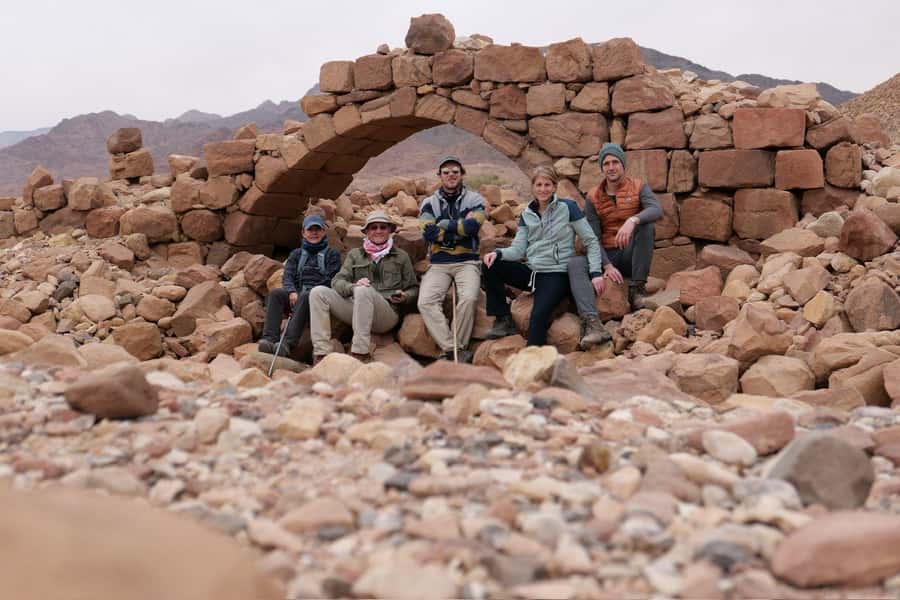
Your trek begins in the Dana area, tied to the Dana Biosphere Reserve experience, where the trail starts pulling you into canyon-and-mountain country. Expect an active day right away: the itinerary is built around daily hikes of roughly 15–20 km, so you’ll be moving from the start rather than easing in like it’s a stroll.
What I like about this first phase is the pacing of the landscapes you go through. Even without getting fancy, Dana to Petra on foot tends to feel like layers—narrower canyons, then open stretches, then higher ground—so your legs and eyes both get entertained. You’ll also learn quickly that this is a guided trek, not a DIY walk: you’re following a real route with a local who understands how the trail connects.
Four days of walking: distance, pace, and how to not get wrecked
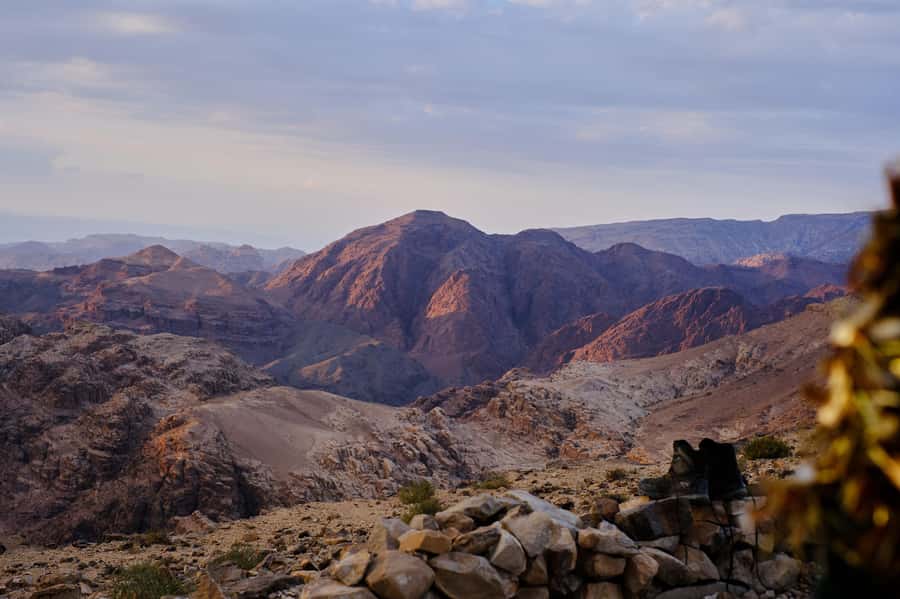
This trek covers about 84 km across 4 days, and most days run 6–8 hours of hiking. That range matters because it tells you how much time you’ll actually be on your feet, not just how far you’ll cover.
A 15–20 km day can be totally manageable if you pace yourself and don’t treat the trail like a fitness challenge. You’ll want to move steadily and keep your stops short—long breaks can feel great, then drain your momentum. This is also listed as moderate to challenging, so if you’re new to long hiking days, plan to be consistent: comfortable shoes, layers, and a daypack you’re not overloaded with.
Practical tip: bring a flashlight. Not because you’ll be hiking in the dark, but because camps can be dim, and you’ll still need to move after dinner or before you wake up.
Camping under the stars: what’s provided and what you must bring
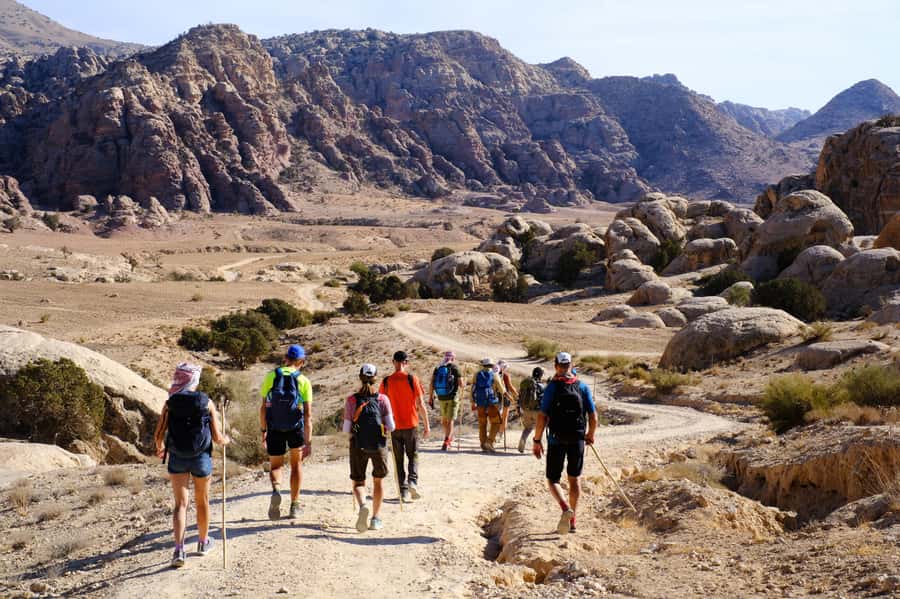
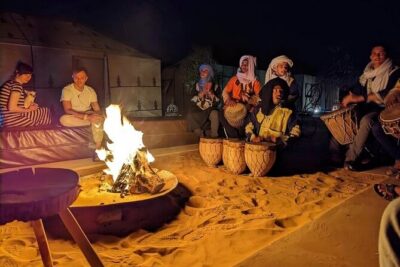
The “under the stars” part is real here because you’ll spend nights in campsites, eco-lodges, Bedouin camps, or wilderness camping. The tour provides tents and mattresses, which is a big deal for comfort, and you’ll also have a first aid kit in the mix.
But you still need to show up ready for the outdoors. The packing list includes a sleeping bag, plus a hat, sunscreen, and sunglasses, because the days can be warm and the evenings can cool off. You’ll likely feel the temperature swing most at night, and a layered approach is smarter than relying on one warm item.
Also, notice what’s not included: trail snacks are not listed. So if you like extra calories mid-walk, plan for that. The included meals cover you, but you might still want something small for between-breaks, depending on how you hike.
Bedouin valleys and guide power: Essa, Ahmad, and the human side
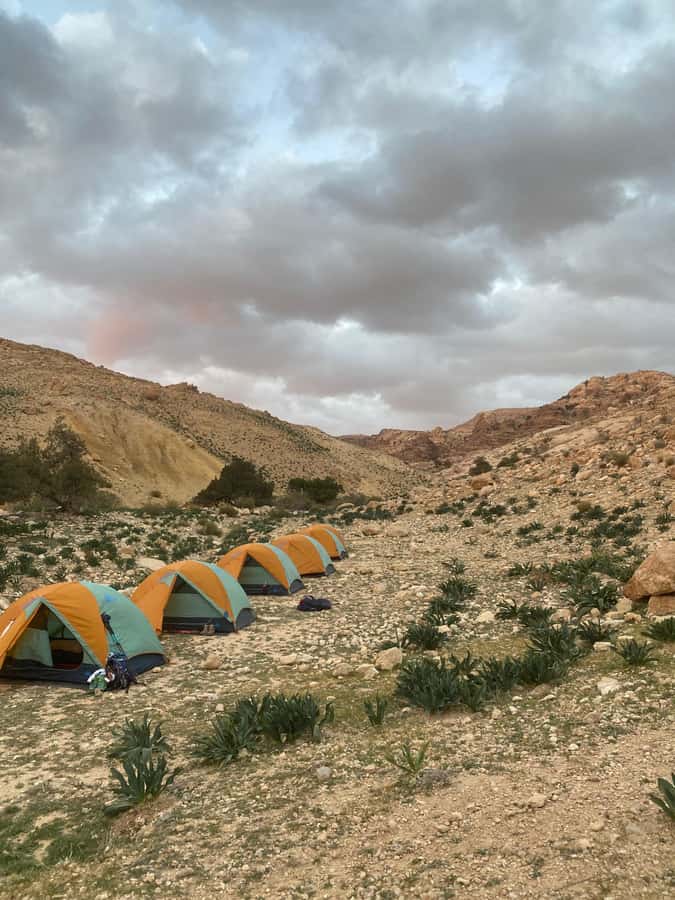
The biggest reason people love this trek is the guiding style. Several past guests specifically praised Essa for being friendly, upbeat, and genuinely caring—plus his brother Ahmad/AHMED for cooking delicious traditional meals. In the best cases, the guides don’t just move you along; they make time for banter, share culture, and create a “guest to friend” feeling that turns camp into more than a resting point.
That said, this is one place where fit matters. One past solo traveler described the guiding as more transactional and less engaged, mentioning time spent on the phone and the guide walking ahead, which can feel isolating if you want constant support and explanation. That’s not the only story you’ll see, but it’s a useful reality check.
So here’s my advice: if you want history, nature notes, and steady conversation while hiking, message the operator beforehand and ask what that looks like on your exact group. If you prefer quiet and just want safe route navigation, this type of trek can still work well.
Petra’s back door: Little Petra arrival and the first Nabataean view
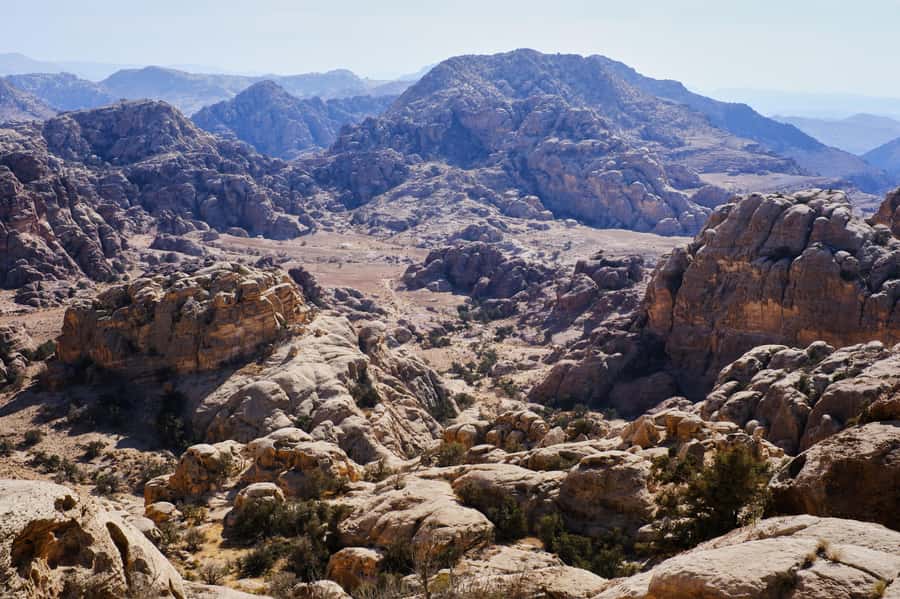
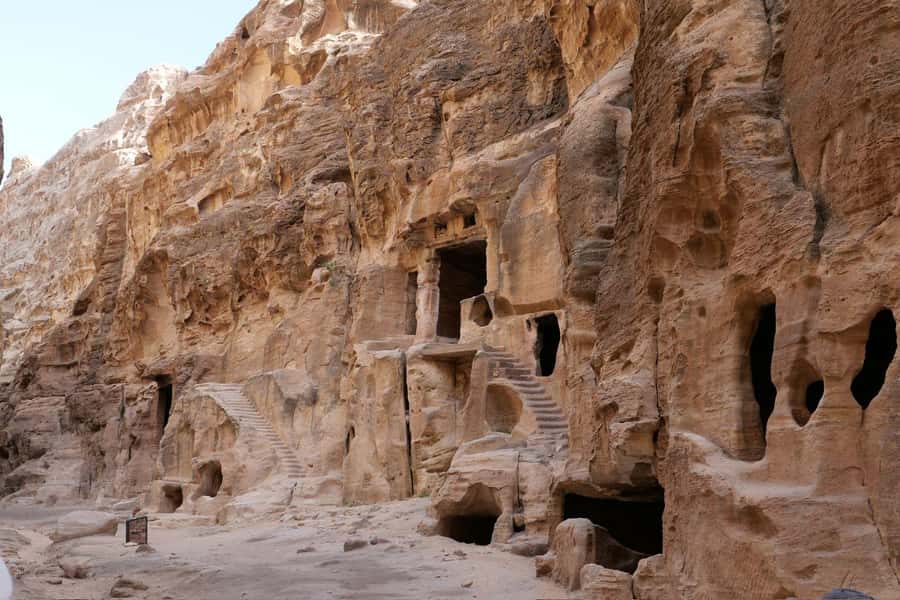
The ending is designed for wow-factor, and it’s not random. You arrive at Little Petra via a hidden back trail, which can change how Petra lands for you. Instead of marching in on the main route first, you get that gradual reveal effect—the city feels like it’s been waiting for you around the bend.
From Little Petra, you continue into Petra with a full guided visit that includes Petra entry. The tour also includes a Turkish bath upon arrival in Petra, which feels like an earned reward after days of dust, sun, and sore legs.
A key value here is the full guide on the final day. Petra is huge and detail-heavy, and a good guide helps you separate what’s just impressive from what’s important. The tour is built to get you in, get you oriented, and help you enjoy the walking instead of getting swallowed by it.
Price and value: does $499 make sense for what you get?
At $499 per person, this trek isn’t cheap, but it’s also not “pay for nothing.” You’re paying for logistics that would be tough to DIY: a certified local guide, small-group support (up to 15), daily luggage transfer, included tents and mattresses, meals (3 per day), drinking water, and tea/coffee.
You’re also getting paid-for access where it counts. The Dana Biosphere Reserve fees are included, and the final day includes Petra entry with a guided visit. Add in the Turkish bath, and suddenly the money is partly going toward experiences, not just transportation.
What’s not included is also clear: international flights, travel insurance, personal expenses, entrance fees outside what’s listed, and trail snacks. If you tend to buy snacks, drinks, or want private extras, those costs can creep up. If you travel light, pack snacks yourself, and keep personal spending minimal, this can feel like better value.
What to pack for comfort (and so you can actually enjoy day 2)
You have a straightforward packing list from the tour: sunglasses, hat, sunscreen, sleeping bag, flashlight. I’d treat those as non-negotiables.
Then build around the reality that hiking days can be warm and nights can be cool. Layering helps more than one bulky item. Comfortable hiking shoes matter more than “looking cute,” because you’re doing 15–20 km days and your feet will tell you fast if you guessed wrong.
Other practical choices:
- A daypack sized for water and layers (since your main luggage is transferred daily)
- Something for sun protection even in the morning shade
- A plan to keep your water accessible, because you’re told drinking water is provided, and you’ll still want to manage it well
Who should book this Dana to Petra trek (and who should skip it)
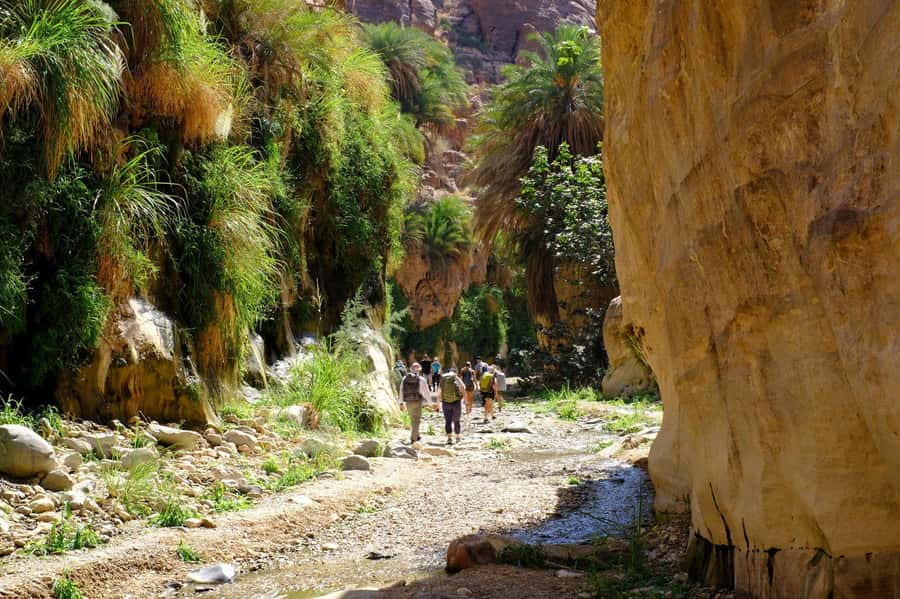
This is best for active travelers with good fitness levels who enjoy hiking and camping. If you like being outside all day, don’t mind remote areas, and want a hands-on experience rather than a bus-to-viewpoints schedule, you’ll probably love the format.
It’s not designed for everyone. The tour states it’s not suitable for children under 10, and it also excludes babies under 1 year. It’s not suitable for travelers with mobility issues, and it lists an upper age limit of not for people over 95 years.
If you’re a solo traveler, it can be a strong option. At least one solo female guest felt safe and well cared for by Essa and Ahmad/AHMED. If safety and support are your top priority, this is the kind of tour where you should also confirm guide availability and how overnight setups work for your comfort level.
Should you book Jordan Trail: Dana to Petra?
Book it if you want a serious long-distance hike with real camp nights, included meals, and a local guide experience that can feel personal. The small group size, the included Dana and Petra access, the camping comfort (tents and mattresses), and the hidden back-trail arrival to Little Petra are all strong reasons to choose this over a standard “see Petra” day trip.
Hold off if you know you need lots of explanation and constant engagement from your guide, because at least one past guest felt the guiding was too hands-off. Also be honest with yourself about daily hiking time: this is built for 6–8 hours of hiking days, not a gentle walking vacation.
If you want an adventure that turns Petra into a payoff for your own effort, this trek fits that promise well.
FAQ
How long is the Jordan Trail: Dana to Petra trekking tour?
It runs 4–5 days. The trek itself is described as about 84 km over 4 days, with 6–8 hours of hiking per day.
What is the hiking difficulty like?
The trek is listed as moderate to challenging, recommended for travelers with good fitness levels.
Is it a small group tour, and is there a guide?
Yes. It’s a small group limited to up to 15 participants, with a live tour guide in English.
What meals are included during the trek?
Meals are included, with 3 meals per day (breakfast, lunch, dinner). The food is described as traditional Jordanian dishes, with vegetarian and vegan options available inspired by Jordanian cuisine.
Does the tour include water and hot drinks?
Yes. The tour includes drinking water, and it also provides tea and coffee.
Do I have to carry all my luggage?
No. There is daily luggage transfer, and you only carry a daypack while hiking.
What sleeping arrangements are included?
The tour provides tents and mattresses. You still need to bring your own sleeping bag.
Is Petra entry included, and what happens on the final day?
Yes. The final day includes entry to Petra and a full guided visit. You also get a Turkish bath upon arrival in Petra.