REVIEW · CUSCO
Salkantay Trek Standard 5D/4N
Book on Viator →Operated by Conde Travel · Bookable on Viator
Early mornings and high Andes payoffs. This small-group Salkantay trek links Cusco-to-Machu Picchu logistics with a guided hike, camping setup, and entrance fees all included. You get a full Andes circuit in one go, with a capped group size of 15 and bilingual guiding throughout.
I especially like the way the trip hands you the hard parts: transfers, meals, camping gear support (tents/kitchen/dining setup), and a team that runs the day-to-day. Second, the itinerary keeps variety high—Soraypampa to Humantay Lake, the Salkantay Pass, cloud forest, then Llactapata and into Aguas Calientes before Machu Picchu at sunrise. One consideration: you start at 4:00 am, and you’ll be hiking at high altitude, including a 4600 m pass, so this is for people who handle strenuous days.
In This Review
- Key highlights you’ll feel on the trail
- A smart way to combine Salkantay with Machu Picchu
- Day 1: Cusco to Mollepata, Soraypampa, and Humantay Lake
- Day 2: Salkantay Pass (4600 m), Wayrac Machaq, and the high jungle
- Day 3: Cloud forest rivers and Lucmabamba, plus hot springs and coffee
- Day 4: Llactapata views, down to Hydroelectric, and onward to Aguas Calientes
- Day 5: Sunrise Machu Picchu with a private guide, then back to Cusco
- Camping comfort: what’s included and what you still need
- Price and logistics: where the value is really coming from
- Weather, altitude, and pacing: how not to ruin the trip
- A note on disruptions and refunds (what you should plan for)
- Who this Salkantay Trek fits best
- Should you book this trek?
- FAQ
- Where do the tours start in Cusco?
- What time does the trek start?
- How long is the Salkantay Trek Standard 5D/4N?
- What’s included in the trek package?
- Is Machu Picchu entrance included?
- How do you return to Cusco after Machu Picchu?
- Are the bus tickets up and down to Machu Picchu included?
- Do I need to bring a sleeping bag?
- Is ziplining included?
- What’s the maximum group size?
Key highlights you’ll feel on the trail
- Small group (max 15 people) for a more personal pace and fewer bottlenecks on busy trail moments
- Camping support included: roomy dining tent, kitchen, chairs/tables, plus a cook and assistants
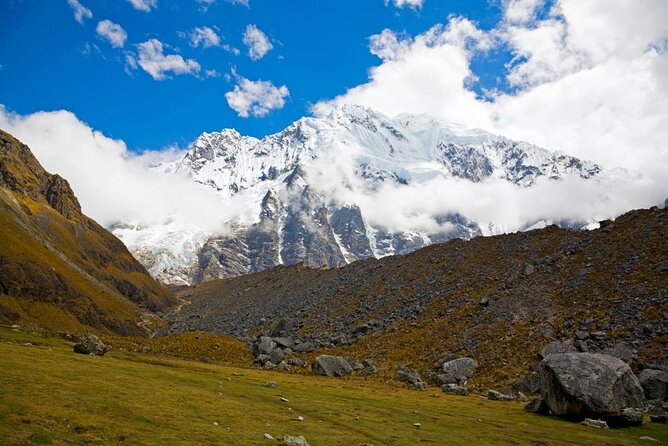
- Coca tea and altitude milestones: start low-ish, then crest Salkantay Pass (4600 m)
- Cloud forest day with waterfalls/rivers vibes and Lucmabamba options like coffee processing
- Sunrise Machu Picchu with a private guide after the trek, plus the train ride back to Ollantaytambo
A smart way to combine Salkantay with Machu Picchu
Salkantay is the kind of trek where the effort matters. You’re trading comfort for views, altitude, and that steady “keep moving” rhythm. This version is built around doing a lot—without you planning every transport step or figuring out where meals and gear happen.
What makes this itinerary feel practical is that it’s structured end-to-end. You’re picked up in Cusco, transferred to Mollepata, trekked with camping support, lodged for one night in Aguas Calientes, then taken to Machu Picchu for sunrise. The operator also handles Machu Picchu entrance and the train back (Aguas Calientes to Ollantaytambo), with transportation continuing to Cusco.
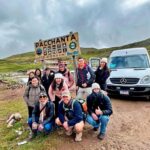
The small-group cap is not just marketing. With a max of 15, you’re less likely to get stuck in a moving crowd when trail conditions tighten. You’ll also notice it around camp and dining time, where everyone’s life is happening at the same time.
You can also read our reviews of more tours and experiences in Cusco.
Day 1: Cusco to Mollepata, Soraypampa, and Humantay Lake
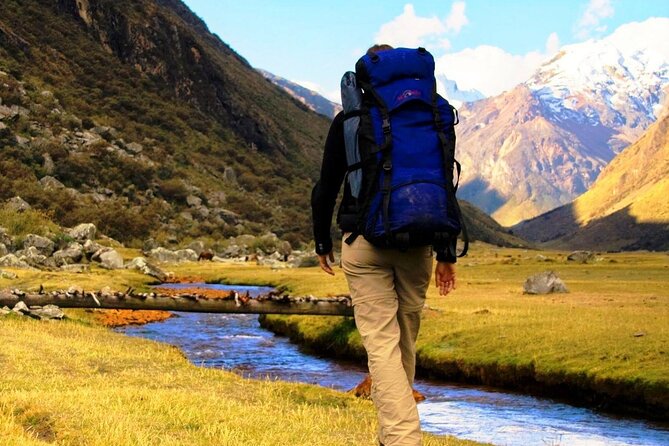
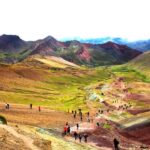
Your day starts early—early enough that it feels like you’re stepping into the Andes before the day fully wakes up. You’ll be picked up at Portal de Comercio 145, Cusco, with a 4:00 am start time. After pickup, you have breakfast in Mollepata, then begin the trek toward Soraypampa at 3900 m.
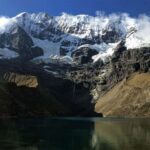
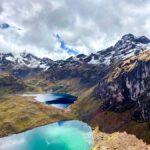
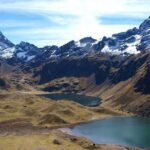
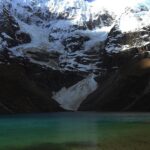
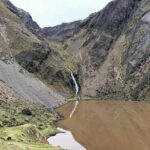
Soraypampa is where the trek becomes real. You meet the horsemen and horses, and they carry the camping equipment so you can focus on hiking. Then it’s up toward Humantay Lake at 4200 m, where the main reward is a classic high-altitude scene—bright, cold air, steep slopes, and that feeling of being close to the sky.
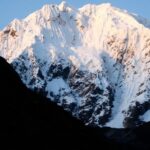
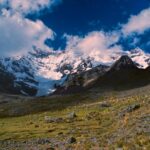
After the lake visit, you return to Soraypampa. Lunch is waiting there, prepared by the cook, before you continue on to basecamp at Salkantaypampa. The day ends with scenic time—views of the snowy Salkantay peak—plus afternoon tea and dinner back at camp.
What to watch for on Day 1: this is the first altitude hit. Even if the hiking is not at the extreme level of later days, you’ll likely feel it. Hydrate steadily and keep your effort controlled so you’re not breathing hard before you even settle into the rhythm.
Day 2: Salkantay Pass (4600 m), Wayrac Machaq, and the high jungle
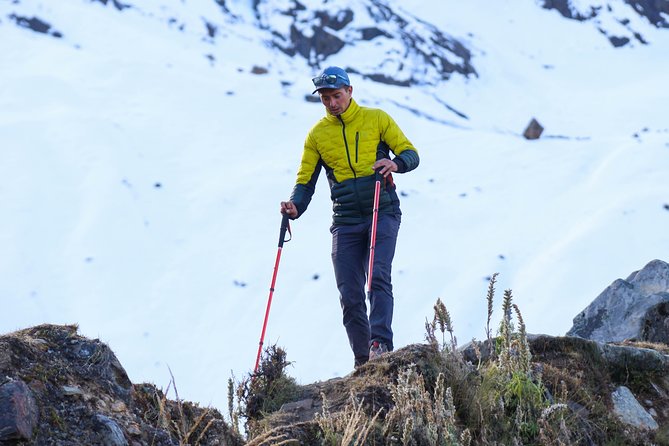
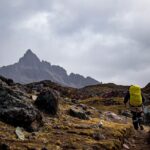
Day 2 is the centerpiece. You wake up with coca tea and breakfast, looking out at mountains, then start the climb toward the Salkantay Pass (4600 m). The pass takes about 3 hours, and from there you’re moving downhill again—often the harder part mentally, because you’re still exerting yourself while your legs complain.
At the pass area, you’ll have the kind of view that makes you forget your sore calves for a few minutes. Then you continue toward Wayrac Machaq, stopping for lunch. After lunch, the route transitions into what the itinerary calls the high jungle, where the vibe changes from sharp alpine air to a greener, wetter feel.
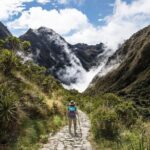
You’ll hike past big trees with their branches spreading over streams, with bromeliads and orchids in the mix. It’s a neat contrast day: altitude drama in the morning, then a more humid, plant-filled world as you go. You’ll finish at the second campsite after about 8 hours of total hiking time.
Optional admissions note: the Day 2 stop lists an admission ticket included. The key point for you is that this day is set up as a guided experience with access handled by the operator.
A practical consideration: the pass is high, and even if you pace well, you may feel short of breath. If you’re new to altitude trekking, treat this day as a pace test, not a speed run.
Day 3: Cloud forest rivers and Lucmabamba, plus hot springs and coffee
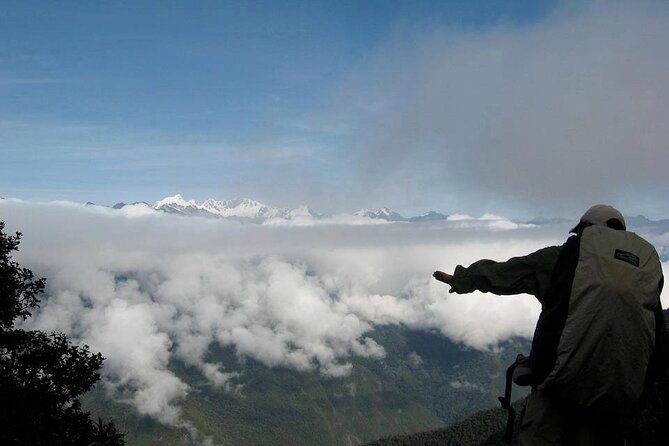
Day 3 starts with an early wake-up and breakfast, then a 3-hour trek through the cloud forest. This is one of those days where the scenery isn’t just “pretty,” it’s interesting in a different way. You’re surrounded by moving water—rivers and waterfalls—and the air tends to feel cooler and more layered than the higher zones.
After lunch, you hike another 3 hours to Lucmabamba campsite. This is where the itinerary gives you options, which I like. If you book in advance, you can add ziplining here. If you prefer a calmer break, there are also activities tied to coffee plantations and processing.
And then there’s a bonus add-on: Cocalmayo hot springs, about 30 minutes from the campsite. The itinerary is clear that it’s not included, and you’d need extra transportation and entry fees. If your body is feeling beat up, hot springs can be a great “reset,” but only if you’re not likely to waste energy scrambling for logistics after a long day.
How to plan your energy on Day 3: this is a balance day. You’ve already climbed high the day before, and you’re still heading toward more hiking later. Choose one add-on, not three. Your legs will thank you.
Day 4: Llactapata views, down to Hydroelectric, and onward to Aguas Calientes
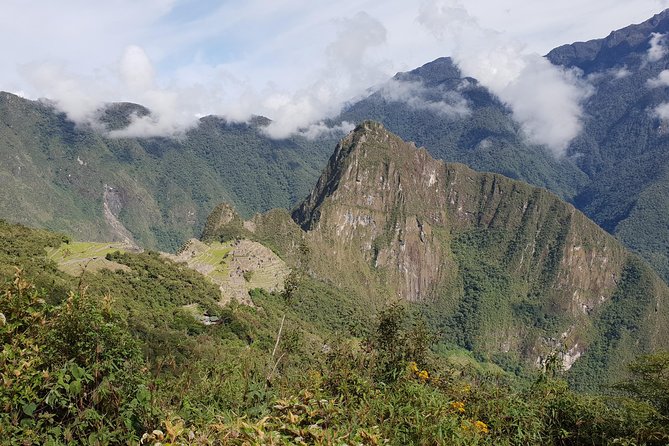
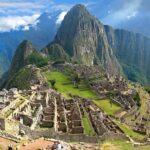
Day 4 shifts from “trekking into nature” to “trekking into the Machu Picchu story.” You wake up, then hike to Llactapata, a viewpoint with wide-ranging views and an outlook that includes Machu Picchu from above.
From there it’s downhill—first to Hydroelectric for lunch. After lunch, you continue hiking for about 3 more hours to Aguas Calientes. You’ll stay overnight in Aguas Calientes, which sets you up for the Machu Picchu sunrise on Day 5.
This day often feels like the hinge of the whole adventure. You’ll still hike, but the energy changes. Every turn feels like it’s bringing you closer to the final site, and you’ll likely start thinking about sunrise timing, shoes, and how early you’ll need to move.
Practical note about the final leg: the schedule is tight, and you’re doing it with downhill terrain. Trekking downhill can be harder on knees than uphill. If your knees aren’t happy on descents, pack extra care into your pace today—short steps, slow control.
Day 5: Sunrise Machu Picchu with a private guide, then back to Cusco
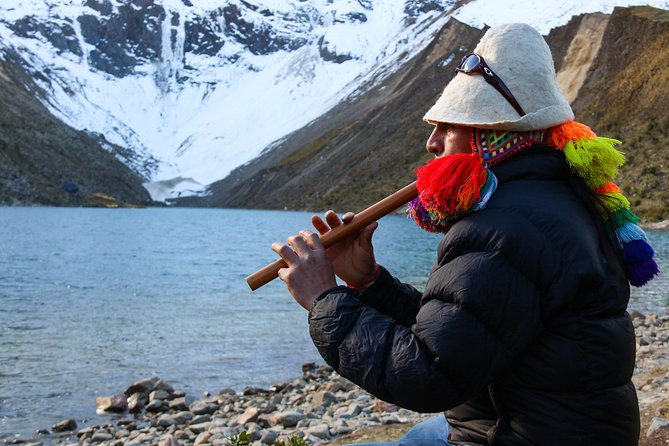
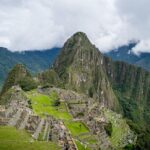
On Day 5, you take early buses up to Machu Picchu for sunrise. The itinerary is clear that the up/down bus from Aguas Calientes to Machu Picchu is not included, so you should budget for that part. You’ll then explore Machu Picchu with a private tour guide, which is a big deal for how you experience the site.
Machu Picchu is not just a location; it’s a place where good guiding changes everything—where to look, what to connect, and how to read the site’s layout. A private guide also helps your group move at a natural pace rather than being squeezed into a mass schedule.
After your visit, you don’t end the day with confusion. You take the train and bus back to Cusco. Train back is included in the tour, specifically from Aguas Calientes to Ollantaytambo, followed by transportation from Ollantaytambo to Cusco. That structure is valuable because it lowers your chances of missing connections after a long hike.
Camping comfort: what’s included and what you still need
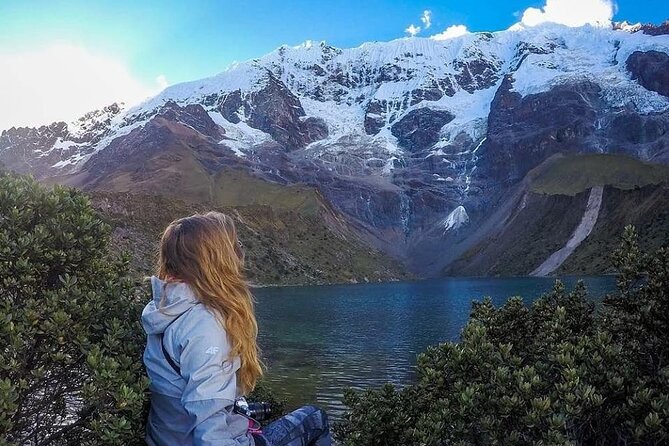
This tour includes the big logistical basics for camping. You’ll have a roomy dining tent and kitchen, plus chairs and dining tables. You also get a first aid kit, and your team includes a cook and assistants with a professional bilingual guide. In practice, that means you’re not trying to “camp-run” your meals and setup.
What you should bring yourself is equally important. A sleeping bag is not included, and walking poles are also not included. If you’re even slightly unsure what you’ll need for cold nights at altitude, plan to pack a proper sleeping bag and comfortable layers.
Also, notice what’s not included around optional fun and site upgrades. Ziplining activity is not included (though you may be able to book it at Lucmabamba in advance). And Huayna Picchu or Machu Picchu Mountain entrance is not included. If that’s important to your Machu Picchu plan, you’ll need to arrange it outside this package.
Price and logistics: where the value is really coming from
Even without a listed price here, you can still judge value by how much the operator handles for you. This itinerary bundles the essentials that usually eat both time and money if you DIY it: transfers from Cusco to Mollepata, camping structure, a guide and support team, meals (with 4 breakfasts, 4 lunches, and 4 dinners included), and Machu Picchu entrance.
The train ride from Aguas Calientes to Ollantaytambo is also included, which is a big relief. One of the most stressful parts of post-trek travel is managing the final transit while you’re tired. This tour builds that comfort into the plan.
The trade-off is that some pieces remain your responsibility. You’re responsible for the sleeping bag, walking poles, optional ziplining, hot springs if you choose them, and the bus between Aguas Calientes and Machu Picchu. Those are normal add-ons, but it’s better to know them in advance so you’re not surprised at the end.
Weather, altitude, and pacing: how not to ruin the trip
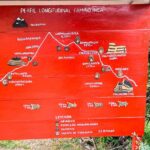
This trek is high. Soraypampa starts at 3900 m, Humantay Lake is 4200 m, and the Salkantay Pass hits 4600 m. Even if you’re fit, you’ll likely feel altitude in your breathing and energy level.
My advice is simple: pace early and stay consistent. Day 2’s climb to the pass is time-boxed (about 3 hours), but the altitude is what slows you down. On earlier days, don’t spend your legs trying to “win” a view moment. Save energy for the pass day and the transition to the cloud forest.
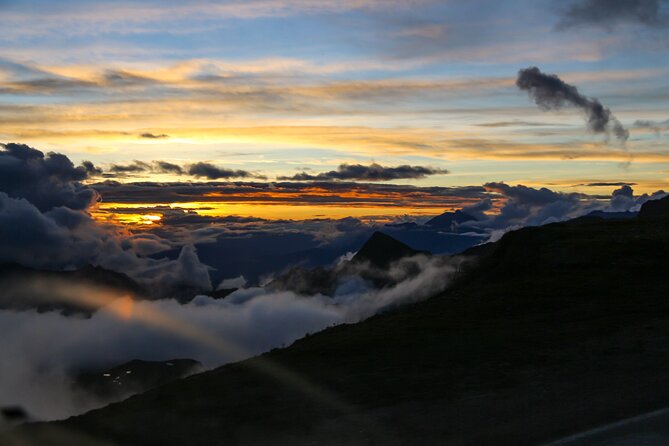
Weather also matters in the Andes. The itinerary doesn’t promise perfect conditions, and conditions can change fast at altitude. Your best strategy is to pack layers, keep moving at a pace you can sustain, and be ready for cold mornings—especially with a very early Machu Picchu sunrise plan.
A note on disruptions and refunds (what you should plan for)
This tour format is organized, but travel can still get messy—especially around transport. The tour data says it is non-refundable and cannot be changed for any reason. If weather or strikes disrupt schedules, you may find yourself stuck with limited flexibility.
One real caution from a past experience is that the operator did not offer a cash refund in at least one situation involving transport turmoil. In that specific case, the operator offered a voucher for future use instead. The takeaway for you: if you have tight deadlines, make sure your overall Peru plan has wiggle room, and don’t schedule anything critical for the days right after Machu Picchu.
Who this Salkantay Trek fits best
This trip fits best if you want a guided, structured Andes-to-Machu Picchu route with less planning on your side. The small group cap and the fact that you’re not managing camp food and gear are big wins.
It’s also a good choice if you like variety. You go from high-altitude lake views to a pass at 4600 m, then into cloud forest and the high jungle feel, then back into the Machu Picchu zone through Llactapata.
You might want to think twice if you don’t handle early starts well. Between the 4:00 am start and the sunrise plan, this is not a slow holiday. Also, if you know you struggle with altitude, don’t treat the pass day as optional; it’s central to the route.
Should you book this trek?
I’d book it if you want a smooth “logistics solved” trek that still feels personal, with a team handling the camp setup and a guide steering you through the route. The combination of included meals, camping infrastructure, and Machu Picchu entrance and guiding is good value in the real world—time saved and fewer moving parts.
I would hesitate if you need a flexible cancellation option, because the tour is non-refundable. I’d also be cautious if you’re not comfortable with strenuous hiking at altitude, especially the Salkantay Pass day.
If your goal is to see a lot of Peru’s Andes in one connected story—then this is a strong plan.
FAQ
Where do the tours start in Cusco?
The meeting point is Portal de Comercio 145, Cusco 08002, Peru.
What time does the trek start?
The start time is 4:00 am.
How long is the Salkantay Trek Standard 5D/4N?
It runs for 5 days (about 5 days, with 4 nights on trek/lodging).
What’s included in the trek package?
Transfers from Cusco to Mollepata, Machu Picchu entrance fees, dining tent and kitchen, chairs and dining tables, a first aid kit, the professional bilingual guide plus cook and assistants, lodging in Aguas Calientes for 1 night, 3 nights camping, train back from Aguas Calientes to Ollantaytambo, transportation from Ollantaytambo to Cusco, plus 4 breakfasts, 4 lunches, and 4 dinners.
Is Machu Picchu entrance included?
Yes, entrance fees to Machu Picchu are included.
How do you return to Cusco after Machu Picchu?
You take the train from Aguas Calientes to Ollantaytambo (included) and then transportation from Ollantaytambo to Cusco.
Are the bus tickets up and down to Machu Picchu included?
No. The up or down bus from Aguas Calientes to Machu Picchu is not included.
Do I need to bring a sleeping bag?
Yes. Sleeping bag is not included.
Is ziplining included?
Ziplining is not included, though it’s mentioned as an optional activity if you book in advance at Lucmabamba.
What’s the maximum group size?
The tour has a maximum of 15 travelers.