REVIEW · CUSCO
5 Day – Salkantay trek to Machu Picchu – Group Service
Book on Viator →Operated by Valencia Travel Agency S.a.c. · Bookable on Viator
Machu Picchu starts at 15,200 feet. This 5-day group trek threads snowy peaks, cloud forest, and jungle on the way to Machu Picchu, with a guided sunrise visit on the final morning. I especially liked two things: the professional bilingual guiding team and the way your food, tents, and camp setup are handled so you’re not wrestling logistics in thin air. The main drawback to weigh is simple but real: the trek includes a very high pass early in the schedule, so you need strong fitness and good altitude sense.
Hotel pickup and an early start make the trip feel organized from the first minute. You’ll also get camping gear, mattresses, and oxygen/first-aid support, plus a train connection back to Ollantaytambo—so you can focus on the hike instead of maps and schedules. Just know the overnight camping days (especially Days 2 and 3) may be more basic than you imagined.
In This Review
- Quick things you’ll notice on this Salkantay trek
- What you’re really doing: Salkantay as a walk through Peru’s altitude zones
- Day 1: Mollepata to Cruzpata—your first views and your first reality check
- Day 2: Huayracpunco pass at 15,200 ft, then cloud forest to Colcapampa
- Day 3: Upper jungle routes, river crossings, and hot springs at La Playa
- Day 4: Llactapata viewpoint before Aguas Calientes and the hot-springs option
- Day 5: Sunrise at the gates, guided tour, then free time in the citadel
- Guides, cooks, and crew support: why camp meals and staff feel like part of the trek
- Camping expectations: where the experience can feel less than perfect
- Price and logistics: what $650 really covers (and what you’ll add)
- Who should book this trek (and who should think twice)
- Should you book? My take on this Salkantay-to-Machu Picchu experience
- FAQ
- Is pickup included, and what time does the trek start?
- What kind of fitness level do I need?
- What’s included in camping and overnight gear?
- Will meals be included during the trek?
- Do I need to carry my own heavy luggage?
- Is there an oxygen and first-aid setup?
- Where do we sleep during the trip?
- Does the tour include Machu Picchu entry and a sunrise visit?
- Are hot springs included?
- Is Huayna Picchu included?
Quick things you’ll notice on this Salkantay trek
- High pass day (15,200 ft / 4,650 m) with huge mountain views and a real chance of snow
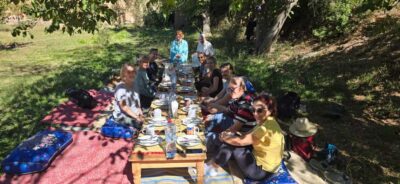
- Camp life with support: tents, mattresses, dining tent with tables and chairs, and staff who keep things moving
- Food is a highlight: cooked meals and snacks that many people praise as some of the best on the trail
- Mules and horsemen carry gear (about 8 kilos of belongings), plus a personal porter for up to 7 kilos
- Sunrise Machu Picchu entry with a guided walking tour, then free time to explore at your own pace
- Group size stays small (maximum 16), which makes it easier to keep a steady rhythm
What you’re really doing: Salkantay as a walk through Peru’s altitude zones
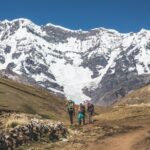
This is not the “sit on a bus and look at mountains” version of Machu Picchu. You’re doing a true Andes trek: you start at altitude, push over a very high pass, then spend the next days dropping through different ecosystems—cold stone and thin air, then cloud forest, then warmer jungle-side valleys.
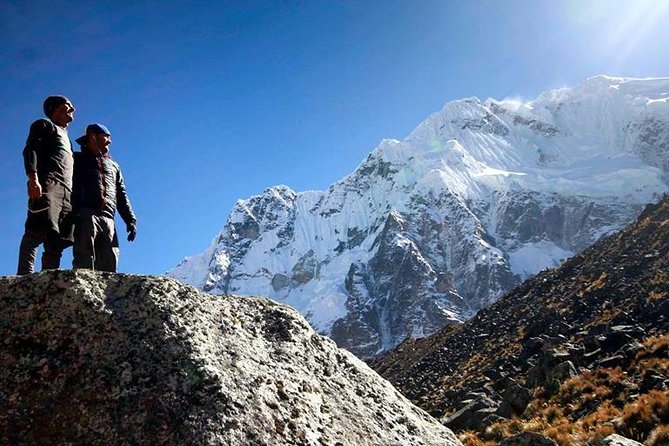
The value here is the balance. You still get the big iconic elements—snowy peaks like Humantay and Salkantay, the dramatic change in terrain, and Machu Picchu at sunrise. But you also get structure: a guide, assistant guide, cooking team, and reliable camp support so you’re not figuring out every practical step at 4,000+ meters.
And yes, this is a group trek. That’s a plus for safety and pacing, but it also means you should be ready to adapt your speed to the collective plan. If you’re the type who loves total control of every minute, you may feel the boundaries. If you like a guided rhythm with room to breathe and take photos, you’ll be in your element.
You can also read our reviews of more tours and experiences in Cusco.
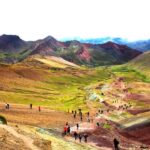
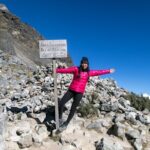
Day 1: Mollepata to Cruzpata—your first views and your first reality check
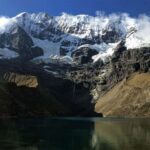
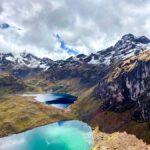
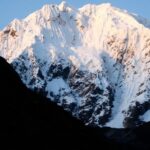
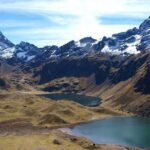
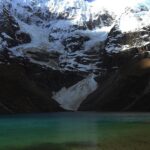
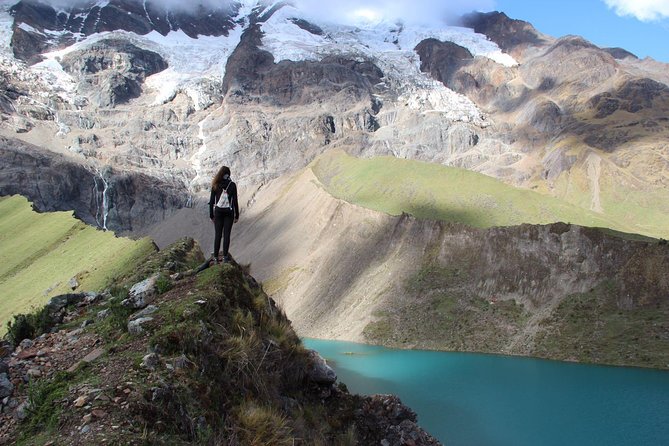
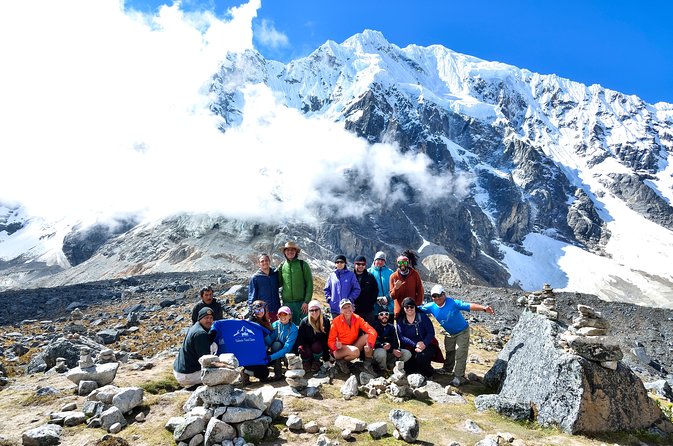
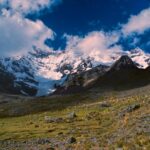
The day begins early. You’re picked up around 5:00am, then bused toward Mollepata before your first hike. Day 1 is your on-ramp: you hike about 3 hours to Cruzpata, then lunch with panoramic views of Humantay (4,120m / 13,500 ft) and Salkantay (6,271m / 20,575 ft).
This first day does two important jobs. First, it gets you moving before fatigue sets in later. Second, it gives you a taste of what’s coming—cold air up high, and the sense of being under giant walls of rock and snow.
After lunch, you continue toward your first campsite around Soraypampa, with additional hiking time (about 2 hours). Day 1 is not meant to break you; it’s meant to acclimate you and get your legs working on the kind of uneven ground you’ll see again later.
Practical note: if you tend to feel altitude fast, you’ll want to treat Day 1 like training, not sightseeing. Walk steadily. Drink water. Don’t race the group.
Day 2: Huayracpunco pass at 15,200 ft, then cloud forest to Colcapampa
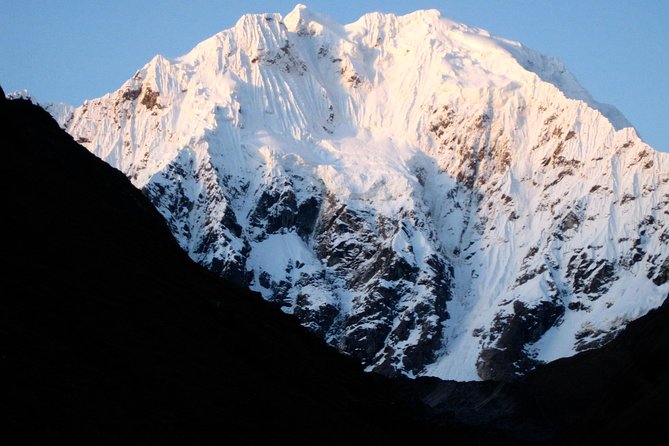
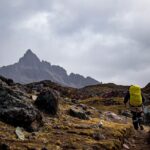
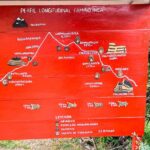
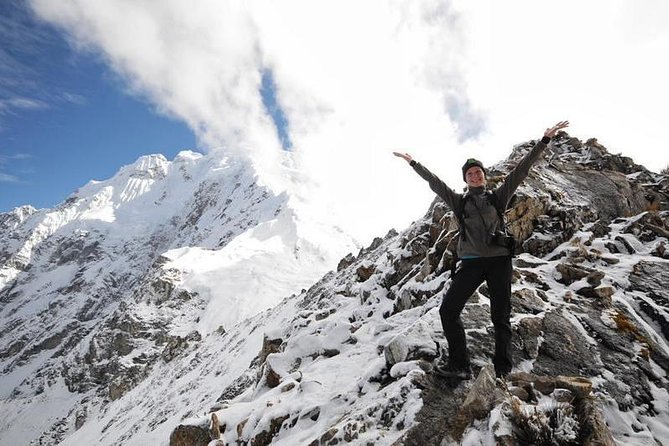
Breakfast is early (around 5:30am). Then you hike toward the trek’s highest pass, Huayracpunco, at 4,650m / 15,200 ft. The plan is a mix of steady effort and rest breaks, and once you reach the pass, the views between Salkantay on one side and Tucarhuay on the other are the payoff.
There’s also a specific detail worth taking seriously: snow is possible at this elevation. That doesn’t mean you’ll definitely see snow, but it’s a reminder that you should dress for cold, not just “cool at altitude.”
After the pass, the route drops. You continue downhill through cloud forest to Huayracpunku for lunch. Then you hike about 3 more hours onward toward your next campsite, Colcapampa (3,000m / 9,800 ft). Depending on how the group moves, the campsite may shift (you might camp in places like Challway or Andenes).
What I like about Day 2 is how it teaches your body. The pass day is the stress test. Then the cloud forest descent is relief—not easy, but mentally easier because the terrain feels less like a fight and more like steady walking.
What to watch: if you burn too hot on the pass, you’ll pay for it later in the descent. Slow down at the top so you can enjoy the downhill sections.
Day 3: Upper jungle routes, river crossings, and hot springs at La Playa
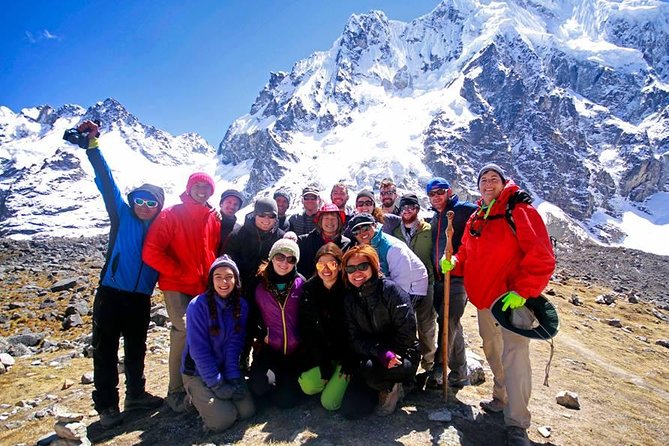
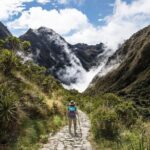
Day 3 starts with a morning breakfast (around 6:30am) and then you head through the upper jungle, crossing the Lluskamayo River by moving through small brooks and creeks. This is where Salkantay starts to feel different from the earlier days.
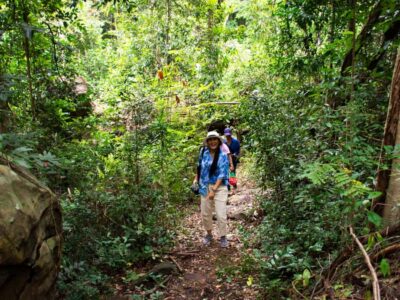
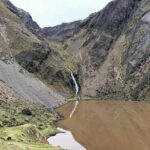
You’ll move through valleys with views of waterfalls and get that tropical-side change: plants and fruit show up more often, and the air feels warmer than the high pass you climbed the day before. You set up camp at La Playa (2,500m / 8,202 ft).
Then comes a very popular “earned” moment: the route includes hot springs time in La Playa. It’s listed as optional, but it’s exactly the kind of thing that makes a tough day feel worth it. So if you’re even mildly interested, plan for it mentally.
Day 3 is also where you’ll feel the difference between “rough camping” and “rough camping you can endure.” Most people are fine with the basics because the staff and food keep you taken care of. Still, if you’re the type who hates uneven sleeping arrangements, this is the day to lower your expectations and pack comfort into your routine (warm layers, good socks, and a realistic attitude).
Day 4: Llactapata viewpoint before Aguas Calientes and the hot-springs option
Day 4 is a big one for views and for the final transition into Machu Picchu logistics.
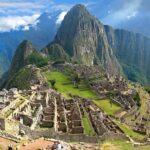
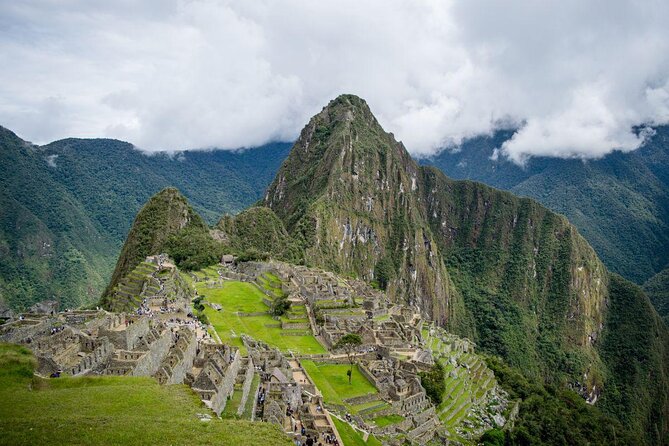
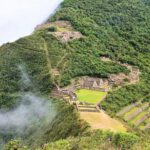
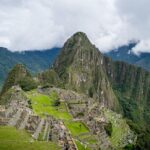
Breakfast is again around 6:30am, then you climb toward Llactapata, a steady 3-hour climb. Llactapata is an Incan fort viewpoint where you can see Machu Picchu—and the sight is usually the kind of moment you remember long after the sore knees fade.
After photos and a breather, the day turns into a controlled descent. You hike downhill for about 2 hours, passing plantations that produce coca, bananas, and more, until you reach the hydroelectric dam for lunch. From there, you continue for a couple of hours to Aguas Calientes, where you spend the night.
Aguas Calientes is also where you get another optional reset: hot springs in town are available, with an entrance cost listed as 10 soles.
If Day 1 and Day 2 are about earning altitude views, Day 4 is about earning the final arrival. It’s also where you should keep your energy for Machu Picchu Day 5, because you’ll wake very early.
Day 5: Sunrise at the gates, guided tour, then free time in the citadel
The final morning begins early again. Your breakfast happens first, then a hotel pick-up around 5:40am brings you to the gates of Machu Picchu for sunrise. The timing is the point: you’re aiming for early light and a smoother entry than later in the day.
Once inside, you start with a guided walking tour of about 2 hours through the citadel complex. Then you get free time to explore on your own.
This is where the guide matters. In a complex site like this, your experience improves if someone helps you connect the dots—what you’re looking at and why it’s arranged that way. People in this program’s orbit consistently mention guides who explain Inca culture and local mountain context, not just “here’s a wall.”
Afterward, you’ll use the included transfers, including the tourist train back to Ollantaytambo (and onward transportation as arranged in the package).
Guides, cooks, and crew support: why camp meals and staff feel like part of the trek
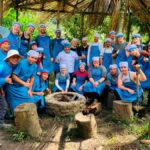
One of the most repeated strengths is the way the team runs day-to-day life on the trail. People praise guides like Aldo, Victor, Lenin, Rubin, Claudio, and Oscar, and they also call out cooks (for example Cirilo and Gregorio) and the way staff keep you fed and moving safely.
That doesn’t just mean “good service.” On a high-altitude trek, the crew’s job is to protect your energy. If meals show up late or portions are small, you end up chasing calories with sore legs. If camp setup takes too long, you lose recovery time. If your guide can’t manage group pacing, someone always suffers—either from pushing too hard or from stalling too much.
Here’s what’s practical and included: a cook, a dining tent with tables and chairs, tents and sleeping mattresses, and support equipment like an oxygen supply and a first-aid kit.
You’ll also travel with horsemen and mules for carrying camping equipment and about 8 kilos of tourists’ belongings, plus a personal porter for 7 kilos. This changes how you pack. You don’t need a full hiking backpack full of everything you might dream about. You need a sensible system:
- Essentials in your daypack
- Warm layers for cold mornings
- Enough water capacity for the hike segments
Camping expectations: where the experience can feel less than perfect
I want to be honest here, because this is where your happiness can swing.
Multiple accounts point out that the camping grounds on Days 2 and 3 may not match what people expected. That doesn’t necessarily mean it’s unsafe or terrible. It usually means more basic conditions: less comfort than a hotel, different-than-anticipated campsite locations, and a general “this is camping” reality.
This is the tradeoff for the wild-feeling trek. When you’re hiking a route that changes altitude fast, you’re also working with terrain constraints. Campsites often come down to what’s available and workable for staff and livestock.
My advice: plan for “comfortable enough” rather than “perfect.” Bring what helps you sleep—warm layers, a simple eye mask if you’re bothered by early light, and good socks so your feet don’t stay damp all night.
Price and logistics: what $650 really covers (and what you’ll add)
At $650 per person for a 5-day / 4-night trek, the main question is value: what’s included versus what you pay elsewhere.
Included in a meaningful way:
- Pickup from your hotel area (listed as included)
- A bilingual guide plus an assistant guide
- Transport to the start (bus) and a return train transfer to Ollantaytambo
- Entrance fees
- Four days of meals and snacks (breakfast, lunch, dinner counts are listed)
- Camping equipment: tents (shared by 2 people), mattresses, and camp dining setup
- A night in Aguas Calientes (3-star superior category)
- Oxygen and a first-aid kit
- The crew support system: cook, plus horsemen/mules and personal porter weight allowances
Not included (things you should budget for):
- Single supplement of $112
- Flights and travel to/from Peru
- Travel insurance
- Extra nights if needed
- Alcoholic and non-alcoholic beverages
- Laundry
- Breakfast on Day 1, and meals in Aguas Calientes (the listing notes breakfast Day 1, plus dinner and lunch in Aguas Calientes are not included)
- Huayna Picchu tickets (separate add-on)
If you’re comparing trekking packages, the standout value is how much is covered on the trail: you’re not just buying hiking access. You’re buying the infrastructure—tents, mattresses, meals, and the team that makes it all work.
Who should book this trek (and who should think twice)
This tour suits you if:
- You want a guided, structured trek rather than a do-it-yourself scramble
- You’re ready for altitude and steady uphill effort, especially Day 2
- You value good food, a capable team, and sunrise Machu Picchu
- You’re comfortable with camping for three nights
You should think twice if:
- You’re planning to go with weak altitude tolerance or low hiking comfort
- You expect hotel-level camping conditions on Days 2 and 3
- You don’t want early mornings (this itinerary starts very early each major day)
Also, small group size (maximum 16 travelers) is a plus for many people, but it can also mean the pace is more “group-led” than “private-led.”
Should you book? My take on this Salkantay-to-Machu Picchu experience
If you want Machu Picchu with a real Peru trek story attached, I think this is a strong choice. The combination is what makes it work: high pass views, multi-ecosystem hiking, hot-spring recovery options, and a guided sunrise visit that sets you up for a memorable day inside the citadel.
Book it if you:
- Train and prepare for altitude
- Can handle basic campsite conditions on the high days
- Care more about a well-run trek than owning every minute of the schedule
Hold off or choose a different plan if:
- You’re not set on doing strenuous hiking or you’re unsure about your fitness
- You strongly dislike camping roughness
- You might not be able to travel dates reliably, since this experience is listed as non-refundable and can’t be changed after booking
FAQ
Is pickup included, and what time does the trek start?
Pickup is included, and the group start time is 5:00am.
What kind of fitness level do I need?
The tour notes you should have a strong physical fitness level because you’ll be trekking, including a very high pass.
What’s included in camping and overnight gear?
You get 3-man tents for two people, sleeping mattresses, and a dining tent with tables and chairs.
Will meals be included during the trek?
Yes. The package includes breakfast, lunch, and dinner for 4 days, plus meals and snacks while camping. It also specifies that some meals in Aguas Calientes are not included (see below).
Do I need to carry my own heavy luggage?
Not fully. Horsemen and mules carry camping equipment and about 8 kilos of tourists’ belongings, and there is also a 7kg personal porter included.
Is there an oxygen and first-aid setup?
Yes. The listing includes extra oxygen and a first-aid kit.
Where do we sleep during the trip?
You’ll camp for three nights, and you’ll have one night accommodation in Aguas Calientes in a 3-star superior category.
Does the tour include Machu Picchu entry and a sunrise visit?
Yes. You’ll go to the gates early for sunrise, enter Machu Picchu, and take a guided tour plus free time.
Are hot springs included?
Hot springs in La Playa are listed as optional. Hot springs in Aguas Calientes are also optional, with an entrance cost listed as 10 soles.
Is Huayna Picchu included?
No. Huayna Picchu tickets are not included.