REVIEW · CUSCO
Machu Picchu: 5-Day Salkantay Trek with Panoramic Train
Book on GetYourGuide →Operated by TreXperience · Bookable on GetYourGuide
Salkantay plus Machu Picchu is a serious payoff. I like that this trip balances big hikes with real comfort—glamping on Day 1, cozy huts later, and meals that feel more like a team effort than fuel. I also love how the route builds anticipation: a first Machu Picchu view from Llactapata before you ever reach Aguas Calientes. One drawback to plan for: altitude hits early, especially Day 1 and Day 2, and you’ll want to take it seriously even if you’re fit.
What makes this experience interesting is the mix of the dramatic and the local. You’ll start near Cusco at 4:30 a.m., chase turquoise views at Humantay Lake, cross the Salkantay high point, then slow down for cloud-forest trails, Pachamanca, and coffee tastings. And when the big moment comes, you’re set up for sunrise bus service and a guided citadel visit.
This is value-for-money trekking with the annoying logistics handled for you. Still, if you’re pregnant, have back/heart problems, or need mobility support, the trek isn’t set up for you.
In This Review
- Quick hits worth getting excited about
- The real reason this trek feels different: comfort without losing the grit
- Day-by-day: what you’ll do and why each day matters
- Day 1: Cusco to Humantay Lake, then Salkantay Glamp Campsite
- Day 2: Salkantay Pass at 4,630 m to the cloud forest
- Day 3: Pachamanca and coffee, then Llactapata’s first Machu Picchu view
- Day 4: Hydroélectrica hike, Mandor Botanical Gardens, and Aguas Calientes
- Day 5: Sunrise bus, guided Machu Picchu, then Vistadome or 360° back to Cusco
- Camps, huts, and the “glamping” detail that actually helps
- Food quality: why chefs and snacks are part of the itinerary, not an extra
- Altitude and pace: the part you should plan, not hope for
- What you’ll pack (and what you can skip)
- Price and value: $655, but what you’re actually buying
- Who this tour fits best
- Should you book this Salkantay Trek with Panoramic Train?
- FAQ
- How early do you get picked up from Cusco?
- What is included for Machu Picchu access and transport?
- Do I need to bring my own sleeping bag?
- What train do you take back to Cusco?
- Is Huayna Picchu or Machu Picchu Mountain included?
- How big is the group?
- What meals are included during the trek?
- Is this trek suitable for everyone?
Quick hits worth getting excited about
- Humantay Lake’s turquoise payoff after a long morning climb to 4,200 m
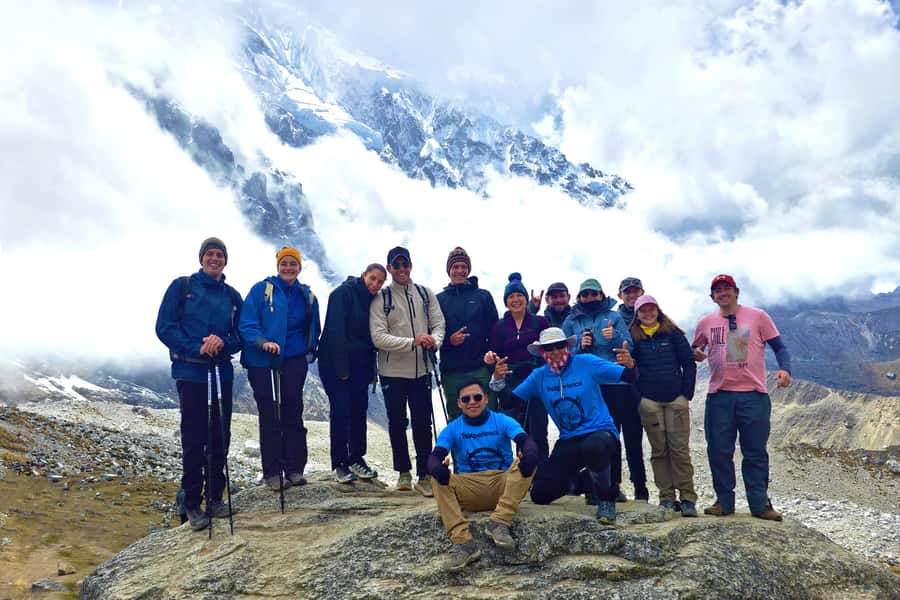
- Salkantay Pass at 4,630 m, the highest point, with glacial-lake views and a tough but scenic rhythm
- Glamping Day 1 plus camping near Llactapata, where Machu Picchu stays in sight longer than you’d expect
- Pachamanca and coffee tied to local farms and a traditional cooking style (not just a photo stop)
- Food done right: multiple guides and cooks are praised for consistent, varied meals and snacks, not bland trail rations
- Train return (Vistadome or 360°) for a smoother finish back toward Cusco instead of another long day of buses
The real reason this trek feels different: comfort without losing the grit
The Salkantay Trail can be tough. This one keeps the challenge, but it also keeps you functional. You get a duffle bag (up to 7 kg) carried by muleteers, plus a sleeping pad, pillow, rain poncho, and hand towels. That matters more than people think. When your sleep is decent and your load is controlled, you hike better and stress less.
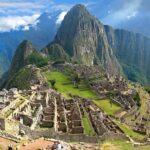
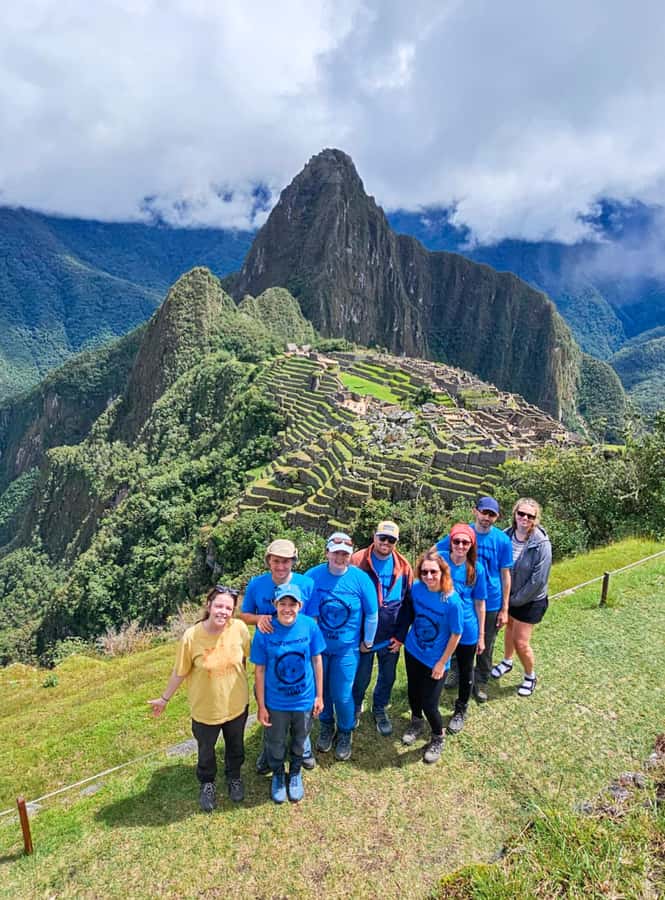
On top of that, you’re not doing Machu Picchu as a rushed add-on. The trek spaces the “wow” moments out. You get an iconic view of Machu Picchu from Llactapata, then you get sunrise at the citadel on Day 5. That sequencing is smart because it reduces the chance you’ll arrive overwhelmed and underprepared.
You’ll likely work with guides such as Cesar, Roger, Alex, Renato, Miguel, Jose, Gilbert, and others who come up often for strong group care. In plain terms: they manage pacing, keep logistics moving, and help you understand what you’re looking at—especially around Inca sites and local culture.
You can also read our reviews of more tours and experiences in Cusco.
Day-by-day: what you’ll do and why each day matters
Day 1: Cusco to Humantay Lake, then Salkantay Glamp Campsite
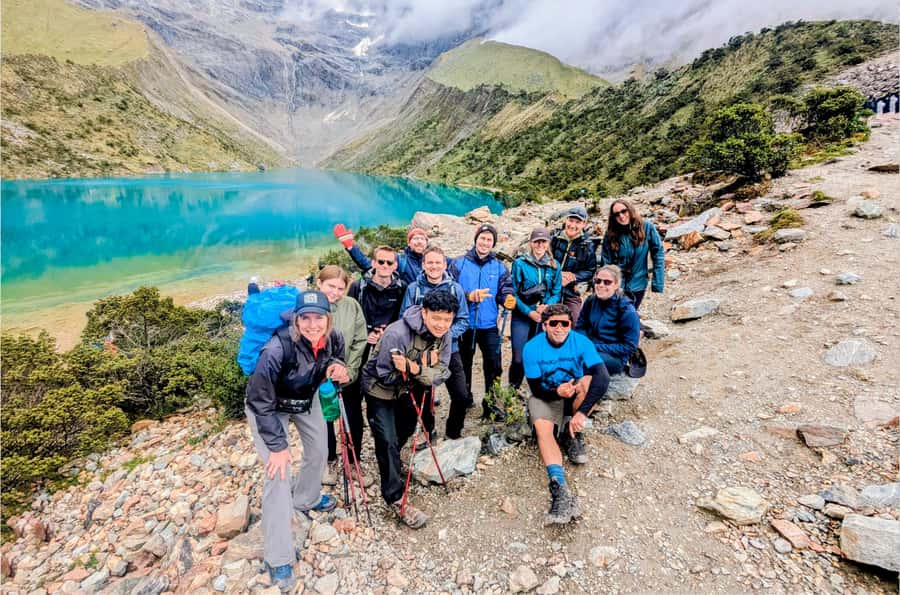
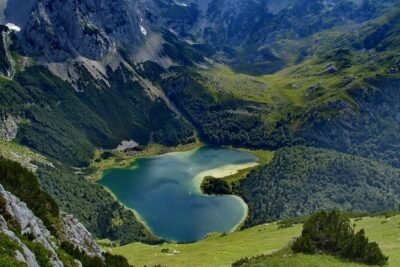
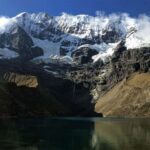
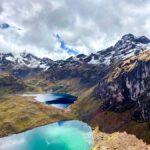
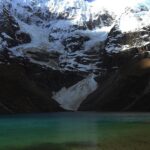
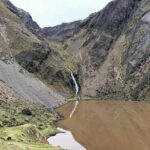
You’re picked up from your hotel or Airbnb around 4:30 a.m. for the drive to Mollepata, with breakfast there after about 3 hours of scenic riding. Then comes the hike: about 3 hours up to Humantay Lake (4,200 m). The payoff is the lake’s intense turquoise color—an easy place to forget you’re breathing a little harder.
After that, you descend to Soraypampa for lunch. Then the day shifts from steep to steady: roughly 2 hours of a gentler climb to the Salkantay Glamp Campsite (4,150 m). This is where the “comfort upgrade” shows. You’ll have a warm dinner and a night sky that’s usually unforgettable at altitude.
Consideration: Day 1 is where altitude can surprise you. One useful tip from the field is having a plan with your doctor for altitude support. Some people bring acetazolamide and find it helps, but don’t treat it like a DIY solution—talk to a medical professional first.
Day 2: Salkantay Pass at 4,630 m to the cloud forest
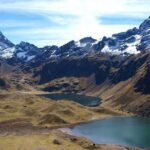
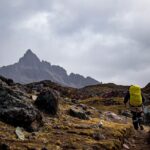
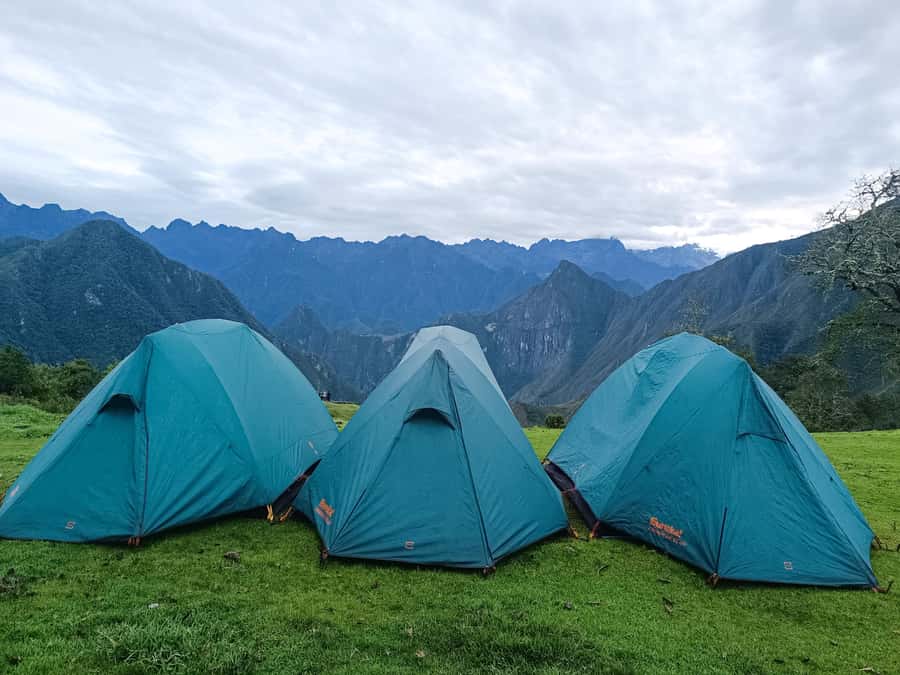
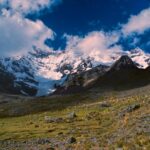
This day starts with coffee or coca tea, then you hike up to Salkantay Pass (4,630 m), the trek’s highest point. Expect big views and a slow-but-steady effort. There’s also a stop near a nearby glacial lake, which is a nice mental break—proof that this grind has a point.
After you come down from the pass, you hit Wayracmachay for lunch, then transition into cloud forest terrain as the environment changes. The air can feel different here—cooler, wetter, more alive with plant life. By evening you reach Collpapampa (2,770 m) and sleep in Andean huts.
Why this day matters: It’s the pivot. You go from high, harsh mountain to a softer green world. That contrast is one of the best reasons to choose Salkantay over the simpler, faster routes.
Day 3: Pachamanca and coffee, then Llactapata’s first Machu Picchu view
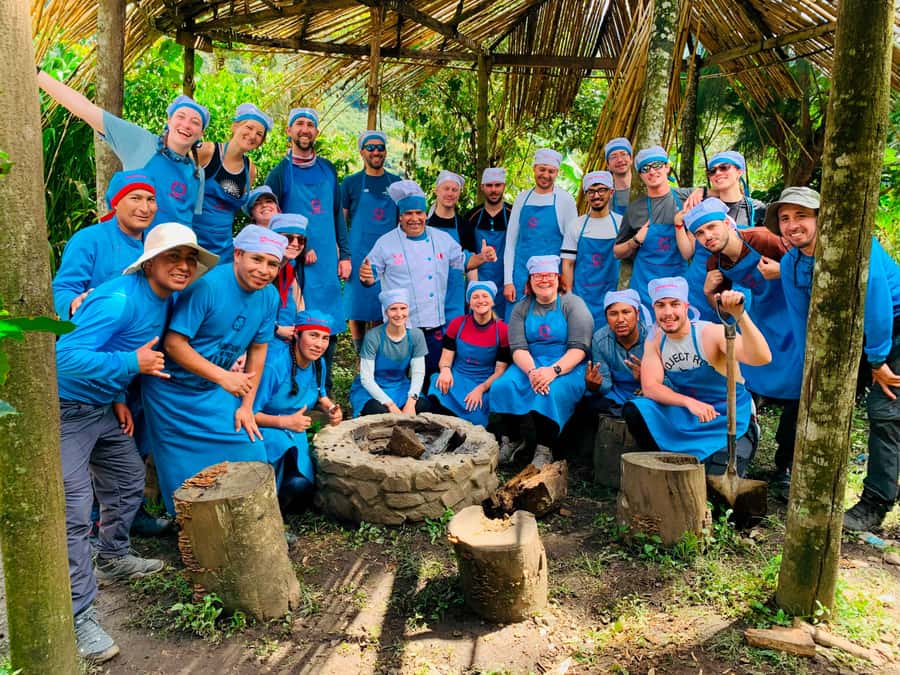
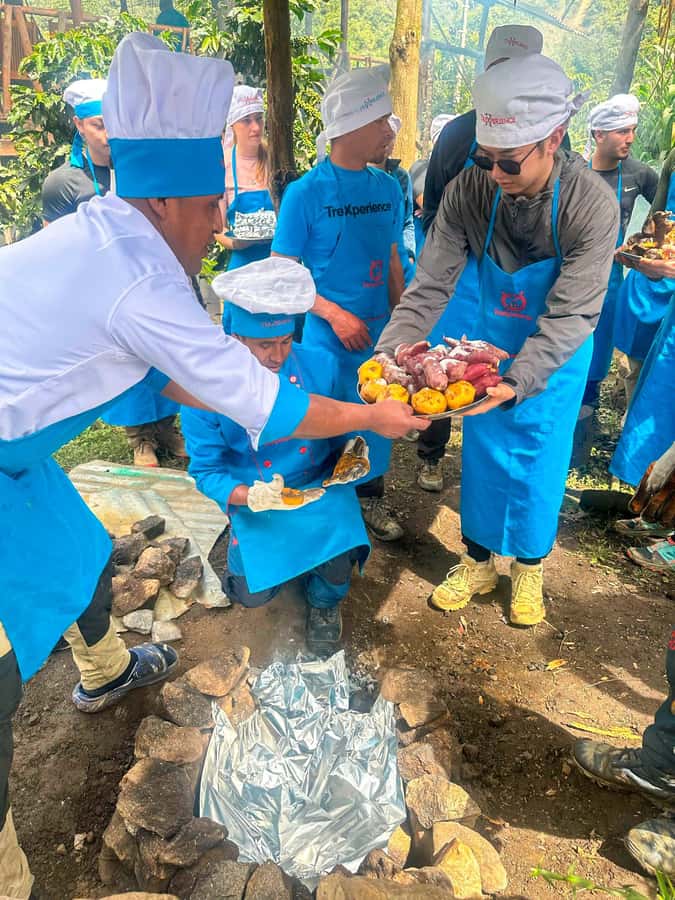
Day 3 keeps the culture in the middle of the hiking story. You move through scenic trails, wooden bridges, waterfalls, and plantations, then arrive in Lucmabamba (2,000 m). This is where you get a traditional Pachamanca barbecue—food cooked in a style tied to local tradition—and then you visit coffee farms for freshly brewed coffee.
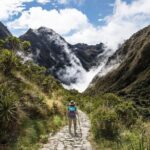
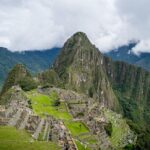
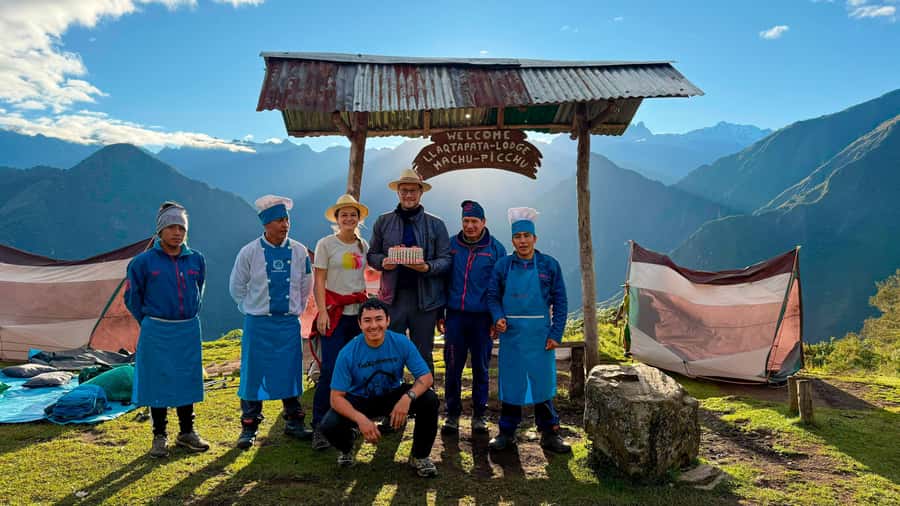
Afternoons are made for sightlines on this route. You follow parts of the Inca Trail for about 3 hours, then reach Llactapata (2,750 m). Here’s the moment: you camp with Machu Picchu in view. That’s not just a nice photo; it changes how you experience the next day. When you can already see what’s coming, sunrise at the citadel feels less like a leap of faith and more like a reunion.
Small practical note: If you’re a slower walker, you still have time to enjoy stops. Several guides are praised for patience and for adjusting pacing so people don’t feel rushed.
Day 4: Hydroélectrica hike, Mandor Botanical Gardens, and Aguas Calientes
Morning starts with a view of Machu Picchu from your tent and a hot drink. Then you descend about 2 hours to the hydroelectric station for a final brunch with your team.
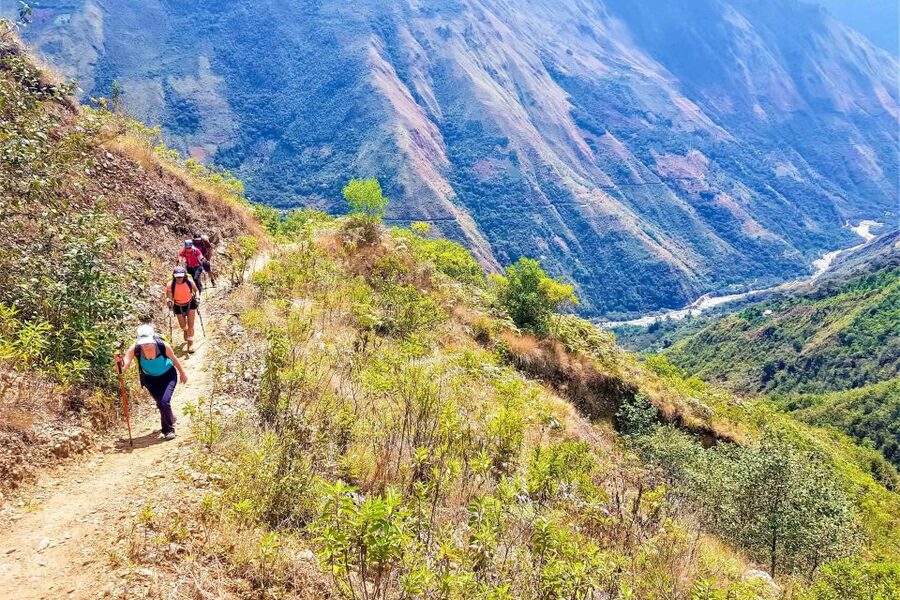
After that, you start walking along the railway and the Urubamba River for about 3 hours toward Aguas Calientes. There’s also a stop at Mandor Botanical Gardens, where you can spot birdlife and orchids. It’s a quiet kind of reward between “trek mode” and “Machu Picchu mode.”
Once you check into your 3-star hotel in Aguas Calientes, you get the evening free for exploring or relaxing at the hot springs, plus dinner at a local restaurant. This matters because it’s your recovery window before sunrise.
Tip: Pack warm layers for the early start later. Aguas Calientes can be comfortable during the day, then cooler when the schedule swings back into early-bus life.
Day 5: Sunrise bus, guided Machu Picchu, then Vistadome or 360° back to Cusco
Day 5 is built around one goal: Machu Picchu at its best light. After an early breakfast, you take one of the first buses up to the site for sunrise. Expect a guided citadel tour that lasts about 2–3 hours, followed by time on your own.
You can also hike Huayna Picchu or Machu Picchu Mountain if you booked those passes in advance. If you didn’t, don’t worry—you’ll still have plenty to see with the standard routes inside the citadel.
After exploring, you head back to Aguas Calientes for lunch, then board the Panoramic Vistadome or 360° train to Ollantaytambo. A private van brings you back to Cusco, arriving around 7:30 p.m.
Why the train matters: You trade one stressful transport day for a more scenic, sit-and-breathe finish. It’s a small thing that makes the whole trek feel like it ends cleanly.
Camps, huts, and the “glamping” detail that actually helps
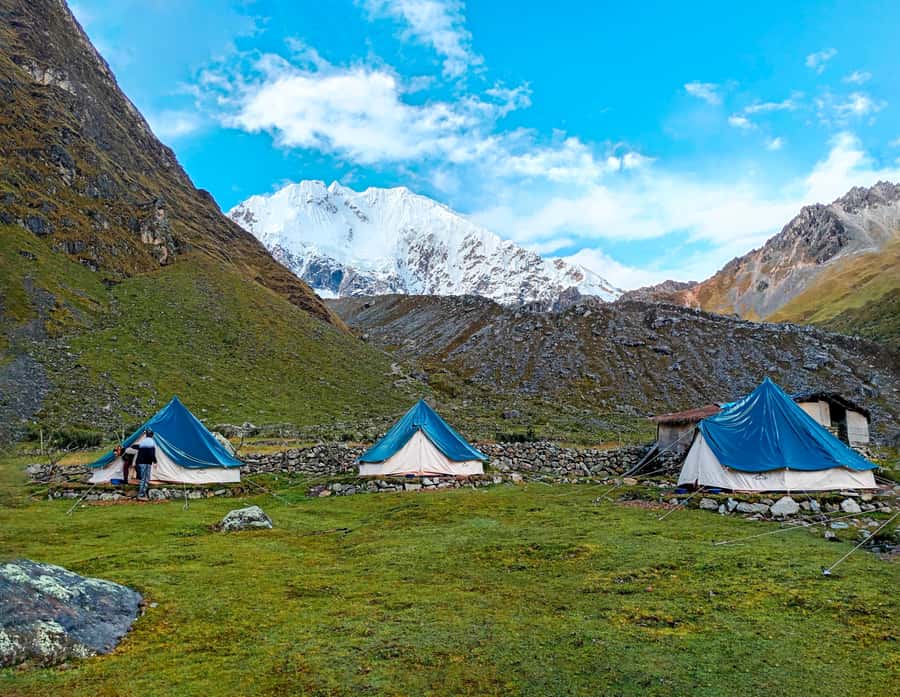
This tour uses a mix of sleeping styles: 1 night glamping on Day 1, 2 nights camping afterward, and 1 night in a 3-star hotel (Day 4). The gear you need is mostly handled: sleeping pad, pillow, and rain protection are included. You’re not stuck improvising.
That hotel night in Aguas Calientes is also a real part of the value. Machu Picchu is all about energy management. A good night’s sleep before a sunrise bus can be the difference between enjoying the moment and dragging through it.
Food quality: why chefs and snacks are part of the itinerary, not an extra
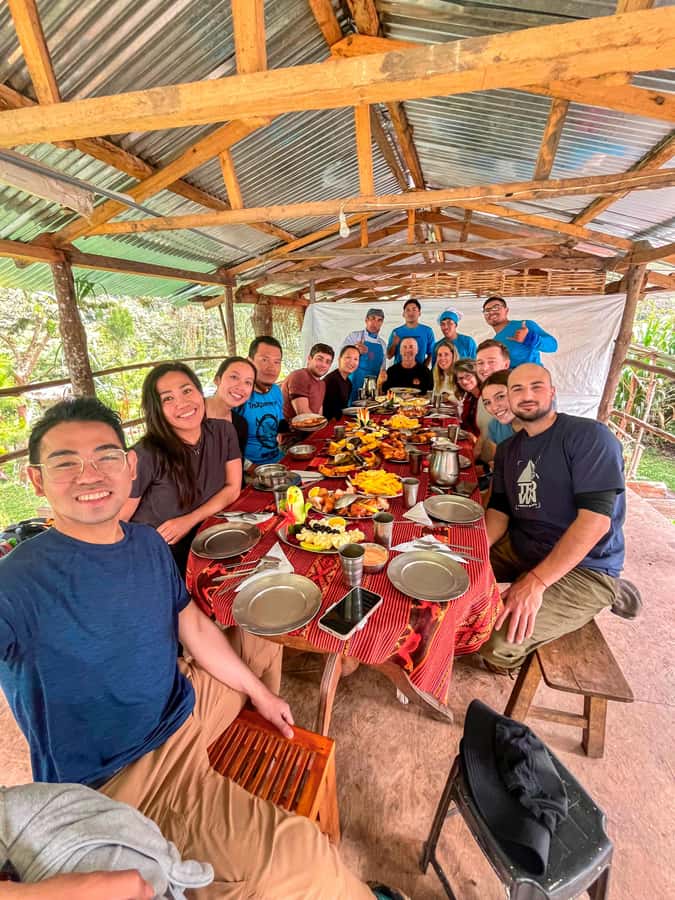
Food is one of the most praised parts of this trek. More than once, the meals are described as better than restaurant food in Aguas Calientes, and chefs are credited for creating lots of dishes at mealtimes. That’s important because the trek burns calories, but it also burns morale. When you know you’ll eat something satisfying (plus snacks daily), you walk with less dread.
Dietary options are available if you tell the operator at booking, so don’t just assume. Bring up your needs early so the kitchen can plan.
Altitude and pace: the part you should plan, not hope for
The itinerary climbs to 4,630 m on Day 2 and spends nights around 4,150 m on Day 1 and 2,770 m on Day 2. That’s not “just a little altitude.” The safest move is to go slower than you think you need to, hydrate, and take breaks when offered.
From the feedback, guides like Cesar and Jose are repeatedly praised for stepping in when altitude hits hard—encouragement, pacing tweaks, and practical support. Still, you’re the one who feels your body. If you’re prone to altitude sickness, talk to your doctor before you go and bring any approved medication.
What you’ll pack (and what you can skip)
The basics are listed, but here are the packing priorities that matter for this specific route:
Bring:
- passport
- hiking shoes you trust
- a hat, sunglasses, sunscreen
- rain gear (real rain, not just mist)
- sun-protective layers plus warm layers for early mornings
- insect repellent
- cash (it comes up often)
- a lightweight backpack no larger than 25L for what you carry into Machu Picchu (your duffle is separate for the trek)
You can also rent things if needed:
- sleeping bag
- inflatable mattress
- trekking poles
- if you want pole help, using them can take pressure off knees on descents
Not allowed:
- weapons/sharp objects
- smoking
- alcohol and drugs
- littering
- feeding animals
Price and value: $655, but what you’re actually buying
At $655 per person, this isn’t a budget-only trek. You’re paying for a full package where the expensive parts are bundled: entrance tickets for Salkantay and Machu Picchu, guides, a safety setup with a satellite phone, first-aid kit, and oxygen tank, meals (with multiple breakfasts/lunches/dinners), and transport including the Machu Picchu bus and train back to Cusco.
What makes it good value is that you don’t have to coordinate the hardest bits on your own. Treks fail when logistics fall apart: missed connections, gear confusion, or buying tickets at the wrong time. Here, the rhythm is managed for you—especially because the group size is capped at 16 people, so you’re not lost in a crowd.
Who this tour fits best
You’ll probably love it if:
- you want a meaningful trek, not just a long day to a long day
- you enjoy planning that still leaves room to breathe
- you like cultural stops (Pachamanca, coffee farms) mixed into real hiking
You might not love it if:
- you want a light, easy walk (this is high altitude with steep sections)
- you need medical or mobility accommodations (the tour isn’t suitable for wheelchair users and isn’t recommended for people with heart problems, back problems, or pregnancy)
Should you book this Salkantay Trek with Panoramic Train?
I’d book it if you want the classic Salkantay-to-Machu Picchu storyline, but with less chaos in between. The standout strengths are the pacing support from guides (names like Cesar, Roger, Jose, and Gilbert show up a lot), the consistently praised food and snacks, and the way the route keeps Machu Picchu on your horizon before you finally reach it.
Skip it if altitude is a major unknown for you and you’re not prepared to take it seriously. Also think hard if you’re looking for a purely budget trip—this one spends its money where it counts: safety, meals, and not making you solve logistics mid-trek.
If you’re comfortable hiking and you want a guided, high-quality version of Salkantay that ends with sunrise at Machu Picchu and a scenic train ride back, this is a strong choice.
FAQ
How early do you get picked up from Cusco?
Pickup is included from your hotel or Airbnb near the Cusco historic center around 4:30 a.m..
What is included for Machu Picchu access and transport?
You get entrance tickets for Machu Picchu, a round-trip bus to Machu Picchu for the sunrise timing, and a guided tour of the citadel.
Do I need to bring my own sleeping bag?
A sleeping bag is not included. You can rent one if you want, but you are provided with a sleeping pad and pillow.
What train do you take back to Cusco?
On Day 5, you ride either the Panoramic Vistadome or the 360° train to Ollantaytambo, then a private van returns you to Cusco around 7:30 p.m..
Is Huayna Picchu or Machu Picchu Mountain included?
Those passes are not included and must be booked in advance if you want to hike them on Day 5.
How big is the group?
The group is small, limited to 16 participants.
What meals are included during the trek?
Meals include 4 breakfasts, 3 lunches, and 3 dinners, plus daily snacks and water. A traditional Pachamanca and a coffee experience are also included.
Is this trek suitable for everyone?
It’s not suitable for pregnant women, people with back problems, mobility impairments, heart problems, or wheelchair users. Also, unaccompanied minors are not allowed.