REVIEW · CUSCO
From Cusco: 7 Lakes Ausangate Trek with Breakfast and Lunch
Book on GetYourGuide →Operated by Inka Altitude · Bookable on GetYourGuide
Snow-capped Ausangate hits before breakfast. This 1-day Cusco Region trek pairs steep high-altitude walking with alpine lake views and a soak in Pacchanta hot springs.
I really like the way the guides keep you moving safely, even when altitude slows people down. Names that come up a lot include Diana, Kevin, Sebastian, Carlos, and Eduardo, and their style is patient, watchful, and photo-friendly.
The main catch is the altitude and cold: you’re dealing with early-morning temperatures around 5–9°C, plus a route that goes above 4,800 meters. Pace yourself, pack warm, and expect a tiring day.
In This Review
- Key points to know before you go
- Why this Ausangate Seven Lakes day trek feels different
- Early pickup and the drive from Cusco to Pacchanta
- Pajchanta breakfast: fuel for cold lungs and steep steps
- First views of Ausangate before the hike really starts
- The main trek: 13 km, a high point near 4,620 m, and lots of photos
- How the trek feels in real life
- The guide advantage
- Ausangate 7 Lagoons photo stop: when the day turns cinematic
- Horse riding options when altitude or effort gets hard
- Lunch back at Pacchanta: hot food, then a reset
- Hot springs at Pacchanta: the real reward after the climb
- Guides make the difference: names, style, and safety checks
- Packing for cold, sun, and fast-changing weather
- Price and value: how $29 makes sense for what you get
- Who should book this trek, and who should skip it
- Should you book the Ausangate 7 Lakes trek from Cusco?
- FAQ
- What time does the pickup from Cusco usually happen?
- How long is the van ride to Pacchanta?
- What meals are included in the day trek?
- Are the hot springs included in the price?
- How long and how far is the hiking part?
- What altitude should I be prepared for?
- Is horse riding available?
- What should I bring for the cold early morning?
- Can I bring a large bag or luggage?
Key points to know before you go
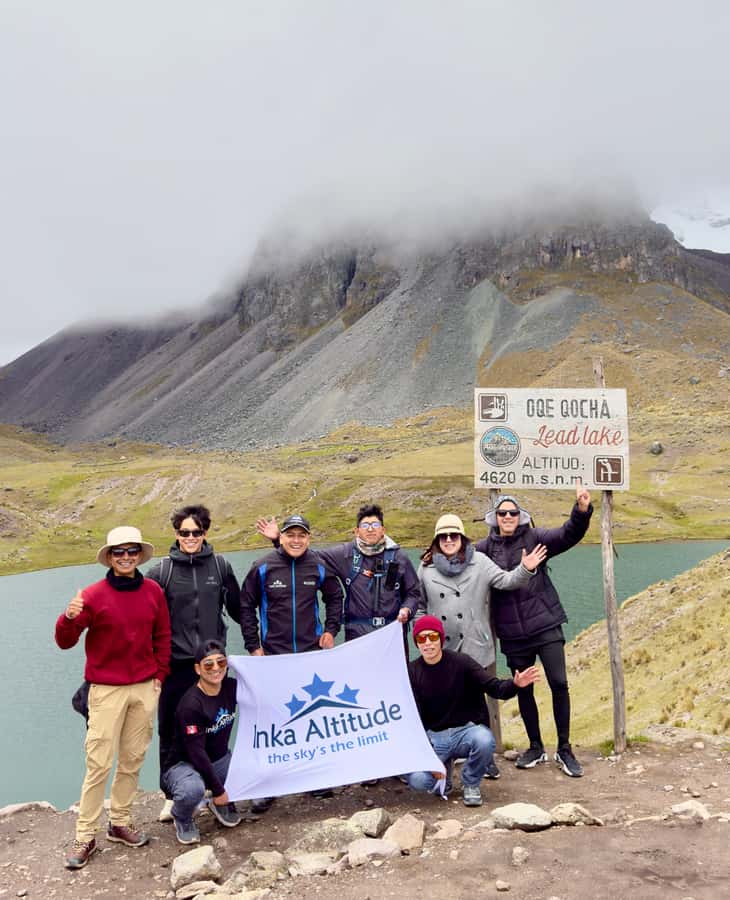
- Ausangate (Apu) views at 6,384 m: the mountain shows itself early and often.
- Small-group hiking: the guide manages different walking speeds so nobody gets left behind.
- A day with real recovery: breakfast, lunch, then Pacchanta hot springs to loosen up.
- You’ll climb in stages: the trek is about 13 km total (around 8 miles), with a listed highest point around 4,620 m.
- Optional horse help: if altitude or effort gets rough, horse riding is a common fallback (often extra cost).
- Sunglasses are mandatory: the high sun is strong, even when it’s cold.
Why this Ausangate Seven Lakes day trek feels different
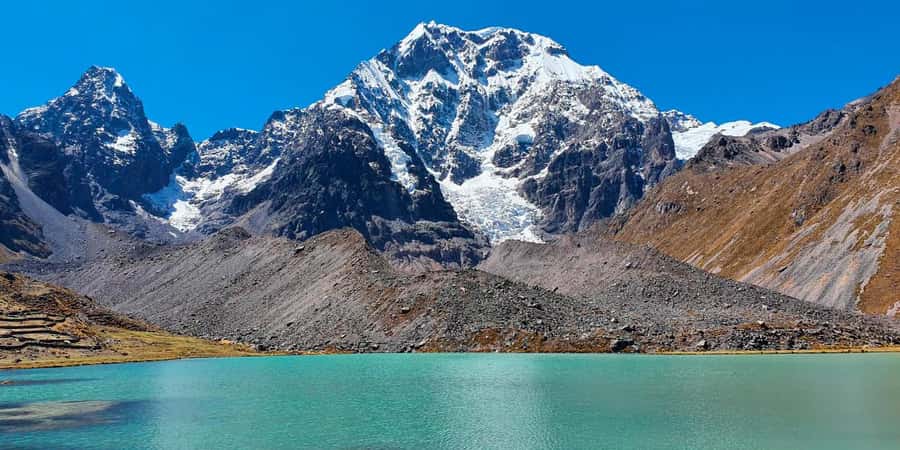
The Ausangate seven-lakes circuit around Cusco is one of those Peru trips that doesn’t feel like a checklist. The big draw is the setting: you start in the highlands at Pacchanta and spend your day under the shadow of the Apu Ausangate, a towering peak tied to local Andean beliefs.
What makes it click is the mix of “work” and “reward.” You get a genuine hike—steep sections, changing altitudes, and plenty of pauses for views—then you get the payoff: multiple bright lagoons plus a hot-spring reset when you’re done.
Also, this area tends to feel quieter than some of the more famous one-day hikes near Cusco. That matters. You’ll notice the stillness more when you aren’t stuck in crowds, especially at the lake photo stops.
You can also read our reviews of more tours and experiences in Cusco.
Early pickup and the drive from Cusco to Pacchanta
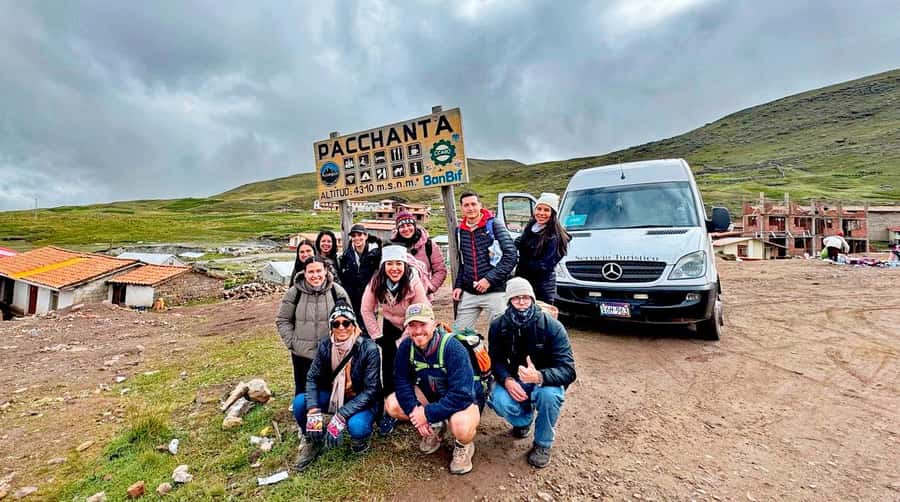
Your day starts brutally early, but that’s the deal. Pickup is typically from the Centro Histórico area around 4:00–4:30 am. From there, you’ll head out by van for roughly 3–3.5 hours toward Pacchanta.
This is not a scenic Sunday drive. It’s a long road to remote highlands, and the route involves dirt roads in less-than-perfect condition. The practical takeaway: if you’re altitude-sensitive, plan for the ride itself to feel challenging. The tour notes also point out that the drive can contribute to altitude sickness, so it’s smart to bring your own medicine or altitude pills if you normally need them.
Bring layers and protect your face early. Morning temps near the start are often around 5–9°C, so you’ll want that hat, gloves, and extra warm sweater ready before you even leave the hotel lobby.
Pajchanta breakfast: fuel for cold lungs and steep steps
Once you reach Pacchanta (spelled Pajchanta/Pacchanta in different notes), there’s a short breakfast stop—about 30 minutes. This is where you catch your breath, use the restroom if needed, and make sure you’re not hiking on an empty stomach.
Before the first climb, you also take time to prep your day pack. That’s a small detail that saves a lot of annoyance later. When you’re moving through cold air at altitude, you do not want to be rummaging for snacks or adjusting gear every 10 minutes.
One more practical point: the trek day is built for a small group. If you have slower pacing, it’s still manageable, but you’ll feel better when you’re not also fighting with your bag, your layers, or hydration.
First views of Ausangate before the hike really starts
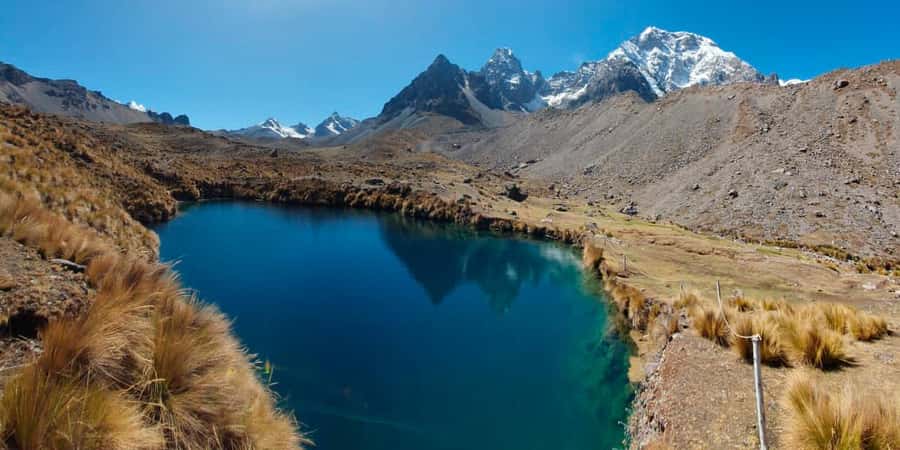
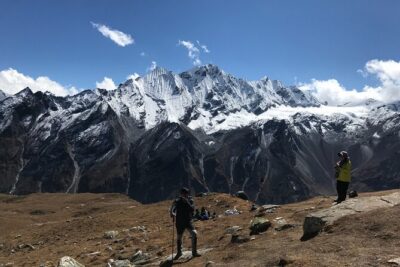
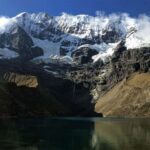
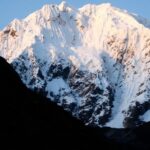
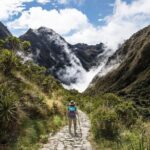
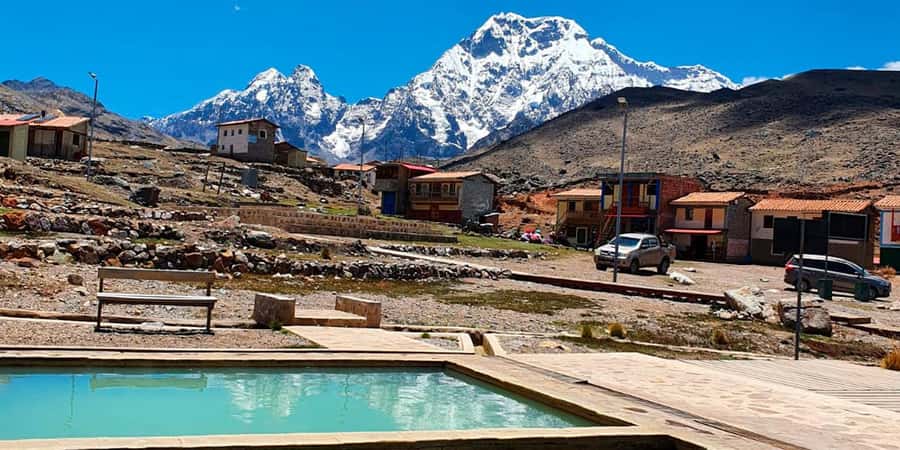
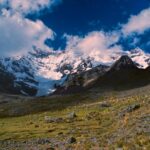
The hike kicks off after you take in the first big views of the Apu Ausangate. The mountain towers at 6,384 meters, and you’ll get that “wow” moment early enough that it sets the tone for the rest of the day.
From a value perspective, this matters. Many one-day treks give you the best views at the end when you’re tired and chilled. Here, the day gets beautiful fast, then stays beautiful as the route moves from lake to lake.
The main trek: 13 km, a high point near 4,620 m, and lots of photos
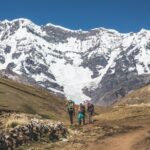
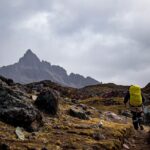
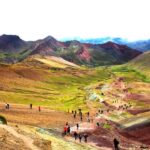
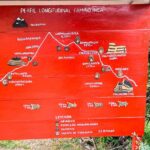
Your total hiking time is roughly 4.5 hours for about 13 kilometers (around 8 miles). The trail is described as steep in places, with changing terrain and altitude. There’s also a listed highest point around 4,620 meters (about 15,090 feet).
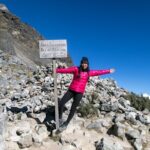
Then there’s the altitude note that says you’ll trek over 4,800 meters. So what you should plan for is simple: assume your body will be working at very high altitude for part of the day, even if the exact highest point varies by conditions and timing.
How the trek feels in real life
- You’ll need to move steadily. Speed matters less than rhythm.
- You’ll likely have to pause more often than you expect, especially if it’s windy or you’re not used to altitude.
- The sun can be intense. The tour is explicit: sunglasses are mandatory during the hike.
The guide advantage
A huge portion of the glowing feedback is about guide care. People name-guides like Kevin, Sebastian, Carlos, Eduardo, and Juan for a reason: they don’t just lead you; they help you manage effort.
One consistent theme: guides check in with people who might be struggling. Even when weather turns cloudy or rainy, the support is focused on safety and keeping you comfortable enough to enjoy the day.
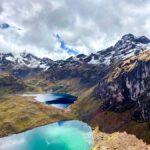
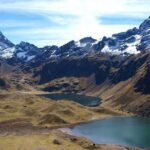
Ausangate 7 Lagoons photo stop: when the day turns cinematic
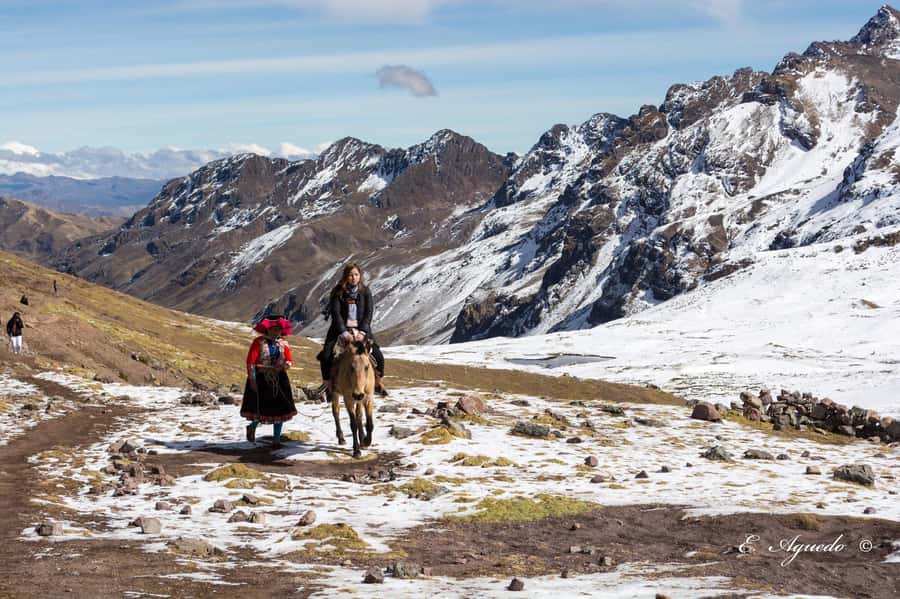
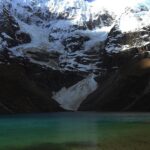
At the Ausangate seven lagoons section, the itinerary calls for a photo stop of about 30 minutes. This is when you slow down and actually take in what you came for.
A practical tip: don’t treat this stop like a quick snapshot session only. In high altitude, the air can still feel sharp, and moving too fast between viewpoints can make you feel worse. If your group can handle it, use the time to step back, find your breathing, and look longer. The photos are great, but the silence and the scale are the part that sticks.
There’s also a real-world note from the feedback that timing can feel tight if you’re the type who likes to linger. If you’re hoping for lots of stillness, take advantage of the fact that the guide tends to let people go at their own pace while still keeping the group connected.
Horse riding options when altitude or effort gets hard
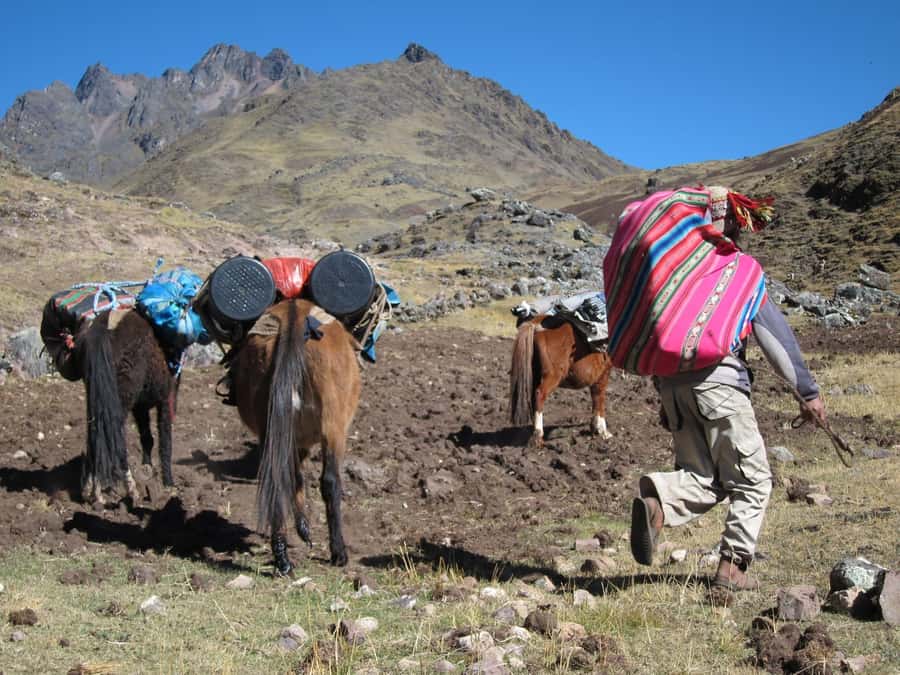
This day includes segments where horse riding is possible. In the real feedback, many people treat it as an altitude-smart strategy rather than a luxury.
Some riders paid extra for horses—often in the neighborhood of 120–130 soles depending on the arrangement. The tour notes also warn that if you rent a horse, the local partner doesn’t manage the rentals, so you should ask what your exact option is on the day and handle any extra payment in cash.
For you, the takeaway is straightforward:
- If you’re fit and acclimated, you might prefer walking most or all of it.
- If you’re not, a horse can turn a painful day into a memorable one.
Also, it’s worth noting who may need help more than others. The tour is explicitly not suitable for people with back problems, mobility impairments, heart problems, respiratory issues, or wheelchair users, and there’s a weight limit listed at 264 lbs (120 kg).
Lunch back at Pacchanta: hot food, then a reset
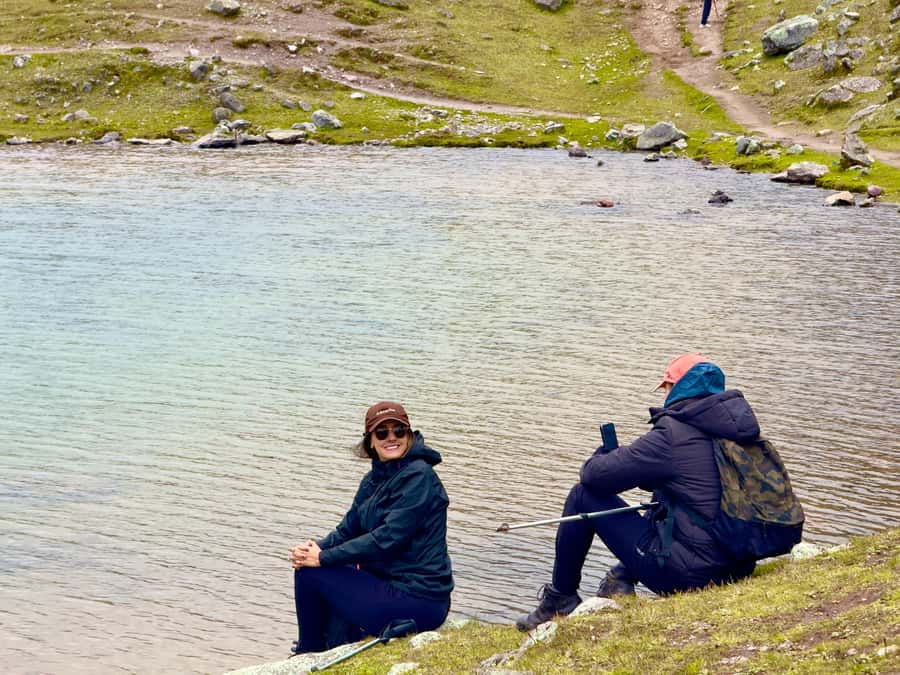
After the walking segments and the lagoon viewpoints, you head back to Pacchanta for lunch. The lunch stop is about 30 minutes.
In feedback, lunch is often described as plentiful and filling, but quality can vary. Some people say it’s good and enough for the day; others mention it was cold or not their favorite. Either way, this part is about fuel and warmth.
If you’re the type to run cold at altitude, eat a steady mix and don’t wait until you’re shivering before you decide to be “done.” Once you’re fed, you’ll go straight into hot springs mode.
Hot springs at Pacchanta: the real reward after the climb
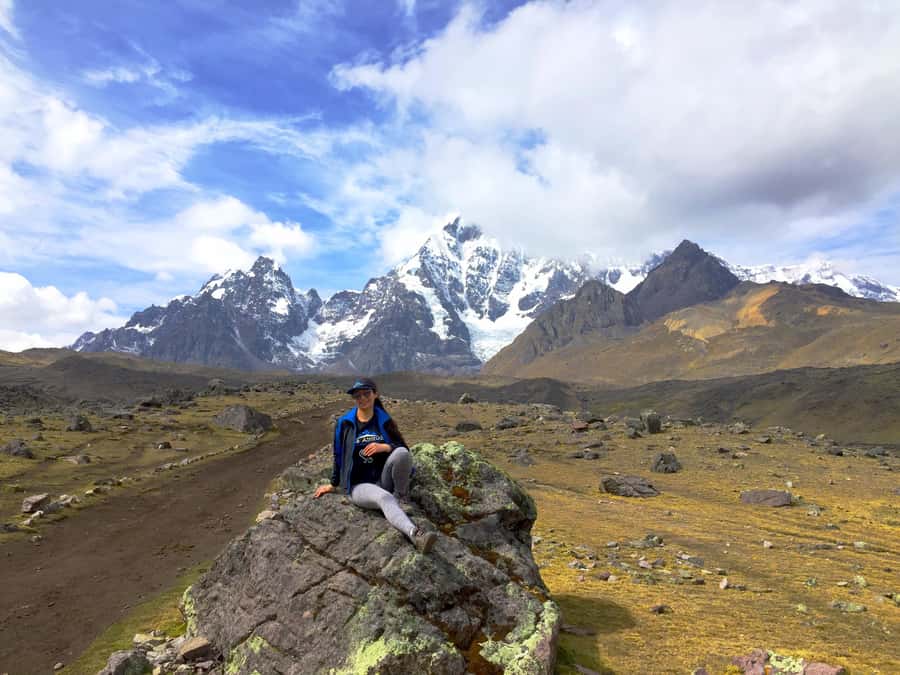
Then comes the soak. The hot springs time is about 30 minutes of swimming/relaxing. Expect a highland setting with mountain views, and expect the water to feel like a reset button after a long day at altitude.
Important: hot springs entrance fees are not included. Plan on paying about 30 soles on top of the tour cost. You’ll also need cash (in Peruvian soles) for other extras like water and souvenirs, since many purchases aren’t set up for card.
Guides make the difference: names, style, and safety checks
When I look at what gets praised most, it’s not just the lakes. It’s the human layer: guides who stay aware of your pace, your breathing, and your confidence.
People call out guides by name again and again:
- Diana for great guiding and an included meal that worked.
- Kevin and Carlos for being knowledgeable and patient through altitude strain.
- Sebastian for letting everyone go at their own speed and giving time to take in lake views.
- Eduardo, Juan, Joseph, Inti, and Noe for caring support and check-ins—especially if someone is feeling altitude effects.
One neat pattern: the guides also help with practical things like pacing, medication coordination if needed, and photo moments. That matters because at altitude, your focus is already split between effort and breath.
If you want the day to feel safe and enjoyable, you’re buying more than a route. You’re buying management.
Packing for cold, sun, and fast-changing weather
You’ll be outside most of the day, starting early, with changing conditions. The tour’s “know before you go” list is pretty clear on what to bring:
- Extra warm layers: warm sweater, jacket, hat, and gloves
- Rain gear: weather can shift, even if the day starts crisp
- Hiking shoes (not flimsy sneakers)
- Water and snacks
- Sunglasses: mandatory during the hike
- Comfortable clothes for layering
Also note what not to bring: luggage or large bags aren’t allowed. This is a “carry what you need” day. If your bag is heavy, it will slow you down and make you sweat more than you want at altitude.
Price and value: how $29 makes sense for what you get
At about $29 per person, this tour price is surprisingly low for a full-day outing with hotel pickup, a professional guide, breakfast, lunch, and an included oxygen bottle plus first aid kit.
Here’s the value logic for you:
- You’re paying for logistics: the van ride, early pickup timing, and the structured day.
- You’re paying for altitude support basics: oxygen bottle, first aid kit, and a guide who actually manages pacing.
- You’re also paying for the experience of Ausangate Lakes without having to coordinate transport and know the route yourself.
The extras you must budget for are the hot springs entrance fee (30 soles) and other small purchases that are typically cash-only. If you plan those costs in advance, the base price still looks like a good deal.
Who should book this trek, and who should skip it
This is a good fit if you:
- enjoy hiking but want a guide to handle safety and pacing
- want a less crowded feel than some of the more famous Cusco day hikes
- are willing to dress warm and deal with altitude effort
- like the idea of combining a hike with hot springs the same day
It may not be a good fit if you have:
- heart problems, respiratory issues, or mobility limits
- significant back problems
- you use a wheelchair
- you’re over the listed weight limit of 264 lbs (120 kg)
And if you’ve struggled with altitude before, bring altitude pills or follow your doctor’s plan. The dirt road ride can contribute to feeling unwell, so the “start well, hydrate, go slow” mindset is key.
Should you book the Ausangate 7 Lakes trek from Cusco?
If you want a one-day trip that feels like real high-altitude Peru—not a quick photo loop—this is worth booking. The combination of Ausangate Mountain views, a long day across alpine lakes, and a practical recovery at Pacchanta hot springs hits the sweet spot for many hikers.
Book it if you can handle cold mornings and you’re ready for altitude pacing. Skip it if you know altitude or steep effort is a hard stop for your body.
If you do book: pack warm layers, wear sunglasses, keep your pace relaxed, and don’t be shy about using horse help if you need it. That’s how you turn a tough day into a full-on memory.
FAQ
What time does the pickup from Cusco usually happen?
Pickup is from your Cusco accommodation in the Centro Histórico area around 4:00–4:30 am. If you’re early, it may take some time to collect the full group.
How long is the van ride to Pacchanta?
The van ride is about 3 to 3.5 hours to Pacchanta.
What meals are included in the day trek?
The tour includes breakfast at Pacchanta (about 30 minutes) and lunch back at Pacchanta (about 30 minutes).
Are the hot springs included in the price?
No. Hot springs entrance fees are not included, and the tour notes list payment of about 30 soles.
How long and how far is the hiking part?
The trek includes about 13 km (8 miles) of hiking and takes around 4.5 hours for the main hike portion.
What altitude should I be prepared for?
You will trek over 4,800 meters above sea level. The route also lists a highest point around 4,620 meters.
Is horse riding available?
Horse riding is part of the day plan. The notes also mention that if you rent a horse, it’s an extra arrangement (cash in soles), and the local partner doesn’t manage those rentals.
What should I bring for the cold early morning?
Bring warm layers (including hat and gloves), rain gear, hiking shoes, sunglasses, water, and snacks.
Can I bring a large bag or luggage?
No. The tour states luggage or large bags aren’t allowed.