REVIEW · MARRAKECH
3 Days: Private Desert Tour from Marrakech to Merzouga via Atlas & Camel Trek
Book on Viator →Operated by Morocco Getaways · Bookable on Viator
The Sahara feels a little closer when day one already has Atlas views. This private 3-day desert tour links Marrakech to Merzouga with big cultural stops along the way, then finishes with a camel trek and an overnight in tents among the Erg Chebbi dunes.
I especially like two things: the High Atlas driving day (Tizi n’Tichka pass) paired with cinematic stops like Aït Benhaddou, and the fact that the desert part isn’t just a quick photo stop—it includes a real camel trek plus an overnight in a nomad-style bivouac.
One thing to think about: entrance fees for many monuments and kasbahs are not included, so you’ll want a plan for spending extra money on-site while you’re moving through the route.
In This Review
- Quick hits before you go
- High Atlas to UNESCO kasbahs: the route that makes the desert feel earned
- A small but important tip: plan for walking time
- Dades Valley and the rose stops: where Morocco smells like a story
- Todra Gorge to Erfoud: canyon drama and the fossil-and-marble side of the Sahara
- Erg Chebbi camel trek: the star part is the setup
- What you should expect in real life
- Guide impact: you’ll feel it most at camp
- Rissani sunrise and the return drive toward Marrakech
- Price and what you’re really paying for
- What makes this tour work well for the right traveler
- Should you book this Marrakech to Merzouga desert tour?
- FAQ
- How long is the private desert tour?
- Is the tour private or shared?
- Do you get pickup in Marrakech?
- What are the main highlights included in the 3-day route?
- Where is the desert part of the experience?
- Are monument and kasbah entrance fees included?
- What about meals—are they included?
- Does the tour run in poor weather?
- What is the cancellation window for a refund?
Quick hits before you go
- Tizi n’Tichka pass at 2,260m brings mountain drama before you even reach the desert
- Aït Benhaddou is a UNESCO kasbah complex tied to major films, with time to wander its maze streets
- Dades and Todra gorges add the cool canyon factor between kasbahs and dunes
- Erg Chebbi camel trek ends in a starlit camp setting with dinner and breakfast included at the desert stay
- Private setup means your group only, with pickup offered from your Marrakech accommodation
High Atlas to UNESCO kasbahs: the route that makes the desert feel earned
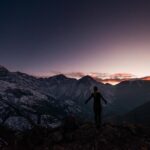
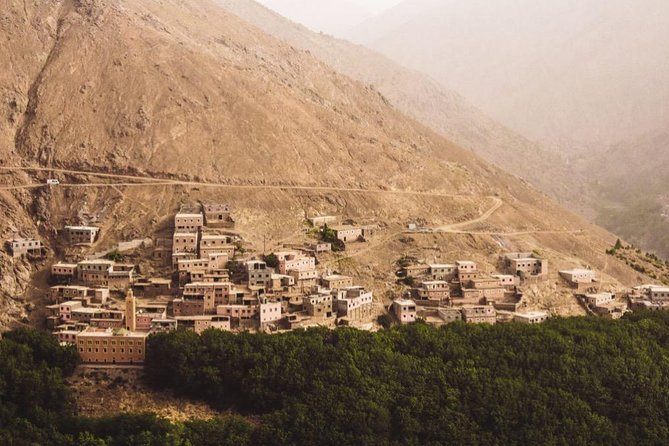
Your tour starts in Marrakech and immediately turns travel time into scenery time. You’ll climb through the High Atlas via Tizi n’Tichka, a mountain pass around 2,260m that connects the Marrakech area toward Ouarzazate. Even if you’re not into roads for their own sake, this is one of the best ways to understand Morocco’s geography fast: you go from city energy into mountain scale, with sweeping views at the summit.
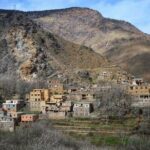
From there, the route shifts into Morocco’s “how did they build this?” mode with Aït Benhaddou. This UNESCO site is a fortified ksar made up of multiple kasbah sections, and it’s famous for being used as a film backdrop (Lawrence of Arabia, The Last Temptation of Christ, Gladiator are specifically named). The practical reason to love this stop: you’re not just standing outside a wall. You get time to walk the winding streets and work your way up toward the fortified granary, where the valley views are the payoff.
Then comes another kasbah stop: Taourirt Kasbah. It’s described as a citadel with close to 300 rooms and a confusing-sounding layout of passages and doorways. If you like places where you can lose yourself a bit (in a safe, tourist-friendly way), this is the kind of site that makes your brain click: caravan wealth, power, and architecture all in one place. The listing notes it’s not a paid admission stop in the stop details, but overall “entrance fees to monuments, studios and kasbahs” are not included—so treat that as your budgeting clue.
You can also read our reviews of more tours and experiences in Marrakech.
A small but important tip: plan for walking time
This first day stacks sites with real walking. Even when stop times look short on paper, Morocco’s kasbah interiors don’t move like museums. You’ll want comfortable shoes and a bit of patience while you navigate steps and tight passageways. If you’re traveling with anyone who needs a slower pace, choose a time when you’re not already exhausted from a long Marrakech day.
Dades Valley and the rose stops: where Morocco smells like a story
After the kasbah intensity, day one cools down into valleys and farms. You’ll drive through or around Valleé des Roses, a region tied to rose water production. The practical value here is that you’re not just learning a random fact: the tour route is built around how rose harvesting affects the local calendar. Rose water is used for cosmetics and also culinary uses, and the rose season connects to a festival celebration in Kelaat Mgouna (the “valley of roses” town) when blooms make the fragrance noticeable even while driving through.
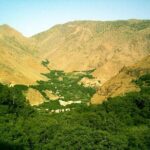
Next you settle into the Dades Valley area—one of those stretches where rocky formations rise out of a greener river corridor. The tour framing points out oases, palm groves, and elaborate kasbahs, with the Dades River supporting almond, fig, walnut, and birch trees. If you’ve only ever pictured the desert as Morocco’s whole identity, this is your reset moment. You’re still in Morocco’s story, just with a different chapter.
The stop duration for Boumalne Dades is long on the schedule (about half a day). That matters because it usually gives time for a proper break and the chance to enjoy the valley setting without racing through everything. If you’re the kind of traveler who likes sunset light and a slow meal, this is where the route gives you breathing room.
Todra Gorge to Erfoud: canyon drama and the fossil-and-marble side of the Sahara
Day two begins with Todgha (Todrha) Gorges, limestone canyons carved by the Todgha and Dades rivers. The tour describes walls that can reach up to about 400m in some places and focuses on the canyon scale. This is one of those stops where the photos look great, but you’ll get more if you walk in a little and let your eyes adjust to the height. Canyon walls can feel tall in a way that makes you slow down naturally.
From there, the route heads toward the Erfoud region. You won’t just pass through a random town; the area is described for a couple of specific reasons: fossils and marble. The tour notes that when the Sahara was submerged in the past, it produced fossils that are found in the dunes. It also calls out the marble industry, including red, brown, and black marble.
This “side of the desert” matters because it changes your mental picture of what Erg Chebbi represents. You stop thinking only about sand and stars and start seeing the desert as a geological archive plus a working landscape. That makes the next day’s dune time feel more intentional.
Erg Chebbi camel trek: the star part is the setup
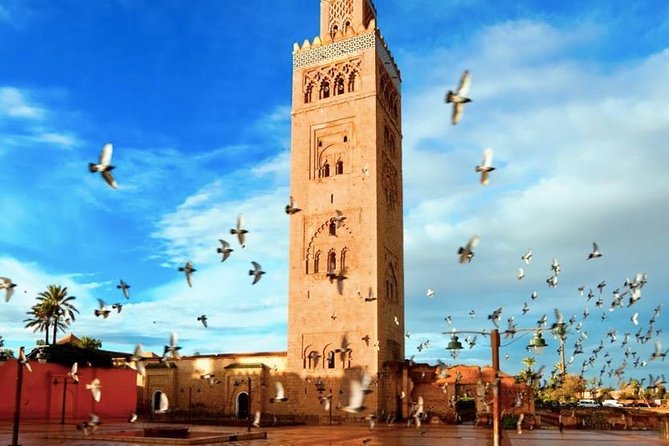
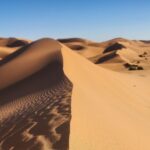
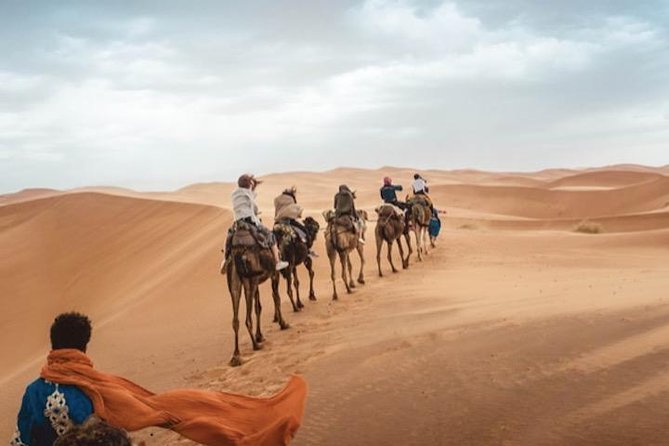
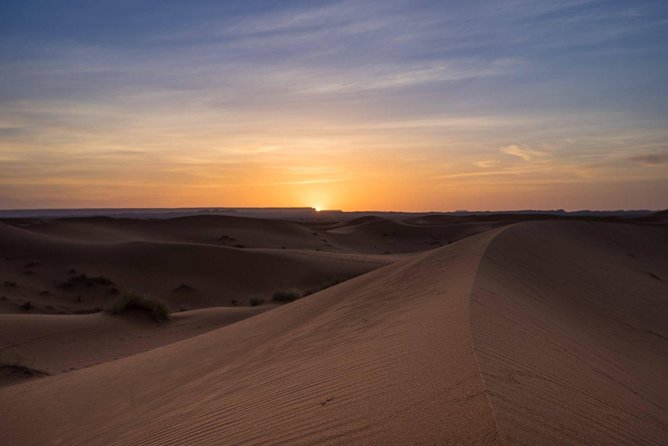
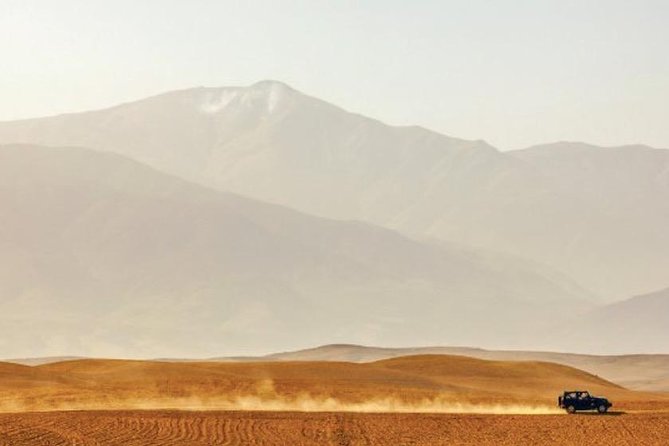
Now you reach the heart of Erg Chebbi, one of Morocco’s main dune fields (the tour also names that it’s one of two ergs in Morocco). The dunes are described as reaching about 525 feet, which helps explain why camel trekking here can feel like moving through golden “waves” rather than just walking on sand.
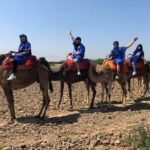
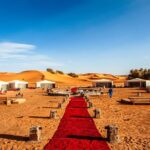
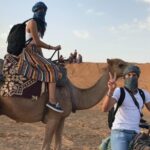
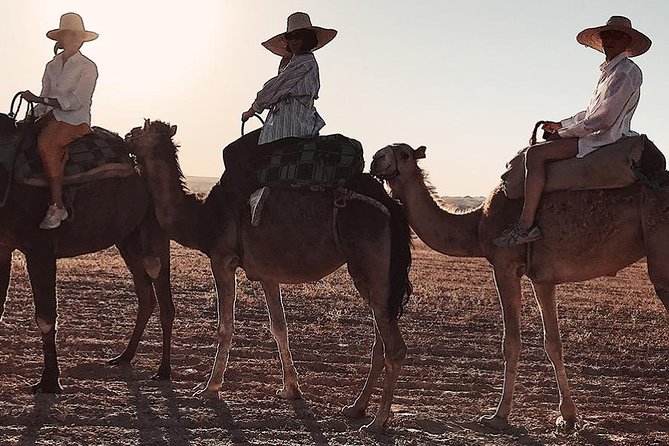
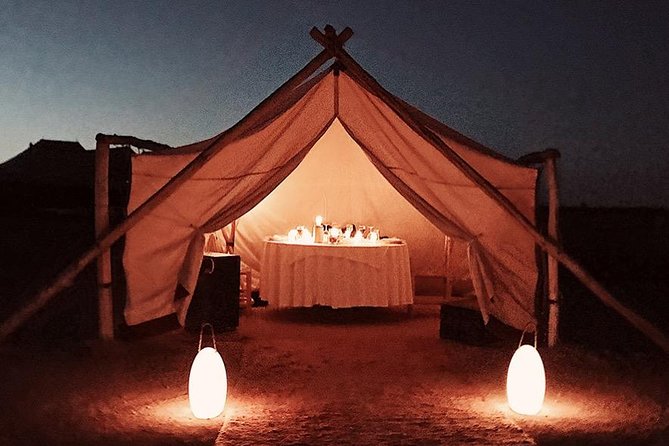
The tour includes an overnight with dinner and breakfast, and it also highlights a camel trek across the Sahara with an overnight in a nomad desert bivouac. That combination is the big value piece. A lot of desert tours sell one or the other—either camel time or camp time. Here, the schedule is built around both, so you get the rhythm: day heat, camel movement, camp arrival, then that quiet nighttime feeling you came for.
What you should expect in real life
Even with a planned itinerary, desert experiences run on different timing than cities. You’ll generally want to be ready for:
- A gradual switch from road time to sand time
- More reliance on your guide’s pacing and instructions for camel trek safety and comfort
- Time for the camp atmosphere (meals, stargazing, and night social time around the fire setting that’s described in the tour experience)
One of the strongest themes in the provided feedback is how much people remember the desert camp and the camel ride as an emotional highlight, not just a checklist item. That’s usually a sign the camp organization is working and the route isn’t rushed through the dunes.
Guide impact: you’ll feel it most at camp
The desert section is where a good guide makes the day run smoothly. The names that show up in the strongest praise include Mouad, Ahmed, and Aziz. What’s consistent across that praise is not just friendly driving—it’s explaining what you’re seeing and helping people feel comfortable along the way. In a place where you’re far from services, that kind of support matters.
Rissani sunrise and the return drive toward Marrakech
Day three starts early for a desert sunrise. Then you’ll have a leisurely breakfast and shower after returning from the camel ride to the car. That detail might look small on paper, but it’s comfort-critical. Waking up early is easier when you know there’s a planned moment for a proper morning routine afterward.
After the sunrise and breakfast, you go to Rissani, described as an ancient city near Erfoud and the closest town of significant size to the Erg Chebbi area. The tour notes it was associated with the Alawite dynasty and Moulay er Rachid, and it frames Rissani as a cultural stop with early Moroccan architectural examples, palaces, and temples.
Then the route includes Oued Draa, an oasis area on the southeast edge of the Anti Atlas Mountains. It’s described as a fossil-hunting paradise, with the Alnif basin named as one of the best places in Morocco for collecting trilobites. Even if you’re not a collector, it’s a useful stop because it keeps the journey from becoming just “sand, then road again.” You’re seeing how the region’s natural history shapes what people do there.
Finally, you head back and end in Marrakech, dropped off at your accommodation or airport.
Price and what you’re really paying for
At $483.17 per person for a 3-day private experience, this is priced like a route that includes more than transport. You’re paying for:
- Cross-country driving time with major stops (Atlas pass, UNESCO kasbah)
- Canyon and valley sightseeing days
- The desert overnight experience with dinner and breakfast
- The camel trek and camp component (the part most tours try to shorten)
You’re also getting structure: pickup is offered in Marrakech, and you’re not sharing with other groups since it’s private. The listing also mentions group discounts, which can help if you’re traveling with friends or family.
The biggest value-leaning question isn’t the ticket price—it’s what you do with the “not included” items. The tour states that entrance fees to monuments, studios, and kasbahs are not included, plus flights and travel insurance aren’t included, and extra drinks/snacks/additional meals aren’t included. So I’d mentally separate the cost into two buckets:
- Core price covering transport + planned sights + desert camp structure
- Your discretionary spending for admissions and meals on the road
If you budget for that second bucket, the overall value tends to feel fair for a private, 3-day desert program.
What makes this tour work well for the right traveler
This setup is a strong match if you want:
- A single, organized plan from Marrakech to Merzouga without juggling taxis
- A route that mixes culture (kasbahs) with nature (gorges) and a real desert overnight
- A private experience where your guide can answer questions and adjust pacing
It’s also a good fit if you like photography, because every day has a different “subject.” You get mountain viewpoints at Tizi n’Tichka, maze-like architecture at Aït Benhaddou, canyon walls at Todra, and dune scale at Erg Chebbi.
If you want something purely relaxing with minimal stops, this isn’t that. The itinerary is packed with place-to-place driving and sightseeing. But if you enjoy a well-paced road trip that still leaves room for the desert to do its thing, it hits the sweet spot.
Should you book this Marrakech to Merzouga desert tour?
Book it if you want a private route with major Moroccan highlights and a real camel-trek desert night at Erg Chebbi. The best part of this tour style is that the desert isn’t floating in the middle of nothing—it’s reached after you’ve seen UNESCO kasbah architecture, canyon carving, and palm-oasis valleys. That sequencing makes the night camp feel earned.
Skip it (or switch to a lighter version) if you’re trying to keep costs super tight after you factor in admissions and extra meals, or if you prefer fewer sightseeing stops.
If you do book, I’d go in with one mindset: treat this as a road trip through Morocco’s changing zones, where the dunes are the final chapter. That’s where the value lands.
FAQ
How long is the private desert tour?
It runs for about 3 days (approx.), moving from Marrakech to the Merzouga/Erg Chebbi area and back to Marrakech.
Is the tour private or shared?
It’s private. Only your group participates.
Do you get pickup in Marrakech?
Pickup is offered.
What are the main highlights included in the 3-day route?
Key highlights include crossing the High Atlas via Tizi n’Tichka, visiting Aït Benhaddou, seeing Kasbah Taourirt, driving through Rose Valley and Dades Gorges areas, visiting Todra Gorges, and experiencing an Erg Chebbi camel trek with an overnight desert camp.
Where is the desert part of the experience?
The desert experience focuses on Erg Chebbi dunes, with overnight in a desert bivouac setup and dinner and breakfast included at the desert stay.
Are monument and kasbah entrance fees included?
No. Entrance fees to monuments, studios, and kasbahs are not included.
What about meals—are they included?
The desert overnight includes dinner and breakfast. Extra drinks, snacks, and additional meals are not included.
Does the tour run in poor weather?
The experience requires good weather. If it’s canceled due to poor weather, you’ll be offered a different date or a full refund.
What is the cancellation window for a refund?
You can cancel up to 24 hours in advance for a full refund. If you cancel less than 24 hours before the start time, the amount paid isn’t refunded.