REVIEW · MARRAKESH
From Marrakech: 3-Day Mount Toubkal Climbing Trek
Book on GetYourGuide →Operated by Marrakech Day Trips - Tours · Bookable on GetYourGuide
Mount Toubkal changes your breathing fast. In three days you get a non-technical climb to North Africa’s highest peak, plus a loop through Atlas villages, forests, and the huge Tamsoult Waterfalls. I especially like the way the route builds in altitude step by step (Tizi Mzik and Aguelzim passes) so you’re not thrown into the deep end.
The big plus for most people is the human part: a certified guide team, mules for luggage, and meals planned around long walking days. That said, this is still a serious trek with early starts, cold summit weather, and nights that are basic but workable, so you’ll want solid hiking shoes and a realistic fitness level.
In This Review
- Key Points Worth Noticing
- Why This 3-Day Toubkal Trek Feels Like More Than a Quick Summit
- Marrakech Pickup to Imlil (65km): Start Point, Timing, and Reality
- Day 1: Tizi Mzik Pass Views and the 100-Meter Tamsoult Waterfalls
- Sleeping at Tamsoult Refuge: Simple Rooms, Good Fuel, Cold Nights
- Day 2 Up to Aguelzim Pass (3650m): The Acclimatisation Day That Matters
- Day 3 Summit to 4167m: Early Start, Long Hours, and That 360° Payoff
- Guides, Muleteers, and the Small Group Effect
- Food and Refuges: Included Meals That Actually Help You Climb
- Gear Checklist: What to Bring for a Cold Summit and Long Trail Hours
- How Hard Is It, Really? Who Should (and Shouldn’t) Book
- Price and Value: What $226 Includes on the Mountain
- Should You Book This Toubkal Trek?
- FAQ
- What is the duration of this Mount Toubkal trek?
- How far is Imlil from Marrakech?
- What is included in the price?
- What language(s) will the live guide speak?
- What is the highest point on the trek?
- Do I need technical climbing gear?
- What should I bring?
- What clothing and footwear are not allowed?
Key Points Worth Noticing
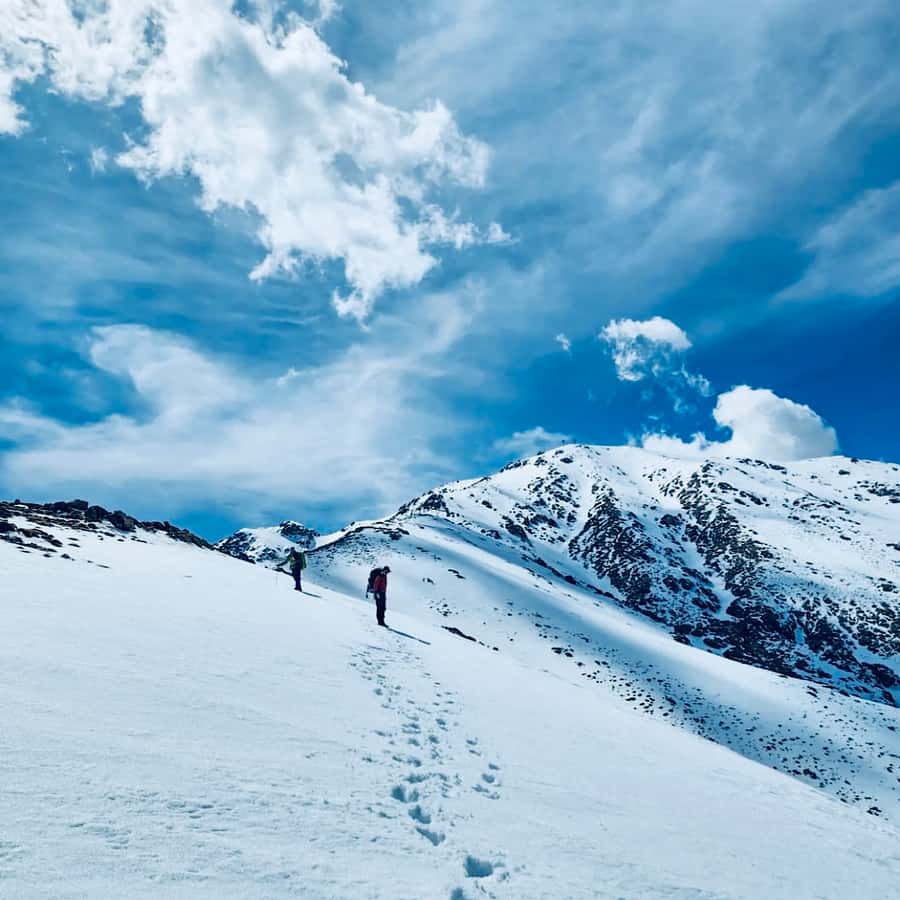
- Summit attempt without ropes or technical gear on a guided route to 4167m
- Altitude pacing on purpose, with an acclimatisation day up to Aguelzim Pass
- Tamsoult Waterfalls break up the hike, including a 100m drop and a scenic forest stretch
- Small groups (max 14), so the guide can keep eyes on everyone
- Luggage handled by mules, so you carry what you truly need for the day
- Weather can affect the plan, and the route may shorten or shift when conditions change
Why This 3-Day Toubkal Trek Feels Like More Than a Quick Summit
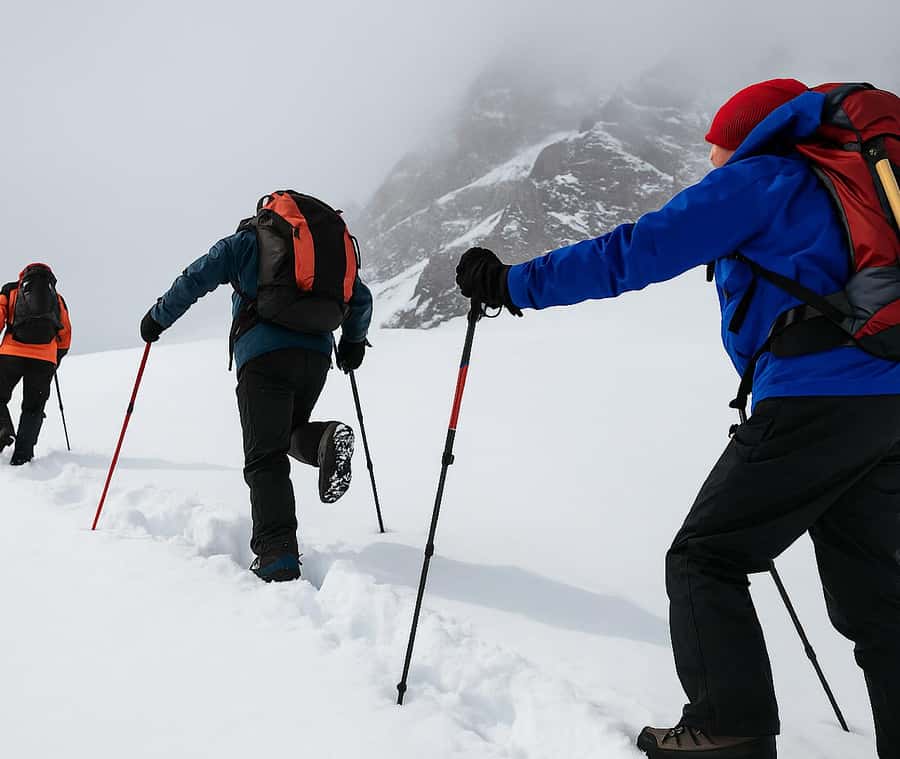
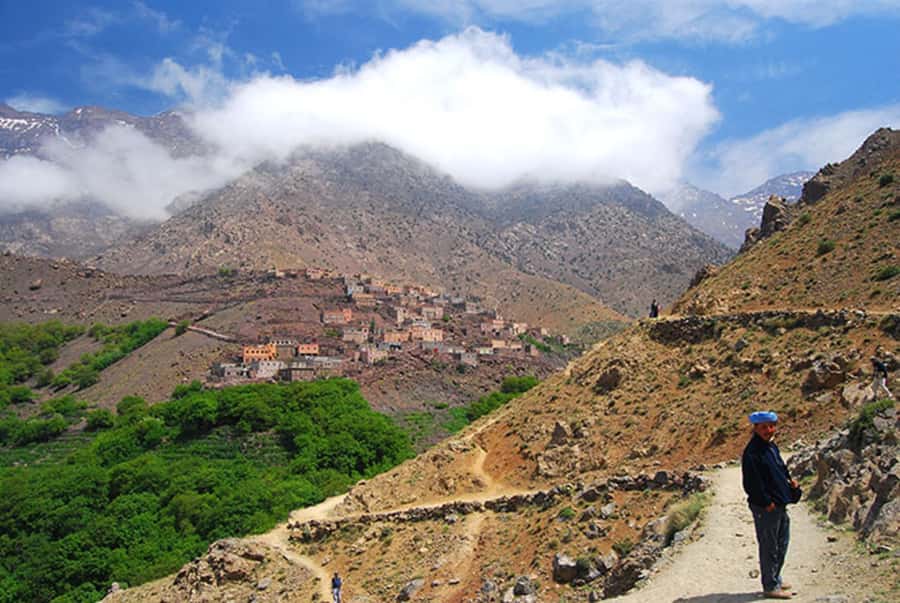
A lot of Mount Toubkal hikes are fast out-and-back affairs. This one is different because it’s a loop that spreads the effort across three days instead of stacking everything into one long scramble. You start with passes that give you panoramic views early, then you spend time hiking in remote Berber valleys before the summit day.
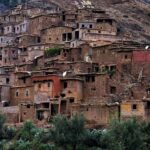
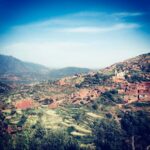
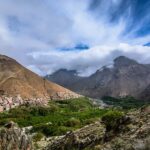
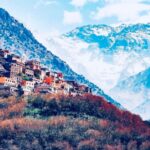
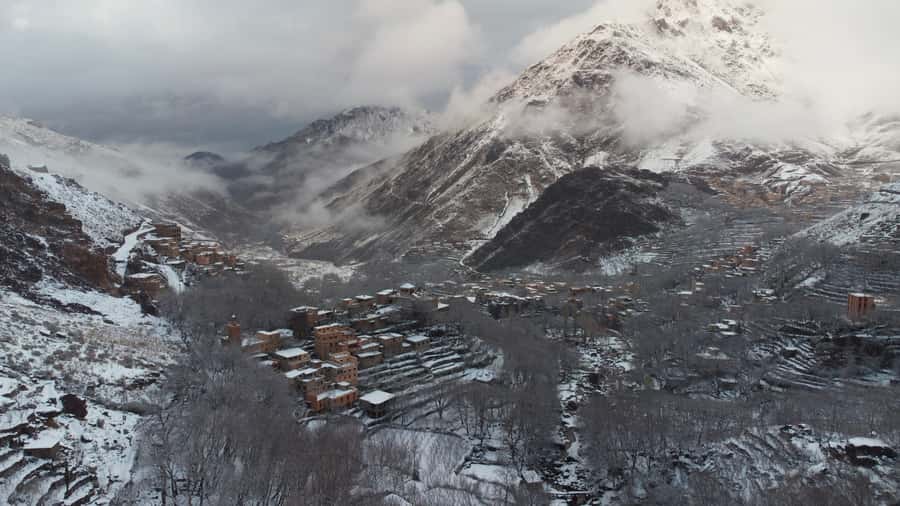
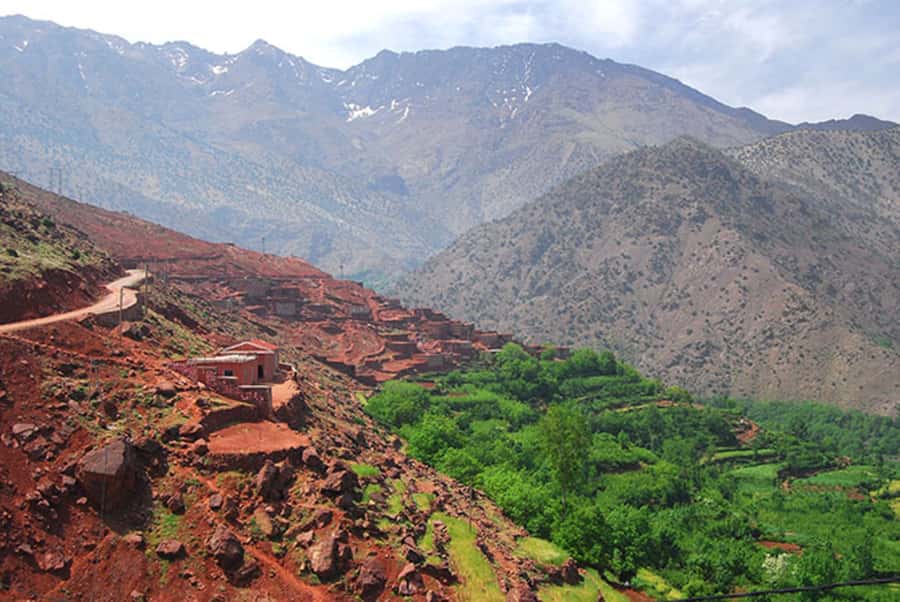
The second thing I like is that this route isn’t just about reaching 4167m. It’s built around how the Atlas Mountains actually live on foot: stone villages, narrow paths, juniper forest, and that dramatic waterfall stop near Tamsoult. Even if you’re not a hardcore climber, you still get a real sense of place before the final push.
One consideration: the summit day is long and the descent is steep. If you expect a casual stroll, you’ll feel it. If you go in ready for a challenge, the payoff is massive—especially with a sunrise-style climb when the weather behaves.
You can also read our reviews of more tours and experiences in Marrakesh.
Marrakech Pickup to Imlil (65km): Start Point, Timing, and Reality
Your day begins in Marrakech with roundtrip transport included. Pickup is from your hotel or riad, but it matters where you’re staying: if you’re inside the Medina or in a riad with no car access, you’ll get a WhatsApp message 24 hours before the trek to confirm the nearest meeting point.
The drive runs through valleys and villages along the way, including Tahanaout, Oued Ghighaya, and Asni, before reaching Imlil—the main trail hub at about 65km from Marrakech. This matters because it sets expectations. You’re not just getting on a bus and being dropped at a random trailhead; you’re transitioning from city rhythm into mountain rhythm with enough time to meet your team.
The small group size (up to 14) also affects your first day. You won’t be lost in a huge crowd with one guide trying to herd everyone. The guide and muleteer team can organize departures and breaks more smoothly.
Day 1: Tizi Mzik Pass Views and the 100-Meter Tamsoult Waterfalls
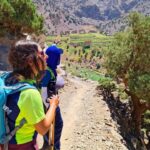
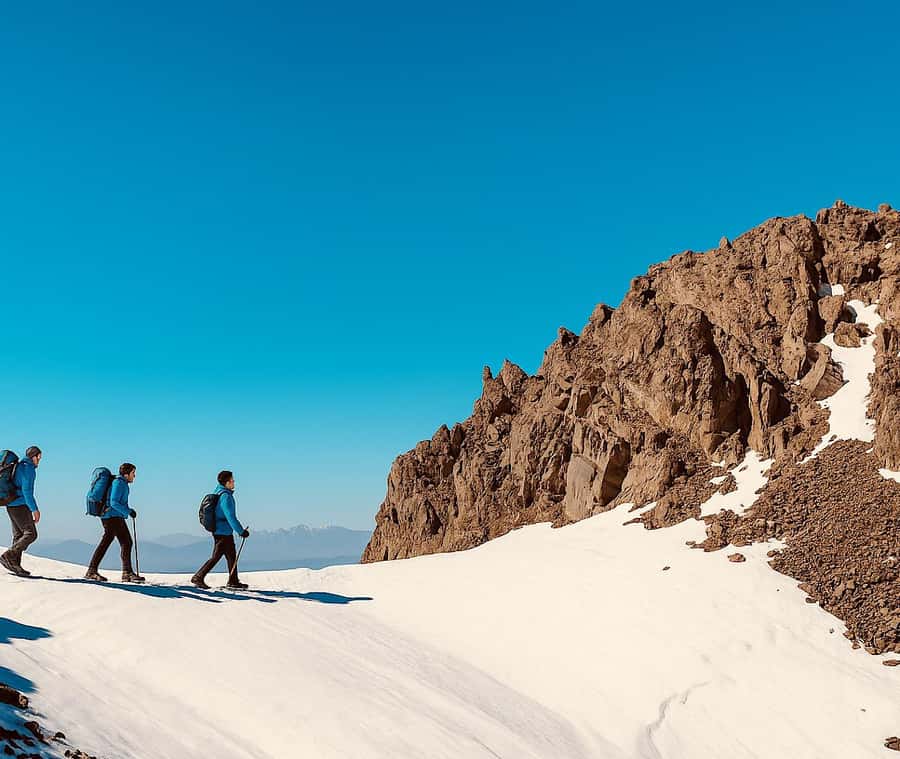
Day one is where the trek starts feeling like a real Atlas hike. After meeting your certified mountain guide and muleteer team in Imlil, you begin ascending Tizi Mzik Pass (2479m). That climb rewards you quickly with views over the Imlil Valley and Mount Toubkal itself.
Then you continue through a scenic stretch that includes a juniper forest and the star attraction: the Tamsoult Waterfalls, described as the highest in the Atlas Mountains at about 100 meters high. This part is worth pacing for. The waterfall stop breaks up the long elevation work and gives your body a mental reset before you settle into the night.
Walking time on this section is typically 5–6 hours, with about 11 km covered and elevation gains/losses around +800m / -400m. Translation: you’ll get your legs working, but it’s not the summit-day suffering yet.
You finish day one heading to Tamsoult Refuge for the night. Expect a mountain-style setup: warm food included, simple shelter, and a focus on rest because day two climbs higher and keeps going.
Sleeping at Tamsoult Refuge: Simple Rooms, Good Fuel, Cold Nights
Overnight stays are part of the included package, with accommodation in a local house / refuge-style setting and all meals covered (3 breakfasts, 3 lunches, 3 dinners). In practice, this means you sleep away from Marrakech comfort, but you’re not thrown into rough camping either.
From what I’ve seen emphasized, the refuge stops do two jobs:
- They keep you fed on schedule when you’re hiking hard.
- They give you enough warmth to recover, so you can function for the big altitude day ahead.
A few hikers also flag the same practical reality: bring what you need for personal comfort. Some refuges may not provide basic items like toilet paper or soap, so pack them along with your snacks. Also, the summit and mornings can be cold, even when Marrakech feels warm.
If you’re the type who gets chilled easily, treat the packing list seriously—especially warm layers. You want your body to recover between hard days, not just survive them.
Day 2 Up to Aguelzim Pass (3650m): The Acclimatisation Day That Matters
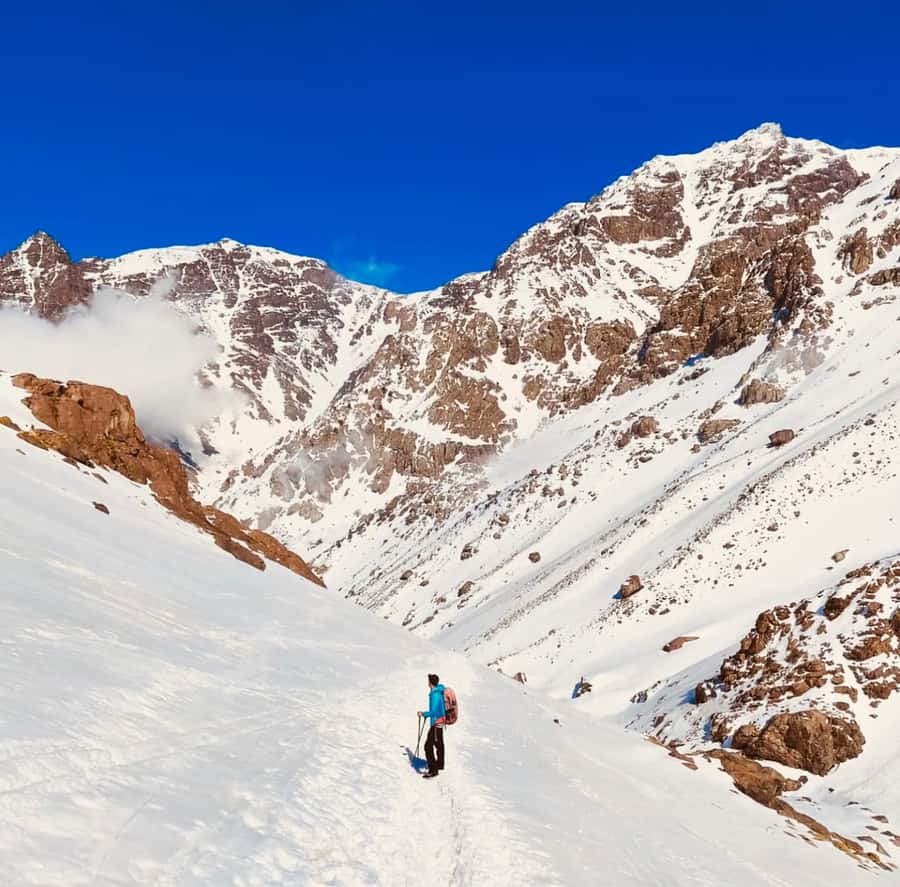
This is the altitude day. You leave Tamsoult Refuge and gradually ascend toward Aguelzim Pass (3650m), with the key idea being steady pacing. The climb is designed to help your body adapt—because on the summit day, you’ll be grateful you didn’t rush it.
This stretch is longer than day one: around 10 km, with about +1200m / -300m elevation change and typically 6–6.5 hours of walking. The gain is meaningful, but the route is set up so you don’t have to sprint between photo stops.
Once you reach the pass, you get views toward the Toubkal summit area. It’s also a psychological moment: you’ll see the bigger goal clearly, and the next decisions—how you pace, how you fuel, how you rest—stop feeling abstract.
By day’s end, you move down to Toubkal Refuge (3207m), which becomes your base for the summit attempt. Think of this as your staging night: the next morning starts early, and you’ll want to sleep well enough to climb well enough.
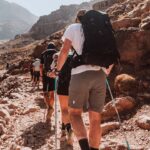
Day 3 Summit to 4167m: Early Start, Long Hours, and That 360° Payoff
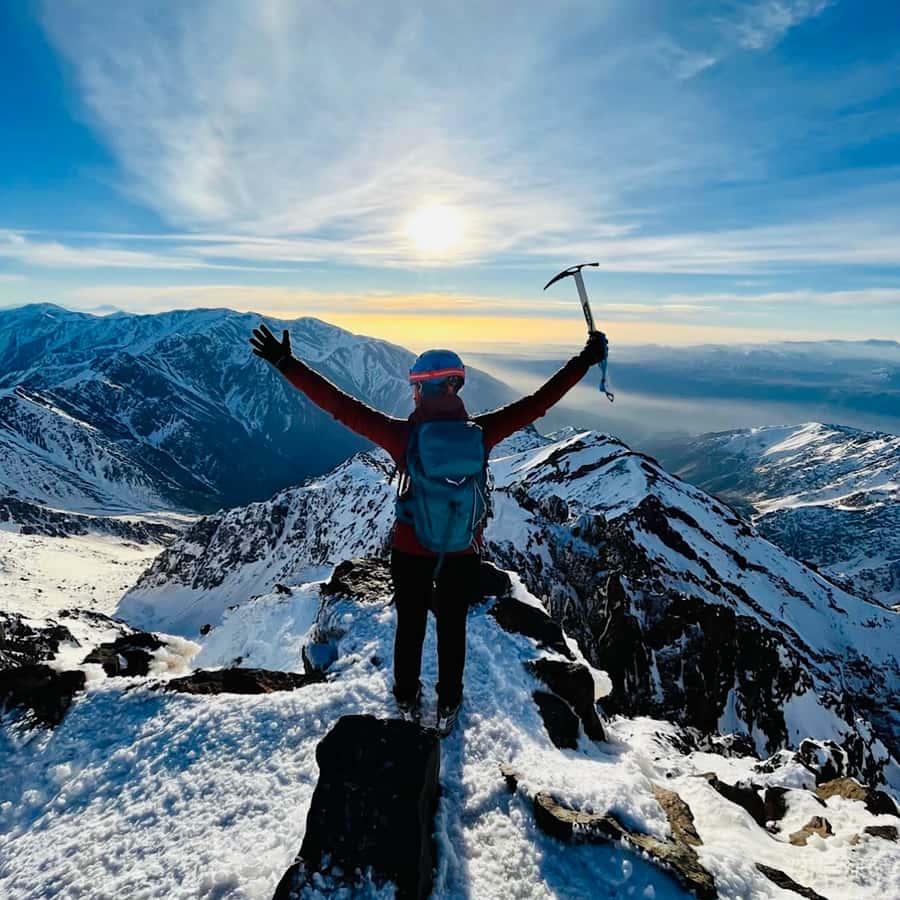
Day three is the one most people imagine when they book. You begin with an early start for the final climb to Mount Toubkal’s summit (4167m).
The walking plan described here is split into a summit loop and then the descent. The climb includes about 4 km as a summit loop plus a longer descent phase, with total descent later reaching around 14 km back toward Imlil (after the day’s long work). Expect 8–9 hours for the summit day on the route described, including time on the slopes and the summit area.
The good news: this is still a non-technical ascent. You’re not dealing with ropes and climbing hardware as part of the standard plan. You’re dealing with altitude, cold, and distance—simple things that still feel hard when the air thins.
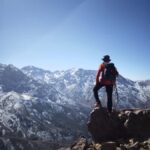
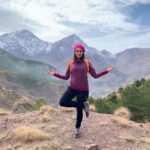
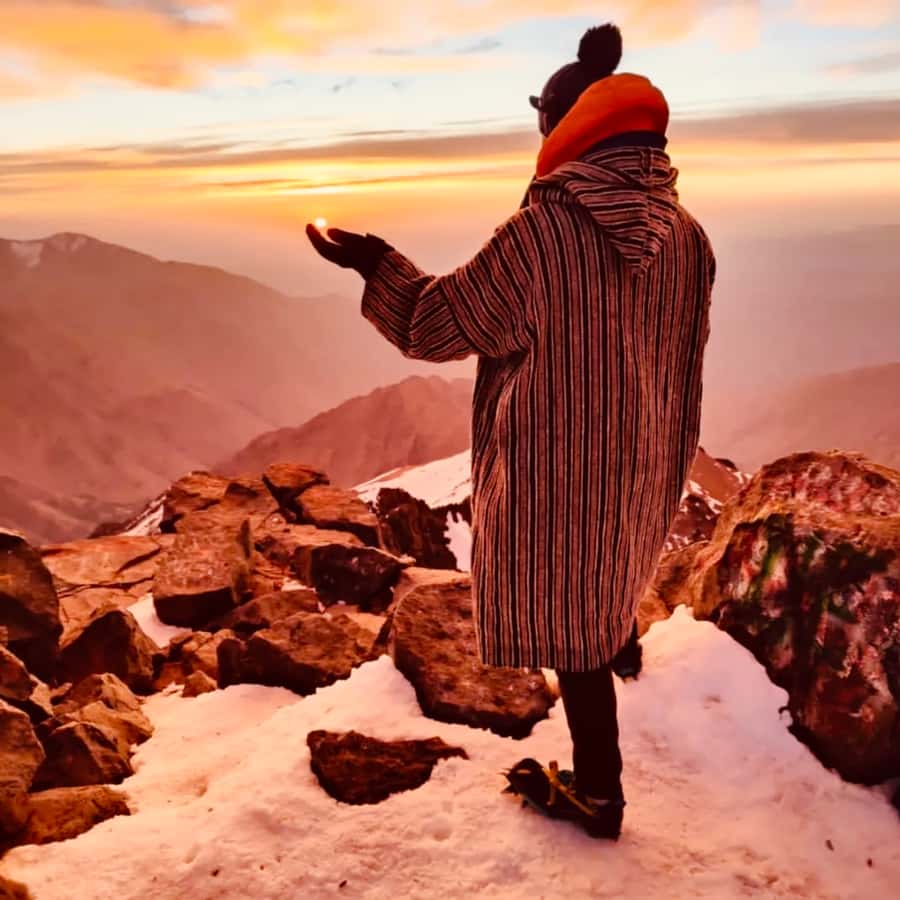
What you’re chasing is the view. When weather allows, you can get 360° panoramas from the top, and on clear days the Sahara Desert may show on the horizon. Even when it’s colder than you want, that view is often why people say they’d do it again.
Then comes the part beginners underestimate: the descent. It takes time, it hits your knees, and loose scree can make you pay attention. This is where having a guide who keeps the group together and watches footing really pays off. Several hikers highlight how guides help people stay steady on the way down—because finishing safely matters as much as reaching the top.
Guides, Muleteers, and the Small Group Effect
You’ll feel the difference between a good trek and a chaotic trek mostly in the details:
- Pacing that matches the group
- Safety checks on the trail
- Getting everyone moving together
- Timing meals and breaks around the route
This tour runs with a small group capped at 14. It sounds like a marketing line, but on a mountain it changes everything. The guide can notice who is struggling before it becomes a problem. People also describe the guides as supportive and attentive—names that come up again and again include Youssef, Mohamed, Mustafa, Omar, Kamal, Hassan, and Ibrahim. That variety is a hint: teams are often used for different language groups and different dates, but the goal stays the same—get you to the summit or keep you safely on plan if conditions shift.
Luggage support is handled by muleteers and mules. You’re not carrying everything in your pack all day. Still, don’t assume you’ll have every comfort item in your day bag. Bring a day setup for walking, and keep a separate plan for refuge essentials at night.
Some hikers also suggest carrying small amounts of cash for tips for your guide and muleteers. It isn’t required in the core tour description, but it’s a common practical move on mountain routes.
Food and Refuges: Included Meals That Actually Help You Climb
Meals are included throughout: 3 breakfasts, 3 lunches, and 3 dinners. In real trekking terms, that means you’re not trying to guess where you’ll eat while your body is busy adapting to altitude.
Most of the positive feedback focuses on two things:
- Portions that are enough to keep energy steady
- Food that’s warm and timed for hiking days
You’ll also likely eat at the right moments, not randomly. That matters more than people think. If you snack too late, the next uphill feels like punishment. If you eat on schedule, you can maintain your pace and keep your energy controlled.
Refuge comfort varies. You’re not getting a hotel bed, but you can expect basic shelter and enough comfort to recover between trail days. Some hikers mention hot showers and others mention additional costs for certain shower access—so think of it as a nice bonus, not a guaranteed feature.
One practical note that keeps coming up: pack your own comfort items like toilet paper and soap. Some refuges do not provide them.
Gear Checklist: What to Bring for a Cold Summit and Long Trail Hours
The tour’s packing list is a good baseline:
- Passport
- Warm clothing
- Hiking shoes
- Jacket
- Rain gear
- Camera
- Sleeping bag
Plus, follow the no-go footwear and clothing rules:
- No sandals or flip flops
- No sleeveless shirts
- No slippers
I’d add a couple of smart extras based on what hikers discovered in real conditions:
- Bring a headlamp for early starts
- Pack electrolytes/ORS if you’re prone to feeling wiped on altitude days
- Bring snacks for when you need a quick boost
- Consider a beanie and extra warm layers for the summit cold
Also, shoes matter more than you’d think. This trek includes long walking and a big descent. If your soles are soft or your fit is off, you’ll feel it fast.
If you forget something, some hikers report that renting gear is possible on the ground. Still, don’t count on it. Plan to be ready.
How Hard Is It, Really? Who Should (and Shouldn’t) Book
This is not for everyone, but it’s also not only for elite climbers.
It’s described as a non-technical ascent to the highest peak in North Africa, which makes it approachable for hikers with solid fitness and hiking experience. At the same time, the distance, elevation change, and long summit day mean it can be difficult if you aren’t used to hiking.
It’s also not suitable for:
- Children under 2
- Pregnant women
- People with high blood pressure
- People over 95
If you have medical conditions beyond that list, it’s smart to check with your doctor before going up in altitude.
If you’re a beginner, don’t panic. You just need to be honest about your stamina. This route is often recommended for people who can handle a demanding hike with a guide who adjusts pace. Just don’t treat it like a casual walk because it’s absolutely a legs-and-will trek.
Price and Value: What $226 Includes on the Mountain
At $226 per person for a 3-day Mount Toubkal climb, the value comes from what’s wrapped into the price, not just the headline cost.
You get:
- A tour guide
- Roundtrip transportation from Marrakech
- Muleteers and mules for luggage
- Accommodation at a local house/refuge
- All meals for three days (3 breakfasts, 3 lunches, 3 dinners)
- Small group size up to 14
For many people, the biggest value is logistics. Getting from Marrakech to Imlil, organizing guides, scheduling meals, and handling night stays is exactly the kind of work that costs time and mental energy. You pay a fair amount, but you buy a mountain plan that runs on schedule.
If you’d have to arrange guides, food, and transport yourself, the price starts to look more reasonable. If you’re coming with your own gear and strong hiking fitness, you also avoid extra costs.
Should You Book This Toubkal Trek?
Book it if you want the best mix of:
- A real summit goal (4167m)
- A trek that includes villages, forests, and the Tamsoult Falls
- A paced plan with a guide team that keeps the group safe and together
- The chance to acclimatise before you go high-high
Skip it if you:
- Hate early mornings and long walking days
- Aren’t comfortable with cold weather at altitude
- Have health constraints listed as not suitable for the trek
- Are expecting hotel-style comfort every night
If you go, go prepared: warm layers, hiking shoes, rain gear, and personal basics like toilet paper. Do that, and Mount Toubkal gives you something rare—effort that turns into a view you’ll remember long after the descent.
FAQ
What is the duration of this Mount Toubkal trek?
It runs for 3 days.
How far is Imlil from Marrakech?
Imlil is about 65 km from Marrakech.
What is included in the price?
The tour includes a tour guide, roundtrip transportation from Marrakech, muleteers and mules for luggage, accommodation at a local house, and 3 breakfasts, 3 lunches, and 3 dinners.
What language(s) will the live guide speak?
The live guide speaks Arabic, English, and French.
What is the highest point on the trek?
The summit of Mount Toubkal reaches 4167m. You also reach Aguelzim Pass at 3650m during the trek.
Do I need technical climbing gear?
This trek is described as a non-technical ascent, and you should follow the provided dress and gear guidance rather than planning for climbing equipment.
What should I bring?
You should bring your passport, warm clothing, hiking shoes, a jacket, rain gear, and a sleeping bag (plus a camera if you want).
What clothing and footwear are not allowed?
You should not wear sandals or flip flops, sleeveless shirts, or slippers.