REVIEW · MARRAKESH
Marrakesh: 2-Day Mt. Toubkal Trek with 1-Night Stay & Meals
Book on GetYourGuide →Operated by Omar Adventures-morocco · Bookable on GetYourGuide
Mt. Toubkal turns the dial on your trip. In just two days from Marrakech, you climb into the High Atlas, sleep at about 3,200 meters, and chase a summit sunrise that looks huge on every angle. The mix of guided safety, real mountain rhythm, and Moroccan refuge life is what makes this trek so compelling, especially when guides like Hamza or Oussama keep the group moving with confidence.
What I love most is the way the hike is run like a team sport, not a solo endurance test. You get a local guide, set off with a group that stays together, and you’re not just handed a route and wished luck. Second, the refuge night is part of the experience: you get dinner and a night at Toubkal Refuge with warm meals and that end-of-day camaraderie you only get when everyone is tired at the same time.
One drawback to plan for: the climb is long, steep, and cold up high. If weather turns (wind, snow, extreme temperatures), the summit can be changed or even canceled for safety, and your whole day can flip into a strong turnaround instead. Also, the refuge sleep setup is dorm-style, so you’ll want to manage expectations about comfort.
In This Review
- Key highlights that make this trek worth it
- Mt. Toubkal in two days: what you’re really signing up for
- Marrakech pickup to Imlil Valley: the transfer that matters
- Day one via Aremd and Sidi Chamarouch: the best warm-up you didn’t know you needed
- Refuge night at 3,200 meters: food is the comfort, sleep is the trade-off
- Summit morning: why you wake up before sunrise
- Descent to Imlil and the return to Marrakech: your knees will file a complaint
- Price and value: why $122 can be fair when it includes logistics
- Gear you actually need: pack for cold, not comfort
- Who should book this trek, and who should sit it out
- Should you book this Mt. Toubkal trek?
- FAQ
- How long is this Mt. Toubkal trek?
- Where do we start the trek?
- What meals are included?
- Do I need my own trekking gear?
- Is a summit guaranteed?
- Is this trek suitable for kids or older adults?
- What’s the cancellation policy and can I pay later?
Key highlights that make this trek worth it
- Sunrise summit timing: You’ll start very early on day two to chase the light on Jbel Toubkal.
- A real route, not just a climb: Day one includes Aït Mizane Valley, Aremd, and the Sidi Chamarouch area.
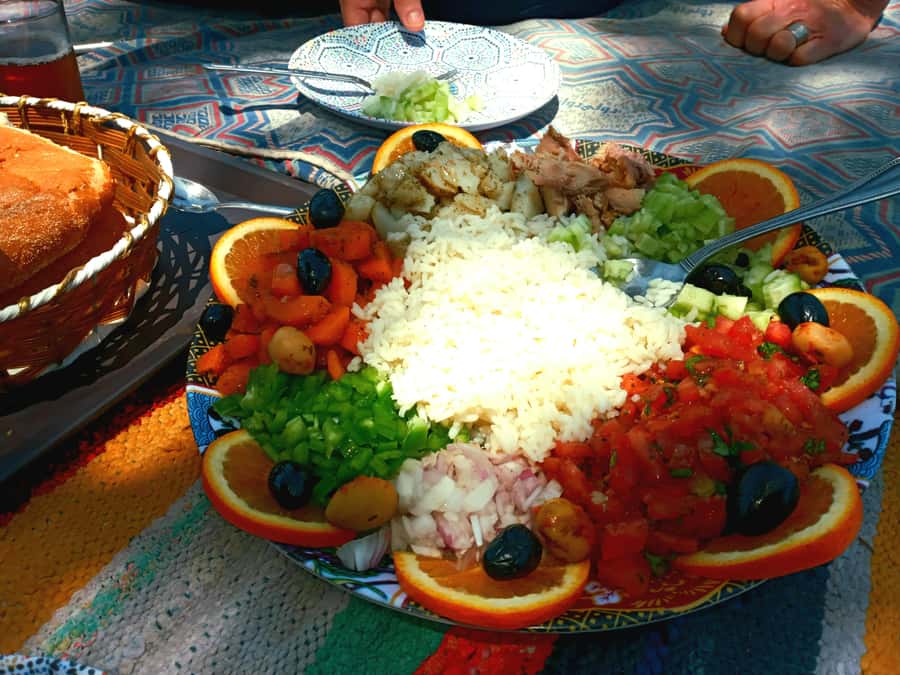
- Toubkal Refuge experience: Cozy refuge meals and a night at high altitude in a simple but authentic setting.
- Views that hit in directions: From the summit area you can see toward the Marrakesh plain and the High Atlas, with the south opening toward the Anti-Atlas and Sahara.
- Guides that prioritize group safety: Many recent trips praise guides for pacing, support, and keeping everyone together.
Mt. Toubkal in two days: what you’re really signing up for
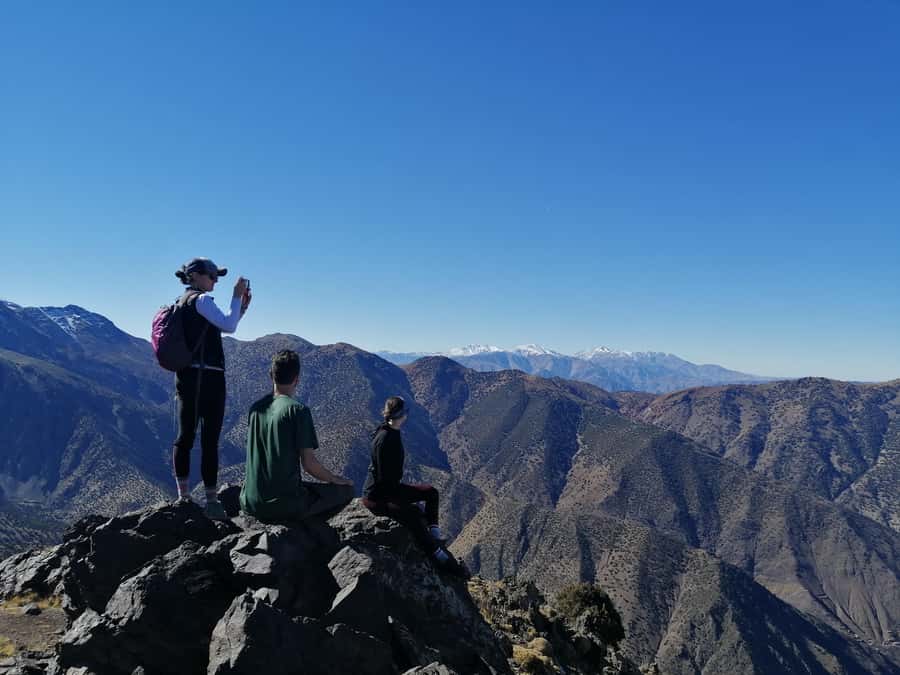
This isn’t a walk in the park. A two-day Mt. Toubkal trek means you’re compressing real altitude gain, long hiking hours, and an early-morning summit push into a tight schedule. That’s exactly why it works well for people who want a big mountain achievement without turning the trip into a week-long project.
You start low near Imlil (about 1,740 meters), then gain toward Toubkal Refuge (around 3,207 meters). Day two adds the summit ascent and long descent back down toward the Imlil area. Expect long days: the plan calls for about 10–12 hours trekking over the second day, and the first day still comes with serious hiking time.
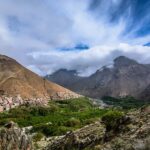
The “best seller” reputation makes sense because it checks a lot of boxes at once. You get local guiding, food, a place to sleep at altitude, and mountain logistics handled. You also get that classic High Atlas feeling: narrow paths, rocky stretches, stream crossings, and constantly changing views as the valley opens and tightens again.
You can also read our reviews of more tours and experiences in Marrakesh.
Marrakech pickup to Imlil Valley: the transfer that matters
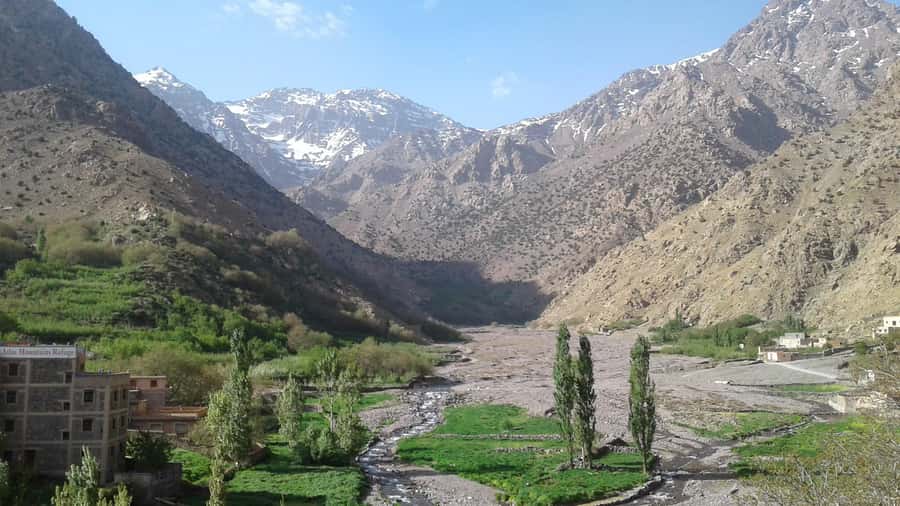
The experience begins with pickup in Marrakech. You’ll be collected by minibus (or a car-accessible meeting point near your hotel), then driven toward Imlil Valley, where the trek begins. This part matters more than it sounds, because it gets you into the mountains without the mental overhead of coordinating your own transport.
Once you’re out of the city, you shift gears fast. The driver takes you toward the base area, and then the local team takes over. From there, the pace and rhythm become the main story. You’re not just hiking; you’re learning the pace that keeps you safe on steep sections and helps you conserve enough energy for the summit morning.
A small practical note from real trips: transport can be smooth and on time, but anything mechanical can happen. On the way there, one group reported a breakdown, and they still got moving again. So keep a flexible mindset. Mountain days are about staying calm when schedules wobble.
Day one via Aremd and Sidi Chamarouch: the best warm-up you didn’t know you needed
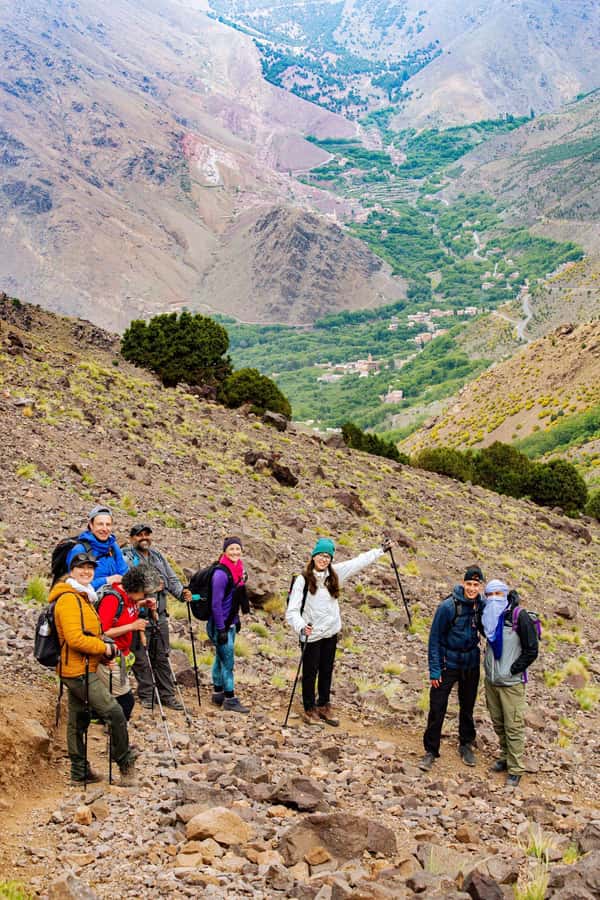
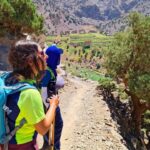
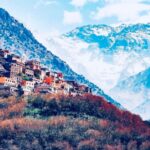
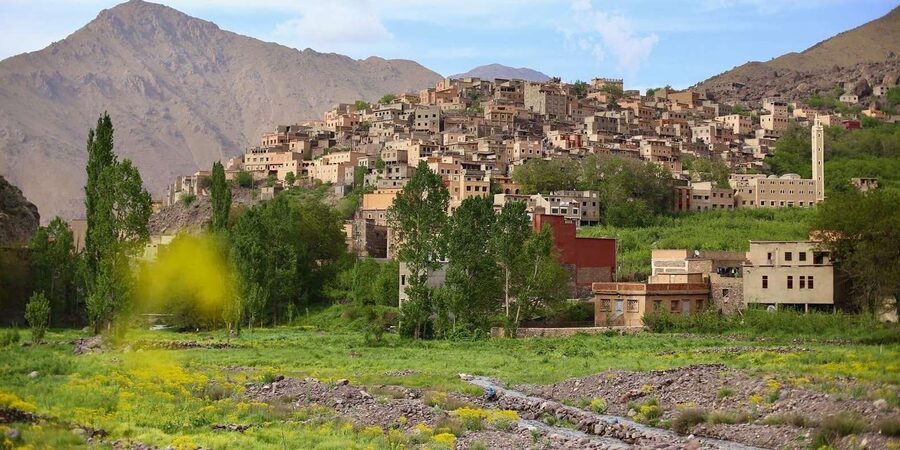
Day one is your real foundation. You’ll trek for about 5 to 6 hours, climbing from roughly 1,740 meters up toward Toubkal Refuge near 3,207 meters. The route isn’t one long grind either. It includes time moving through the valley, passing through Aremd, and continuing via the Sidi Chamarouch area with a nearby waterfall.
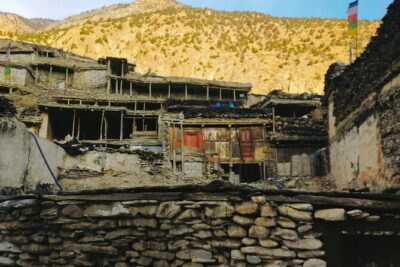
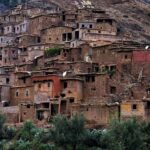
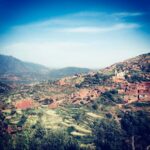
Here’s why that matters: those village-and-sanctuary segments make the climb feel human-sized. Instead of only thinking about distance and altitude, you’re also moving through Moroccan mountain life and terrain that changes as the path rises. You get the sense that you’re walking inside the High Atlas, not just above it.
Along the way, expect breaks built into the day, plus chances to sip tea and refresh. Many groups talk about peppermint tea and warm meals waiting later. Some also mention stopping for fresh juice along the trail. That’s not fluff. On a long day, small warmth and hydration rhythm helps you avoid the “bonk” that can steal energy later.
Practical consideration: day one is challenging but it’s not the peak test. That means your day-one job is smart pacing. Don’t try to prove fitness on the first slopes. Save your legs for the refuge-to-summit grind.
Refuge night at 3,200 meters: food is the comfort, sleep is the trade-off
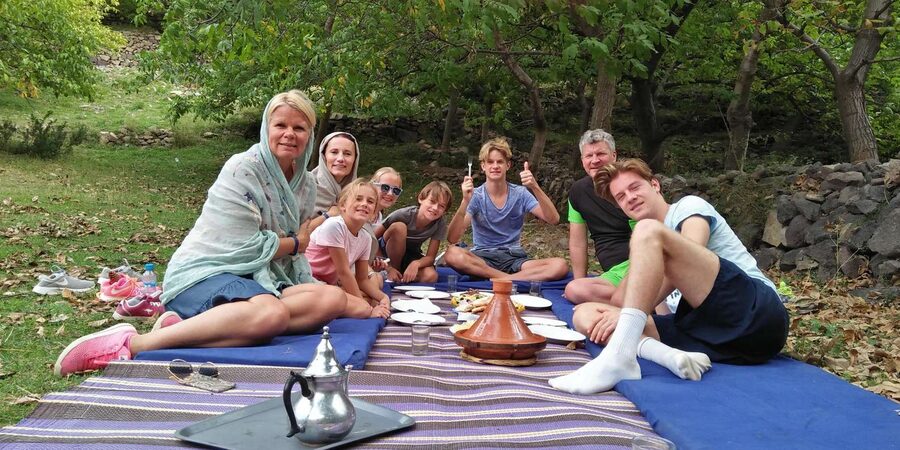
Reaching Toubkal Refuge is a payoff moment. You finish the climb to about 3,207 meters, then dinner comes, and you settle in for the night. This is where the trek becomes more than exercise.
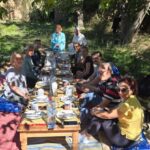
Most people love the refuge food setup: warm Moroccan meals, plus the comfort of being fed on schedule after a long day outside. Guides and cooks are repeatedly praised for keeping things organized and the meals consistently warm. There’s also often a cozy vibe around the living space, with groups ending up in the same mood: tired, chatty, and ready to try to sleep.
Sleep, though, is the part you should plan for realistically. You’re in a dorm-style refuge setup with many people in bunk beds. One review noted sleeping shoulder-to-shoulder, and another mentioned earplugs because one snorer can wreck the whole bunk experience. If you’re sensitive to noise, pack earplugs and expect a “rough but good enough” sleep.
Weather can also change the night experience. Cold conditions at altitude are common, and some groups have reported wind and snow that made the summit conditions dangerous. Even if your summit attempt stays on track, that cold is part of the refuge reality.
What to bring for night comfort:
- a warm jacket and gloves (high altitude gets serious)
- a change of clothes
- and earplugs if you know you’ll be bothered by dorm noise
Summit morning: why you wake up before sunrise
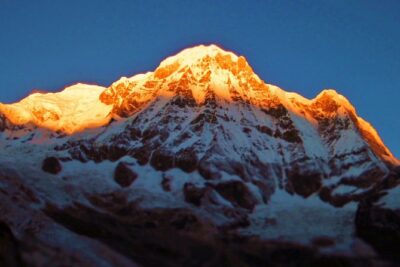
Summit day is the reason people book this trek. You start very early, often around 2:30–3:40 a.m., aiming for sunrise at the top. Different groups have reported different summit times (for example, arriving around 7:15 or later in the morning depending on conditions and pacing). The common thread is the early start and the chase for first light.
The ascent itself includes steep, rocky stretches and occasional stream crossings. You’ll move through rocks, make your way over rough ground, and push upward through altitude that can feel sudden if you’re not used to elevation.
This is where good guiding shows up. Many hikers highlight that guides pace the group, keep everyone together, and adjust support when someone struggles. Names that come up often include Ayoub, Mustafa (and Mostafa), and other lead guides who manage group flow and safety. One group specifically called out how a guide recognized limits and didn’t push someone beyond what was safe, which is exactly the mindset you want on a summit day.
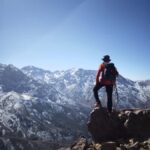
Once you hit the plateau and summit area, you get the views in a big panoramic way. From up there, you can see toward the Marrakesh plain and the High Atlas to the north. Looking south, the view opens toward the Anti-Atlas and even toward the Sahara direction. Even if you don’t memorize the map, you’ll feel how wide the Atlas region is once you’re on top.
Safety note you should take seriously: summit attempts can change with conditions. One group described extreme temps and snowstorm conditions, with authorities deciding hour by hour what was safe. That’s not a failure. It’s mountain reality.
Descent to Imlil and the return to Marrakech: your knees will file a complaint
After the summit (or after the turnaround if summit conditions aren’t safe), you start descending. For many people, the descent is harder than the climb. Your legs work differently, and the steep rocky trail can punish knees, especially after long time on day one.
The plan is to gradually make your way back down to Imlil at about 1,740 meters. Then you meet the transfer for the drive back to Marrakech. Expect the day to still be long. Reviews often describe total walking distances around the high 20s of kilometers across day two and back, depending on the pace and stops.
For your best experience on the way down:
- use your energy efficiently and don’t rush the steep sections
- bring trekking poles if you can rent or pack them
- pace your breathing on the downhill, not just your legs
- keep moving steady until you’re back at the meeting point
When you return to Marrakech, you’ll likely feel a mix: proud, wiped out, and weirdly happy about the soreness. That’s normal.
Price and value: why $122 can be fair when it includes logistics
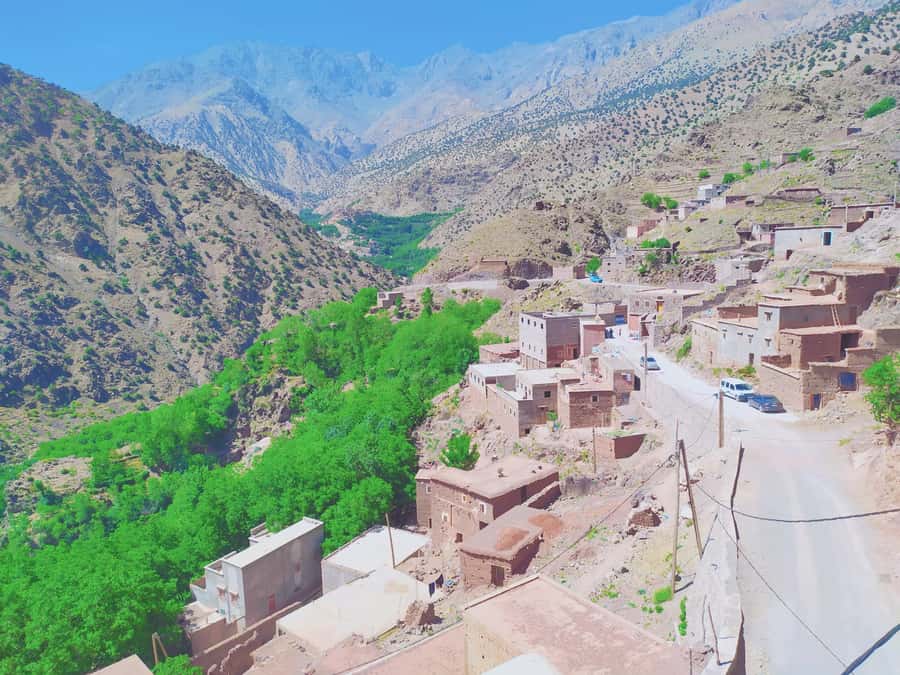
At $122 per person, the value is less about the raw “price” and more about what’s bundled. This trek includes:
- hotel pickup and drop-off in Marrakech
- transportation to and from the trek start
- a local guide
- one night accommodation at the refuge
- 1 breakfast, 2 lunches, and 1 dinner
- and mule support for carrying luggage from April to November
That bundle matters because it removes the big headache pieces: transport, guiding, sleeping arrangements at altitude, and food. If you tried to assemble those pieces yourself, you’d usually spend more time and likely money, and you’d still have the altitude logistics problem.
What’s not included is also clear:
- trekking gear
- a sleeping bag (available to rent)
- drinks
So your real decision point is whether you’re willing to handle the gear part (or rent) and bring enough cold-weather items. If you’re short on equipment, you’re not stuck. Multiple hikers mention renting essentials like gloves, lamps/head torches, sleeping bags, and walking poles at the start of the trek.
Gear you actually need: pack for cold, not comfort
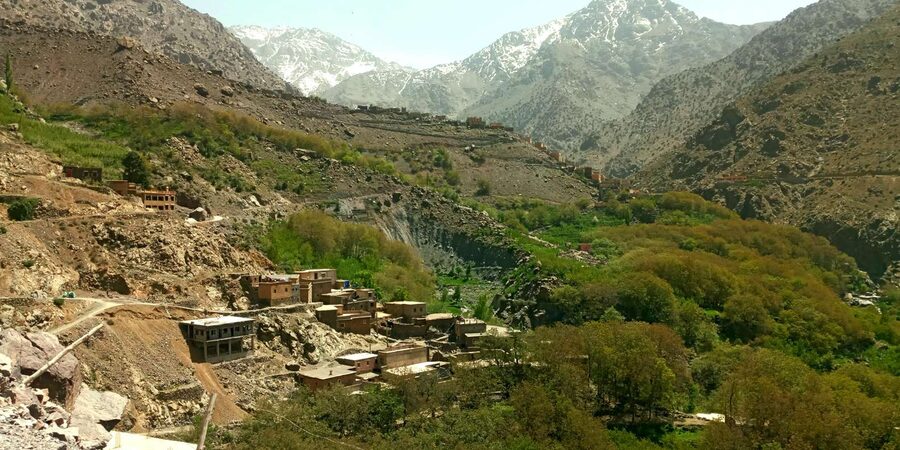
You don’t need to pack like you’re climbing Everest, but you do need to pack like you’ll be cold at altitude. The trekking plan lists the essentials, and the summit conditions reinforce it: jacket, gloves, hat or head covering, and sturdy hiking shoes.
What I’d treat as must-haves from the provided list and the cold-weather reality:
- comfortable hiking shoes (and traction matters on rocky ground)
- a warm jacket plus gloves for the summit morning cold
- a hat and head covering
- daypack for water and layers
- phone charged for the day (for photos and navigation backup)
- travel insurance
- cash for snacks/drinks on the trail if you want them
- passport (required by the info list)
Sleeping bag note: sleeping bags are available to rent, which is helpful if you’re traveling light.
One more thing: a first aid kit is listed. You might not use it, but it can help if blisters or minor issues pop up after hours of hiking.
Who should book this trek, and who should sit it out
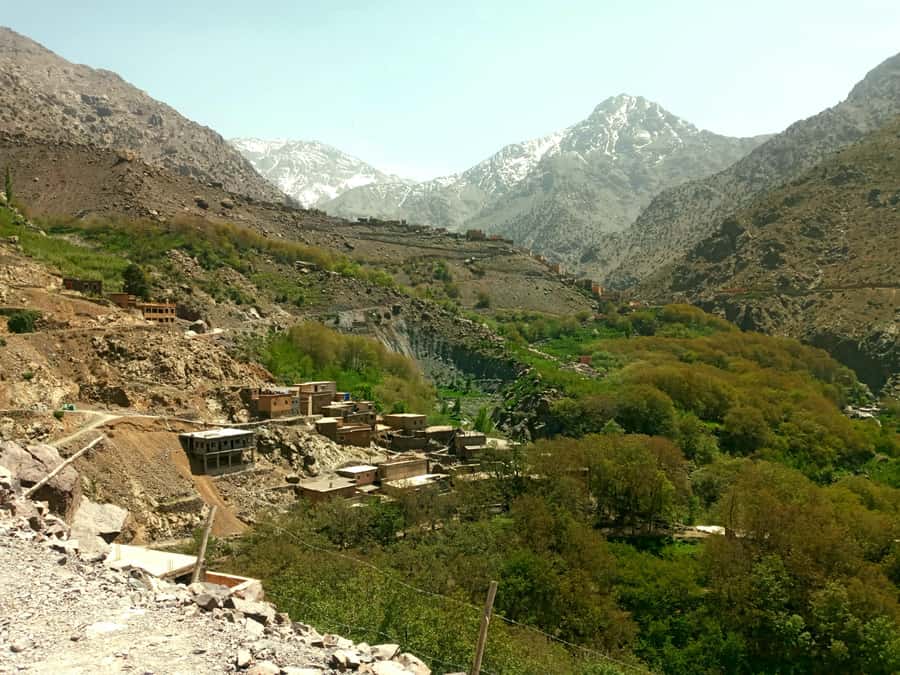
This trek is not for everyone. The activity info says it’s not suitable for children under 12 and people over 70. That makes sense for a two-day ascent with a summit push and long trekking hours.
I’d also recommend it based on your hiking style and comfort with endurance:
- If you’re reasonably fit and used to steep hiking, you’ll likely handle it better.
- If you’re new to long climbs, you should be cautious. Several reviews call the hike tough, with altitude change happening quickly.
- If cold affects you strongly (Raynaud’s, poor circulation, or you just run cold), plan carefully. Reviews include cases where guides helped with “hot hands” or borrowed warmth, which is a good sign the guides can support, but you still want to bring proper layers.
If you want the mountain experience with planning handled, this is a strong choice. If you want something flat, short, or low-stress, pick a gentler trek instead.
Should you book this Mt. Toubkal trek?
Book it if you want a true High Atlas summit experience with the hard parts managed for you. The value is strong for what’s included: guiding, transport, refuge lodging, and full meals. And the best part is the structure. You get a day-one climb that sets you up for an early summit morning, then you return to Marrakech without logistics stress.
Don’t book it if you’re expecting a comfortable walk, guaranteed summit at all costs, or quiet hotel-bed sleep. Cold and dorm sleeping are real. Weather can also force a summit change for safety.
If you want the smartest bet before you commit, focus on three things:
- your ability to hike steep terrain for long hours
- your cold-weather packing (jacket, gloves, hat, warm layers)
- your mindset for a possible summit turnaround if conditions are unsafe
FAQ
How long is this Mt. Toubkal trek?
It’s a 2-day experience.
Where do we start the trek?
You’ll be driven from Marrakech to Imlil Valley, which is where the hiking begins.
What meals are included?
The package includes 1 breakfast, 2 lunches, and 1 dinner.
Do I need my own trekking gear?
Trekking gear isn’t included. A sleeping bag is available to rent, and you can also rent essentials like items such as gloves, head torches, and walking poles if you need them.
Is a summit guaranteed?
Not necessarily. The trek may be adjusted for safety due to conditions like extreme cold, wind, or snow.
Is this trek suitable for kids or older adults?
It’s not suitable for children under 12 or people over 70.
What’s the cancellation policy and can I pay later?
You can cancel up to 24 hours in advance for a full refund, and the booking option includes reserve now & pay later (you pay nothing today).