REVIEW · MARRAKESH
From Marrakesh: 2-Day Mount Toubkal Trek
Book on GetYourGuide →Operated by Click Excursions · Bookable on GetYourGuide
Two days in Morocco’s High Atlas feels fast. This Mount Toubkal trek lines up Imlil village life, the Sidi Chamarouch shrine, and a summit hike to 4,167 meters with big open-sky rewards.
Two things I really like: the trek plan is paced for steady progress (not just a grind), and the small-group format makes it easier for your guide to watch footing and breathing when altitude and rocky ground get tricky. A drawback to plan for: the summit isn’t always guaranteed, since winter snow, weather, or even access rules can mean a change of plan back to Imlil.
In This Review
- Quick hits you’ll feel on this Toubkal trek
- From Marrakesh to Imlil: the easiest on-ramp to the High Atlas
- Why this start is worth paying for
- Ait Mizane Valley, Aremd, and Sidi Chamarouch: the trek gets its soul
- The mule-track climb above the snow line
- Toubkal Refuge night: practical comfort, not luxury
- Why the refuge matters for value
- Summit day via the southern circle: where altitude and scree test your patience
- Early start helps you reach sunrise-ready timing
- When the summit is limited: Imlil becomes Plan B
- The 4,167 m 360° view: how to read what you’re seeing
- Downhill is still work
- Guides and group size up to 10: the real difference-maker
- What to pack (and what to rent) for Toubkal
- Snacks are your safety net
- Price and value: is $125 a fair deal for a Toubkal climb?
- Who gets the best deal from this trek
- Should you book this Mount Toubkal trek?
- FAQ
- FAQ
- How long is the Mount Toubkal trek from Marrakesh?
- What altitude do you reach on this trek?
- Is reaching the summit guaranteed?
- What’s included in the $125 price?
- What’s not included?
- Do I need my own trekking gear?
- Will I need crampons or an ice pick?
- Where do you pick me up in Marrakesh?
- What languages are available for the guide?
- Is wifi included during the trek?
Quick hits you’ll feel on this Toubkal trek
- Small group size (up to 10) so the guide can manage pace, breaks, and safety without herding people.
- Day 1 route through Ait Mizane Valley with stops that give the climb meaning: Aremd village and Sidi Chamarouch.
- Overnight at Toubkal Refuge so summit day starts properly early, not at “we’ll see when we wake up.”
- Summit day includes scree + altitude swings, which can feel harder than the walking grade suggests.
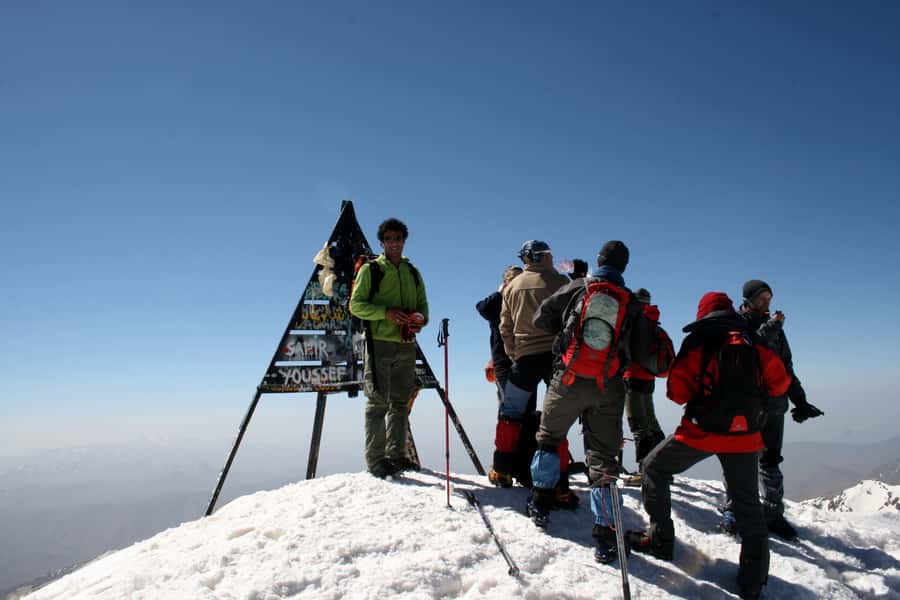
- 360° views from 4,167 m you can read like a map: High Atlas north, Anti-Atlas and toward the Sahara south.
- Guide support is a big part of the score, with many guides praised for caring, professionalism, and keeping you steady.
From Marrakesh to Imlil: the easiest on-ramp to the High Atlas
Most people start this trek in Marrakesh, then head out to the mountain foothills without you having to figure out roads, timing, or logistics. The ride to Imlil is part of the value: you get that slow shift from city noise into mule-track country, with the mountain getting bigger in the background as the day goes on.
Pickup is built in: you’ll be collected from your hotel or riad in Marrakesh. If the road is too tight for a car, you’ll meet at a nearby spot just a short walk away. Either way, it’s smart to be ready 5–10 minutes early. That small habit matters in the Atlas, where weather and daylight are everything.
Once you’re in Imlil, the day stops being theoretical. You’re at the village gateway where the trek begins to feel local and lived-in, not like a theme park. And that matters because Toubkal is not only about the summit. It’s about learning how to walk in this terrain—step after step.
You can also read our reviews of more tours and experiences in Marrakesh.
Why this start is worth paying for
If you try to DIY this route, you’ll spend extra time on: getting the right guide, sorting the refuge night, and making sure you’ve got the gear for mountain conditions. Here, those parts are handled, and you’re left to focus on the climb.
Ait Mizane Valley, Aremd, and Sidi Chamarouch: the trek gets its soul
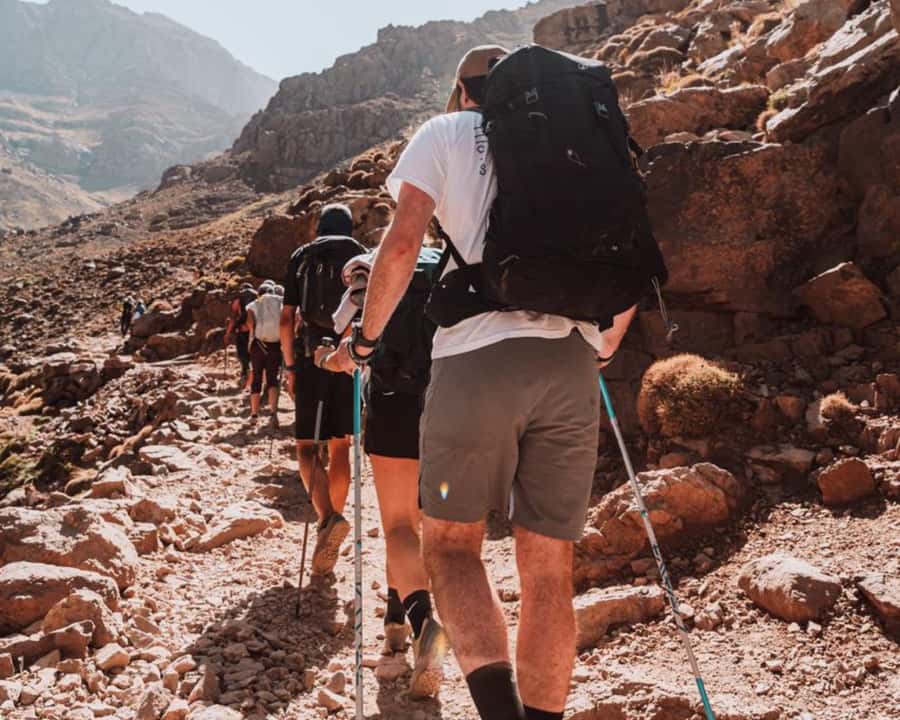
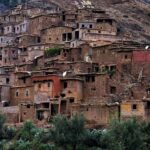
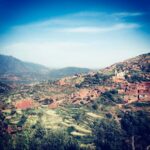
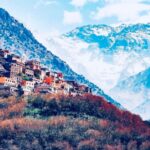
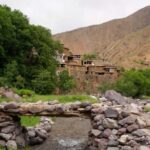
Day one is where you set the tone. You head along the Ait Mizane Valley and pass through Aremd, a small stop that helps break up the climb into something human-scale. It’s a reminder that this region isn’t just “scenery,” it’s a lived landscape of villages and trails.
Then there’s the shrine of Sidi Chamarouch. This is one of those stops that can feel like a pause button. You’re climbing, but you’re also seeing how faith and mountain routes intersect here. Your guide will shape what you notice—often with context and practical observations about the trail ahead.
What I like about this first-day structure is that you’re not thrown straight into summit-mode. You’re gradually taken upward along paths that local people already use. That approach helps you settle into the rhythm that Toubkal demands: steady effort, short breaks, and watching your footing.
The mule-track climb above the snow line
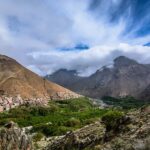
After these village-and-shrine moments, the route transitions into the higher, rockier terrain. You follow mule tracks into areas of rocky cliffs, climbing steadily until you reach Toubkal Refuge. This is where the air and the ground change. Even if the walking feels manageable, your body is doing extra work because you’re higher, and your steps have to be smaller and more careful.
Toubkal Refuge night: practical comfort, not luxury
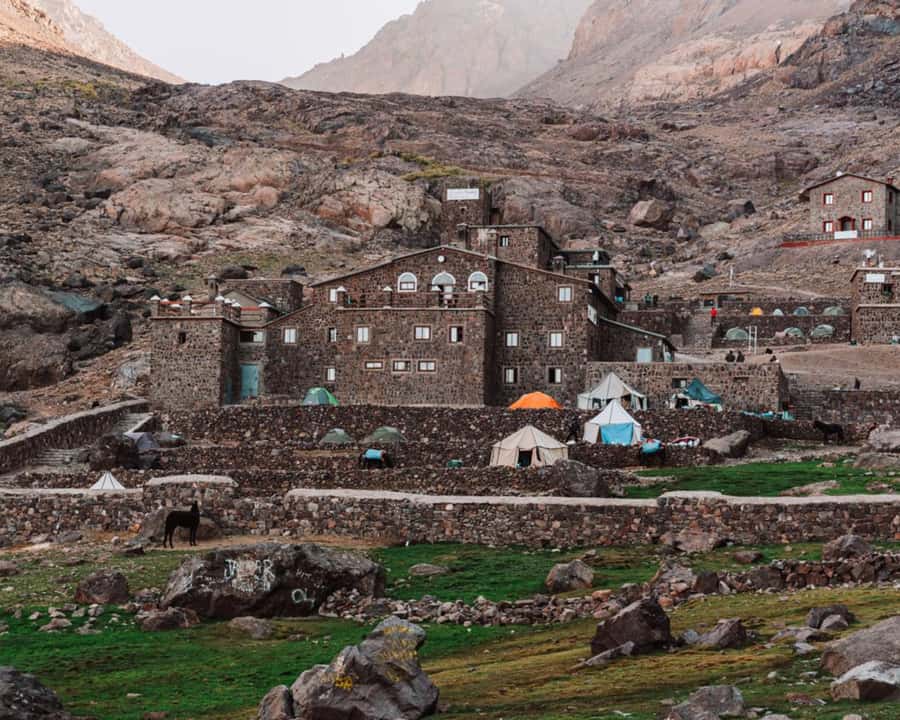
Your first night is at Toubkal Refuge, included with the tour, along with all meals. The refuge is there to solve the main problem of summit day: getting you close enough that you’re not starting the hardest part too late.
What you should realistically expect:
- You’re sleeping in a mountain setting, not a hotel.
- Comfort can be limited, and sound can travel.
- You may benefit from bringing earplugs if you’re a light sleeper (some hikers specifically recommend them).
The meals are a standout on this trek. People repeatedly praise the food as plentiful and tasty, including dinners and lunches, not just basic fuel. Still, I’d keep your own backup strategy too: pack a few snacks you like, because you’ll be burning energy.
Also, note that the tour includes wifi, which is a welcome bonus in a place where connectivity is usually an afterthought. It’s not your reason to come, but it can help you stay oriented or share your day with friends back home.
Why the refuge matters for value
The refuge night is expensive to arrange on your own once you factor in guide coordination and meal planning. Here it’s bundled, so your $125 price is doing real work: guide, transport, and a prepared summit setup.
Summit day via the southern circle: where altitude and scree test your patience
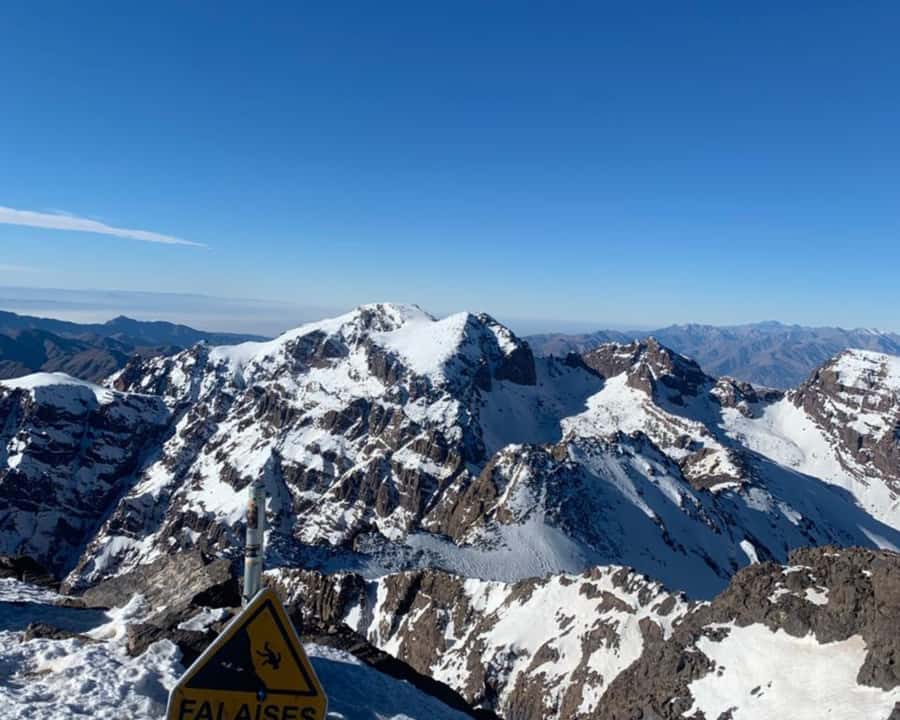
The second day follows the southern circle route. The good news first: the climb isn’t described as highly strenuous in terms of steepness. The tricky part is what comes with being high and walking over broken rock—scree and altitude changes.
This is the day that can feel mentally longer than it looks on a map. Scree forces you to slow down. Altitude changes can make your breathing feel out of sync. That’s why I love that the tour includes a local mountain guide: you don’t need motivational speeches as much as you need smart pacing and safe foot placement.
Many guides are praised for staying close, adjusting pace, and keeping people calm when the going gets hard. Names you’ll hear associated with this trek include Mustafa / Moustfa, Rashid, Hassan, Ahmed, Kamal, Mohamed, Jamal, and Kamal and Mohamed in different groups. The pattern is consistent: professional, caring guidance that helps you keep moving even when you’re tired.
Early start helps you reach sunrise-ready timing
On summit day, plan for a very early wake-up. Some accounts describe starting around 4 a.m. in the dark. That early push is a big reason people talk about sunrise timing from the summit—conditions permitting.
When the summit is limited: Imlil becomes Plan B
Be ready for weather or access constraints. The tour notes that if conditions aren’t good enough to hike Toubkal, you can only visit Imlil. And in at least some cases, rules from patrols have stopped people from reaching the top, leading guides to pivot the hike.
Translation for you: you should book with excitement for the summit, but also with the mindset that a strong day in Imlil-area hiking can still happen. This isn’t a “you will always reach the top” product. It’s a mountain experience that works with reality.
The 4,167 m 360° view: how to read what you’re seeing
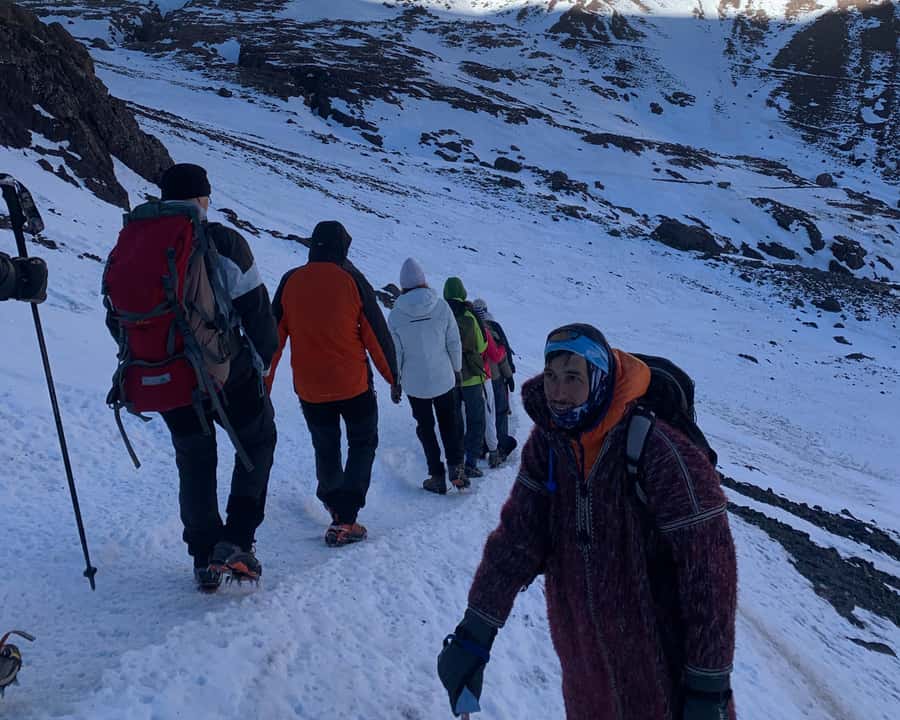
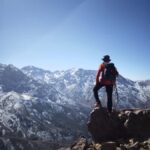
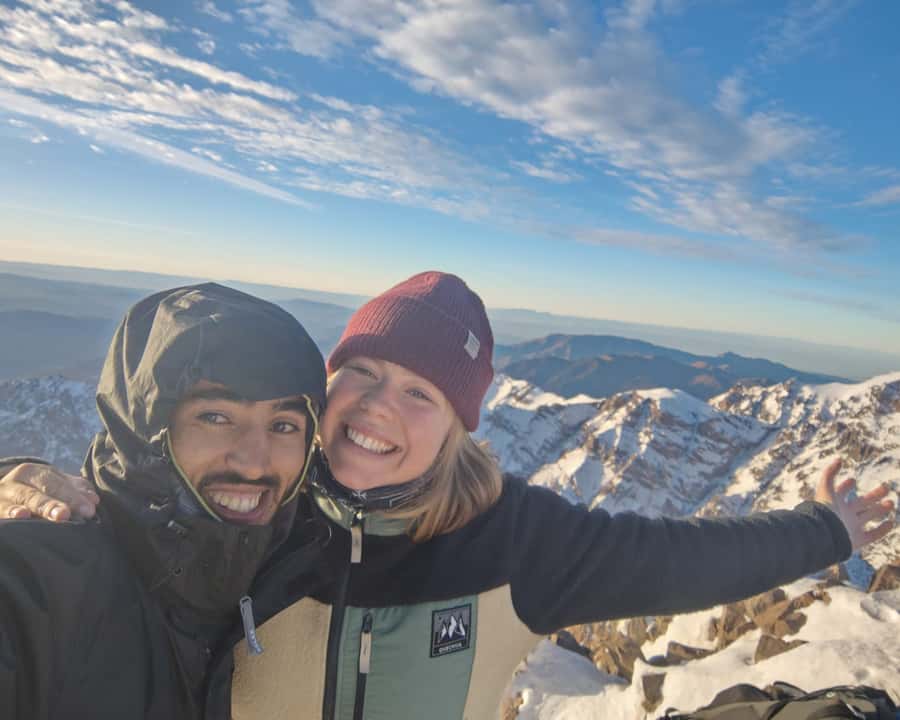
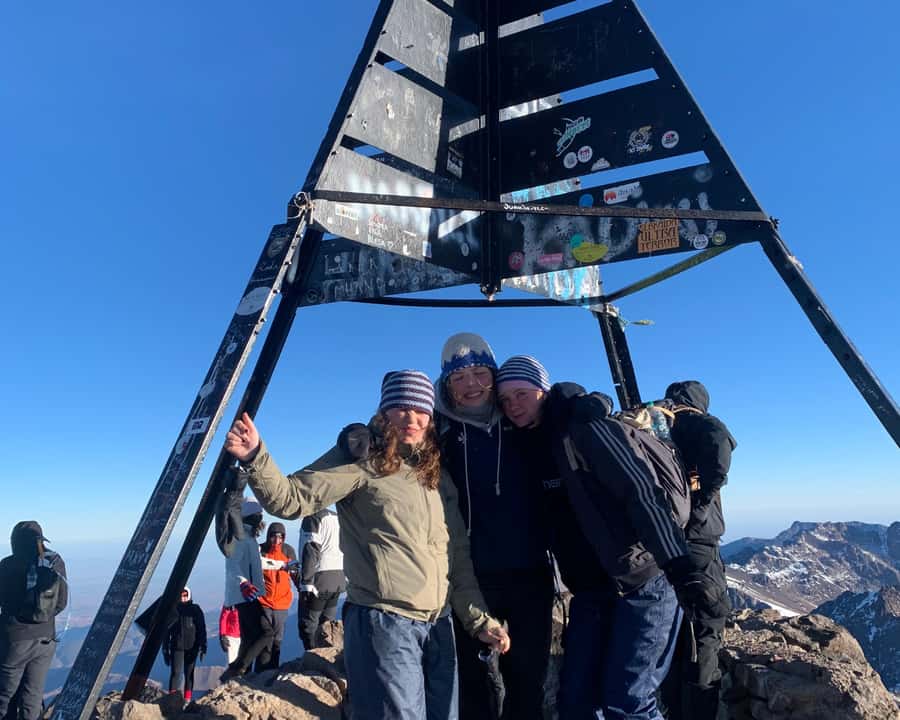
Reaching the summit is the moment everything clicks. From 4,167 meters, you get 360-degree panoramic views—and your guide’s job is to help you interpret them so they feel less like vague scenery and more like a real atlas of Morocco.
Here’s how the view is described:
- You can see the Marrakech Plain and the High Atlas Mountains to the north.
- To the south, you can look toward the Anti-Atlas Mountains and even toward the Sahara Desert.
That “north vs. south” range is what makes Toubkal special. You’re high enough to connect regions that normally feel far apart. It’s not just a pretty top. It’s a mountain perspective that helps you understand where you are in Morocco.
Then it’s down. You’ll return toward Imlil, and transport takes you back to Marrakesh via Imlil.
Downhill is still work
Even when the summit is done, don’t treat the descent like a victory lap. Rocky sections and scree can beat up your legs quickly. Good guides keep an eye on group pace and footing, and you’ll feel it when the going gets more technical.
Guides and group size up to 10: the real difference-maker
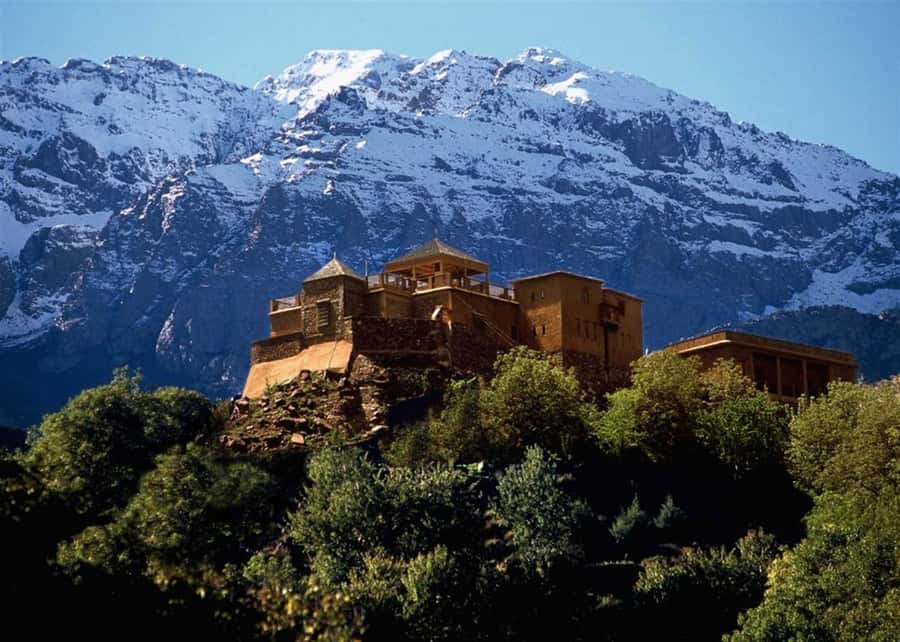
This is a small group trek limited to 10 participants, with an even smaller feel in some departures. For me, that’s not a luxury detail. It changes how safe and comfortable the trek feels.
With fewer people:
- breaks can be smarter and less crowded,
- your guide can spot trouble faster,
- it’s easier to move in a steady rhythm.
And the human part matters. Across many successful hikes, guides are praised for being patient and encouraging—sometimes to the point of practical help like staying close to struggling hikers or carrying a bag for someone who needs relief. That kind of support is what turns a hard day into a manageable day.
There’s also a language bonus: guides can operate in English, French, Spanish, and Arabic. A quick reality check: not every guide may speak every language at the highest level, so if you want clear English guidance, communicate what you need ahead of time when possible.
What to pack (and what to rent) for Toubkal
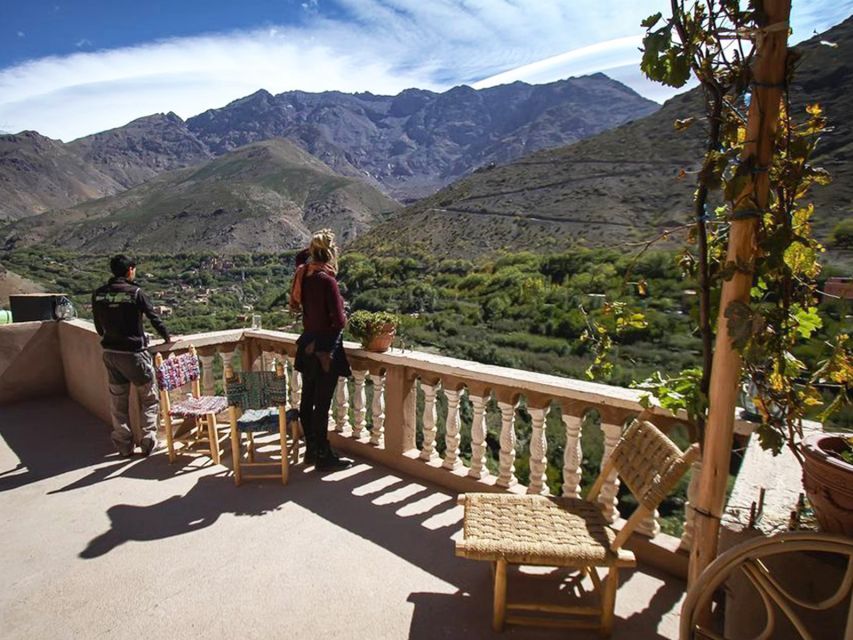
The tour expects you to bring trekking gear and hiking shoes. You should also bring your passport with you. Gear is part of safety here, and it’s not the spot to show up underprepared.
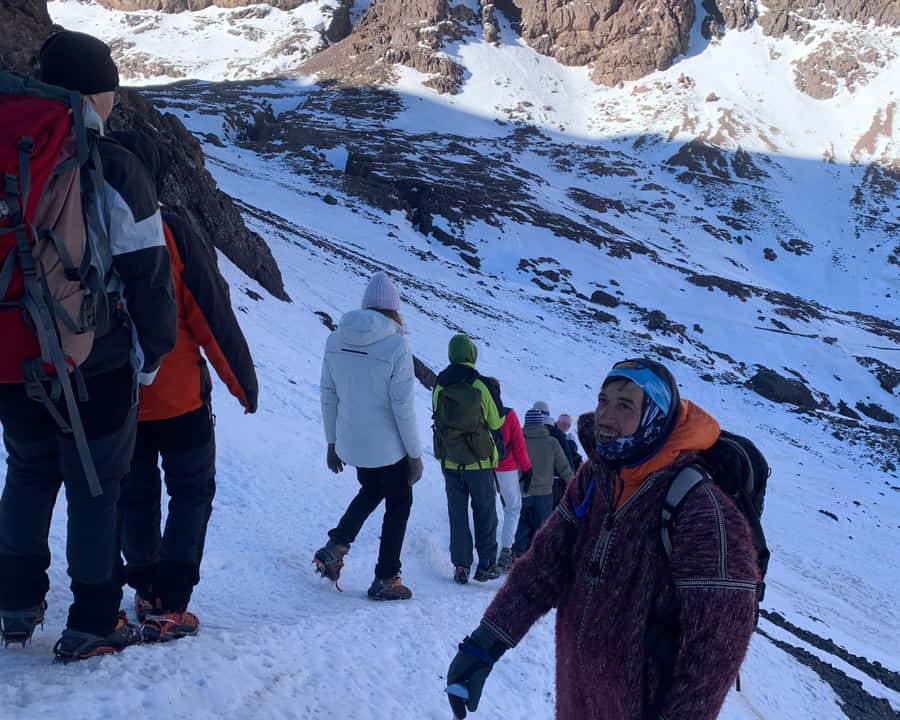
If you don’t have equipment, the tour notes you can rent it there. In winter—when snow is present—crampons and ice picks may be required, and those can also be rented with guide help if needed.
A smart add-on: consider altitude medication. One commonly shared tip is that you can get altitude meds from pharmacies in Marrakesh before the trek. I’d treat this as personal health advice, not a guarantee, but it’s worth discussing with a doctor if you’re concerned.
Snacks are your safety net
Even though all meals are included, you’ll likely want extra snacks. Many hikers note plenty of tea and opportunities to buy water and food during breaks. Still, having your own go-to snacks keeps you steady when hunger hits at the wrong moment.
Also remember: soft drinks are not included. If you like something specific, grab it before you start walking.
Price and value: is $125 a fair deal for a Toubkal climb?
At $125 per person for two days, this trek can feel like strong value, mainly because it bundles the stuff that usually costs time and money when DIY’ing:
- local mountain guide support,
- transport to and from Imlil,
- 1 night at Toubkal Refuge,
- and all meals.
That’s not just convenience. It’s how you reduce risk. A good guide also improves decision-making if conditions change. Some groups don’t reach the summit due to weather, but the day isn’t a total loss because the trek still runs with a mountain plan.
Where you might spend extra:
- gear rentals if you don’t have the right shoes or winter traction,
- tips (not required by the tour text, but guides are clearly doing real work in remote conditions),
- and soft drinks or extra snacks.
Who gets the best deal from this trek
You’ll get the best value if you:
- want a guided, small-group approach,
- don’t want to manage refuge logistics,
- and care more about doing the trek well than about chasing summit photos at any cost.
Should you book this Mount Toubkal trek?
I’d book it if you want a classic Atlas climb with real local guidance, a structured pace, and built-in mountain basics like the refuge night and meals. This is also a good fit if you’re comfortable with early starts and accept that weather can change the summit plan.
I wouldn’t book it if you:
- need a guaranteed summit under all conditions,
- hate rocky scree days or altitude effects,
- or you’re not prepared to bring proper footwear and any winter traction gear if snow hits.
If you’re excited by the idea of Imlil, Aremd, Sidi Chamarouch, and a real shot at a 360° summit view, this trek is a solid, practical choice.
FAQ
FAQ
How long is the Mount Toubkal trek from Marrakesh?
The trek runs for 2 days.
What altitude do you reach on this trek?
The summit of Mount Toubkal is 4,167 meters.
Is reaching the summit guaranteed?
No. If weather is not good enough to hike Toubkal, you may only be able to visit Imlil.
What’s included in the $125 price?
It includes a local mountain guide, 1 night at Toubkal Refuge, all meals, transport to/from Imlil Village, and wifi.
What’s not included?
Soft drinks are not included.
Do I need my own trekking gear?
You should bring trekking gear and hiking shoes. If you don’t have equipment, you can rent it there.
Will I need crampons or an ice pick?
In winter, crampons and ice picks may be required if there is snow. You can rent them there and your guide can help if needed.
Where do you pick me up in Marrakesh?
Pickup is from your hotel or riad. If your location can’t be accessed by car, you’ll be given a nearby meeting point.
What languages are available for the guide?
The tour guide is available in English, French, Spanish, and Arabic.
Is wifi included during the trek?
Yes, wifi is included.