REVIEW · MARRAKESH
Mount Toubkal Trek 2 Days & 1 Night
Book on GetYourGuide →Operated by ATLAS VERTICAL TRAVEL · Bookable on GetYourGuide
Toubkal is the kind of goal you remember. This 2-day trek from Marrakech takes you to North Africa’s highest peak with an expert guide, plus a night at the Toubkal Refuge (3200m) and real Berber cooking. I love that the trip is built around mountain time—slow, steady steps up, then an early push for the summit—and I love how seriously the guides take safety and comfort. One drawback to plan for: the climb and cold nights mean you’ll want the right gear and you should think carefully about altitude, since this trek isn’t for everyone.
You’ll spend Day 1 climbing from Marrakech toward the refuge, then Day 2 starting early to reach the top, followed by a long descent back to Imlil. Along the way you get big mountain views, but you also get the quieter payoff: feeling capable after two hard days in the High Atlas. If you’re the type who likes a challenge, clear guidance, and authentic mountain hospitality, this fits nicely.
In This Review
- Key takeaways
- Where the Trek Starts: Marrakech pickup and the drive into the Atlas
- Day 1 to Toubkal Refuge: a real climb, not just a warm-up
- Summit Morning: reaching Toubkal with a guide you can trust
- Imlil after the descent: a calm base for recovery
- Berber hospitality and meals: the part you’ll miss after the climb
- The guide experience: safety, pacing, and real support when things go sideways
- Price and value: what $151 includes, and what you may still pay
- Gear checklist that actually matters for Toubkal
- Who should book this (and who should skip it)
- Is this the right call for your Morocco trip?
- FAQ
- FAQ
- What is included in the Mount Toubkal 2 Days & 1 Night price?
- Where do I meet in Marrakech?
- What altitude do we reach on Day 1?
- Is summit day a full day of hiking?
- Where do we stay overnight?
- Do I need to bring hiking equipment and cold-weather gear?
- Can I extend my stay in Imlil?
Key takeaways
- Summit day starts early so you can reach the top and still get back to Imlil the same day
- Toubkal Refuge at 3200m gives you a real sense of altitude before summit morning
- Guides support more than the hike—including help when someone gets altitude sick
- Berber meals are part of the experience, not an afterthought
- Gear can add up, but you can rent in Imlil if you travel light
Where the Trek Starts: Marrakech pickup and the drive into the Atlas
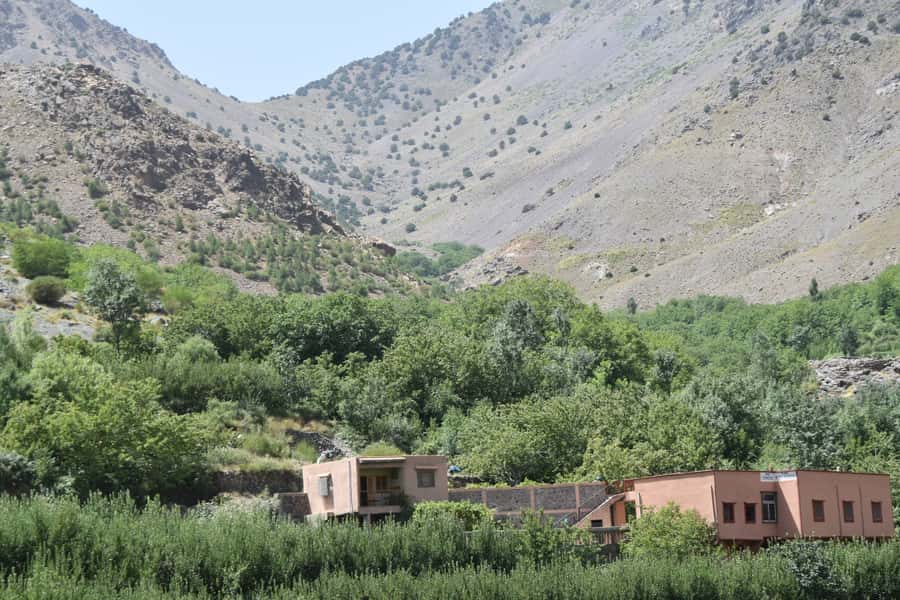
Your day begins in Marrakech. You’ll meet at Hotel Ali Cafe or get picked up from your accommodation, then transfer out toward the High Atlas. The tour includes transportation by air-conditioned minibus or taxi, which matters because you’ll want to arrive feeling fresh, not fried from a long road.
This part is also how the trip “clicks” into place. Once you’re away from city noise and toward mountain roads, you start understanding why people chase Toubkal in the first place: the scale grows fast. You’re not just hiking a trail—you’re shifting environments.
In the same theme of practical organization, multiple guides are mentioned with praise for on-time transfers and smooth handoffs. Hassan is one name that comes up, along with guides like Ahmed, Muhammad, and Abdu—each described as friendly, attentive, and good at keeping things calm.
You can also read our reviews of more tours and experiences in Marrakesh.
Day 1 to Toubkal Refuge: a real climb, not just a warm-up
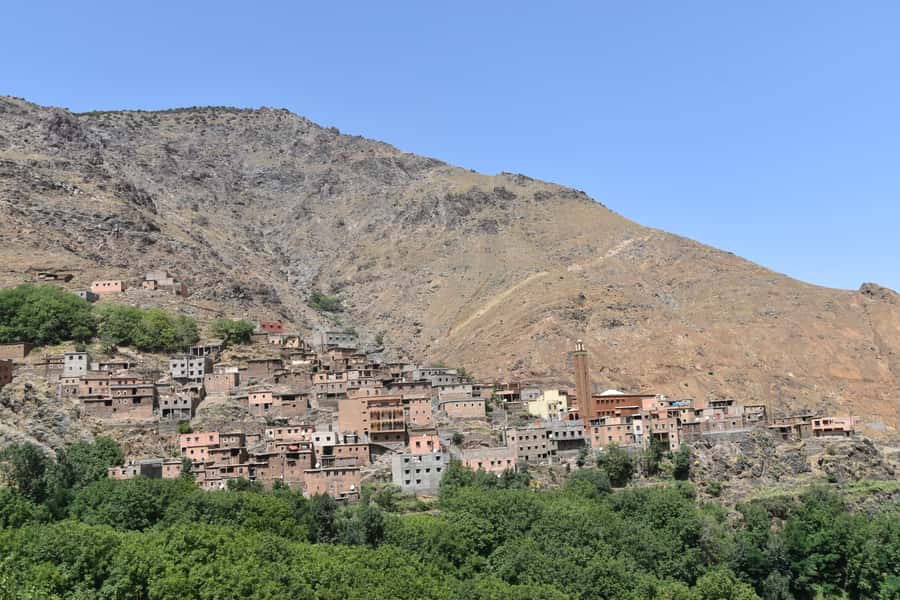
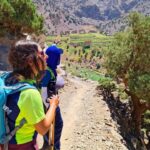
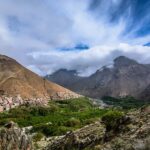
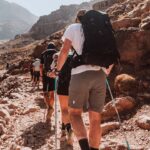
Day 1 is about getting you safely up to the refuge at 3200m. After pickup, you start walking through mountain scenery that gradually gets sharper and colder. There’s a lunch break during the hike, then you continue until you reach Toubkal Refuge.
A key detail: the refuge is your overnight stay, and it’s in shared dormitory-style accommodation. That’s totally normal for this kind of trek, but it’s good to know up front. You’ll sleep with other hikers, you’ll likely share space rather than have quiet luxury, and you’ll feel the altitude more at night.
Dinner is included, which is a big value point. After a day like this, you don’t want to be trying to negotiate food options in a remote area. You’ll get a hearty meal and the chance to rest so summit day doesn’t feel like a surprise.
What I like about Day 1: it’s structured enough to keep you moving steadily, but it doesn’t pretend the hike is easy. You earn the stop.
Possible consideration: shared dorms plus mountain cold can feel rough if you’re picky about sleep. Pack warm layers and plan on layering your way through the night.
Summit Morning: reaching Toubkal with a guide you can trust
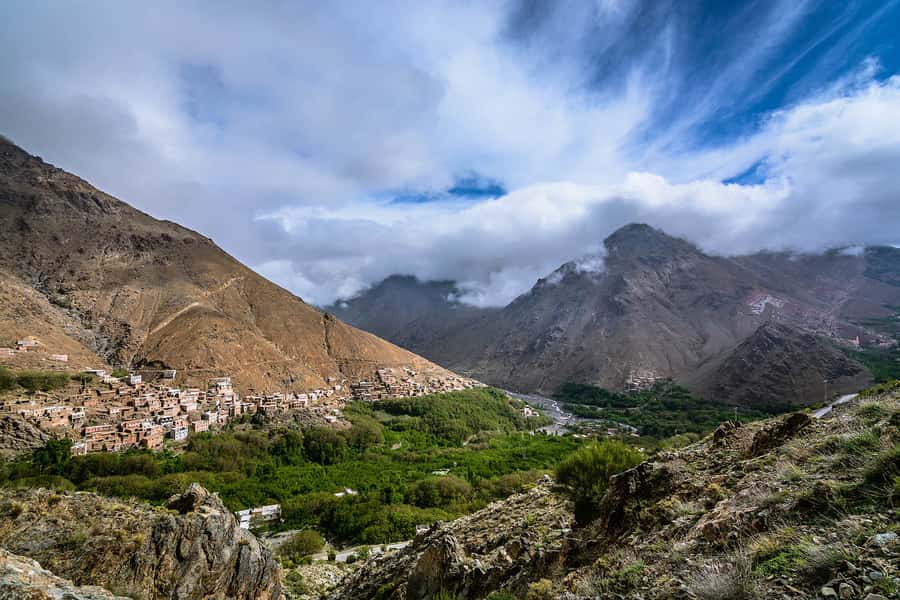
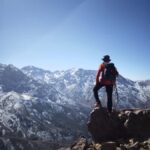
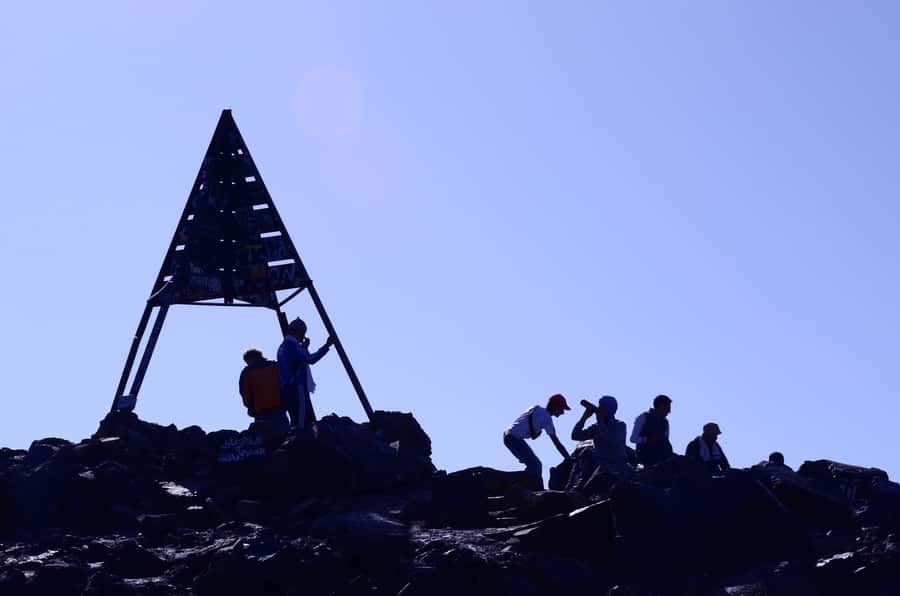
Day 2 begins early—because Toubkal doesn’t care about your bedtime. The goal is to reach the summit of Mount Toubkal (North Africa’s highest peak), with your mountain guide leading the way. The trek involves challenging terrain, and the guide matters here for pacing and safety.
Once you summit, you’ll get panoramic views and that immediate, honest feeling: you did it. Then you descend back to the refuge for lunch. After lunch, you continue down toward Imlil, where your transportation meets you.
That structure is smart. Instead of “summit and vanish,” you get a built-in recovery checkpoint at the refuge. It helps you keep your energy for the descent, which is often where people get tired fast.
One of the strongest themes from the guide stories is how they handle real-life problems, not just perfect weather. Muhammad, for example, is mentioned in connection with helping a partner when altitude sickness hit—making sure the return down was sorted and supporting the group through a stressful moment. That kind of care is exactly what you want when you’re far from medical help.
Imlil after the descent: a calm base for recovery
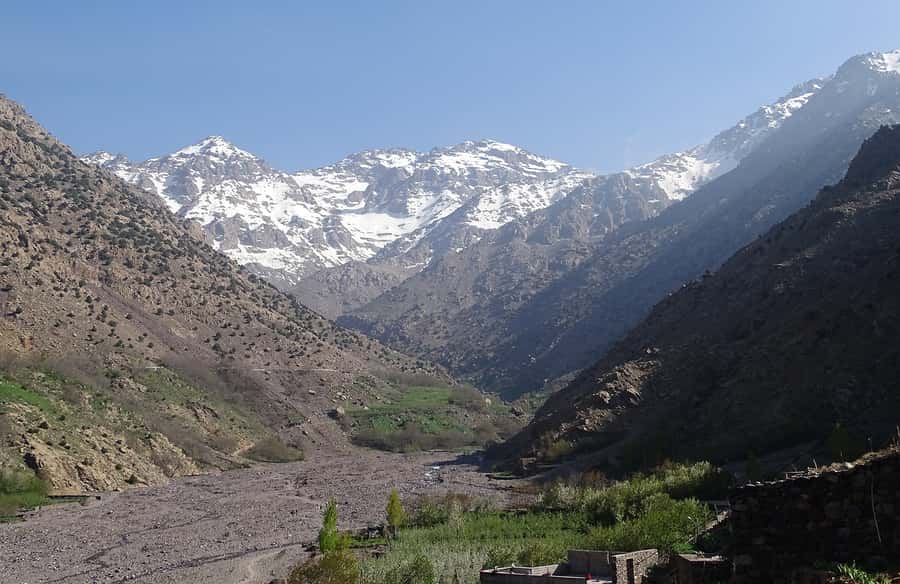
Imlil is where the trek “lands.” After hiking down from the summit area and returning for your transport, Imlil becomes your reset point. The tour also offers an optional extra night in Imlil if you’d like time to recover before heading back to Marrakech.
That option is worth considering if you don’t bounce back quickly. Even when the itinerary is well organized, your legs can feel it for days. One extra night can turn a tired travel day into a more comfortable one, especially if you’re also doing other Morocco plans right after.
You’ll also find the gear rental support mentioned for Imlil. The tour notes that you can hire equipment there if you didn’t bring everything. That’s important for practical travelers who pack smart but still want to avoid arriving unprepared.
Berber hospitality and meals: the part you’ll miss after the climb
The included food is simple but meaningful. You get 1 diner and 1 breakfast, plus 2 lunches across the two days. That coverage is a big value element because it reduces decision fatigue in the mountains.
What stands out is the human side: guides are described as taking care of the group with warmth and empathy. Ahmed is mentioned for organization and a family-like attitude toward guests, and Abdu is praised for bringing Moroccan culture into the experience alongside the hiking.
Even if you’re not chasing cultural lessons, the food and hospitality change the mood. A trek like this isn’t just physical. It’s also about sharing warmth, conversation, and a meal when you’re tired and cold.
The guide experience: safety, pacing, and real support when things go sideways
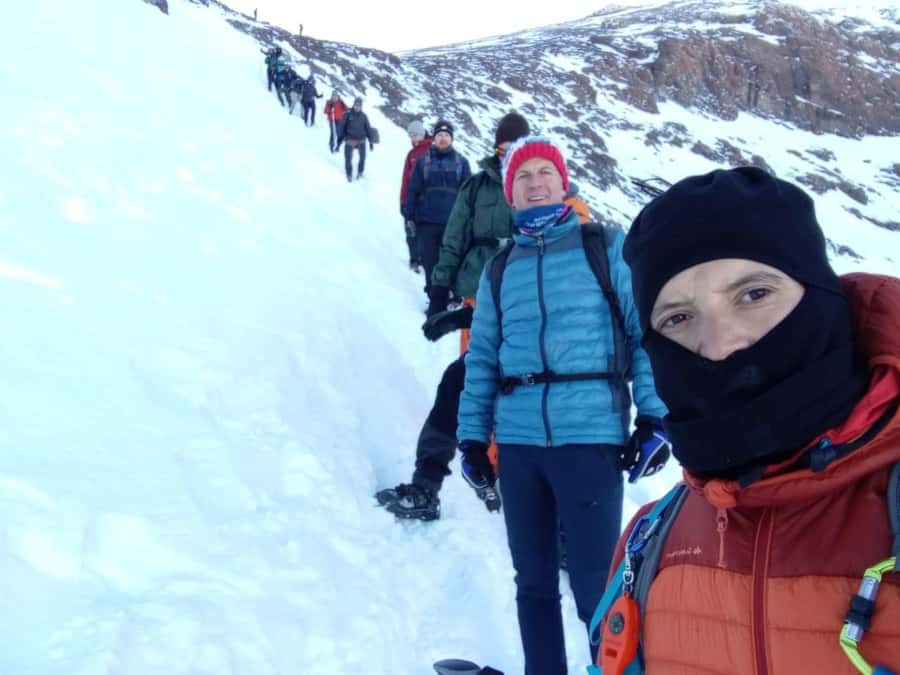
This trek is guided, and the guide role isn’t just “leading a line on a map.” You’ll have support during the climb, and you’ll also have someone watching your pace and helping you manage effort over two days.
The guide names you’ll see in feedback—Hassan, Ahmed, Muhammad, and Abdu—are repeatedly tied to friendliness and attentiveness. That matters because Toubkal isn’t a stroll. Even experienced hikers can misjudge pacing, and altitude can change how your body feels day-to-day.
A thoughtful note from one experience: when altitude sickness happens, good guides help people adapt quickly and safely. Muhammad is cited for sorting out a return when someone got sick, and Atlas Travel helped retrieve left-behind passports afterward. That’s not something you can plan for, but it shows you the trip has support systems.
Price and value: what $151 includes, and what you may still pay
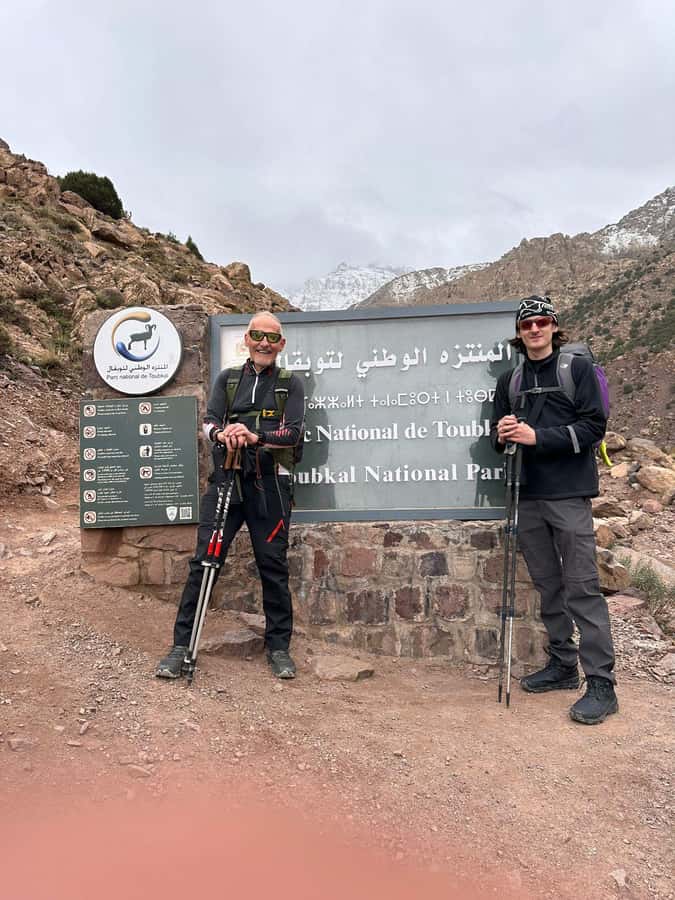
The listed price is $151 per person, and the key question is what you’re really getting for it. Here’s the practical picture:
Included:
- Transportation by air-conditioned minibus or taxi
- Mountain guide
- 2 lunches + 1 dinner + 1 breakfast
- Accommodation at the refuge
Not included:
- Soft drinks and mineral water
- Equipment rentals (with example costs like crampons at €6, ice axe at €4, rain jacket at €4, and more)
- A porter if needed (€20 per porter)
In plain terms: you’re paying for guided time, meals, and the refuge bed. Those are the expensive parts in the mountains. The smaller “add-ons” (water, drinks, gear rental) depend on what you bring and how cold you run.
If you already own your hiking footwear and winter layers, you may only spend on basics like water and any missing safety gear. If you’re starting from scratch, equipment rentals can climb—but the upside is you’re not stuck without options, since rental is available in Imlil.
Gear checklist that actually matters for Toubkal
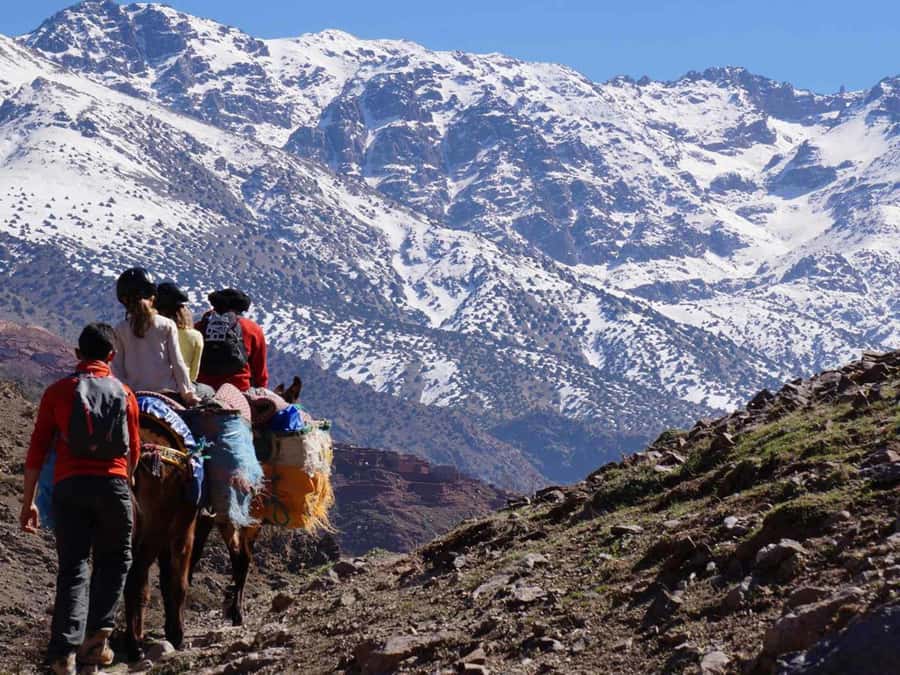
This trek is listed as requiring the right gear, and you should take that seriously. The guide team can’t change altitude, cold, and weather. You can, however, control comfort and safety with smart packing.
What to bring:
- Passport or ID card
- Warm clothing
- Sunglasses and sunscreen
- Sports shoes
- Camera
- Rain gear
- Gloves
- Climbing gear
The tour also gives equipment rental costs if needed in Imlil, including sleeping bag and rain jacket, plus items like crampons and ice axe. The exact weather needs can vary, so if you’re arriving without the tools, plan for rental.
A quick practical tip: even if the day hike feels manageable, the refuge night at 3200m can make your body feel colder than you expect. Layering beats one bulky jacket when you’re moving and cooling down.
Not allowed:
- Pets
- Smoking
Who should book this (and who should skip it)
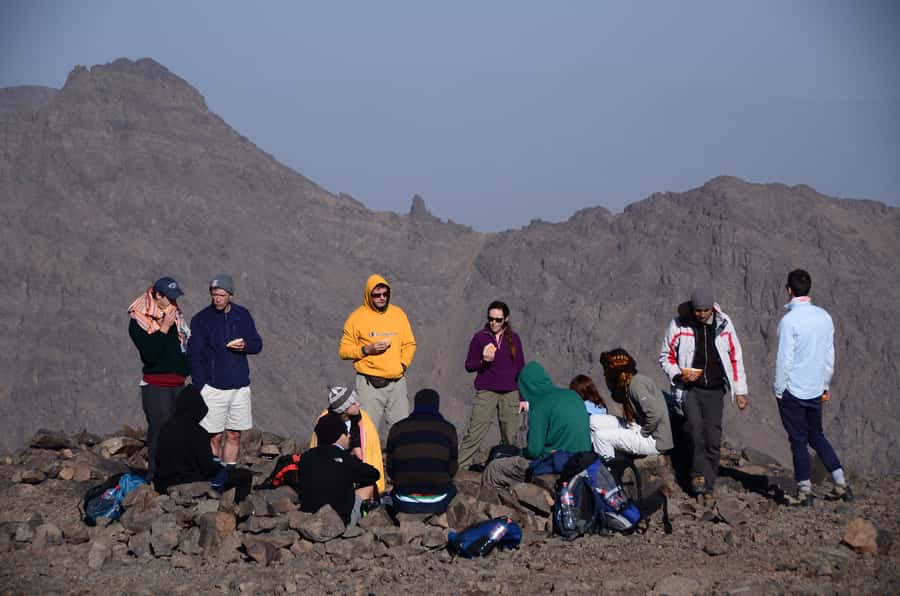
This trek is best for people who want a real challenge over two days and are okay with shared refuge accommodation. You’ll enjoy it most if you like:
- early starts
- guided support
- clear progression (refuge → summit → descent)
- mountain views that feel earned
It’s specifically noted as not suitable for pregnant women and not suitable for people with altitude sickness. If you’ve had altitude problems before, don’t guess—talk with a medical professional first and be honest about your limits.
If you prefer very easy hiking, minimal exertion, or guaranteed comfort at night, this likely won’t match your style.
Is this the right call for your Morocco trip?
I think you should book this if you want one of the most tangible, goal-based experiences in Morocco—something that feels like a personal achievement when you step onto the summit. The included guide, meals, and refuge stay make it easier to plan than a DIY climb, and the repeated guide praise for caring attention is a good sign that you’re not just buying a route.
Skip it if you know you won’t handle cold nights, shared dorm sleeping, or early mornings. And if altitude makes you nervous, take that seriously and don’t use bravery as a substitute for planning.
FAQ
FAQ
What is included in the Mount Toubkal 2 Days & 1 Night price?
The tour includes transportation by air-conditioned minibus or taxi, a mountain guide, 2 lunches, 1 dinner and 1 breakfast, and accommodation at the refuge.
Where do I meet in Marrakech?
You’ll meet at Hotel Ali Cafe in Marrakech or at your accommodation, then transfer to start the trek.
What altitude do we reach on Day 1?
Day 1 includes reaching the Toubkal Refuge at 3200m.
Is summit day a full day of hiking?
Day 2 includes an early start to reach the summit, then descent back to the refuge for lunch, and continued hiking down to Imlil.
Where do we stay overnight?
You overnight at Toubkal Refuge with shared dormitory accommodations.
Do I need to bring hiking equipment and cold-weather gear?
Yes. The tour advises you to make sure you have mountain equipment. If you don’t, you can hire equipment in Imlil.
Can I extend my stay in Imlil?
Yes, there’s an optional extra night in Imlil for recovery before returning to Marrakech.
Should I book? If you want a structured, guided path to North Africa’s highest peak—with meals, refuge lodging, and real mountain support—it’s a strong choice. Just pack for cold and take altitude seriously.