REVIEW · MARRAKESH
Marrakech: 3-Day Atlas Mountains Berber Villages Trek
Book on GetYourGuide →Operated by Marrakech Day Trips - Tours · Bookable on GetYourGuide
The Atlas Mountains can change your mood fast, even on a short trek. This 3-day Marrakech to Berber villages hike trades city noise for high-altitude passes, quiet valley walking, and real family stays in the High Atlas.
I really like how this route balances easy-to-follow hiking with big scenery—passes like Tizi n’ Tamaterte and Mzik Pass (2500m) keep you interested. I also love the way the trip feels rooted in daily Berber life, not just sightseeing, especially when guides like Mohamed or Abdul explain how village life has shifted over time.
One thing to factor in: the days are long (about 5–7 hours of walking), and the accommodation is basic. If you hate simple guesthouses or you need step-free access, this may not be for you.
In This Review
- Key things that make this Atlas village trek work
- Entering the High Atlas: why this trek beats a day trip
- Day 1 from Imlil to Tachdirt/Tinghourine: the first big pass day
- Day 2 from Tinghourine/Tachdirt via Oudit Pass to Ait Aissa
- Day 3 with waterfalls and Mzik Pass (2500m) down to Imlil
- Guides, mule logistics, and how you move with less stress
- Food and guesthouse life: what “basic” really means on this trek
- Price and value: is $159 a good deal for 3 days?
- Who this trek suits best (and who should skip it)
- Practical prep: what to bring and how to stay comfortable
- Should you book this Atlas Mountains Berber village trek?
- FAQ
- How long is the Marrakech: 3-Day Atlas Mountains Berber Villages Trek?
- Where does the trek start and end?
- What kind of difficulty is this trek?
- Are meals and lodging included?
- Is there mule support for luggage?
- What languages do the guides speak?
- What should I bring for the trek?
Key things that make this Atlas village trek work
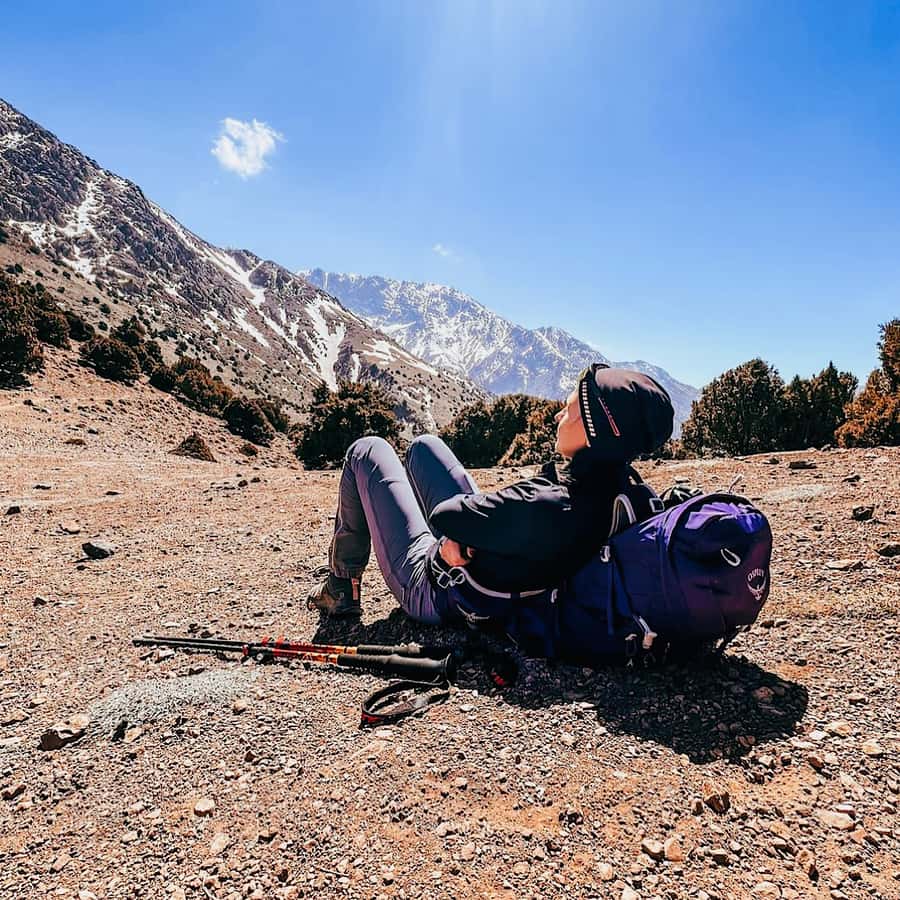
- Small group size (up to 16) keeps it friendly, not chaotic, and helps on narrow village paths.
- Mule support for luggage means you can hike lighter, then collect your bags at the next stop.
- High Atlas passes and valleys give you views without needing technical mountaineering skills.
- Family guesthouses and gites deliver the slow, local rhythm of Berber hospitality.
- Waterfall day in/near Toubkal National Park adds a payoff moment before the final descent to Imlil.
- Guides in multiple languages (including English, French, Spanish, German, Dutch, Arabic) make the story of the villages easier to understand.
Entering the High Atlas: why this trek beats a day trip
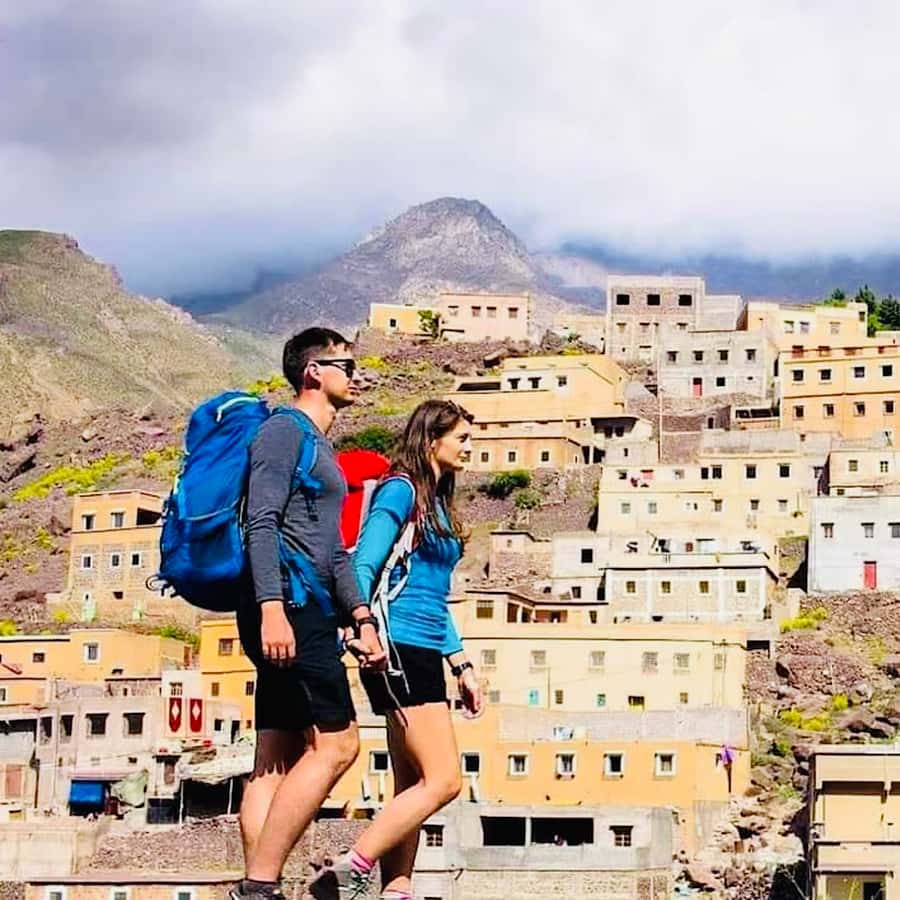
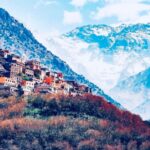
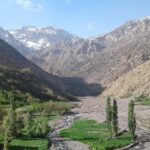
I like Marrakech, but I also like what happens when you leave it behind. Within a short ride, you’re in the Atlas foothills and then into the High Atlas rhythm: fewer cars, fewer crowds, and more time spent walking, resting, and taking in the views.
This trek stands out because it’s not a one-day “drive up, snap photos, drive back” plan. You spend two nights in family guesthouses (and a gite on the second night), so you actually experience how the villages feel after the walking hours end. That’s where the real value sits.
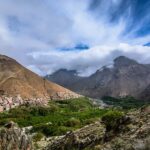
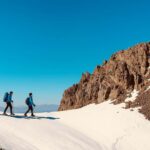
You’ll hike most of the time around 2000m, with higher climbs over passes such as Tizi n’ Tamaterte (2300m) and Mzik Pass (2500m). The altitude isn’t the hardest part technically—the trek is described as not technically difficult—but you do feel the thinner air on long climbs. For a lot of people, that’s part of the fun.
The route also avoids Jebel Toubkal itself, which matters if you want panoramic walking plus village life rather than a summit-focused grind.
You can also read our reviews of more tours and experiences in Marrakesh.
Day 1 from Imlil to Tachdirt/Tinghourine: the first big pass day
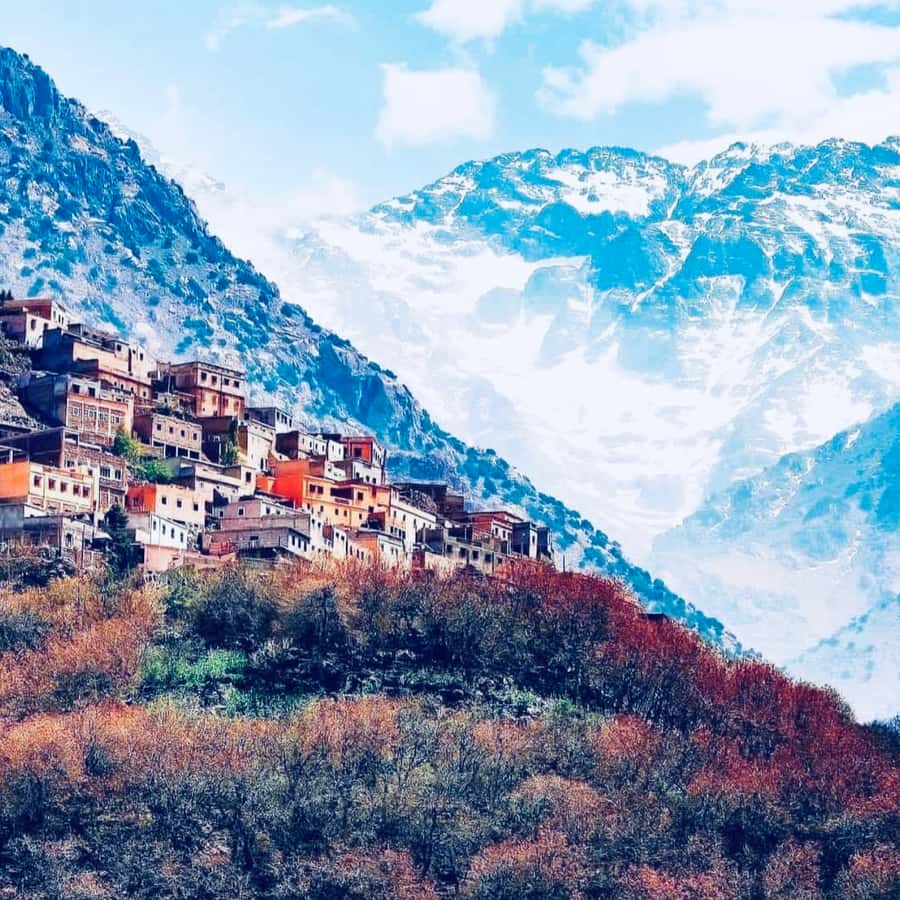
The first day sets your pace and your expectations fast. You start in Imlil (1740m) and hike toward Tizi n’ Tamaterte (2300m), then continue to Tachdirt (also listed as Tinghourine).
Expect about 5–6 hours of walking. The big moment here is the pass climb. Once you reach the top, you’ll have lunch on the pass area after Tizi n’ Tamaterte—exactly the kind of break that helps your legs feel better for the final village stretch.
Why this day works:
- You get that early “wow” when the valley opens up, with views over both mountains and the plains.
- The climb gives you a sense of altitude without turning into a technical challenge.
- Ending in a village guesthouse means you can settle in while the mountain air is still cool.
What to watch:
- The pass day can feel steep in spots, especially if you’re used to flatter walking. Good shoes matter here, and so does a steady pace (slow and sure beats rushing).
- This is the first day where you’ll be glad you brought simple hiking basics like hiking pants and a comfortable base layer.
Day 2 from Tinghourine/Tachdirt via Oudit Pass to Ait Aissa
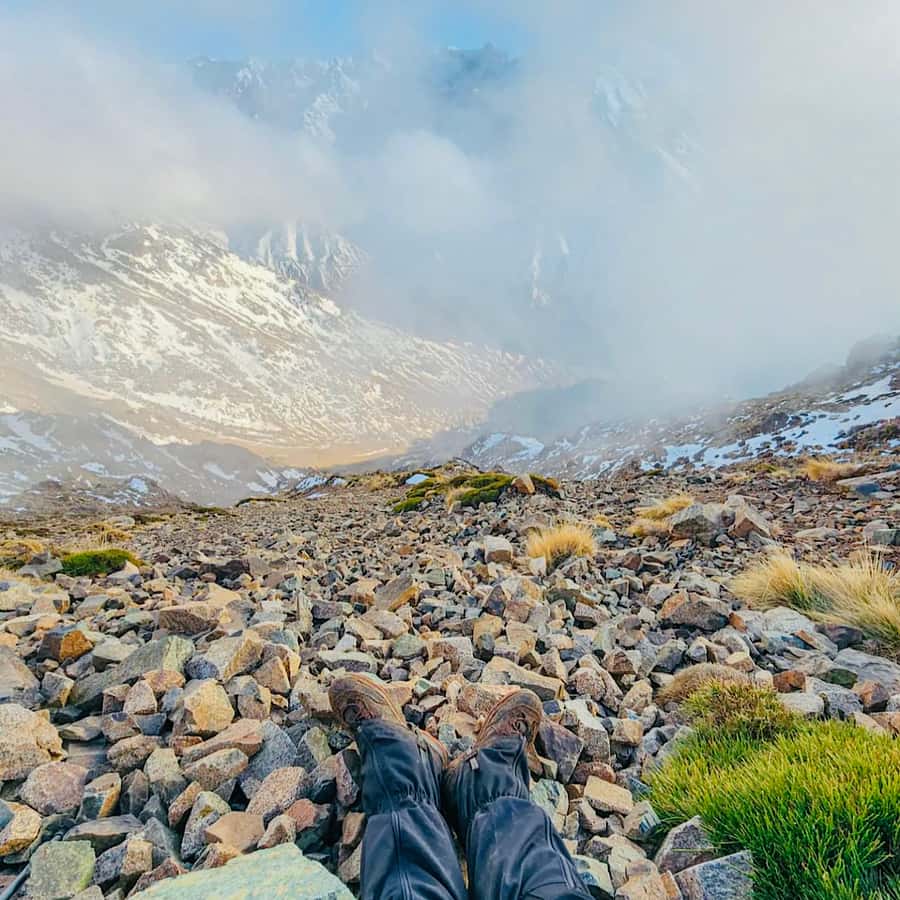
Day two is the middle day energy: longer on the clock and full of changing scenery. You’ll walk about 6–7 hours from Tinghourine/Tachdirt toward Ikkis, then on to Aguersiwal (2100m) and Matat, and finally reach Ait Aissa.
A highlight is crossing Oudit Pass (around 2200m). Passes are where you can feel the trek’s design: the route keeps giving you higher vantage points so you don’t walk the whole time in the same valley view.
In the evening at Ait Aissa, you stay in a gite, and there’s an optional hamam steam bath if you want it. I like this kind of payoff because your body may be tired by then, but your spirits are usually high—after all, you’ve reached another village and the day ends with hospitality, not just a campsite.
How this day feels for most people:
- You’ll likely have a few steady uphill/downhill segments. Nothing is presented as mountaineering-level hard.
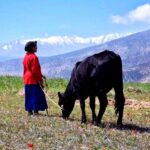
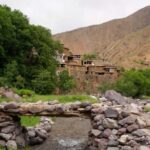
- You move through other Berber villages along the way, so it doesn’t feel like a continuous mountain corridor. Small changes in terrain and village layout keep your attention up.
A practical tip based on what many hikers say: plan for basic comforts and bring personal extras. One helpful suggestion that’s worth copying is having quick-dry towels and a bit of loo roll, because what you get on the trail is simple.
Day 3 with waterfalls and Mzik Pass (2500m) down to Imlil
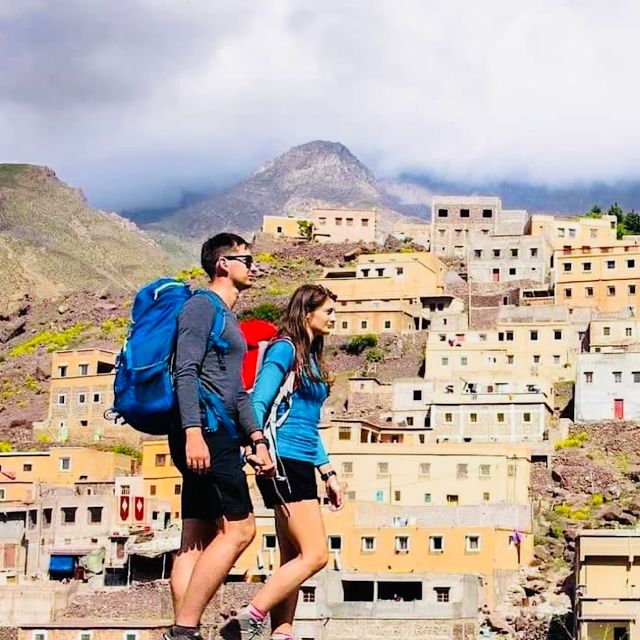
This is the “final payoff” day. You start with walking that includes visiting major waterfalls in or near Toubkal National Park—and one of the named highlights is the Azib Tamsoulte waterfall.
After the waterfall visit, you head over Mzik Pass (2500m). This is a big visual moment: you’ll get fantastic views over the Ait Mizan valley, then you’ll lunch in Mzzik before trekking down toward Imlil.
Timing here is around 6 hours of walking. The descent is where your legs will either feel happy or grumpy depending on your pacing the previous two days. Don’t go full speed down. Use breaks. Let your shoes do the work.
Why this day is more than just “the last day”:
- Waterfall time breaks up the usual pass-and-valley pattern.
- The Mzik Pass view helps you feel the geography of the Atlas, not just the effort of hiking.
- Ending at Imlil means your transfer back toward Marrakech feels like a natural finish, not an abrupt stop.
Guides, mule logistics, and how you move with less stress
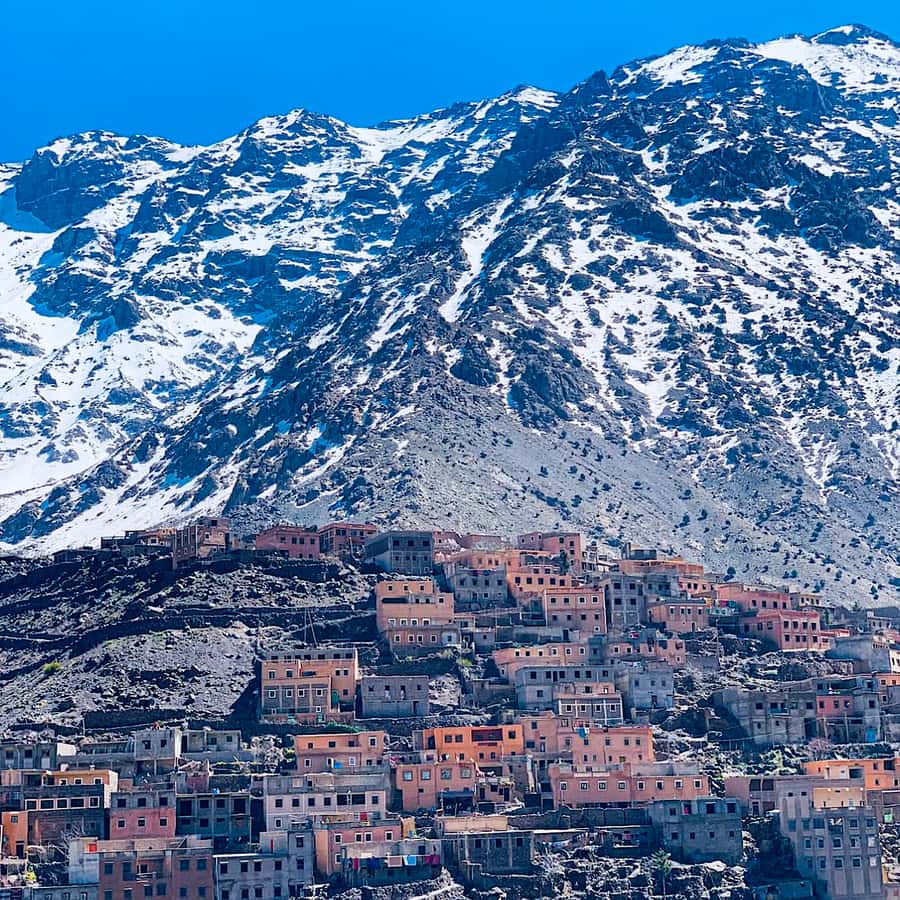
A trek is only as good as the human part. The guides here seem to be a core reason people rate the experience so highly.
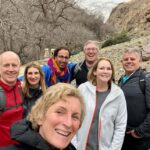
I especially noticed a theme in the guide quality: names like Mohamed, Abdul, Mustapha, Ibrahim, Hussein, and Ismail come up again and again. Beyond language, it’s their storytelling about village life that makes a difference. When your guide explains what you’re seeing—how villages have changed, what daily life looks like, why paths and fields are where they are—your photos stop being random and start making sense.
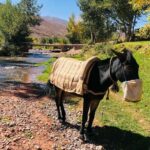
Logistics matter too. You’re provided a mule, and that’s a real comfort. You can usually keep your hiking load reasonable, then have bags carried to the next accommodation along the route. One practical detail that can save you annoyance: the plan includes time at the start to understand where your gear goes for the next days, so you’re not hauling everything on your back.
Also, the pickup and meeting point approach matters if you’re staying in a riad in the medina. Since cars can’t always reach those spots, you’ll be contacted by WhatsApp or email about where to meet. Do yourself a favor and check your messages the day before, not just right before you leave.

Food and guesthouse life: what “basic” really means on this trek
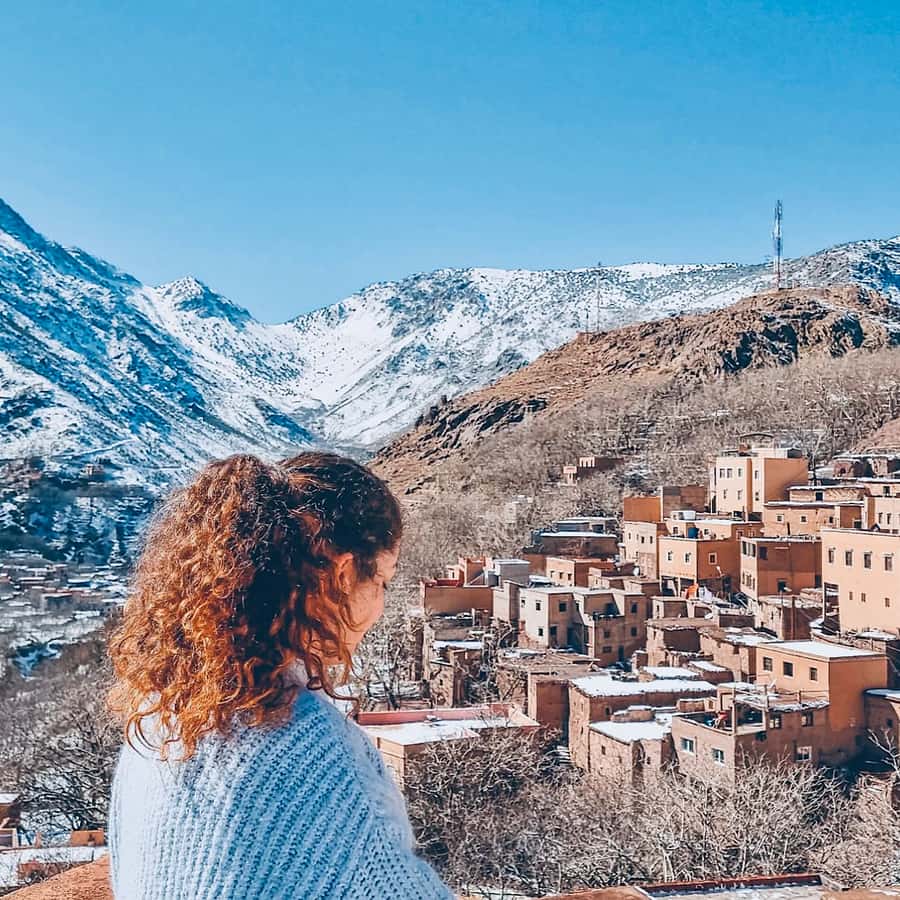
This trip includes all meals and your overnights at family guesthouses/gites. “Included” sounds neat, but what you care about is how it feels in real life: warm food, steady support, and a simple place to rest when you’re done walking.
Expect basic accommodation. That’s not a dealbreaker for many hikers; it’s often part of the point. You’re not paying for luxury. You’re paying for sleep, meals, and access to village hospitality that you wouldn’t arrange on your own after a long day of hiking.
A few things you’ll likely appreciate:
- Meals after hiking tend to be filling and timed to your day.
- The family guesthouse/gite setting gives you a chance to slow down, chat, and learn through conversation.
- If you use the hamam on Day 2, it can turn sore legs into something closer to human again.
You should also be realistic about comfort basics. Bring what you normally need for trail hygiene and small comforts, because services can be simple. Quick-dry items, a small amount of toilet paper, and a camera with enough battery will make the difference between “fine” and “pleasant.”
Price and value: is $159 a good deal for 3 days?
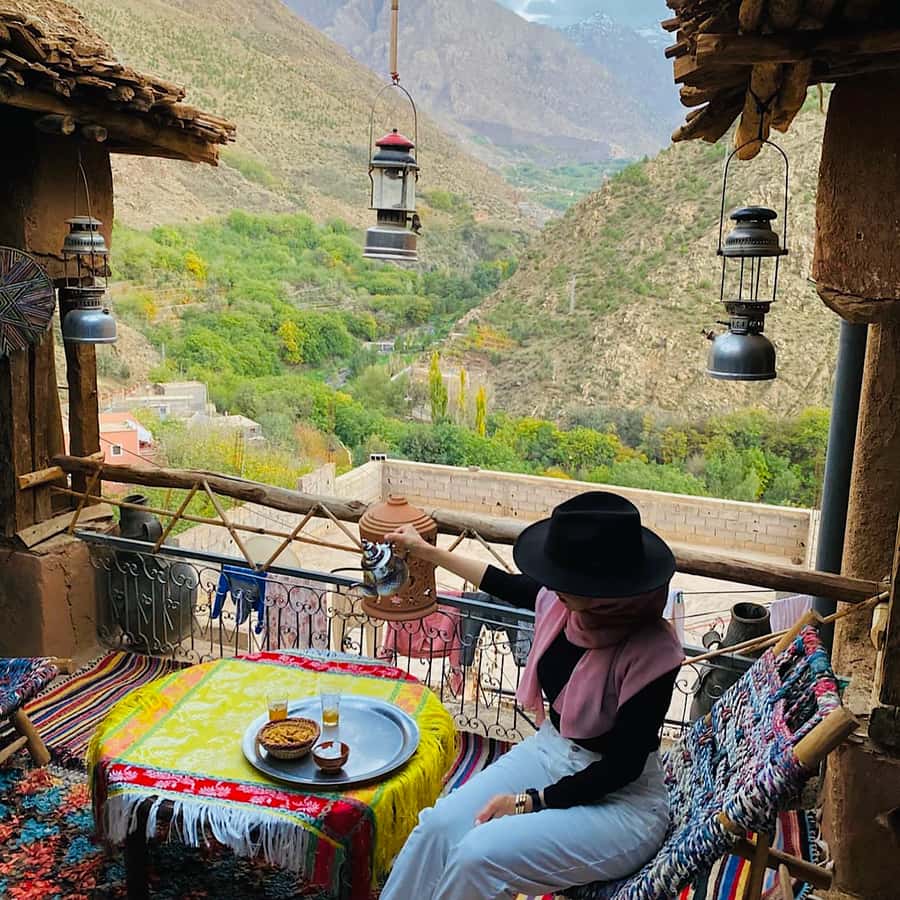
At $159 per person for 3 days, the value depends on what you compare it to. If you’re thinking of doing this yourself—trying to arrange a guide, negotiating guesthouse stays, arranging animal transport, and handling the meal plan—this price starts to look like a bargain.
Here’s what you get inside the cost:
- Hotel pickup and drop-off from Marrakech
- Local guide
- Mule
- All meals
- Accommodation for the nights
So you’re not paying separately for transportation, guide time, food, and lodging on top. For many budgets, that turns a complicated multi-day plan into a straightforward one.
The only time the deal might feel less attractive is if you expect a high-comfort hotel experience. This is a village trek, and the overnight stays are described as refuges/guesthouses/gites that are basic rather than resort-level. In exchange, you get the village setting and the slow pace of rural life.
For most hikers who want an authentic High Atlas experience with less hassle, the pricing looks fair.
Who this trek suits best (and who should skip it)
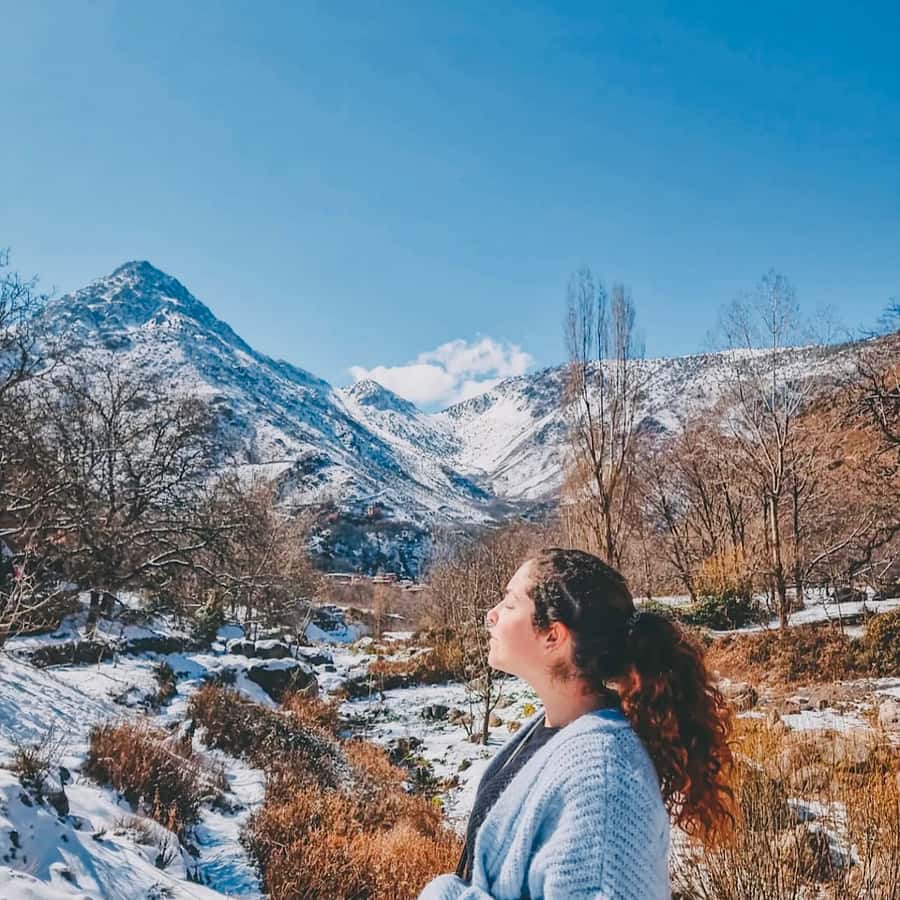
This trek is ideal if you:
- want real Berber village life, not just scenery
- enjoy hiking around 2000m with passes up to 2300–2500m
- like the idea of staying in family guesthouses/gites and eating included meals after long walks
- prefer a small group (up to 16), so you don’t feel lost in a crowd
It’s also a good alternative if you’re looking at Toubkal-style hikes but you don’t want a peak-focused plan. This route keeps the emphasis on villages, valleys, rivers, and waterfalls.
Skip it (or choose another option) if:
- you’re pregnant (not suitable)
- you have mobility impairments or need step-free access
- you dislike long hikes (each day is roughly 5–7 hours)
- you need hotel-style comforts every night
Practical prep: what to bring and how to stay comfortable
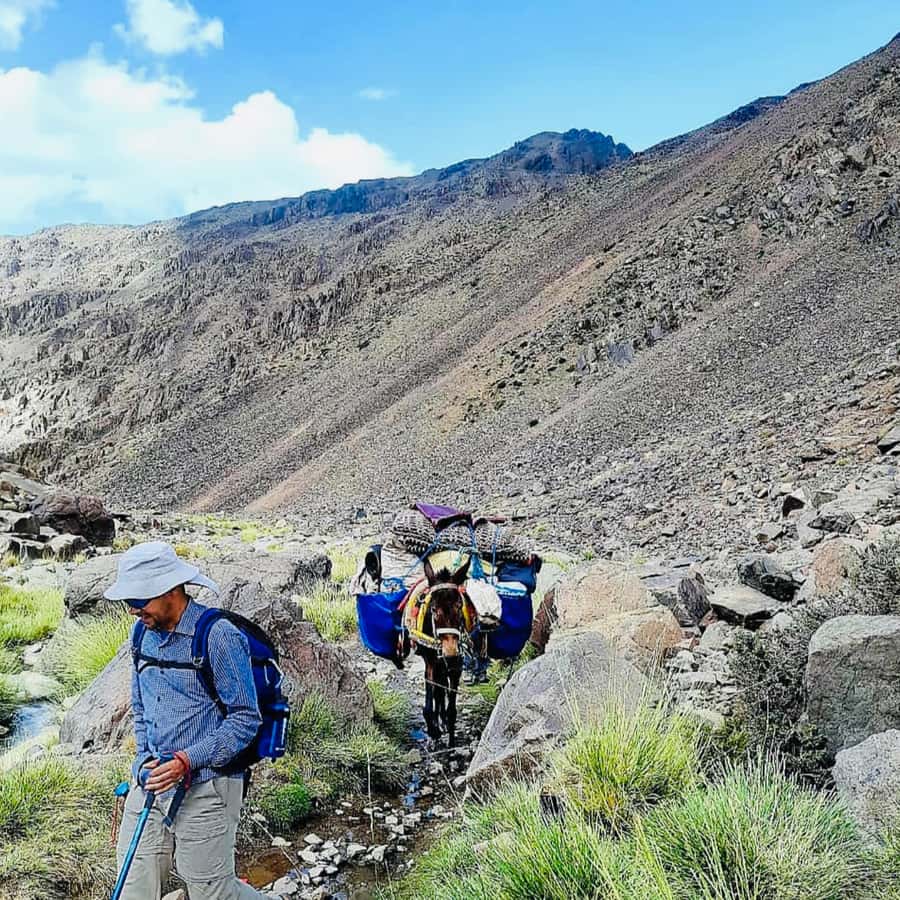
This trek is technically not difficult, but comfort is still your responsibility. You’ll walk for hours, and mountain weather can change quickly.
Bring:
- Hiking shoes and comfortable everyday hiking footwear
- Comfortable shoes plus hiking pants
- A camera
- Passport
- Anything that helps you feel clean and dry, like a quick-dry towel
Also:
- Check the weather before you book. In winter, conditions can force plan changes, and some groups may get merged due to timing and snow impacts.
- Expect that the route can shift in exceptional cases, so keep your expectations flexible if your dates fall around unusual weather or local disruptions.
My rule: pack for the hardest day you could have, not the average day.
Should you book this Atlas Mountains Berber village trek?
If your goal is three days of village trekking with real stays, not just a quick nature hit, this is a smart pick. The mix of passes, valleys, waterfalls (including Azib Tamsoulte), and family guesthouse nights creates a trip that feels grounded rather than staged.
Book it if you’re comfortable with 5–7 hours of walking per day and you don’t mind basic accommodation. Don’t book it if you need accessibility support or if your definition of a good hike includes zero steep moments.
If you want, tell me your travel month and your walking experience level. I can suggest whether this High Atlas route is a good fit for your dates and how to pace yourself for the passes.
FAQ
How long is the Marrakech: 3-Day Atlas Mountains Berber Villages Trek?
It lasts 3 days, with about 5–6 hours of walking on Day 1, 6–7 hours on Day 2, and about 6 hours on Day 3.
Where does the trek start and end?
The trek starts in Imlil and ends in Imlil on Day 3, with a transfer back to Marrakech.
What kind of difficulty is this trek?
It is described as technically not difficult and you do not need previous mountaineering experience. You should still be ready for some steep accents and descents.
Are meals and lodging included?
Yes. All meals are included, and you stay overnight at family guesthouses/gites.
Is there mule support for luggage?
Yes. A mule is included, so you can leave some bags that you don’t need for the day and have them carried to the next accommodation.
What languages do the guides speak?
Guides are available in Arabic, French, Dutch, English, Spanish, and German.
What should I bring for the trek?
Bring a passport, comfortable shoes, camera, hiking shoes, and hiking pants. Checking the weather before booking is also recommended.