REVIEW · KATHMANDU
Everest Base Camp trek – 16 days
Book on Viator →Operated by Kailash Himalaya Trek - Your friend in the Himalaya · Bookable on Viator
Everest is the headline. The real draw here is how the trip handles the hard parts for you: full porterage on the 13-day walking portion and a route that builds toward Kala Pattar (5545m), plus named Sherpa touchpoints like Namche Bazaar and Tengboche.
I like that you’re not just dropped in and told good luck. You get a dedicated guide and porters, with the trek laid out as point-to-point walking rather than backtracking chaos.
The other thing I’d really put my money on is the mix of big moments and cultural stops. You’ll see the Everest region’s stone-walled villages, the Sherpa communities, and a golden-roofed monastery at Tengboche.
One consideration: this trek expects strong fitness and breathing that can handle altitude. If you have lungs problems, you’ll want to think twice before booking.
In This Review
- Key Things I’d Want You to Notice
- Kathmandu Check-In in Thamel: your buffer before altitude hits
- The Trek Shape: 16 days total, 13 days walking, point-to-point
- Namche Bazaar: the Sherpa heartland stop that changes the vibe
- Tengboche and its golden-roof monastery: where religion and weather collide
- Everest Base Camp: the goal, and the reality check
- Kala Pattar (5545m): the viewpoint day that defines the trip
- Food, guest houses, and the stuff that’s not included
- Price and Logistics: is $1,794.88 good value?
- Who should book this, and who should reconsider
- Final thoughts: should you book this Everest Base Camp trek?
- FAQ
- What’s the total duration of the Everest Base Camp trek?
- What’s the highest altitude on this itinerary?
- Where does the tour start and end?
- What’s included in the price?
- What’s not included?
- Is pickup offered in Kathmandu?
Key Things I’d Want You to Notice
- Full porterage means you carry far less than you would on a DIY trek
- Dedicated guide + porters keep the pace realistic for altitude
- Kala Pattar at 5545m gives you the classic high viewpoint payoff
- Namche Bazaar and Tengboche focus on Sherpa life and mountain religion, not just trekking
- 12 nights guest houses keeps the experience grounded in local travel rhythms
- Internal flight plus Kathmandu hotels reduces the biggest logistics headaches
Kathmandu Check-In in Thamel: your buffer before altitude hits
Most people think the trek starts when you step onto a trail. In reality, your Everest success often starts the moment you arrive in Kathmandu. This itinerary includes airport pickup and transfer to your hotel, so you can settle quickly instead of wrestling with taxis and street crossings while you’re jet-lagged.
You also get 3 nights in centrally located Kathmandu hotels with breakfast. That matters because you’ll be managing sleep, meals, and gear prep before you head into the mountains. Your evening is free to explore on your own, which is helpful if you want to pick up last-minute necessities near Thamel, where the meeting point is.
One more practical win: the meeting point is in Thamel, and it’s listed as near public transportation. That gives you options if you want to move around Kathmandu without relying on private rides all the time.
What you should plan for: Kathmandu meals and drinks aren’t included, so budget for food and hydration during your hotel days. Mineral water isn’t included on the trek either, so plan how you’ll handle water without guesswork.
You can also read our reviews of more tours and experiences in Kathmandu.
The Trek Shape: 16 days total, 13 days walking, point-to-point
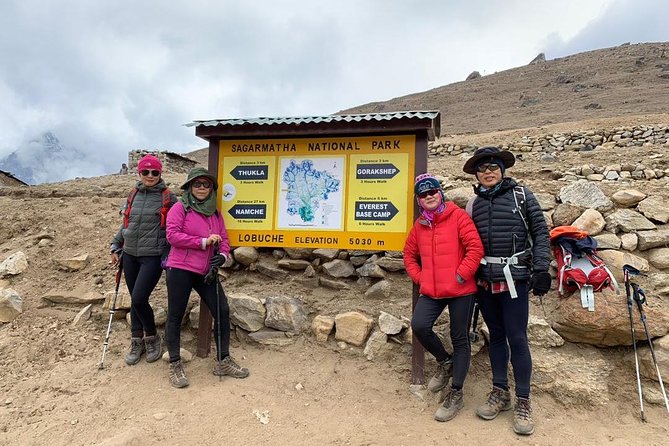
This trip runs about 16 days total, with roughly 13 days of point-to-point walking and the rest built around Kathmandu and transfers. That’s a nice structure because point-to-point routes usually feel more purposeful than repeating the same trail day after day.
You’ll stay 12 nights in guest houses during the trekking portion. Guest houses are the standard way people do this route, and that’s a good thing. It means you’re not spending every night chasing hotel upgrades or paying for private lodges far from the real trail experience.
Here’s what I consider the biggest value piece: full porterage. You don’t just get a guide; you get porters to take on much of the load. That can be the difference between finishing feeling proud versus finishing irritated that your pack feels like dead weight.
This is also described as a private tour/activity, meaning only your group participates. Private doesn’t automatically mean small, but it usually means fewer mixed-group surprises and more control over how your day-to-day pacing works.
Namche Bazaar: the Sherpa heartland stop that changes the vibe
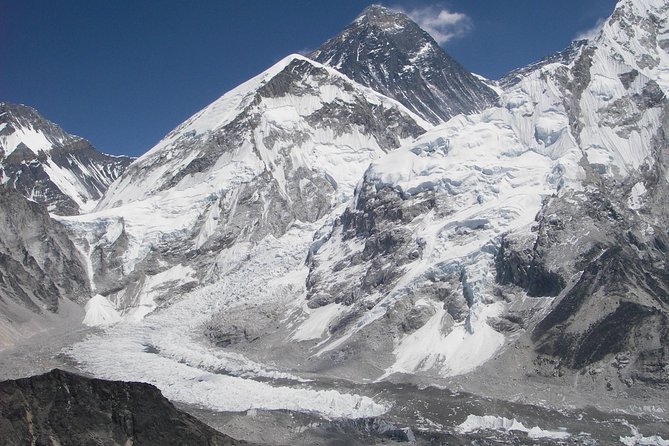
The route explicitly includes Namche Bazaar, described as part of Sherpa heartland. Namche is one of those places where the mountain is still distant enough to feel unreal, but close enough that you start noticing the “living” side of the Everest region.
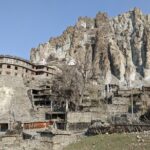
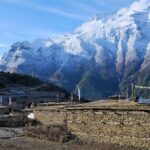
You’ll see stone-walled fields and houses of ancient villages along the way, and that’s important context. The trek isn’t just about reaching altitude; it’s about understanding how people actually live in these valleys and how the mountains shape daily routines.
Namche is also a place where you start to feel the rhythm of Sherpa-led travel culture—especially if your guide and porters share what they do and why they do it. In the reviews, the human side comes up again and again: names like Dawa and Chirring are specifically called out for being great guides and porters. Even without going into every personal story, that’s a clue that your experience should feel guided in more than just route-finding.
The drawback here: you may feel tempted to treat Namche like a sightseeing detour. Don’t. Use it to reset your body: eat, rest, and keep your effort steady.
Tengboche and its golden-roof monastery: where religion and weather collide
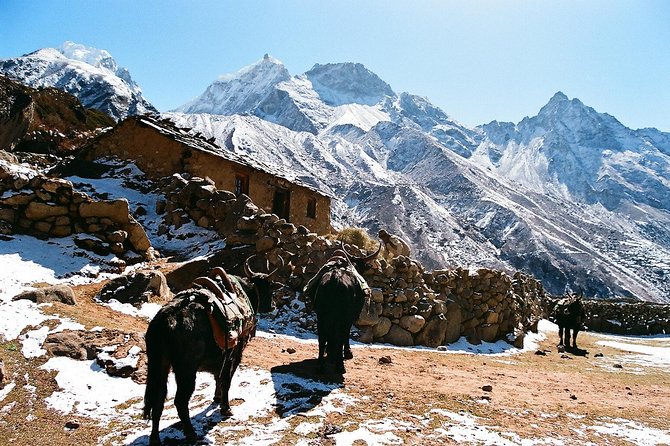
One of the named highlights is the Hill top Monastery at Tengboche. It’s described as golden-roofed, and that’s exactly the kind of stop that makes an EBC trek feel more than a checklist.
Tengboche also connects you to the spiritual side of the region. When you’re high in the hills and the weather is doing its thing, monastery locations often feel like a pause button—quiet, reflective, and a reminder that mountain life here isn’t just trekking.
In practical terms, a monastery stop can also be useful for pacing. You’re breaking up the physical day with something calmer, and that helps you keep walking days from turning into a nonstop slog.
What to watch: the mountains can shift fast. Even if you don’t get a dramatic storm, wind and chill at higher elevations can make short stops feel colder than you expect. Since the trip doesn’t include clothing or a sleeping bag, bring layers you can actually live in during cool temperatures.
Everest Base Camp: the goal, and the reality check
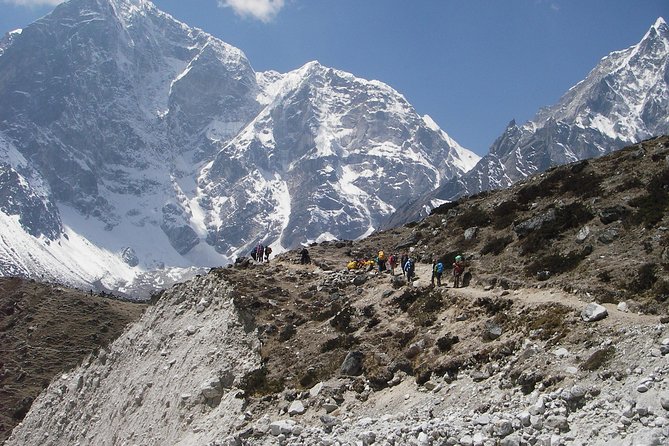
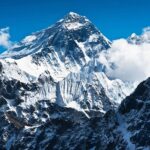
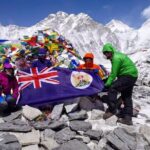
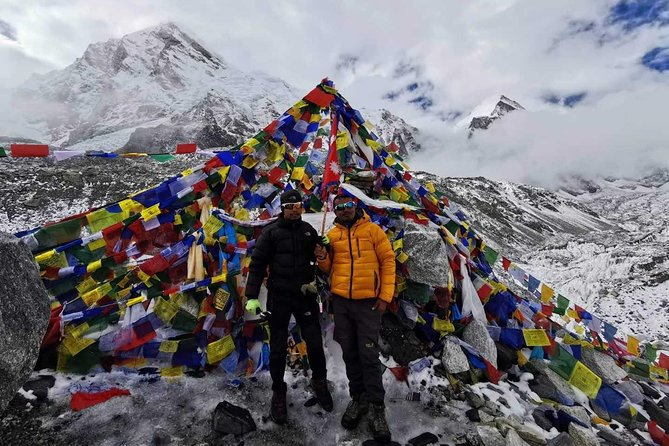
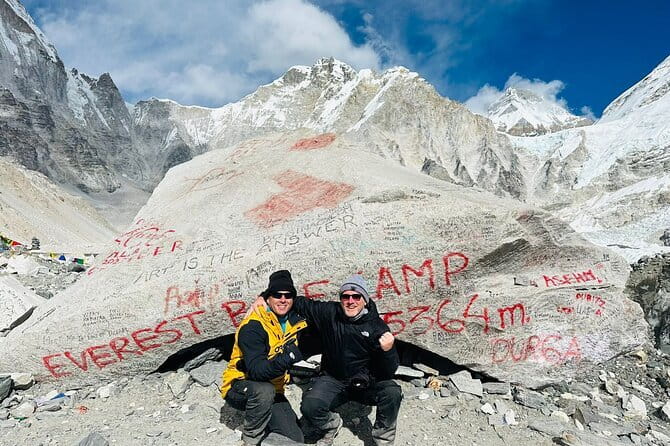
The big target here is Everest Base Camp. The tour description ties it directly to Everest—8848m, the highest point on earth. Reaching Base Camp is the moment where the Everest legend turns into something physical: rock, ice, thin air, and a whole lot of effort that finally pays off.
What I like about this itinerary is that it doesn’t frame Base Camp as the only story. It also highlights the living elements along the way: yak and wild animals in the region, plus Sherpas and mountain communities. That balance matters. Otherwise, you arrive at Base Camp and think: great, now what? Here, you’ll already have context.
Another key detail: the trek includes breakfast, lunch, and dinner during the trekking days. That keeps energy consistent. Food won’t be gourmet, but predictable meals reduce stress. And stress is a bigger factor at altitude than people admit.
Possible drawback: the trek reaches high terrain and includes a stated altitude maximum of 5545m. That doesn’t mean it’s automatically easy for everyone. The hard part is that altitude doesn’t care how confident you feel on flat ground back home.
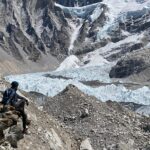
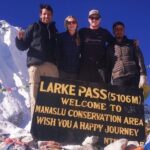
Kala Pattar (5545m): the viewpoint day that defines the trip
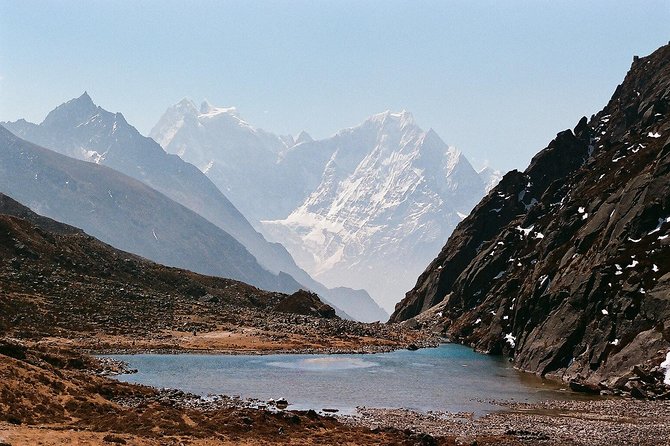
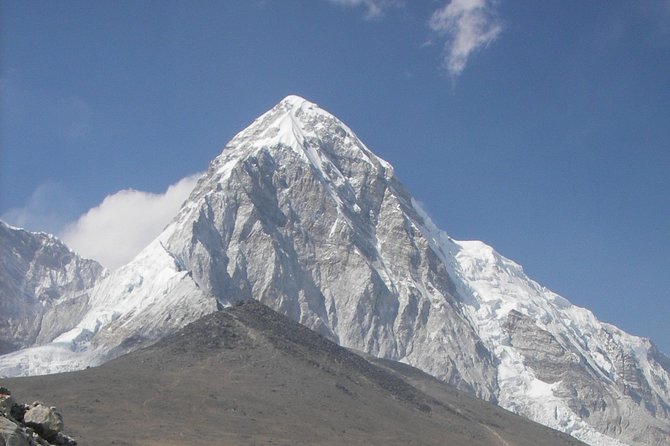
This route specifically calls out Mt. Everest view from Kala Pattar (5545m). Kala Pattar is one of those names that pops up for a reason: it’s a high viewpoint that turns Everest from myth into a real, towering presence.
If you’re planning this trek, focus on what this means for your body and your schedule. At 5545m, you need steady effort. You want your day to feel controlled, not frantic. The inclusion of a dedicated guide and porters is valuable here because pacing is part of safety and comfort.
Also, the program notes that the experience requires good weather, and if it gets canceled due to poor conditions, you’ll be offered a different date or a full refund. That’s not “fine print” to ignore. At high elevations, weather isn’t a minor inconvenience—it changes what you can see and sometimes whether you can safely push onward.
My practical advice: plan for cold and slow movement on the viewpoint segment. Even if the day is clear, the air at altitude can make you feel like every step takes extra effort.
Food, guest houses, and the stuff that’s not included
During the trek, you’ll get 3 meals a day (breakfast, lunch, dinner). That’s a big deal on a long mountain itinerary. With included meals, you’re less likely to end up choosing the wrong snack at the wrong time.
Where you need to pay attention: mineral water isn’t included, and meals in Kathmandu aren’t included. You’ll want to think about hydration strategy before you’re already climbing tired.
Sleeping gear also isn’t included—a sleeping bag isn’t provided, and clothing isn’t included. You don’t want to borrow or improvise your way through cold nights at altitude. Even if your guest house provides basics, you’ll sleep better when your insulation is yours and fits your needs.
Finally, tips aren’t included. In a trek like this, tips often go directly to the people who carry your comfort. The reviews highlight porters and guides by name—like Raju, Tej, Budhi, Ardash, Dawa, and Chirring—so you’ll likely feel the impact of that human teamwork when the trail gets tough.
Price and Logistics: is $1,794.88 good value?
At $1,794.88 per person, this isn’t a budget trek. But it also isn’t a barebones setup, and that’s where the value math gets interesting.
Included items that add real cost and time to DIY trips:
- Airport pickup and drop transfers in Kathmandu
- 3 nights centrally located Kathmandu hotels with breakfast
- Internal flight (listed as included)
- Guide and porters for your trek
- Guest house accommodation for 12 nights
- Staff insurance
- 3 meals during the trek
Not included (things you should budget for):
- Personal insurance
- Clothing and a sleeping bag
- Tips
- Mineral water
- Meals in Kathmandu
Here’s the way I’d judge value for your situation: if you want a high-effort destination like Everest Base Camp without turning your vacation into logistics work, this package is designed to remove big friction points. The porterage and included meals alone can save you stress and wasted hours. That’s especially important at altitude, where decision-making feels slower and mistakes feel bigger.
Who should book this, and who should reconsider
This trek is listed as requiring strong physical fitness. It’s also explicitly noted that people with lungs problems should be cautious. If you know altitude affects your breathing at home—especially with exertion—talk with a medical professional before committing.
It’s also a good fit if you want:
- a structured plan with a dedicated guide
- less weight on your back thanks to full porterage
- cultural stops like Namche Bazaar and Tengboche
- the big-view payoff of Kala Pattar at 5545m
If you’re the kind of person who enjoys planning trails day by day and handling gear transfers yourself, you might find this style less adventurous than DIY. But if your goal is to maximize time on the trail and minimize avoidable problems, this approach is practical.
Weather matters too. The experience requires good conditions, and if poor weather cancels it, you’ll get a different date or a full refund. That’s reassuring, but it also means you should stay flexible with vacation timing.
Final thoughts: should you book this Everest Base Camp trek?
I’d book this itinerary if you want Everest Base Camp with the logistics handled and you care about doing it with less physical overhead. The combo of full porterage, included meals during the trek, Kathmandu support, and named Sherpa touchpoints like Namche Bazaar and Tengboche makes it a solid package for most people with strong fitness.
I wouldn’t book it (or I’d pause and get advice first) if altitude breathing is already a problem for you. And I’d go in ready for cold, the slow pace of higher elevations, and the fact that good weather isn’t optional out here.
If that all sounds manageable, you should feel confident heading into the Himalaya knowing the big moving pieces—guides, porters, accommodation, and transfers—are lined up for you.
FAQ
What’s the total duration of the Everest Base Camp trek?
The trip is listed as about 16 days.
What’s the highest altitude on this itinerary?
The altitude maximum is listed as 5545m, at Kala Pattar.
Where does the tour start and end?
It starts at Thamel, Kathmandu 44600, Nepal, and ends back at the same meeting point.
What’s included in the price?
Included items are airport transfers, guide and porters, internal flight, hotels in Kathmandu (3 nights) with breakfast, guest houses (12 nights), staff insurance, and meals during the trek (breakfast, lunch, and dinner).
What’s not included?
Meals in Kathmandu, personal insurance, clothing, sleeping bag, tips, and mineral water are not included.
Is pickup offered in Kathmandu?
Yes. Airport pickup and drop transfers are included, and you’re transferred to your hotel after arrival.