REVIEW · KATHMANDU
Langtang Gosainkunda Trek
Book on Viator →Operated by Hiking Adventure Treks · Bookable on Viator
Frozen water, sacred vows, big views. The Langtang Gosainkunda Trek brings you to Gosainkunda Lake at 4,380 m, with a surreal set of lakes and peaks plus a viewpoint above the water over the Langtang valley and wide Himalayan views. I love how this feels both spiritual and dramatic, and I also love that it’s a relatively short trek from Kathmandu compared with big, far-flung Himalayan routes. The main thing to consider is altitude plus weather—this is built for good conditions, and you’ll need a moderate fitness base.
I also like the human side of this operator. Their planning and communication come through clearly in how they coordinate the details, including support around special diets; Sajana Tripathi is noted for quick replies, and Ram Barakoti (CEO) comes up in reviews for care and attention. Add in pickup offered and a mobile ticket, and the start-to-finish experience feels less chaotic and more like you can focus on the trail.
In This Review
- Key highlights before you go
- Gosainkunda is the rare bucket-list hike that’s close to Kathmandu
- How the 7-day trek usually feels from start to finish
- Altitude at 4,380 m: what to plan (and what not to fake)
- Meals on trek: breakfast, lunch, dinner, and the coffee/tea detail
- Private tour comfort: why “only your group” changes the experience
- Getting started at 7:45 am with pickup and a mobile ticket
- Price and value: what $700 buys you (and what it doesn’t)
- Weather rules the day: what happens if conditions aren’t good
- Who should book the Langtang Gosainkunda Trek?
- Final call: should you book?
- FAQ
- What time does the trek start?
- How long is the Langtang Gosainkunda Trek?
- Is the tour private?
- What’s included in the price?
- Is bottled water included?
- What happens if the trek is canceled due to poor weather?
Key highlights before you go
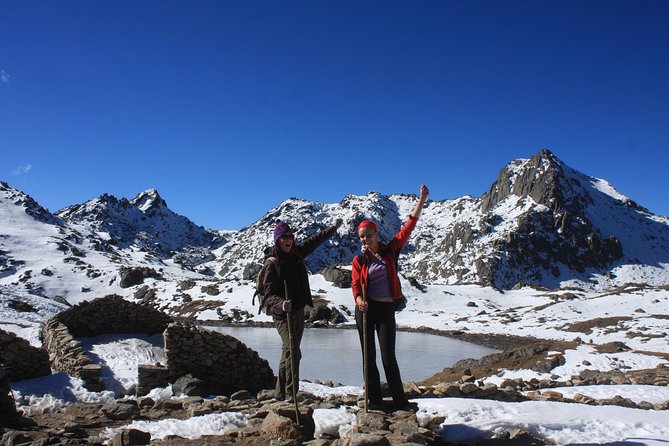
- Gosainkunda Lake at 4,380 m (14,368 ft): a real altitude moment for a short approach route
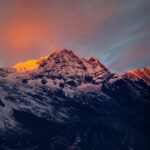
- Sacred, frozen, and surrounded by peaks: you’re hiking to a spiritual destination that also looks otherworldly
- Viewpoint over Langtang valley: a big payoff moment above the lake
- Private setup: only your group participates, so pacing and comfort tend to feel easier
- Meal coverage included: breakfast, lunch, dinner, plus coffee and/or tea
- Sajana Tripathi and Ram Barakoti named in feedback: strong planning and responsive communication
Gosainkunda is the rare bucket-list hike that’s close to Kathmandu
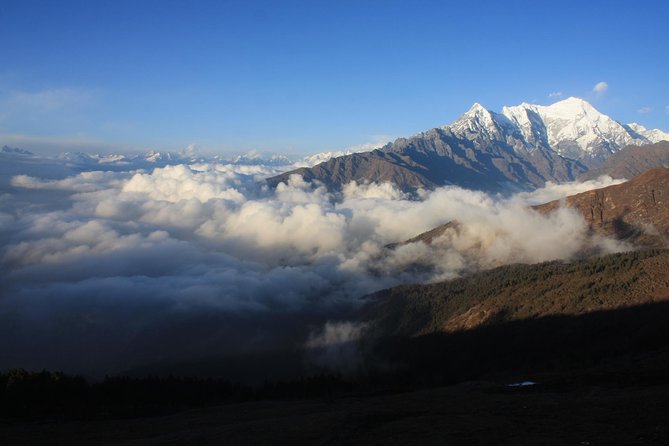
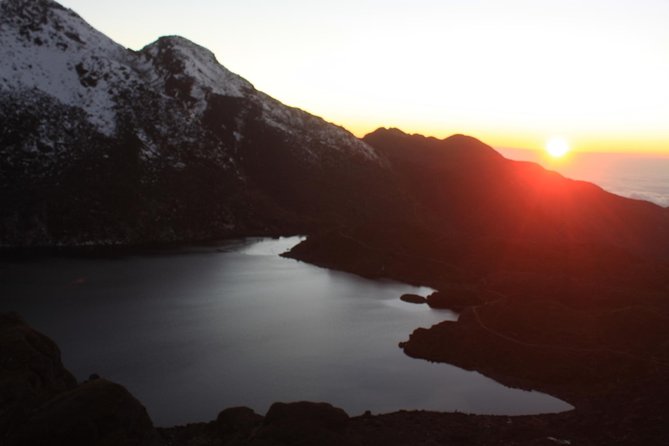
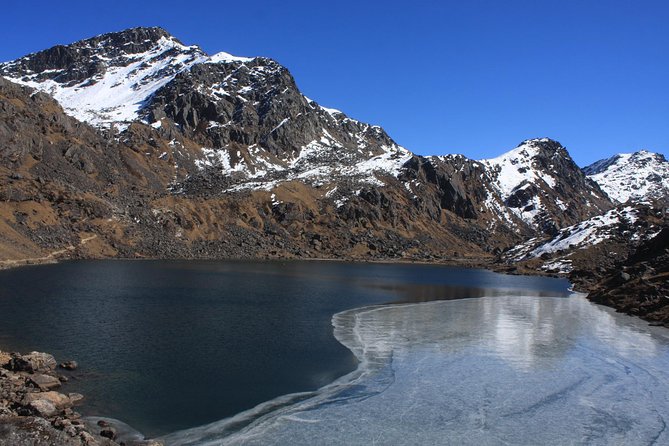
If you want high-country views without committing to a long expedition, Gosainkunda is one of the best answers near Kathmandu. The trek centers on a lake considered religious, often described as the frozen lake, and that mix of meaning and scenery is what makes the area hit different. You’re not just ticking off a viewpoint—you’re arriving at a place people connect with, where the surrounding peaks and the chain of lakes around it make everything feel surreal.
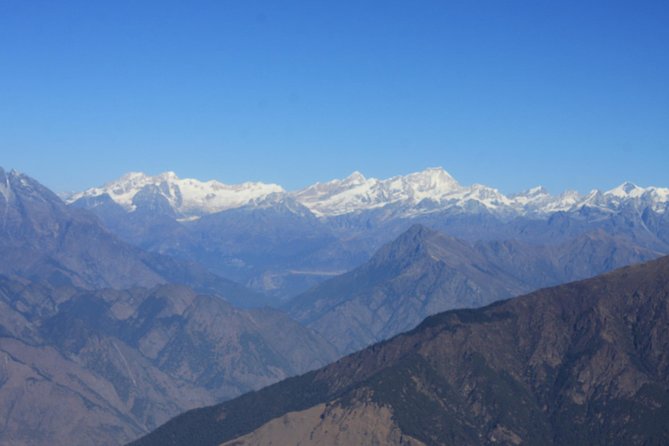
I like that the destination is compact in concept: you’re going for Gosainkunda and the surrounding area. You won’t spend a week “traveling to traveling.” Instead, the trek is structured around getting you to a high lake environment and then giving you time to experience it from near the water and from above. You’ll also get a viewpoint that overlooks the Langtang valley—exactly the kind of visual reward that makes early mornings and cold air worth it.
You can also read our reviews of more tours and experiences in Kathmandu.
How the 7-day trek usually feels from start to finish
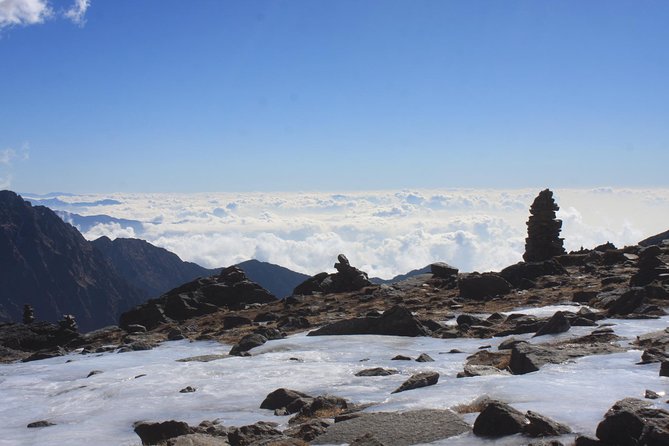
This trip runs about 7 days. The exact day-by-day movement can vary with route choices and weather, but the overall flow is consistent: approach, effort, lake time, and then descent back toward Kathmandu.
Here’s the practical rhythm you should expect:
- Day 1: morning start and settling in
You’re set to begin at 7:45 am, with pickup offered. That early start matters because you’re aiming to keep the hiking days efficient and not waste daylight in a colder high zone.
- Middle days: the climb-in and the payoff building
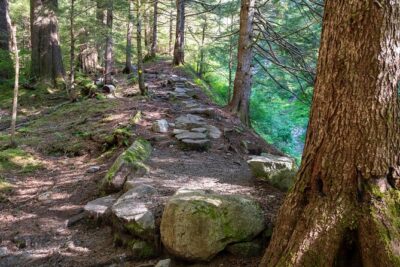
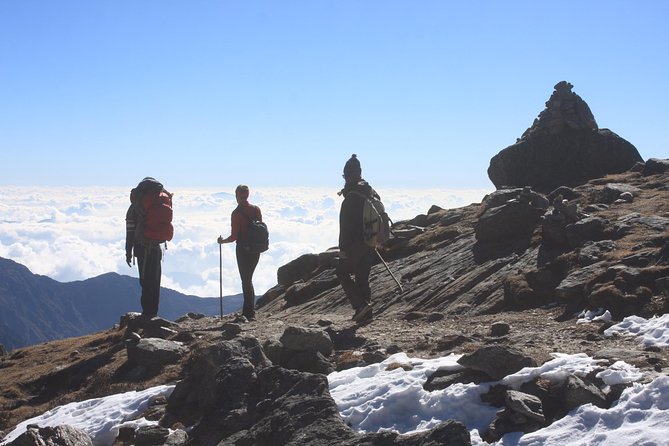
As you work your way toward Gosainkunda (and the nearby lakes), the terrain and altitude will be the story. This isn’t a walk in the park, but it’s also not an extreme, multi-pass mountain mission. Think of it as a focused trek that keeps moving toward one main goal.
- Gosainkunda days: frozen-lake atmosphere plus wide views
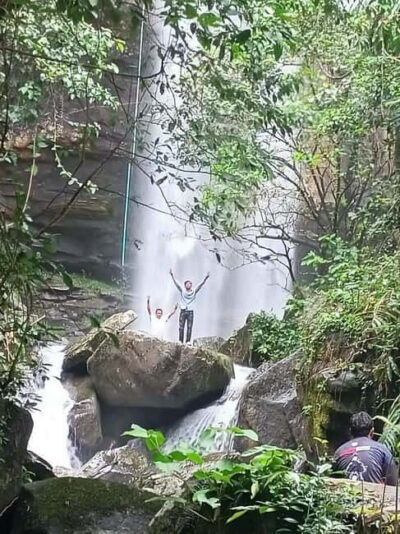
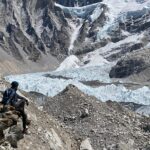
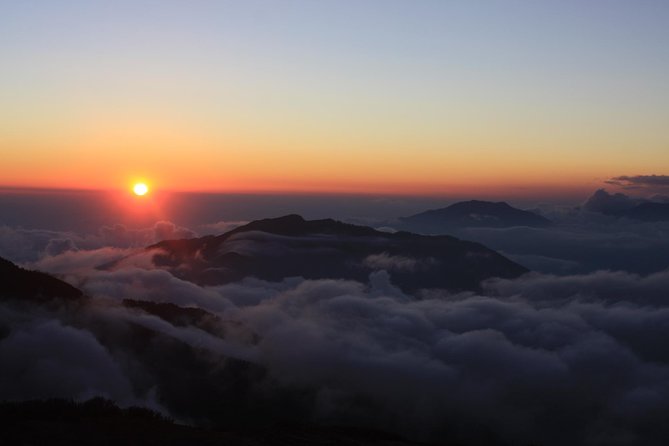
When you reach the lake area, you get the core experience: the group of lakes, the religious setting, and the sense that you’re standing in a bowl of big mountain scenery. A key highlight is the viewpoint above the lake, where you can look out over the Langtang valley and see a broader range of Himalayan peaks.
- Final days: return and recovery
You’ll hike back down after your time in the Gosainkunda zone. You’ll likely feel it most in your legs during the descent, so plan for slower steps, extra breaks, and a calm finish.
The biggest “schedule truth” here: weather drives trekking comfort and timing. If clouds, rain, or poor visibility roll in, your day can feel longer and colder than you planned—even if the itinerary itself stays the same in principle.
Altitude at 4,380 m: what to plan (and what not to fake)
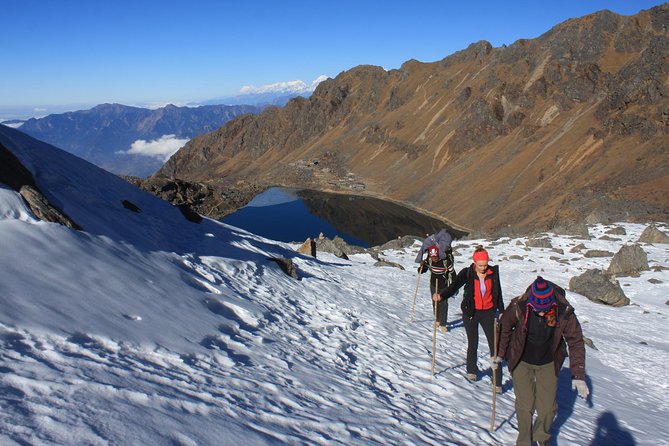
The lake sits at 4,380 m / 14,368 ft, and that single number should shape your approach. The operator specifies moderate physical fitness for travelers, which is a realistic guide: you should be able to walk steadily for hours and handle uphill effort without turning every climb into a survival sprint.
Here’s how I’d plan smartly based on that altitude reality:
- Pace is your friend
Don’t chase distance. Chase steady breathing. If you find yourself winded fast, slow down immediately.
- Keep your body warm
High-altitude mornings can feel brutally cold. Even if the sun shows up later, you’ll want layers that you can adjust quickly.
- Drink regularly
You’ll be outdoors for long stretches. Not having bottled water included means you should plan hydration ahead (more on that below).
- Treat weather as part of altitude management
Cold plus wet or windy conditions is harder than dry cold. This is especially relevant because the experience is weather dependent, and the provider may cancel if conditions are poor.
If you’re new to trekking at altitude, the safest move is to show up fit, follow the group pace, and don’t gamble with effort on the days leading toward higher ground. This trek isn’t marketed as a backcountry trick-fest—it’s about getting you to a specific place where the air thins and the scenery rewards you.
Meals on trek: breakfast, lunch, dinner, and the coffee/tea detail
This is one of the better “value” setups for Nepal trekking because it includes a solid food base. Your package includes:
- Breakfast
- Lunch
- Dinner
- Coffee and/or tea
That matters more than it sounds. On trek, you’re not just hungry—you’re burning energy, and consistent meals help you keep your pace steady. It also means you’re not juggling cash and last-minute snack hunting at every stop.
Two key things to note:
- Alcoholic beverages are not included. If you like to unwind with drinks at the end of a day, you’ll need to budget separately.
- Bottled water is not included. Plan for how you’ll handle hydration. You might bring a refill system if you already use one, or you might choose to purchase water during the trek. Either way, don’t assume it’s covered.
Private tour comfort: why “only your group” changes the experience
This is a private tour/activity. That means only your group participates, rather than joining a mixed crowd with different speeds and expectations.
In practical terms, private often helps with:
- Pacing: you can keep a steadier rhythm without feeling pressured to match strangers.
- Focus: when you’re aiming for a specific lake area and viewpoint above it, you want fewer distractions and fewer waiting gaps.
- Personal adjustments: if someone in your group needs more breaks or moves slower, the day can bend without turning into a stressful scramble.
I also like the way the company appears to take communication seriously. Sajana Tripathi is singled out in feedback for being quick to respond. And Ram Barakoti is mentioned in connection with careful planning—especially when dietary needs mattered. For you, that translates to fewer surprises before you go, and more confidence once you’re on the ground.
Getting started at 7:45 am with pickup and a mobile ticket
The trek starts at 7:45 am, and pickup offered is part of the deal. There’s also a mobile ticket, which is a small thing that can save time and confusion when you’re trying to coordinate multiple parts of the trip.
Here’s how to make that morning easier:
- Sleep the night before like you mean it
A high-altitude trek starts with early wake-ups and cold air. If you’re running on travel fatigue, the first hiking hours are harder than they need to be.
- Eat something reliable before pickup
Even with breakfast included, you don’t want your stomach waking up late. Keep it simple—something you usually tolerate well.
- Pack for layers, not just a single jacket
The day can shift from colder morning to warmer sun conditions, and you’ll want control.
The goal is to remove friction at the start. The less you’re scrambling, the more mental energy you can spend on the hike itself.
Price and value: what $700 buys you (and what it doesn’t)
At $700 per person for a 7-day trek, you’re paying for more than “a hiking route.” You’re also paying for organization: meals coverage, a private setup, morning logistics, and the chance to trek with a company that communicates well and plans carefully.
To evaluate value, look at what’s included:
- All three main meals (breakfast, lunch, dinner)
- Coffee and/or tea
- Pickup offered
- Private experience (only your group)
- Confirmation at booking time
- Mobile ticket convenience
Now, what’s not included:
- Alcoholic beverages
- Bottled water
So you should budget for your own water plan and any drinks you want. If you’re the type who would otherwise spend time figuring out food and logistics day by day, this price can feel fair because it removes that workload. If you’re a super light spender who already handles water and snacks easily and would prefer to DIY everything, $700 may feel steep. For most groups though, the included structure and private feel are the core value.
Weather rules the day: what happens if conditions aren’t good
This experience requires good weather. If it’s canceled due to poor weather, you’ll be offered a different date or a full refund.
That’s important for two reasons:
- Mountain weather can change fast, especially around higher areas.
- You’ll get less stress about “should I go anyway?” because the policy is tied to weather quality.
For your end, the best move is to build flexibility into your overall Kathmandu schedule. Leave at least a small buffer so a rescheduled date doesn’t blow up your whole travel plan.
Who should book the Langtang Gosainkunda Trek?
You’ll likely love this trek if you want:
- A high-altitude destination near Kathmandu
- A meaningful, religious site experience at Gosainkunda Lake
- Big visual payoff from above the lake, with Langtang valley views
- A trek built around comfort basics like included meals and organized logistics
- A private group setup
You might think twice if:
- You have low tolerance for altitude effort and cold weather
- You’re not prepared for weather-driven changes
- Your group prefers fully DIY travel with zero package structure
The “moderate physical fitness” requirement is your clue. This is for active travelers who can hike uphill steadily without needing constant medical-style support.
Final call: should you book?
I’d book this trek if you want Gosainkunda for the right reasons: the sacred frozen-lake setting, the lake-and-peaks atmosphere, and that viewpoint over the Langtang valley. The private format plus meal inclusion helps keep you focused on the hike rather than logistics. The only real caution is altitude and weather: arrive ready, move calmly, and keep your schedule flexible.
If you care about good pre-trek communication and careful planning, the names Sajana Tripathi and Ram Barakoti showing up in feedback is a solid sign that the operator treats the details seriously—not just the view.
FAQ
What time does the trek start?
The trek starts at 7:45 am.
How long is the Langtang Gosainkunda Trek?
It’s listed as 7 days (approx.).
Is the tour private?
Yes. It’s a private tour/activity, and only your group will participate.
What’s included in the price?
Included meals are breakfast, lunch, and dinner, plus coffee and/or tea.
Is bottled water included?
No. Bottled water is not included.
What happens if the trek is canceled due to poor weather?
If it’s canceled because of poor weather, you’ll be offered a different date or a full refund.